
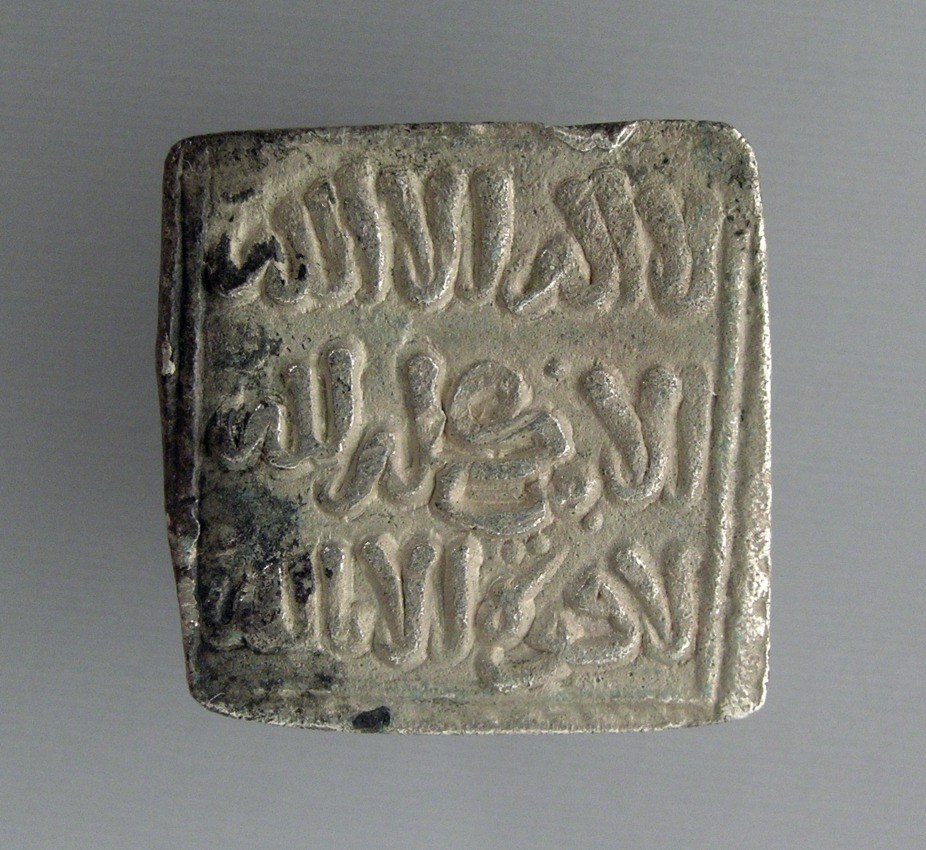
Almohad Silver Dirham
A distinctive square silver coin of the Almohad Caliphate, covered on both faces with geometric Arabic religious inscriptions.
- Country
- North Africa
- Denomination
- Dirham
- Metal
- Silver
Got a coin like this?
Identify any coin from a photo, free.
Overview
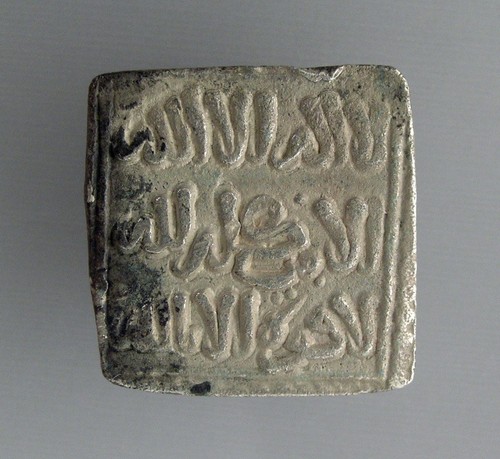
The Almohad silver dirham is instantly recognizable for its square form, a sharp break from the round coinage that dominated the medieval Islamic world. Both faces are filled edge to edge with Arabic calligraphy arranged in tidy horizontal lines, framed by a square border rather than the usual circle.
Struck by the Almohad (al-Muwahhidun) dynasty that ruled North Africa and Muslim Iberia in the 12th and 13th centuries, these small silver pieces are among the more accessible medieval Islamic coins for collectors. Their bold, purely epigraphic design carries no portrait or figure, in keeping with the movement's strict religious outlook.
The square dirham proved so influential that its shape was copied by neighboring Christian kingdoms and Italian merchants, making it one of the most imitated coin forms of its era.
History & Background
The Almohad movement grew from the religious teachings of Ibn Tumart, who was proclaimed the Mahdi in the early 12th century, and was built into an empire by his successor Abd al-Mu'min. At its height the caliphate stretched across present-day Morocco, Algeria, Tunisia, and much of southern Spain and Portugal.
The Almohads reformed the region's coinage, issuing a round gold dinar (often called the dobla or masmudina) alongside the distinctive square silver dirham. The square dirham typically omits the name of a ruler and instead bears religious declarations, reflecting the dynasty's emphasis on the oneness of God (tawhid) and the authority of the Mahdi.
The coinage circulated widely across the western Mediterranean for well over a century until the Almohad state fragmented and was replaced by successor dynasties such as the Marinids, Hafsids, and Nasrids during the 13th century. Imitations known as millares were struck by Christian mints in southern France and Italy for trade with Muslim territories.
How to Identify
The single most diagnostic feature is the square shape: a small, thin silver flan cut or struck as a square, with Arabic legends filling the field on both sides. There is no image, ruler portrait, or animal, only calligraphy laid out in horizontal lines within a square frame.
Typical examples are small and light, roughly 15 mm across and around 1.5 grams for the full dirham, with half-dirham fractions also known. The script is an angular Maghribi style of Arabic, and the inscriptions are religious formulas praising God and referencing the Mahdi and the caliphate rather than giving a clear date. Most square dirhams are undated and frequently carry no legible mint name, which is normal for the type.
Because the design is purely textual and standardized, individual issues are distinguished by legend details and calligraphic style rather than by dates or portraits. Contemporary Christian imitations (millares) copy the layout but often show garbled or nonsensical Arabic, which helps separate them from genuine Almohad strikings.
Value & Collectibility
Almohad square dirhams are relatively plentiful and are among the more affordable medieval Islamic silver coins. Typical circulated examples tend to trade in the modest tens of dollars, with cleaner, well-centered, fully legible pieces bringing more.
Value is driven by strike quality, completeness of the square flan, sharpness of the calligraphy, and eye appeal rather than by date or mintage, since most are undated and mint marks are often absent. Half-dirhams and unusual or well-attributed varieties can carry premiums.
The round Almohad gold dinar (dobla) is a far scarcer and more valuable coin than the silver dirham; the two should not be confused. As always, prices are context-dependent and shift with condition and demand, so treat any single figure as a rough guide rather than a fixed price.
Frequently asked questions
Why is the Almohad dirham square instead of round?
The Almohad dynasty deliberately adopted a square form for its silver dirham, breaking from the round coinage standard of the wider Islamic world. The shape became a signature of Almohad money and was widely imitated.
Whose name appears on the coin?
Most square dirhams carry no ruler's name. Instead they bear religious declarations about the oneness of God and references to the Mahdi and the caliphate, reflecting the movement's beliefs.
Does it have a date or mint mark?
Usually not. The great majority of Almohad square dirhams are undated and often lack a legible mint name, so they are identified by their form, script, and legends rather than by a date.
What are millares?
Millares are Christian European imitations of Almohad square dirhams, struck in places like southern France and Italy for trade with Muslim lands. They copy the layout but frequently show blundered or meaningless Arabic.
Is this coin valuable?
The silver dirham is common and generally affordable, often trading in the tens of dollars, with condition driving price. The much rarer Almohad gold dinar is a separate and far more valuable coin.
Almohad Silver Dirham guides
In-depth guides for identifying, valuing, and collecting Almohad Silver Dirham.
Other coins you may enjoy
Gold Chervonets
1923
Shilling of Edward VI
1547–1553 (reign of Edward VI)
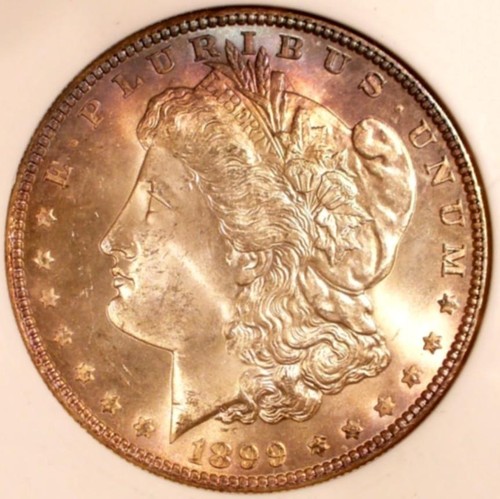
French Silver Franc
c. 1871–1920 (example dated 1899)
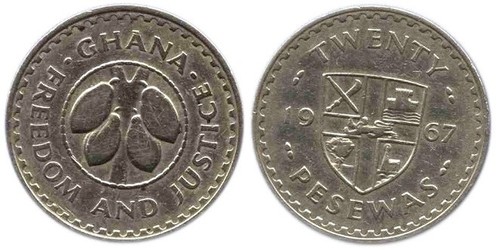
Ghana 20 Pesewas
1967
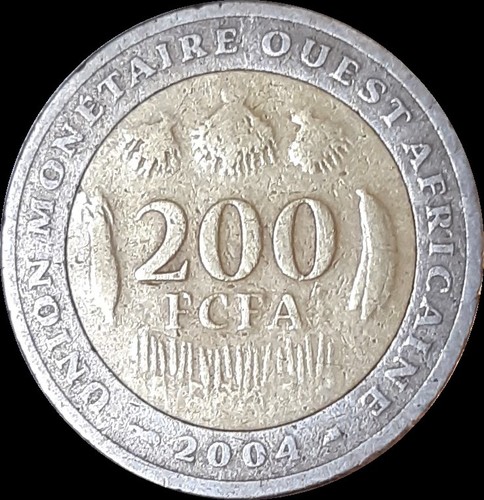
200 CFA Francs
2003–present
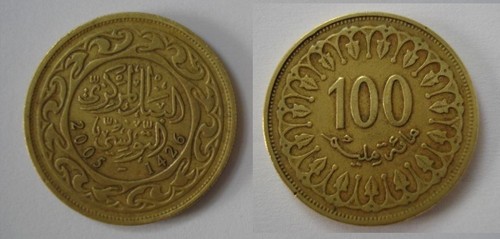
Tunisia 100 Millimes
1983–2005 (this brass type)
Israel Half Lira (25th Anniversary)
1973 (5733)
Israel 100 Sheqalim Hanukka Commemorative
1985
British West Africa 2 Shillings
1936–1952 (George VI type)
British Florin
Victorian issues c. 1849–1901 (example dated 1890)
Swiss 5 Francs
1888–1916 (this design)
North Yemen 1 Rial
1963 (AH 1382)