
Coin Encyclopedia
Search and identify coins from around the world — with country, denomination, metal, mint, history, and how to tell them apart.
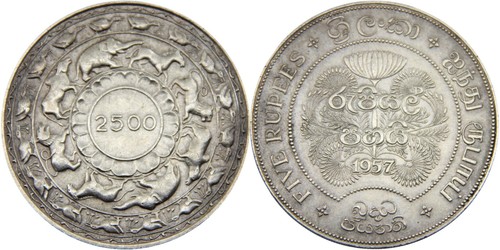
Ceylon 5 Rupees Buddhism Anniversary
Ceylon's 1957 silver five rupees marking 2,500 years of Buddhism, with an ornate 2500 device amid mythological creatures and a scrolled RUPEES reverse.
South Asia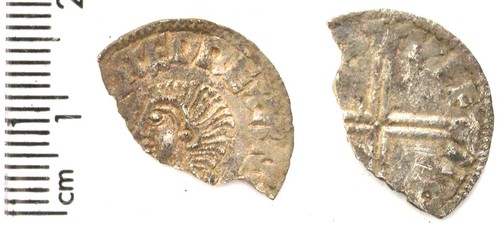
Penny of Aethelred II
Anglo-Saxon silver penny of King Aethelred II showing his diademed bust facing left and a cross with pellets and ornament on the reverse.
Medieval Coins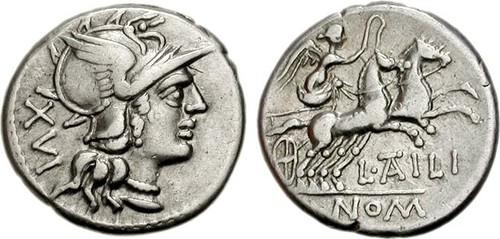
Atilia Denarius
Roman Republican silver denarius struck by a moneyer of the gens Atilia, with a helmeted head on the obverse and a deity or figure with the family name on the reverse.
Ancient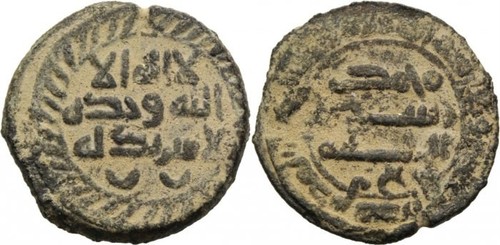
Abbasid Copper Fals
A hand-struck Abbasid copper fals dated AH 219 (834–835 CE), covered entirely in linear Arabic inscriptions with no portrait or figural imagery.
Islamic (Medieval)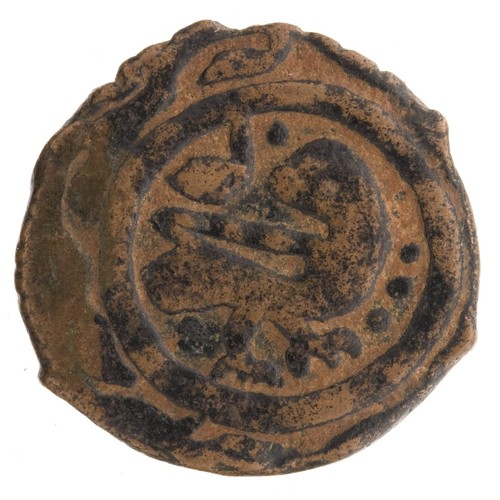
Copper Fals of as-Salih Salih
A hand-struck medieval Islamic copper fals attributed to as-Salih Salih, covered on both faces in Arabic calligraphy with no portrait or figural imagery.
Islamic (Medieval)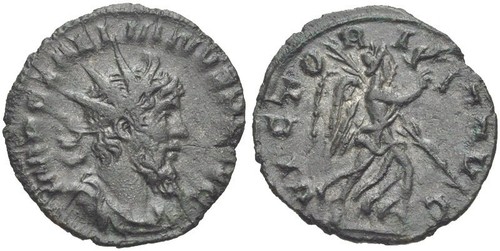
Antoninianus of Laelianus
Rare billon antoninianus of the short-lived Gallic usurper Laelianus, showing his radiate-crowned bust and a Roman deity or personified virtue.
Ancient Coins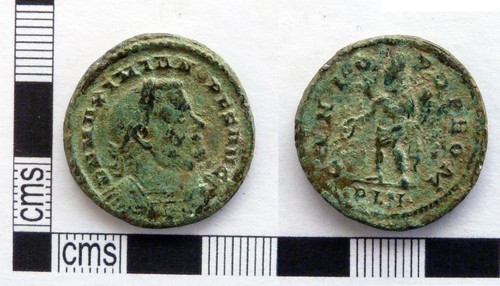
Roman Follis (AE3)
A small late Roman bronze follis of the Constantine I era (AD 320-330), with an emperor's profile obverse and a Victory or vota-in-wreath commemorative reverse.
Ancient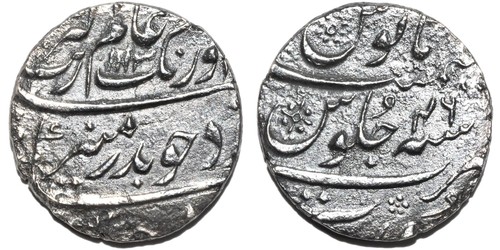
Mughal Rupee (Akbar)
A hand-struck Mughal silver rupee of Emperor Akbar dated AH 1003 (AD 1594), covered on both faces with flowing Persian calligraphy and ornamental borders.
Historic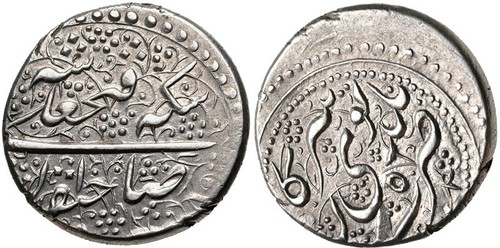
Gold Toman of Fath-Ali Shah Qajar
A hand-struck Qajar gold toman of Fath-Ali Shah dated AH 1226–1227 (1811–1812), covered in ornate Persian calligraphy with no portrait or figural imagery.
Persia / Iran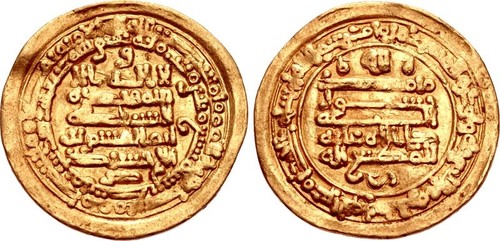
Gold Dinar of Abu'l-Qasim Unujur
An Ikhshidid gold dinar of Abu'l-Qasim Unujur, dated AH 337, with purely calligraphic Arabic legends inside ornamental borders on both faces.
Islamic (Medieval)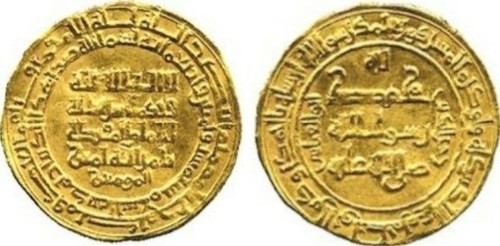
Gold Dinar of al-Muqtadi
An aniconic Abbasid gold dinar of Caliph al-Muqtadi, covered on both faces with Arabic calligraphy and ornamental borders, struck in the later 11th century.
Islamic (Medieval)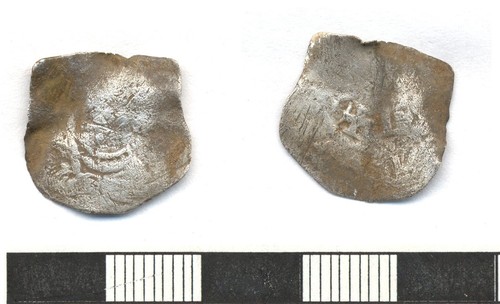
Tealby Penny
Silver penny of Henry II, the Tealby or Cross-and-Crosslets type, with a crowned royal bust and a voided cross bearing small crosslets in its angles.
Medieval Coins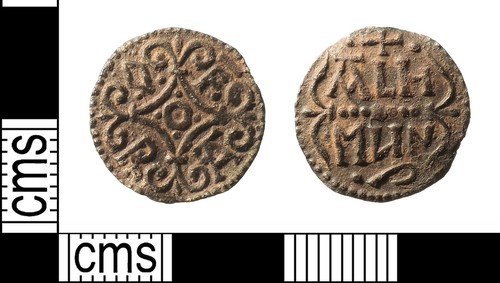
Penny of Offa
Thin silver penny of King Offa of Mercia, showing a portrait or name inscription and a cross with geometric ornament on the reverse.
Medieval Coins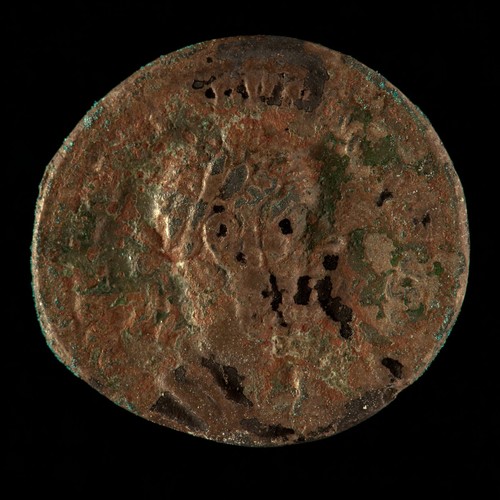
Denarius of Macrinus
Silver denarius of Macrinus (r. 217–218 AD), a bearded emperor portrait paired with a standing deity or personification on the reverse.
Ancient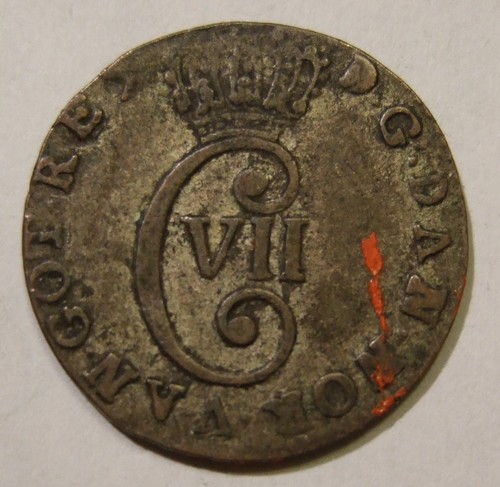
4 Skilling
A Danish copper 4 skilling of 1783, with a crown above a numeral on one face and an ornamental circular pattern framing the date on the other.
Early Modern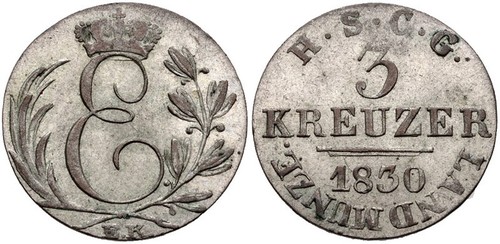
Gotha 3 Kreuzer
A small silver 3 Kreuzer of the German state of Gotha, dated 1830, with an ornate armorial obverse and a laurel-wreath value reverse.
German States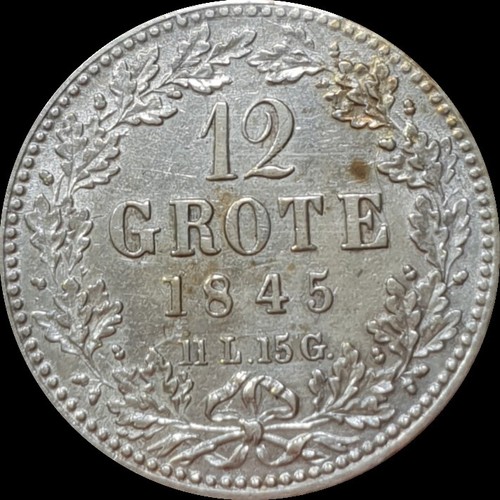
Bremen 12 Grote Thaler
A silver 12 Grote coin of the Free Hanseatic City of Bremen dated 1845, with an ornamental civic coat of arms and an allegorical reverse.
German States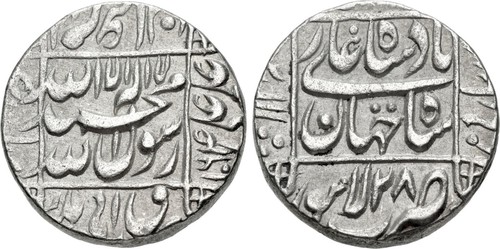
Shah Jahan Rupee
Hand-struck silver rupee of Mughal emperor Shah Jahan, all-Persian calligraphy in ornate cartouches, dated AH 1064 (AD 1653-1654).
Mughal India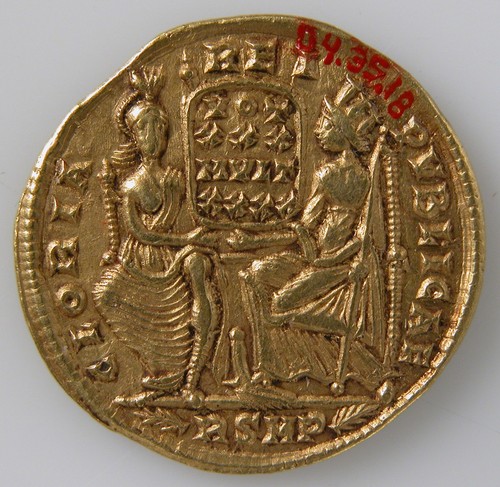
Solidus of Constantine II
Late Roman gold solidus of Constantine II, showing his ornately crowned bust and a seated figural reverse type.
Ancient Coins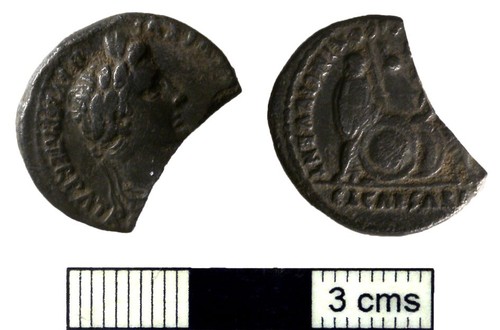
Roman Denarius
A small hammered silver coin of ancient Rome, showing an emperor's portrait and abbreviated Latin titles on one side and a deity or figure on the other.
Ancient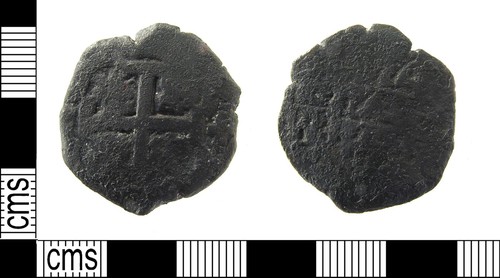
Spanish Colonial 1 Real (Bourbon)
A small silver coin of Spain's American colonies from the early Bourbon era, showing a cross with ornaments on one side and the crowned royal arms on the other.
Colonial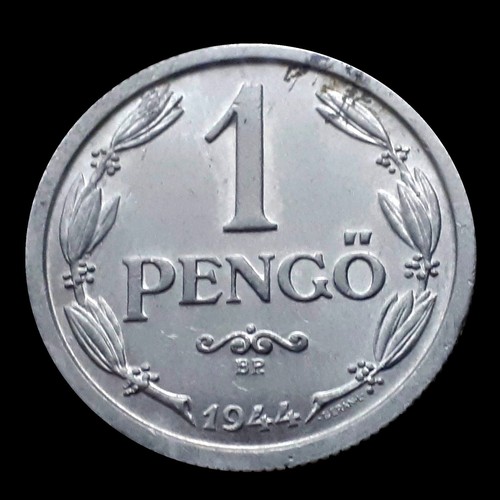
1 Pengő
Wartime Hungarian one pengő struck in lightweight aluminum, with an ornamental laurel-wreath design on one side and the value with the 1944 date on the other.
Modern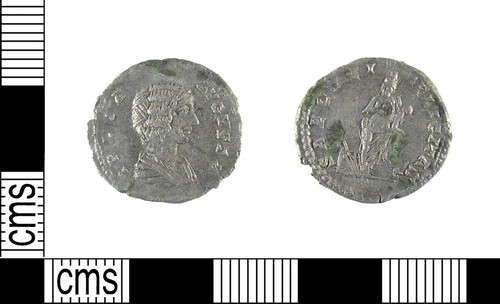
Denarius of Julia Domna
Roman silver denarius of the empress Julia Domna (193-217 CE), with her draped bust and a standing goddess or personification on the reverse.
Ancient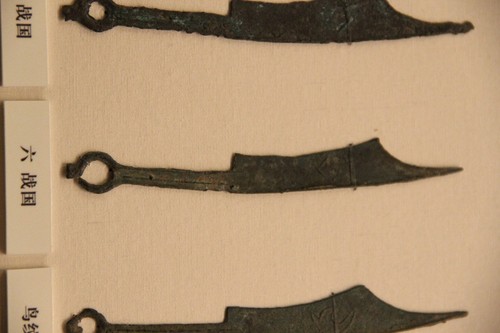
Warring States Knife Coin
A cast bronze knife coin (dao bi) of China's Warring States period, shaped like a small blade with a ringed handle and cast inscriptions.
Ancient