
Coin Encyclopedia
Search and identify coins from around the world — with country, denomination, metal, mint, history, and how to tell them apart.
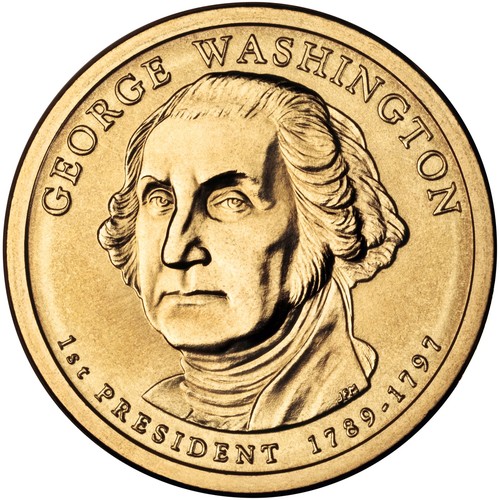
George Washington Presidential Dollar
The 2007 golden dollar honoring George Washington, first coin in the U.S. Presidential $1 series, with a left-facing portrait and Statue of Liberty reverse.
Dollar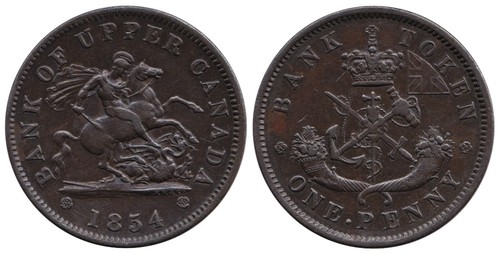
Bank of Upper Canada One Penny Token
Copper penny token of the Bank of Upper Canada showing St. George slaying the dragon, with a crowned royal-arms reverse; this example dated 1854.
Canadian & Provincial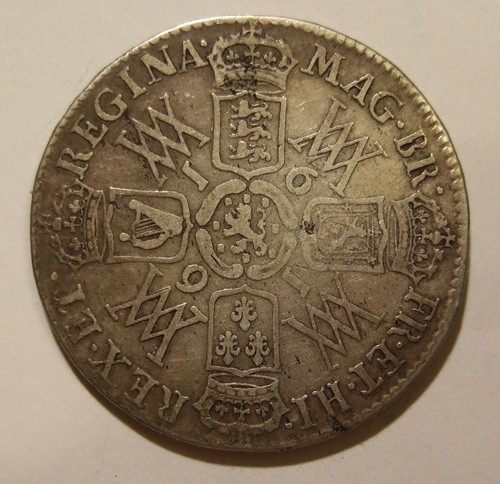
Half Crown of William III and Mary II
A milled silver half crown of the joint reign of William III and Mary II, showing their conjoined busts and a crowned heraldic shield, dated 1691.
Milled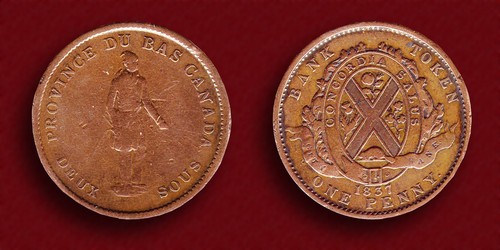
Lower Canada Bank Penny Token
Copper 1837 penny token of Lower Canada with a standing habitant and PROVINCE DU BAS CANADA obverse and a crowned heraldic-arms reverse.
Canadian & Provincial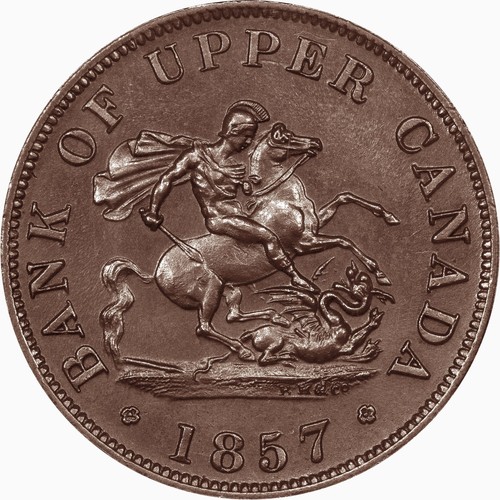
Bank of Upper Canada Half-Penny Token
Copper half-penny token of the Bank of Upper Canada, with St. George slaying the dragon and the bank's crowned heraldic arms, dated 1857.
Canadian & Provincial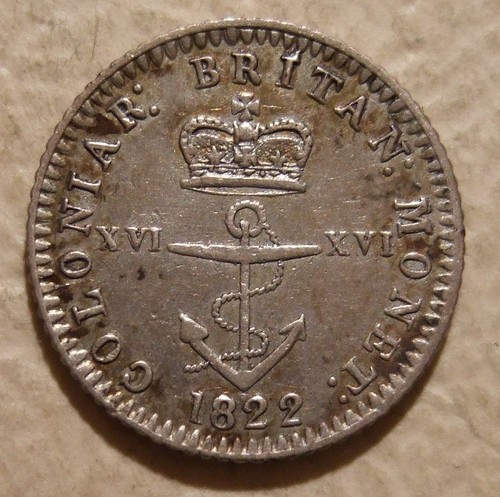
George IV One Sixteenth Spanish Dollar
A small George IV silver coin of the "Anchor Money" series, worth one-sixteenth of a Spanish dollar and marked with an anchor and Roman numeral XVI.
Colonial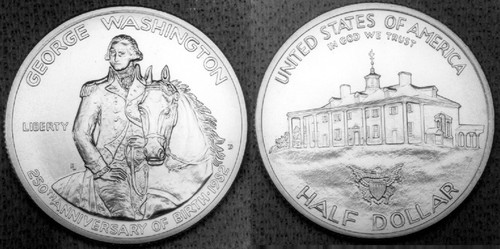
George Washington 250th Anniversary Half Dollar
A 1982 U.S. silver half dollar honoring the 250th anniversary of George Washington's birth; it revived both the commemorative program and 90% silver coinage.
Modern Commemorative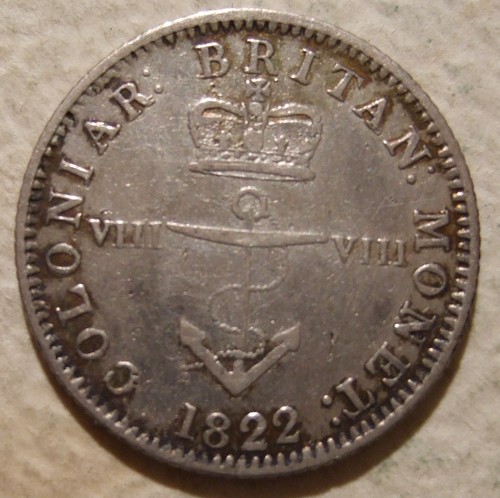
George IV One Eighth Spanish Dollar
Small 1822 British colonial silver coin from the George IV "Anchor Money," a fraction of the Spanish dollar used in the West Indies and Mauritius.
Colonial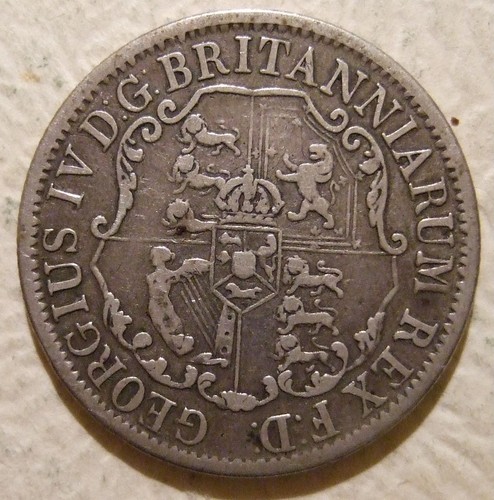
George IV One Quarter Spanish Dollar
An 1822 British colonial silver coin valued at one quarter of a Spanish dollar, part of the George IV "Anchor Money" issued for colonies in the Americas.
Colonial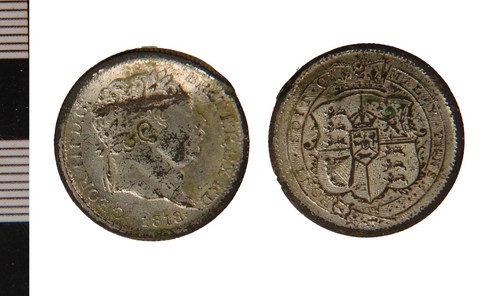
British Bank Token
Copper token of the late George III period bearing the king's left-facing bust and a quartered royal-arms reverse, dated 1819.
British Isles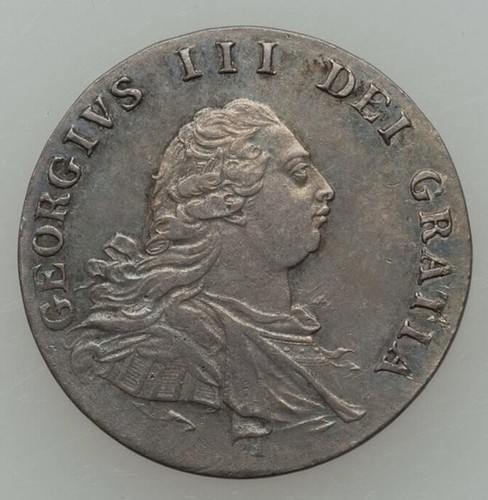
British Groat
A small George III silver fourpence of 1792, the British groat: laureate king's profile obverse, crowned shield and value reverse.
Circulation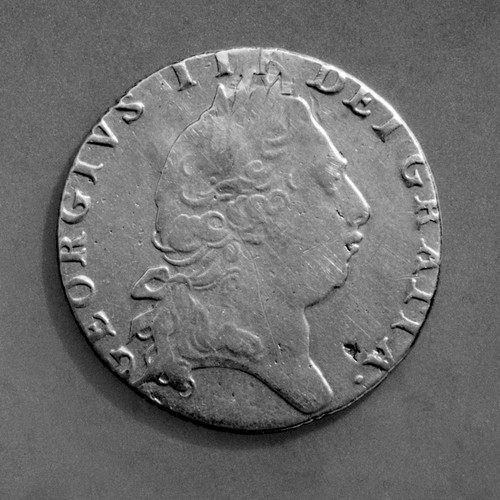
Spade Guinea
A late George III gold guinea named for the distinctive spade-shaped shield on its reverse, struck in England from 1787 into the early 1800s.
Milled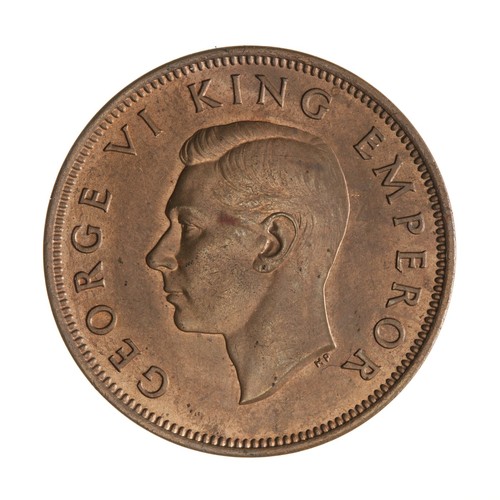
New Zealand Halfpenny
New Zealand's small bronze halfpenny, struck from 1940, with a royal portrait obverse and a Maori hei-tiki reverse. The coin shown is a 1940 George VI issue.
New Zealand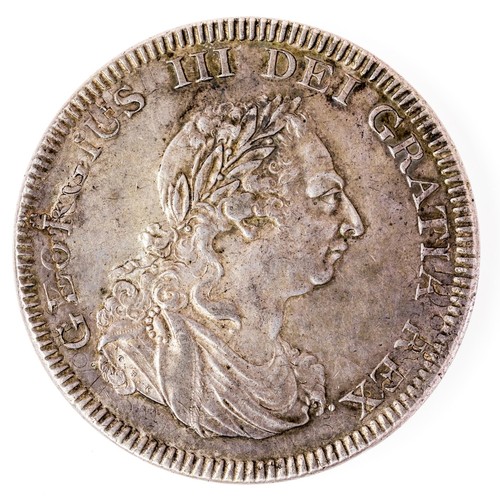
Bank of England Dollar
A George III silver dollar issued by the Bank of England in 1804, struck over Spanish eight-reales coins, with a laureate bust and a crowned shield reverse.
Milled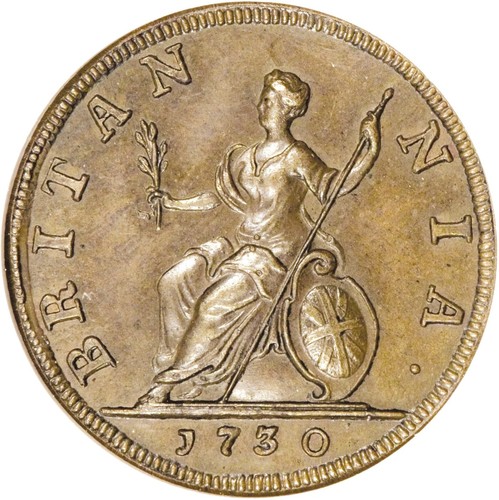
British Farthing
Small copper farthing of King George II, with his laureate bust facing left and a seated Britannia on the reverse; struck in the 1730s.
British Isles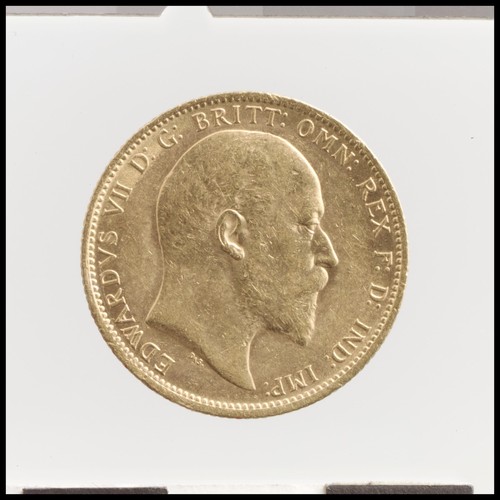
Gold Sovereign
The British gold sovereign: a one-pound gold coin. This 1817 George III example shows a laureate bust and a crowned heraldic shield of the royal arms.
World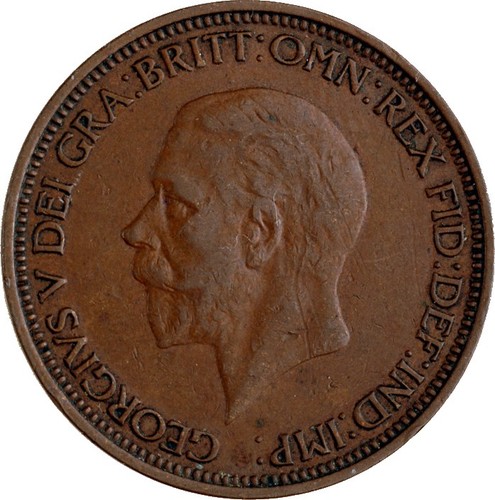
British Pre-Decimal Halfpenny
Bronze British halfpenny worth 1/480 of a pound. The George V type shows the king's profile and a seated Britannia with trident.
British Isles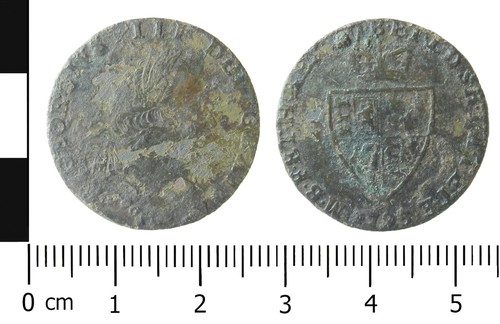
Counterfeit Guinea
A base-metal (copper or brass) imitation of a George III gold guinea, struck or cast to deceive, showing a right-facing bust and a heraldic shield reverse.
Counterfeit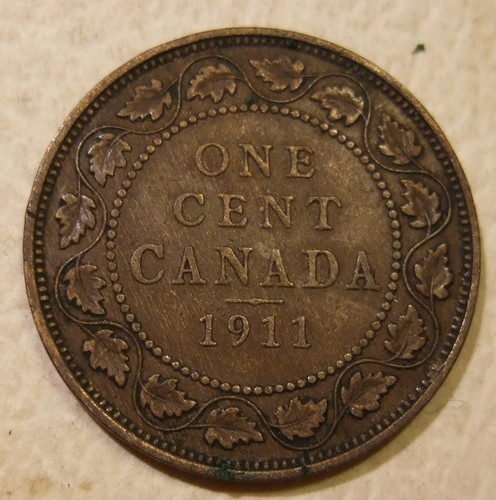
Canadian One Cent
Bronze Canadian large cent with a maple-leaf wreath reverse; the 1911 issue is the famous first-year 'Godless' cent lacking DEI GRATIA.
Canadian & Provincial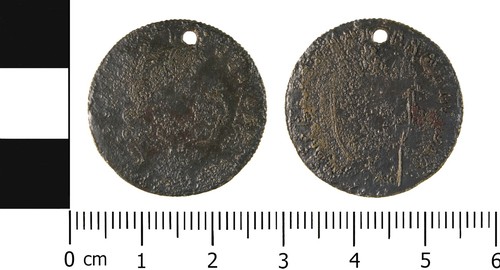
Imitation Guinea Gaming Piece
A brass or bronze token imitating a George III spade guinea, made for card games and gaming tables rather than as legal-tender money.
British Isles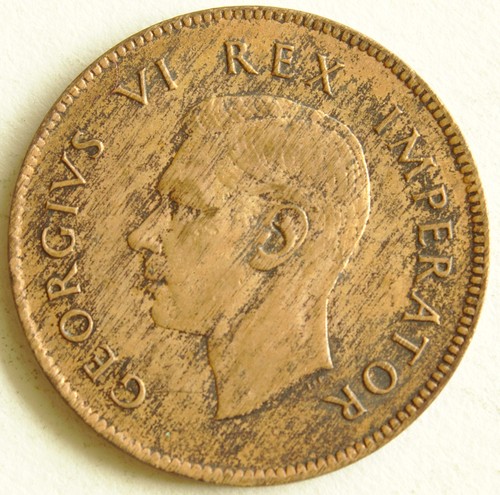
South Africa Farthing
The smallest bronze coin of the Union of South Africa, a quarter-penny with a crowned royal portrait and a South African bird reverse.
World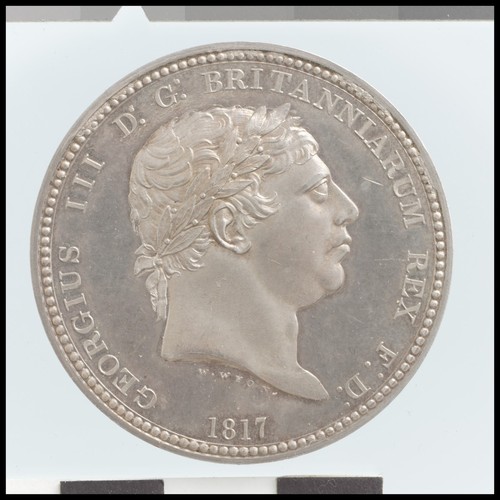
Three Graces Pattern Crown
A celebrated 1817 silver pattern crown of George III, engraved by William Wyon and never issued for circulation — a prized masterpiece of British coinage.
Pattern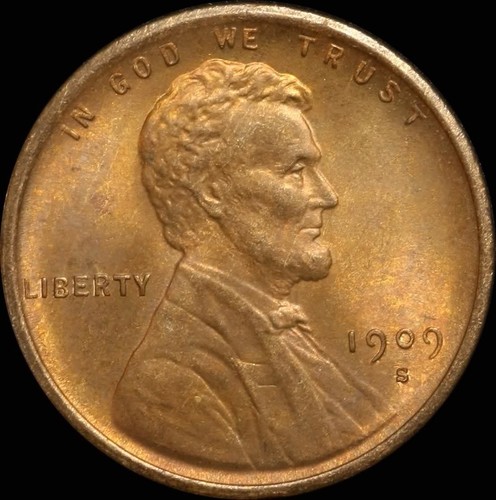
Lincoln Wheat Cent
U.S. one-cent coin struck 1909–1958 with Lincoln's profile and a pair of wheat ears framing ONE CENT; the 1909-S here is a scarce first-year San Francisco issue.
Small Cent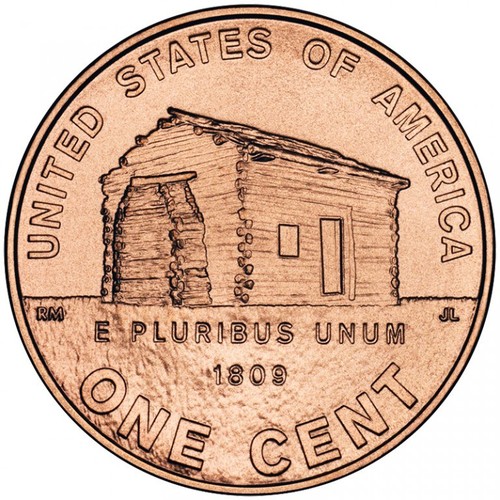
Lincoln Bicentennial Cent
A 2009 U.S. one-cent coin marking Lincoln's 200th birthday, keeping his classic profile while replacing the usual reverse with four scenes from his life.
Small Cent