
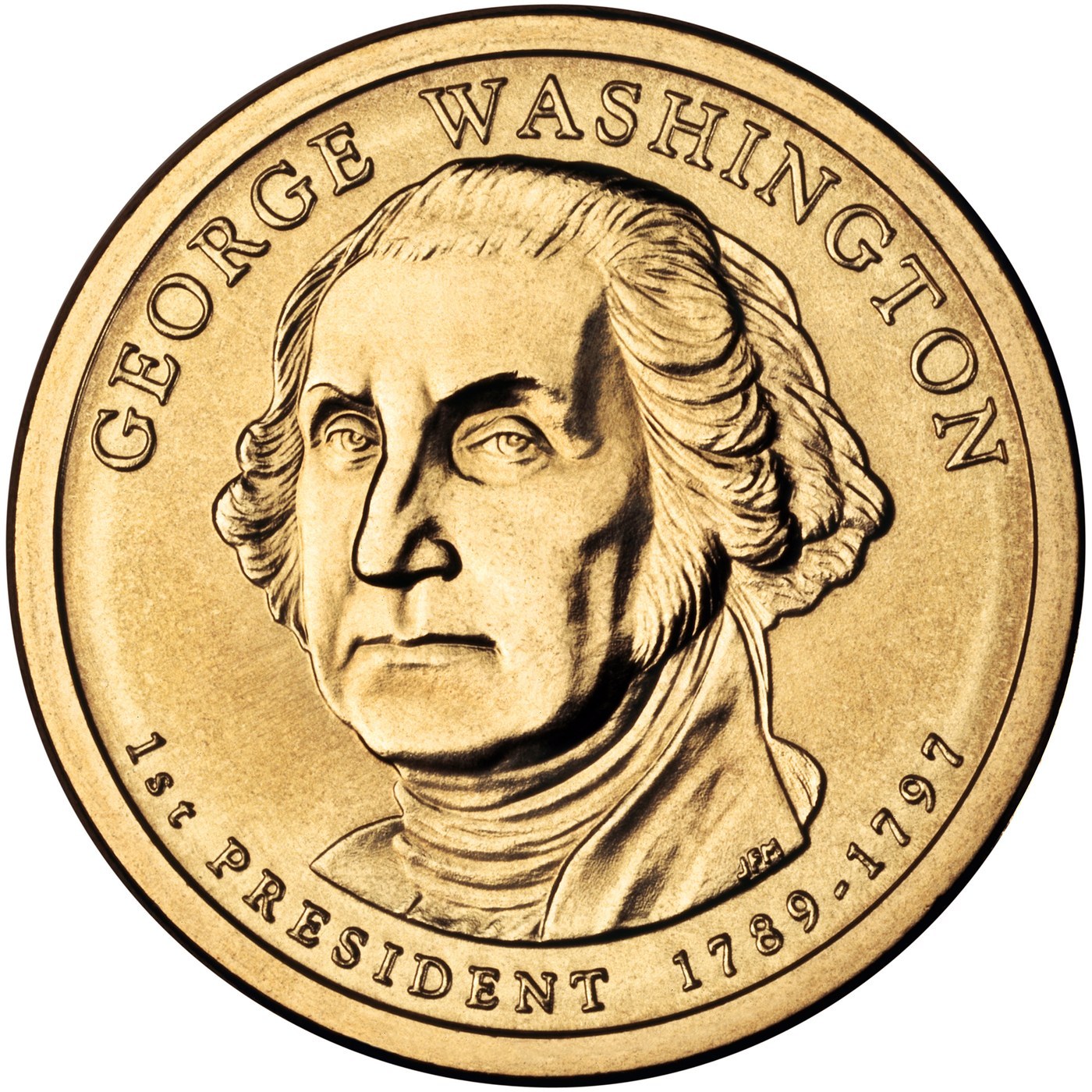
George Washington Presidential Dollar
The 2007 golden dollar honoring George Washington, first coin in the U.S. Presidential $1 series, with a left-facing portrait and Statue of Liberty reverse.
- Country
- United States
- Denomination
- 1 dollar
- Metal
- Manganese brass
Got a coin like this?
Identify any coin from a photo, free.
Overview
The George Washington Presidential Dollar is a United States one-dollar coin issued in 2007 as the inaugural release of the Presidential $1 Coin Program. The example shown here carries the obverse portrait of George Washington facing left, accompanied by his name, the phrase '1st President' and his years in office. As the first coin in the series, it launched a run that honored U.S. presidents in the order they served.
Despite its gold-like color, the coin contains no gold. It is struck from a manganese-brass clad composition over a copper core, giving it a distinctive golden hue while remaining a base-metal circulating coin. It measures about 26.5 mm across and weighs roughly 8.1 grams, the same size and weight as the earlier Sacagawea 'golden dollar,' with which it shares planchet specifications. A notable feature of the series is its edge lettering, which carries the year, mint mark, and mottoes rather than placing them on the faces.
History & Background
The Presidential $1 Coin Program was created by an Act of Congress in 2005 and began in 2007, releasing dollar coins honoring former presidents four per year in order of service. George Washington, the first president, was fittingly the first coin issued. The program was modeled in part on the popularity of the State Quarters series, aiming to renew public interest in dollar coins.
Moving inscriptions to the edge was a deliberate design choice, freeing the obverse and reverse for a large presidential portrait and a common reverse design. The 2007 launch drew attention when some Washington dollars were released missing their edge lettering, a variety popularly nicknamed the 'Godless dollar' because the edge motto IN GOD WE TRUST was absent. Public demand for the new coins was strong at release, and the coins were struck in large numbers at multiple mints.
How to Identify
The obverse is the clearest identifier: a portrait of George Washington facing left, with his name, the designation as first president, and the dates of his term. The common reverse of the series, not visible in the photo here, depicts the Statue of Liberty. The word LIBERTY does not appear on the faces in the usual way because the design relies on the Statue of Liberty imagery and edge inscriptions instead.
The coin's color and format help confirm it. It has a warm golden tone from its manganese-brass surface, a smooth plain edge that carries incised lettering, and no reeding. Turn the coin on its edge to read the year, mint mark, E PLURIBUS UNUM, and (on most examples) IN GOD WE TRUST. Genuine coins are non-magnetic.
Size and weight are diagnostic: about 26.5 mm diameter and roughly 8.1 grams, clearly larger and heavier than a quarter but with a plain, lettered edge rather than a reeded one. Mint marks P (Philadelphia), D (Denver), and S (San Francisco, proof only) are found in the edge lettering, not on the faces.
Value & Collectibility
The George Washington Presidential Dollar was produced in very large quantities and most circulated examples are worth only their face value of one dollar. Ordinary worn or lightly handled coins carry little to no premium, and many still turn up in rolls and change from banks.
Premiums attach to specific situations. High-grade uncirculated coins, San Francisco proof strikes, and coins still in original Mint packaging can bring modest amounts above face. The best-known premium items are error coins, especially the missing-edge-lettering 'Godless dollar' variety and coins with doubled, inverted, or partial edge lettering; these can command meaningful prices depending on the exact error and condition.
Exact values depend on grade, finish, mint, and error type, and they shift with the collector market. Treat any single figure as a snapshot and compare recent sales of the matching variety and grade to judge a current range.
Frequently asked questions
Is the George Washington dollar made of gold?
No. Despite its golden color, it contains no gold. It is struck from a manganese-brass outer layer clad over a copper core, giving a gold-like appearance while remaining a base-metal coin.
Why is 2007 significant for this coin?
2007 was the first year of the Presidential $1 Coin Program, and George Washington, as the first U.S. president, was the very first coin released in the series.
What is a 'Godless' Washington dollar?
It is a well-known error in which some 2007 Washington dollars were released without their edge lettering, leaving off the motto IN GOD WE TRUST. Such error coins can carry a premium.
Where is the date on this coin?
The date and mint mark are on the edge, not the faces. Turn the coin on its side to read the year, mint mark, and mottoes in the incised edge lettering.
Is my Washington dollar worth more than a dollar?
Usually only face value, since millions were made. Premiums apply mainly to high-grade coins, proofs, coins in original packaging, and error varieties such as missing or doubled edge lettering.
George Washington Presidential Dollar guides
In-depth guides for identifying, valuing, and collecting George Washington Presidential Dollar.
Other coins you may enjoy
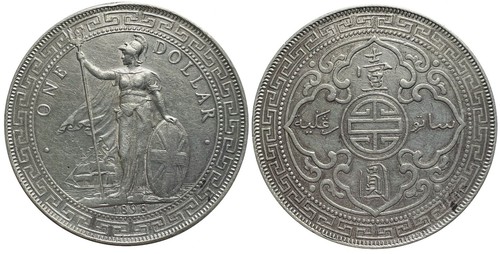
British Trade Dollar
1895–1935
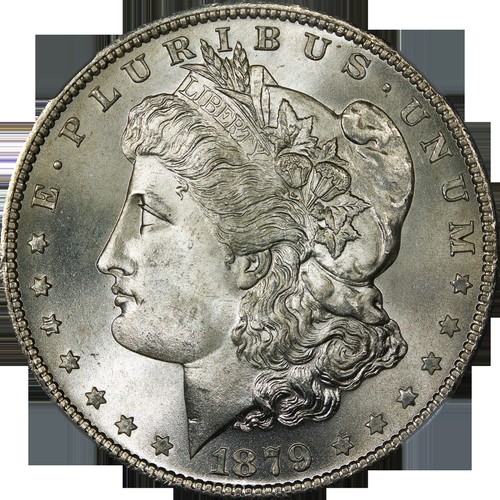
Morgan Dollar
1878–1904, 1921
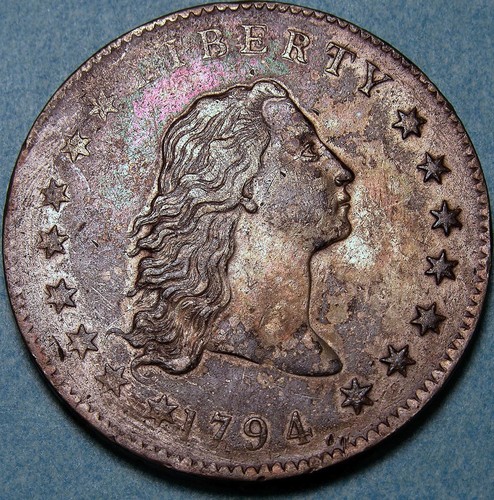
Flowing Hair Dollar
1794–1795
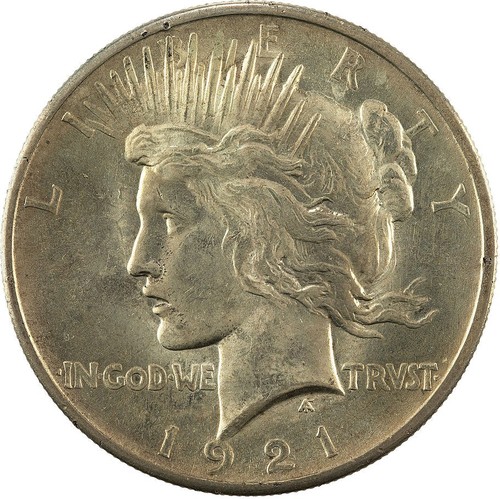
Peace Dollar
1921–1928, 1934–1935
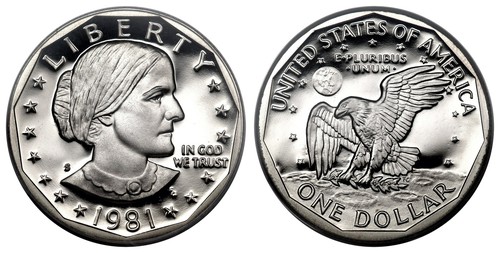
Susan B. Anthony Dollar
1979–1981, 1999
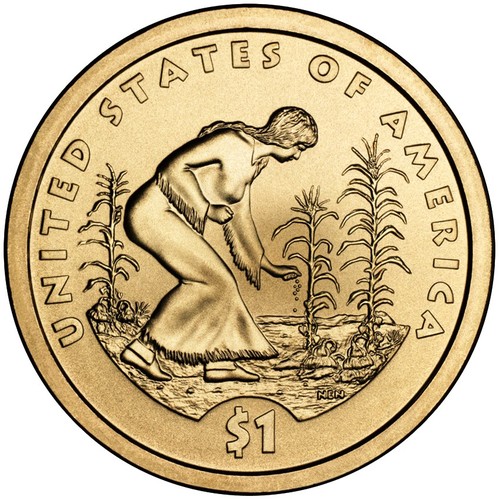
Native American Dollar
2009–present
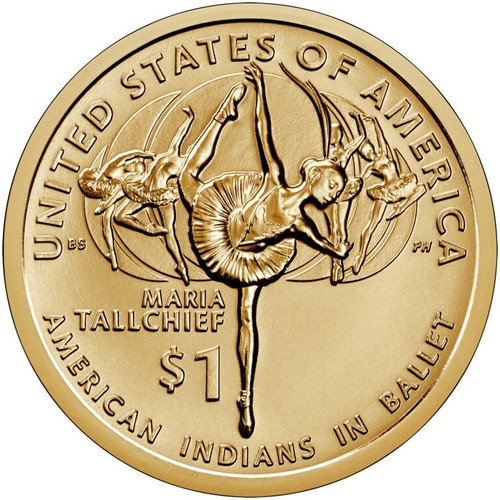
Native American Dollar - Tallchief
2023
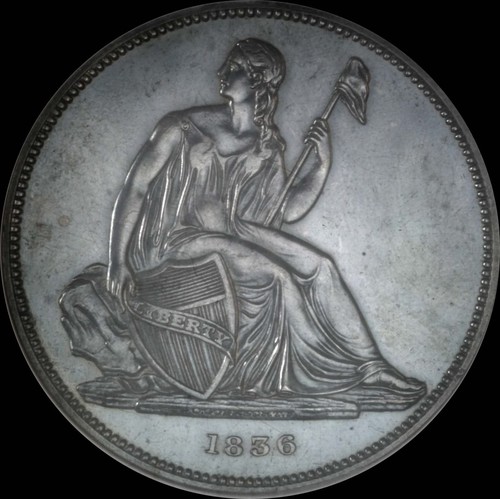
Gobrecht Dollar
1836
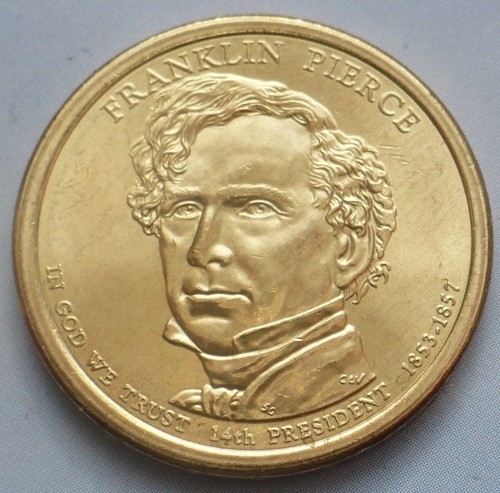
Franklin Pierce Presidential Dollar
2010
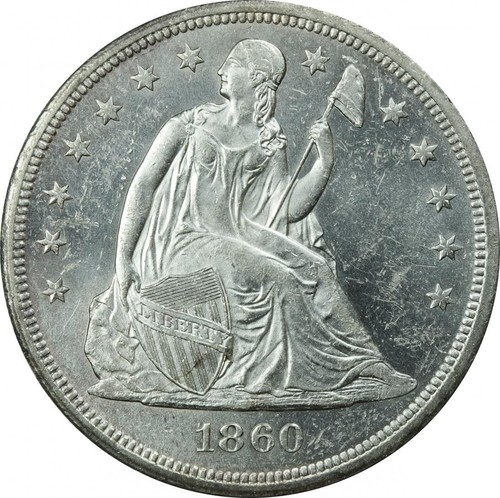
Seated Liberty Dollar
1840-1873
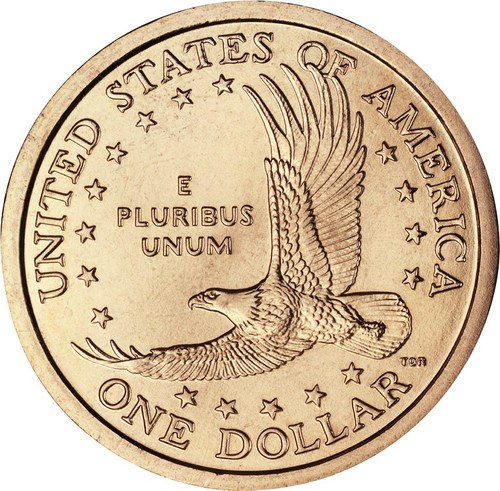
Sacagawea Dollar
2000–2008
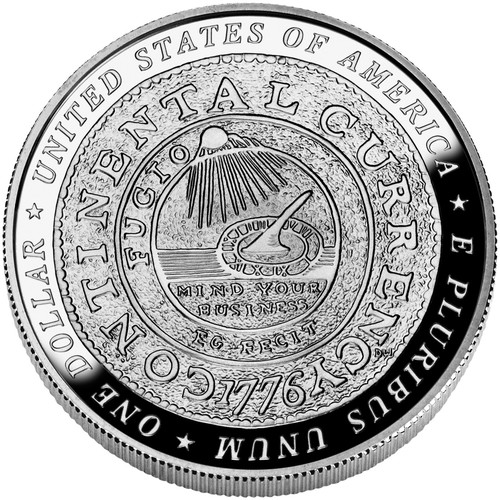
Benjamin Franklin Founding Father Commemorative Silver Dollar
2006