
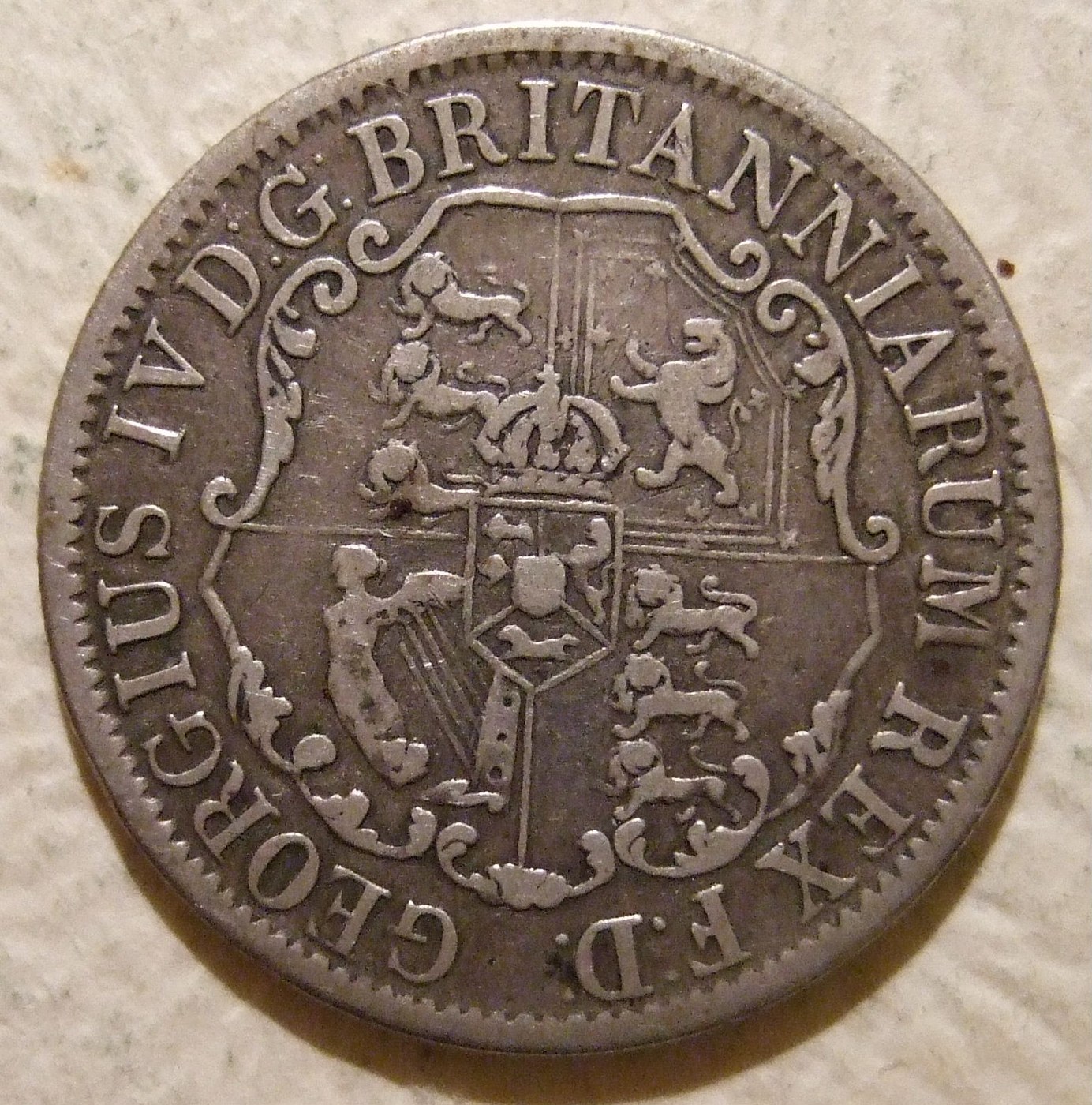
George IV One Quarter Spanish Dollar
An 1822 British colonial silver coin valued at one quarter of a Spanish dollar, part of the George IV "Anchor Money" issued for colonies in the Americas.
- Country
- British Colonies in the Americas
- Denomination
- 1/4 Spanish Dollar
- Metal
- Silver
Got a coin like this?
Identify any coin from a photo, free.
Overview
The George IV One Quarter Spanish Dollar is a small British colonial silver coin dated 1822, part of the series collectors call the "Anchor Money." It was struck in England for use in Britain's colonies where the Spanish silver dollar (the "piece of eight") remained the dominant unit of account, and its value was fixed as one quarter of that dollar rather than expressed in pence or shillings.
The obverse carries a crowned heraldic shield bearing the quartered royal arms, flanked by the lion and unicorn supporters, within a legend citing the king by the grace of God. The denomination series ran in fractions of the Spanish dollar (such as 1/16, 1/8 and 1/4), of which this quarter is the largest of the commonly encountered pieces.
Because it was a practical circulating coin rather than a prestige issue, surviving examples are usually well worn, and clean, sharply struck specimens are prized by collectors of British colonial and West Indies coinage.
History & Background
By the early nineteenth century, Spanish and Spanish-American silver dollars circulated throughout Britain's colonies in the Caribbean and beyond, but small change was chronically scarce. To supply fractional coin denominated in the money that people actually used, Britain issued a series of silver coins valued in fractions of the Spanish dollar. An initial batch was dated 1820 under George III, followed by this 1822 issue under George IV.
The coins were produced in England and shipped out for colonial circulation, chiefly in the British West Indies (and, in related issues, other colonial stations). Their fractional denominations, one sixteenth, one eighth and one quarter dollar, were designed to slot neatly into a Spanish-dollar economy rather than to convert it to sterling.
The series was short-lived. As Britain moved to extend sterling coinage across the empire in the following decades, these dollar-fraction pieces were superseded, leaving the 1820 and 1822 issues as a distinct and finite colonial episode now studied under the nickname "Anchor Money."
How to Identify
Look first at the obverse, which is what these photographed examples show: a crowned heraldic shield of the royal arms, supported on either side by the crowned lion and the unicorn, surrounded by a Latin legend that includes the abbreviations for "by the grace of God" (D:G:) and the British realms (BRITANNIA / BRITANNIAR:). The date 1822 confirms the George IV issue rather than the 1820 George III striking.
On documented examples of this type the reverse displays a large anchor within a beaded or toothed border, with the fractional denomination shown as a numeral over a numeral (for the quarter, 1 over 4). This anchor motif is the reason the whole series is nicknamed "Anchor Money," and its presence is a strong confirming feature even though the reverse is not visible in these particular photographs.
The quarter dollar is the largest of the common fractions, a modest silver coin noticeably smaller than a full crown-sized dollar. Because it was a debased colonial silver rather than a high-fineness bullion coin, weight and diameter are best confirmed against a trusted reference for the specific denomination before drawing conclusions.
Value & Collectibility
Value is driven mainly by denomination, date, grade and eye appeal rather than by silver content, since these are small, low-fineness coins. As circulating colonial money they are usually found well worn, so problem-free examples with clear shield detail and a legible legend command a premium over the typical smoothed, cleaned or holed survivors.
The 1822 quarter dollar is a genuine collector item within British colonial and West Indies series, but it is not a great rarity; most examples trade in modest to moderate collector price ranges, with exceptional high-grade pieces worth considerably more. Damage, tooling, mounting marks and heavy cleaning all reduce value sharply.
Because condition and authenticity swing the price so much, it is wise to compare any specimen against recent auction records for the same denomination and grade rather than relying on melt value.
Frequently asked questions
Why is this coin valued in Spanish dollars instead of pence?
In Britain's early nineteenth-century colonies the Spanish silver dollar was the everyday unit of account, so Britain issued small change denominated as fractions of that dollar (here one quarter) rather than in sterling pence or shillings.
What is "Anchor Money"?
It is the collector nickname for this British colonial series, taken from the large anchor design on the reverse of the coins. The 1822 quarter dollar is one of its denominations.
Is the 1822 quarter dollar made of pure silver?
No. It is a colonial silver coin of reduced fineness intended for circulation, not a high-purity bullion issue, so its worth comes from collector demand and condition rather than melt value.
How is the 1822 issue different from the 1820 one?
The 1820-dated coins were struck under George III and the 1822-dated coins, like this one, under George IV. The date and the royal legend are the quickest way to tell the two issues apart.
George IV One Quarter Spanish Dollar guides
In-depth guides for identifying, valuing, and collecting George IV One Quarter Spanish Dollar.
Other coins you may enjoy
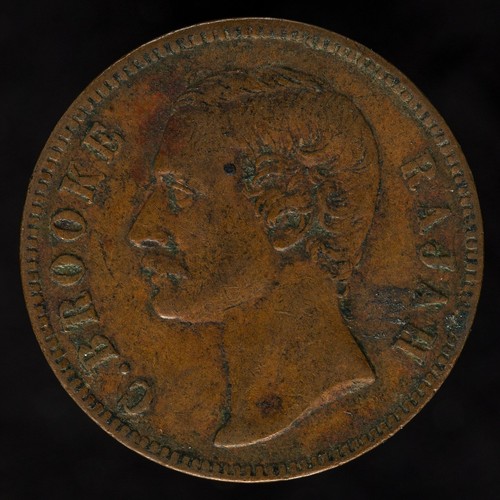
Sarawak One Cent
1870
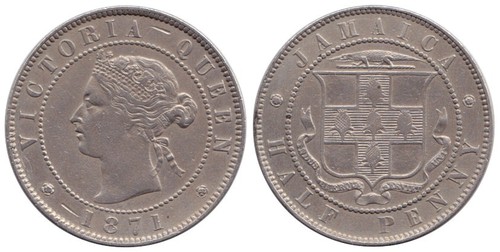
Jamaica Half Penny
1871
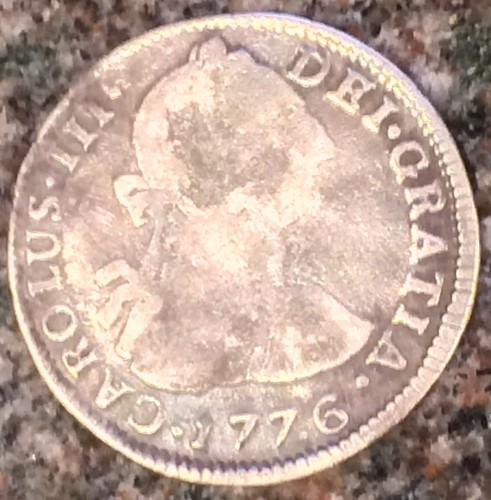
Spanish Colonial 2 Reales (Milled)
1732–1772 (pillar) and 1772–1825 (portrait); example dated 1776
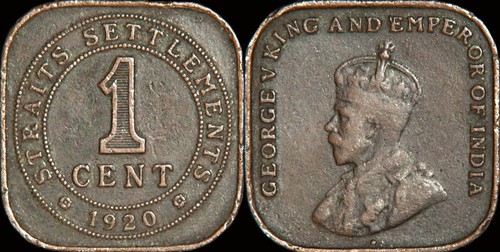
Straits Settlements One Cent
1919–1926 (this type)
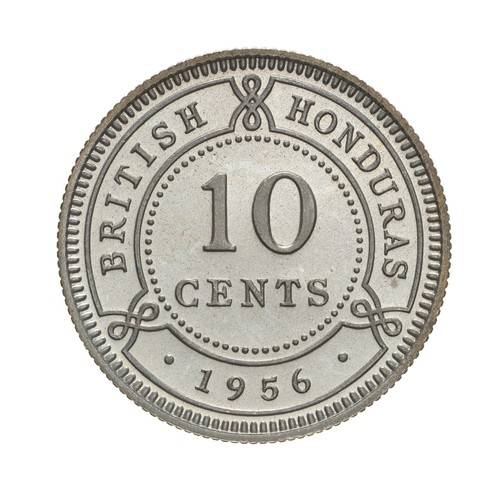
British Honduras 10 Cents
1956
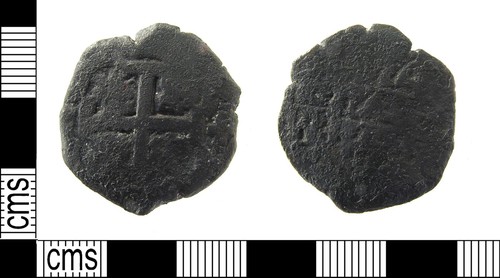
Spanish Colonial 1 Real (Bourbon)
1700-1746
Bermuda Half Penny
1909
British North Borneo One Cent
1884–1886
British Honduras One Cent
1885–1894 (Victoria); this example 1889
British North Borneo Half Cent
1885
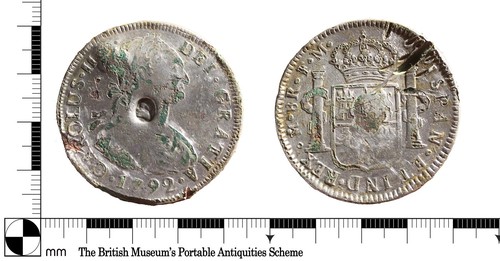
Counterstamped 8 Reales
Charles IV era (1788-1808), host coin; counterstamps and hole added later
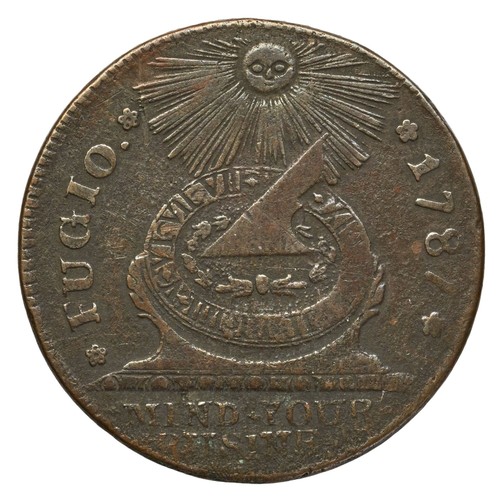
Fugio Cent
1787