
Coin Encyclopedia
Search and identify coins from around the world — with country, denomination, metal, mint, history, and how to tell them apart.
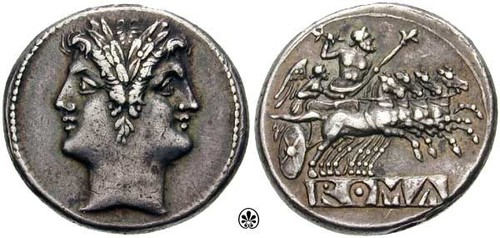
Roman As/Dupondius (Uncertain)
An uncertain Roman bronze As or Dupondius: a double-faced Janus head on one side and a ship (galley/prow) with ROMA below on the other.
Ancient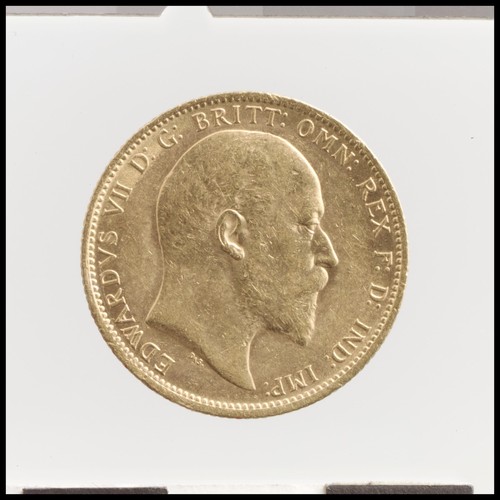
Gold Sovereign
The British gold sovereign: a one-pound gold coin. This 1817 George III example shows a laureate bust and a crowned heraldic shield of the royal arms.
World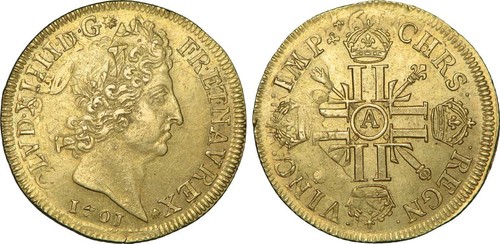
Double Louis d'Or
A large gold coin of Louis XIV dated 1701: the king's laureate profile and 'LUDOVICUS MAGNUS' obverse, an ornate cross of arms reverse.
Royal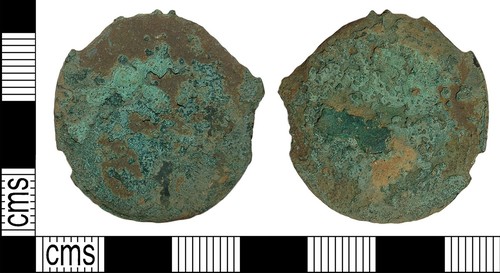
Roman Sestertius (Uncertain Emperor)
A large Roman imperial sestertius in bronze or orichalcum, heavily patinated with a bearded emperor's portrait and a reverse too worn to identify.
Ancient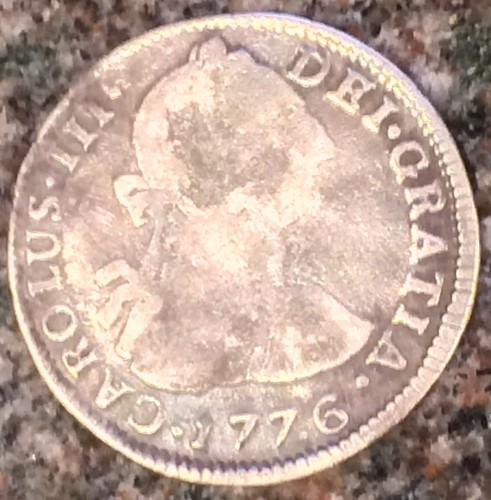
Spanish Colonial 2 Reales (Milled)
A small milled silver coin of the Spanish Empire, struck in colonial American mints; this example is dated 1776 and shows heraldic lions, castles and a crowned shield.
Colonial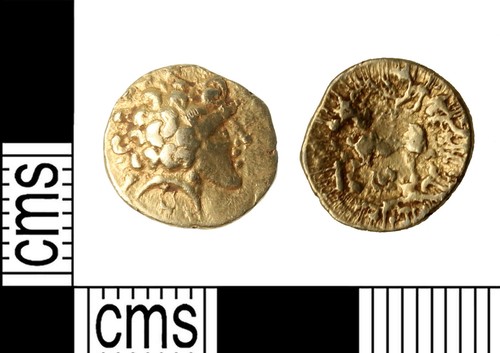
Celtic Gold Quarter Stater
A small Iron Age gold coin struck by the Celtic peoples of ancient Britain, valued at one-quarter of a full stater and marked by abstract, geometric designs.
Ancient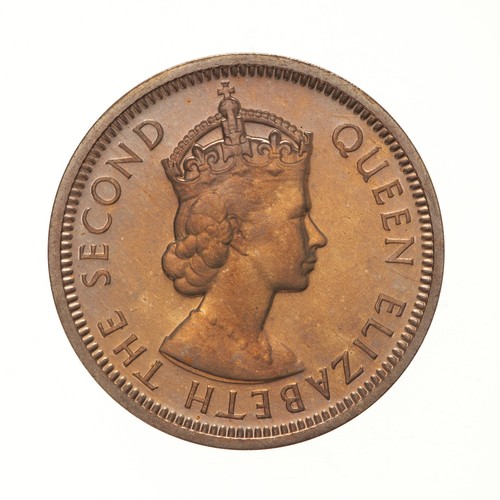
Belize 1 Cent
A small bronze one-cent coin from the Caribbean nation now called Belize, carrying a portrait of Queen Elizabeth II and dated 1954.
Circulation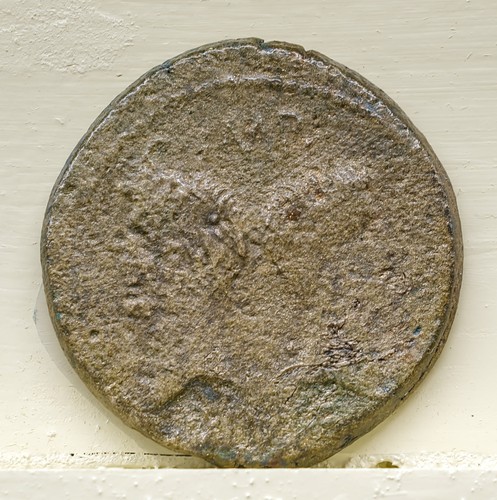
Nemausus As/Dupondius (Crocodile Type)
The famous crocodile of Nimes: a large Roman provincial bronze with paired heads of Agrippa and Augustus and a crocodile chained to a palm.
Ancient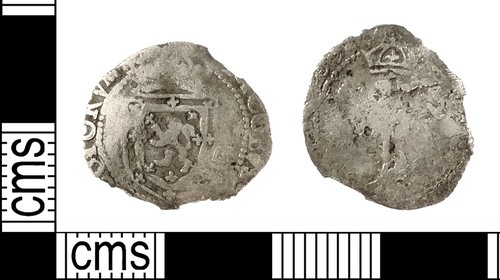
Eighth Thistle Merk
A small hammered silver Scottish coin of James VI, showing a crowned heraldic shield of arms on one side and a crowned thistle on the other.
Hammered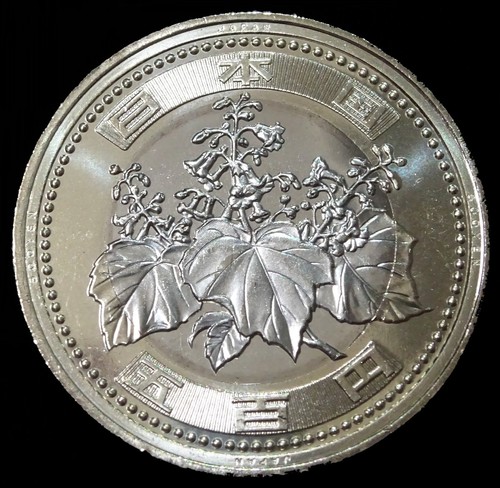
500 Yen Bicolor Clad
Japan's large two-tone 500 yen circulation coin, with a floral blossom design and pearl-like beading on one face and bold value numerals on the other.
Circulation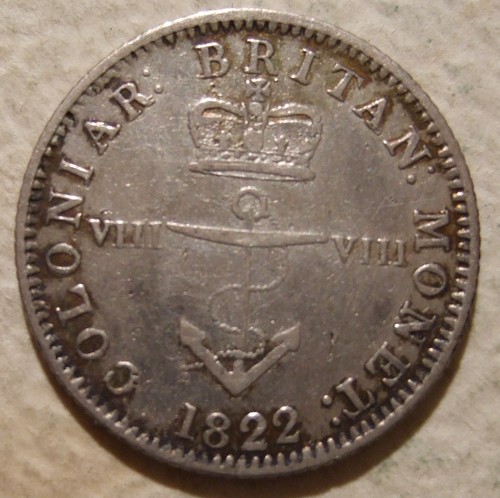
George IV One Eighth Spanish Dollar
Small 1822 British colonial silver coin from the George IV "Anchor Money," a fraction of the Spanish dollar used in the West Indies and Mauritius.
Colonial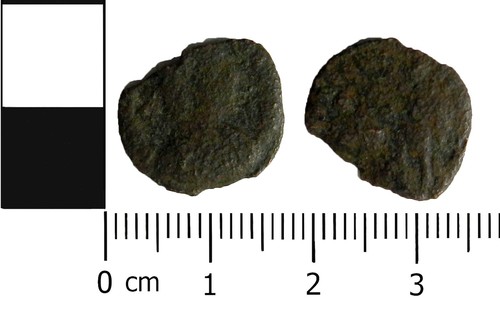
Roman Centenionalis
A small fourth-century Roman bronze coin, part of the reformed low-value currency struck across the empire's mints during a period of frequent monetary change.
Ancient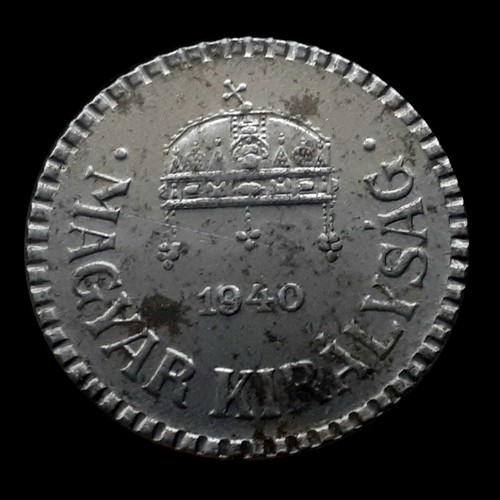
2 Fillér
A small early-20th-century Hungarian 2 fillér in copper-based bronze, showing the crowned Hungarian coat of arms on the obverse and the value with date on the reverse.
Modern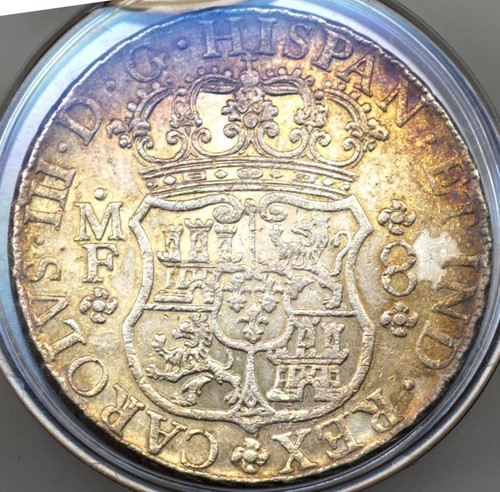
Pillar Dollar (Columnario)
Machine-struck Spanish colonial silver 8 reales showing two crowned globes between the Pillars of Hercules; a trusted world trade coin.
World Coins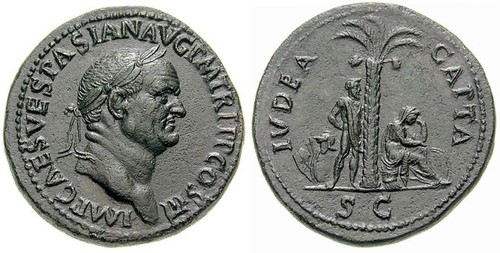
Sestertius of Vespasian (Iudaea Capta)
Large Roman bronze sestertius of Vespasian (AD 70–71) marking the conquest of Judaea, with a palm tree and mourning captives on the reverse.
Ancient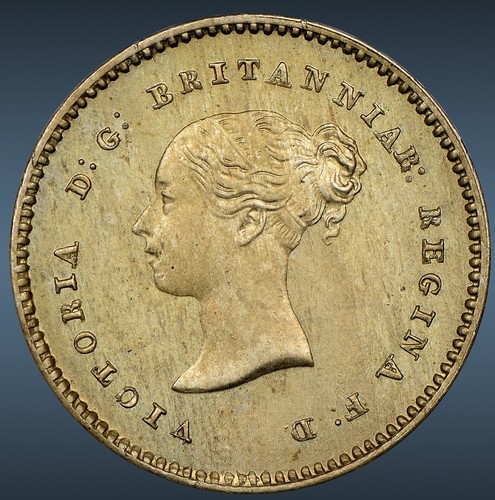
Quarter Farthing
Tiny copper coin of Queen Victoria worth one-sixteenth of a penny, struck for use in Ceylon; the smallest-value British denomination ever made.
British Isles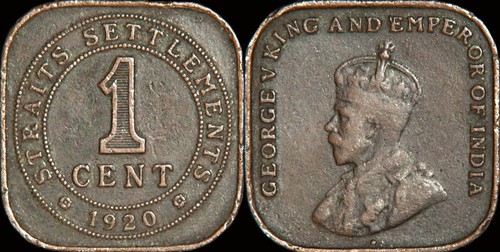
Straits Settlements One Cent
A round bronze one-cent coin of the British Straits Settlements bearing the crowned profile of King George V, dated 1920.
Colonial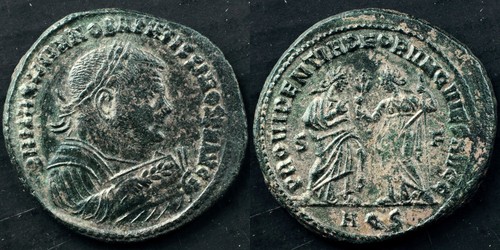
Follis of Maximian
A large silvered-bronze follis of the emperor Maximian, introduced with Diocletian's coin reform of the Tetrarchy around AD 294.
Ancient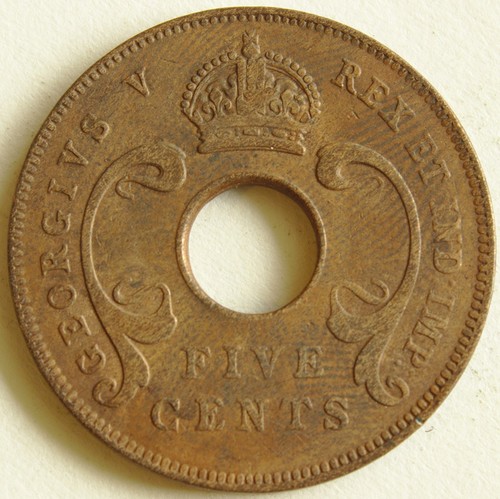
East African 5 Cents
A holed copper-nickel colonial coin with a crown above scrollwork and EAST AFRICA lettering, issued by the East African Currency Board.
World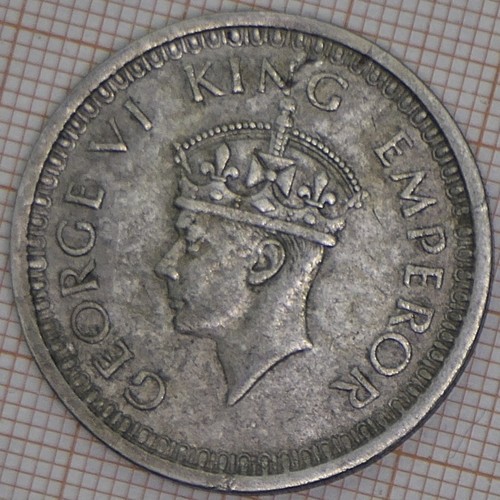
Victoria One Rupee
Silver 1-rupee coin of British India bearing Queen Victoria's crowned bust, struck from 1862 to 1901 under Crown rule.
British India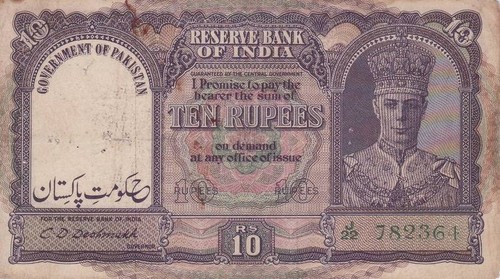
India 10 Rupees
A silver-era Indian coin carrying the profile of King George VI, struck during the final years of British India and the transition to the Republic.
Circulation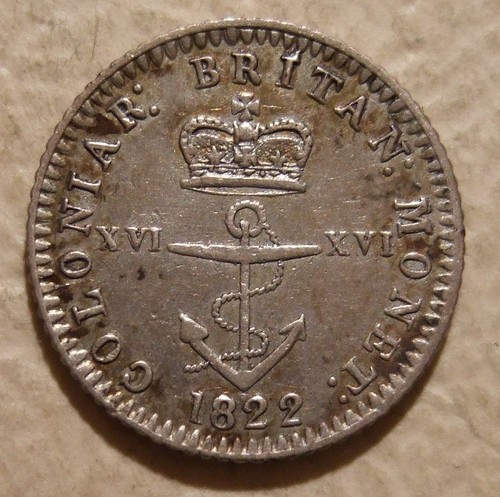
George IV One Sixteenth Spanish Dollar
A small George IV silver coin of the "Anchor Money" series, worth one-sixteenth of a Spanish dollar and marked with an anchor and Roman numeral XVI.
Colonial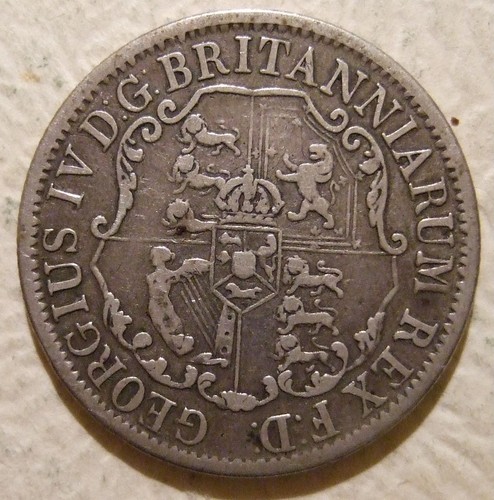
George IV One Quarter Spanish Dollar
An 1822 British colonial silver coin valued at one quarter of a Spanish dollar, part of the George IV "Anchor Money" issued for colonies in the Americas.
Colonial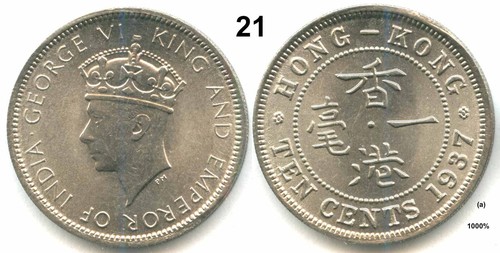
Hong Kong 10 Cents
A small silver 10-cent coin of British Hong Kong showing the crowned profile of King Edward VII, with 'HONG-KONG TEN CENTS' and Chinese characters on the reverse.
Circulation