
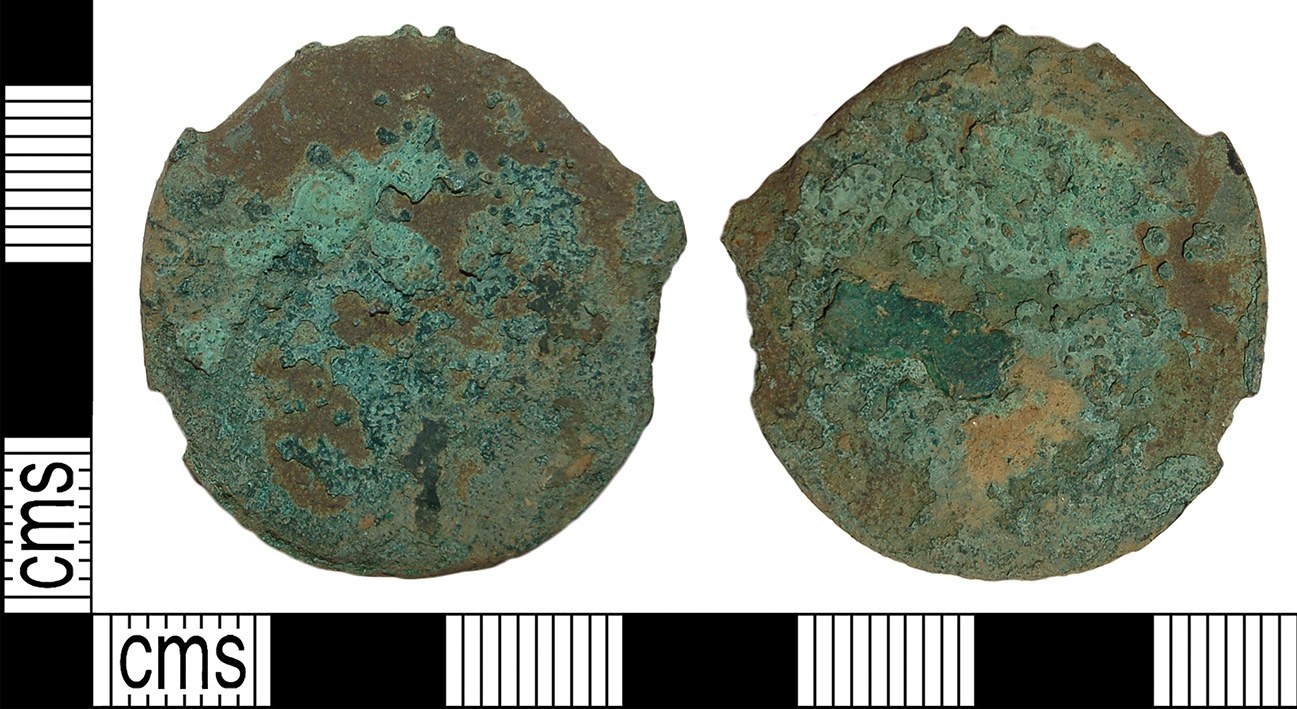
Roman Sestertius (Uncertain Emperor)
A large Roman imperial sestertius in bronze or orichalcum, heavily patinated with a bearded emperor's portrait and a reverse too worn to identify.
- Country
- Roman Empire
- Denomination
- Sestertius
- Metal
- Bronze/Orichalcum
Got a coin like this?
Identify any coin from a photo, free.
Overview
The sestertius was the largest regularly struck bronze denomination of the Roman Empire, prized today for its broad flan and bold, high-relief portraits. This example is heavily patinated: the obverse shows a male bearded head facing right, in the manner of the emperors of the 2nd and 3rd centuries AD, while the reverse is too worn and encrusted to read with confidence. Because neither the imperial name in the obverse legend nor the reverse type and inscription can be made out, the coin is best catalogued as an uncertain-emperor sestertius rather than assigned to a specific ruler.
Sestertii of this era were struck in orichalcum, a golden brassy alloy of copper and zinc, though centuries of burial typically leave them coated in green, brown, or earthen patina that obscures the original color. The size and weight of the piece, together with the surviving beard and profile, place it firmly within the imperial bronze coinage even when the finer details are lost.
History & Background
The sestertius originated in the Roman Republic as a small silver coin but was reintroduced by Augustus as a large brass (orichalcum) piece around the end of the first century BC. For the next three centuries it served as a workhorse of everyday accounting and circulation, and its generous size made it the ideal canvas for imperial portraiture and elaborate reverse scenes celebrating military victories, public works, deities, and imperial virtues.
Bearded portraits became the norm from the reign of Hadrian onward, a fashion that continued through the Antonine and Severan dynasties and into the soldier-emperors of the third century. A heavily patinated bearded sestertius therefore fits comfortably anywhere across the 2nd and 3rd centuries AD. As the third century progressed, debasement and inflation gradually undermined the large bronze denominations, and the sestertius faded from production by the later 200s AD.
Enormous numbers of sestertii were struck over this long span, and they survive in quantity today. Many, like this coin, come out of the ground with worn or corroded surfaces that make precise attribution difficult without clear legends or a recognizable reverse type.
How to Identify
Begin with size and heft. A sestertius is a large, thick coin, typically around 30–35 mm across and substantially heavier than the smaller dupondius or as, so the sheer scale is the first clue that a Roman bronze is a sestertius rather than a lesser denomination. The metal is orichalcum, a copper-zinc brass that can appear yellowish where patina is worn through, though most excavated examples are cloaked in green or brown surface tone.
The obverse here shows a bearded male head facing right, the standard format for an emperor's portrait. On a well-preserved coin the surrounding legend would give the emperor's name and titles, and the reverse would carry a figure or scene with the letters S C (Senatus Consulto) in the field, marking it as senatorial bronze coinage. On this piece the reverse is too indistinct to read and the obverse legend cannot be confidently deciphered, which is why it remains attributed to an uncertain emperor.
When legends are unreadable, attribution rests on portrait style, hairstyle and beard treatment, flan shape, and any faint traces of the reverse design. Without those diagnostics resolving clearly, honest cataloguing keeps the coin as a generic 2nd–3rd century sestertius rather than forcing a specific ruler.
Value & Collectibility
Value for sestertii is driven above all by the identifiability and condition of the coin. A well-centered piece with a clear portrait, a legible legend naming the emperor, and a sharp reverse can be worth a considerable sum, and famous rulers or dramatic reverse types command strong collector demand. A heavily patinated, unattributed example with an unreadable reverse sits at the opposite end of that spectrum.
As an uncertain-emperor bronze with worn surfaces, this coin's worth is modest and is best expressed as a range rather than a precise figure. Low-grade, unidentified sestertii commonly trade in the low tens of dollars, with the exact figure depending on how much of the portrait survives, the flan size, and the appeal of the patina. Should cleaning or better photography reveal a legible legend or a recognizable reverse, the attribution and value could rise significantly.
As with all ancient coins, provenance and authenticity matter to price, and genuine, honestly described pieces hold their value better than optimistically attributed ones. Any figures here are general context, not a guaranteed valuation.
Frequently asked questions
Why is the emperor listed as uncertain?
The obverse legend and the reverse design are too worn and patinated to read. Without a legible name or a recognizable reverse type, the coin cannot be reliably tied to a specific ruler, so it is catalogued as an uncertain-emperor sestertius.
What is the sestertius made of?
Imperial sestertii were struck in orichalcum, a golden brass alloy of copper and zinc. Burial usually leaves them covered in green or brown patina that hides the original brassy color, and they are often described simply as bronze.
How big is a sestertius?
It is the largest common Roman imperial bronze, generally around 30–35 mm in diameter and noticeably heavy. Its size is one of the quickest ways to distinguish it from the smaller dupondius and as.
Can cleaning help identify it?
Careful, conservative conservation by someone experienced with ancient coins can sometimes reveal legends or reverse details. Aggressive cleaning, however, can strip the patina and damage the surfaces, lowering both the coin's appeal and its value, so caution is essential.
Is a worn, unidentified sestertius worth collecting?
Yes. Even unattributed examples are genuine artifacts of the Roman Empire and are popular as affordable, tangible pieces of history. Their value is modest, but the appeal of holding a large ancient bronze is a large part of the draw.
Roman Sestertius (Uncertain Emperor) guides
In-depth guides for identifying, valuing, and collecting Roman Sestertius (Uncertain Emperor).
Other coins you may enjoy
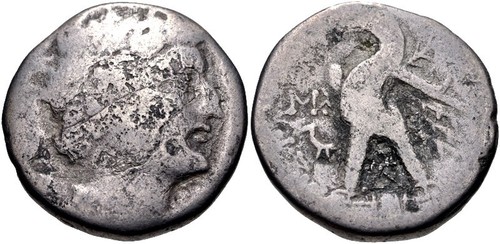
Tetradrachm of Ptolemy XII
80-51 BC
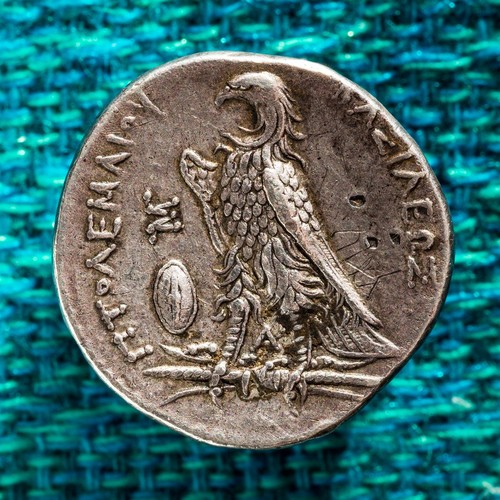
Tetradrachm of Ptolemy I
305-283 BC
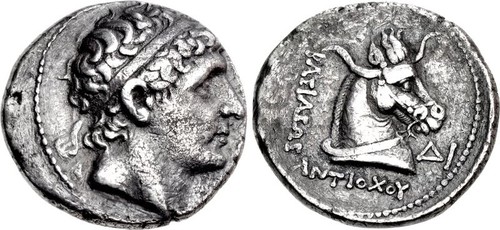
Tetradrachm of Antiochos I Soter
281-261 BC
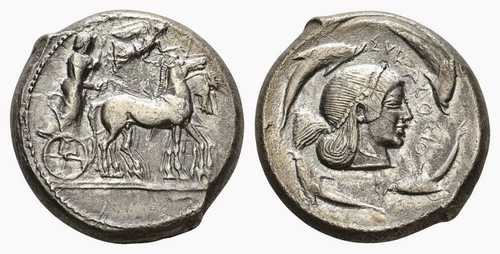
Syracuse Tetradrachm
c. 5th-4th century BC (Classical period)
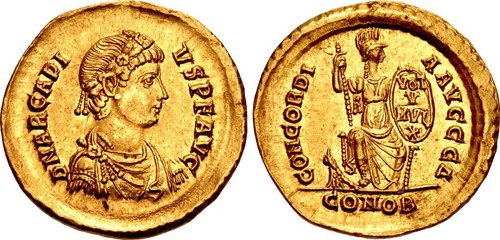
Solidus of Arcadius
AD 395-402
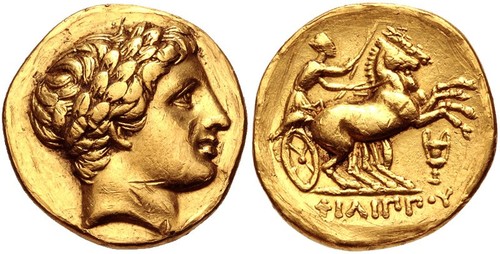
Philip III Gold Stater
323-317 BC
Siliqua of Gratian
AD 367-383
Sestertius of Maximinus Thrax
235-238 AD
Solidus of Valentinian III
AD 425-455
Seleucus I Nicator Tetradrachm
Late 4th-3rd century BC
Nummus of Magnentius
AD 350-353
Follis of Galerius
AD 308-310