
Coin Encyclopedia
Search and identify coins from around the world — with country, denomination, metal, mint, history, and how to tell them apart.
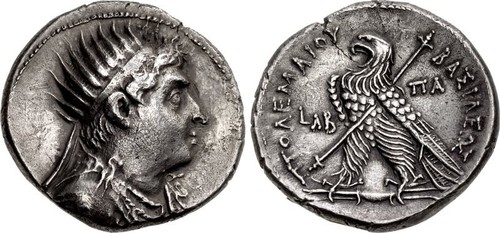
Tetradrachm of Ptolemy VIII
Silver tetradrachm of Ptolemy VIII of Egypt, c. 170-116 BC, with a diademed royal head on the obverse and an eagle on a thunderbolt reverse.
Ancient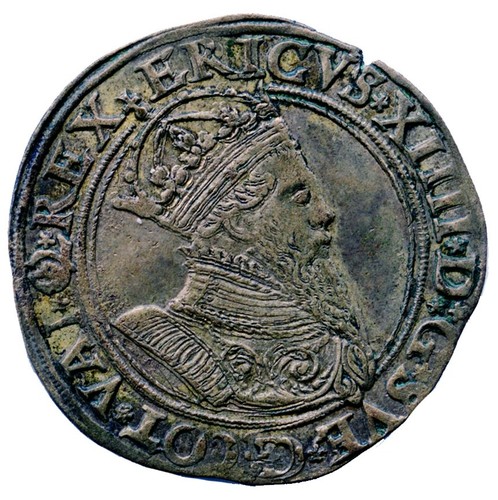
Eric XIV Silver Coin
Silver coin of Eric XIV of Sweden (r. 1560–1568), showing his crowned profile portrait and a heraldic Vasa/Three Crowns reverse, struck c. 1565.
Medieval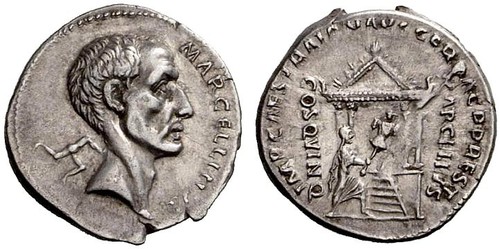
Denarius of Trajan
Silver denarius of the emperor Trajan (98–117 AD), showing his laureate bust and, on this piece, Libertas standing with patera and rod.
Ancient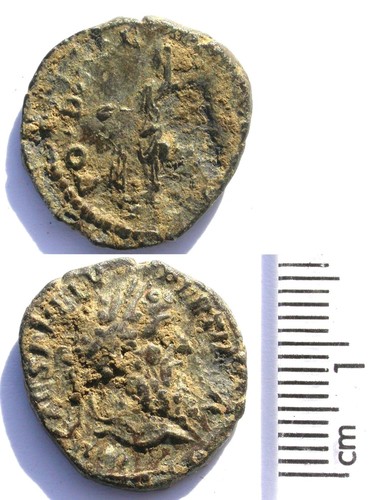
Denarius of Pertinax
A rare silver denarius of Pertinax, Roman emperor for 86 days in 193 AD, showing his laureate portrait and a personification reverse.
Ancient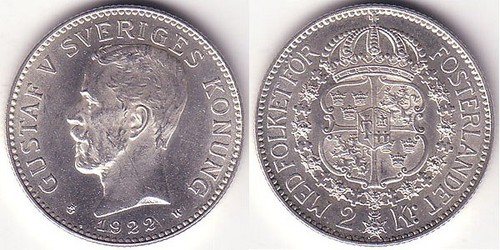
2 Kronor
Silver 2 kronor of Sweden showing King Gustaf V in left profile and the crowned national arms, this piece dated 1922.
World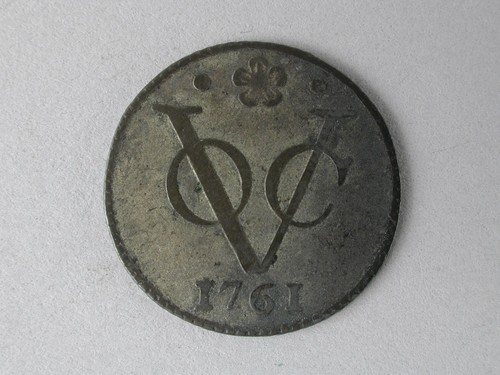
Halve Duit (VOC)
Small copper half-duit of the Dutch East India Company (VOC), bearing the crowned VOC monogram, struck in the 1700s for use in the Dutch trading world.
Early Modern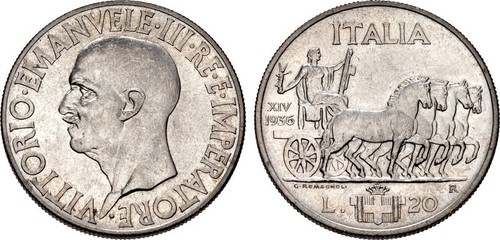
20 Lire
Silver-colored Italian 20 Lire piece of the Fascist era, showing a Mussolini profile and a horse-drawn chariot, dated 1936.
Modern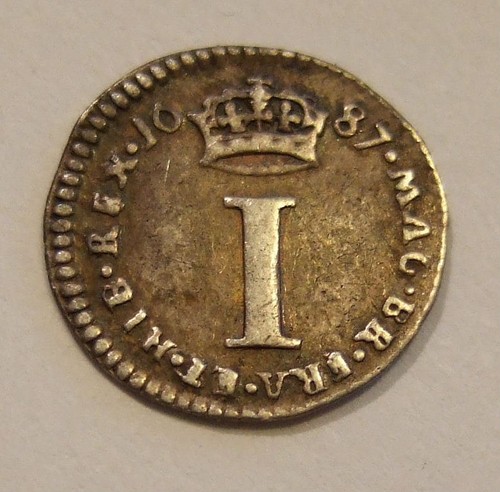
Maundy One Penny
The smallest British Maundy silver coin, bearing a crowned Roman numeral I; this example was struck in 1687 under James II.
Maundy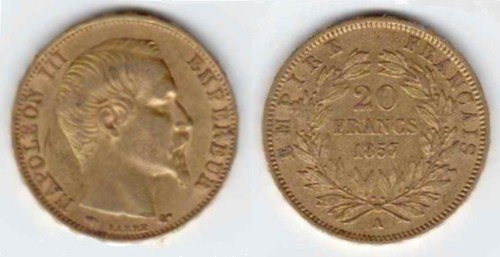
20 Francs Napoleon
A small 21 mm French gold coin bearing Napoleon III's profile and a wreathed 20 FRANCS reverse — the classic gold Napoleon, here dated 1857.
Bullion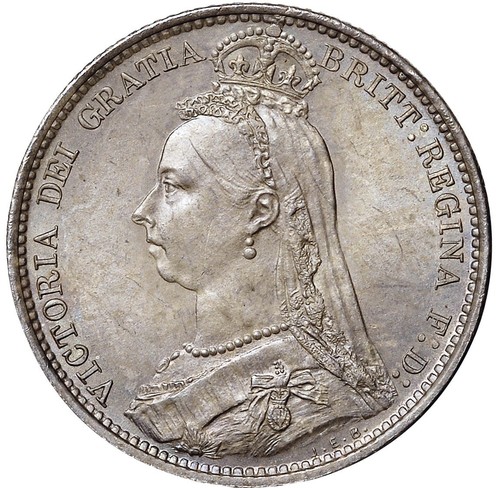
British Sixpence
Small British silver sixpence (6d); this example is an 1888 Queen Victoria 'Jubilee head' with the crowned, veiled bust.
British Isles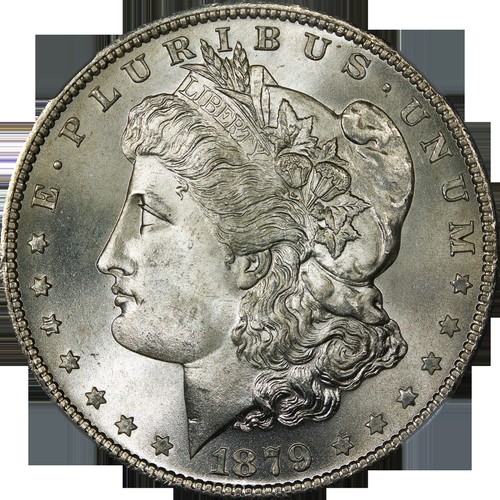
Morgan Dollar
U.S. 90% silver dollar struck 1878–1904 and again in 1921, with George T. Morgan's Liberty head and a spread-winged eagle reverse.
Dollar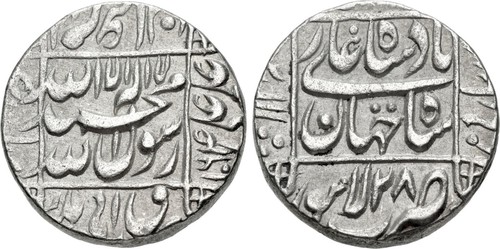
Shah Jahan Rupee
Hand-struck silver rupee of Mughal emperor Shah Jahan, all-Persian calligraphy in ornate cartouches, dated AH 1064 (AD 1653-1654).
Mughal India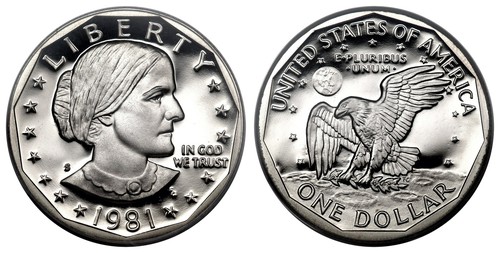
Susan B. Anthony Dollar
U.S. small-size copper-nickel clad dollar coin (1979–1981, 1999) featuring suffragist Susan B. Anthony and an eagle landing on the moon.
Dollar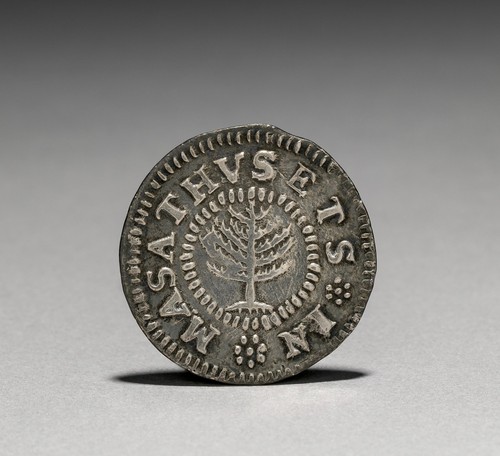
Pine Tree Shilling
Silver shilling from the Boston mint, struck about 1667–1674 but dated 1652, showing a pine tree beside the legend MASSACHUSETTS.
Colonial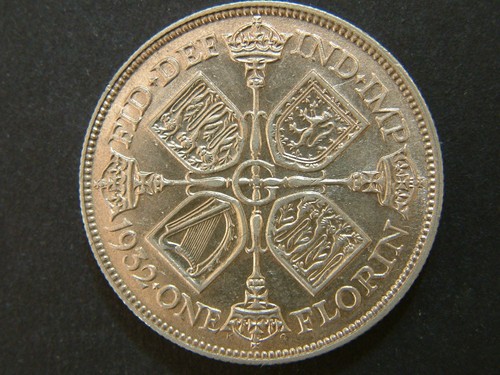
British Florin
A Victorian silver two-shilling florin with a crowned, veiled Victoria and a heraldic crowned-shields reverse; the pictured coin is dated 1890.
World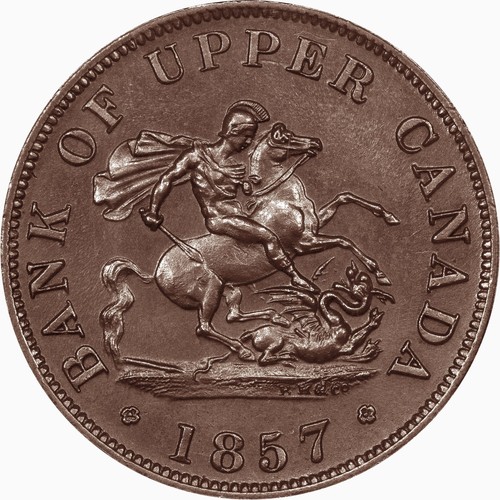
Bank of Upper Canada Half-Penny Token
Copper half-penny token of the Bank of Upper Canada, with St. George slaying the dragon and the bank's crowned heraldic arms, dated 1857.
Canadian & Provincial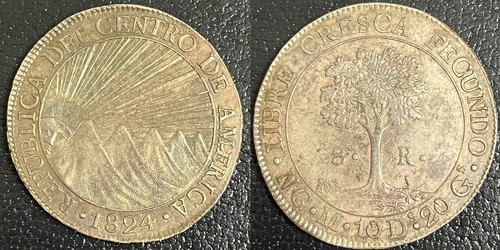
Central American Republic 8 Reales
A silver 8 reales of the Central American Republic, showing a rayed sun rising over mountains on one side and a tree on the other, dated 1824.
Circulation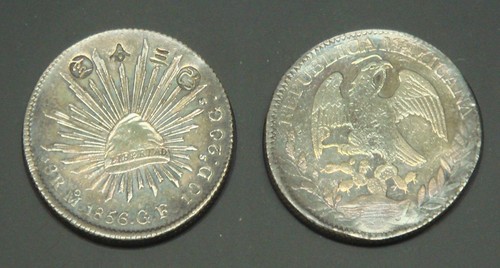
Aratame Sanbu Sadame
A round silver-colored coin with a coiled dragon and the inscription Aratame Sanbu Sadame on one face and a radiating sun on the other, dated 1859.
Historic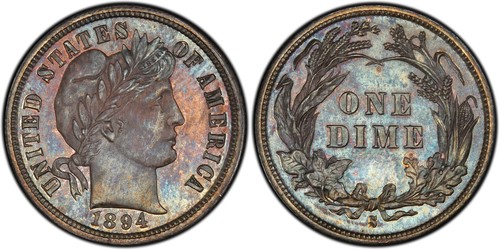
Barber Dime
U.S. ten-cent silver coin struck 1892–1916, showing a right-facing Liberty head and a wreath enclosing "ONE DIME" on the reverse.
Dime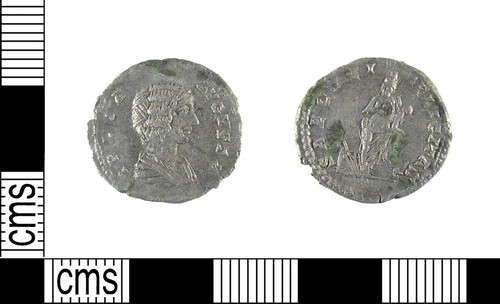
Denarius of Julia Domna
Roman silver denarius of the empress Julia Domna (193-217 CE), with her draped bust and a standing goddess or personification on the reverse.
Ancient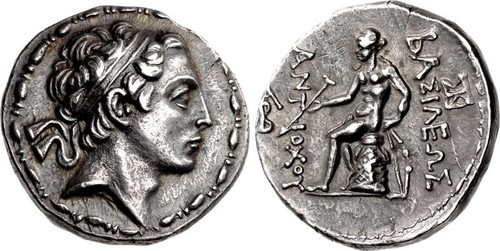
Antiochos IV Epiphanes Tetradrachm
Large silver tetradrachm of the Seleucid king Antiochos IV Epiphanes, 175-164 BC, with his diademed head and an enthroned deity reverse.
Ancient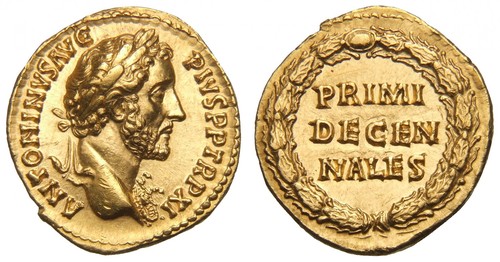
Denarius of Antoninus Pius
Silver denarius of the Roman emperor Antoninus Pius (138–161 AD), with his laureate portrait facing right and a legend-and-figure reverse.
Ancient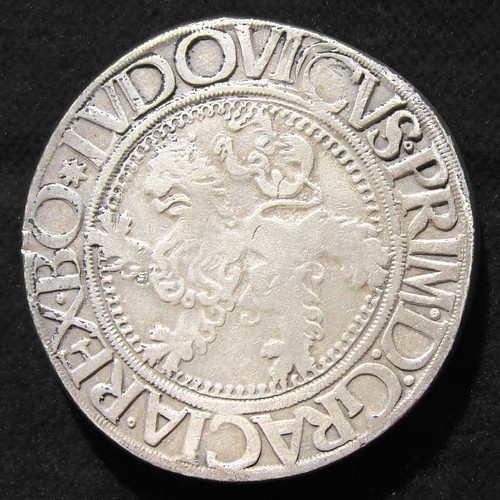
Joachimsthaler (Thaler)
A large early-16th-century Bohemian silver thaler from Joachimsthal, dated 1525; the coin whose name gave rise to the words 'thaler' and 'dollar'.
Early Modern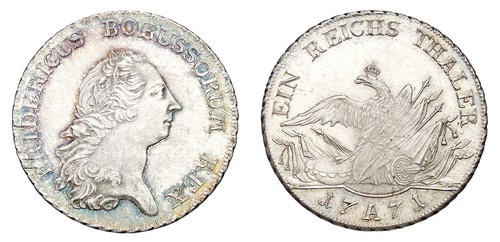
Prussian Taler
A large silver taler of the Kingdom of Prussia showing the crowned profile of Frederick II and a heraldic coat of arms, struck through the mid-to-late 1700s.
German States