
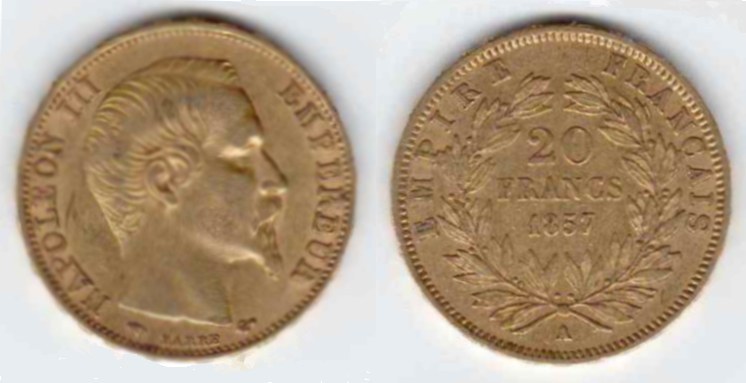
20 Francs Napoleon
A small 21 mm French gold coin bearing Napoleon III's profile and a wreathed 20 FRANCS reverse — the classic gold Napoleon, here dated 1857.
- Country
- France
- Denomination
- 20 Francs
- Metal
- Gold
Got a coin like this?
Identify any coin from a photo, free.
Overview
The 20 Francs Napoleon is the best-known French gold coin, a compact bullion piece struck in 0.900 fine gold. This example shows the bare-headed portrait of Emperor Napoleon III facing left with the legend NAPOLEON on the obverse, and a value of 20 FRANCS within a wreath dated 1857 on the reverse. It belongs to the wider family of French 20-franc gold coins that collectors and dealers simply call "Napoleons."
Each coin contains a fixed amount of gold — roughly 5.8 grams of pure gold in a total weight of about 6.45 grams — which is why the type is treated primarily as bullion today rather than as a rarity. The same size and gold content were used across many designs and decades, making the Napoleon a convenient and widely traded unit of physical gold in Europe.
Because hundreds of millions of French 20-franc gold pieces were produced over the nineteenth and early twentieth centuries, most ordinary dates, including common Napoleon III years, are valued close to their gold content plus a modest premium.
History & Background
The 20-franc gold coin was introduced under the French franc system established in the Napoleonic era and continued through successive regimes. This particular type dates to the Second Empire, when Louis-Napoleon Bonaparte, nephew of Napoleon I, ruled as Emperor Napoleon III from 1852 to 1870.
Napoleon III's 20-franc gold coinage appeared in two main portrait styles. The earlier issues, struck from about 1853 to 1860 and including this 1857 piece, show a bare (uncrowned) head. From 1861 onward the portrait was changed to a laureate head wearing a wreath. The reverse legend and imperial titles also evolved during the reign as France's status was described on the coinage.
The French 20-franc standard was so trusted that it became a template for the Latin Monetary Union, under which several European nations struck gold coins of matching weight and fineness. Production of gold Napoleons continued after the Second Empire fell in 1870, with later French governments issuing their own 20-franc designs on the same specifications.
How to Identify
A genuine 20 Francs Napoleon of this era is a small gold coin about 21 mm in diameter and roughly 6.45 grams in weight, struck in 0.900 fine gold (90% gold, 10% copper alloy) with a correspondingly warm yellow-gold colour. The obverse carries a profile bust of Napoleon III and the name NAPOLEON, while the reverse shows the denomination 20 FRANCS and the date within a wreath.
On the bare-head type seen here the emperor's head is uncrowned; laureate-head examples from 1861 onward add a victor's wreath to the portrait. The obverse legend and the reverse wording (referring to the Empire) help place the coin within the reign, and a small mint mark plus an engraver's or mint privy mark appears near the date or in the reverse legend, identifying where the coin was struck.
The edge of these coins is lettered or reeded rather than plain, which is a useful authenticity check. Weight, diameter, and the crispness of the strike should all match the standard; a coin that is underweight, undersized, magnetic, or off-colour is inconsistent with a genuine gold Napoleon.
Value & Collectibility
As a widely produced bullion coin, the 20 Francs Napoleon is valued first and foremost on its gold content — just under one-fifth of a troy ounce of pure gold per coin. Common dates, including many Napoleon III years, typically trade for the melt value of that gold plus a small dealer premium, so the market price moves with the daily gold price.
Condition and date affect the premium. Well-worn common coins sit near bullion value, while high-grade, sharply struck examples or scarcer date-and-mint combinations can command more from collectors. Because so many were struck, most 1850s Napoleon III pieces are affordable relative to their gold weight rather than being significant rarities.
For an accurate figure, weigh the coin, confirm it is 0.900 fine gold, and check the current gold spot price, then add the prevailing premium for French 20-franc coins. Suspiciously cheap examples, or coins whose weight and dimensions are off, should be treated with caution, as gold Napoleons are among the more frequently counterfeited world coins.
Frequently asked questions
How much gold is in a 20 Francs Napoleon?
Each coin weighs about 6.45 grams and is 0.900 fine gold, giving it roughly 5.8 grams — a little under one-fifth of a troy ounce — of pure gold. That fixed gold content is why the coin is traded as bullion.
Who is on the 20 Francs Napoleon?
This type shows Napoleon III, Emperor of the French from 1852 to 1870 and nephew of Napoleon I. The 1857 example uses the bare (uncrowned) head; from 1861 the portrait was changed to a laureate head.
Is a common-date gold Napoleon valuable?
Most ordinary dates are worth close to their gold content plus a modest premium, because tens of millions were struck. High grade or scarcer date-and-mint combinations can bring more, but the base value tracks the gold price.
What is the difference between the bare head and laureate head types?
Napoleon III's earlier 20-franc coins (about 1853–1860, including 1857) show an uncrowned bare head, while issues from 1861 onward show him wearing a laurel wreath. Both share the same size and gold content.
Why is this coin called a 'Napoleon'?
"Napoleon" became the everyday nickname for the French 20-franc gold coin, first struck under Napoleon I and continued through later regimes. The name stuck as a generic term for these gold pieces regardless of which ruler appears.
20 Francs Napoleon guides
In-depth guides for identifying, valuing, and collecting 20 Francs Napoleon.
Other coins you may enjoy
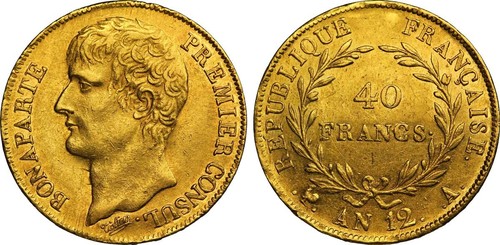
40 Francs Napoleon
Consulate and Empire era, early 1800s (this example An 12 / 1804, BONAPARTE PREMIER CONSUL type)
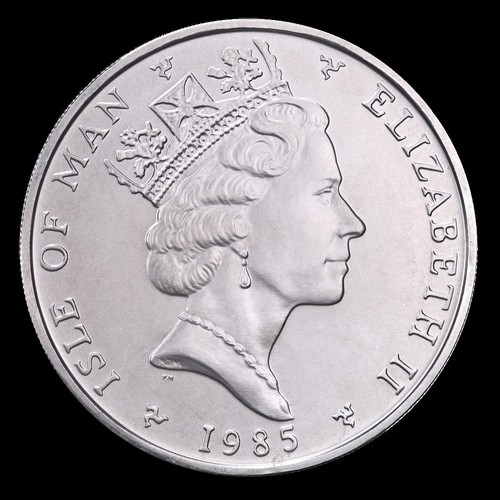
Isle of Man Noble
1983–1989
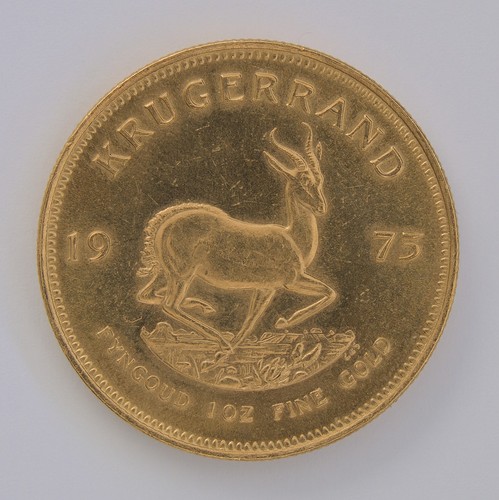
Krugerrand
1967-present (this example 1975)
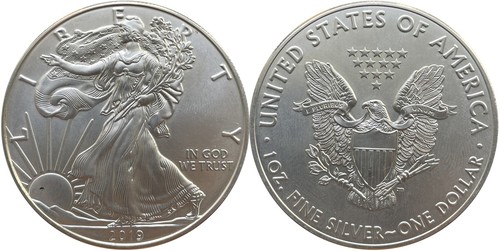
American Gold Eagle
1986–present
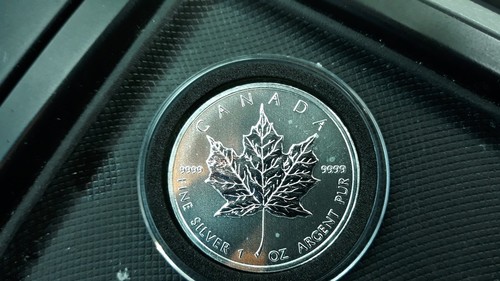
Canadian Silver Maple Leaf
1988–present
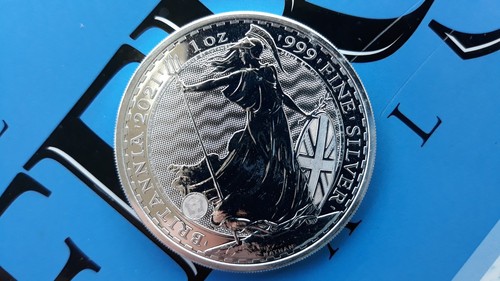
British Britannia Silver Coin
1997–present (this example dated 2021)

Vienna Philharmonic (Gold)
1989–present (gold series; euro-denominated since 2002). Observed example dated 2017.
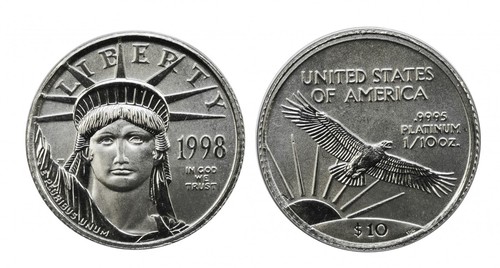
American Platinum Eagle
1997–present
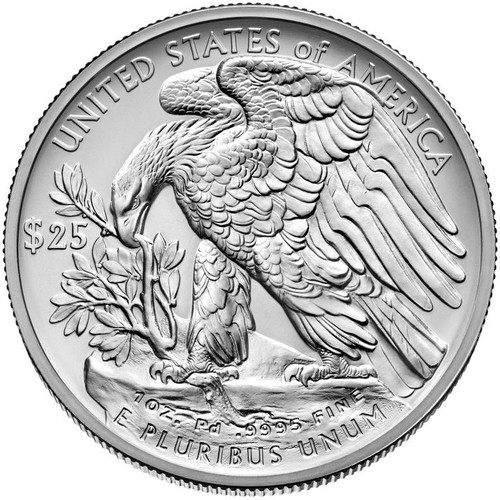
American Palladium Eagle
2017–present
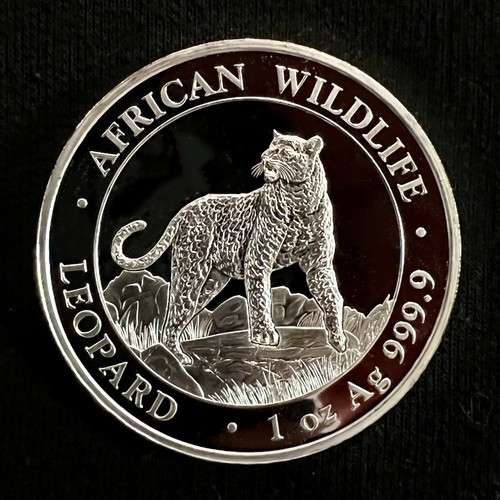
Somalia Silver Leopard
2019–present (this example dated 2022)
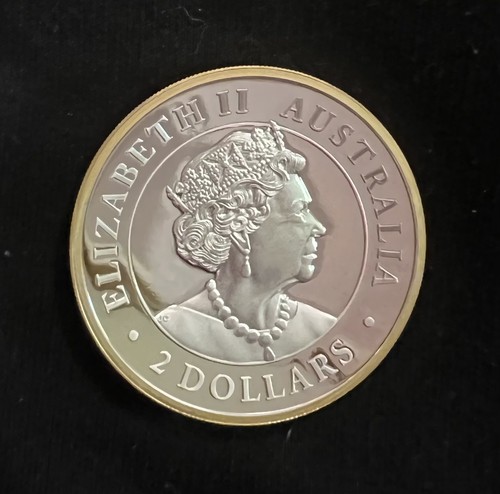
Australian Kookaburra
1990–present (this example dated 2012)
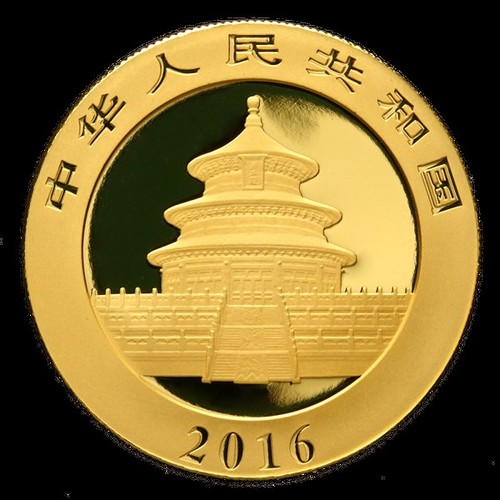
China Panda Gold Coin
2016 (part of an ongoing series first issued 1982)