
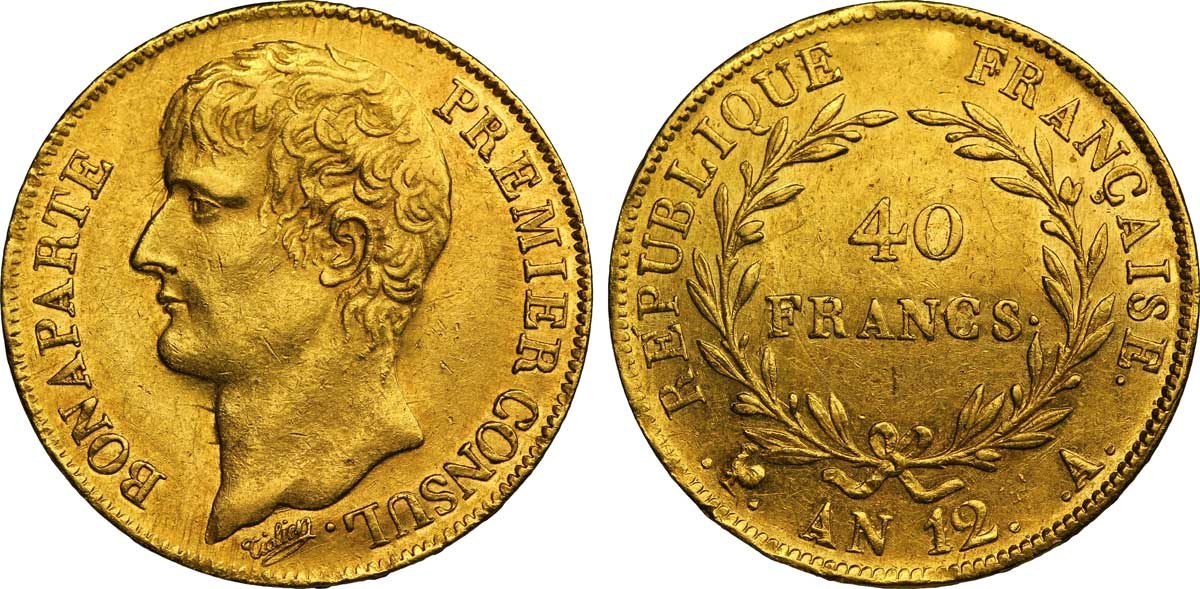
40 Francs Napoleon
A large early French gold 40 francs of Napoleon's Consulate, with the bare-headed BONAPARTE PREMIER CONSUL bust and a laurel-framed 40 FRANCS reverse dated 1804.
- Country
- France
- Denomination
- 40 Francs
- Metal
- Gold
Got a coin like this?
Identify any coin from a photo, free.
Overview
The 40 Francs Napoleon is a large gold coin of early nineteenth-century France, the higher of the two main gold denominations introduced under the new franc-based currency. This example belongs to the Consulate type, before Napoleon Bonaparte took the imperial title: the obverse reads BONAPARTE PREMIER CONSUL around a bare-headed portrait facing left, and the reverse shows the value 40 FRANCS within a laurel wreath with the legend REPUBLIQUE FRANCAISE.
At forty francs it was a substantial piece of gold for its day, twice the value of the more common 20 francs, and it was struck in a high-fineness gold alloy. The 1804 date places it at the very hinge of French history, in the final phase of the Consulate as the Republic gave way to the Empire — which is why the coin can still carry REPUBLIQUE FRANCAISE while naming Bonaparte as First Consul.
As a gold denomination, its worth today rests both on its precious-metal content and on its standing as an early and historically resonant Napoleonic issue.
History & Background
France's franc-based gold coinage was established in the first years of the nineteenth century, setting the 20 francs and 40 francs as the standard gold denominations. The earliest issues, including this one, were struck under the Consulate, when Napoleon Bonaparte governed France as Premier Consul rather than as emperor. That is the moment this coin captures: a bare-headed Bonaparte in the manner of a Roman consul, paired with the still-republican legend of the reverse.
The portrait and titles on French coinage changed as Napoleon's power did. Consular pieces name him BONAPARTE PREMIER CONSUL; after he was proclaimed emperor, later gold used NAPOLEON EMPEREUR and eventually replaced REPUBLIQUE FRANCAISE with EMPIRE FRANCAIS and added a laurel-crowned imperial portrait. A coin dated 1804 with the Consul legend therefore sits right on this transition, at the close of the Consulate.
The 40 francs gold denomination continued to be struck under Napoleon and by later French regimes into the mid-nineteenth century, but the early Bonaparte Premier Consul type is the founding issue of the series and the one most tied to Napoleon's rise.
How to Identify
The obverse is the key. It shows a bare-headed bust of Bonaparte facing left, without crown or wreath, surrounded by the legend BONAPARTE PREMIER CONSUL — the wording that marks this as a Consulate piece rather than an imperial one. An engraver's signature usually appears below the truncation of the neck.
The reverse displays the denomination 40 FRANCS at the centre inside an open laurel wreath, with REPUBLIQUE FRANCAISE around the rim and the date below; on this coin the date reads 1804 (French issues of the period may also carry a revolutionary-calendar year such as An 12). A small mint mark and privy symbols appear near the value or date, identifying the striking mint. The edge is lettered rather than plain or reeded.
The 40 francs is the larger of the two early gold denominations: it is noticeably bigger and about twice the weight of the 20 francs, struck in high-fineness gold with a rich yellow tone. Always read the stated 40 FRANCS on the reverse to separate it from the far commoner 20 francs, which shares the same portrait style.
Value & Collectibility
The 40 Francs Napoleon is a gold coin, so it always carries a substantial base value from its precious-metal content — roughly a third of a troy ounce of gold, giving it a bullion floor that moves with the gold price. That alone makes it worth far more than everyday silver or base-metal coins.
Above bullion, the early Bonaparte Premier Consul type is genuinely scarce and historically desirable, and can command significant collector premiums well beyond melt, especially for the earliest Consulate dates. Value depends heavily on the exact date, mint, and condition, and on authenticity, since high-value gold coins of this era are targets for counterfeiting.
Because premiums for a scarce early type can dwarf the metal value, do not price this coin from bullion alone. Compare recent auction results for the same type, date and mint, and for any coin of this value consider third-party authentication or grading before buying or selling.
Frequently asked questions
Why does the coin say BONAPARTE PREMIER CONSUL instead of Emperor?
Because it is a Consulate-era issue struck while Napoleon governed as First Consul, before he took the imperial title. Later gold coins change the legend to NAPOLEON EMPEREUR and the reverse to EMPIRE FRANCAIS, so the Premier Consul wording marks this as one of the earliest Napoleonic types.
Is the 40 Francs Napoleon made of gold?
Yes. It is a high-fineness gold coin, the larger of the two standard early French gold denominations. Its metal content gives it a firm base value tied to the gold price, well above its historical face value of forty francs.
How is the 40 francs different from the 20 francs Napoleon?
The 40 francs is worth twice as much and is a physically larger, heavier coin, roughly double the weight of the 20 francs. Both can share a similar portrait, so the reliable difference is the value stated on the reverse: 40 FRANCS versus 20 FRANCS.
Why is a 1804 coin still labelled REPUBLIQUE FRANCAISE?
The Republic was not formally replaced by the Empire until Napoleon was proclaimed emperor, so Consulate coinage keeps the republican reverse legend even as it names Bonaparte as First Consul. A 1804 Premier Consul piece sits right at that transition.
Is a 40 Francs Napoleon valuable?
It carries substantial gold value as a floor, and the early Bonaparte Premier Consul type is scarce and sought after, so good examples sell for a strong premium over melt. Exact worth depends on date, mint and condition, and high-value gold of this era should be authenticated.
40 Francs Napoleon guides
In-depth guides for identifying, valuing, and collecting 40 Francs Napoleon.
Other coins you may enjoy
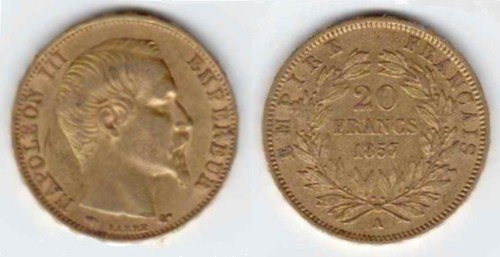
20 Francs Napoleon
1853–1870 (this example dated 1857)
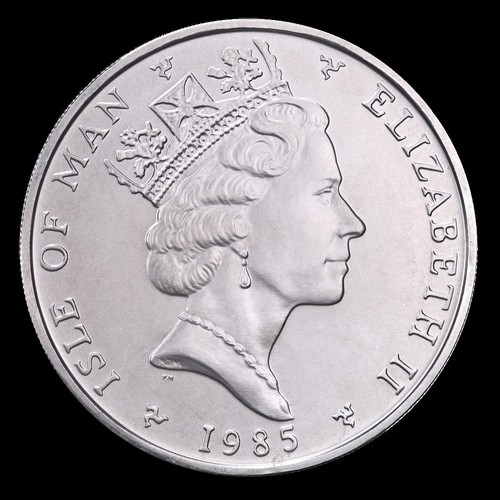
Isle of Man Noble
1983–1989
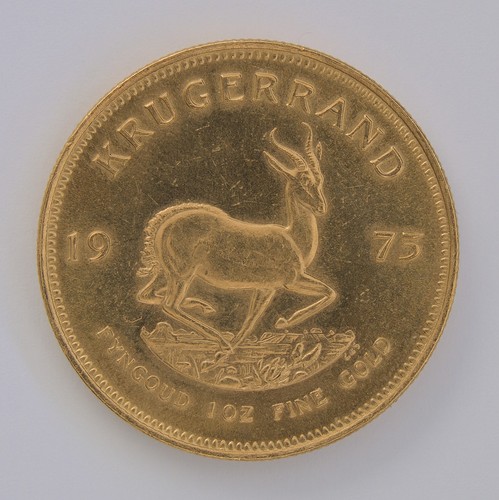
Krugerrand
1967-present (this example 1975)
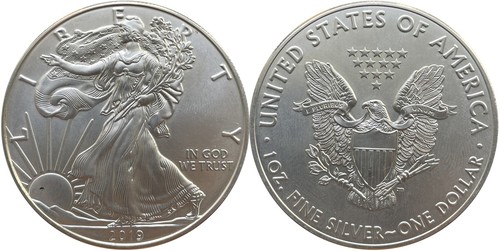
American Gold Eagle
1986–present
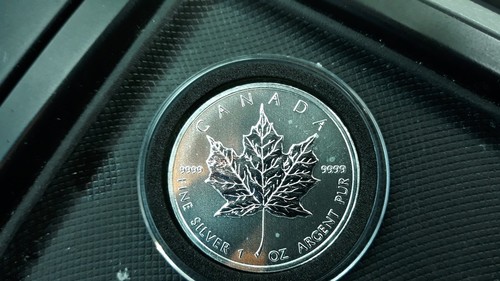
Canadian Silver Maple Leaf
1988–present
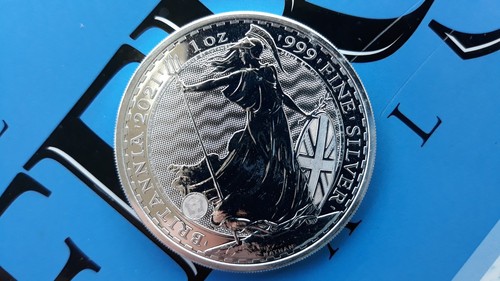
British Britannia Silver Coin
1997–present (this example dated 2021)

Vienna Philharmonic (Gold)
1989–present (gold series; euro-denominated since 2002). Observed example dated 2017.
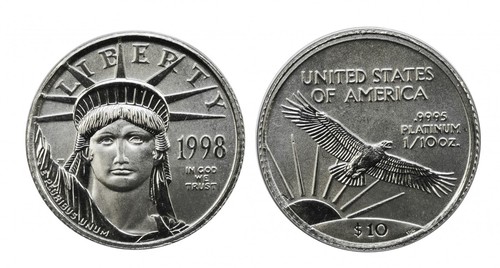
American Platinum Eagle
1997–present
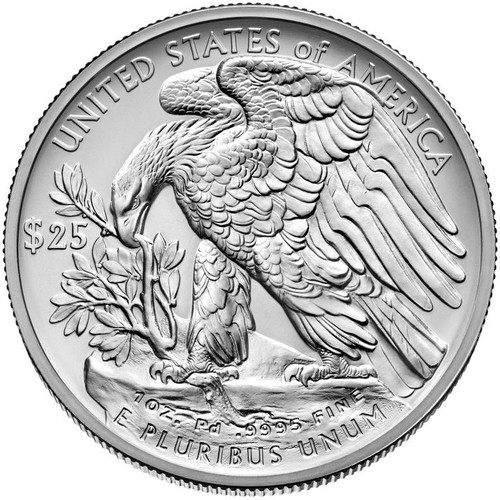
American Palladium Eagle
2017–present

Somalia Silver Leopard
2019–present (this example dated 2022)
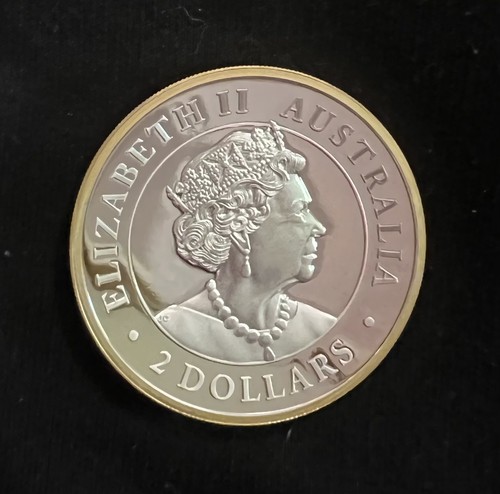
Australian Kookaburra
1990–present (this example dated 2012)
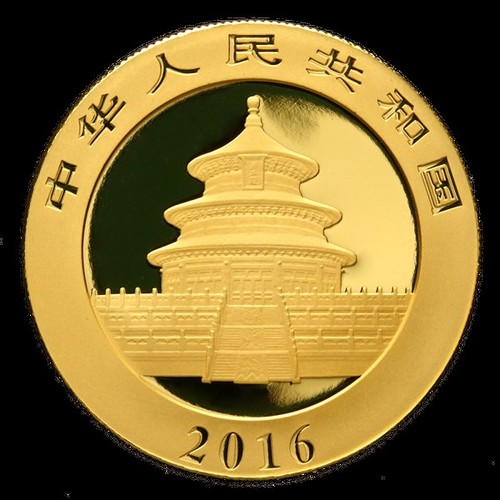
China Panda Gold Coin
2016 (part of an ongoing series first issued 1982)