
Australian Kookaburra
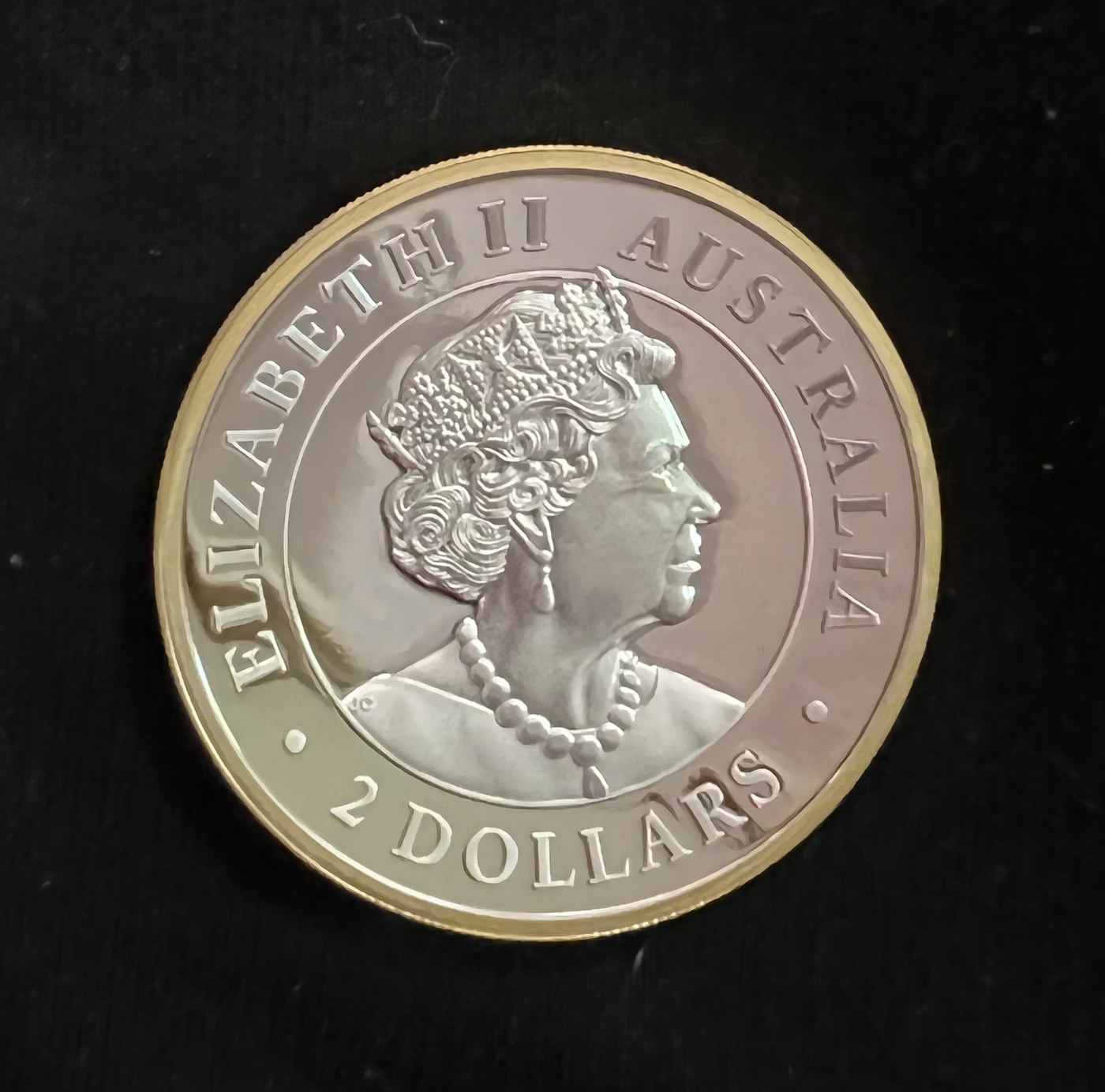
Perth Mint silver bullion coin with a changing kookaburra reverse and a Queen Elizabeth II obverse; this 2 Dollars piece is a 2 oz .999 fine silver coin dated 2012.
- Country
- Australia
- Denomination
- 2 Dollars
- Metal
- Silver
Got a coin like this?
Identify any coin from a photo, free.
Overview
The Australian Kookaburra is a silver bullion coin series struck by the Perth Mint in Western Australia, named for the native kingfisher whose image appears on the reverse. This coin shows the classic pairing: a Queen Elizabeth II portrait on the obverse, inscribed ELIZABETH II AUSTRALIA 2 DOLLARS, and a kookaburra perched on a branch amid foliage on the reverse.
The two-dollar face value identifies this as the two-ounce size in the range, containing two troy ounces of .999 fine silver. Like other bullion coins its legal face value is nominal—the piece trades for the market value of its silver content plus a premium. The series is prized by collectors because the kookaburra reverse is redesigned every year, so the 2012 design shown here is specific to that year's issue.
History & Background
The Perth Mint launched the silver Kookaburra series in 1990, making it one of the earliest modern Australian silver bullion programs. From the outset the reverse featured the laughing kookaburra, a bird strongly associated with the Australian bush, and the Mint adopted the practice of changing the reverse design annually—a feature that sets the series apart from bullion coins with a fixed motif.
The coins have been issued in several sizes over the years, including one-ounce, two-ounce, ten-ounce and one-kilo formats, each carrying a face value scaled to its weight; the two-ounce coin bears the two-dollar denomination seen here. The obverse has carried successive royal effigies of Queen Elizabeth II; a 2012 coin uses the Ian Rank-Broadley portrait that appeared on Australian coinage of that era.
Because each year brings a new kookaburra reverse and mintages of the larger sizes are limited, individual dates and sizes can develop their own collector followings beyond their bullion value.
How to Identify
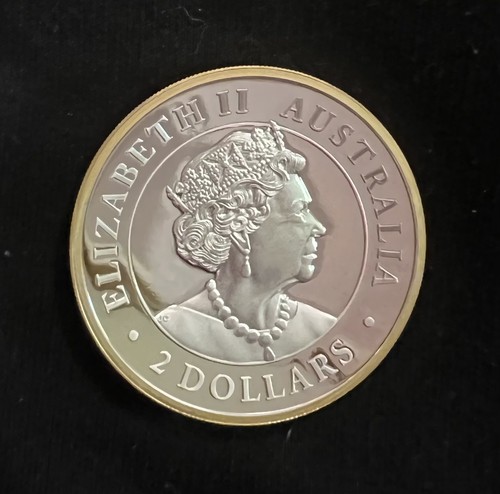
The obverse shown here bears a right-facing portrait of Queen Elizabeth II with the surrounding legend ELIZABETH II AUSTRALIA 2 DOLLARS. The two-dollar denomination is the key to the coin's size: it marks the two-ounce silver Kookaburra rather than the one-ounce (one dollar) or larger issues. The reverse depicts a kookaburra perched on a branch with foliage, together with the series name, the weight and fineness, the year, and the Perth Mint's P mint mark.
Physically this is a large, bright silver coin. A two-ounce Kookaburra measures roughly 50 mm in diameter and weighs about 62.2 grams of .999 fine silver, noticeably bigger and heavier than a standard one-ounce bullion coin. The edge is reeded and the color is a clean, white silver.
Because the reverse changes yearly, the specific kookaburra pose is diagnostic of the date: the 2012 issue shows a single perched bird among leaves. The date on the reverse and the design should match a known 2012 Kookaburra.
Value & Collectibility
As a bullion coin, the Kookaburra's baseline value follows the live silver spot price—here for two troy ounces of .999 silver—plus a premium for minting and distribution. Silver Kookaburras typically carry a higher premium than plain bullion because of their annually changing designs and comparatively limited mintages.
The two-ounce size and specific dates can add a collector premium above melt, especially for coins in pristine condition, in original Perth Mint packaging, or certified in high grades. Scarcer years and the larger formats tend to command the strongest premiums.
Silver prices move daily, so treat any single figure as a snapshot. For a 2012 two-ounce Kookaburra, expect a price anchored to the current value of two ounces of silver plus a series premium; check a live bullion quote and recent sales of the same date and size before buying or selling.
Frequently asked questions
How much silver does this coin contain?
The two-dollar Kookaburra is the two-ounce size, containing two troy ounces (about 62.2 grams) of .999 fine silver. Its two-dollar face value is only nominal; it trades for its silver content plus a premium.
Why is the reverse design different from other Kookaburra coins?
The Perth Mint changes the kookaburra reverse every year. The perched bird among foliage shown here is the 2012 design, so the motif is specific to that year's issue rather than a fixed emblem.
Who makes the Australian Kookaburra?
It is struck by the Perth Mint in Western Australia, which launched the silver Kookaburra series in 1990. The coins carry the Mint's P mint mark on the reverse.
Is the coin really worth only two dollars?
No. Two dollars is only the legal face value. Because the coin holds two ounces of fine silver, its market value is many times that, tracking the silver price plus a collector premium.
Australian Kookaburra guides
In-depth guides for identifying, valuing, and collecting Australian Kookaburra.
Australian Kookaburra identified by the community
Real coins identified with Coin Identifier.
Other coins you may enjoy
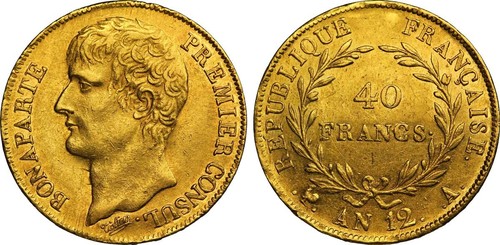
40 Francs Napoleon
Consulate and Empire era, early 1800s (this example An 12 / 1804, BONAPARTE PREMIER CONSUL type)
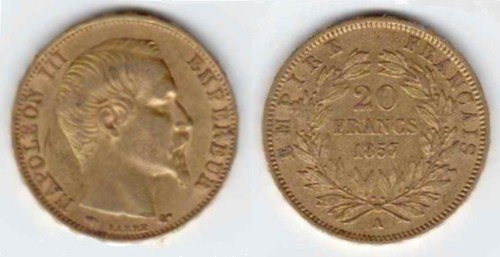
20 Francs Napoleon
1853–1870 (this example dated 1857)
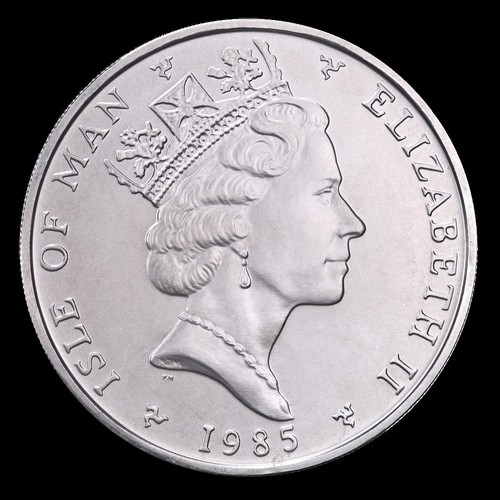
Isle of Man Noble
1983–1989
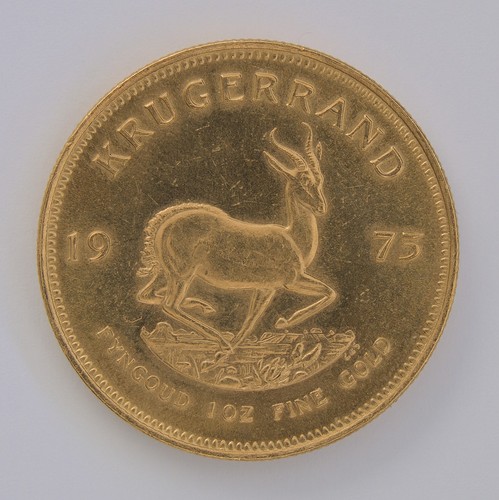
Krugerrand
1967-present (this example 1975)
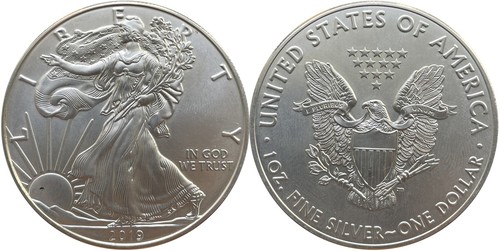
American Gold Eagle
1986–present
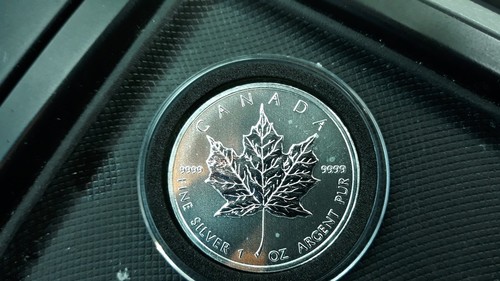
Canadian Silver Maple Leaf
1988–present
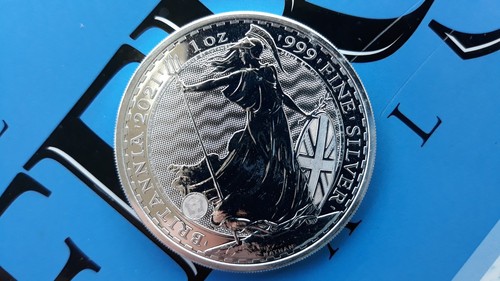
British Britannia Silver Coin
1997–present (this example dated 2021)
Vienna Philharmonic (Gold)
1989–present (gold series; euro-denominated since 2002). Observed example dated 2017.
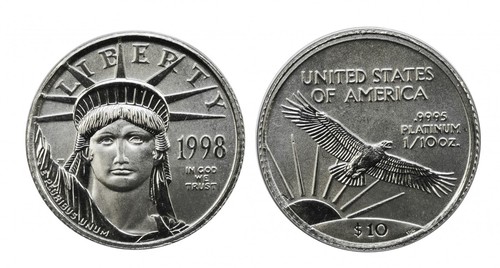
American Platinum Eagle
1997–present
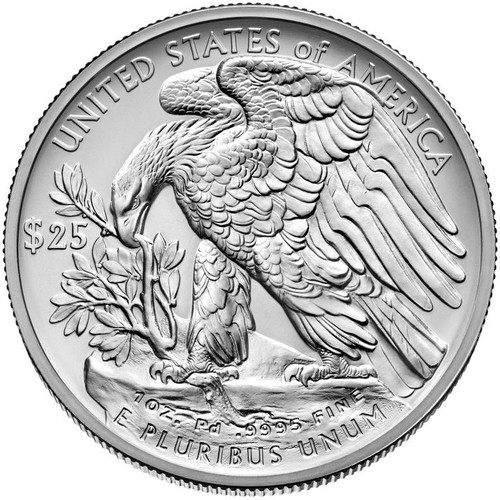
American Palladium Eagle
2017–present
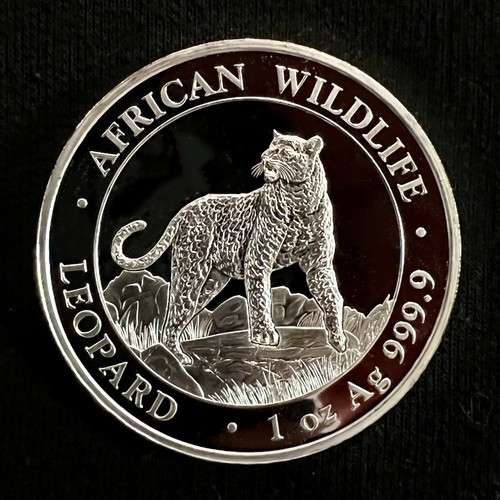
Somalia Silver Leopard
2019–present (this example dated 2022)
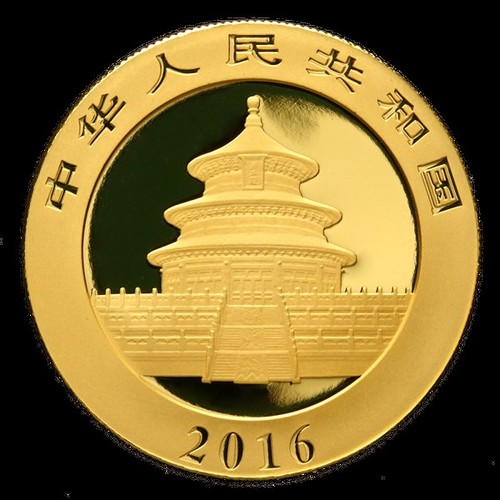
China Panda Gold Coin
2016 (part of an ongoing series first issued 1982)