
American Platinum Eagle
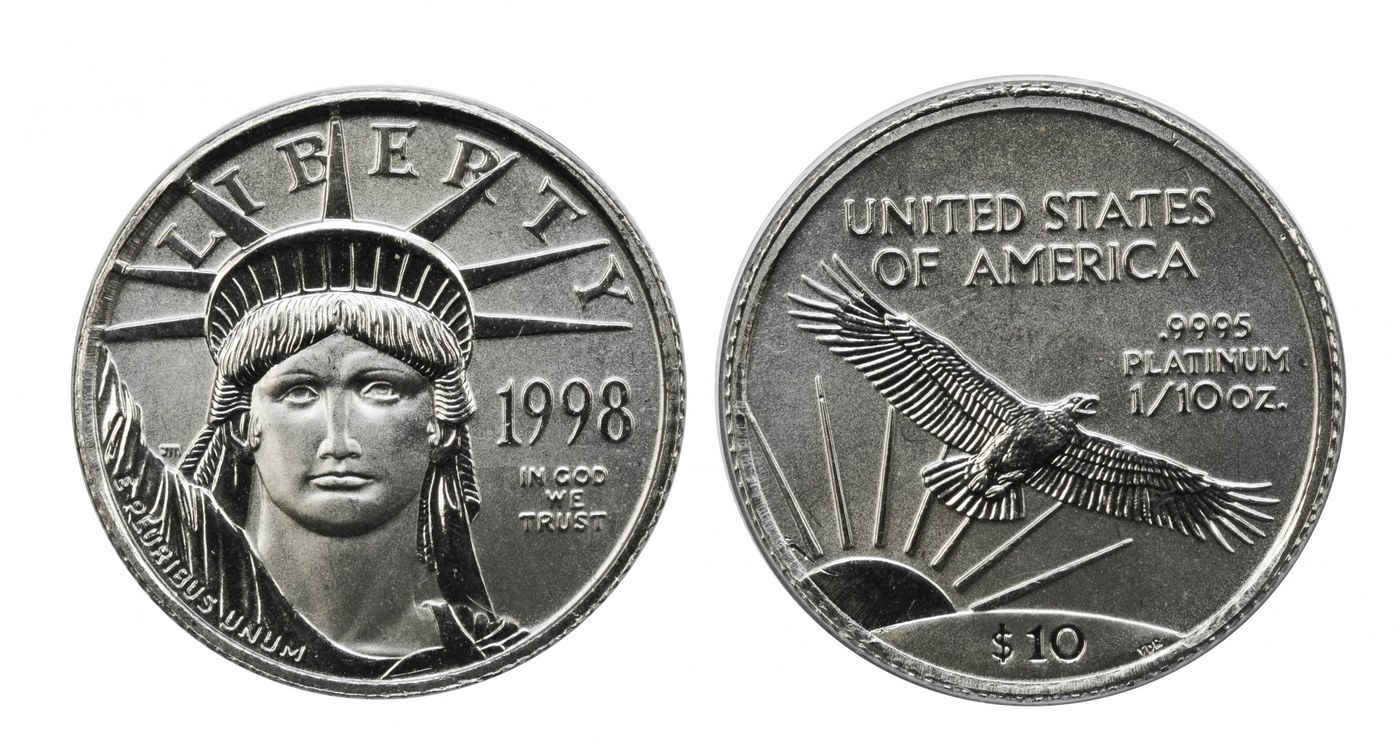
The United States' official platinum bullion coin, struck in .9995 fine platinum with a Statue of Liberty obverse; this is the 1998 one-tenth-ounce $10 issue.
- Country
- United States
- Denomination
- $10
- Metal
- Platinum
Got a coin like this?
Identify any coin from a photo, free.
Overview
The American Platinum Eagle is the official platinum bullion coin of the United States, produced by the U.S. Mint since 1997. It is struck in .9995 fine platinum and was originally issued in four weights — one-tenth ounce, one-quarter ounce, one-half ounce, and one full ounce — carrying face values of $10, $25, $50, and $100 respectively.
The coin pictured is a 1998 one-tenth-ounce piece with a $10 face value. Its obverse shows a close portrait of the Statue of Liberty wearing her spiked crown, with the motto IN GOD WE TRUST, designed by John Mercanti. The reverse depicts an eagle in flight rising over a sunlit American landscape, and the fields state the fineness and weight: .9995 PLATINUM, 1/10 OZ.
As a bullion coin, the Platinum Eagle is bought and sold chiefly for its platinum content, trading close to the daily spot price of platinum plus a premium. It is also produced in collectible proof finishes, which for platinum carry changing yearly reverse designs distinct from the standard bullion eagle.
History & Background
The American Platinum Eagle program began in 1997, making platinum the third metal in the U.S. Mint's American Eagle bullion series after gold and silver. It was the first platinum coin issued by the United States and gave investors a domestic, government-backed platinum bullion option alongside issues from other national mints.
John Mercanti's obverse portrait of the Statue of Liberty has appeared on the coin throughout the series. For standard bullion coins, the reverse is Thomas D. Rogers Sr.'s "Eagle Soaring Over America," showing an eagle in flight above a sunlit landscape — the design seen on this 1998 coin. Proof Platinum Eagles, by contrast, have carried a rotating series of special reverse designs across the years.
The Platinum Eagle was launched at the height of investor interest in the metal, and platinum's higher and more volatile price has kept mintages and production comparatively modest next to the gold and silver Eagles. The coins are struck at the West Point Mint; proof issues carry a "W" mint mark, while standard bullion coins carry none.
How to Identify
Look first at the obverse: a bold, close portrait of the Statue of Liberty facing right, wearing her seven-spiked radiate crown, with LIBERTY, the date, IN GOD WE TRUST, and E PLURIBUS UNUM in the fields. On this coin the date reads 1998. This Liberty-head portrait immediately distinguishes the Platinum Eagle from the striding-Liberty Gold Eagle and the Walking Liberty Silver Eagle.
The reverse of a bullion coin shows an eagle in flight rising over a sunlit landscape, with UNITED STATES OF AMERICA around the top. The fineness and weight are stated directly in the fields — .9995 PLATINUM and the ounce fraction — and the face value appears as, for example, "1/10 OZ. $10" on this one-tenth-ounce coin. Reading that weight-and-value legend is the quickest way to confirm which of the four sizes you hold.
The metal is a distinctive cool, silvery-white with a slightly grayer, denser look than silver. Standard bullion coins carry no mint mark; a "W" indicates a collector proof from West Point, which is a different and higher-premium product, and proof coins also show a different, year-specific reverse rather than the flying eagle.
Value & Collectibility
As a bullion coin, the Platinum Eagle's value is tied mainly to its platinum content and the daily spot price of platinum. The one-tenth-ounce coin shown contains one-tenth of a troy ounce of .9995 platinum; the larger sizes hold their stated fractions. Expect to pay or receive spot plus a premium that varies with coin size, dealer, and demand, with smaller fractional coins carrying proportionally higher premiums.
Ordinary bullion Platinum Eagles trade close to melt, so a 1998 one-tenth-ounce coin's worth moves day to day with the platinum market rather than with rarity. That said, platinum's lower overall production means some early and fractional dates can carry stronger collector interest than a comparable gold coin, and proof "W" issues and high certified grades can command meaningful premiums over bullion value.
Because values track a live commodity, always check the current platinum price and confirm the coin's size before estimating worth. Precise figures are best taken from a reputable dealer or price guide at the time of sale.
Frequently asked questions
Is the American Platinum Eagle pure platinum?
It is struck in .9995 fine platinum, meaning 99.95% pure — among the highest purities of any bullion coin. A one-tenth-ounce coin like the 1998 issue contains one-tenth of a troy ounce of platinum at that fineness.
What does the $10 face value mean on this coin?
The $10 is the legal face value of the one-tenth-ounce size and is symbolic; the coin is worth far more for its platinum content. The four original sizes carry $10, $25, $50, and $100 face values for the 1/10, 1/4, 1/2, and 1 ounce coins.
How is the Platinum Eagle different from the Gold and Silver Eagles?
The Platinum Eagle uses a Statue of Liberty head portrait on the obverse, while the Gold Eagle shows a striding Liberty and the Silver Eagle a Walking Liberty. It is also cool silvery-white platinum rather than warm gold or bright silver, and its fields state .9995 PLATINUM.
How much is a 1998 Platinum Eagle worth?
A common bullion coin like this one is worth close to the current spot price of its platinum content plus a premium, so its value changes daily with the platinum market. Confirm the size and check the live platinum price before estimating worth.
American Platinum Eagle guides
In-depth guides for identifying, valuing, and collecting American Platinum Eagle.
American Platinum Eagle identified by the community
Real coins identified with Coin Identifier.
Other coins you may enjoy
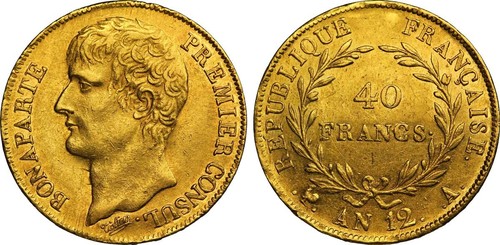
40 Francs Napoleon
Consulate and Empire era, early 1800s (this example An 12 / 1804, BONAPARTE PREMIER CONSUL type)
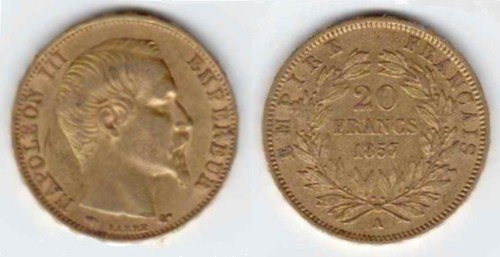
20 Francs Napoleon
1853–1870 (this example dated 1857)
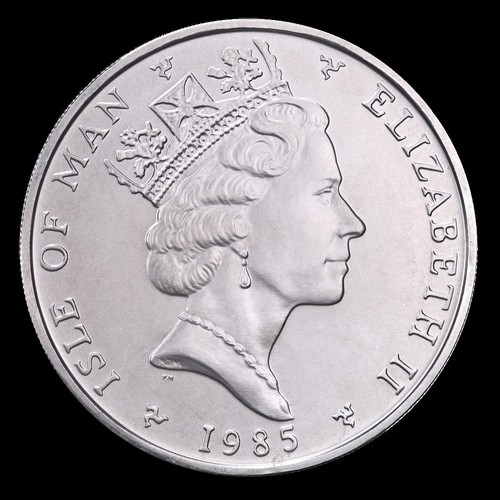
Isle of Man Noble
1983–1989
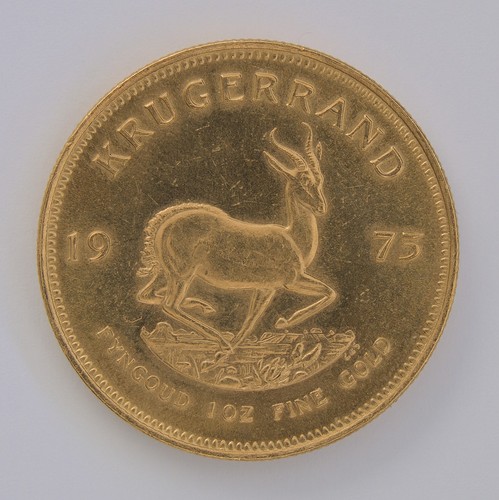
Krugerrand
1967-present (this example 1975)
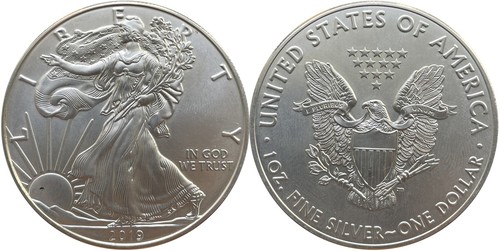
American Gold Eagle
1986–present
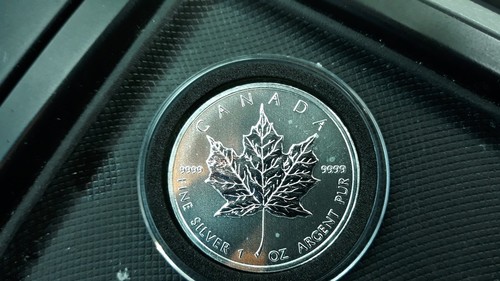
Canadian Silver Maple Leaf
1988–present
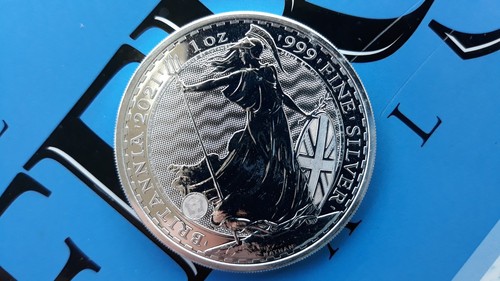
British Britannia Silver Coin
1997–present (this example dated 2021)

Vienna Philharmonic (Gold)
1989–present (gold series; euro-denominated since 2002). Observed example dated 2017.
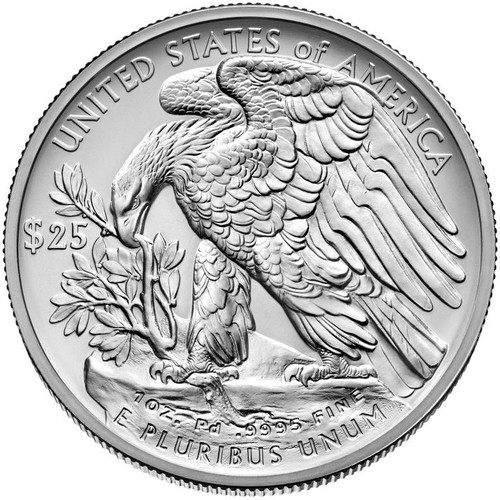
American Palladium Eagle
2017–present
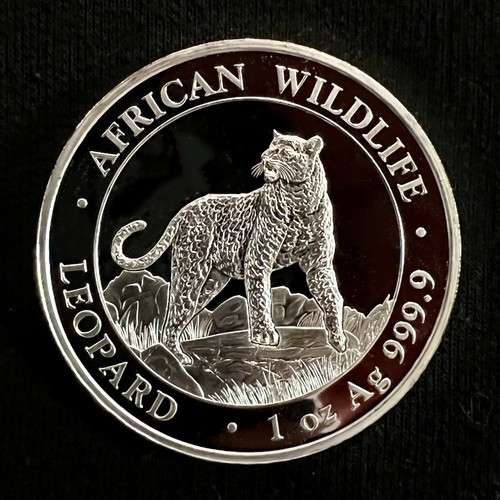
Somalia Silver Leopard
2019–present (this example dated 2022)
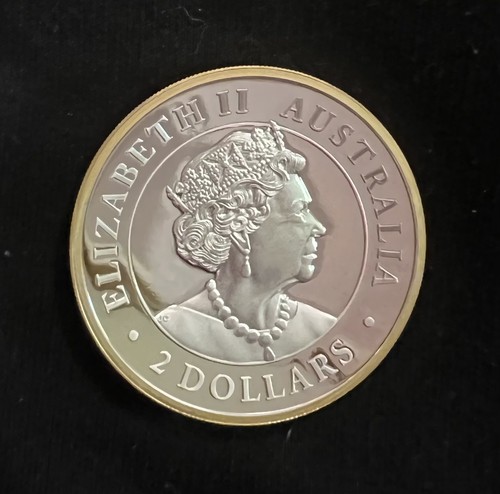
Australian Kookaburra
1990–present (this example dated 2012)
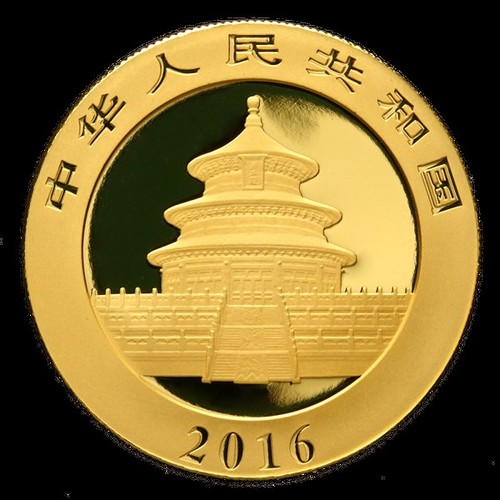
China Panda Gold Coin
2016 (part of an ongoing series first issued 1982)