
Coin Encyclopedia
Search and identify coins from around the world — with country, denomination, metal, mint, history, and how to tell them apart.
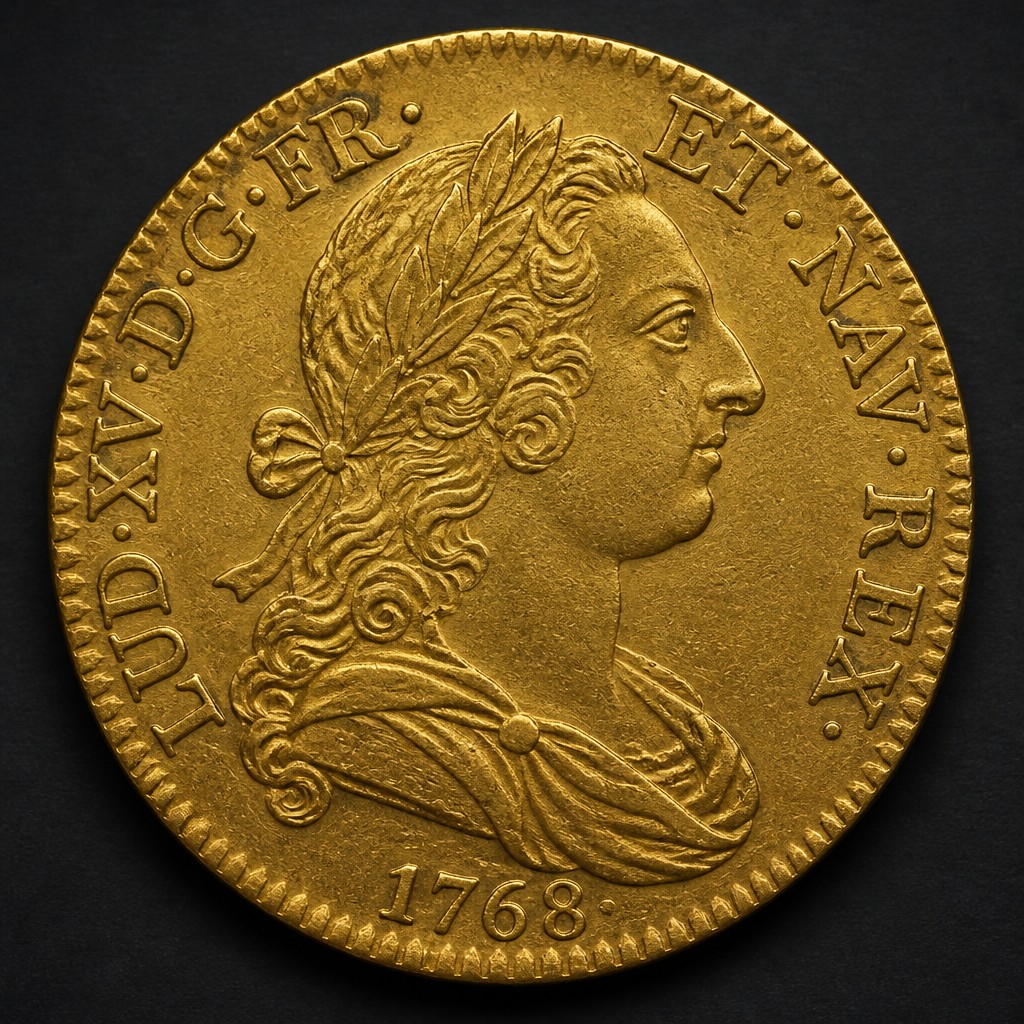
French Louis d'Or
The Louis d'Or was the principal gold coin of the French monarchy for over 150 years, named after the kings Louis who issued it, and struck until the eve of the Revolution.
European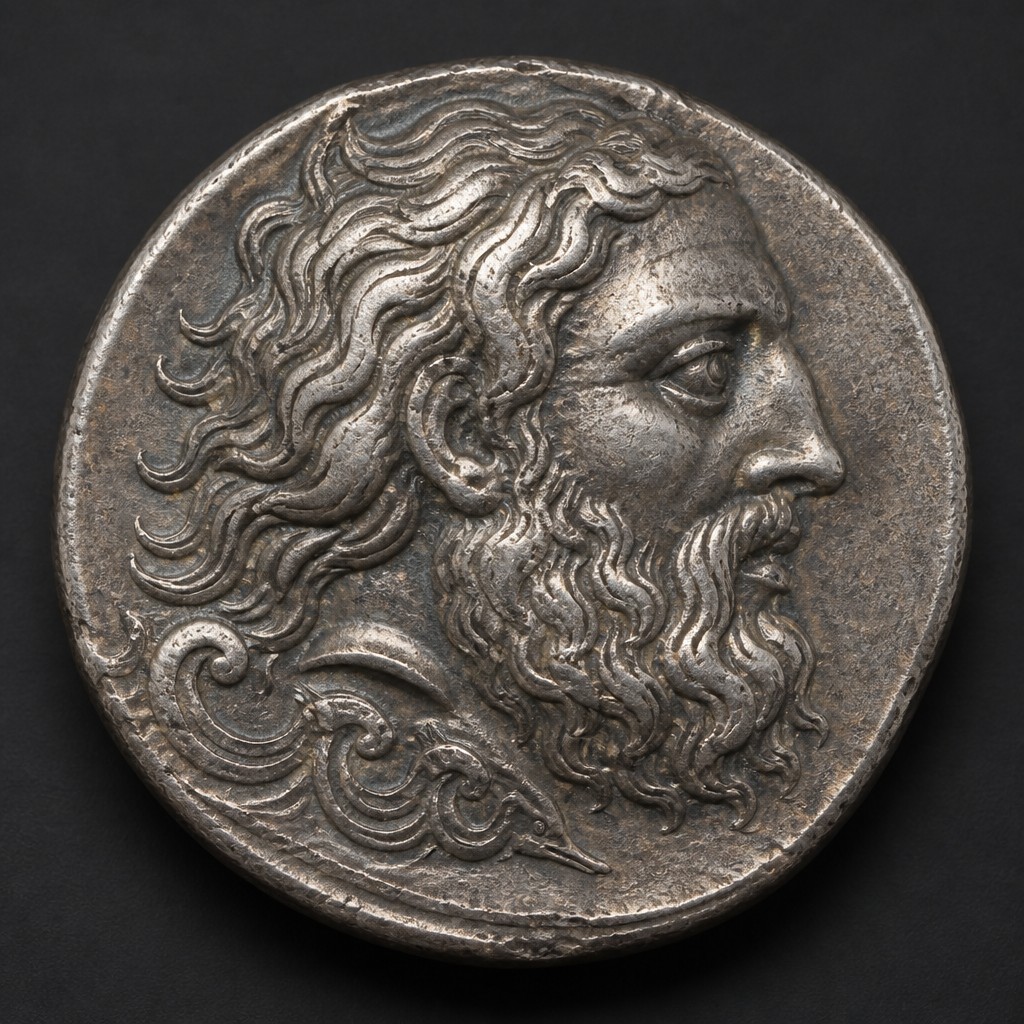
Selinus (Selinunte) River God Tetradrachm
Silver coinage of the Sicilian city of Selinus, notable for depicting the local river god sacrificing at an altar, along with the celery leaf that puns on the city's name.
Ancient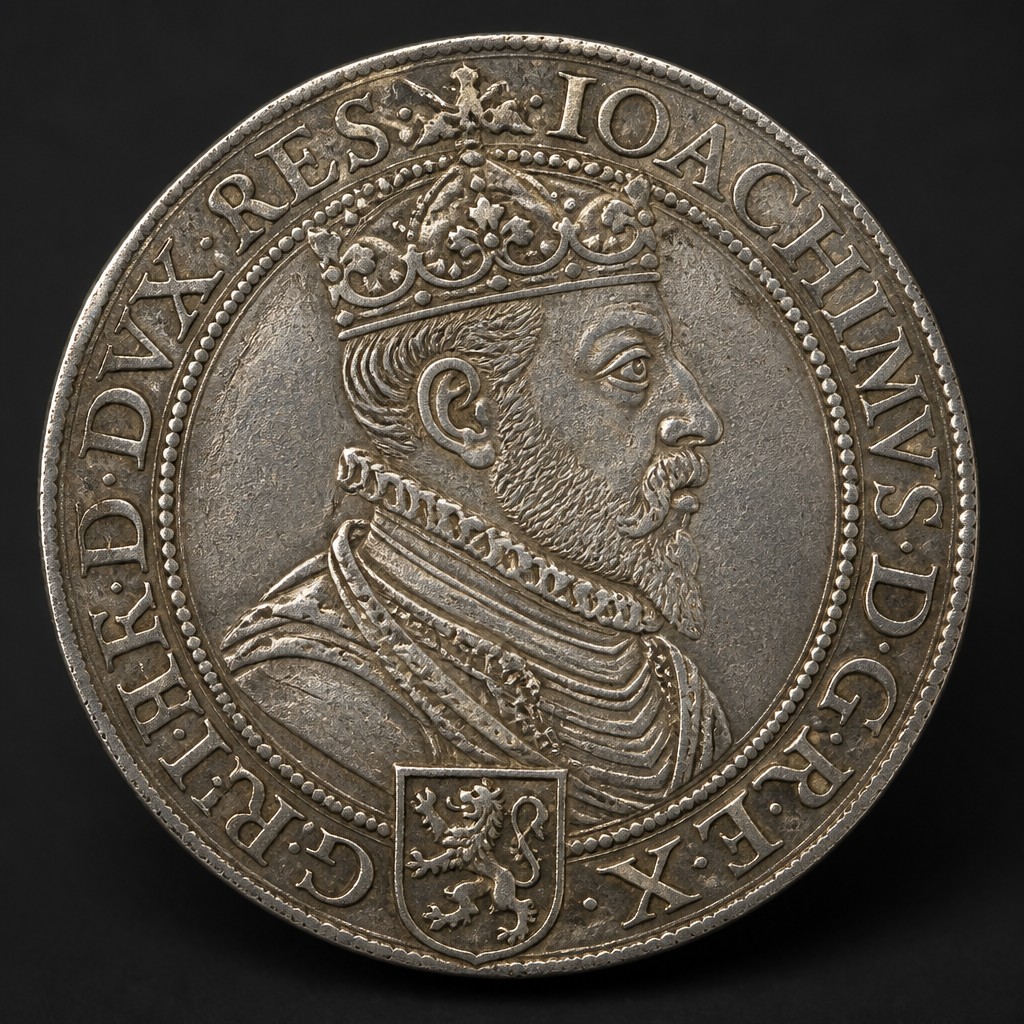
Joachimsthaler
Struck beginning in 1520 in the Bohemian silver-mining town of Joachimsthal, this large silver coin gave its name, shortened to 'thaler' and later 'dollar,' to countless currencies around the world.
European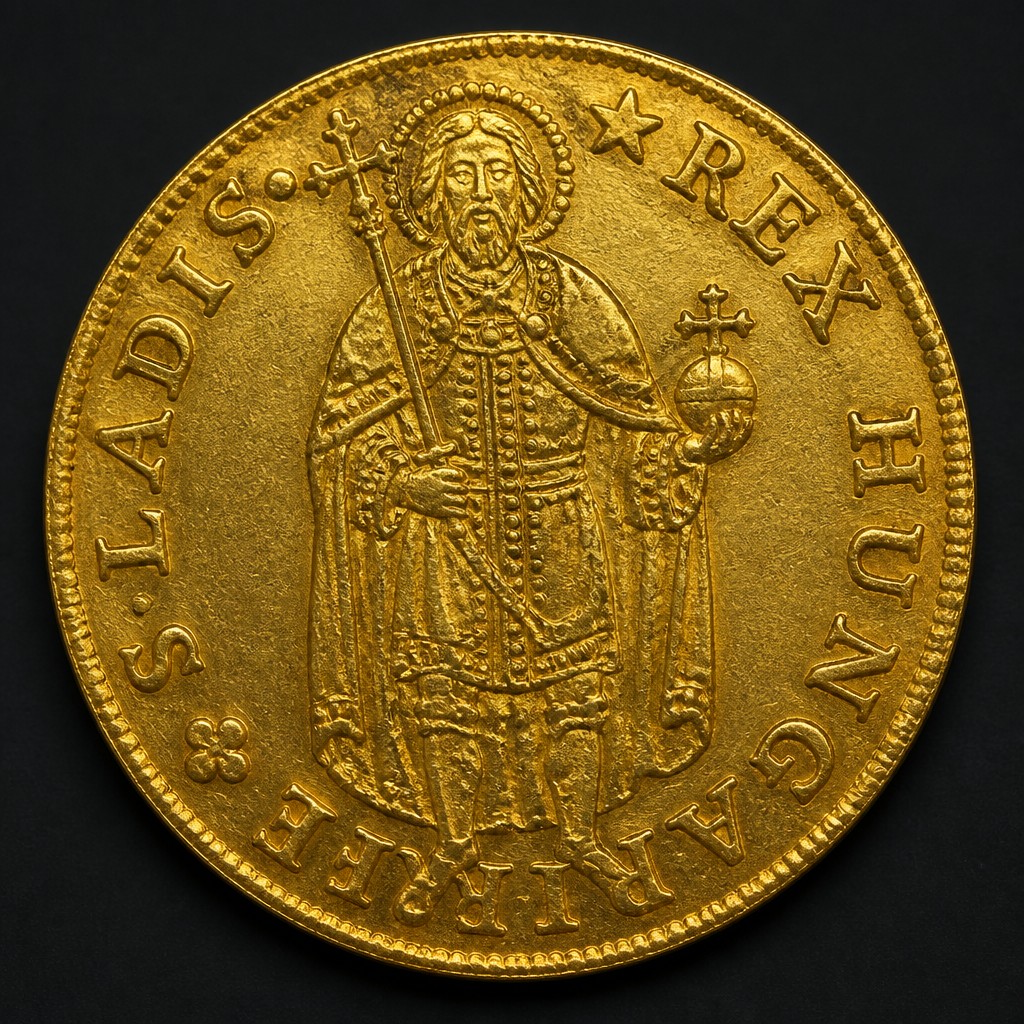
Hungarian Ducat
A remarkably long-lived gold coin of the Kingdom of Hungary, showing St. Ladislaus and the Madonna and Child, prized for centuries as one of Europe's most trusted trade coins.
European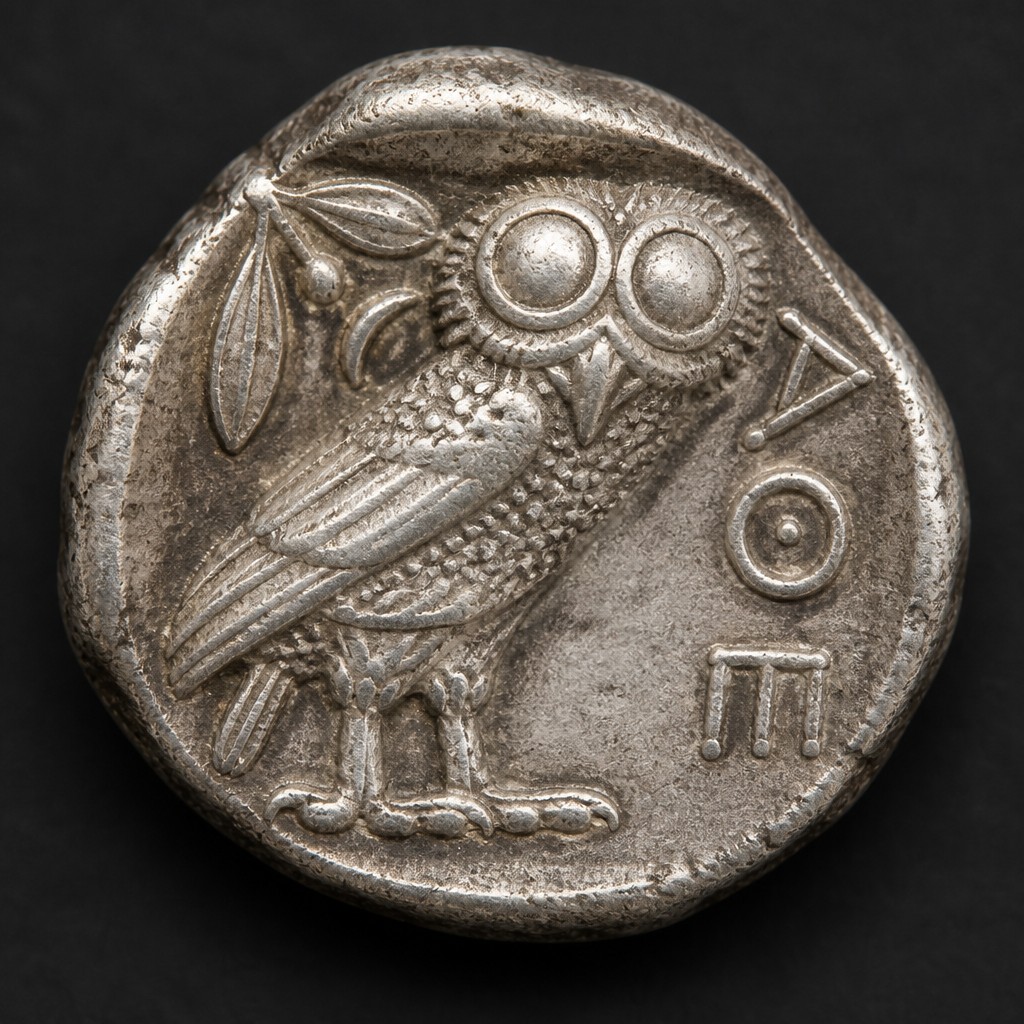
Athenian Owl Dekadrachm
An extremely rare large-format silver coin of classical Athens, struck in only a handful of surviving examples and prized as one of the great rarities of ancient Greek numismatics.
Ancient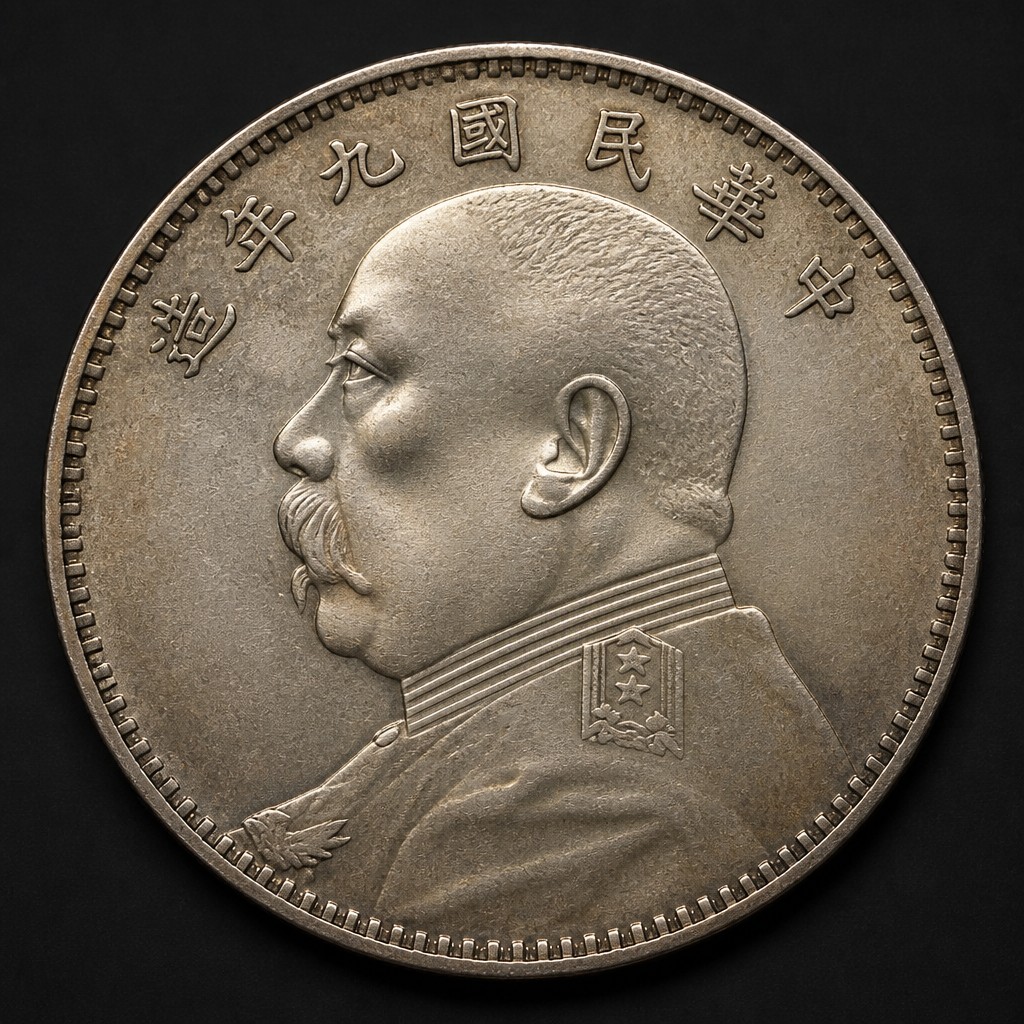
Yuan Shih-kai Dollar ("Fat Man Dollar")
A widely circulated Republic of China silver dollar bearing the portrait of President Yuan Shikai, nicknamed the "Fat Man Dollar" for his rounded features and became China's standard silver coin for years.
Asian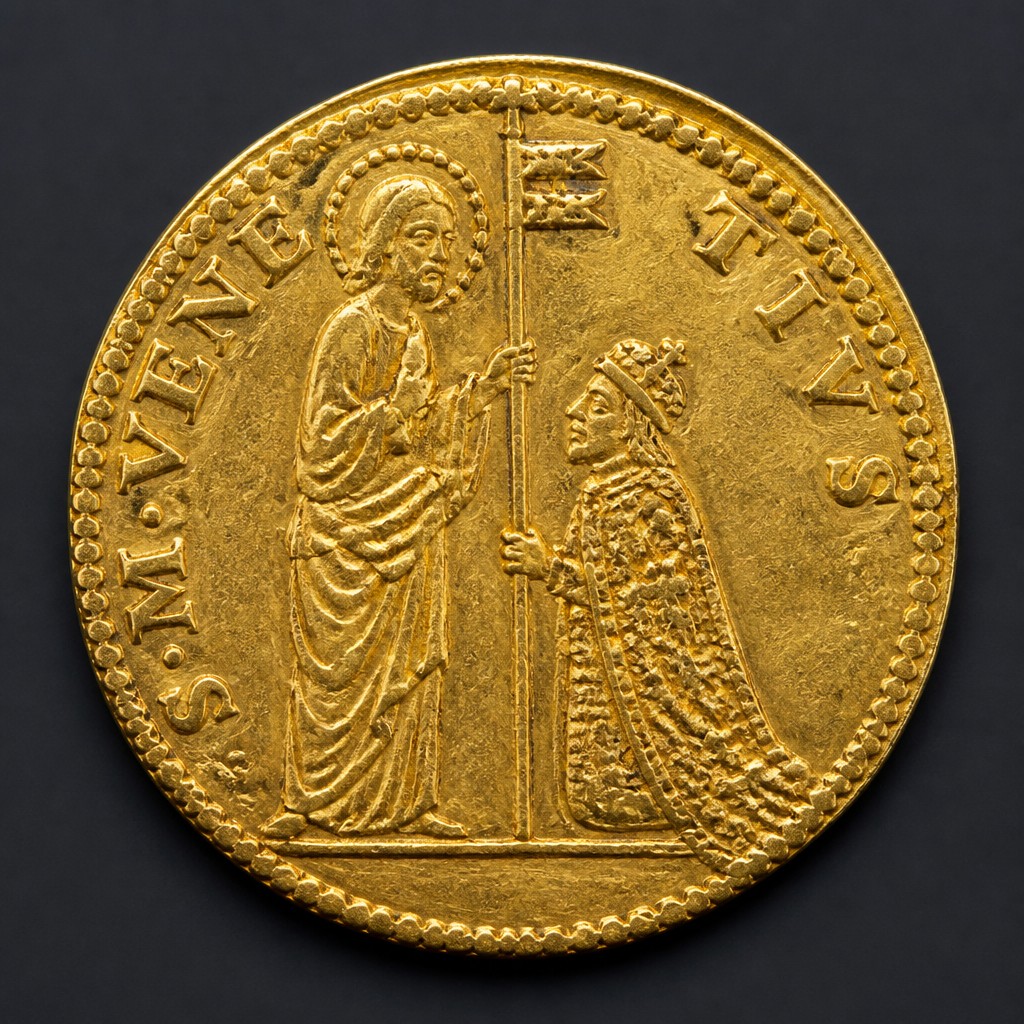
Venetian Gold Ducat
First struck in 1284, the Venetian gold ducat became medieval Europe's most trusted trade coin, prized for centuries for its unwavering weight and purity.
European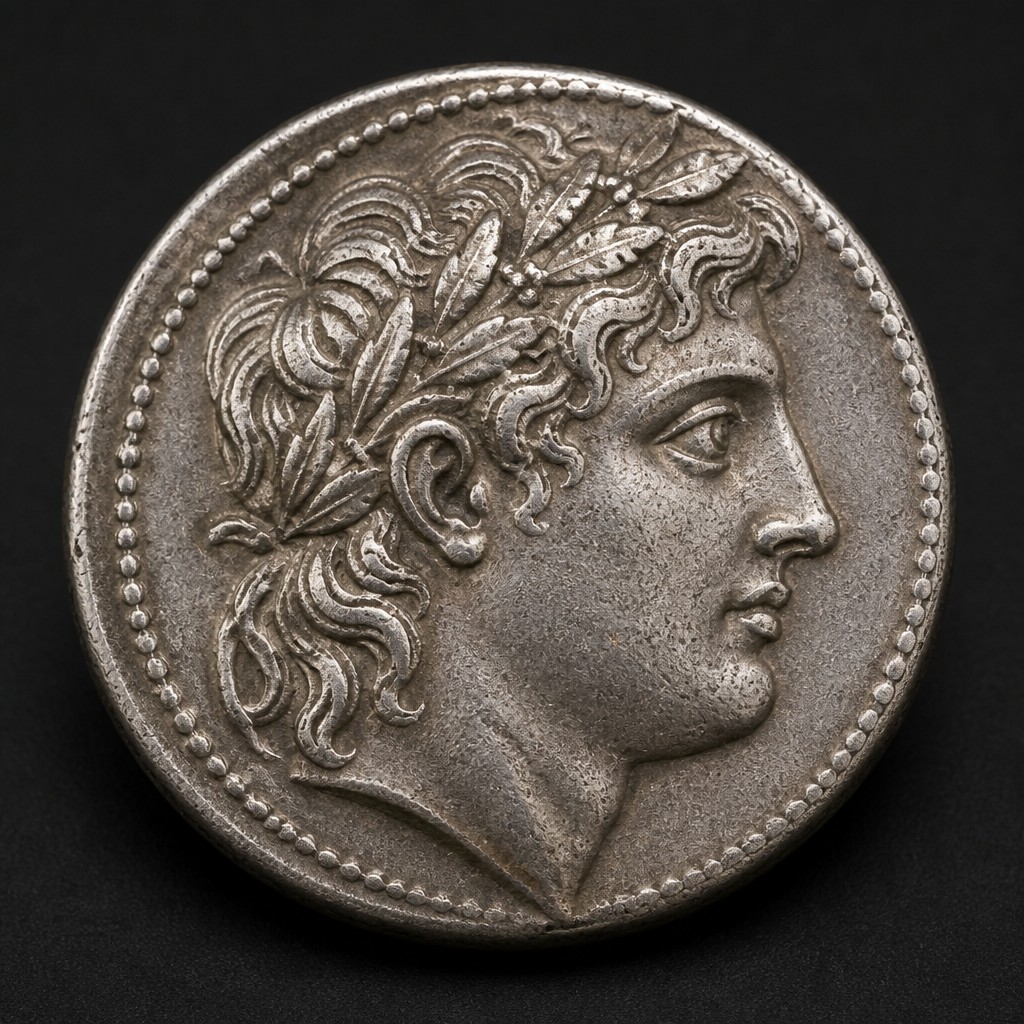
Amphipolis Apollo Tetradrachm
Silver tetradrachm of Amphipolis in Macedon, famous for its masterfully engraved three-quarter facing head of Apollo, widely regarded as a high point of Greek coin art.
Ancient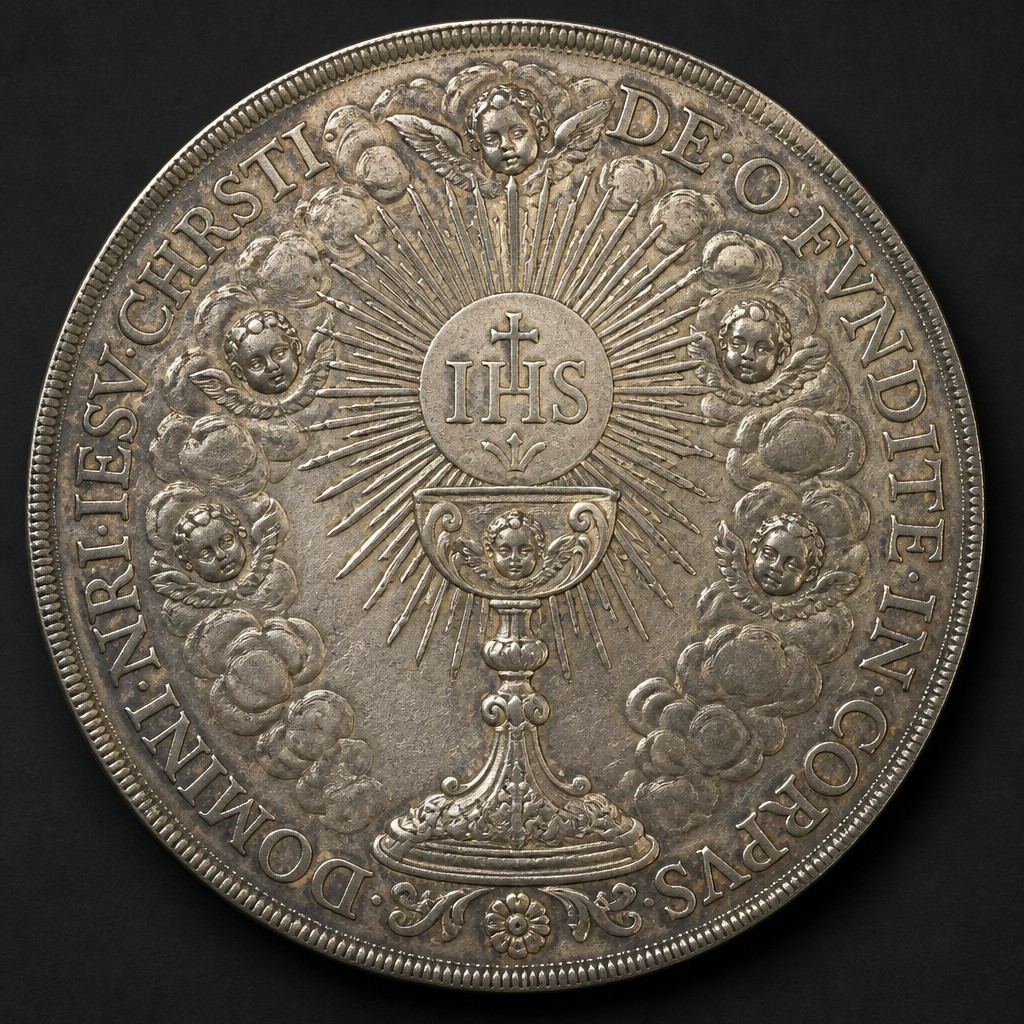
Austrian Corpus Christi Thaler
A devotional silver thaler struck by Austrian ecclesiastical authorities to mark the feast of Corpus Christi, blending religious procession imagery with the standard large-thaler format of the era.
European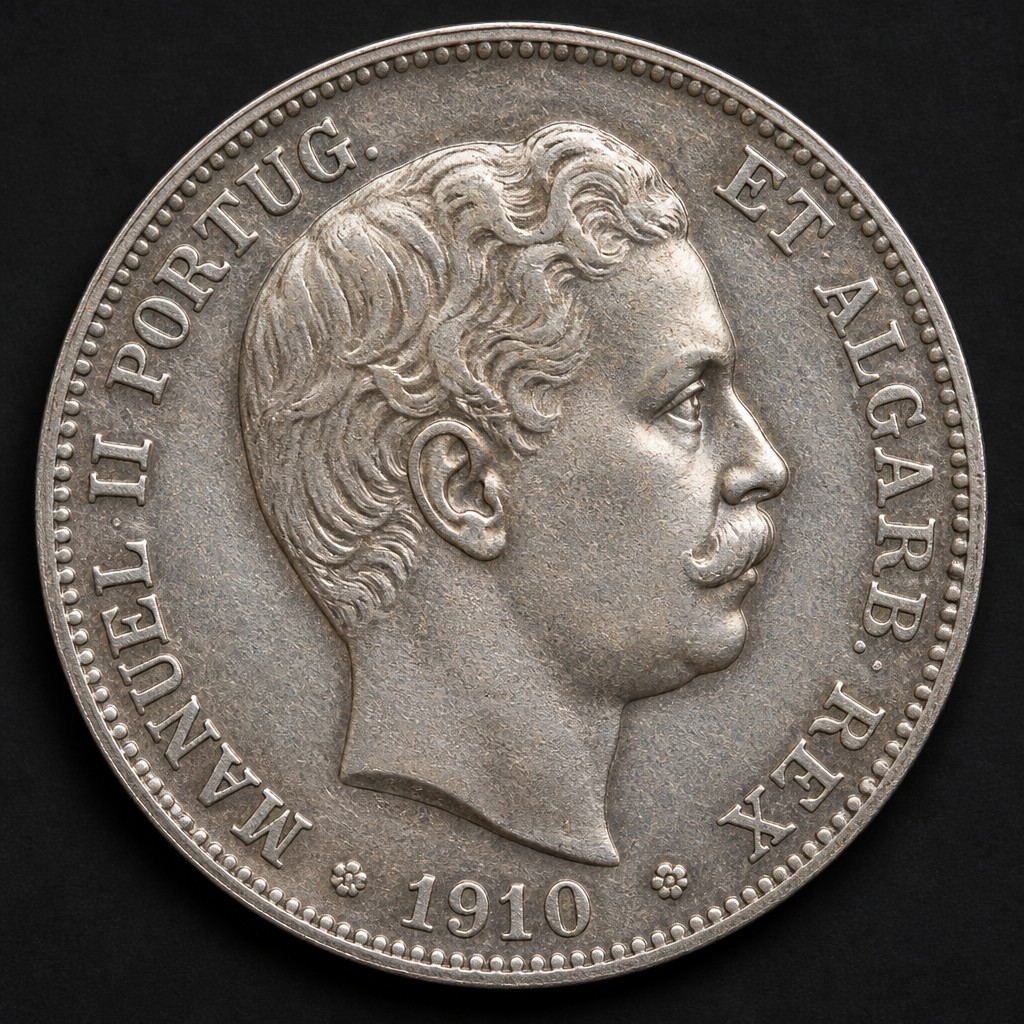
Portuguese 1000 Reis
A large silver crown of the Kingdom of Portugal, bearing the reigning monarch's portrait and national arms, serving as the country's principal high-value silver coin before the 1910 republic.
European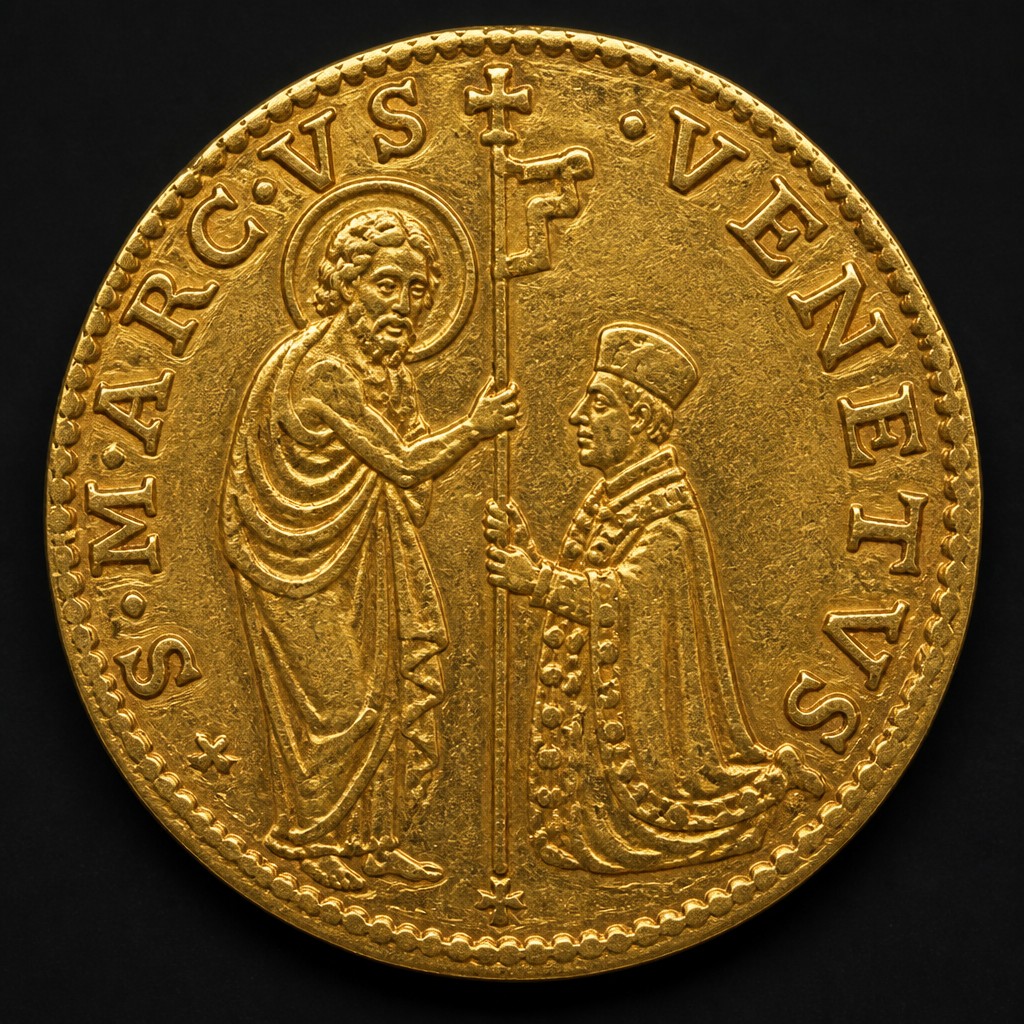
Venetian Ducat
Gold coin first struck by the Republic of Venice in 1284, prized for its remarkably consistent weight and purity, which made it a dominant trade coin across medieval and Renaissance Europe.
European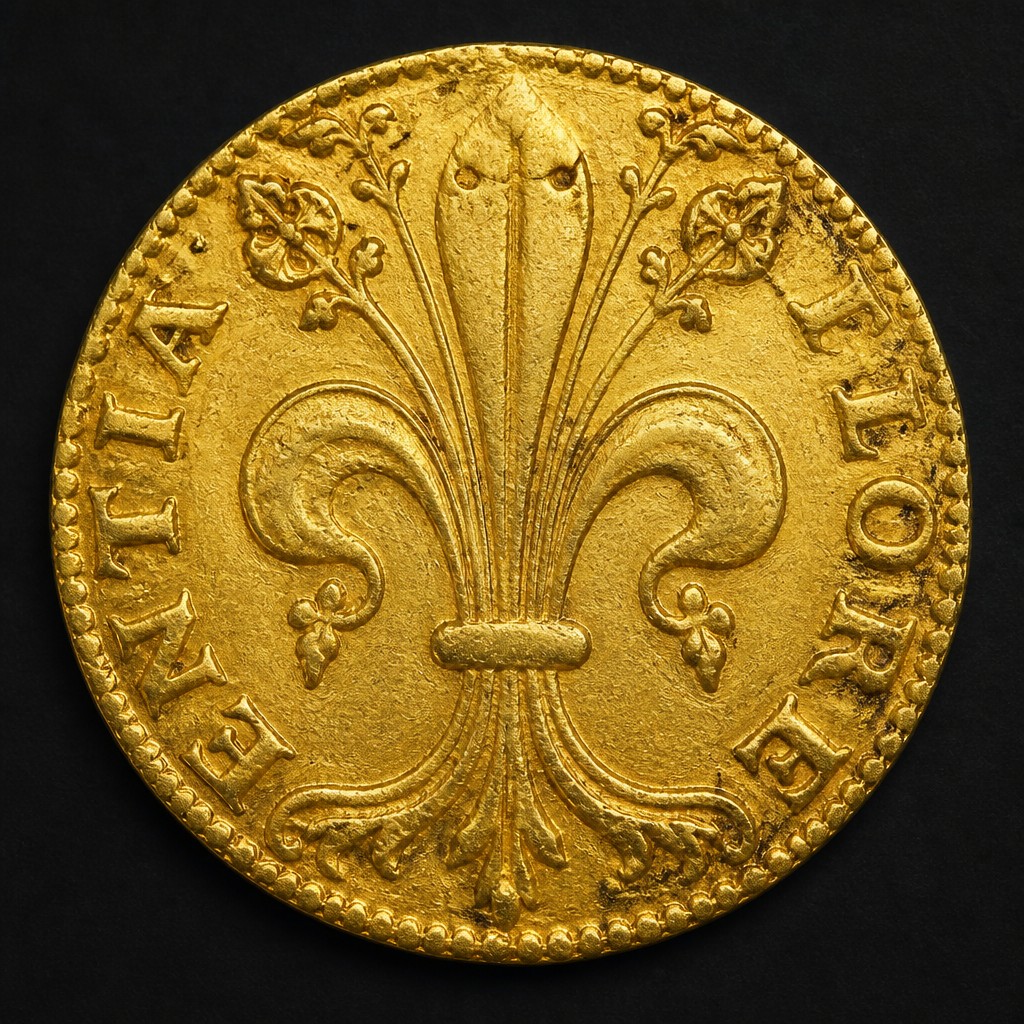
Florentine Florin
Introduced in 1252, the gold florin of Florence became medieval Europe's leading trade coin, its lily emblem and fixed gold standard copied by dozens of other mints.
European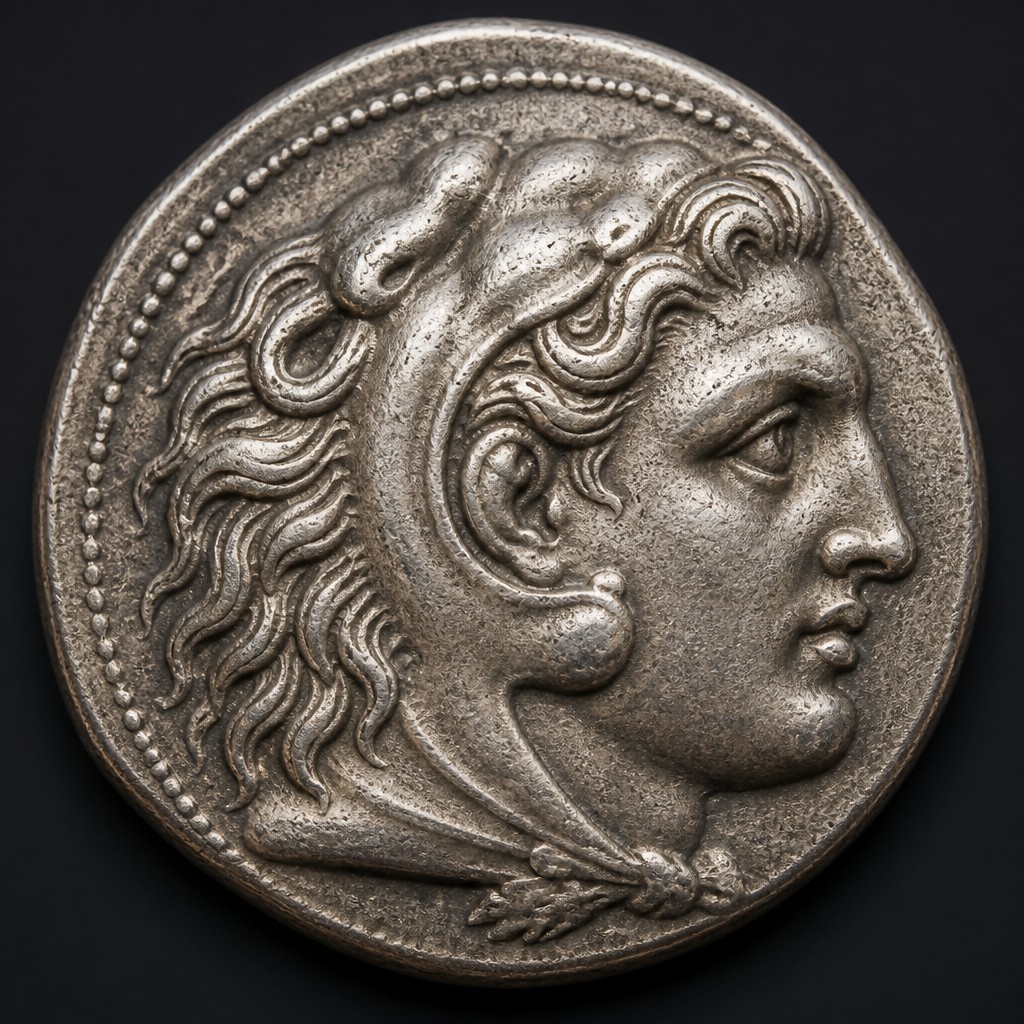
Alexander the Great Tetradrachm
The widely circulated silver coin of Alexander the Great, showing Herakles wearing a lion skin on the obverse and an enthroned Zeus on the reverse, struck across his empire and for generations after his death.
Ancient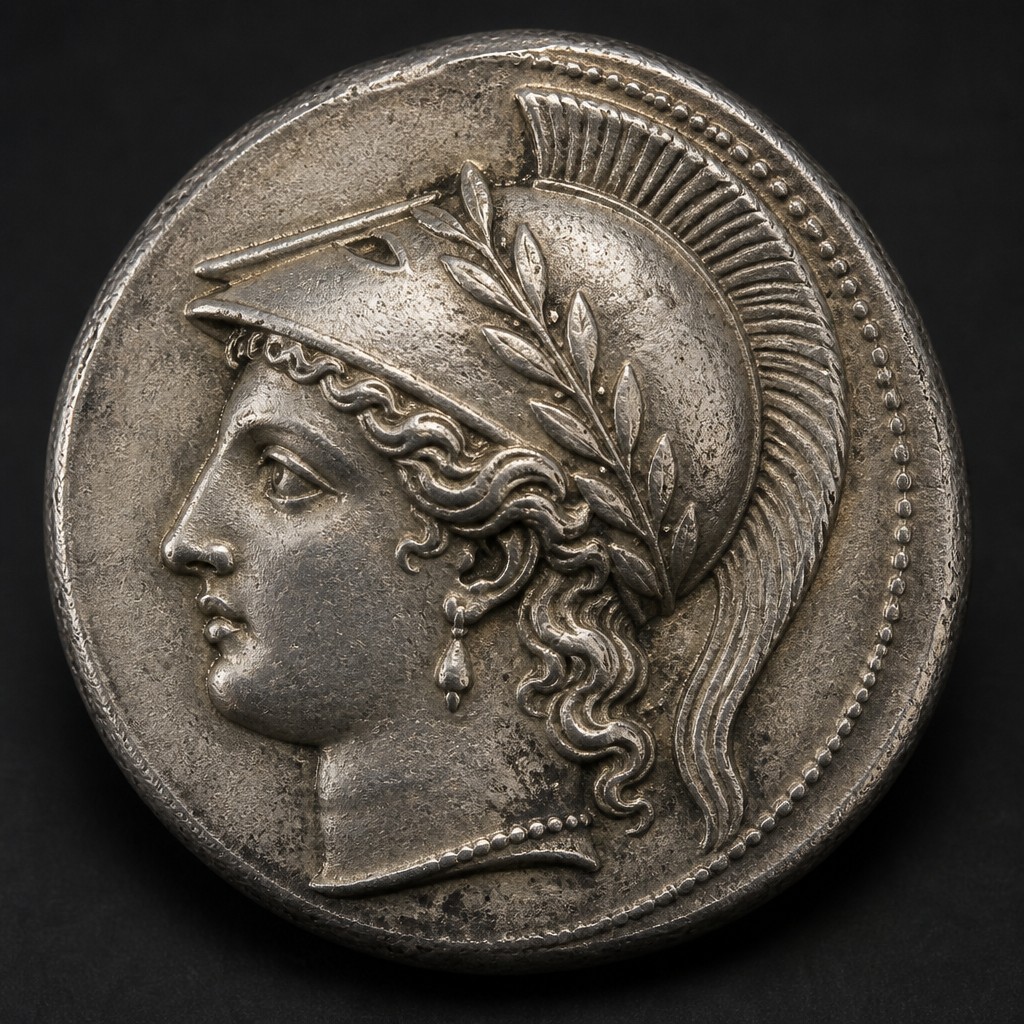
Syracuse Dekadrachm (Kimon)
A magnificent silver dekadrachm from ancient Syracuse signed by the master engraver Kimon, prized as one of the finest achievements of Greek coin art.
Ancient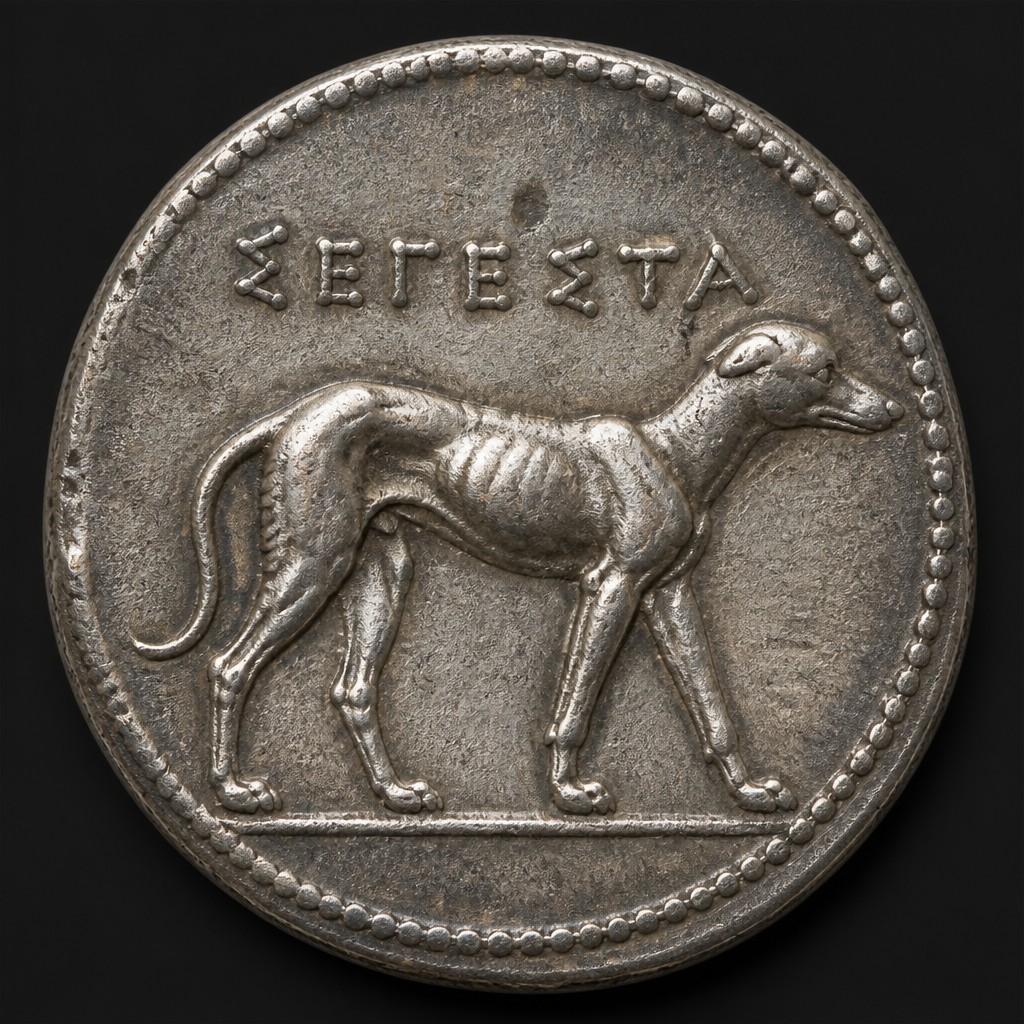
Segesta Hound Tetradrachm
Silver coin of Segesta in western Sicily, an Elymian city whose coinage features a hunting hound, linked to local legend of the river god Krimisos.
Ancient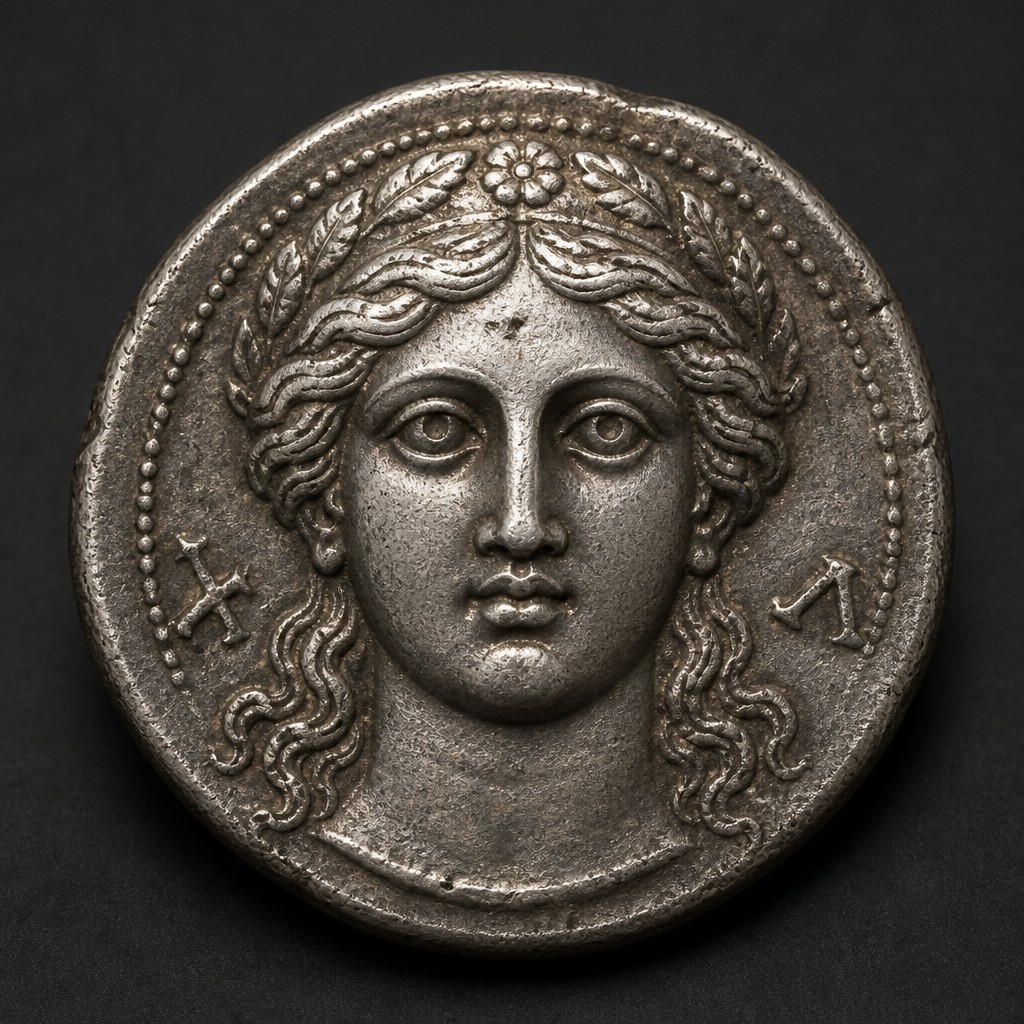
Larissa Nymph Facing Drachm
A celebrated Thessalian silver drachm showing the facing head of the nymph Larissa, considered one of the finest facing-portrait achievements in Greek coin art.
Ancient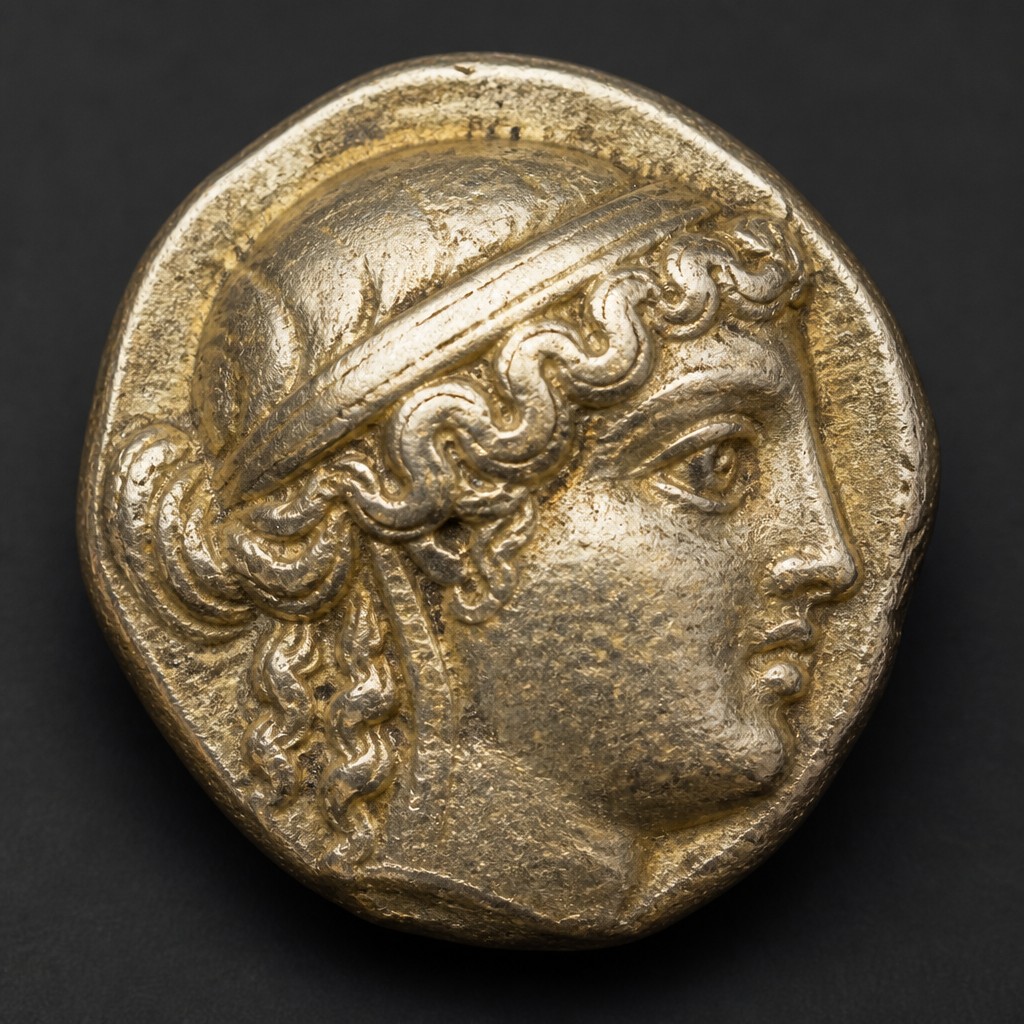
Lampsakos Electrum Stater
An electrum stater from Lampsakos on the Hellespont, another important early precious-metal trade coinage of Asia Minor, often featuring a winged horse or janiform head.
Ancient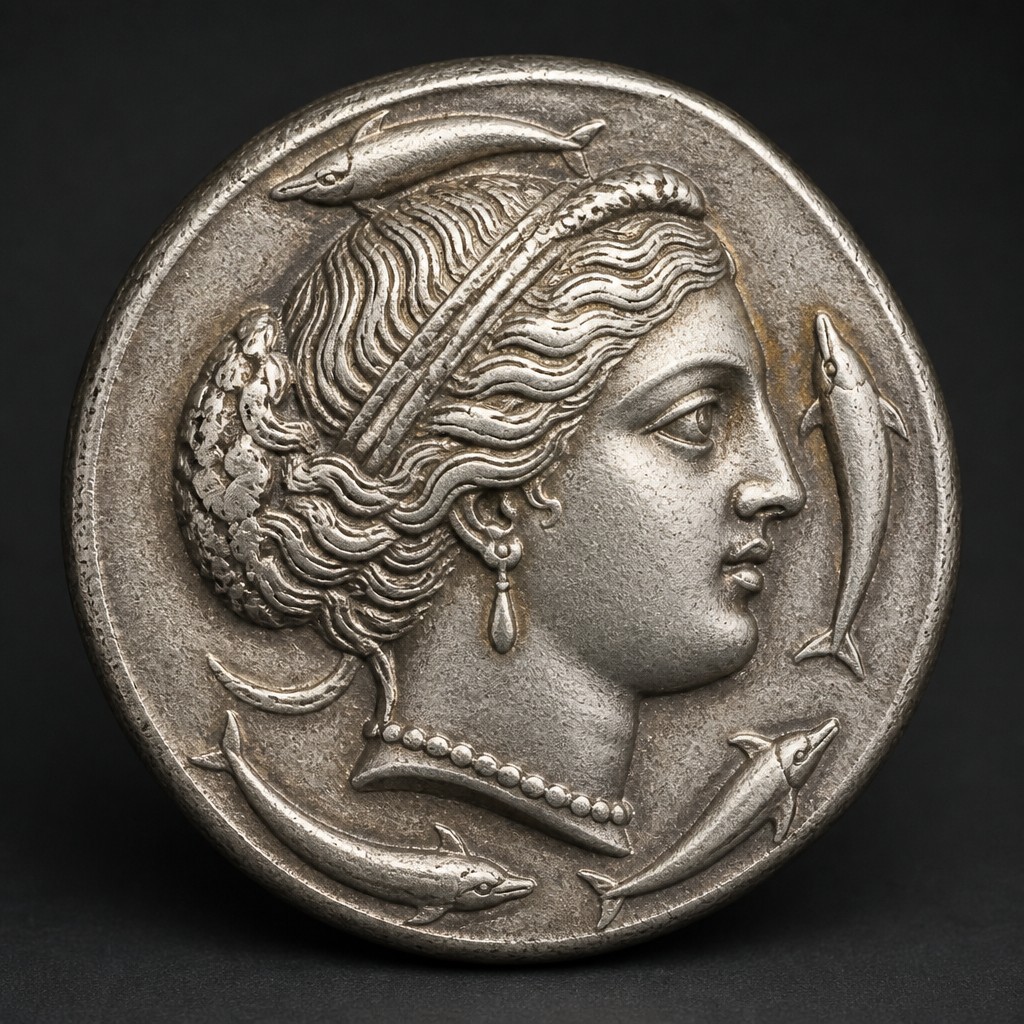
Syracuse Arethusa Tetradrachm
A classic silver tetradrachm from ancient Syracuse depicting the nymph Arethusa surrounded by dolphins, one of the most admired coin types of the Greek world.
Ancient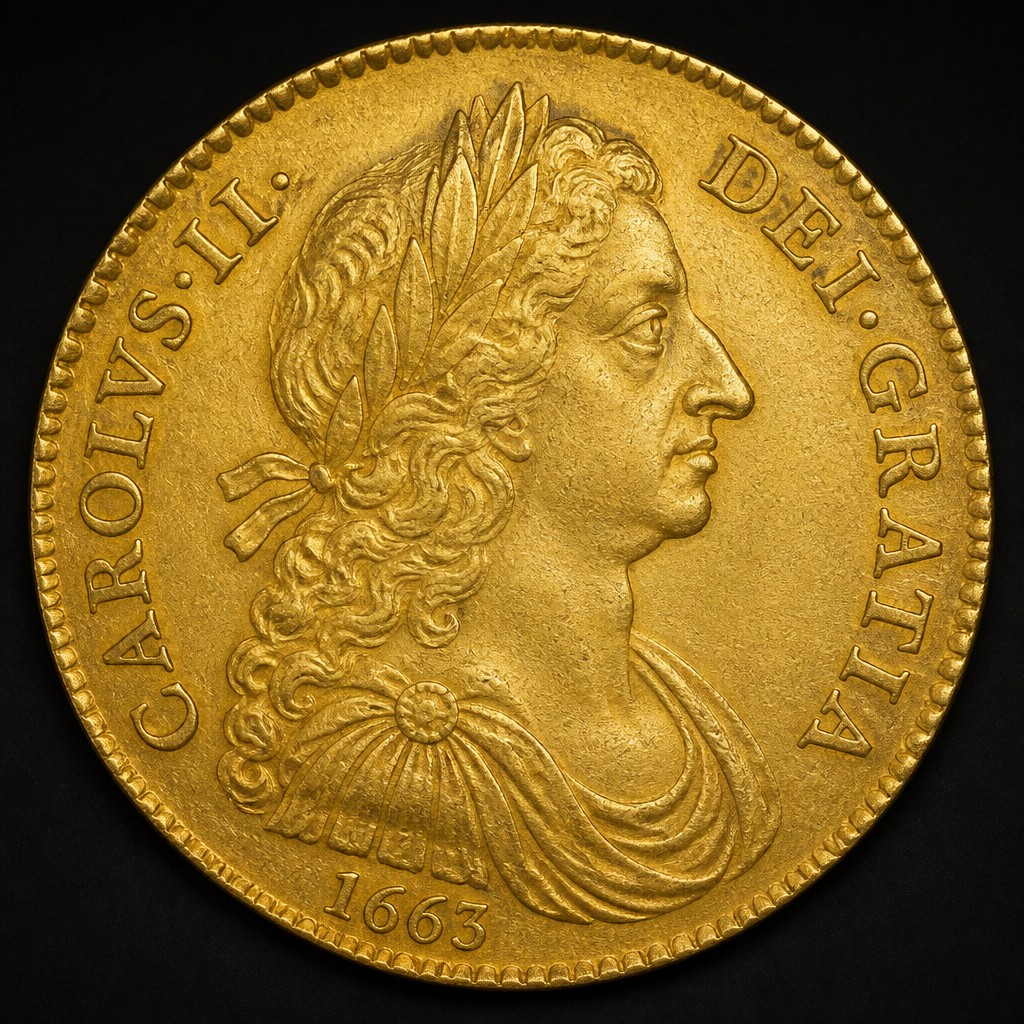
Guinea
Historic British gold coin named for the West African region that supplied much of its gold, valued at 21 shillings for most of its history and predecessor to the modern sovereign.
British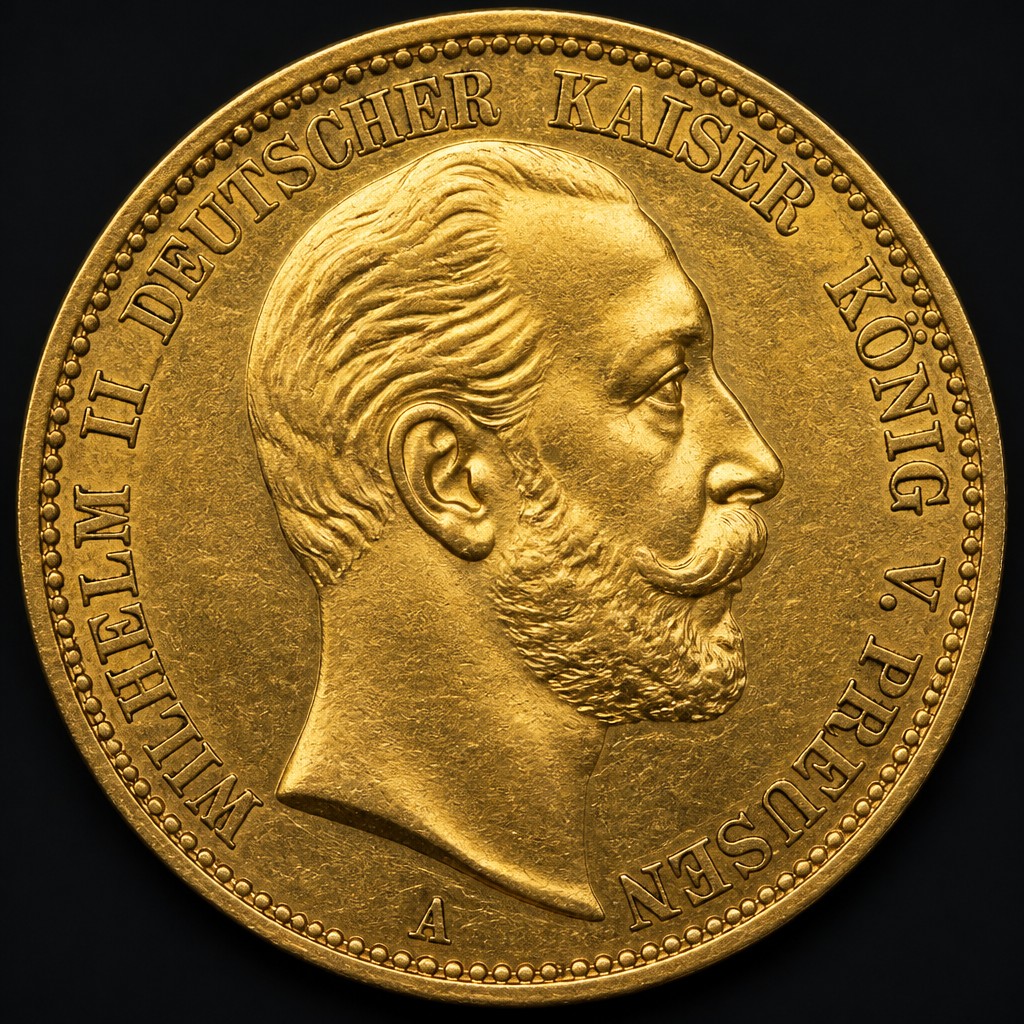
German Prussia 20 Mark Gold
The standard gold coin of Prussia within the newly unified German Empire, featuring successive Prussian kings and forming a key part of the empire's gold mark system.
European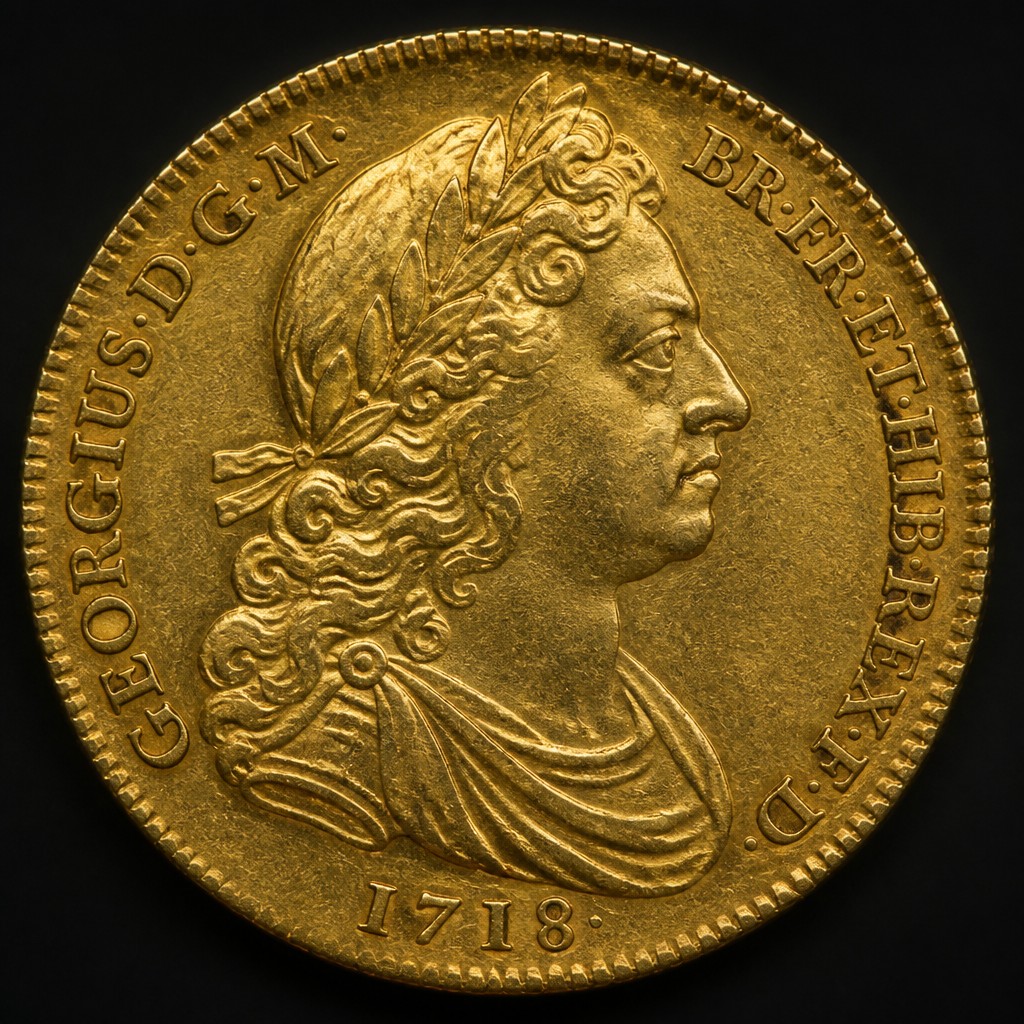
Quarter Guinea
A rarely issued small gold coin worth one-quarter of a guinea, struck only in 1718 under George I and again briefly in 1762 under George III.
British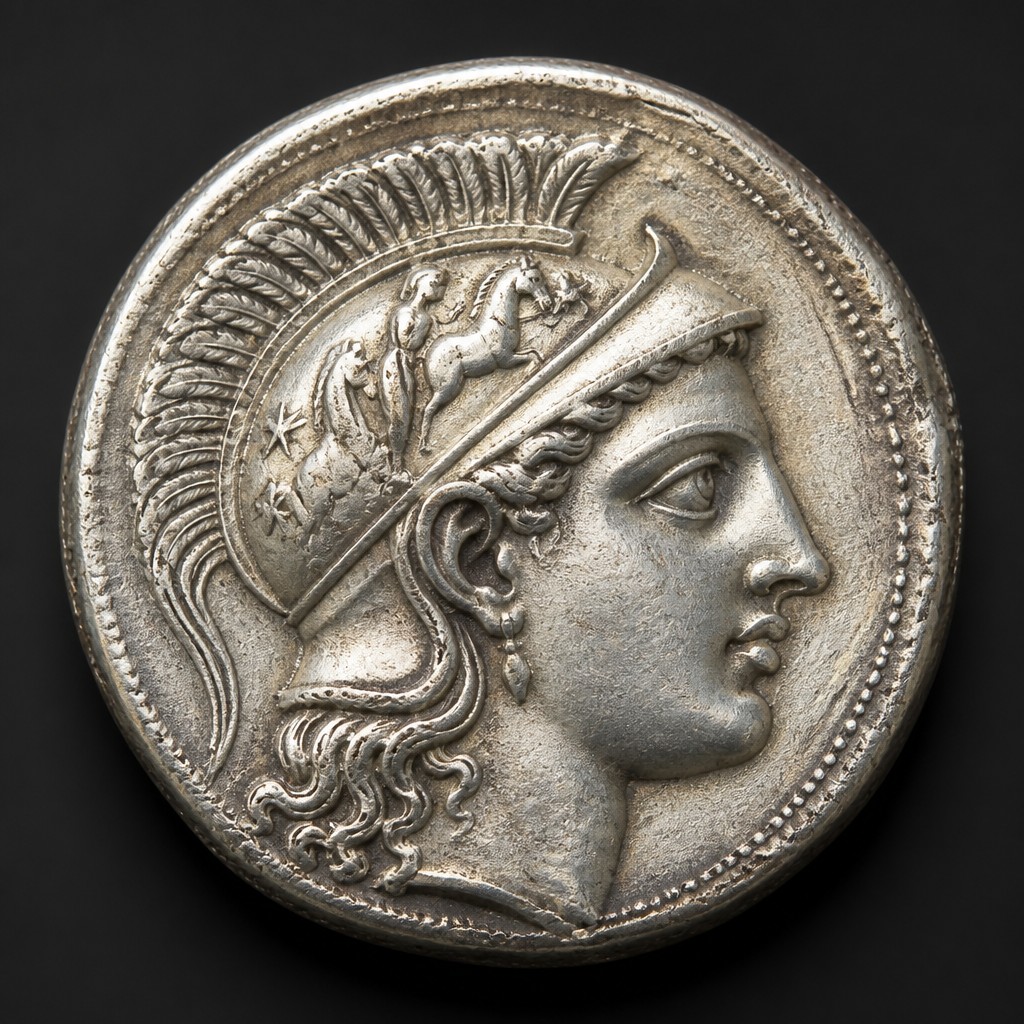
Syracuse Decadrachm
A large, exquisitely engraved silver coin from the Greek city of Syracuse, celebrated as one of the finest achievements of ancient Greek numismatic art, featuring the nymph Arethusa and a victorious chariot.
Ancient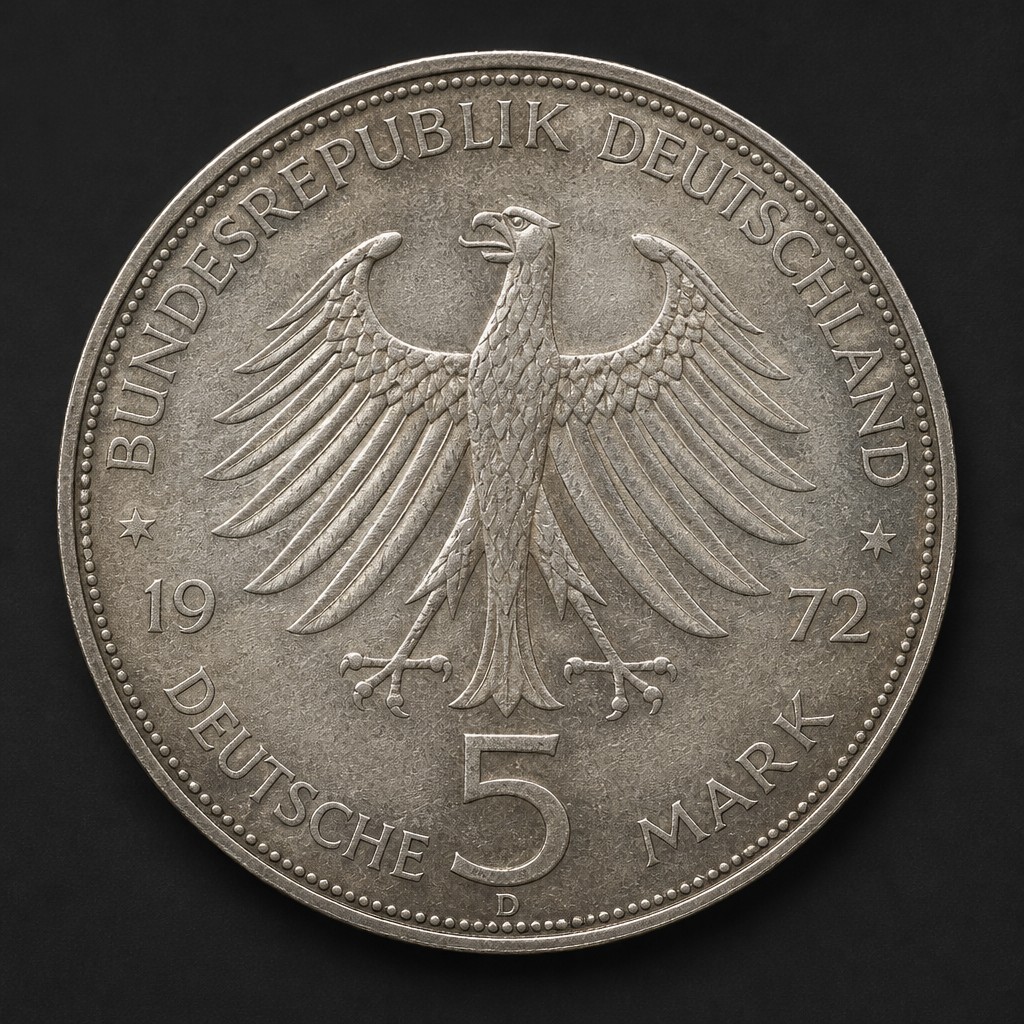
German 5 Deutsche Mark Commemoratives
West Germany issued special silver 5 Deutsche Mark coins from the 1950s through the mid-1980s to mark anniversaries, institutions, and notable Germans, alongside its regular circulating 5 DM coin.
Commemorative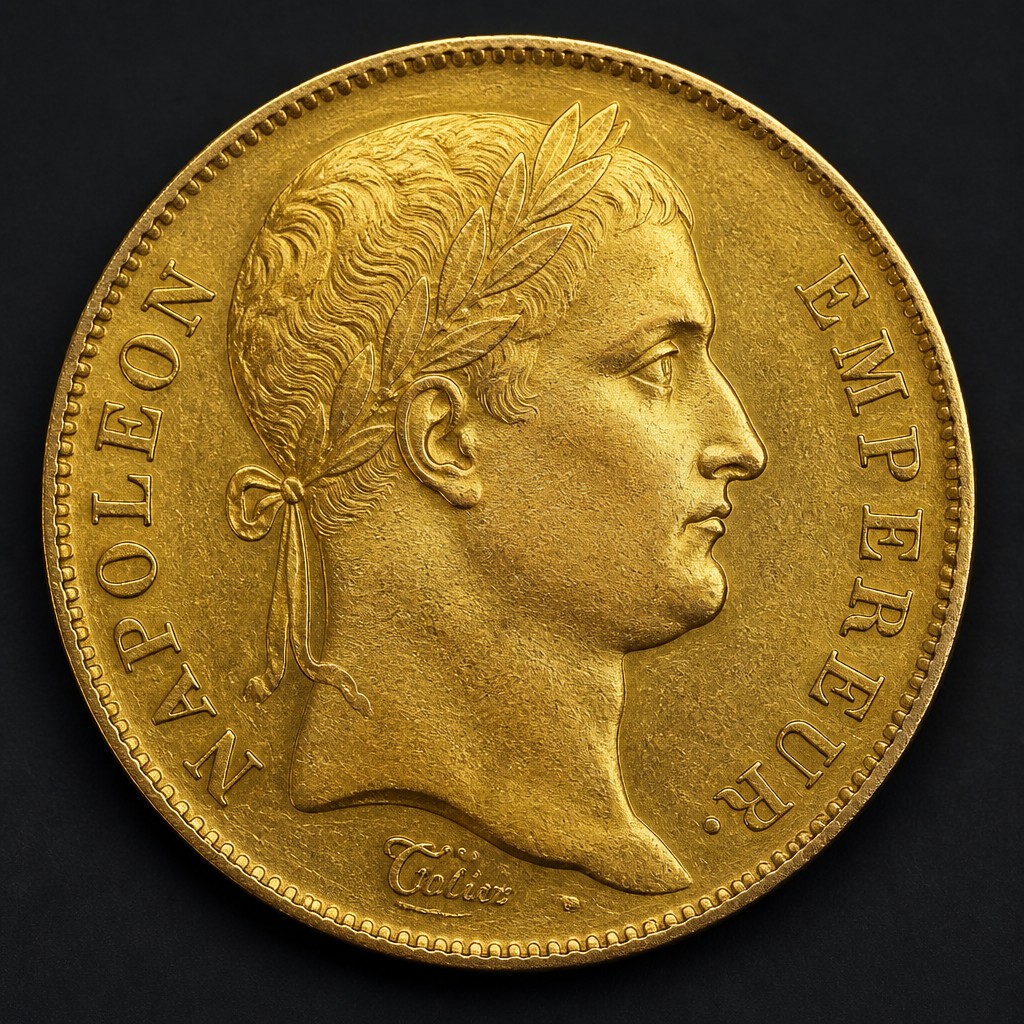
French 40 Francs Gold (Napoleon)
An early gold coin of Napoleon Bonaparte as First Consul and later Emperor, struck under France's new decimal franc system.
European