
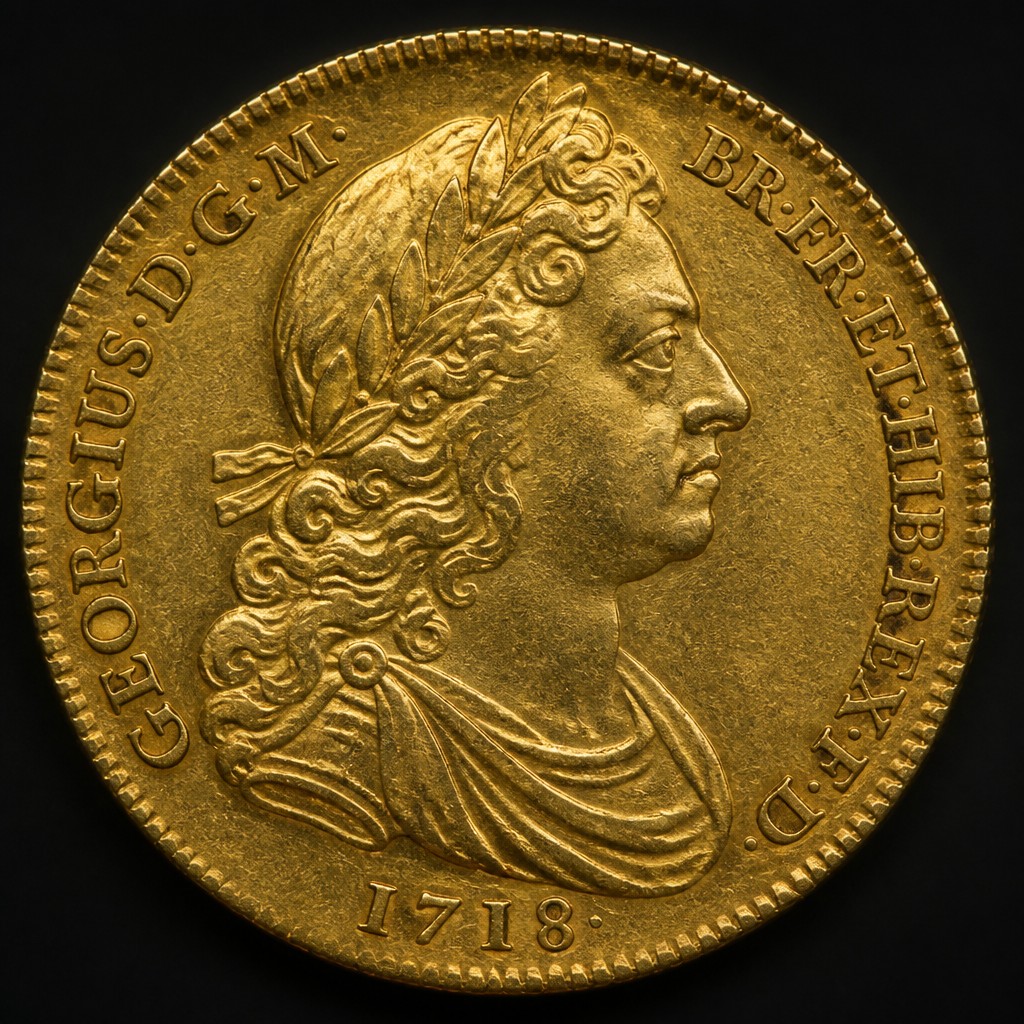
Quarter Guinea
A rarely issued small gold coin worth one-quarter of a guinea, struck only in 1718 under George I and again briefly in 1762 under George III.
- Country
- Great Britain
- Denomination
- Quarter Guinea (5 Shillings 3 Pence)
- Metal
- Gold (.917)
Got a coin like this?
Identify any coin from a photo, free.
Overview
The Quarter Guinea is a small gold coin valued at one-quarter of a guinea, equal to five shillings and threepence, and stands out among British guinea-fraction coins for how infrequently it was struck. Unlike the guinea, half guinea, or even the third guinea, it appeared only in two isolated years across the eighteenth century.
Its limited production runs make it one of the more elusive standard-issue gold denominations in British coinage, appealing to specialists building a complete set of guinea-related fractional coins.
Because of its rarity relative to other guinea fractions, the Quarter Guinea is often considered a keystone piece for collectors of eighteenth-century British gold.
History & Background
The Quarter Guinea was first struck in 1718 under George I, a single-year issue that was not repeated for over four decades. It reappeared briefly in 1762 during the early reign of George III, again for only that one year, before the denomination was discontinued for good.
The coin's isolated, short production runs likely reflect that the guinea-fraction system already had adequately sized half guinea and third guinea denominations for most everyday transactions, making a permanent quarter guinea somewhat redundant in ongoing circulation.
As a result, the Quarter Guinea remains a curiosity within the guinea family: a denomination that technically existed within the broader system but was only ever struck in two scattered years, unlike its more regularly issued counterparts.
How to Identify
The 1718 George I Quarter Guinea shows the king's laureate bust on the obverse with a crowned shield reverse, while the 1762 George III issue similarly pairs a laureate portrait with a crowned shield design, consistent with other small gold guinea fractions of their respective reigns.
The coin is very small, generally under 15 millimeters in diameter and light in weight even for a gold coin, reflecting its modest five shilling threepence value. Its extremely limited date range of only 1718 or 1762 is the clearest way to identify it, since no other years exist for this denomination.
Value & Collectibility
Because it was struck in only two isolated years, the Quarter Guinea is scarcer than most other guinea-fraction denominations, and both the 1718 and 1762 dates command solid premiums even in well-worn condition. Higher grade or well-struck examples are especially prized given how few were produced relative to the more routinely issued half guinea and guinea.
Given its rarity, prices for genuine, problem-free Quarter Guineas can be substantial compared to more common British gold fractions, and collectors should expect meaningful cost even for modest circulated grades.
Frequently asked questions
In what years was the Quarter Guinea struck?
Only in 1718 under George I and again in 1762 under George III, with no other dates existing for this denomination.
How much was a Quarter Guinea worth?
Five shillings and threepence, equal to one-quarter of a standard twenty-one shilling guinea.
Why is it rarer than the half guinea?
It was struck for only two single years across the entire eighteenth century, unlike more regularly issued guinea fractions.
Which monarchs issued the Quarter Guinea?
George I in 1718 and George III in 1762 are the only two issuing monarchs.
Other coins you may enjoy
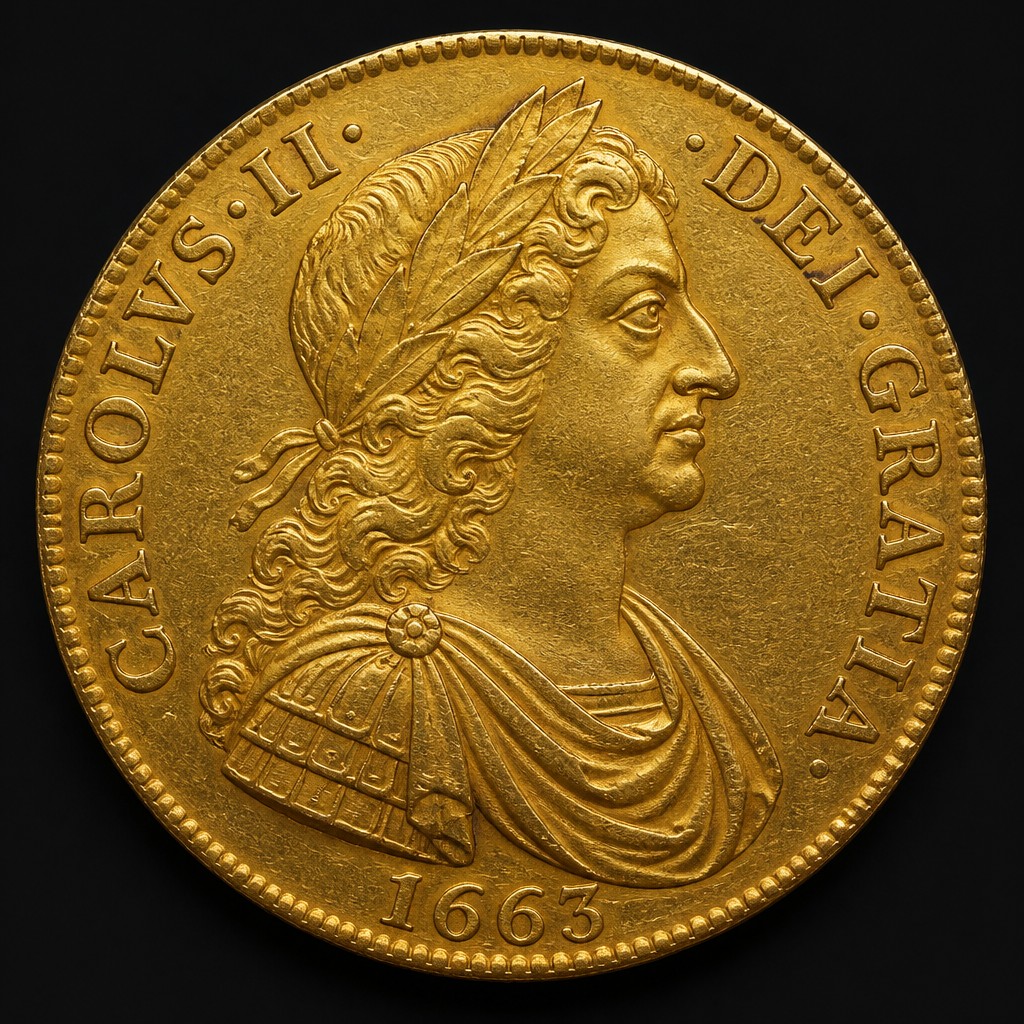
British Guinea
1663–1814
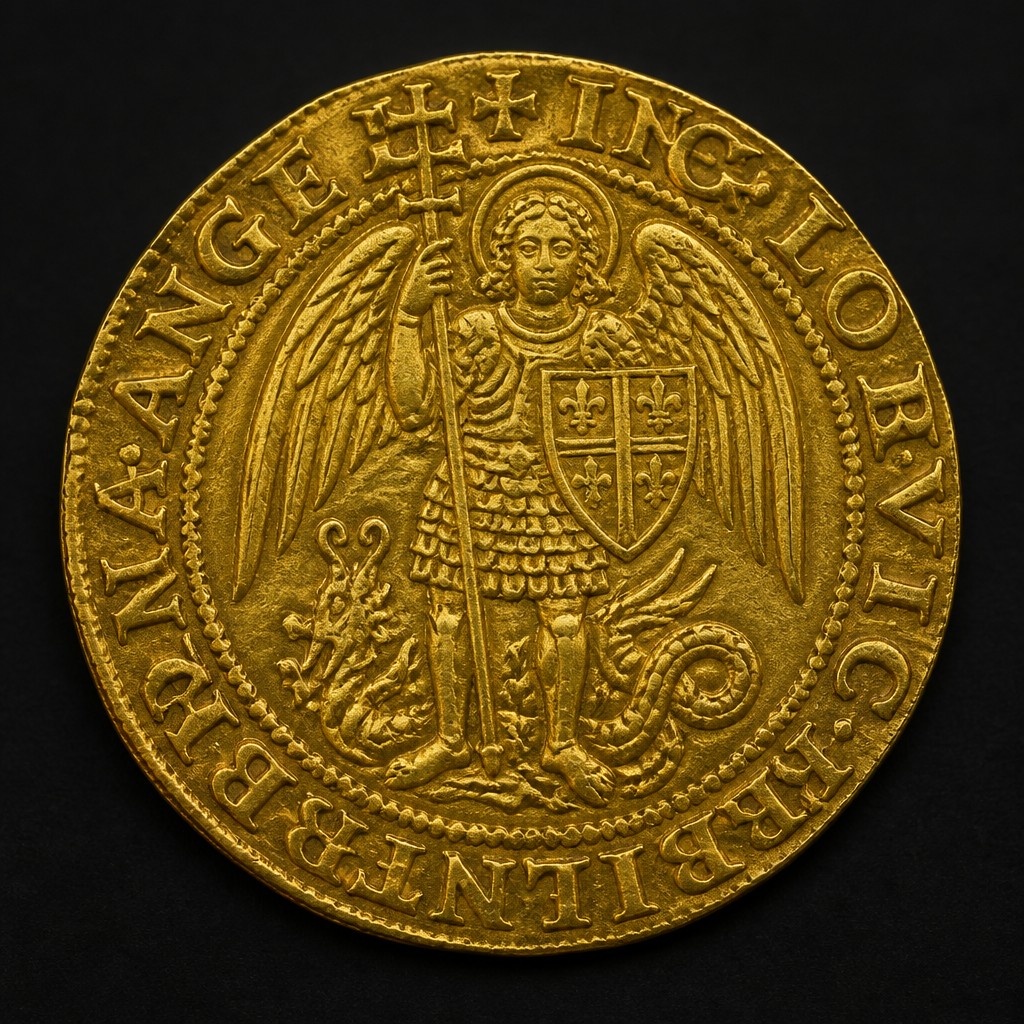
English Angel
1465–1642
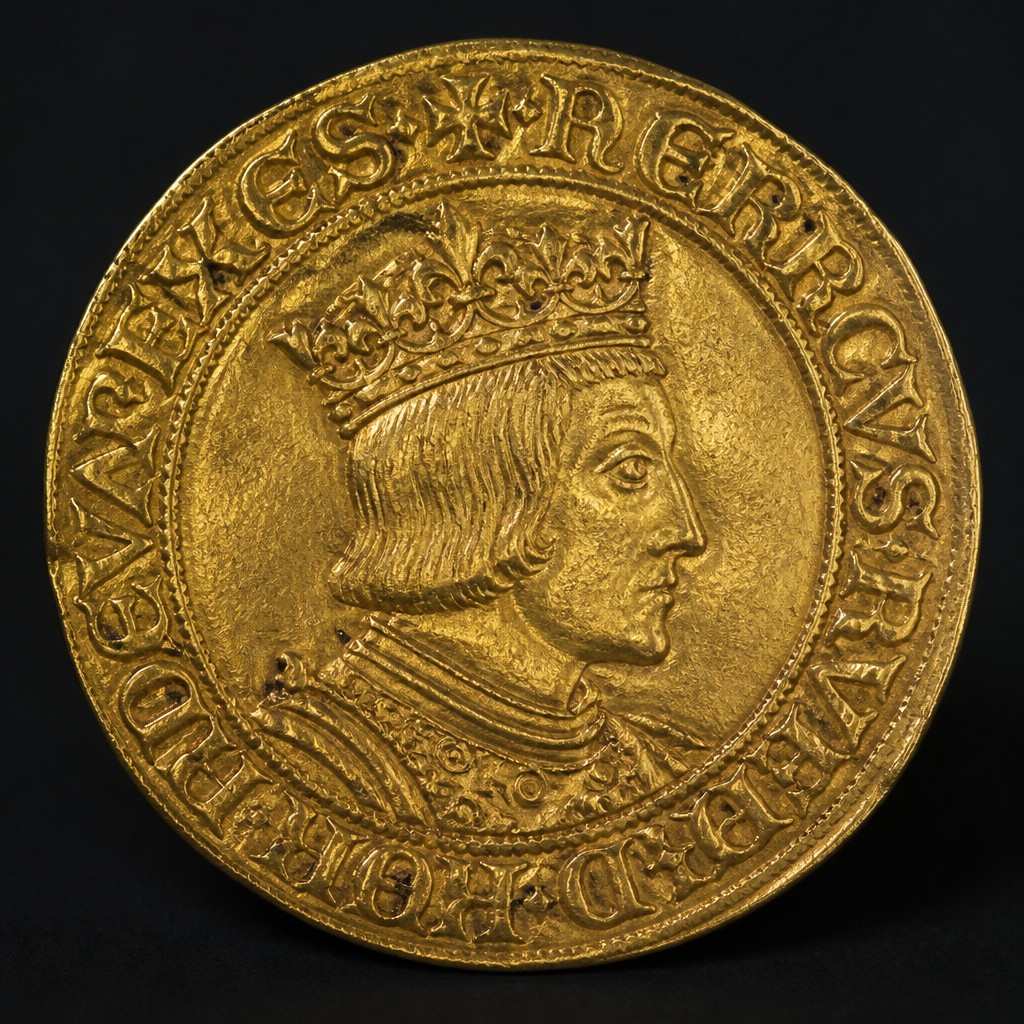
English Sovereign of Henry VII
1489–1509
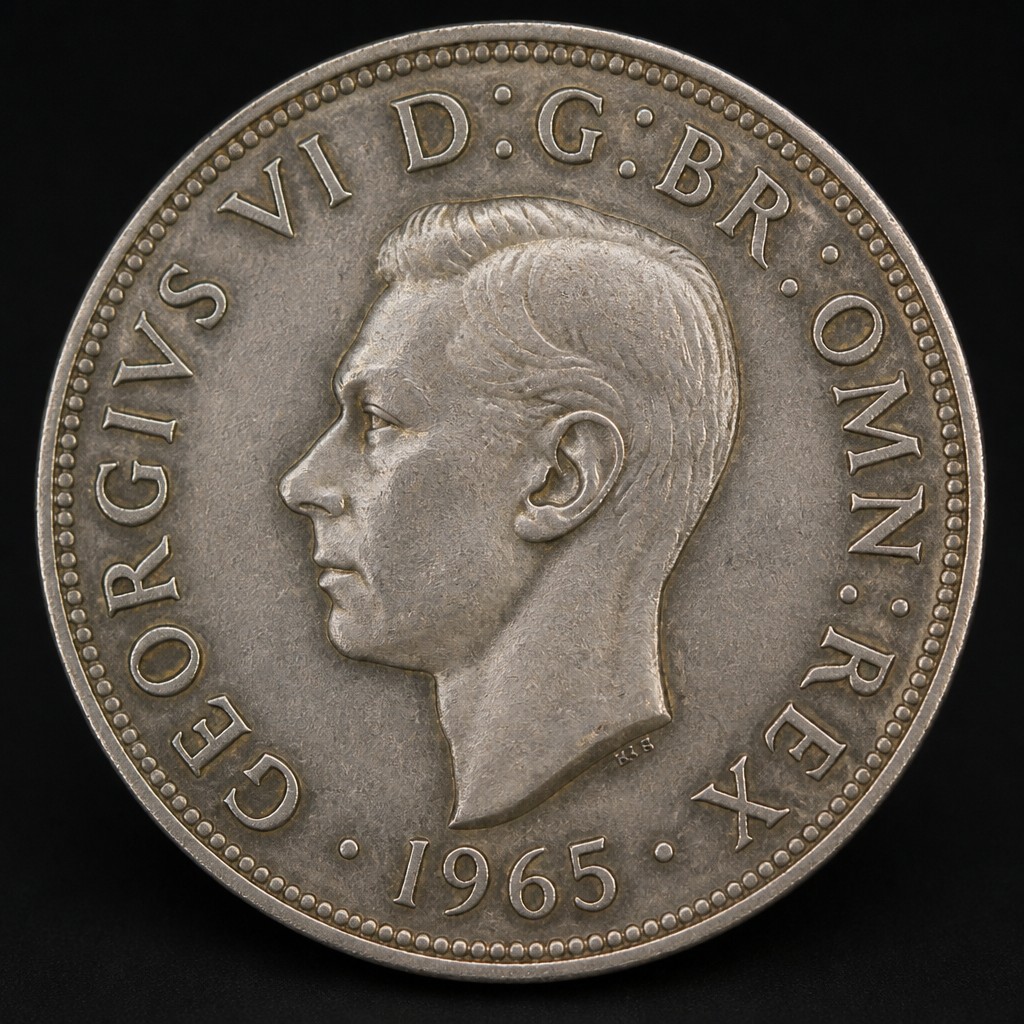
English Crown
1526–1965 (pre-decimal; commemorative crown-sized coins continue as five pound coins)
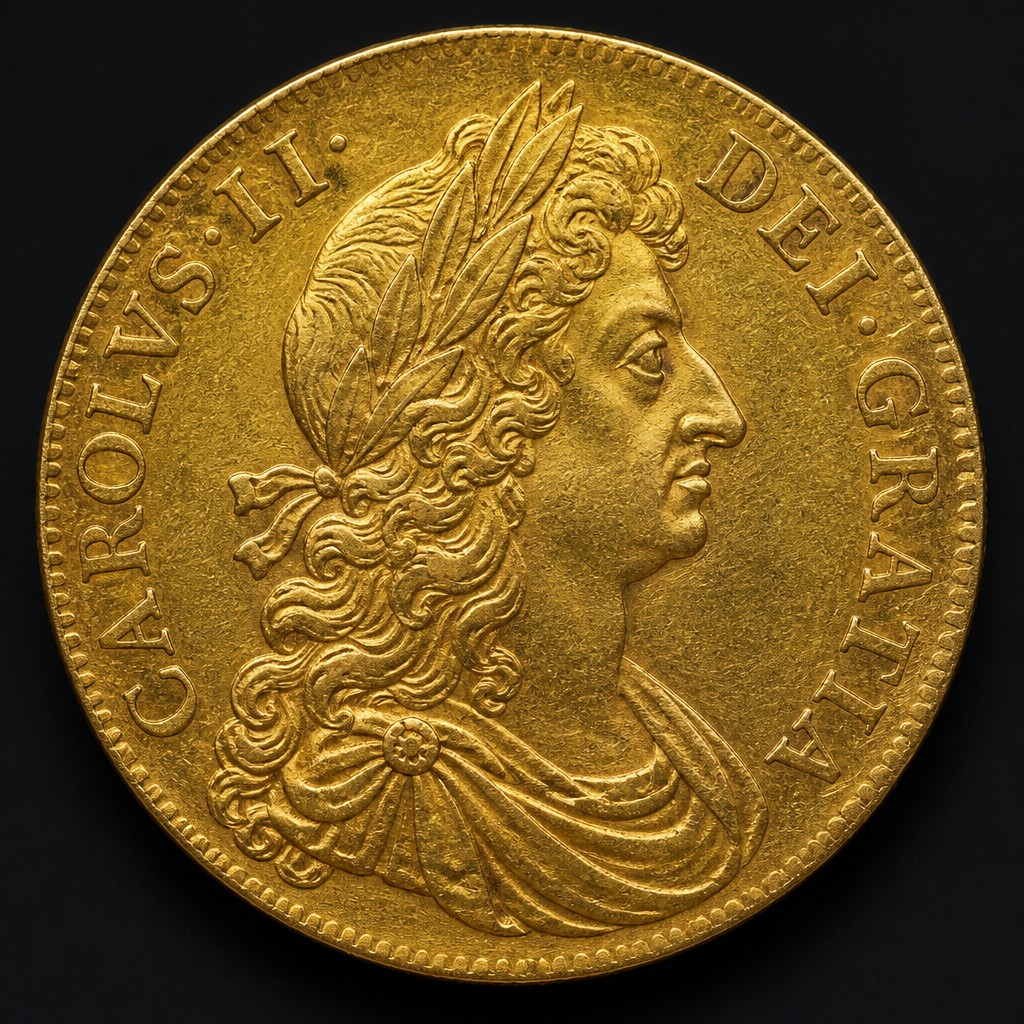
British Gold Guinea
1663–1814
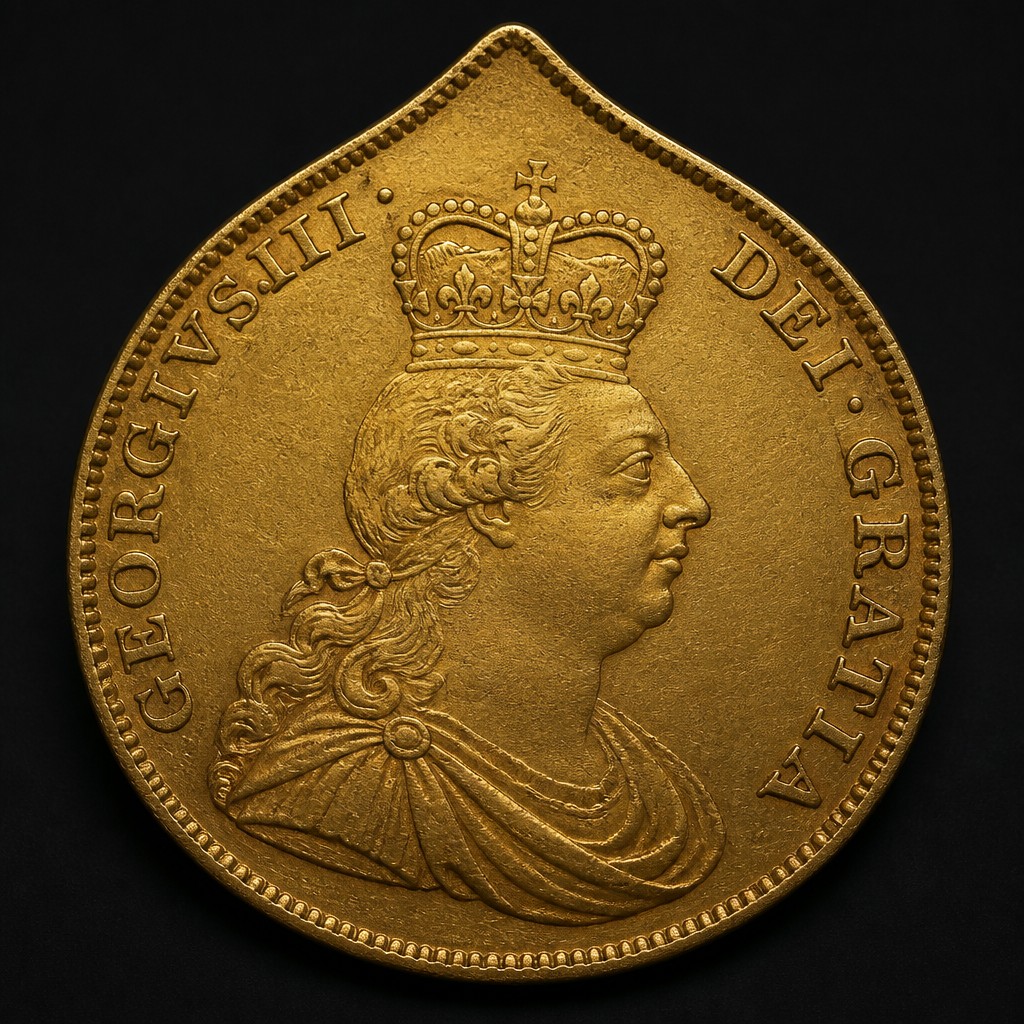
Spade Guinea
1787–1799
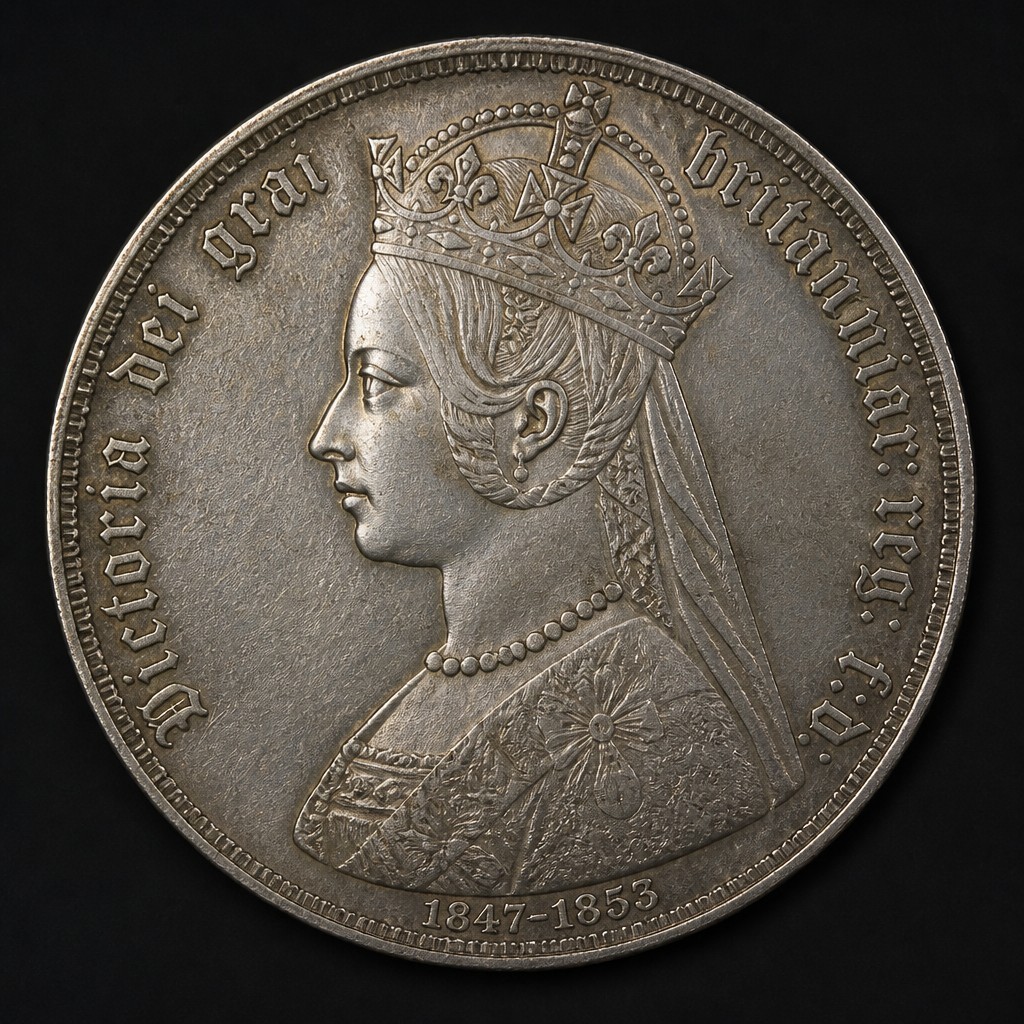
Gothic Crown
1847–1853
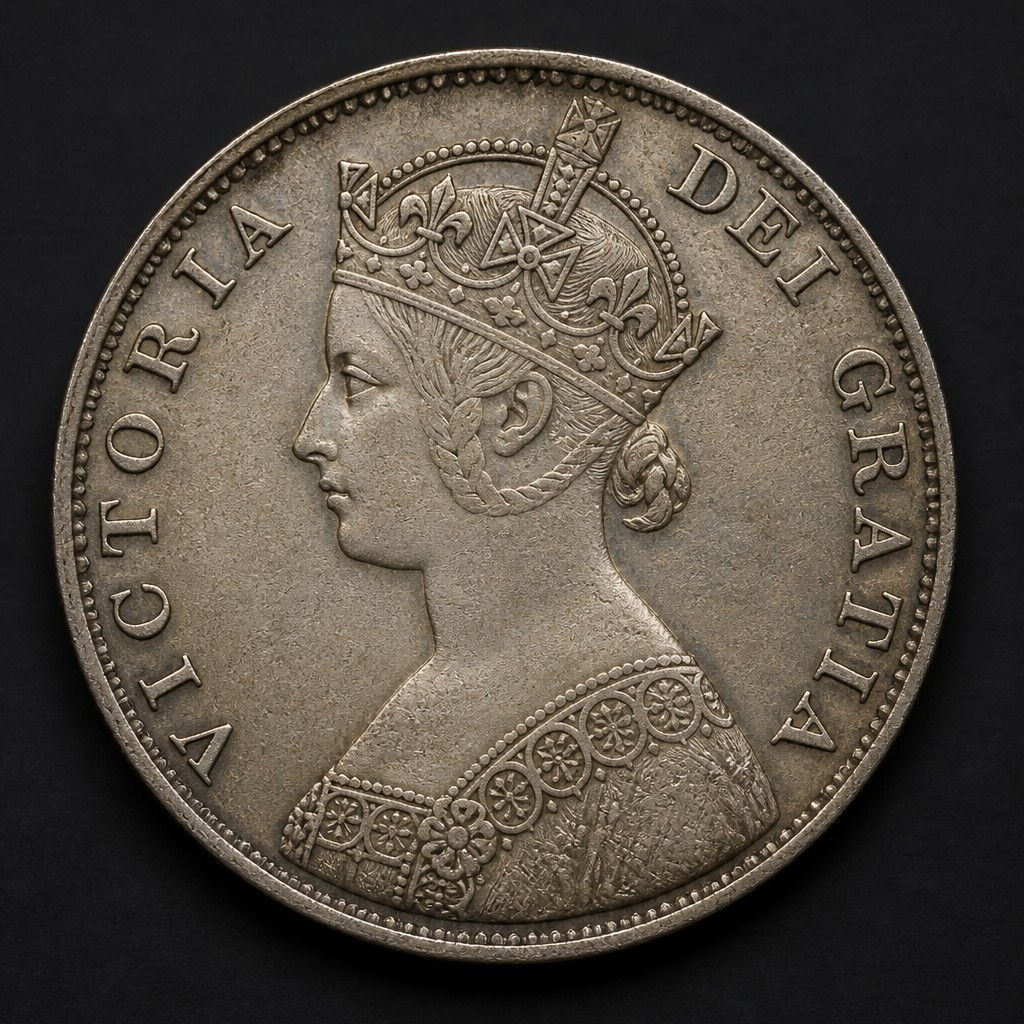
Groat (Fourpence)
1279–1888 (various revivals)
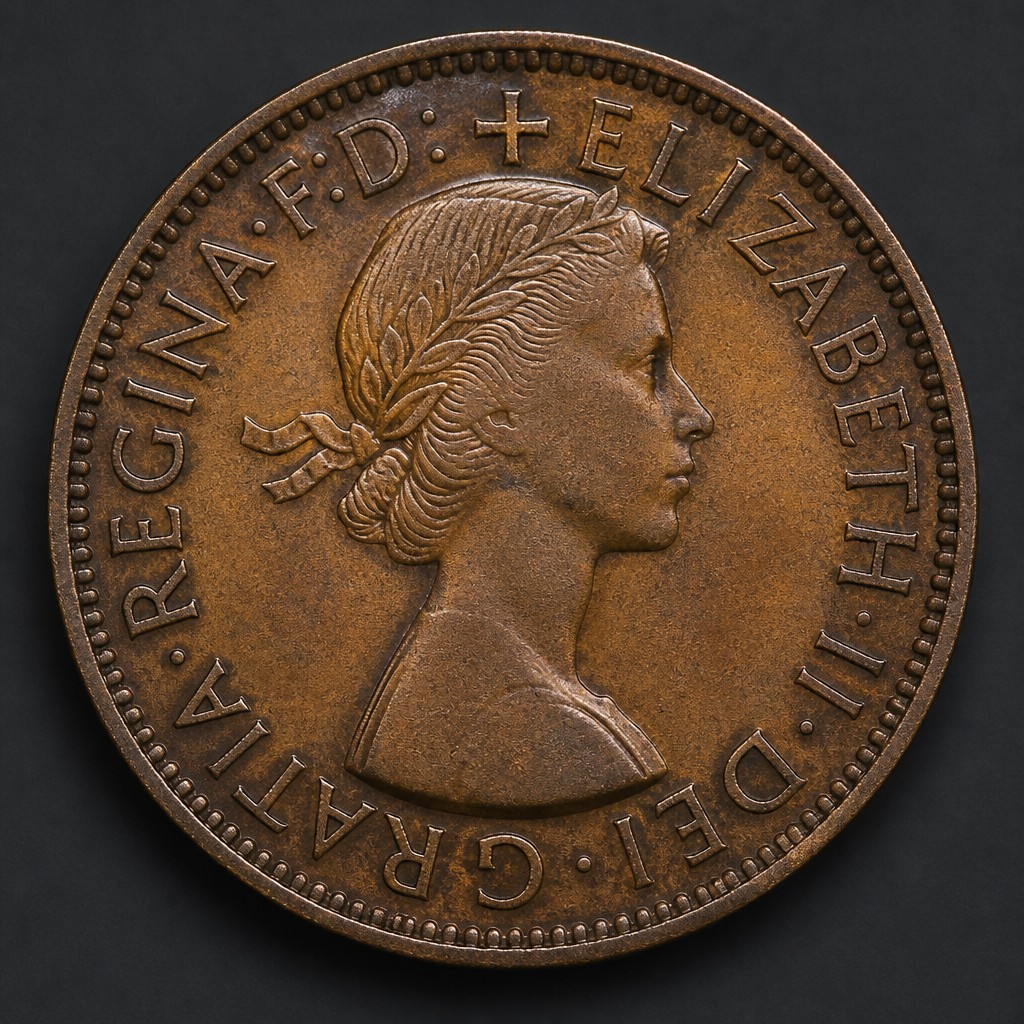
Farthing
13th century–1956
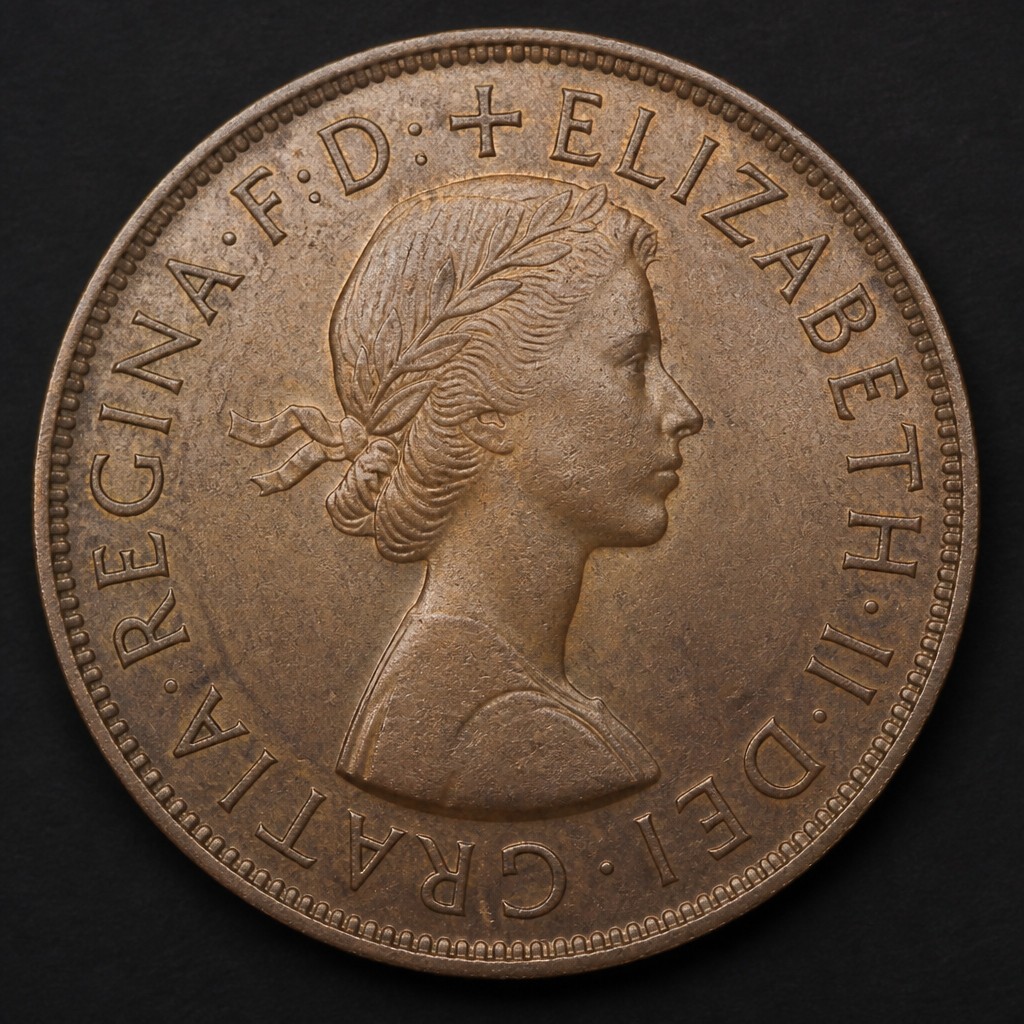
Halfpenny
c. 800s–1969
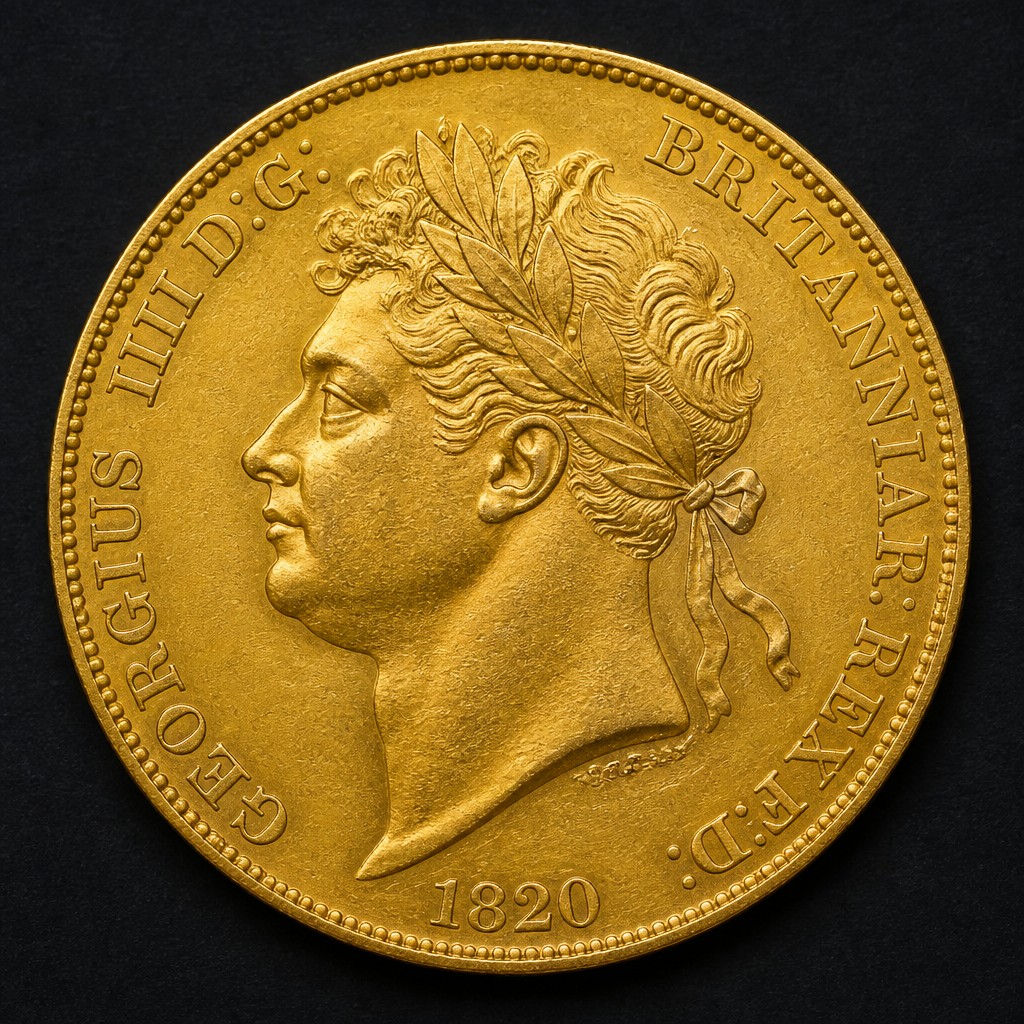
Five Pound Gold (Quintuple Sovereign)
1820–present (intermittent)
Threepence
1547–1970