
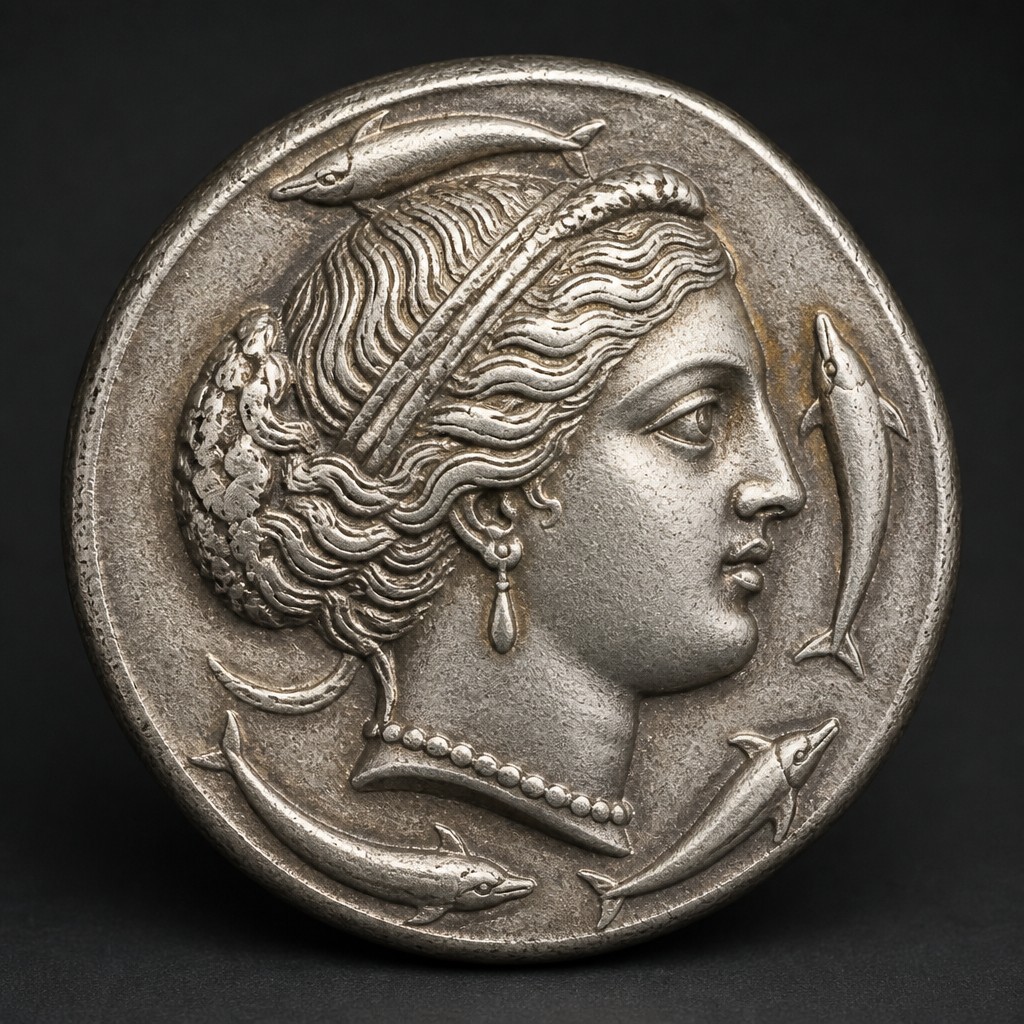
Syracuse Arethusa Tetradrachm
A classic silver tetradrachm from ancient Syracuse depicting the nymph Arethusa surrounded by dolphins, one of the most admired coin types of the Greek world.
- Country
- Ancient Greece (Syracuse, Sicily)
- Denomination
- Tetradrachm
- Metal
- Silver
Got a coin like this?
Identify any coin from a photo, free.
Overview
The Syracuse Arethusa tetradrachm is among the most celebrated silver coin types produced by any ancient Greek city, struck consistently over more than a century as Syracuse grew into the dominant power of Sicily. Its combination of a beautifully rendered female portrait and a dynamic chariot scene has made it a favorite of collectors of Greek coinage for centuries.
Because the type was produced over a long span by many different die engravers, including some who signed their work, collectors can pursue a wide range of stylistic variations, dates, and engraver attributions within this single broad coin type.
History & Background
Syracuse, founded as a Corinthian colony on Sicily, grew wealthy through trade and agriculture and became one of the most powerful city-states in the Greek world during the Classical period. Its mint produced silver tetradrachms over a long period from the early 5th century BC through the 4th century BC, reflecting the city's shifting fortunes through wars with Carthage, Athens, and other rivals.
Several renowned engravers worked on the Arethusa tetradrachm type over the decades, including Euainetos and Kimon, both of whom occasionally signed their dies, an unusual practice that has allowed modern scholars to trace stylistic development and attribute specific dies to named artists.
The coin's imagery reflects local Syracusan identity: Arethusa was a nymph tied to a freshwater spring on the island of Ortygia within Syracuse, and the chariot reverse likely alluded to victories in chariot racing at Panhellenic games as well as the city's military successes.
How to Identify
The obverse depicts the head of the nymph Arethusa in profile, her hair bound with a wreath, ribbon, or reeds and often adorned with jewelry, surrounded by three or four dolphins swimming around her head. The reverse shows a quadriga, a four-horse chariot, driven by a charioteer, frequently with the goddess Nike flying above to crown the horses or driver, and the legend ΣΥΡΑΚΟΣΙΩΝ ("of the Syracusans") typically appears on one side.
The coin is a standard-sized silver tetradrachm, smaller and lighter than the rare dekadrachm denomination struck by the same city, with weight and diameter consistent with other Greek tetradrachms of the period. Distinguishing Syracuse's issues from other Sicilian or Greek tetradrachms relies on the specific Arethusa-and-dolphins obverse combined with the quadriga reverse and the Syracusan ethnic legend; die style and any engraver's signature can help narrow down the approximate date of a given example.
Value & Collectibility
Syracuse Arethusa tetradrachms are relatively available compared to the city's rare dekadrachms, making them an accessible entry point into high-quality ancient Greek coinage for many collectors, with prices for well-centered, attractive examples commonly ranging from several hundred to a few thousand dollars, and exceptional artistic examples or those signed by known engravers reaching considerably more.
Value is driven heavily by strike quality, centering, surface preservation, and artistic merit of the specific die pair, since even common types can vary widely in eye appeal. Coins attributable to renowned engravers such as Euainetos or Kimon, or with clear signatures, command a notable premium over unsigned or lower-quality examples.
Frequently asked questions
Who is Arethusa?
Arethusa was a nymph in Greek mythology associated with a freshwater spring on the island of Ortygia at Syracuse, and she became the city's emblematic figure on its coinage.
Why are dolphins shown around her head?
The dolphins reflect Syracuse's maritime setting and the coastal location of the Arethusa spring near the sea.
Who were Euainetos and Kimon?
They were master die engravers who worked on Syracusan coinage and occasionally signed their dies, making them among the few identifiable artists from ancient Greek coinage.
How does this differ from the Syracuse dekadrachm?
The tetradrachm is a smaller, more common denomination worth four drachms, while the dekadrachm was a much larger, rarer coin worth ten drachms.
Is this an expensive coin to collect?
It varies widely; typical examples are moderately priced compared to many ancient coins, while exceptional artistic or signed pieces can be considerably more costly.
Other coins you may enjoy
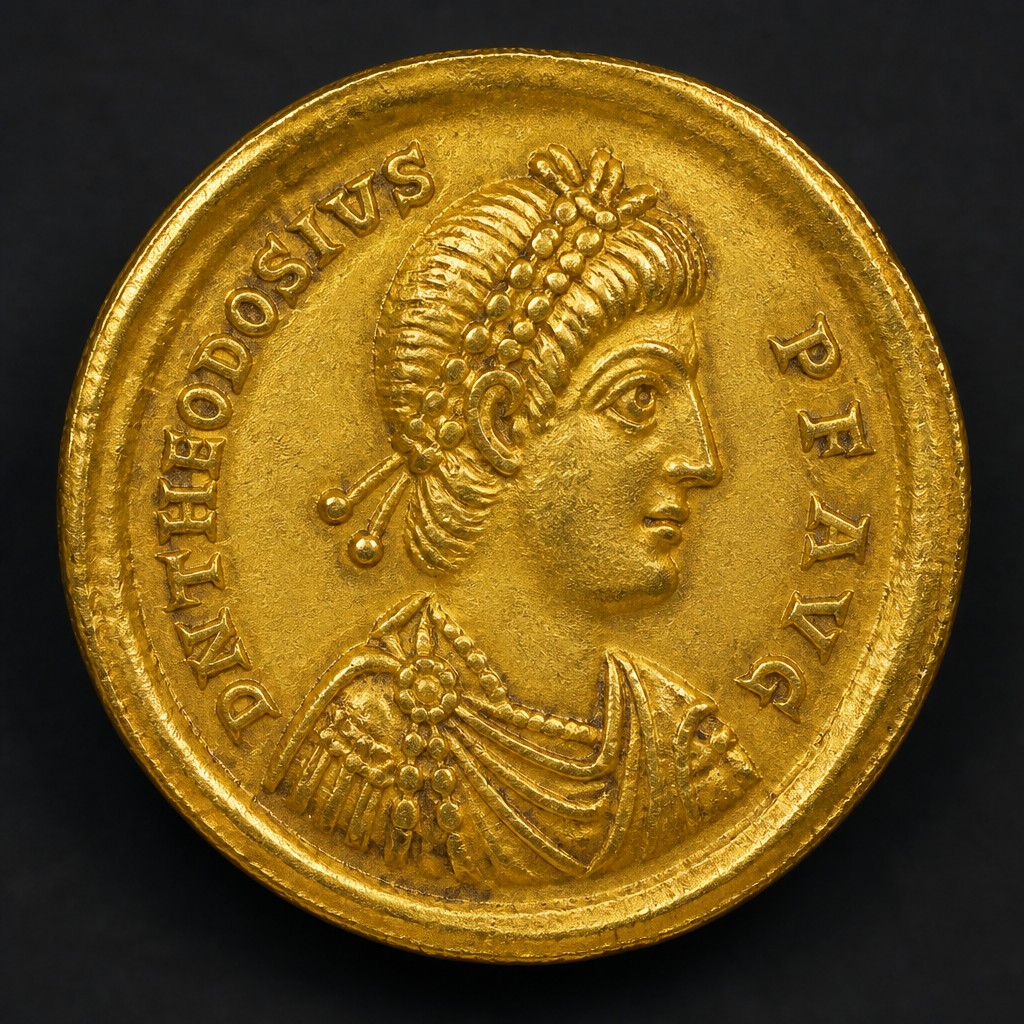
Theodosius I Solidus
379–395 AD
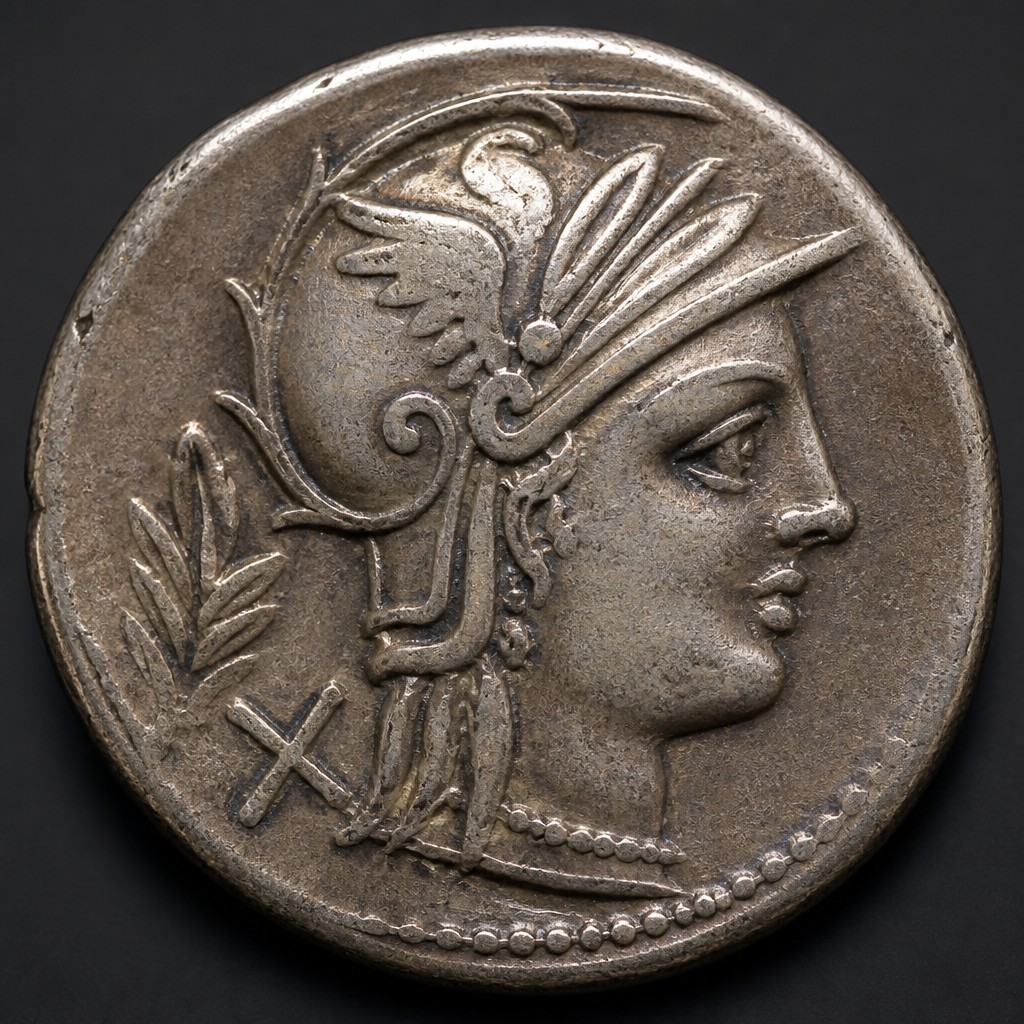
Republican Victoriatus
c. 211–170 BC
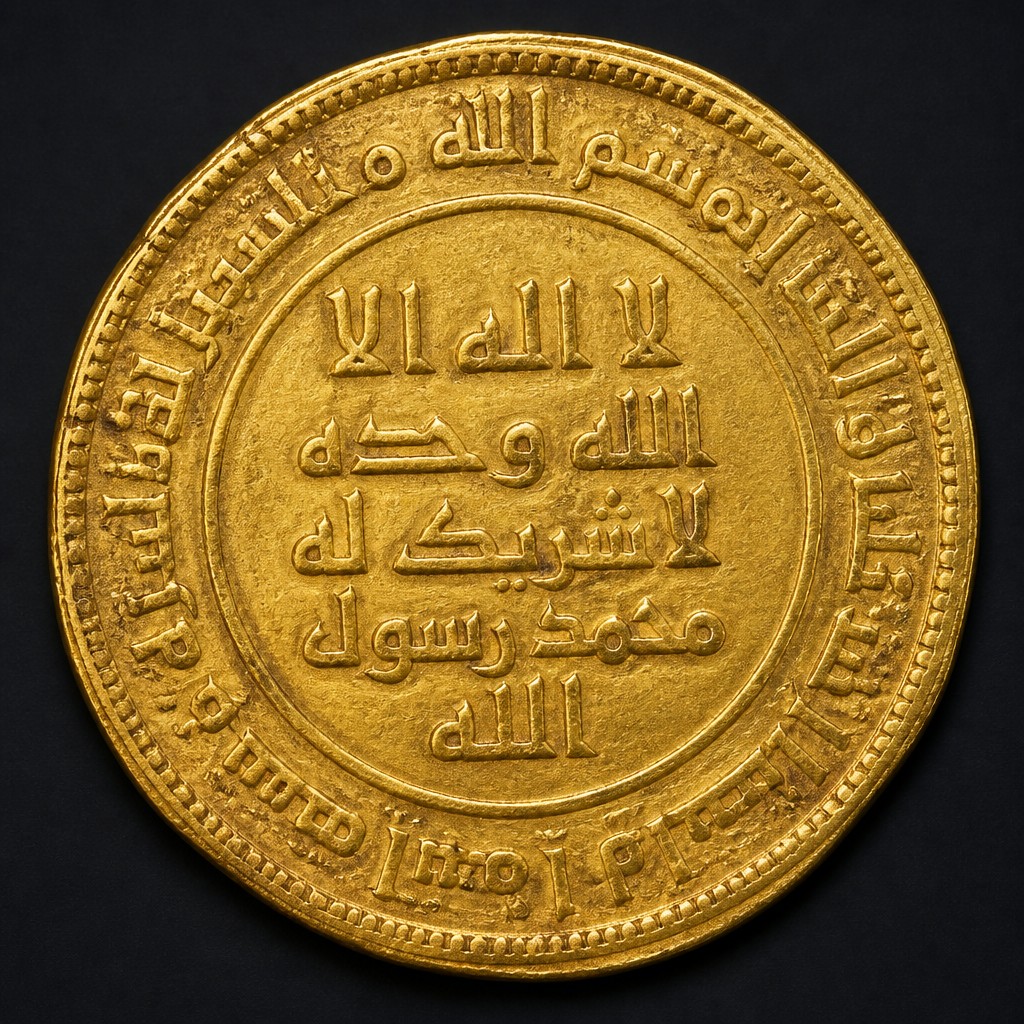
Islamic Gold Dinar (Umayyad)
c. 696–750 AD
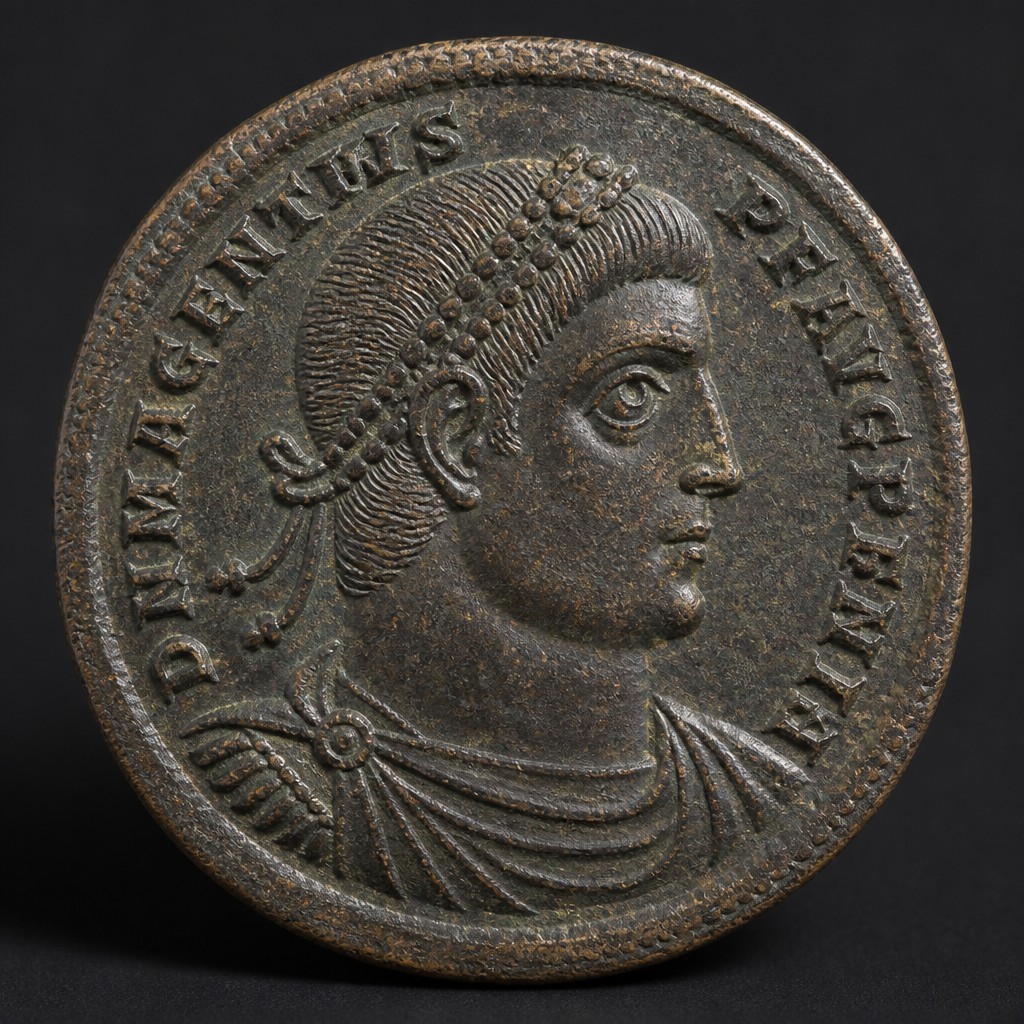
Magnentius Double Centenionalis
350–353 AD
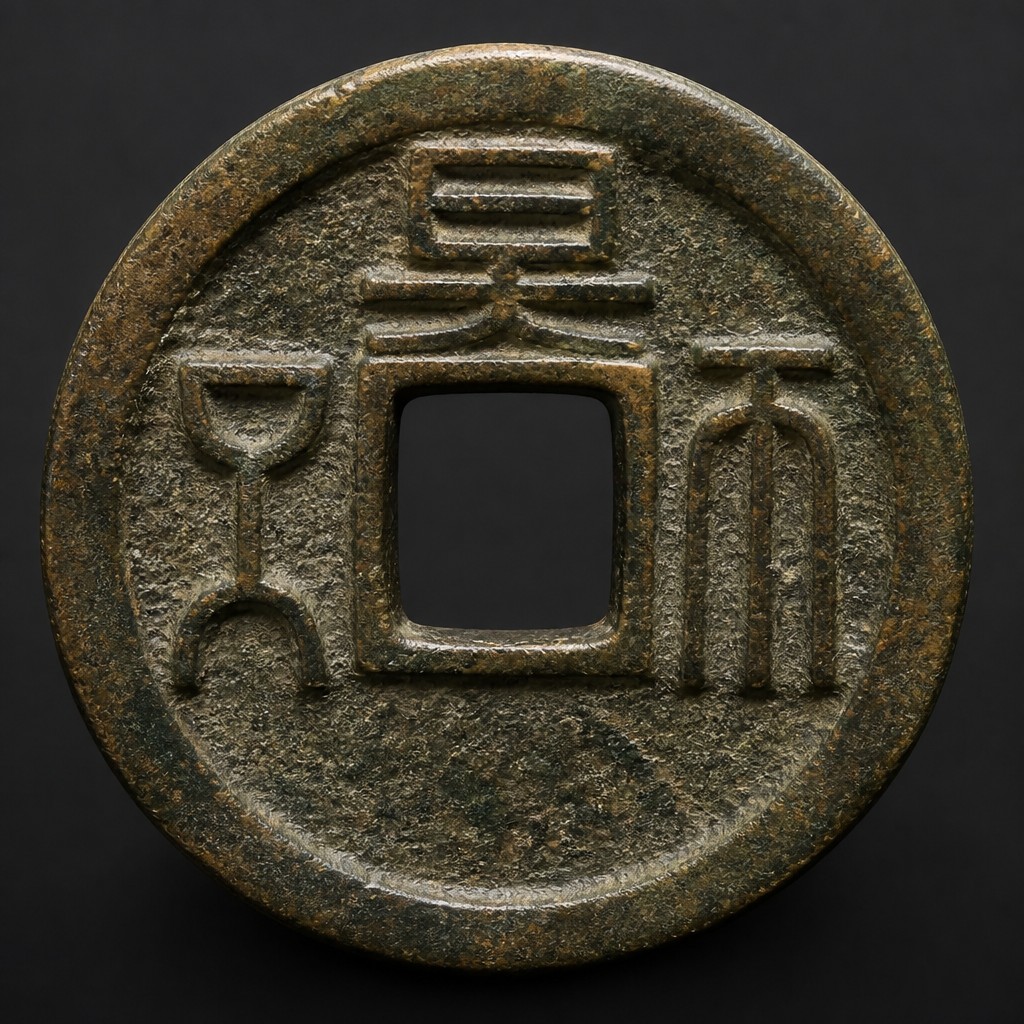
Chinese Wu Zhu Cash
118 BC – 618 AD
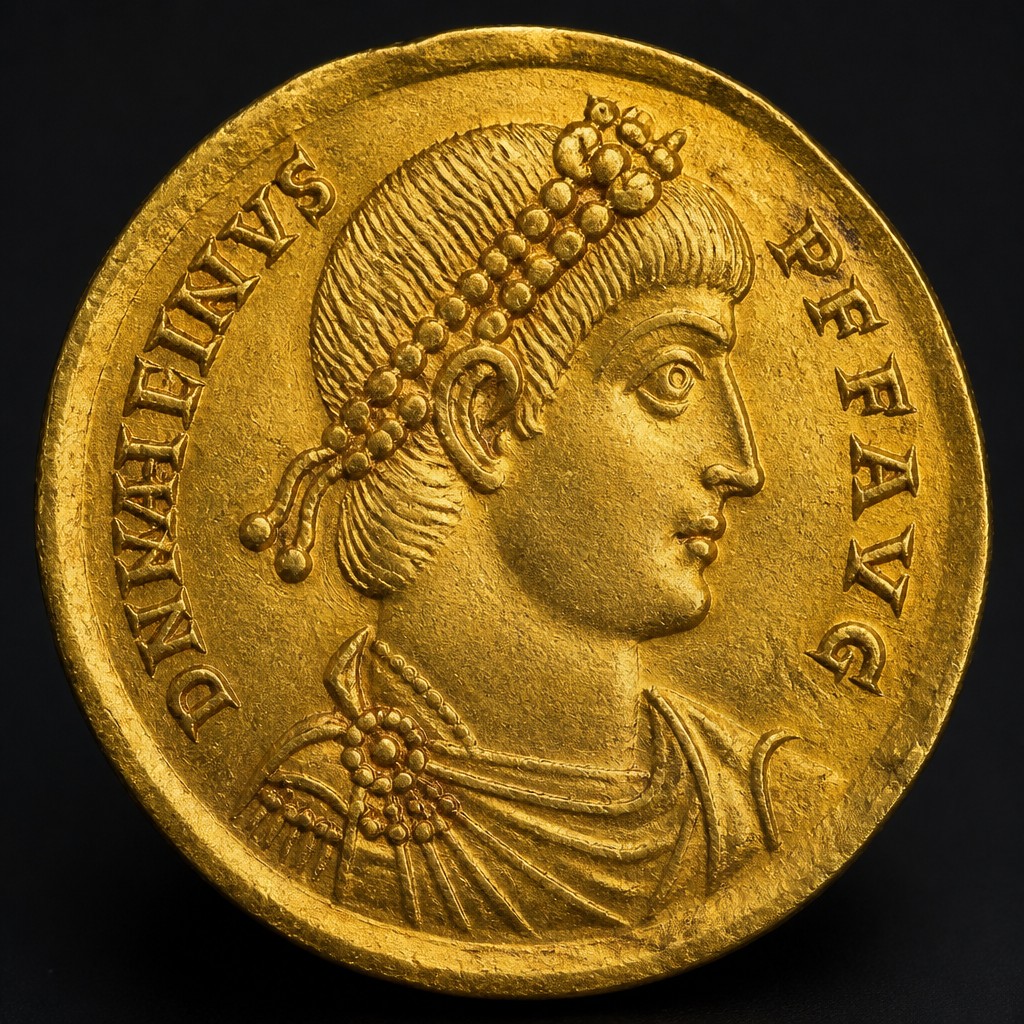
Valentinian I Solidus
364–375 AD
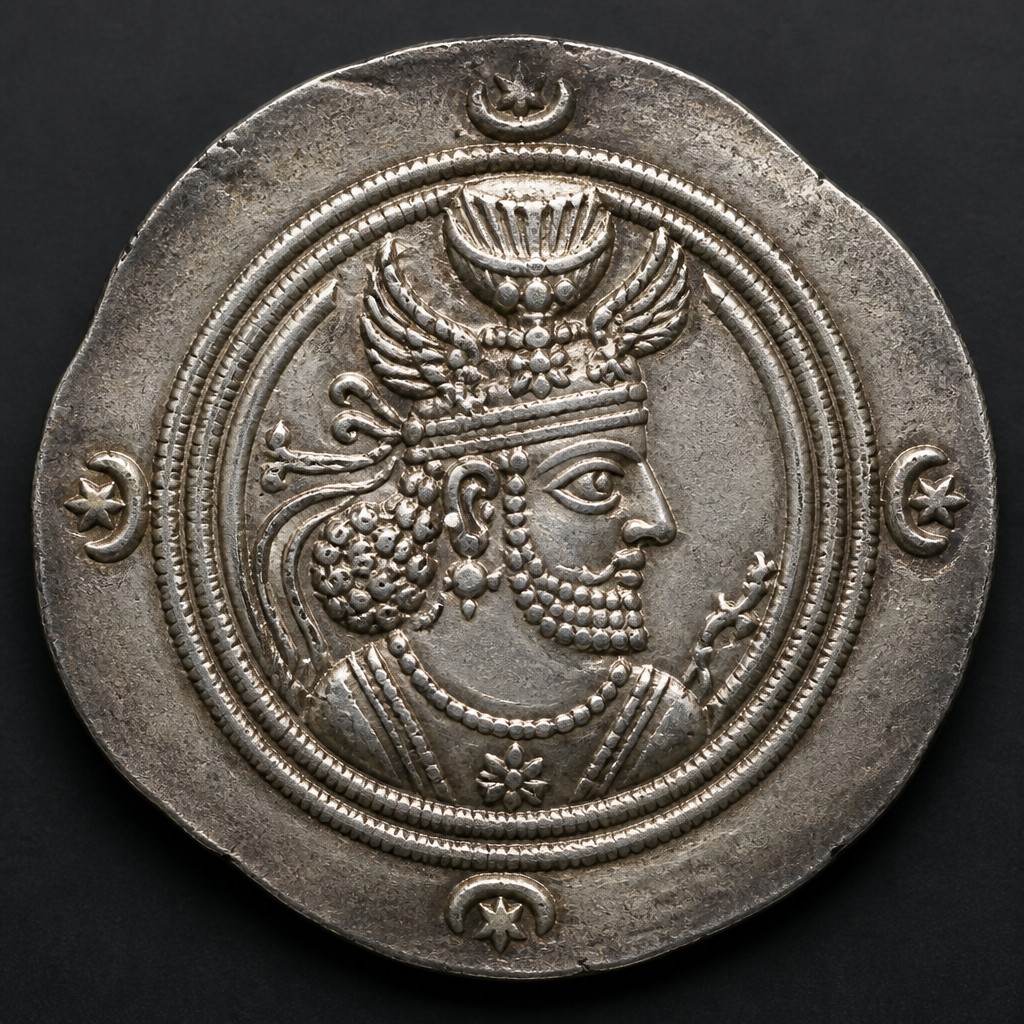
Sassanian Silver Drachm
c. 224–651 AD
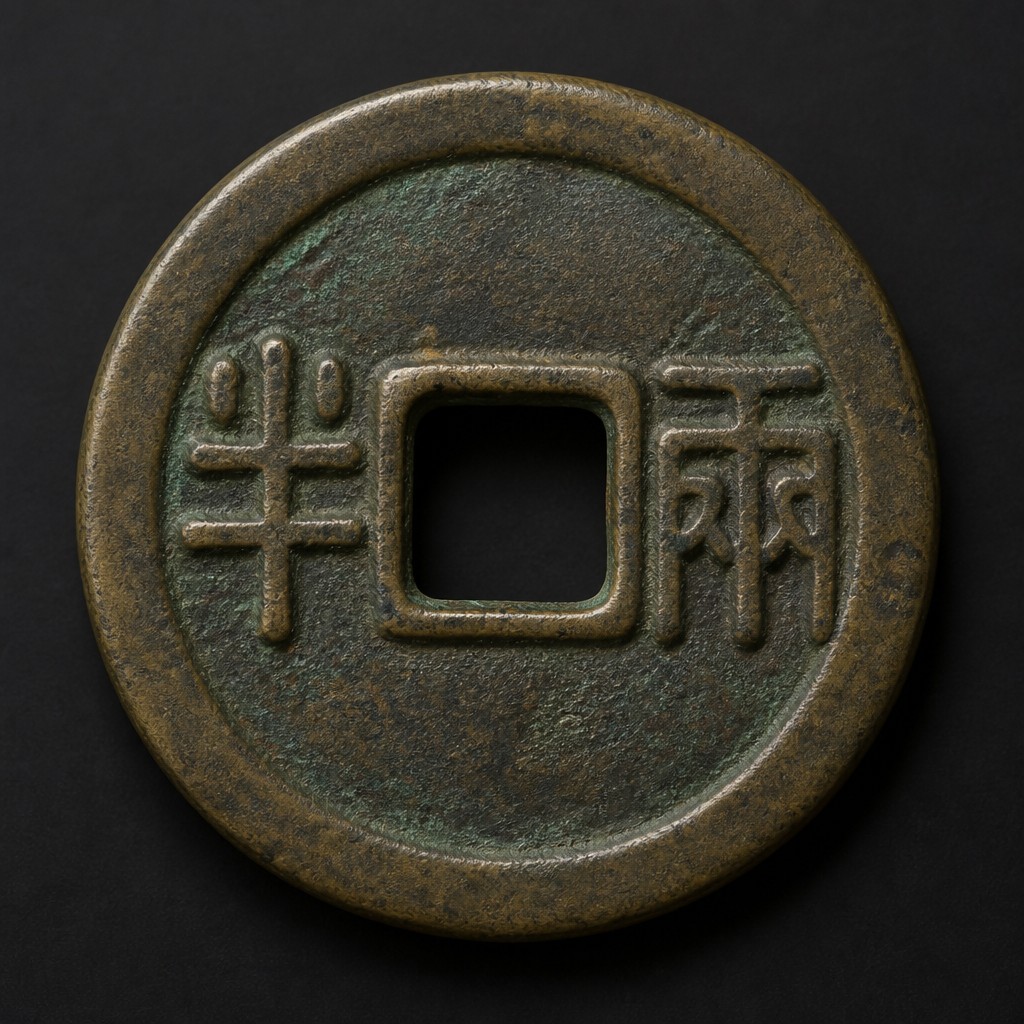
Chinese Ban Liang Cash
c. 221–118 BC
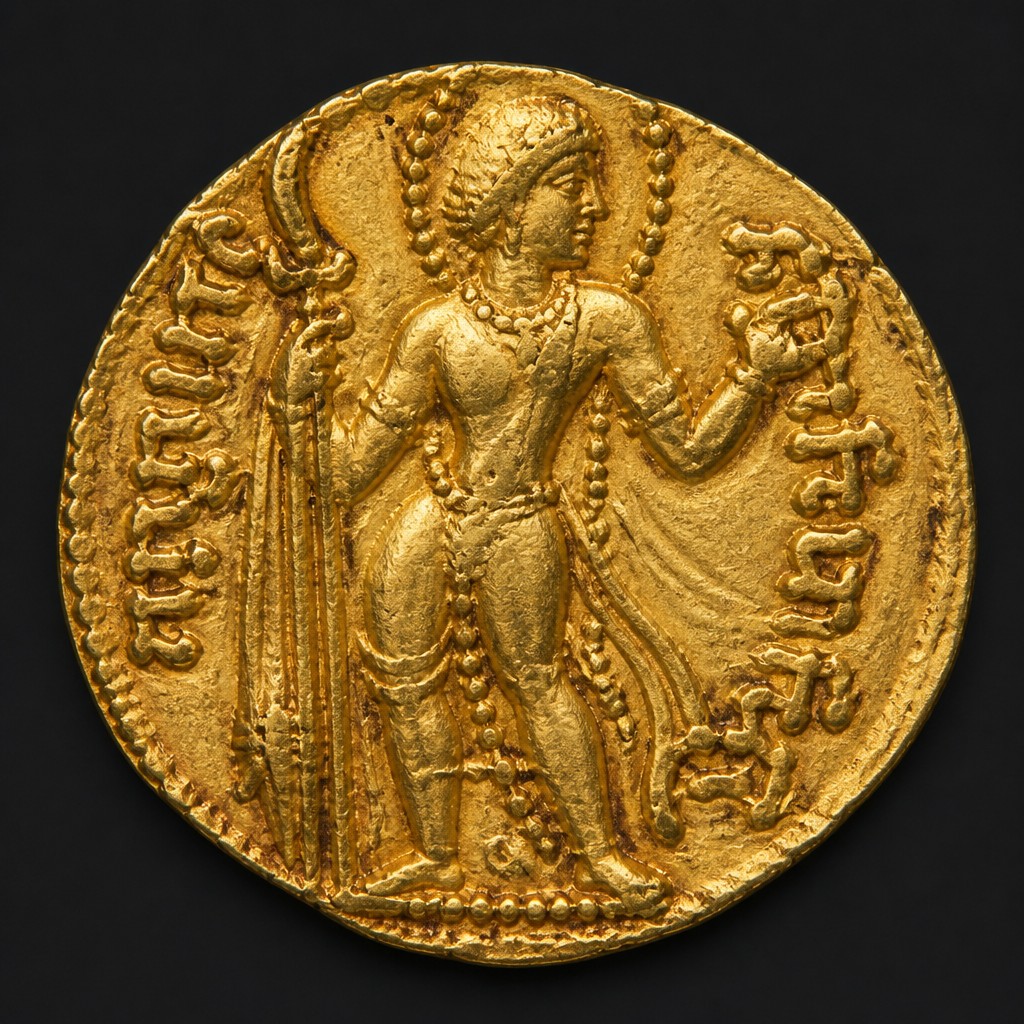
Gupta Empire Gold Dinar
c. 320–550 AD
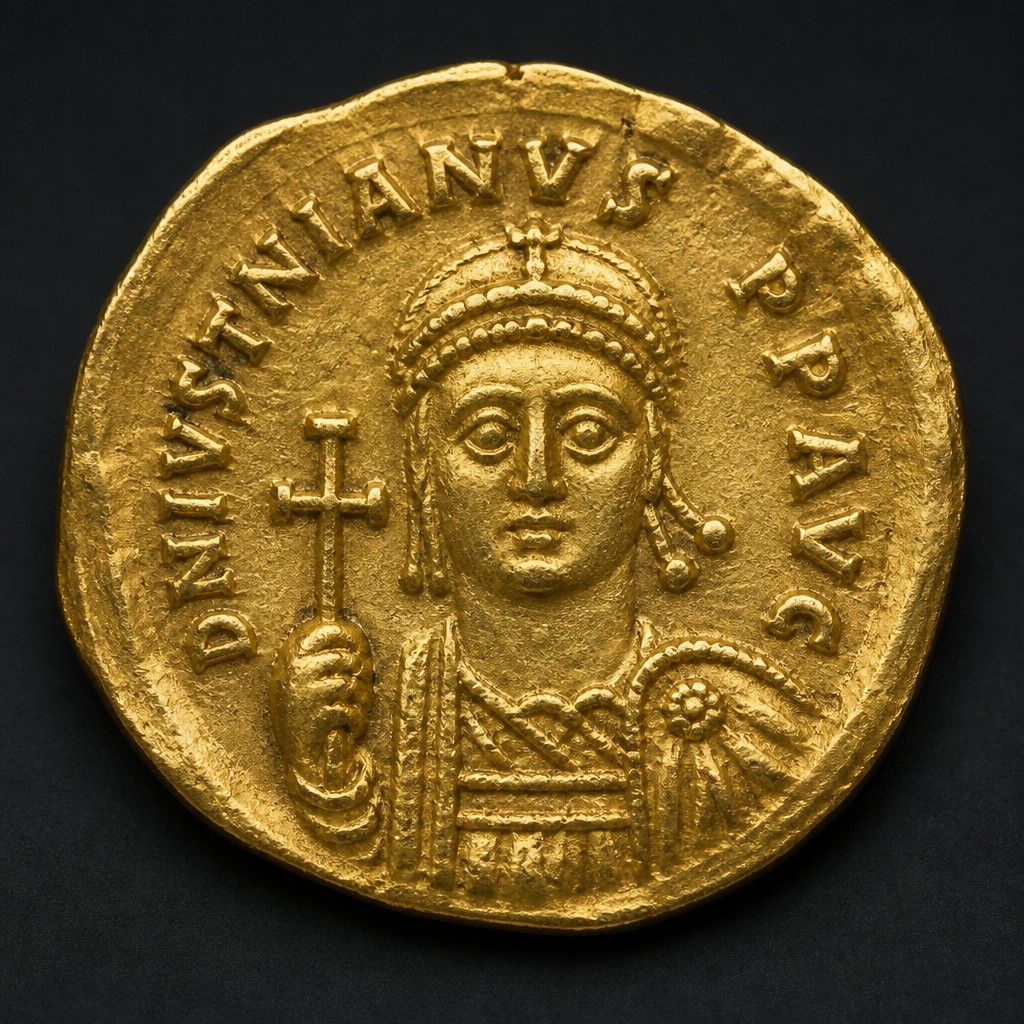
Byzantine Gold Tremissis
c. 4th–7th century AD
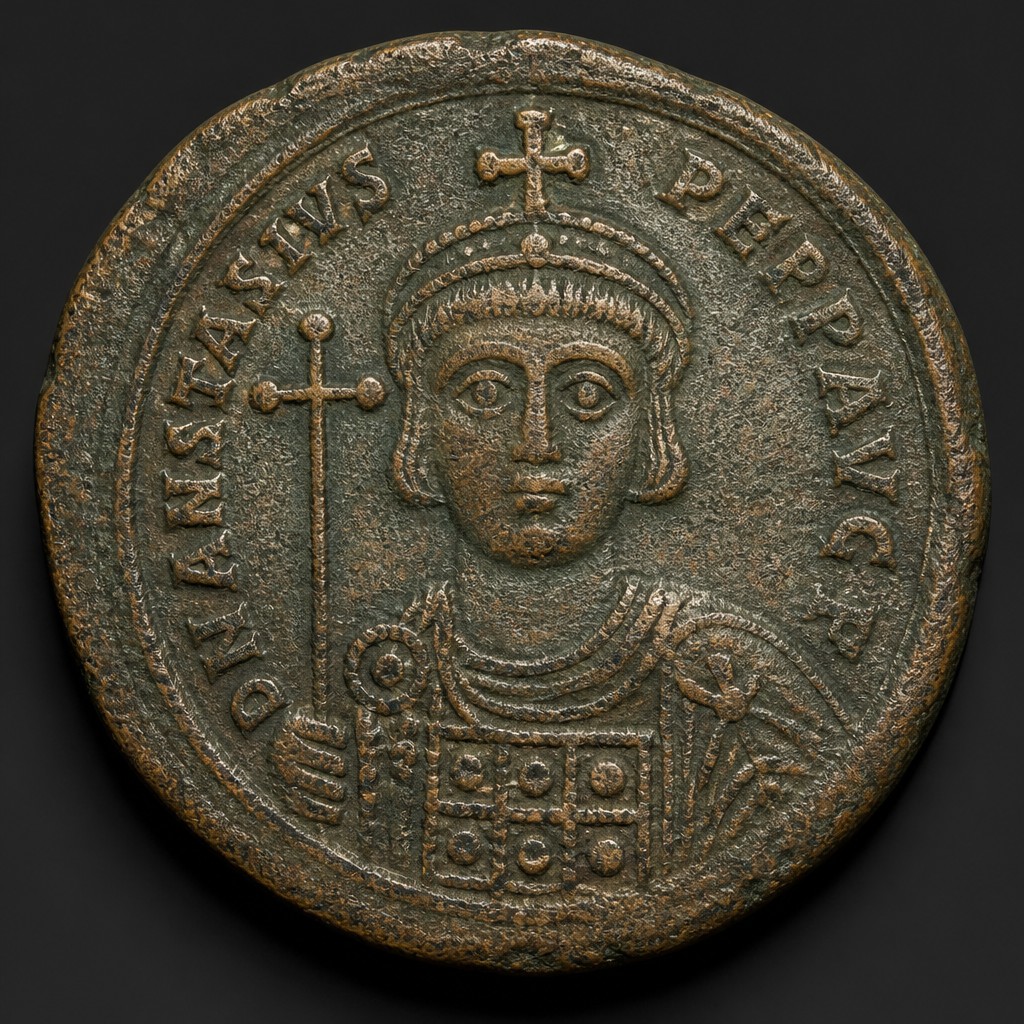
Byzantine Follis
498–c. 11th century AD
Celtic Gold Stater
c. 3rd century BC – 1st century AD