
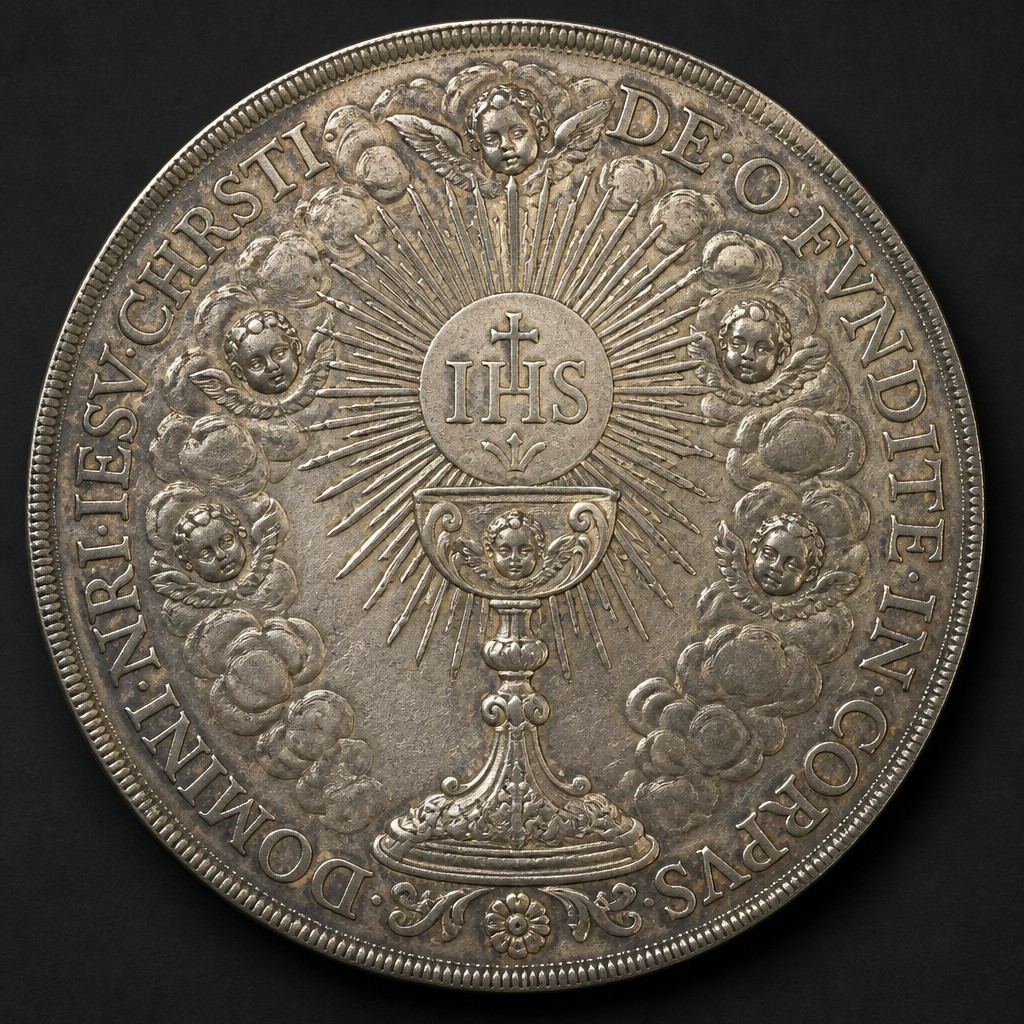
Austrian Corpus Christi Thaler
A devotional silver thaler struck by Austrian ecclesiastical authorities to mark the feast of Corpus Christi, blending religious procession imagery with the standard large-thaler format of the era.
- Country
- Austria (Archbishopric of Salzburg and other Austrian ecclesiastical states)
- Denomination
- Thaler
- Metal
- Silver, typically .833-.900 fine
Got a coin like this?
Identify any coin from a photo, free.
Overview
The "Corpus Christi Thaler" describes a category of religious-themed silver thalers issued by ecclesiastical minting authorities within the Austrian lands, most notably the prince-archbishopric of Salzburg, to commemorate the Feast of Corpus Christi (Fronleichnam), a major Catholic celebration honoring the Eucharist that was marked with elaborate public processions across Central Europe during the Baroque period. These pieces sit within the broader tradition of prince-bishops and abbots using their sovereign minting rights to strike devotional and commemorative coinage alongside standard circulating thalers.
Rather than a single standardized issue, Corpus Christi thalers vary by issuing prince-bishop, year, and specific artistic treatment, generally depicting religious imagery associated with the feast, such as a monstrance, an altar, or a processional scene, on one side, while retaining conventional thaler-format elements (ruler's arms, titles, denomination) on the other. As with other religious commemorative talers from the Austrian ecclesiastical states, they were valued both as legal tender at the time and as devotional keepsakes distributed on the feast day itself.
Because these issues emerge from a specialized corner of German and Austrian ecclesiastical numismatics, collectors typically need dedicated regional references to distinguish specific issuing authorities, years, and die varieties within this broader devotional thaler tradition.
History & Background
During the Baroque era, prince-bishops and prince-abbots across the Holy Roman Empire, including notably the prince-archbishops of Salzburg, held sovereign minting rights and frequently used them to strike commemorative coinage marking important religious and dynastic occasions, alongside their regular circulating thaler coinage. The Feast of Corpus Christi, established in the medieval church and celebrated with major public processions honoring the Eucharist, was among the significant religious observances that some ecclesiastical mints chose to commemorate in silver.
Such devotional thalers reflect the close intertwining of religious authority and temporal sovereignty characteristic of the Holy Roman Empire's ecclesiastical principalities, where a bishop or archbishop was simultaneously a spiritual leader and a ruling prince with the legal right to coin money. These pieces were likely distributed or sold in connection with the feast day festivities, serving both a devotional and a commemorative civic function within their local community.
As with much of the wider Austrian and German ecclesiastical thaler tradition, production of these pieces waned as the Holy Roman Empire's ecclesiastical principalities were secularized in the early 19th century, bringing an end to independent prince-bishopric coinage across the region.
How to Identify
Corpus Christi thalers generally display religious iconography connected to the feast, such as a monstrance (the vessel used to display the consecrated host), an altar, angels, or a Eucharistic procession scene, often accompanied by Latin inscriptions referencing the feast or general devotional sentiments. The companion side typically carries the arms and titles of the issuing prince-bishop or archbishop, consistent with standard ecclesiastical thaler format of the period.
As with most thalers of the era, these coins are struck in silver, generally in the 40-45mm diameter range typical of large Baroque-era talers, with fineness and precise weight varying by issuing mint and period. Because ecclesiastical mints often used the same general specifications as neighboring secular thaler issuers, exact identification depends heavily on correctly reading the Latin legends and coat of arms to determine the specific prince-bishop, year, and mint responsible.
Given the specialized and regionally scattered nature of these issues, collectors should consult dedicated references on Salzburg or Austrian ecclesiastical coinage, and exercise caution regarding attribution, since religious-themed thalers from this era are sometimes loosely or informally labeled by dealers using varying terminology.
Value & Collectibility
Because these are specialized ecclesiastical issues rather than a single unified series, values vary considerably depending on the specific issuing authority, year, and rarity of the particular die variety, with well-preserved, clearly attributed examples generally commanding a premium over generic worn Baroque-era thalers. Religious and devotional thalers of this kind often appeal to a niche but dedicated collector base interested in ecclesiastical or Salzburg numismatics specifically, which can support strong prices for well-documented rarities.
As with all antique thalers, condition, strike quality, and correct attribution to a specific issuing prince-bishop and date are the primary drivers of value; buyers should seek expert opinion or specialized catalogs given the complexity and regional specificity of Austrian ecclesiastical coinage.
Frequently asked questions
What is the Feast of Corpus Christi?
It is a Catholic feast honoring the Eucharist, traditionally marked with elaborate public processions, widely celebrated across Central Europe during the Baroque era.
Who issued these thalers?
Ecclesiastical rulers such as Austrian prince-archbishops and prince-bishops, who held sovereign minting rights within their territories, issued religious commemorative thalers including Corpus Christi-themed pieces.
What images typically appear on these coins?
Religious imagery connected to the feast, such as a monstrance, altar, or procession scene, paired with the issuing ruler's arms and titles.
Why did this type of coinage end?
Independent ecclesiastical minting largely ended after the secularization of church-ruled territories in the Holy Roman Empire in the early 19th century.
How rare are these coins?
Rarity varies significantly by specific issuer, year, and variety; because they are a specialized niche, expert attribution is important for accurately assessing scarcity and value.
Other coins you may enjoy
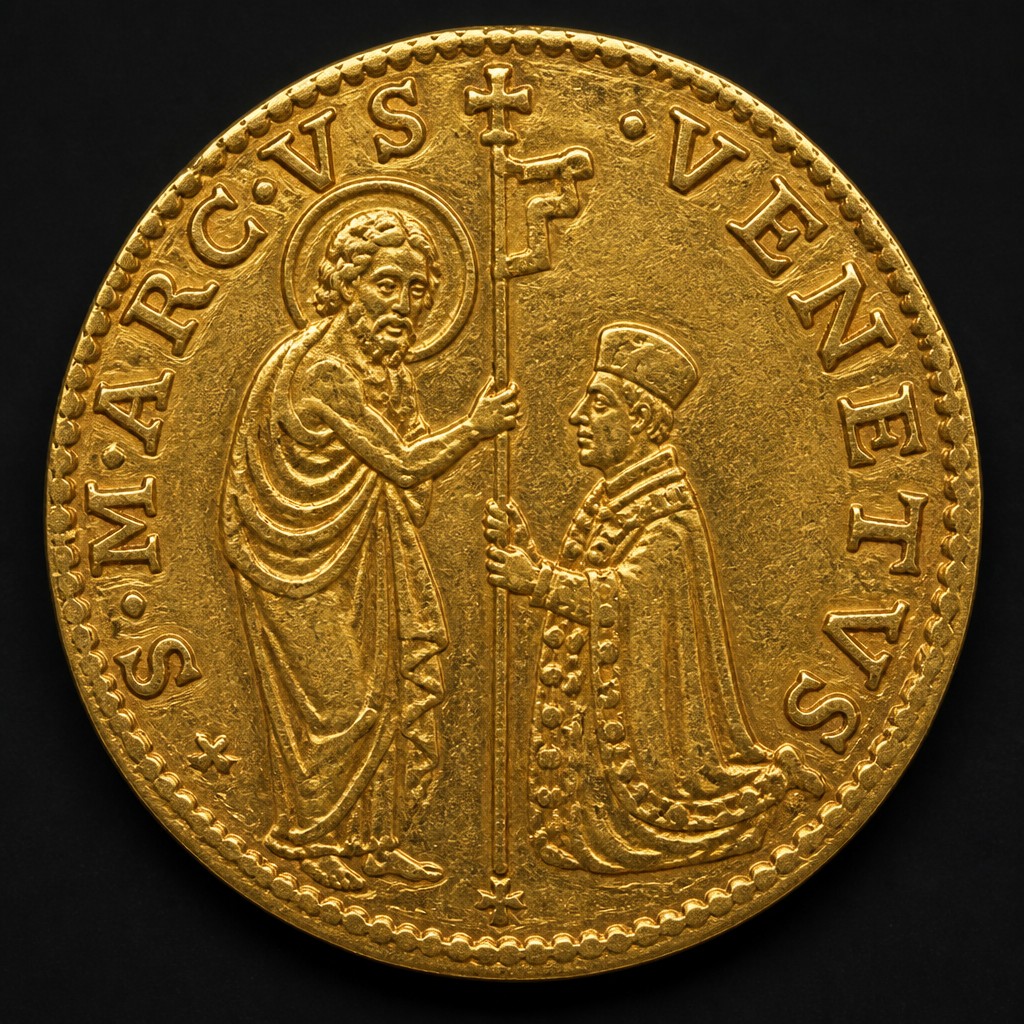
Venetian Ducat
1284–1797
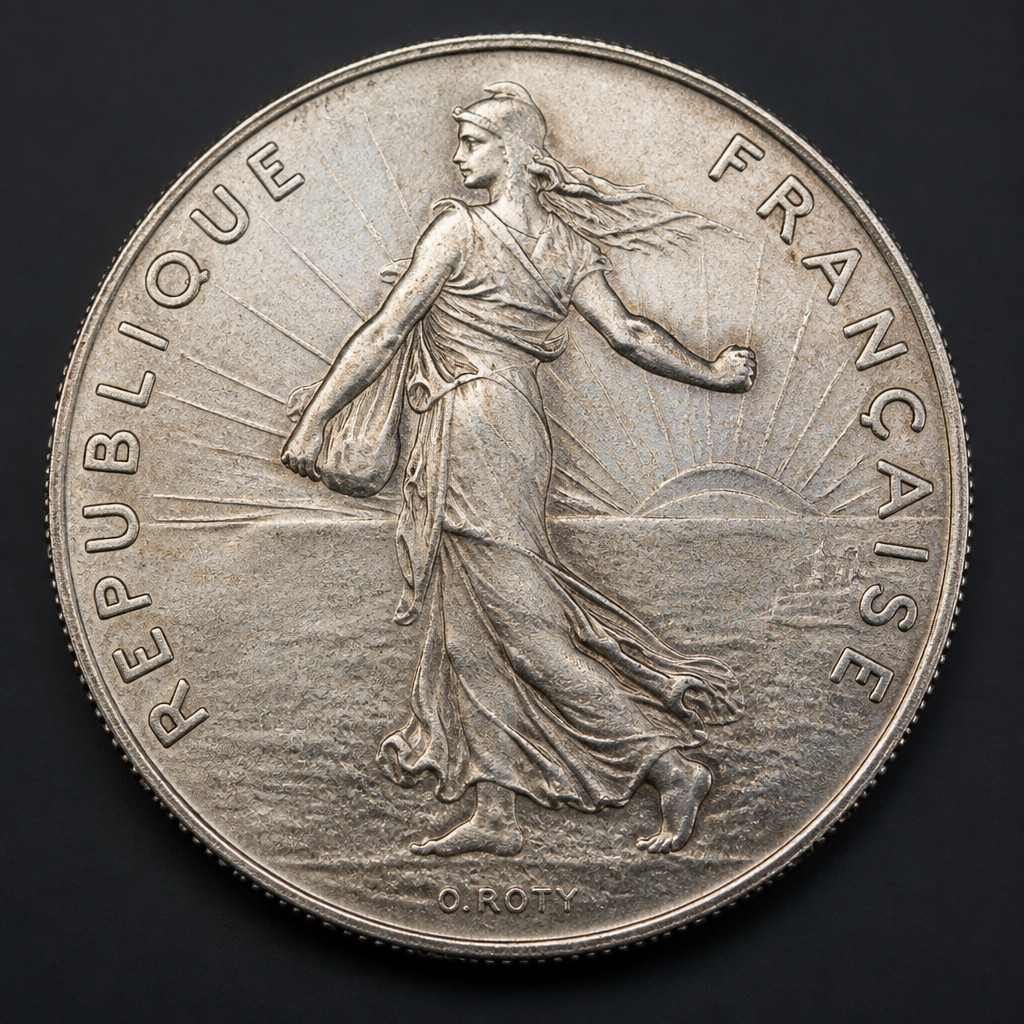
French 100 Francs Silver
1980s–2001 (pre-euro era)
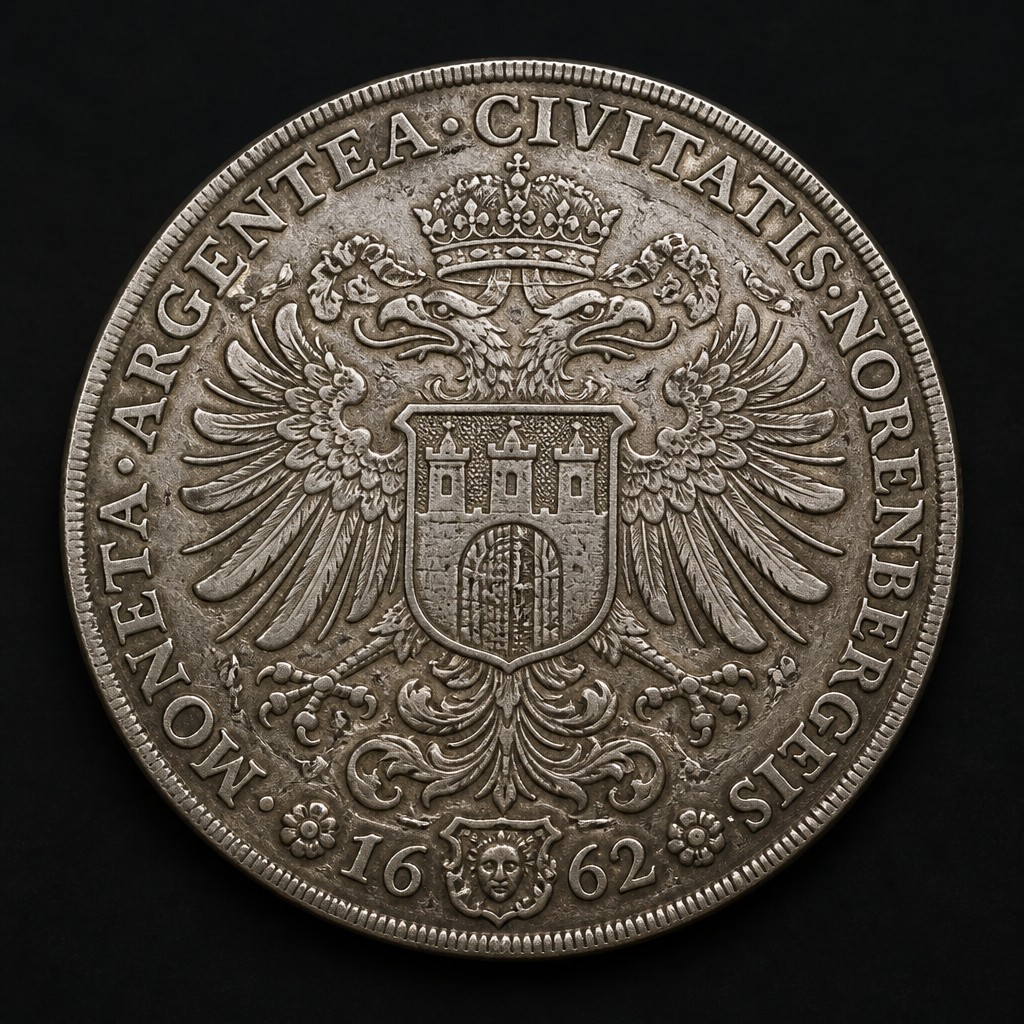
Nuremberg Thaler
16th–18th century
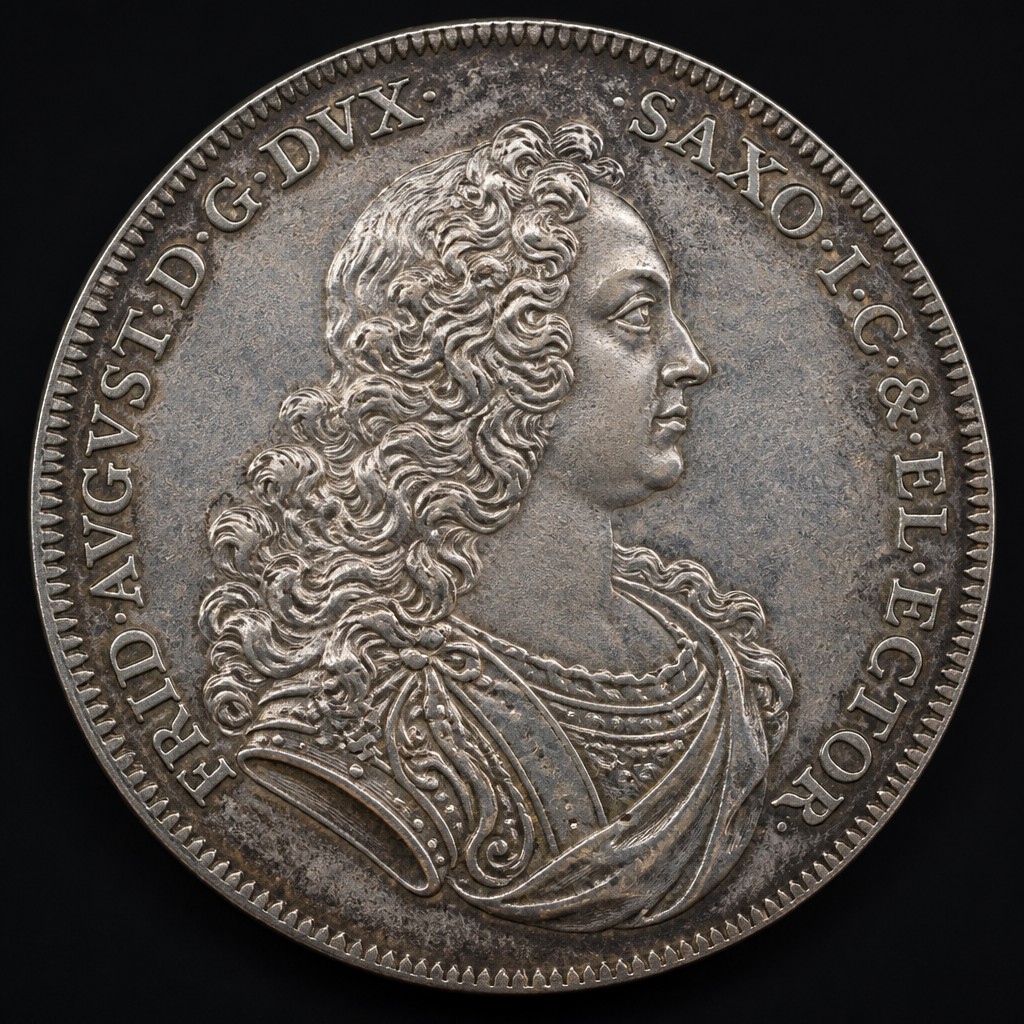
Saxon Speciestaler
17th–19th century
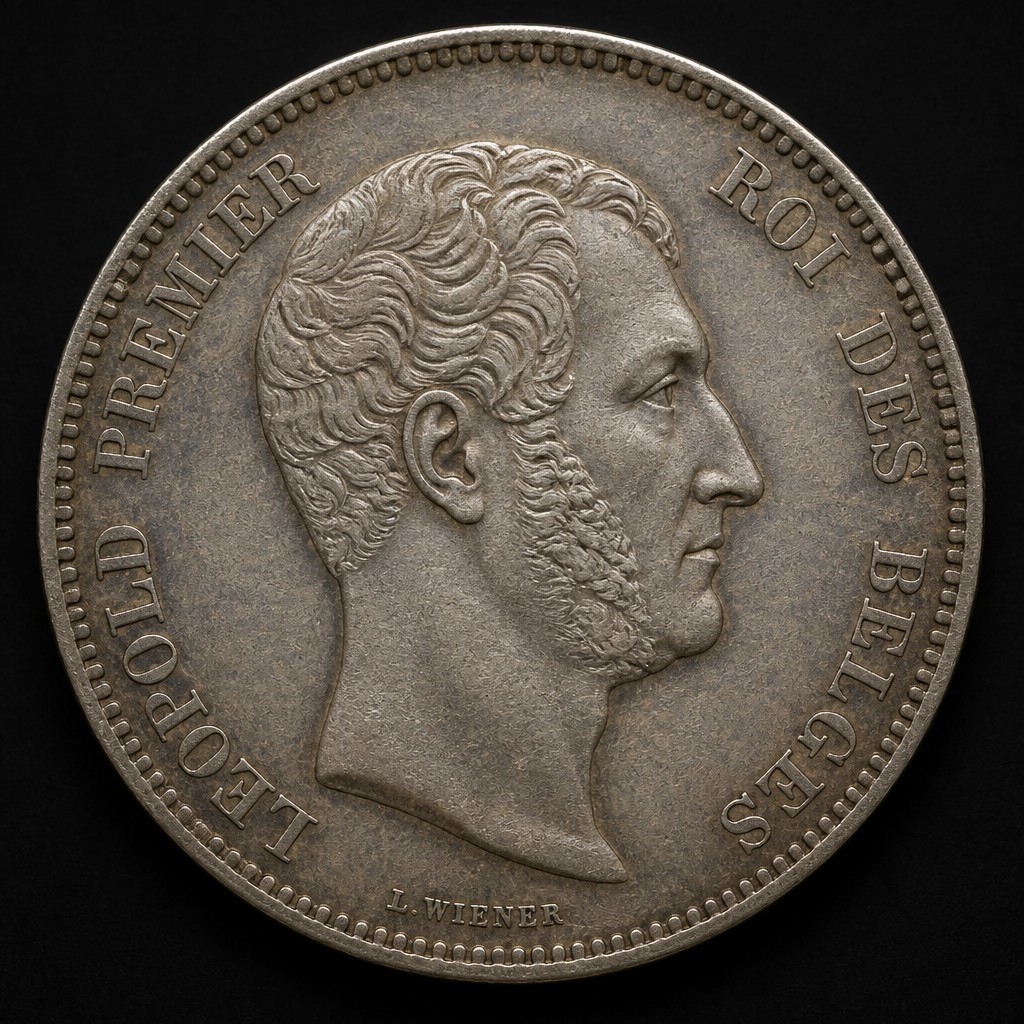
Belgian 5 Francs
1832–1876 (large silver type); later reduced-size and later-metal issues into the 20th century
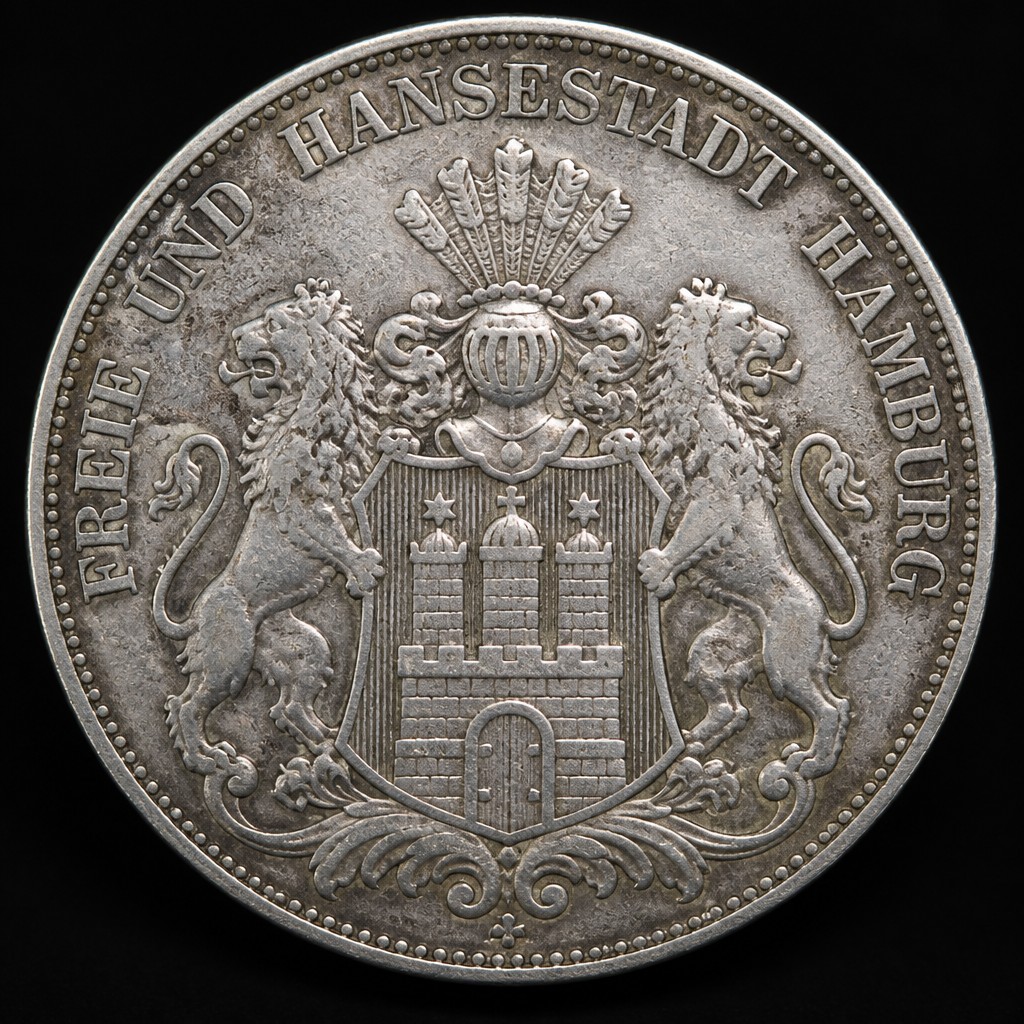
Hamburg Thaler
17th century–1871
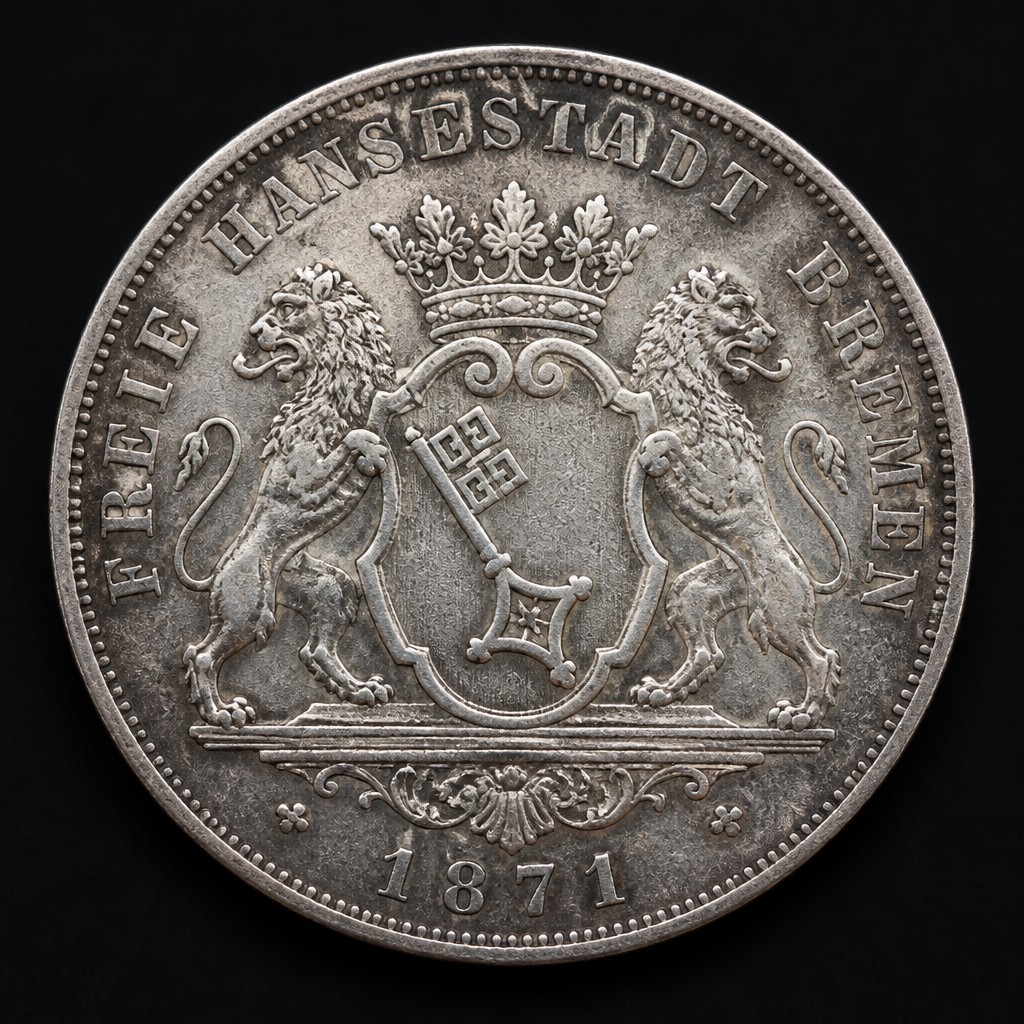
Bremen Thaler
17th century–1871
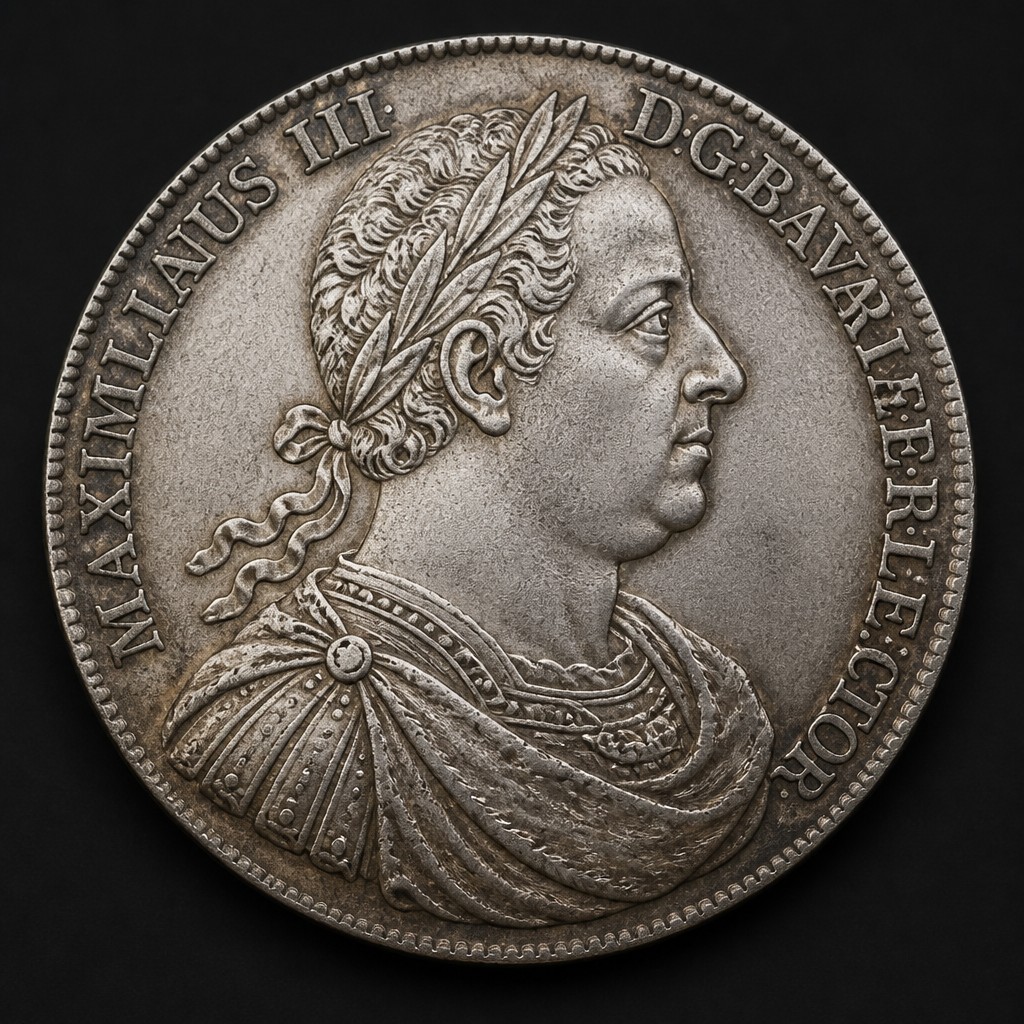
Bavaria Thaler
Circa 1620s-1871
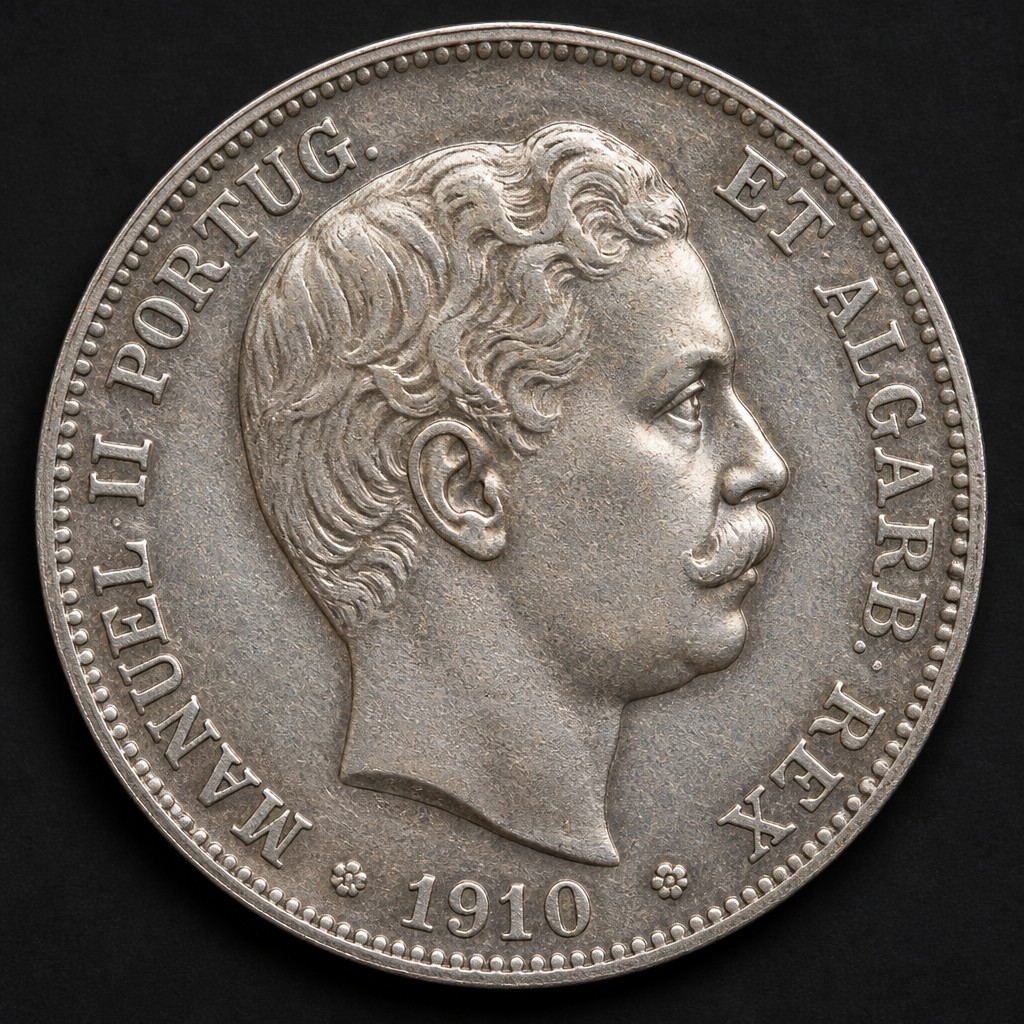
Portuguese 1000 Reis
19th century–1910 (Kingdom period)
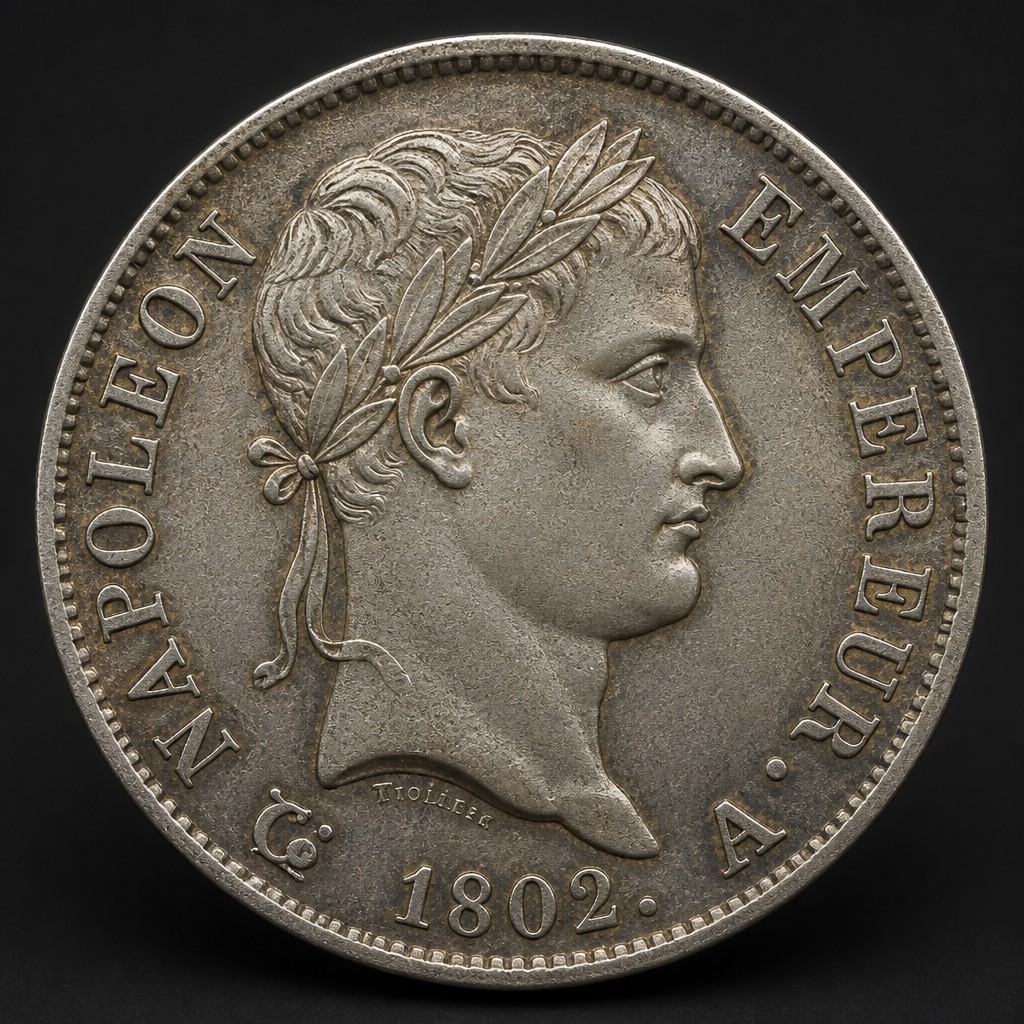
French 5 Francs "Napoleon"
1802–1815
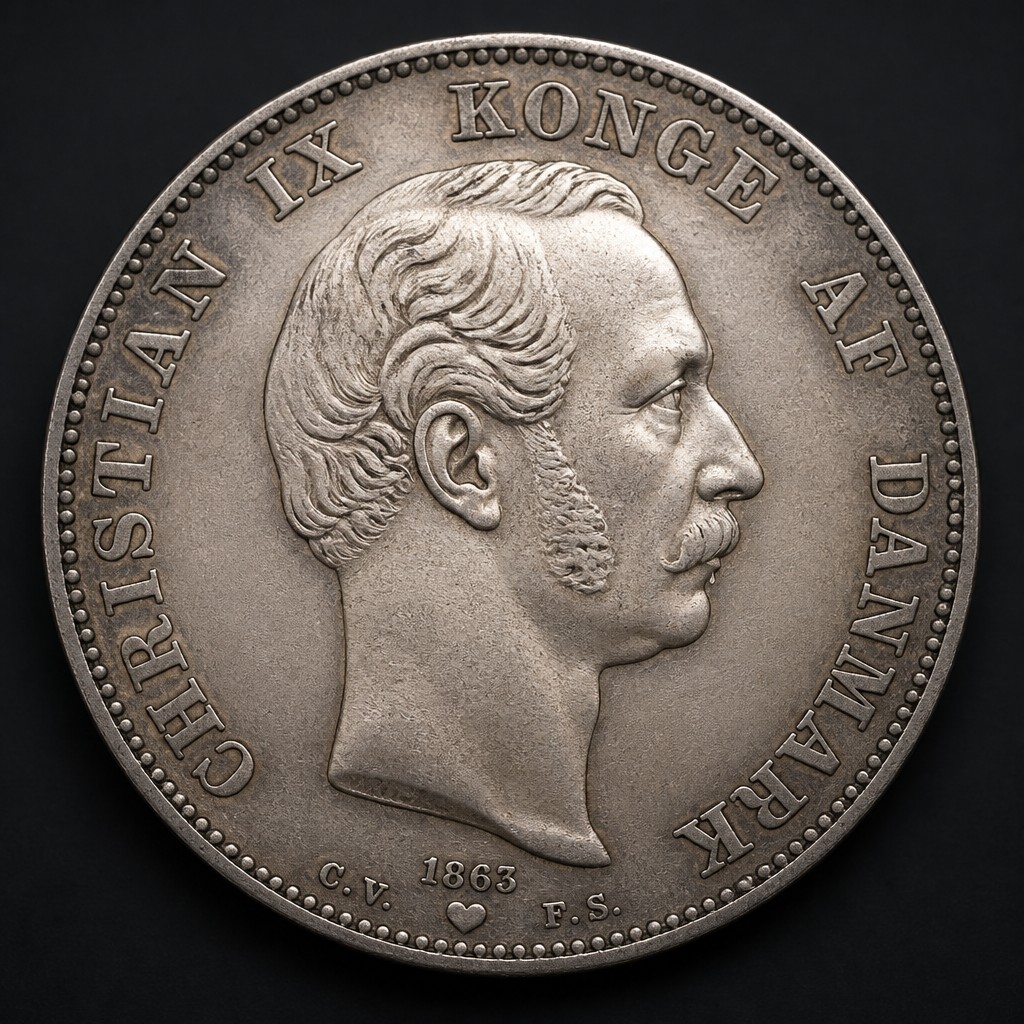
Danish 2 Rigsdaler
19th century (until 1873 currency reform)
Dutch Lion Daalder (Leeuwendaalder)
c. 1575–1713