
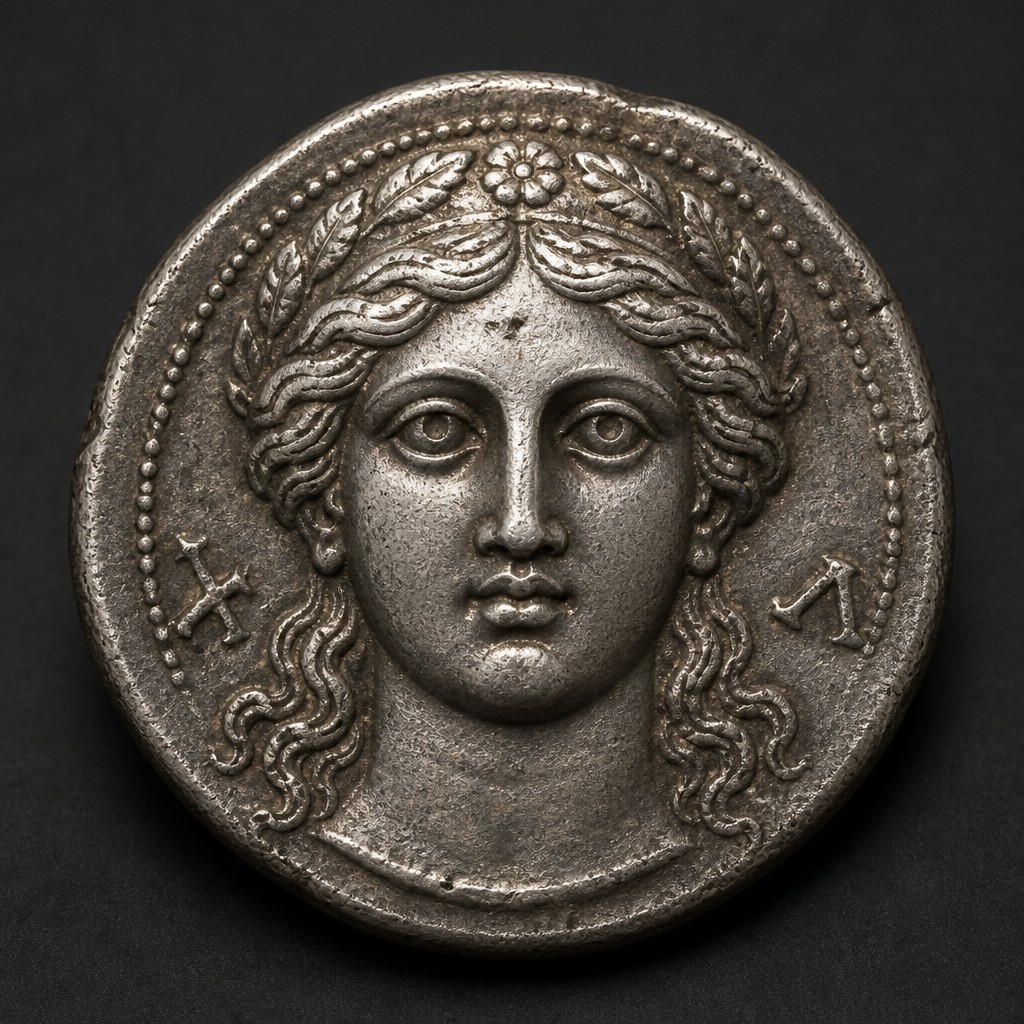
Larissa Nymph Facing Drachm
A celebrated Thessalian silver drachm showing the facing head of the nymph Larissa, considered one of the finest facing-portrait achievements in Greek coin art.
- Country
- Ancient Greece (Larissa, Thessaly)
- Denomination
- Drachm
- Metal
- Silver
Got a coin like this?
Identify any coin from a photo, free.
Overview
The Larissa facing-head drachm ranks among the most admired achievements of Classical Greek coin engraving, a technically demanding three-quarter or full-facing portrait of the nymph Larissa rendered with remarkable softness and naturalism for a medium usually dominated by profile busts. Paired on the reverse with a horse, often shown grazing, rolling, or being bridled, the coin also reflects Thessaly's famous reputation as a land of horse breeders and cavalry.
Collectors of Classical Greek portraiture regard the type alongside other celebrated facing-head coins, such as Kimon's Arethusa at Syracuse, as evidence of the high artistic ambition Greek city-states brought to their coinage during the fourth century BC.
History & Background
Larissa was the principal city of Thessaly, a fertile region in northern Greece long associated with horse breeding and a powerful aristocratic cavalry tradition. The city's coinage flourished particularly in the late fifth and fourth centuries BC, a period of relative prosperity before Thessaly came under increasing Macedonian influence.
The facing nymph head, likely a personification of the city itself or a local water nymph associated with the Peneios river valley, appears on some of the finest dies produced anywhere in the Greek world during this period, reflecting the wealth and artistic patronage Larissa could command. Thessalian independence gradually gave way to Macedonian dominance under Philip II in the mid-fourth century BC, after which the character of local coinage changed.
How to Identify
The obverse shows the head of the nymph Larissa facing the viewer directly or in three-quarter view, with soft, wavy hair often bound by a simple band or falling loosely, rendered with unusual attention to volume and shading for coin engraving of any era. The reverse depicts a horse, in various issues shown grazing with head lowered, rolling on its back, or being restrained or bridled, with the city ethnic ΛΑΡΙΣΑΙΩΝ (or an abbreviation) in the field.
Collectors distinguish individual dies by the precise angle and styling of the facing head, since engravers experimented with subtle variations in the tilt and hair treatment across the series, and by the specific pose of the reverse horse. The facing-head format is notably harder to strike well than a profile bust, so centering and strike quality vary considerably among surviving examples.
Value & Collectibility
Larissa facing-head drachms are highly sought after by collectors of Greek portrait coinage, and prices reflect the difficulty of finding sharply struck, well-centered examples of the demanding facing design. Modest or softly struck pieces can be found for a few hundred to low thousands of dollars, while coins with an exceptionally crisp, well-centered facing portrait can command prices well into the five-figure range at major auctions.
Because the facing-head format is technically difficult to strike evenly across the whole design, even small differences in centering and die state have an outsized effect on both aesthetic appeal and market value compared to many profile-bust Greek coins.
Frequently asked questions
Why is a facing head considered special in Greek coinage?
Facing portraits were far more technically demanding to engrave and strike evenly than the standard profile bust, so successful examples were seen as showcases of the finest die-cutting talent.
Who is the nymph shown on the coin?
She is generally identified as Larissa, the eponymous nymph associated with the city, though some scholars discuss her as a broader personification of the city itself.
Why is a horse on the reverse?
Thessaly, and Larissa in particular, was renowned throughout Greece for horse breeding and its aristocratic cavalry tradition, making the horse a natural civic emblem.
How does this compare to the Syracuse Arethusa coins?
Both are celebrated Classical Greek facing-head types prized for artistic ambition, though they come from different regions (Thessaly versus Sicily) and different engraving traditions.
Other coins you may enjoy
Theodosius I Solidus
379–395 AD
Republican Victoriatus
c. 211–170 BC
Islamic Gold Dinar (Umayyad)
c. 696–750 AD
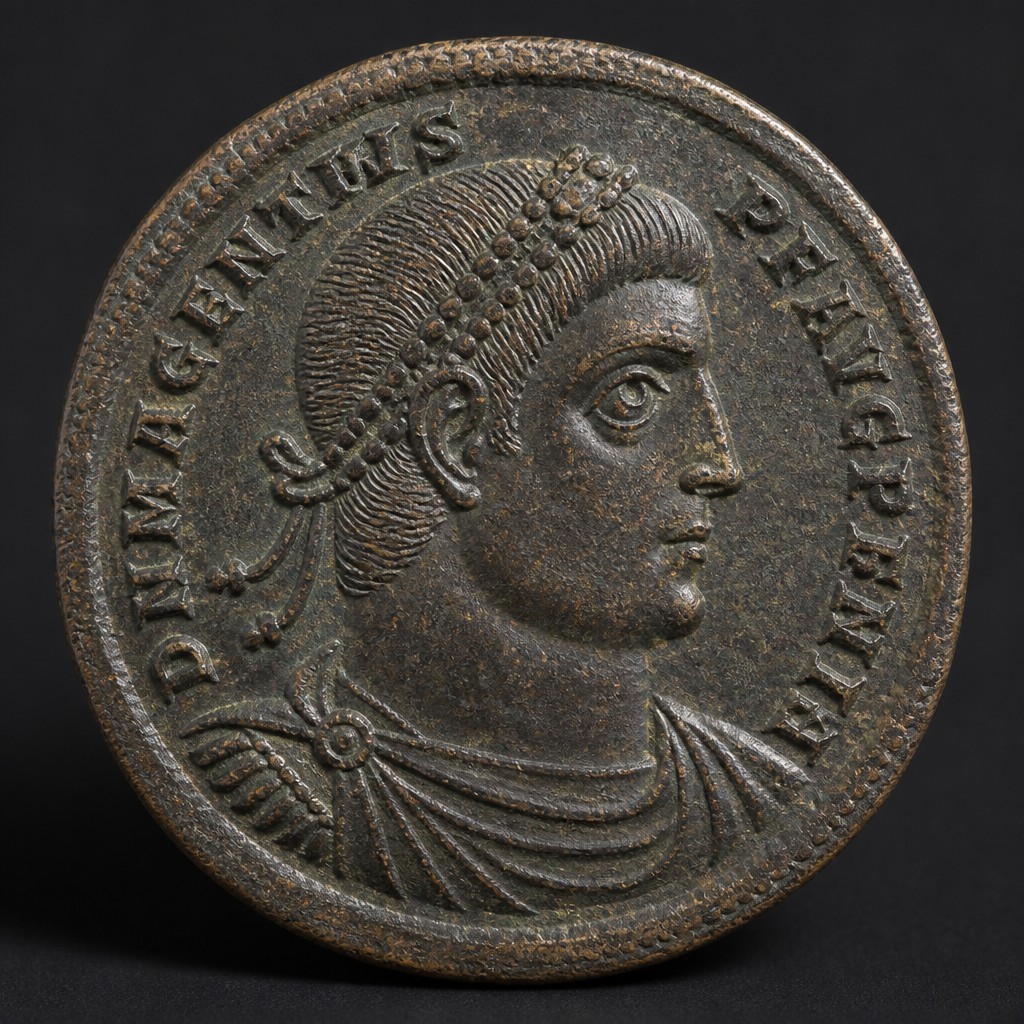
Magnentius Double Centenionalis
350–353 AD
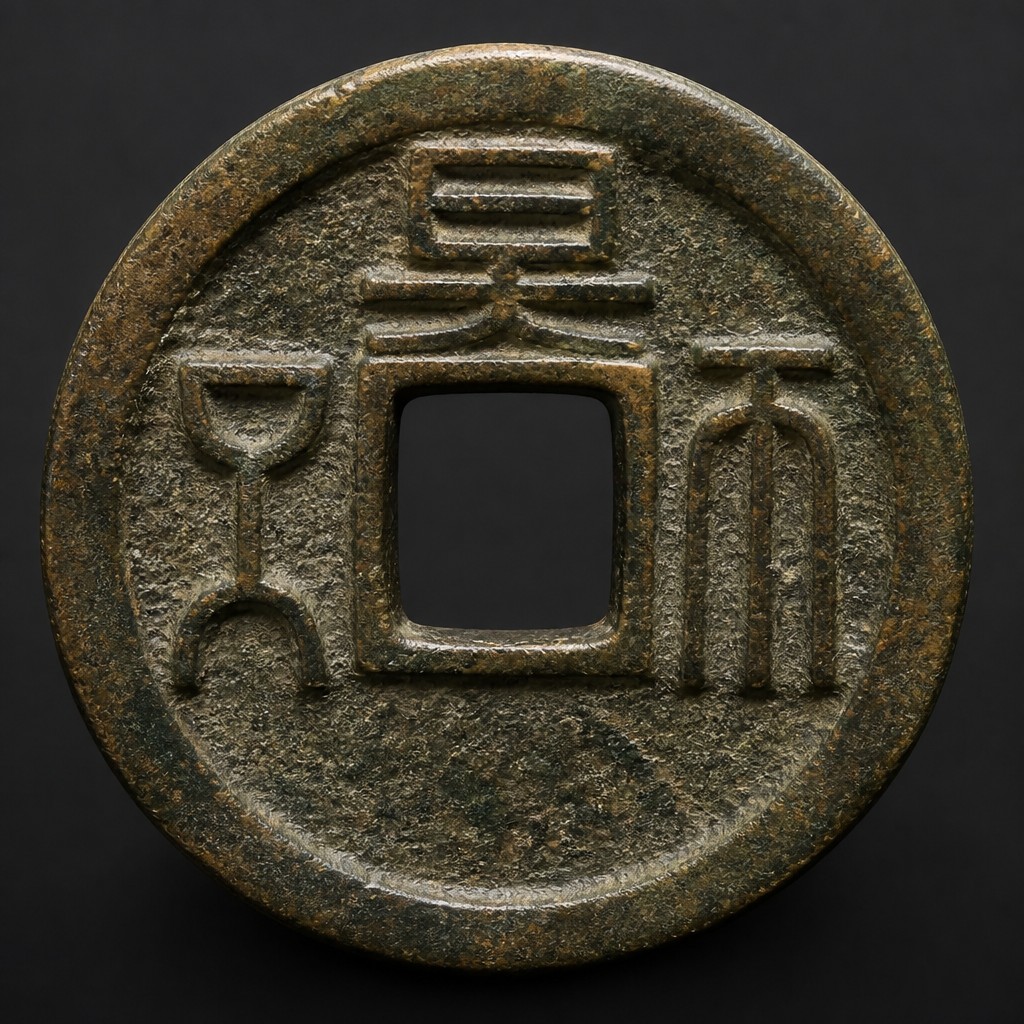
Chinese Wu Zhu Cash
118 BC – 618 AD
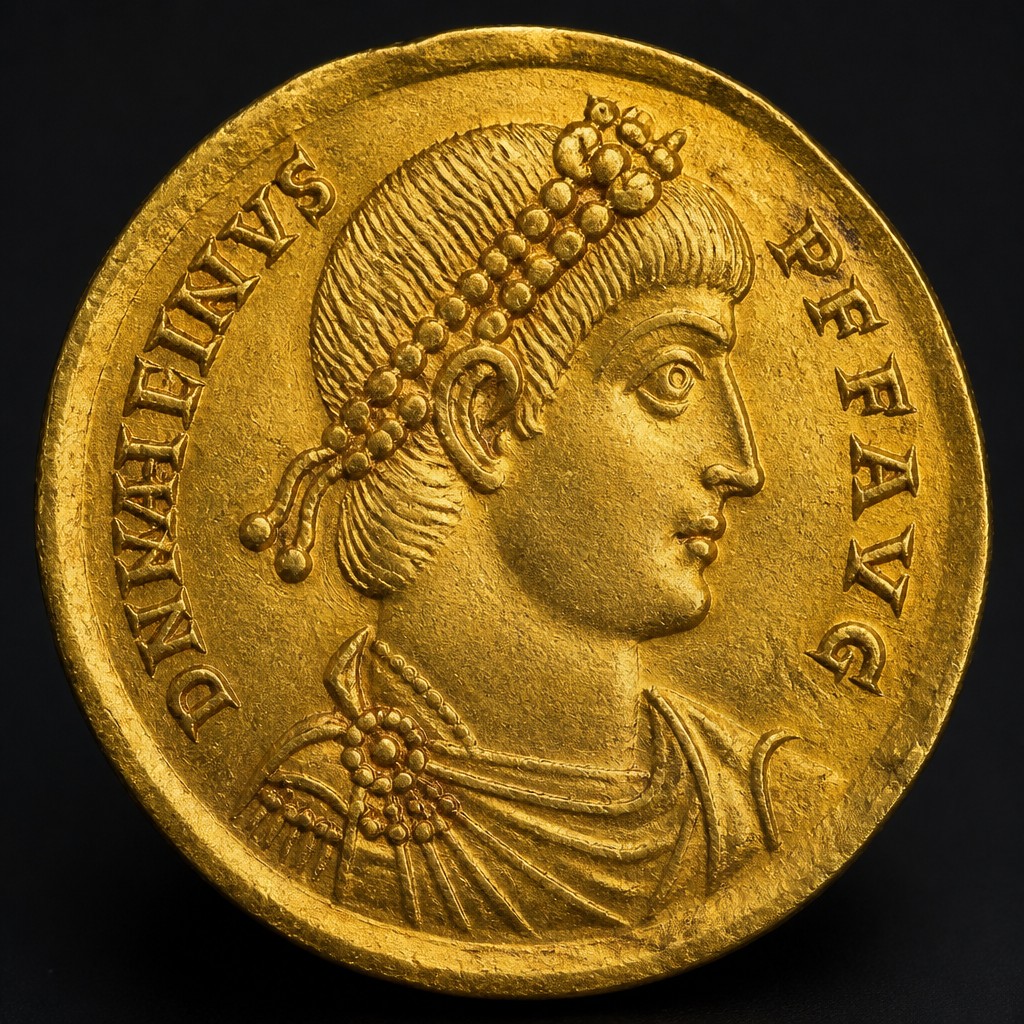
Valentinian I Solidus
364–375 AD
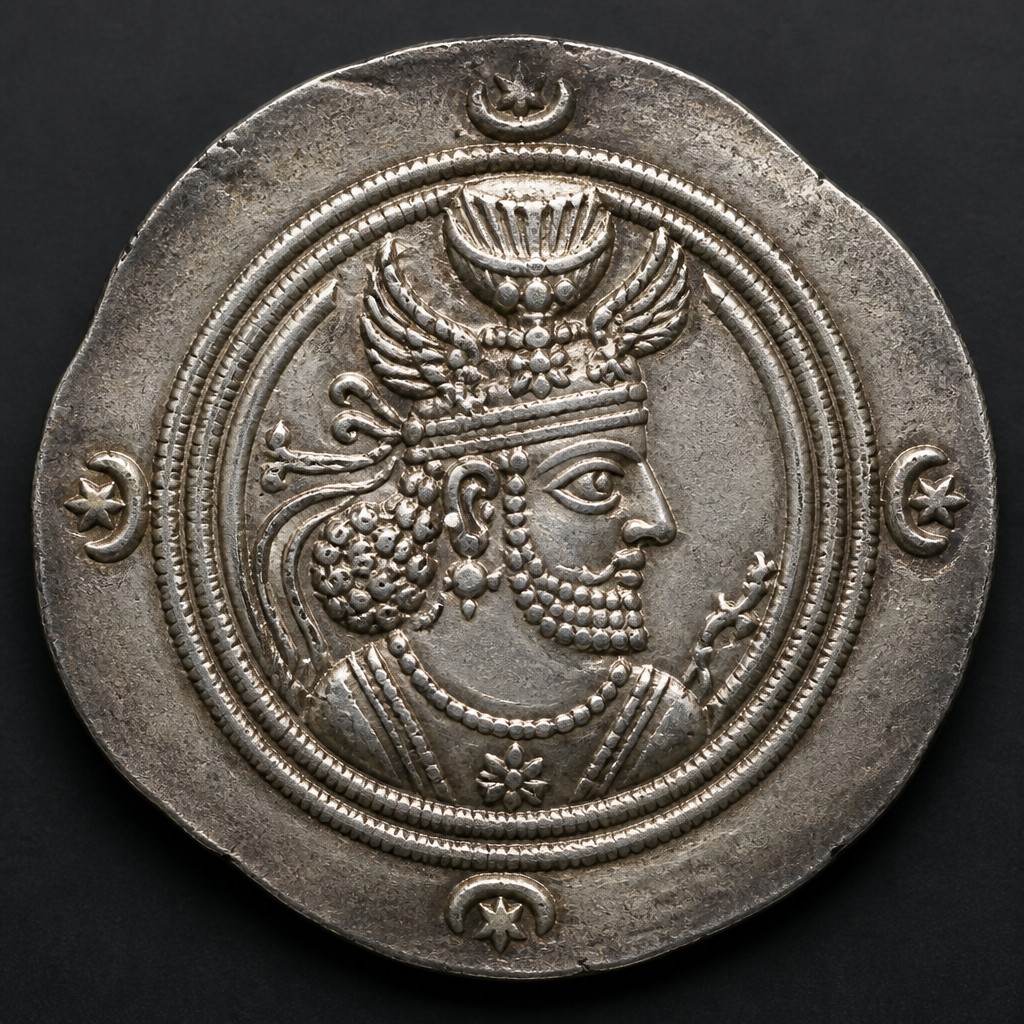
Sassanian Silver Drachm
c. 224–651 AD
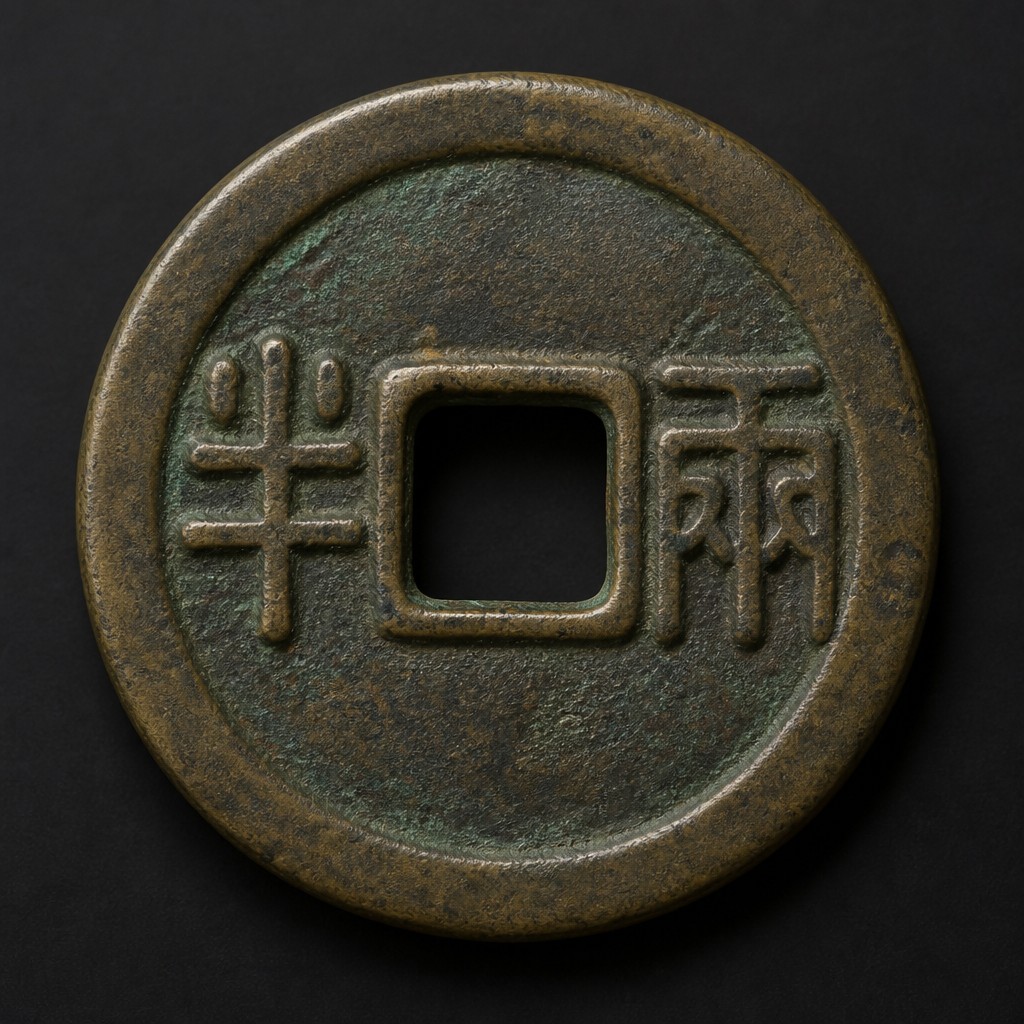
Chinese Ban Liang Cash
c. 221–118 BC
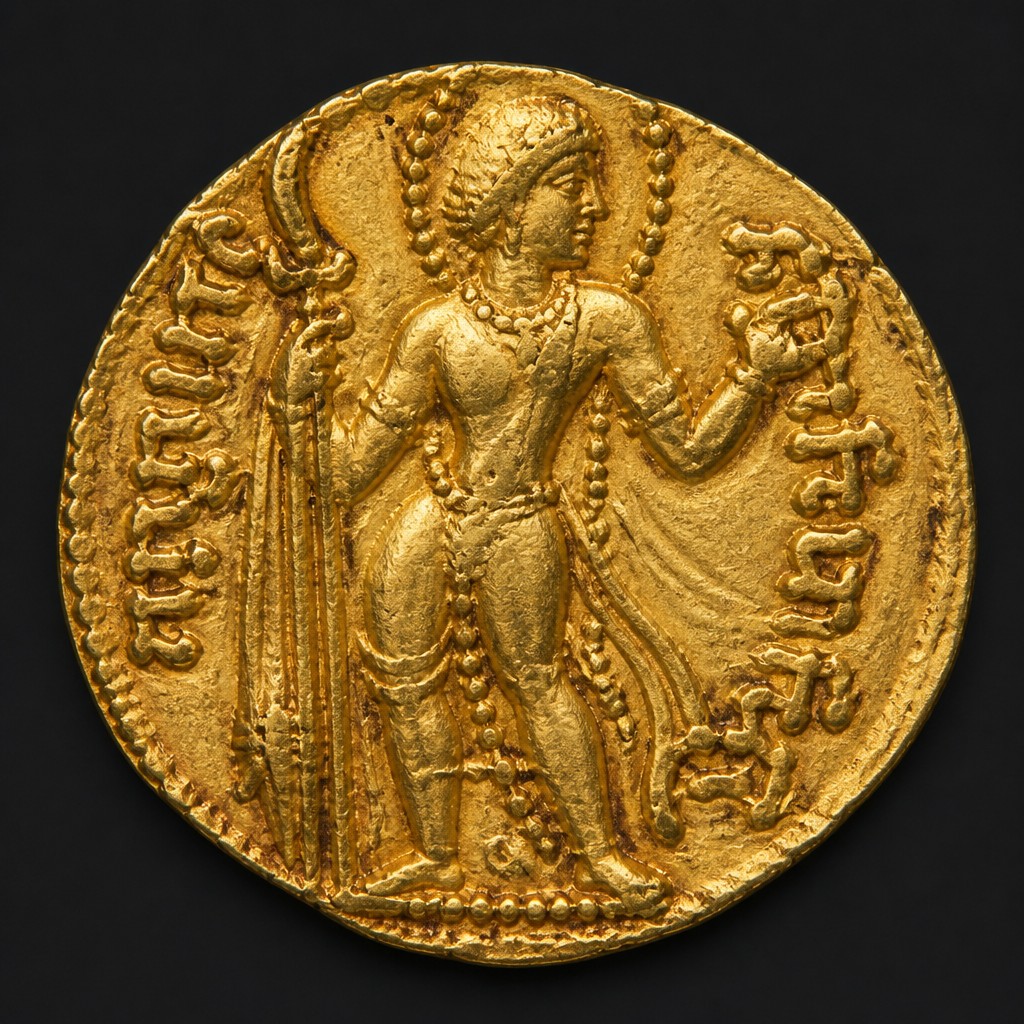
Gupta Empire Gold Dinar
c. 320–550 AD
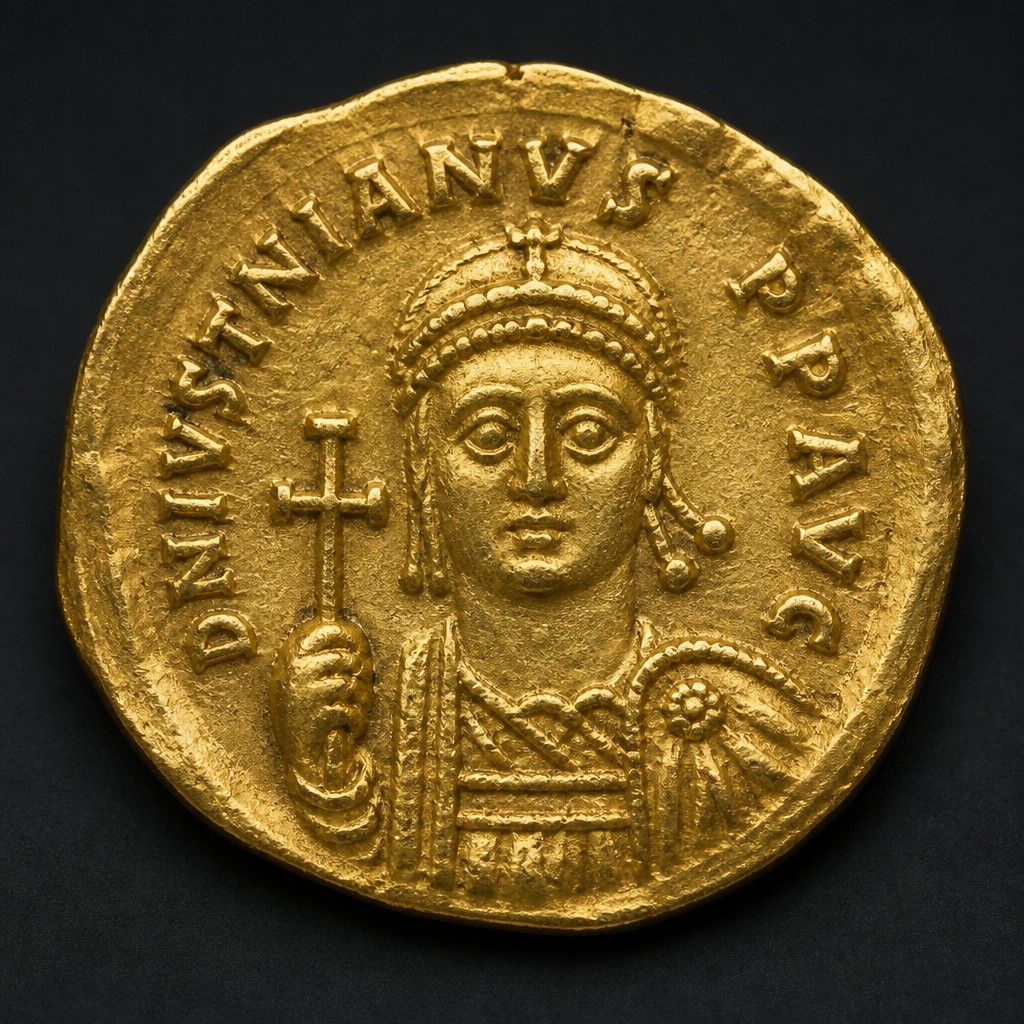
Byzantine Gold Tremissis
c. 4th–7th century AD
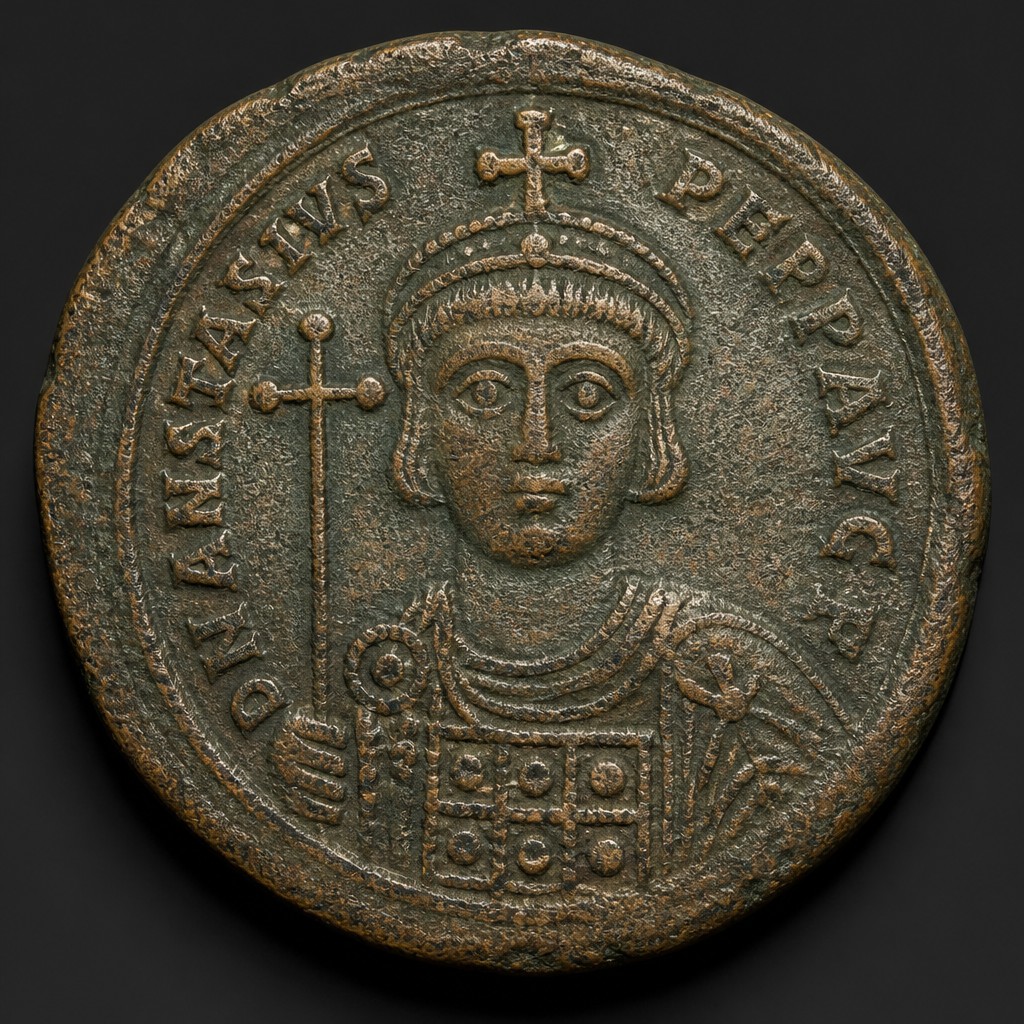
Byzantine Follis
498–c. 11th century AD
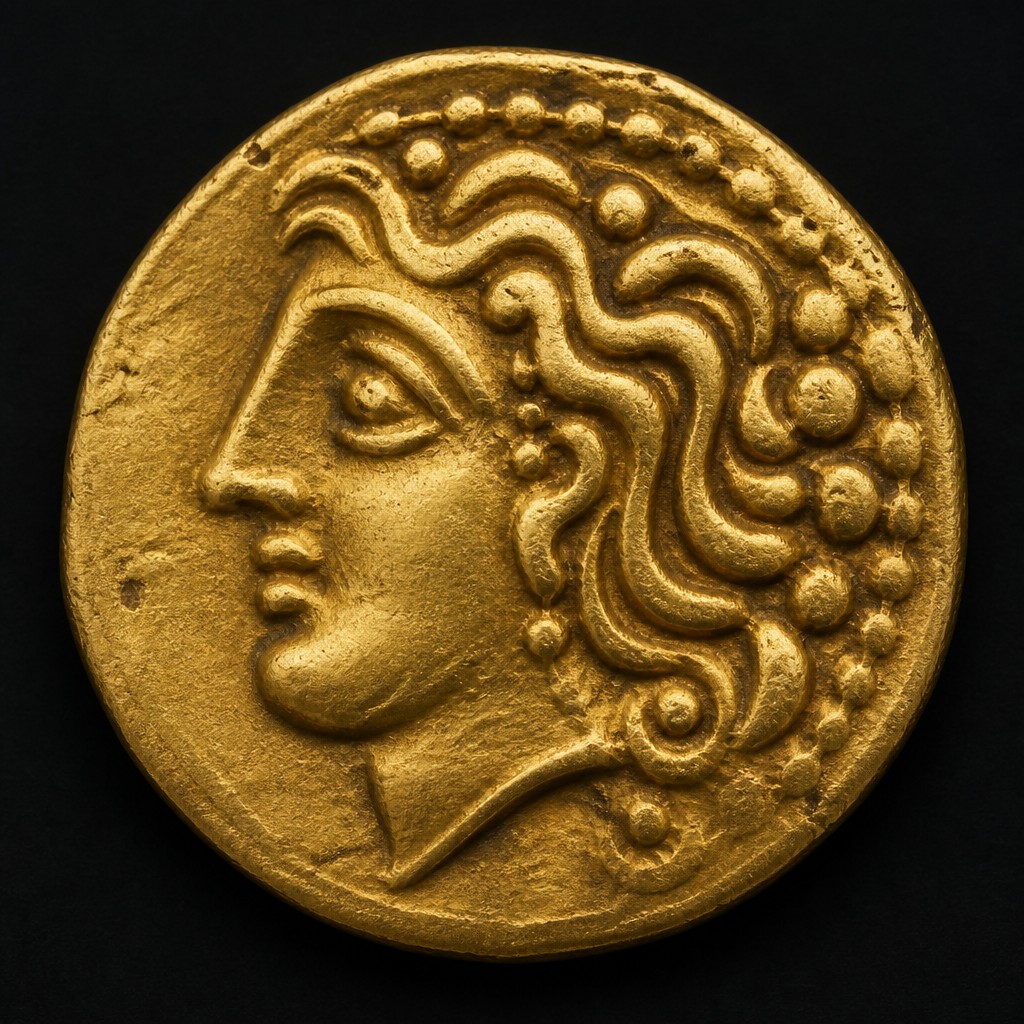
Celtic Gold Stater
c. 3rd century BC – 1st century AD