
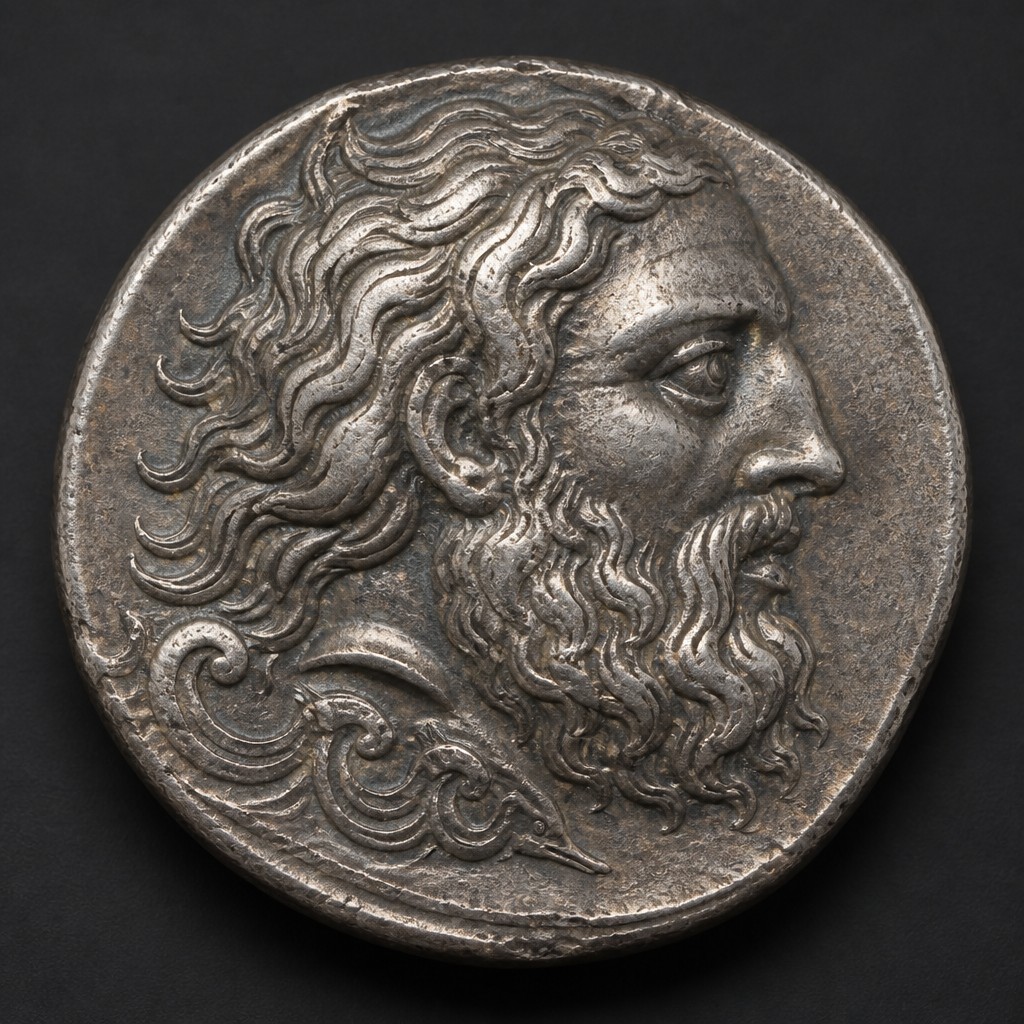
Selinus (Selinunte) River God Tetradrachm
Silver coinage of the Sicilian city of Selinus, notable for depicting the local river god sacrificing at an altar, along with the celery leaf that puns on the city's name.
- Country
- Ancient Greece (Sicily)
- Denomination
- Tetradrachm
- Metal
- Silver
Got a coin like this?
Identify any coin from a photo, free.
Overview
The coinage of Selinus (Selinunte) is among the most narratively rich in Sicilian numismatics, frequently illustrating scenes of the local river god making a sacrifice, sometimes alongside imagery believed to reference the city's efforts to combat malaria by draining marshland, a story tied to the philosopher Empedocles. Its most famous didrachm also carries a punning symbol, the celery leaf (selinon in Greek), directly referencing the city's name.
Collectors value Selinus coinage for its unusually detailed and story-driven scenes, which stand out among the largely portrait-and-symbol format of most Greek city coinages.
History & Background
Selinus was a Greek colony founded by settlers from Megara Hyblaea in the far west of Sicily around the late 7th century BC, one of the westernmost Greek cities on the island and thus in close contact with Carthaginian territory. The city built magnificent temples, several of which survive today as impressive ruins, reflecting its wealth during the Archaic and Classical periods.
Ancient tradition associates Selinus with the philosopher Empedocles, who reputedly helped improve the city's health by draining stagnant marshes that bred disease; some numismatists connect certain Selinus coin types, showing the river god sacrificing with a chicken or other health-related symbols, to this civic memory. Selinus was destroyed by Carthage in 409 BC, an event that ended its independent coinage.
How to Identify
Selinus produced several distinct types over its coinage history. One well-known didrachm shows Apollo and Artemis riding in a slow quadriga on the obverse, with the river god Selinus standing at an altar, pouring a libation, accompanied by a bull and sometimes a cockerel or heron, on the reverse. Later tetradrachm-weight issues show variations on the river-god-and-altar theme, along with the celery leaf symbol punning on the city's name (selinon means wild celery in Greek).
The ethnic ΣΕΛΙΝΟΝΤΙΟΝ or similar spellings identifies the city on most issues. Weights follow the Attic-Sicilian standard typical of the region, with the didrachm around 8.5 grams and larger denominations scaling up accordingly.
Because Selinus coinage includes multiple scene-based types across different denominations, careful attention to the specific figures present (river god, altar, bull, celery leaf) helps distinguish individual issues from one another and from similar river-god types at other Sicilian cities like Gela or Himera.
Value & Collectibility
Selinus coinage is highly regarded for its unusual, detailed compositions, and well-preserved examples, particularly the celebrated Apollo-and-Artemis didrachm, can command strong prices, often into four figures for pieces with good detail and centering. More common or worn fractional pieces are considerably more accessible.
Because the reverse scenes involve multiple small figures and symbols, sharpness of strike and completeness of detail (the altar, the bull, the celery leaf) heavily influence value, with fully detailed, well-centered examples commanding a significant premium over indistinct strikes.
Frequently asked questions
What does the celery leaf symbol mean?
It is a punning reference to the city's name, since selinon is the Greek word for wild celery, a plant that reportedly grew abundantly near the city.
Who is shown making a sacrifice on the reverse?
The figure is the personified river god of Selinus, shown pouring a libation at an altar, often accompanied by a bull and other animals.
Is there a connection to the philosopher Empedocles?
Ancient tradition credits Empedocles with helping drain unhealthy marshes near Selinus, and some scholars link certain coin symbols to this civic memory of restored health.
When did Selinus stop minting coins?
Its independent coinage ended after the city was destroyed by Carthage in 409 BC.
Other coins you may enjoy
Theodosius I Solidus
379–395 AD
Republican Victoriatus
c. 211–170 BC
Islamic Gold Dinar (Umayyad)
c. 696–750 AD
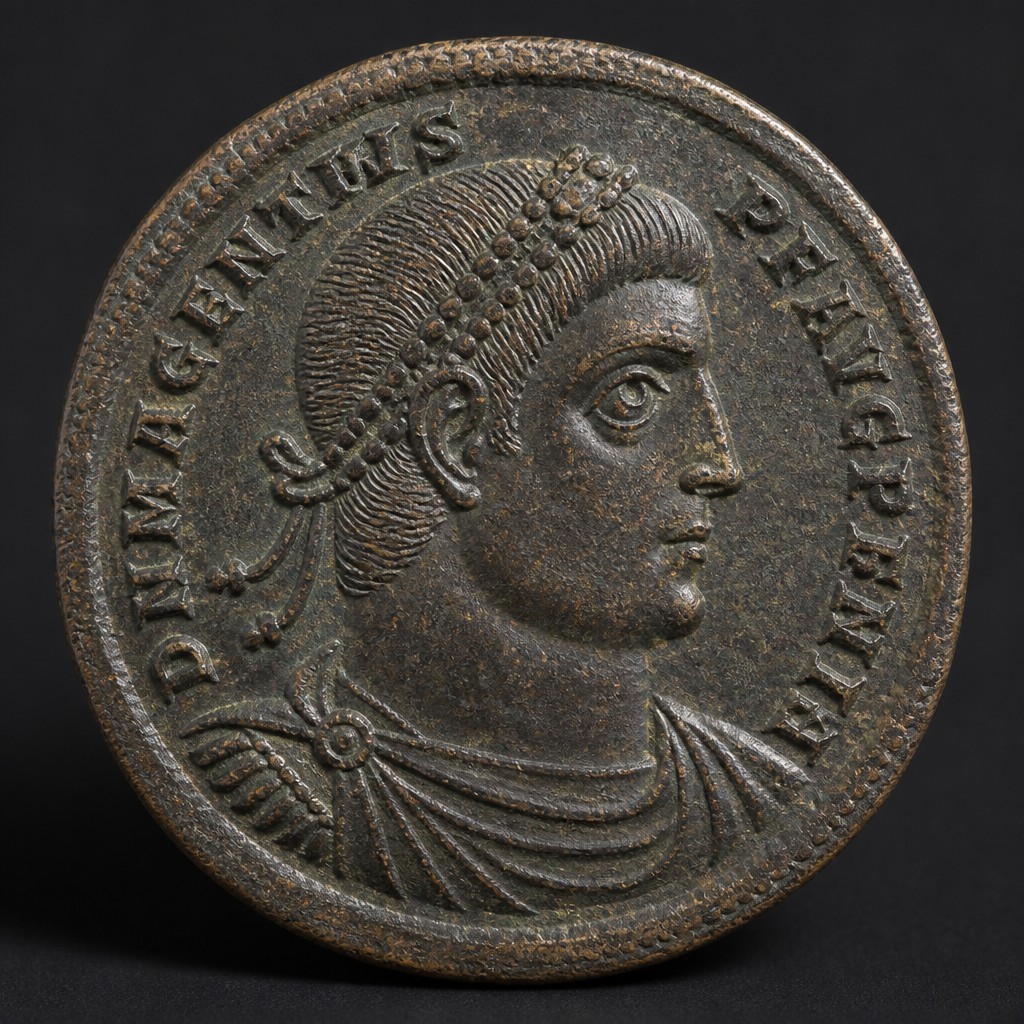
Magnentius Double Centenionalis
350–353 AD
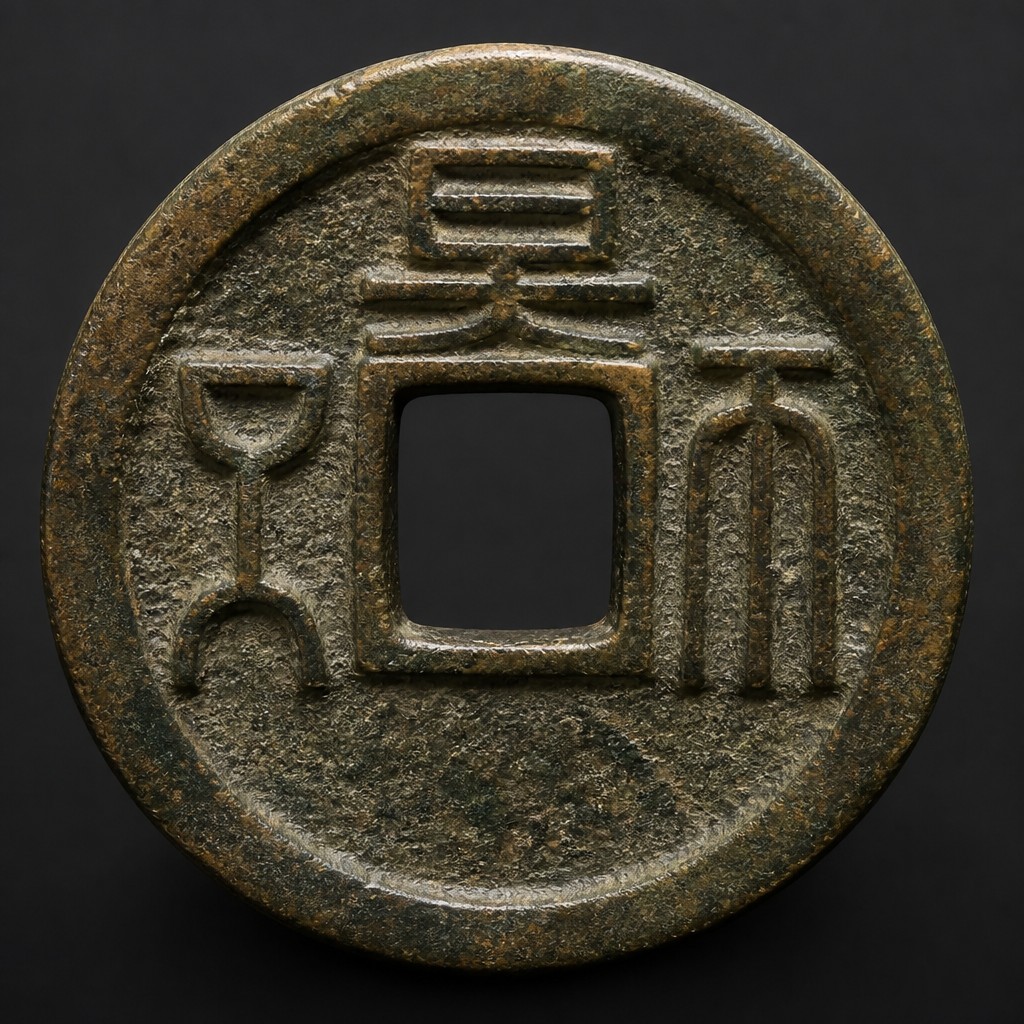
Chinese Wu Zhu Cash
118 BC – 618 AD
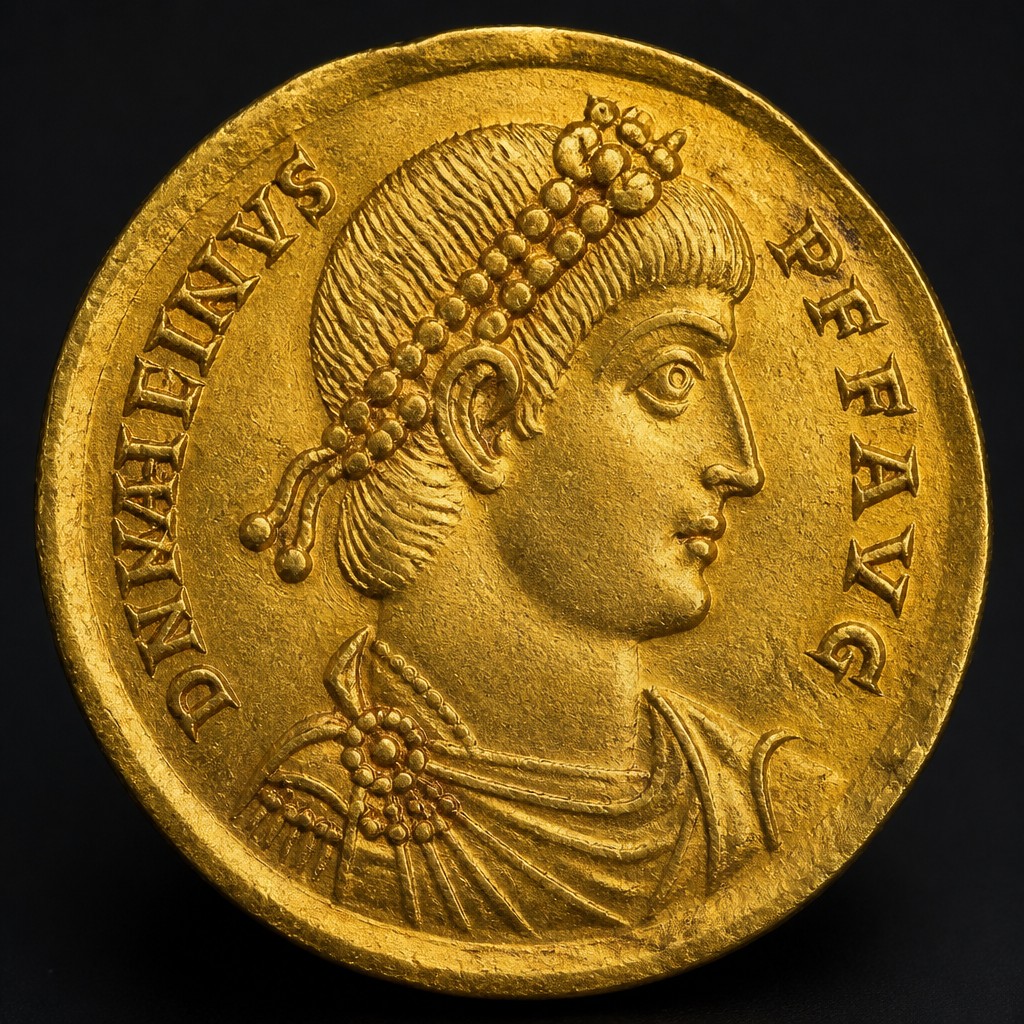
Valentinian I Solidus
364–375 AD
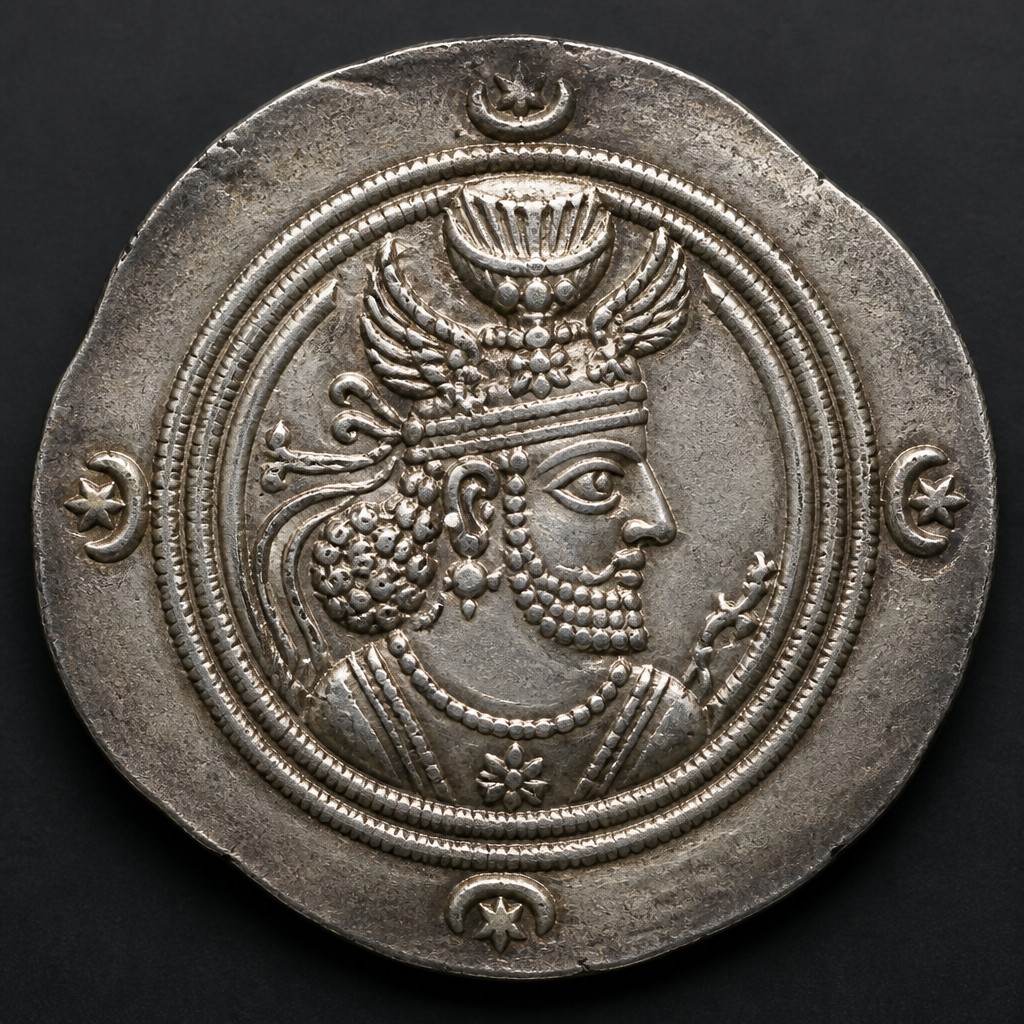
Sassanian Silver Drachm
c. 224–651 AD
Chinese Ban Liang Cash
c. 221–118 BC
Gupta Empire Gold Dinar
c. 320–550 AD
Byzantine Gold Tremissis
c. 4th–7th century AD
Byzantine Follis
498–c. 11th century AD
Celtic Gold Stater
c. 3rd century BC – 1st century AD