
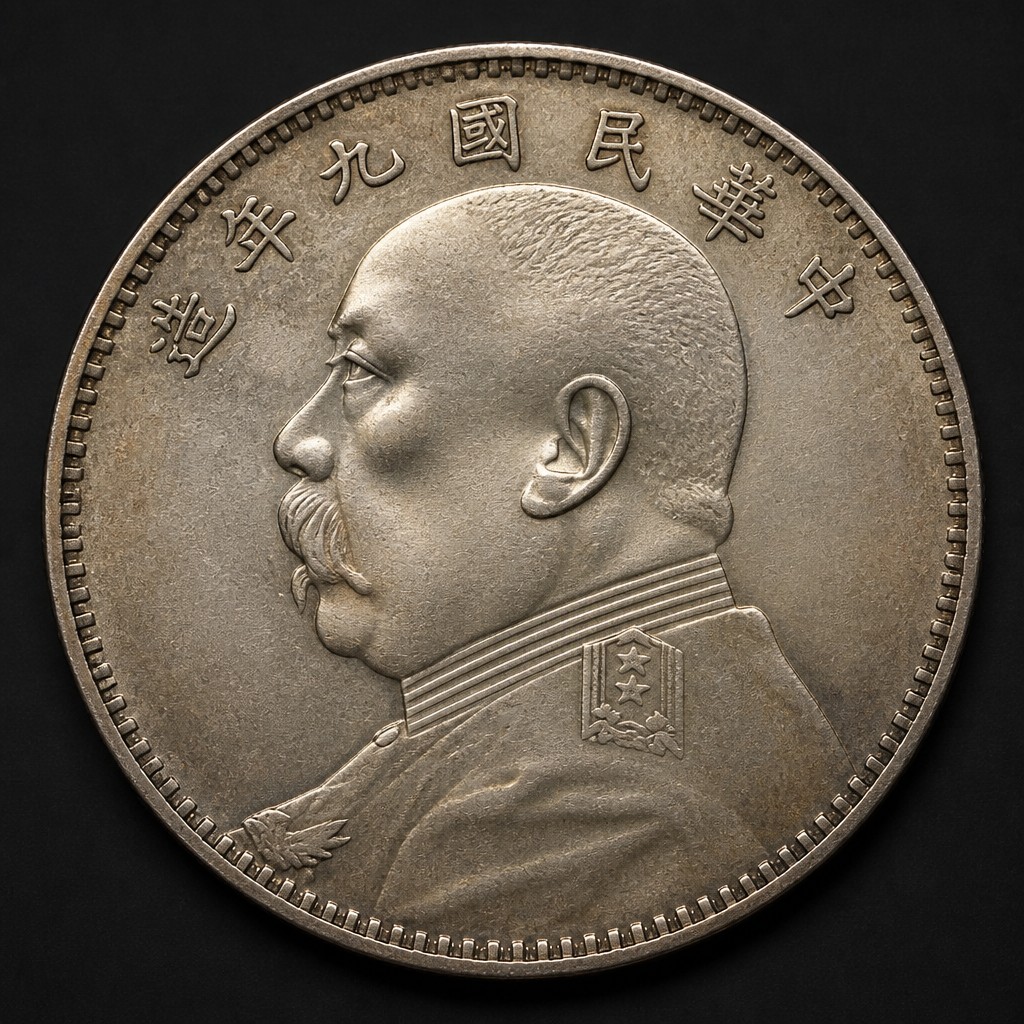
Yuan Shih-kai Dollar ("Fat Man Dollar")
A widely circulated Republic of China silver dollar bearing the portrait of President Yuan Shikai, nicknamed the "Fat Man Dollar" for his rounded features and became China's standard silver coin for years.
- Country
- China (Republic of China)
- Denomination
- 1 Yuan
- Metal
- Silver, approximately .890 fine
Got a coin like this?
Identify any coin from a photo, free.
Overview
The Yuan Shih-kai Dollar, popularly nicknamed the "Fat Man Dollar" among collectors and traders for the stout, rounded appearance of the portrait, was the standard silver dollar of the early Republic of China. Its introduction helped bring a measure of uniformity to Chinese coinage after decades of varied provincial dragon dollars with inconsistent weights and fineness.
Owing to its consistency and broad acceptance, the coin remained in active circulation in China for decades, well beyond its original minting years, and it is one of the most commonly encountered pre-1950 Chinese silver coins in the market today, making it a popular and accessible entry point into Chinese numismatics.
History & Background
After the fall of the Qing dynasty and the establishment of the Republic of China in 1912, President Yuan Shikai's government sought to standardize the country's fragmented silver coinage, which had previously consisted of many differing provincial dragon dollars. In 1914, a new national silver dollar bearing Yuan's own portrait was authorized, intended to serve as a uniform national currency.
The coin proved highly successful and was struck in large quantities through the late 1910s and into the early 1920s, continuing even after Yuan's death in 1916, as it had already become the trusted standard silver unit across much of China. Its long circulation life meant it remained a familiar and dominant form of currency well into the Nationalist era, even as new commemorative and Sun Yat-sen designs were later introduced.
How to Identify
The obverse depicts a right-facing portrait bust of Yuan Shikai in military-style dress, wearing an ornate plumed hat, with a Chinese-character legend identifying him and the year of the Republic above.
The reverse shows crossed flags or, more commonly, a wreath encircling the denomination in Chinese characters ("one yuan"), with grain stalks and a value inscription typical of the design's several date varieties.
The coin is silver, roughly 39mm in diameter, and dates are expressed according to the Republic of China calendar (for example, "Year 3" corresponds to 1914). Collectors distinguish this issue from the later Sun Yat-sen junk dollar primarily by the portrait, and differentiate among Yuan Shih-kai dollar varieties by subtle differences in the numeral of the year and minor design elements on the reverse wreath.
Value & Collectibility
Because millions of Fat Man Dollars were struck and many survive today, common dates in average circulated condition are among the more affordable and accessible classic Chinese silver dollars for new collectors.
Certain dates and die varieties, however, are considerably scarcer and can command significant premiums, and as with all Chinese silver dollars, well-struck, lightly toned uncirculated examples bring substantially more than worn or cleaned coins.
Given the prevalence of counterfeits, particularly for scarcer dates, buyers are encouraged to purchase from reputable dealers or seek third-party grading before paying a premium price for this series.
Frequently asked questions
Why is it called the 'Fat Man Dollar'?
The nickname refers to Yuan Shikai's rounded, stout facial features as depicted on the coin's obverse portrait.
Who was Yuan Shikai?
He was the first formal president of the Republic of China, serving in the years following the fall of the Qing dynasty.
How common is this coin?
It is one of the most commonly encountered pre-1950 Chinese silver dollars due to large original mintages over several years.
How do I read the date on the coin?
Dates are given in years of the Republic of China calendar, so 'Year 3' corresponds to 1914 and so on.
Is this the same coin as the Sun Yat-sen Junk Dollar?
No, they are distinct issues; the Fat Man Dollar bears Yuan Shikai's portrait while the Junk Dollar bears Sun Yat-sen's portrait and a sailing junk reverse.
Yuan Shih-kai Dollar ("Fat Man Dollar") identified by the community
Real coins identified with Coin Identifier.
Other coins you may enjoy
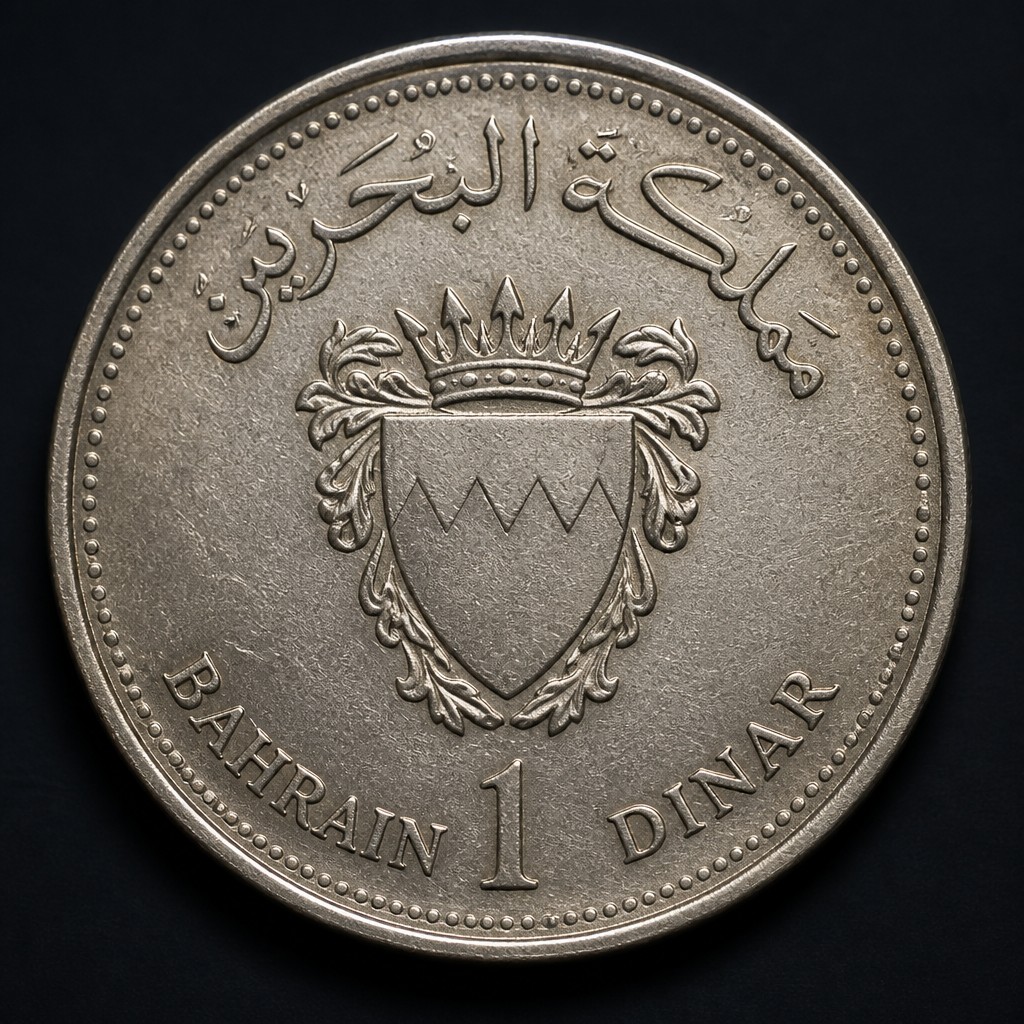
Bahraini Dinar
1965–present
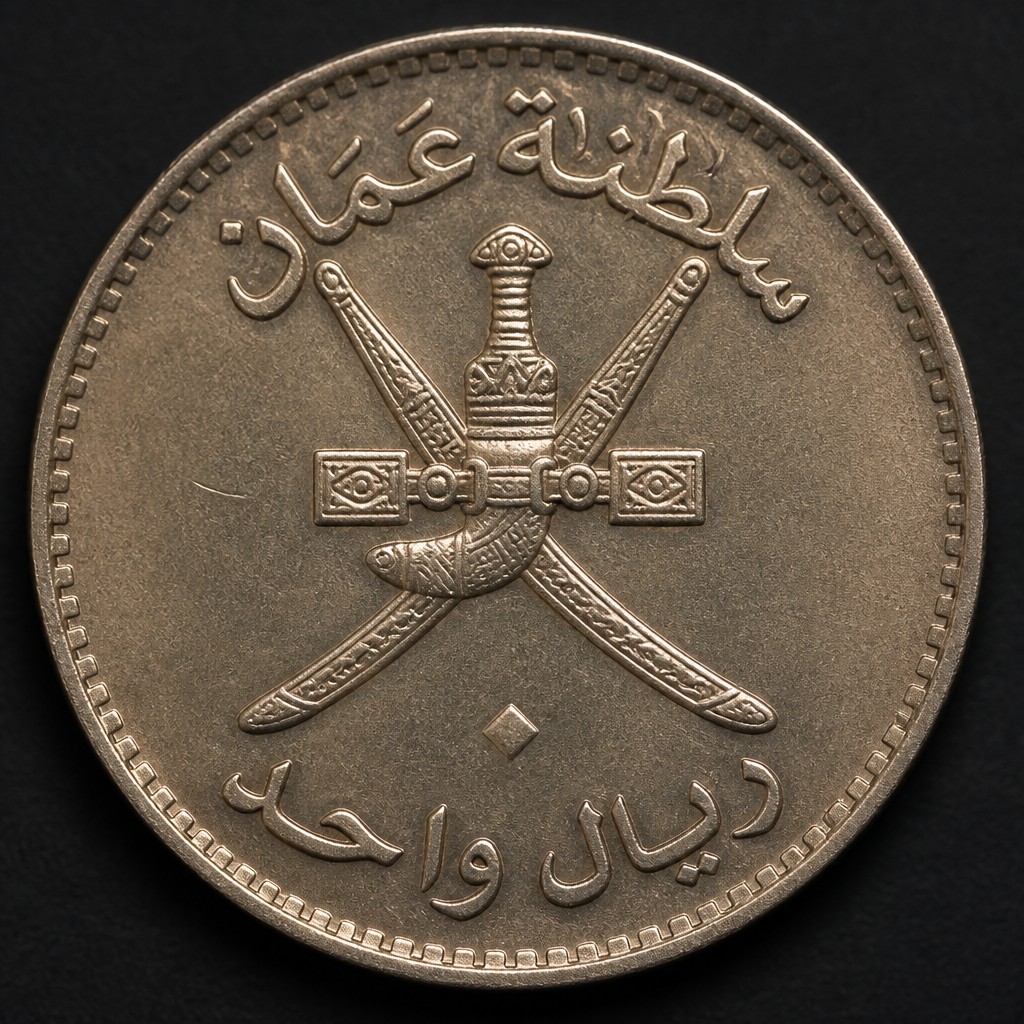
Omani Rial (Baisa Coinage)
1970–present
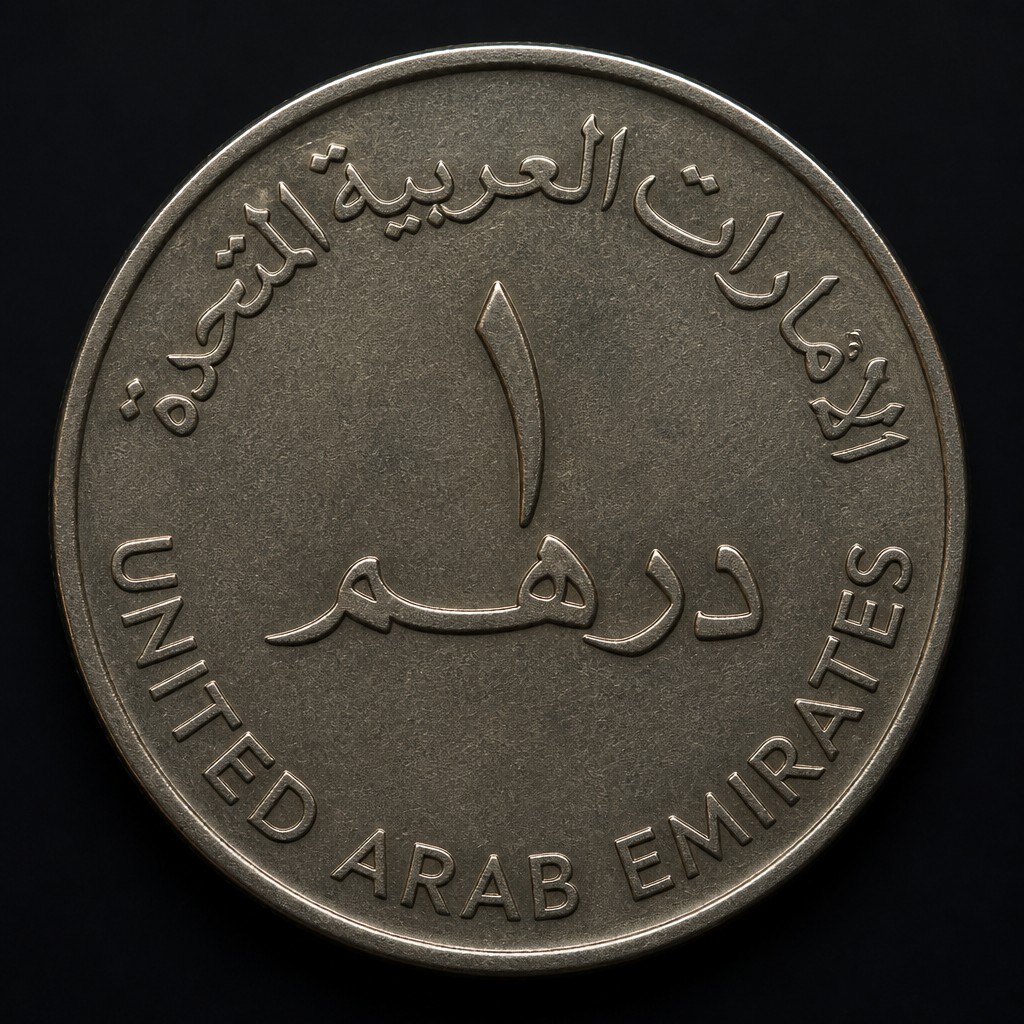
United Arab Emirates Dirham
1973–present
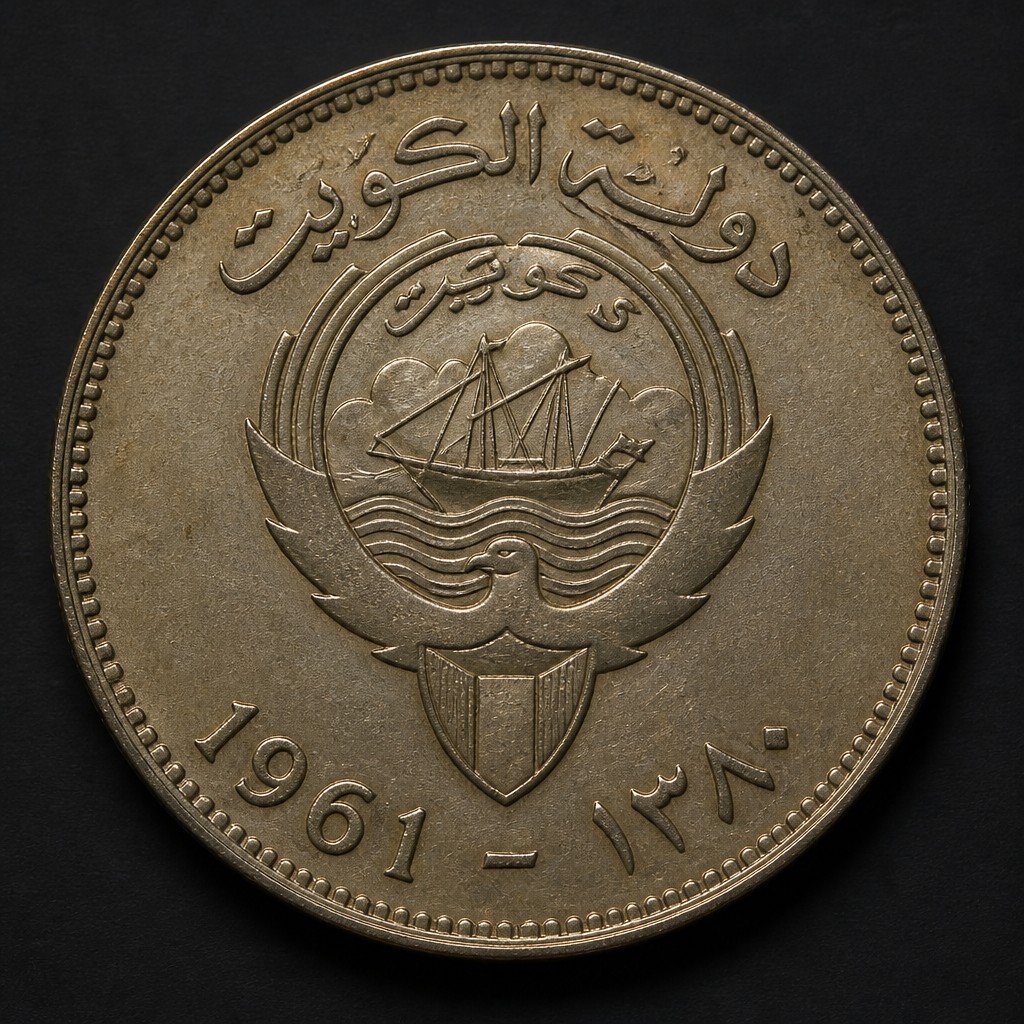
Kuwaiti Fils
1961–present
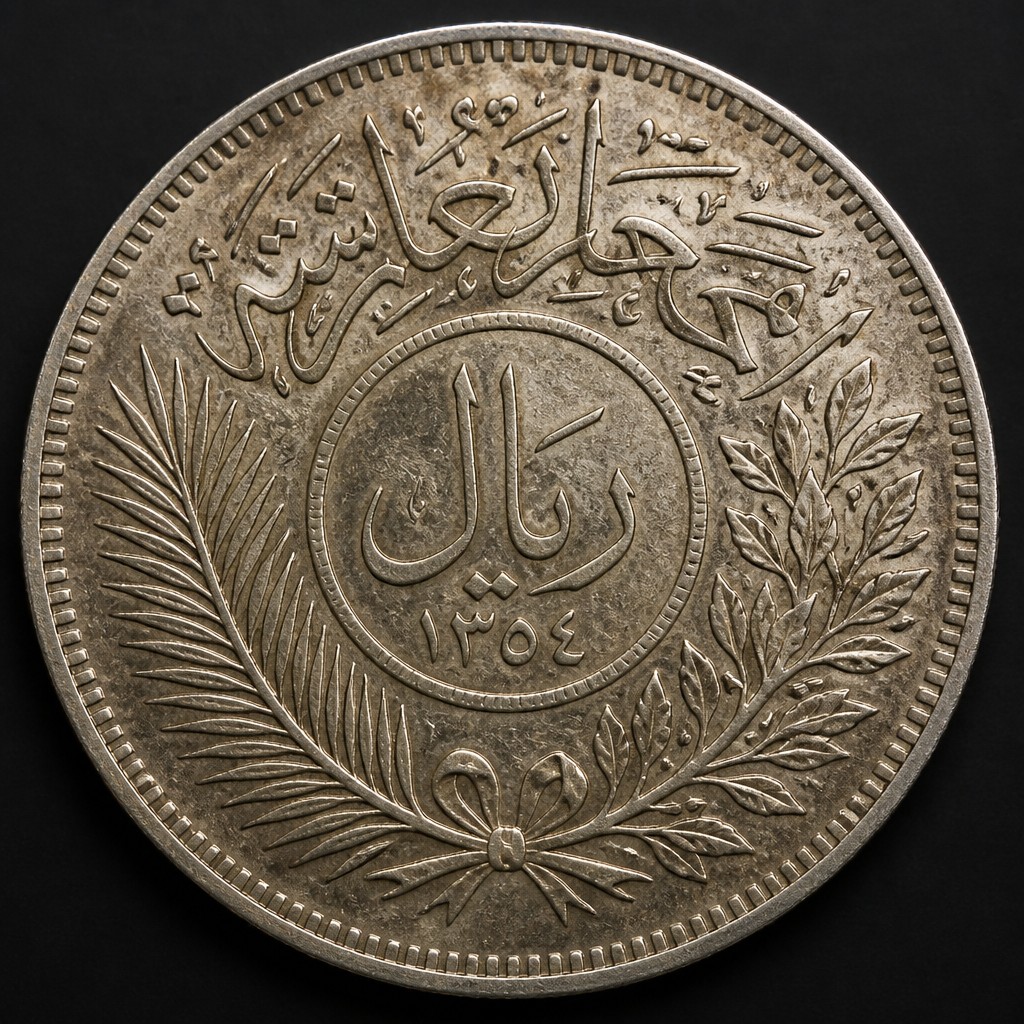
Saudi Arabian Riyal (silver)
1935 (Kingdom-wide standardization) and related issues
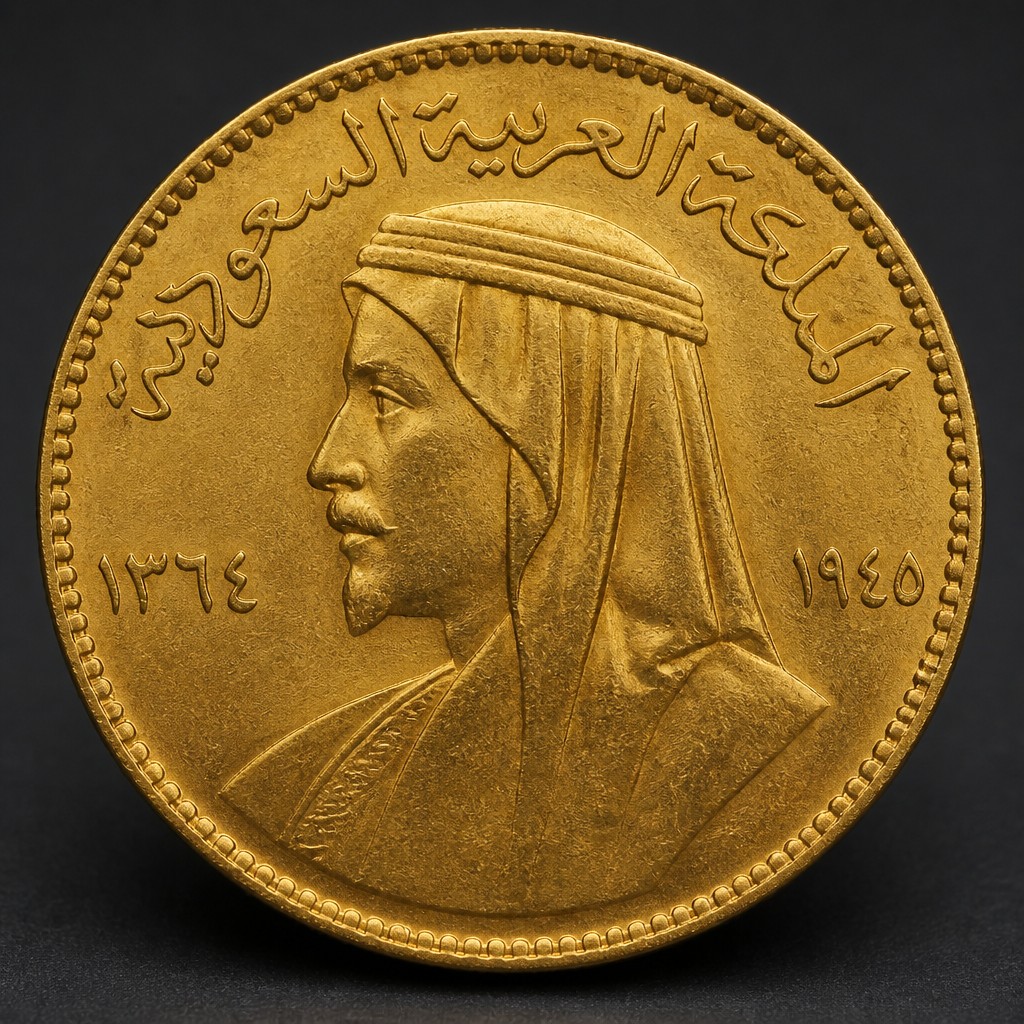
Saudi Arabian Gold Guinea (Sovereign)
1945 and later issues
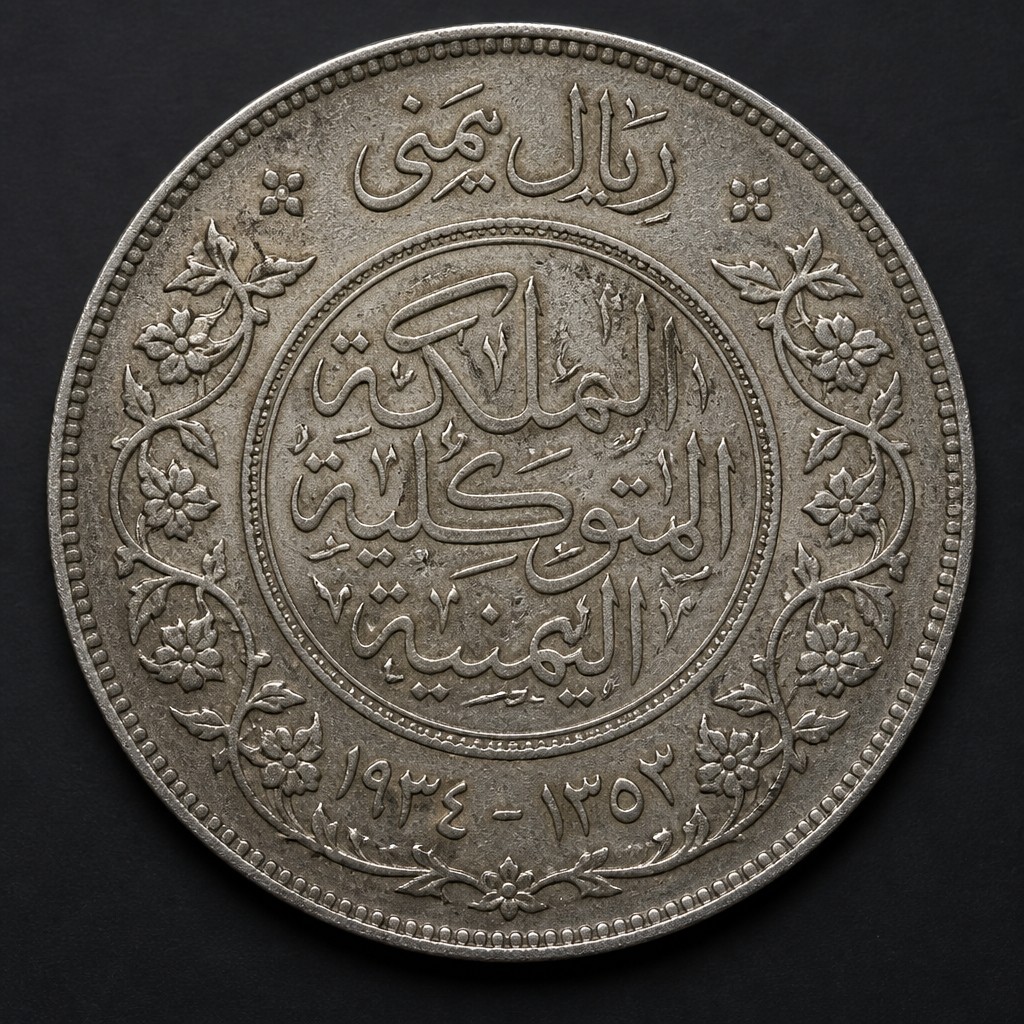
Yemeni Riyal (Ahmadi/Imadi Kingdom Coinage)
Early-to-mid 20th century
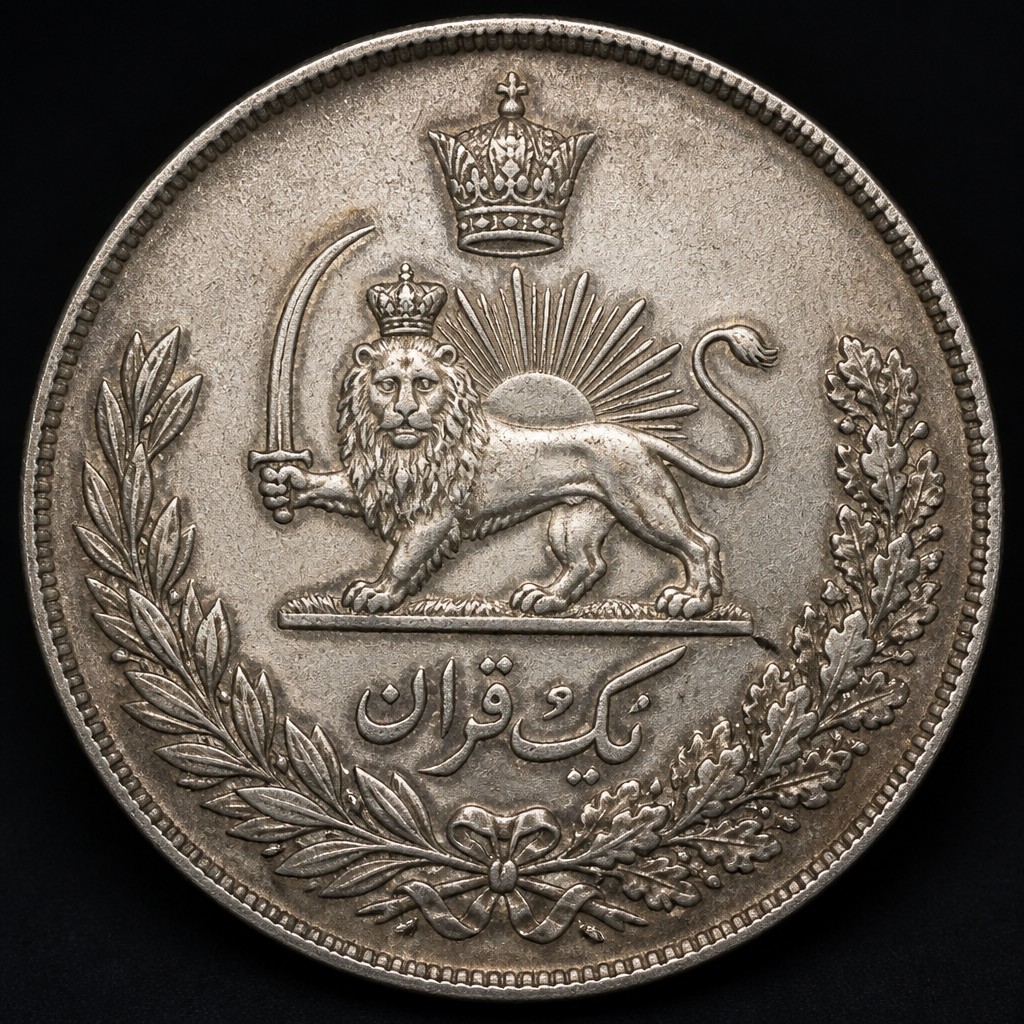
Persian Kran (Qajar silver)
Mid-19th century–1925
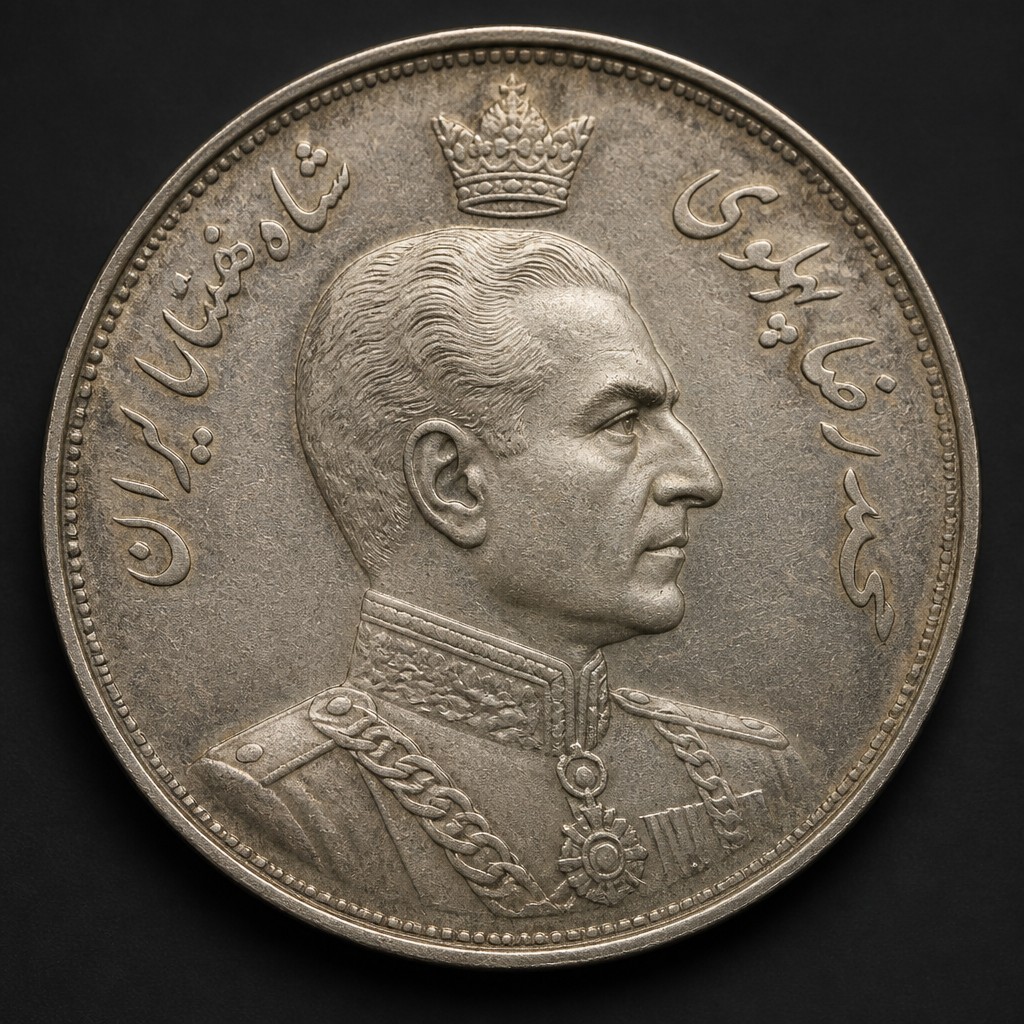
Iranian Rial
1932–present
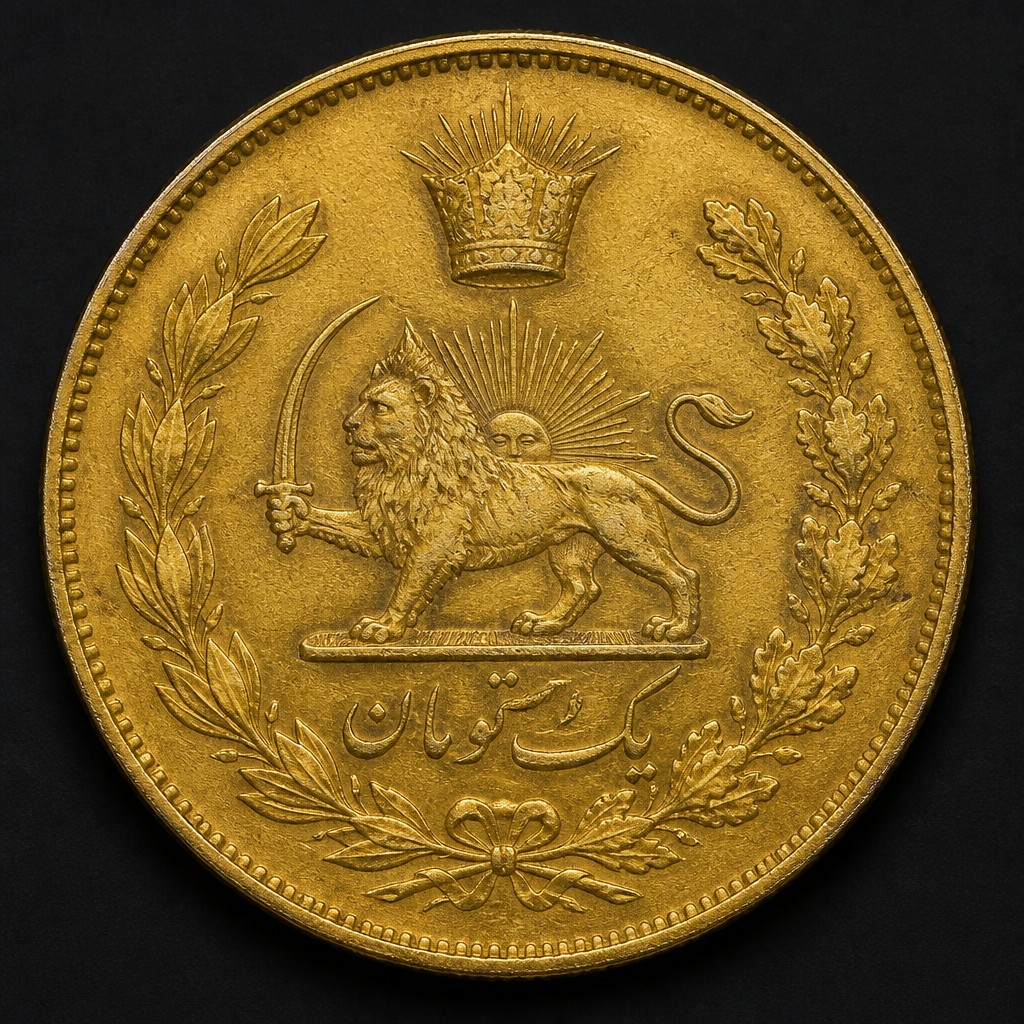
Persian Gold Toman (Qajar)
1796–1925
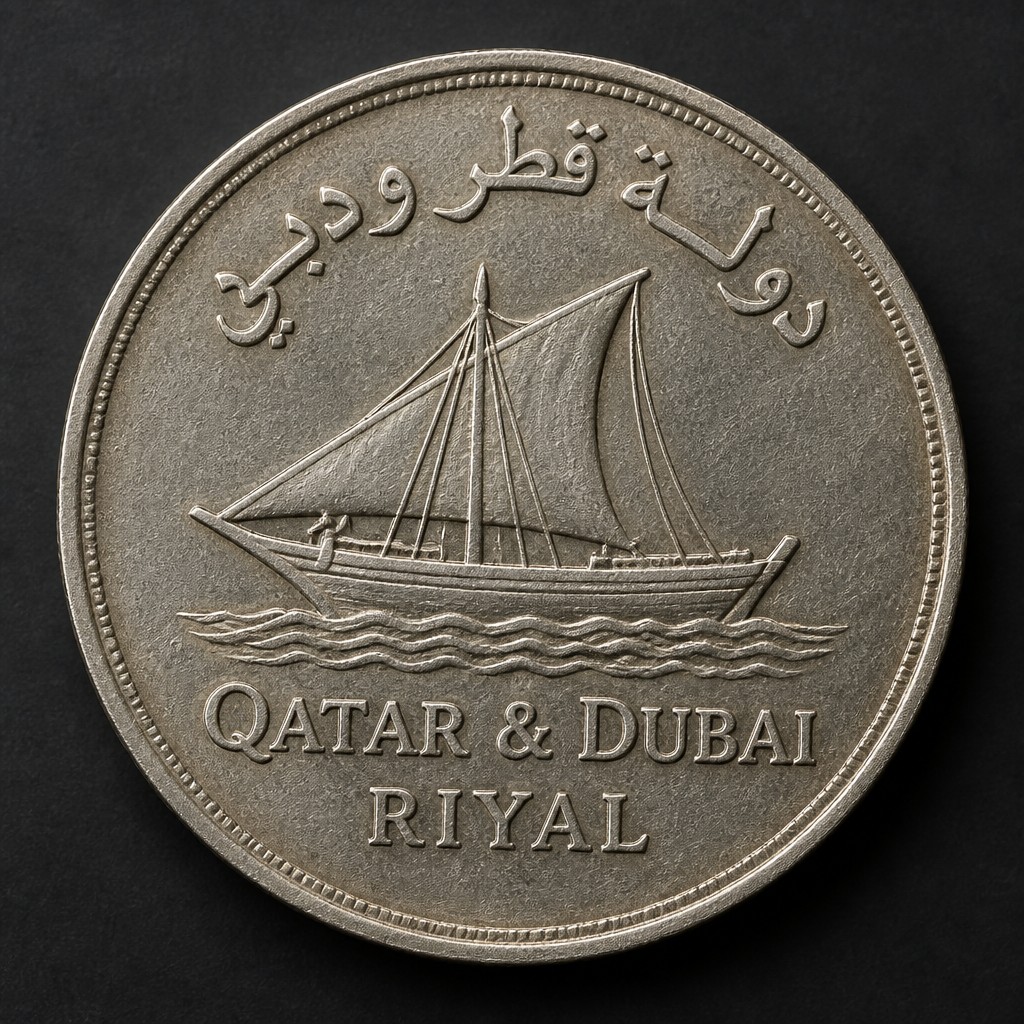
Qatar and Dubai Riyal
1966–1973
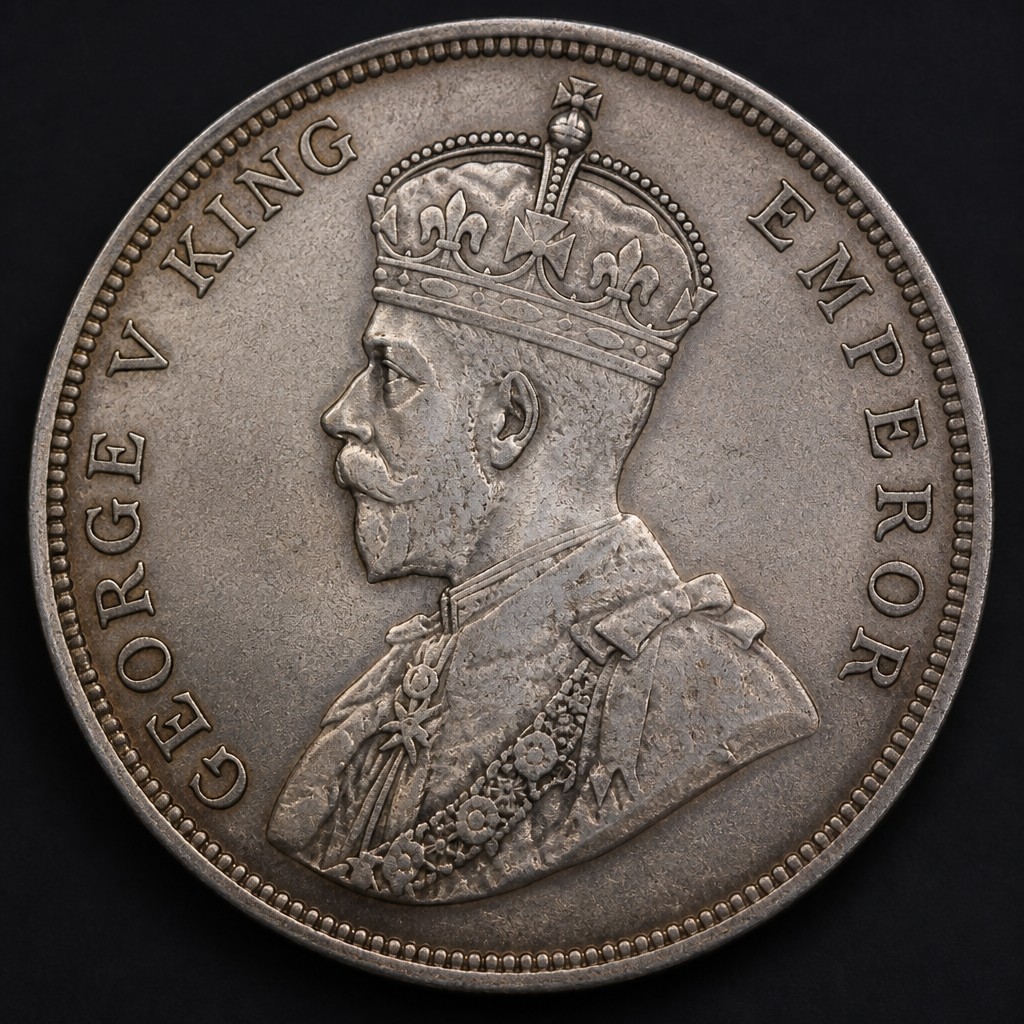
British India Rupee (Silver)
1835–1947