
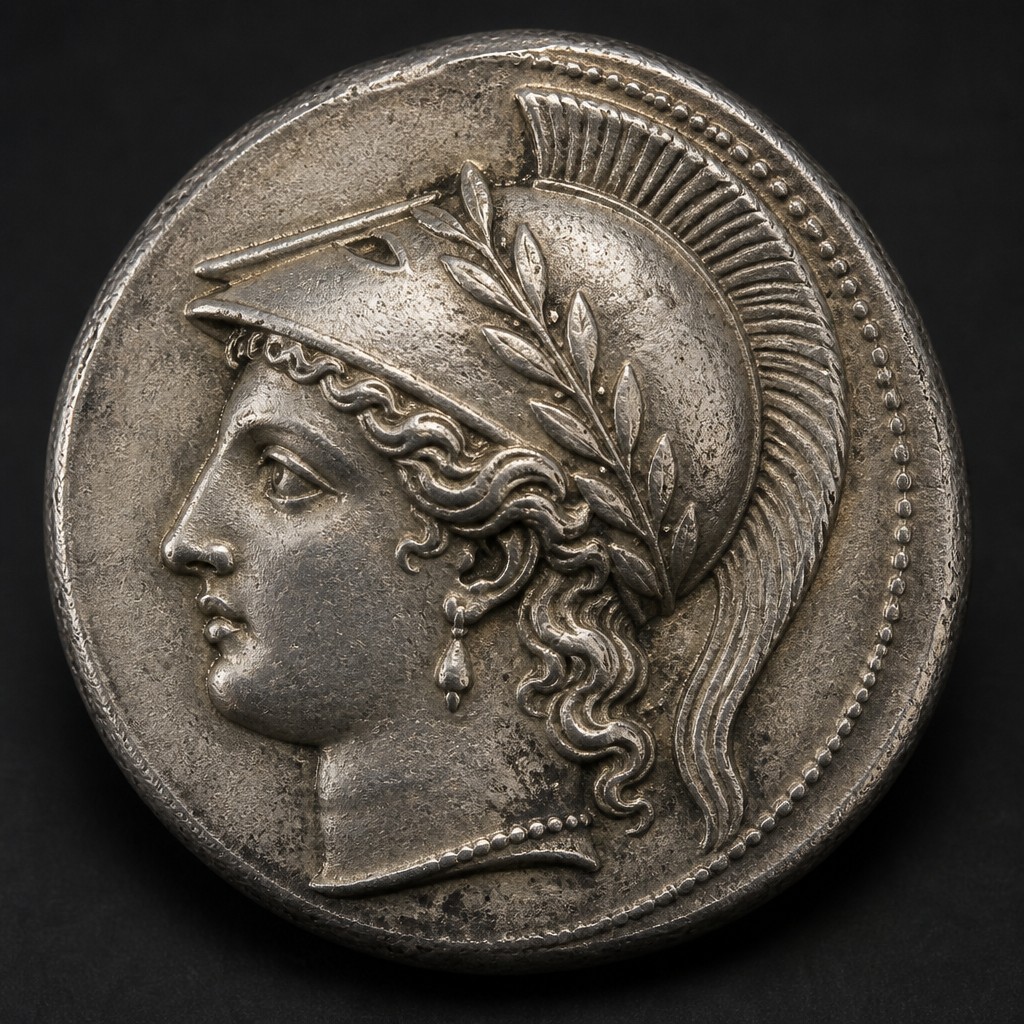
Syracuse Dekadrachm (Kimon)
A magnificent silver dekadrachm from ancient Syracuse signed by the master engraver Kimon, prized as one of the finest achievements of Greek coin art.
- Country
- Ancient Greece (Syracuse, Sicily)
- Denomination
- Dekadrachm
- Metal
- Silver
Got a coin like this?
Identify any coin from a photo, free.
Overview
The Syracuse dekadrachm attributed to the engraver Kimon is widely regarded as one of the artistic high points of ancient Greek coinage. Struck in silver at ten times the value of a standard drachm, it is a large, heavy coin that gave engravers ample space to showcase intricate, almost sculptural detail.
Collectors and art historians alike prize this issue for its bold, frontal depiction of the nymph Arethusa, a daring departure from the profile portraits typical of ancient coinage, along with the dynamic quadriga scene on the reverse. Genuine examples are extremely rare and are considered trophy pieces in ancient numismatics.
History & Background
Syracuse, the wealthiest and most powerful Greek city on Sicily, issued large silver dekadrachms during a period of prosperity and military success in the late 5th century BC, likely connected to celebrations of victories such as the defeat of the Athenian expedition in 413 BC. The engraver Kimon, along with his contemporary Euainetos, is one of the few ancient die-cutters whose name survives, as both men signed some of their dies in tiny lettering.
Kimon's dekadrachms are celebrated for introducing an innovative facing-head portrait of Arethusa, the nymph associated with a freshwater spring on the island of Ortygia at Syracuse, a technically demanding composition that few engravers of the era attempted.
These large silver coins likely functioned partly as prestige pieces or prize money for festivals, alongside ordinary trade use, reflecting Syracuse's status as a major Mediterranean power during the Classical period.
How to Identify
The obverse shows the head of the nymph Arethusa facing nearly frontally, her hair bound with a wreath or ribbon, surrounded by four leaping dolphins that fill the surrounding field; the engraver's signature, KIMΩN, appears in tiny letters, often on the hair band or below the truncation of the neck. The reverse depicts a quadriga, a four-horse chariot, driven by a charioteer, with the goddess Nike flying above crowning the horses or driver, and often a panoply of arms in the exergue below.
The coin is a large, heavy silver piece, considerably bigger and thicker than a standard tetradrachm, with the legend ΣΥΡΑΚΟΣΙΩΝ ("of the Syracusans") typically present. Because of the coin's fame, modern replicas and forgeries exist; distinguishing genuine ancient examples from casts or modern strikes requires careful study of style, weight, and die characteristics, ideally by a specialist in ancient coinage.
Value & Collectibility
Genuine Syracuse dekadrachms by Kimon are among the most valuable and sought-after coins in all of ancient numismatics, with well-preserved examples reaching prices in the tens of thousands to hundreds of thousands of dollars at major auctions, depending on condition, die state, and pedigree. Even lower-grade or lightly worn genuine examples remain expensive due to the coin's rarity and historical importance.
Because of the high stakes involved, buyers strongly favor coins with well-documented provenance and certification or expert authentication from recognized ancient coin specialists, and casts, forgeries, and modern fantasy pieces are unfortunately common in the market for a coin this famous.
Frequently asked questions
Who was Kimon?
Kimon was a celebrated ancient Greek die engraver working in Syracuse, one of the few ancient coin artists whose name is known because he signed some of his dies.
Why is the facing-head design significant?
Depicting a head facing the viewer rather than in profile was technically difficult and artistically bold, making Kimon's dekadrachms landmark achievements in ancient coin engraving.
What does the reverse depict?
A quadriga, or four-horse chariot, with the goddess Nike flying above to crown the charioteer or horses, a common victory motif on Syracusan coinage.
Are these coins commonly available to collectors?
No, genuine examples are extremely rare and typically appear only at major ancient coin auctions, commanding very high prices.
How can I tell a genuine example from a fake?
Because the type is heavily reproduced and forged, expert authentication, weight verification, and provenance research are strongly recommended before any purchase.
Other coins you may enjoy
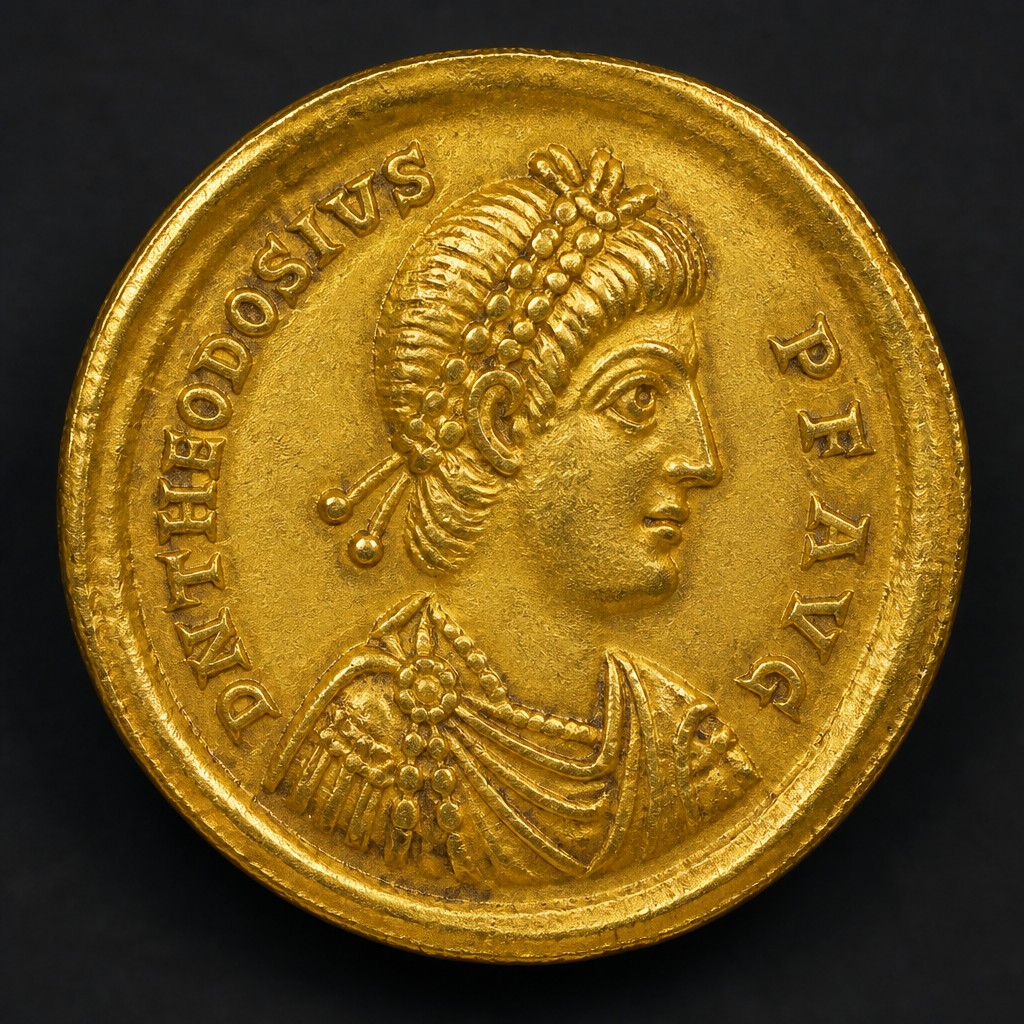
Theodosius I Solidus
379–395 AD
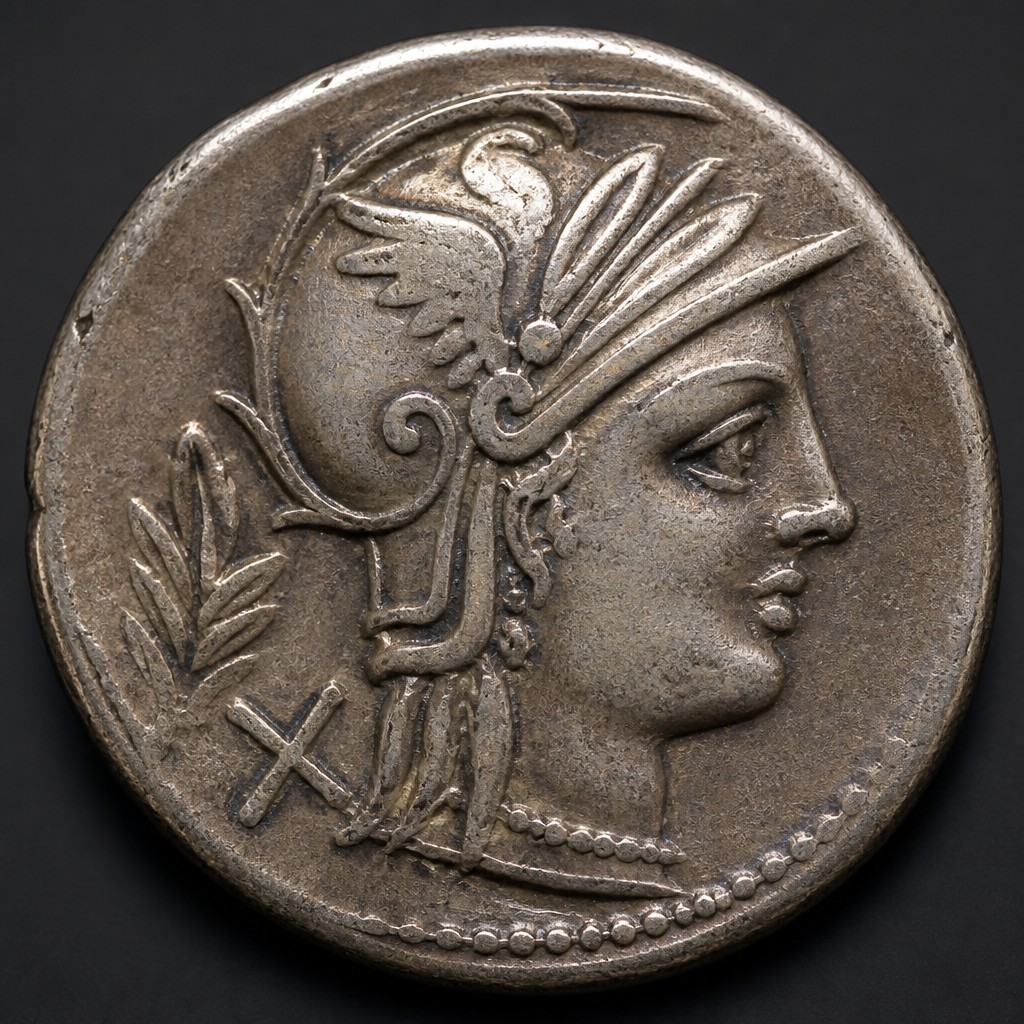
Republican Victoriatus
c. 211–170 BC
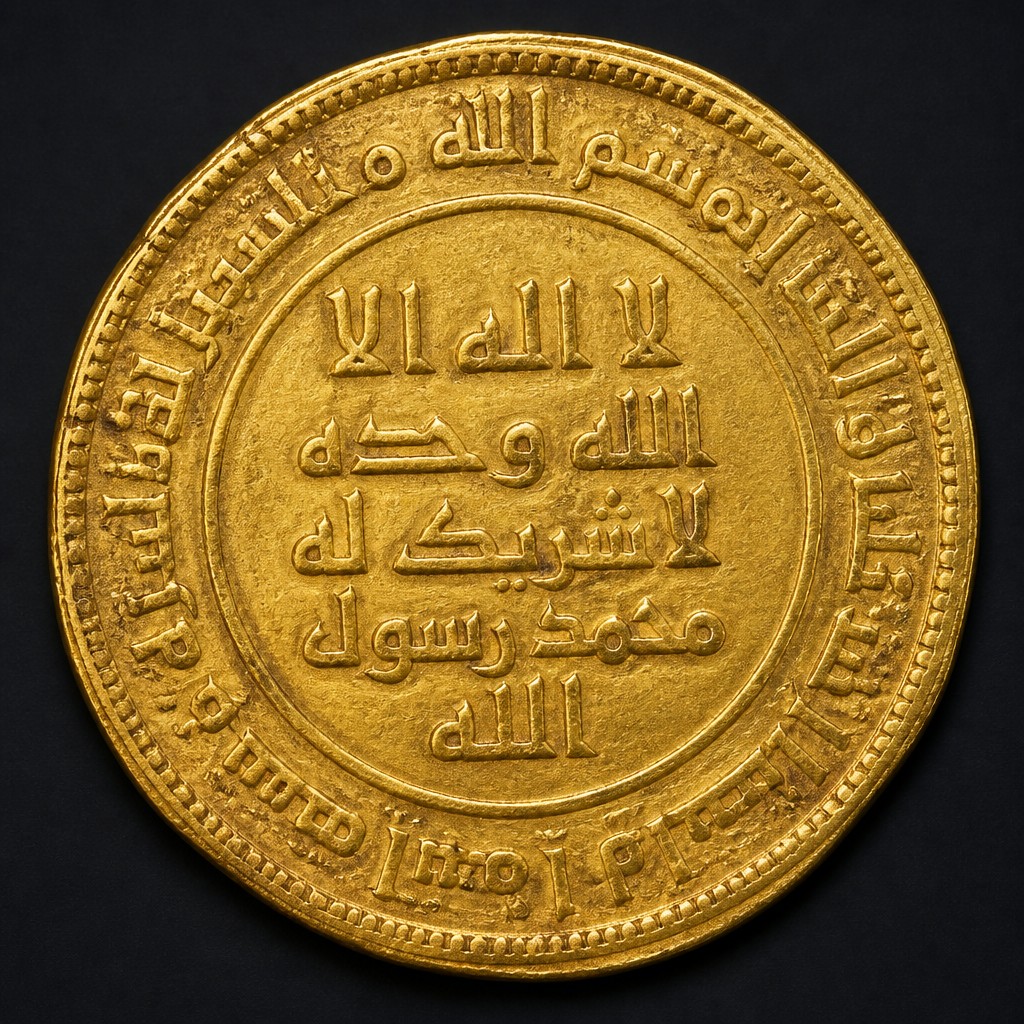
Islamic Gold Dinar (Umayyad)
c. 696–750 AD
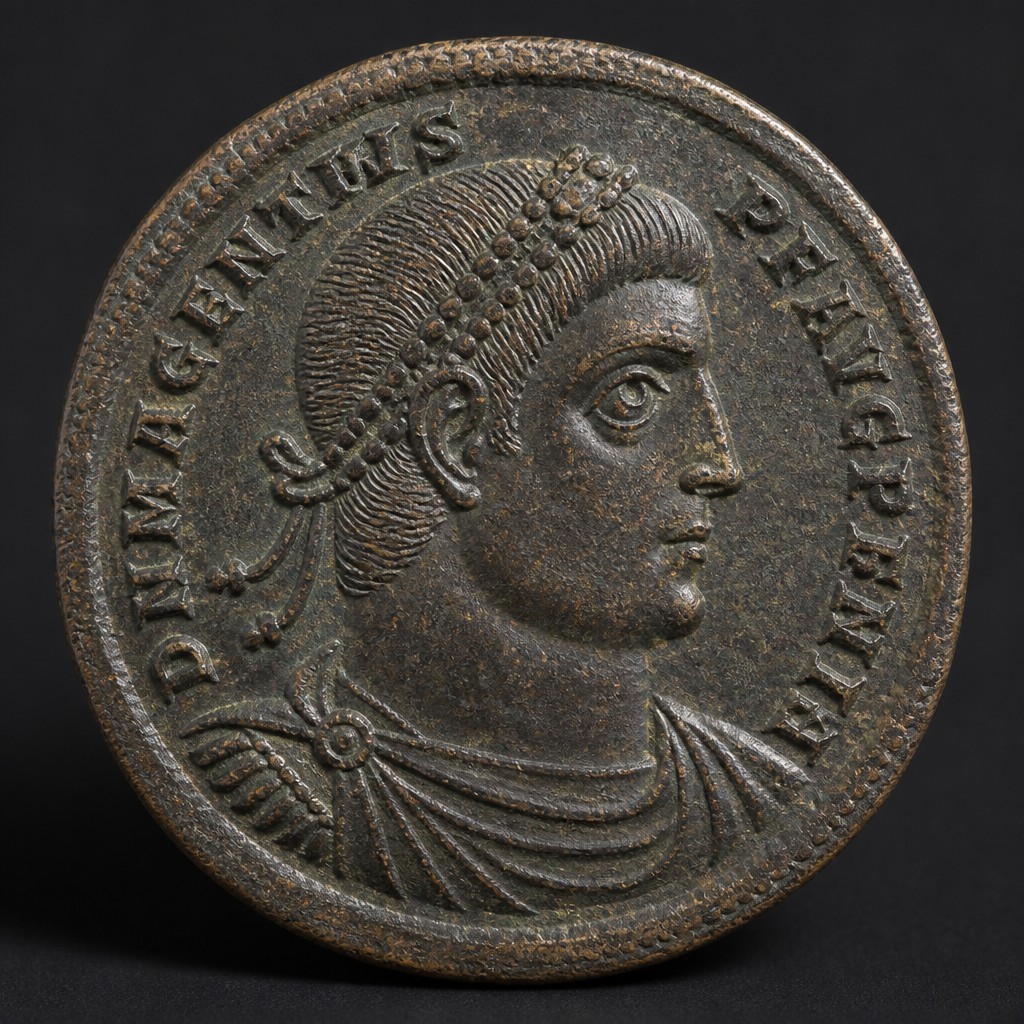
Magnentius Double Centenionalis
350–353 AD
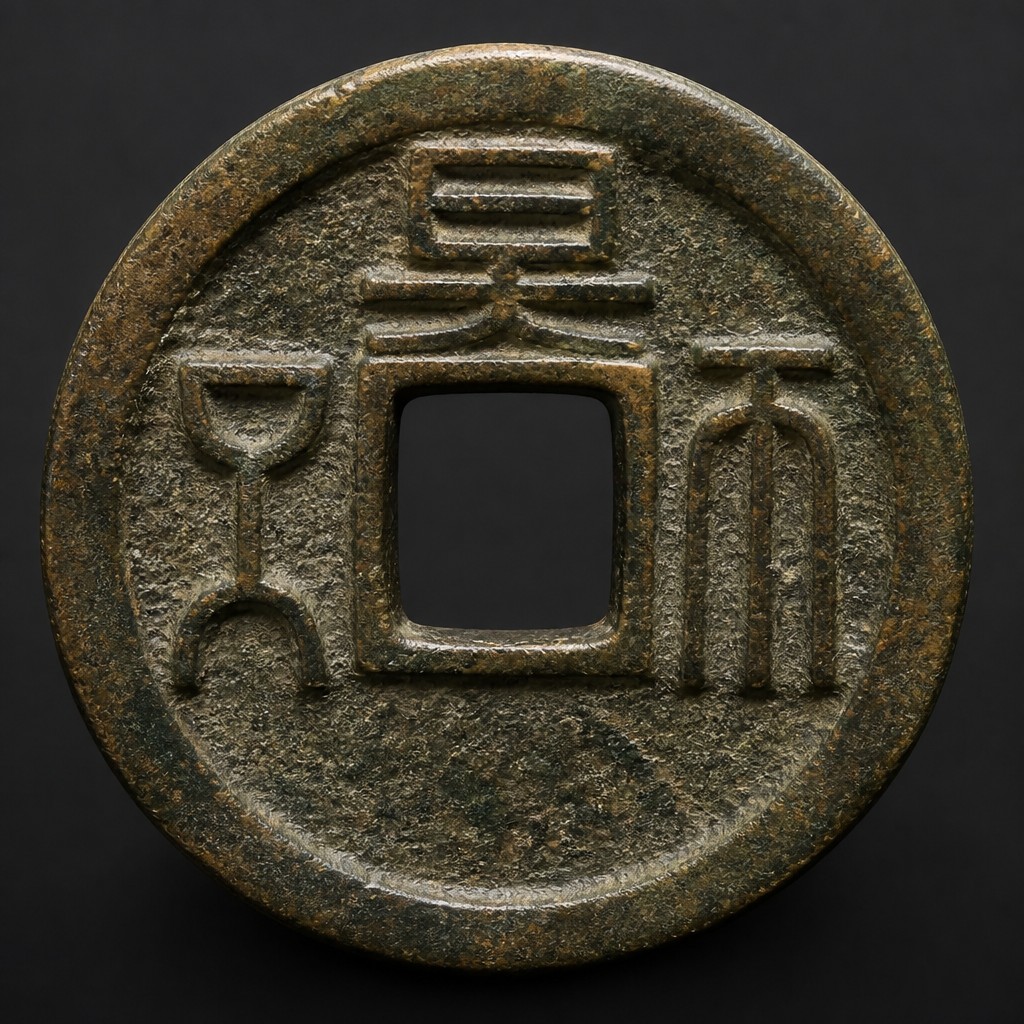
Chinese Wu Zhu Cash
118 BC – 618 AD
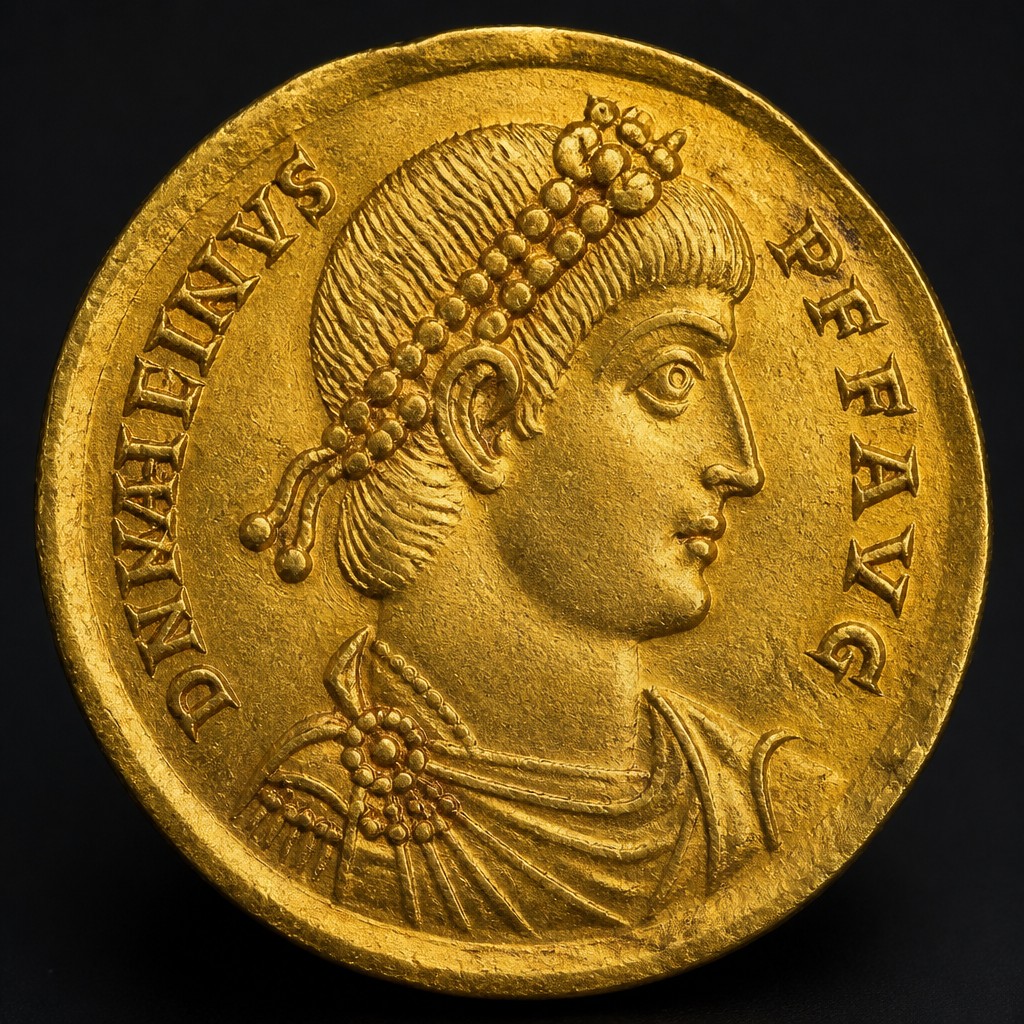
Valentinian I Solidus
364–375 AD
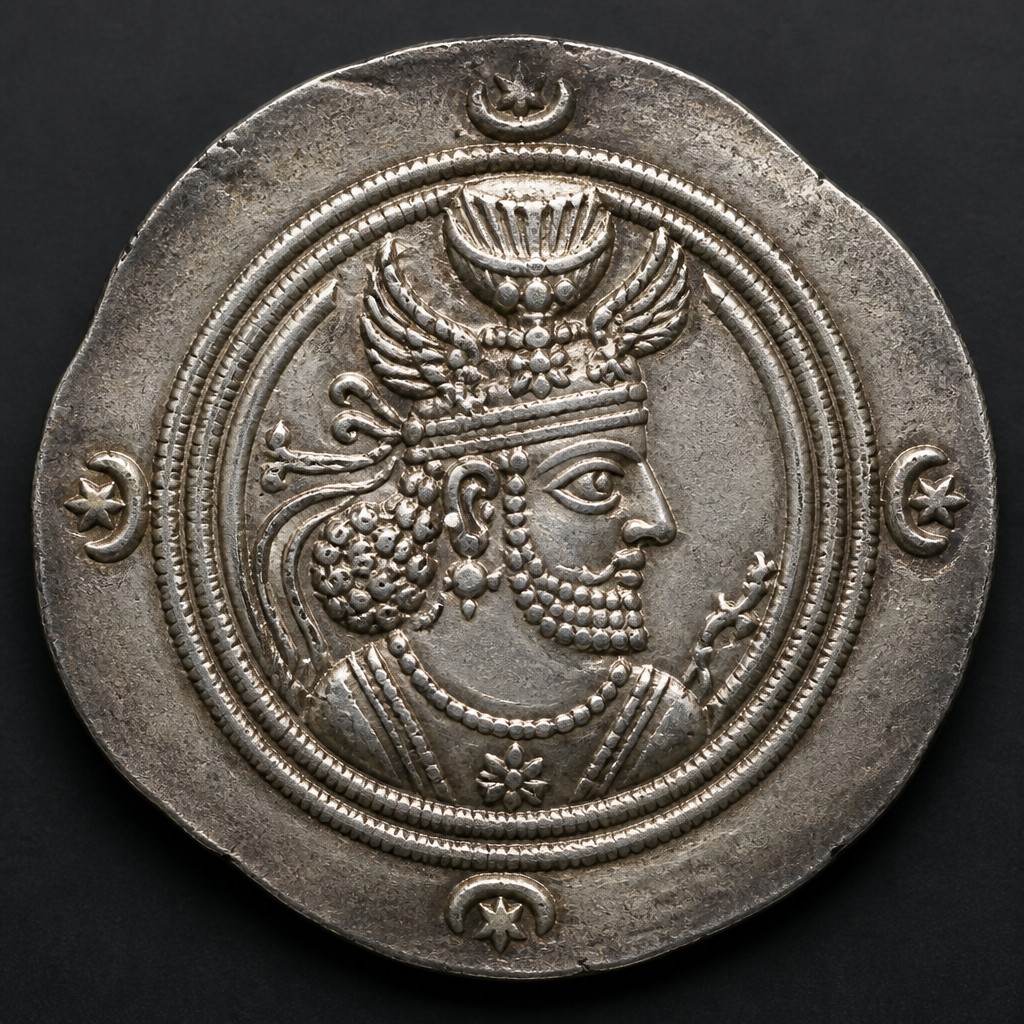
Sassanian Silver Drachm
c. 224–651 AD
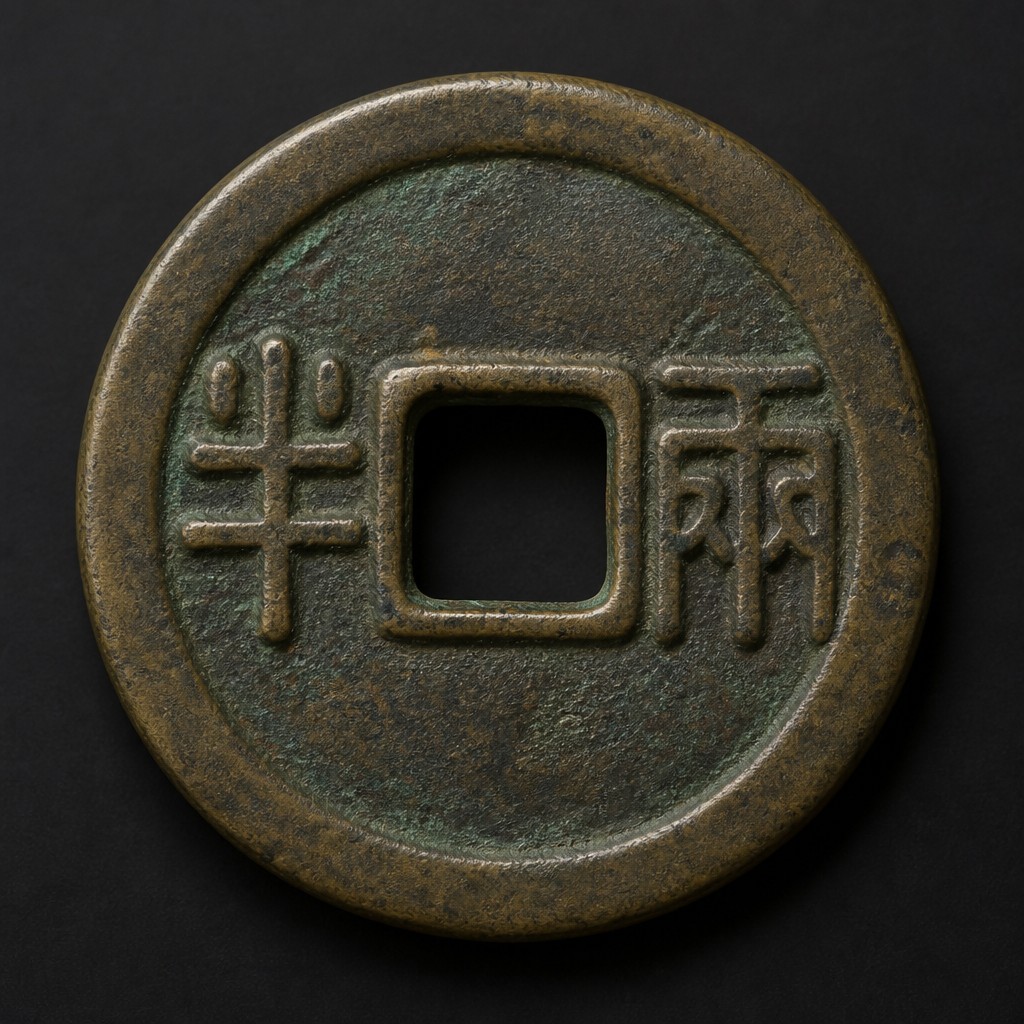
Chinese Ban Liang Cash
c. 221–118 BC
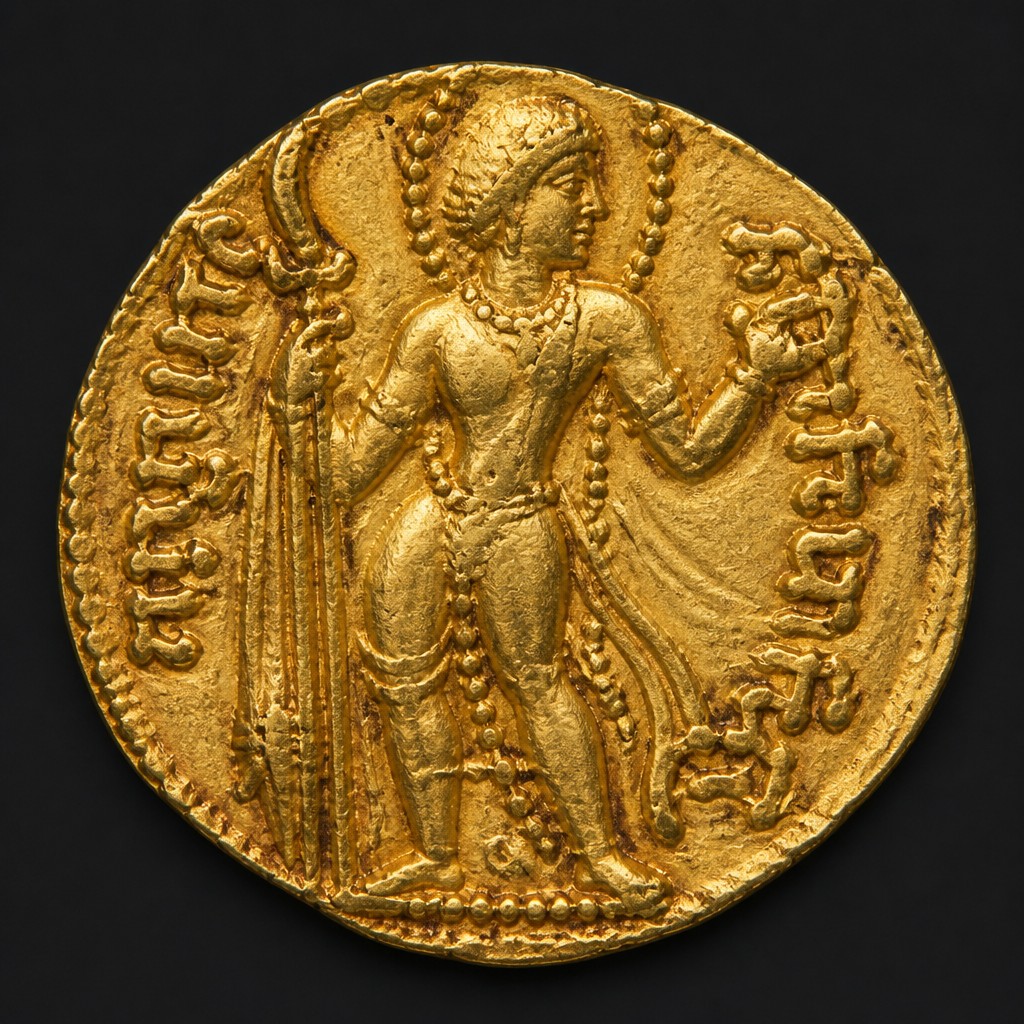
Gupta Empire Gold Dinar
c. 320–550 AD
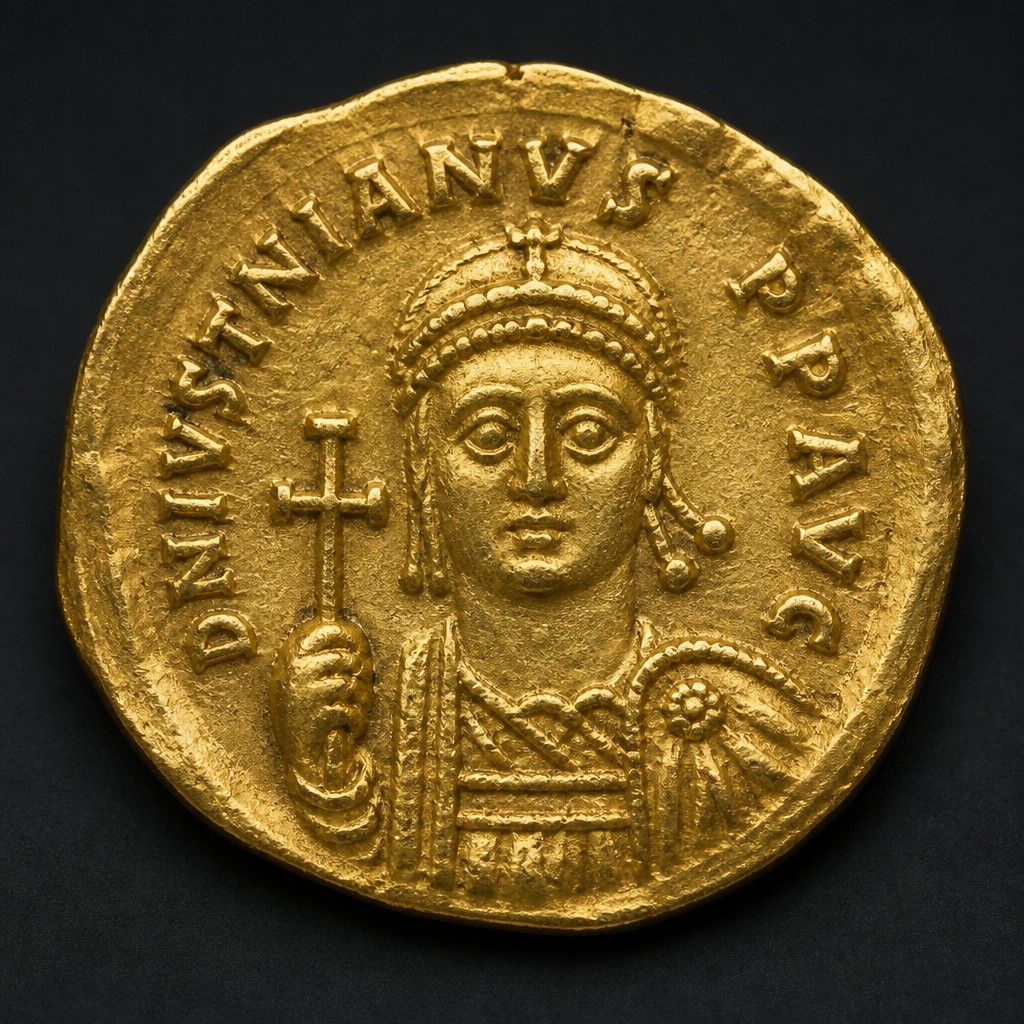
Byzantine Gold Tremissis
c. 4th–7th century AD
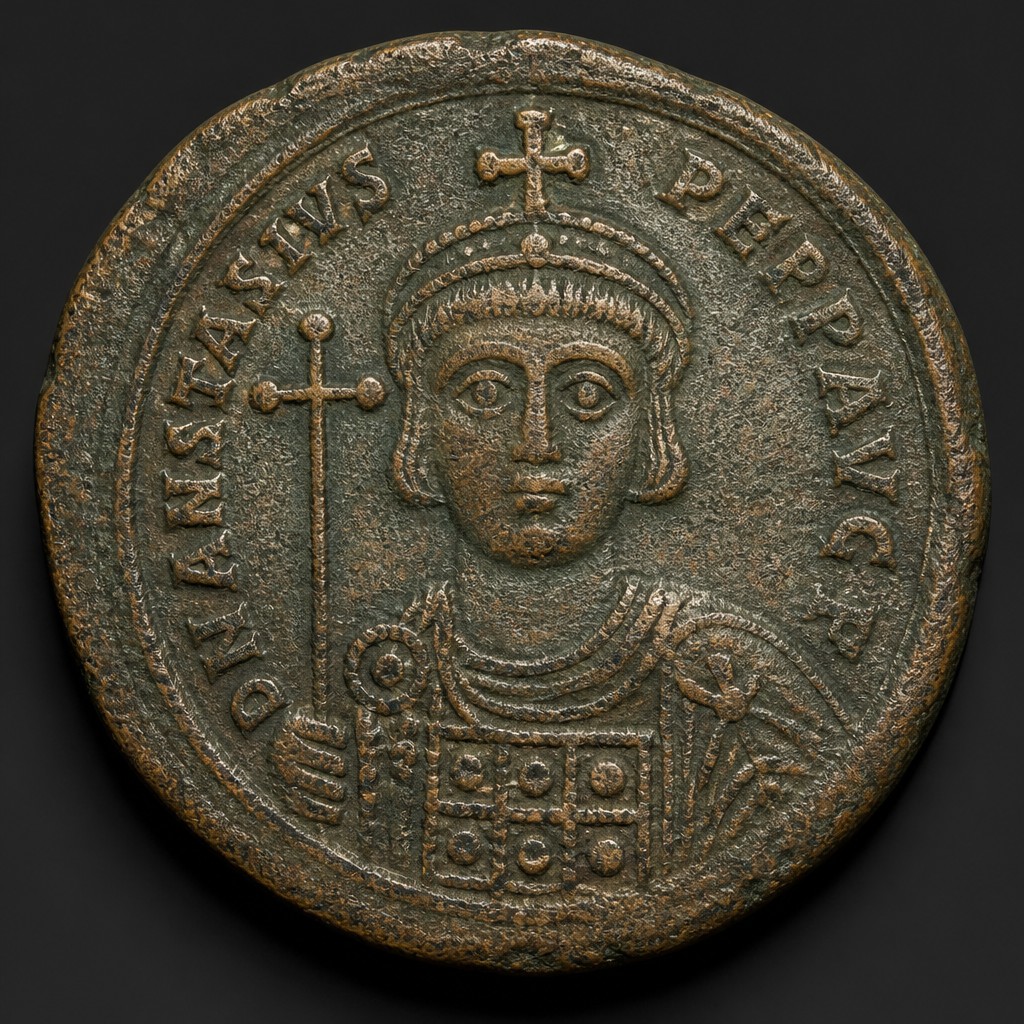
Byzantine Follis
498–c. 11th century AD
Celtic Gold Stater
c. 3rd century BC – 1st century AD