
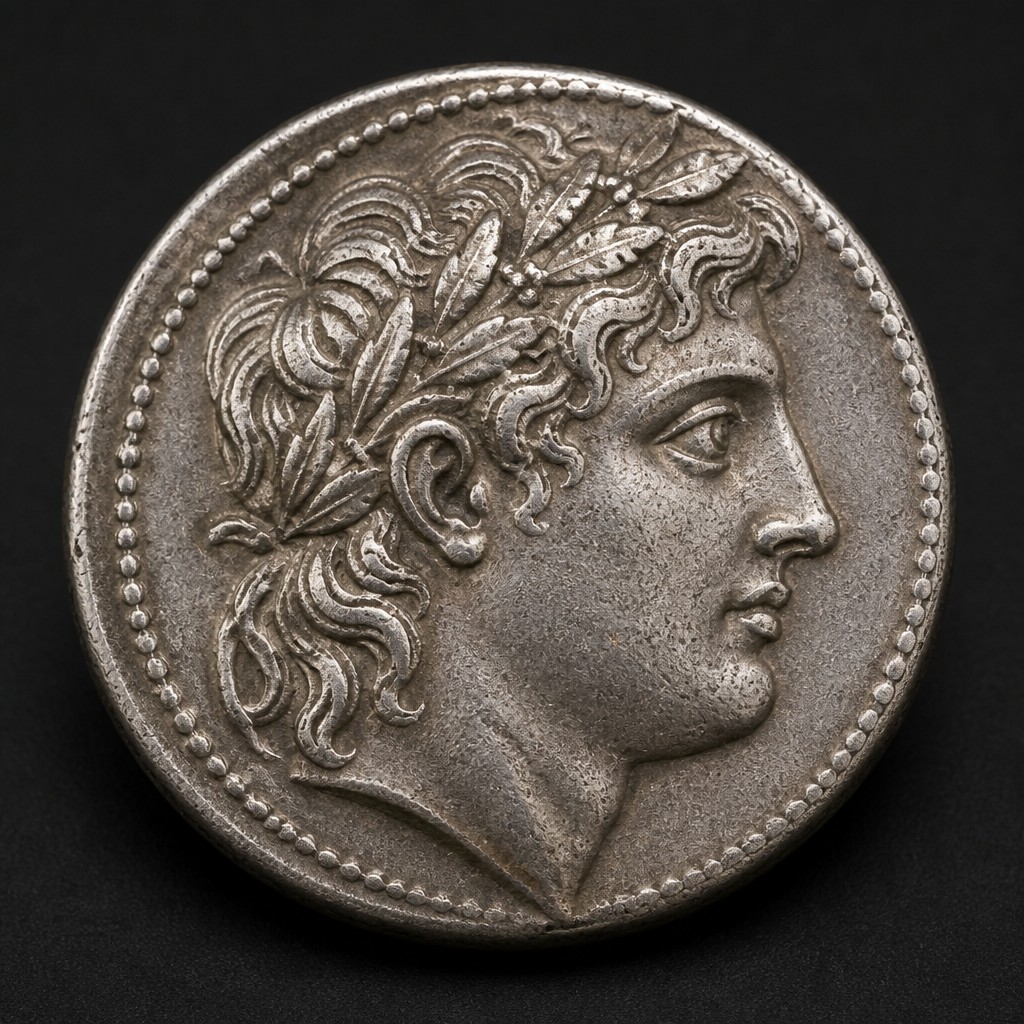
Amphipolis Apollo Tetradrachm
Silver tetradrachm of Amphipolis in Macedon, famous for its masterfully engraved three-quarter facing head of Apollo, widely regarded as a high point of Greek coin art.
- Country
- Ancient Greece (Macedon)
- Denomination
- Tetradrachm
- Metal
- Silver
Got a coin like this?
Identify any coin from a photo, free.
Overview
The Amphipolis tetradrachm is celebrated as one of the artistic pinnacles of ancient Greek coinage, renowned for its bold, three-quarter facing portrait of Apollo, a technically demanding pose that few ancient engravers attempted successfully. The coin's combination of naturalism and idealized beauty has made it a benchmark example cited whenever the artistic achievements of Classical Greek die engraving are discussed.
Beyond its artistic merit, the coin holds historical importance for documenting the coinage of Amphipolis, a strategically vital city on the Strymon River whose control was contested by Athens, Sparta, and Macedon due to its access to valuable timber and precious-metal resources.
History & Background
Amphipolis was founded by Athens in 437 BC on the Strymon River in Thrace/Macedon, prized for its access to shipbuilding timber and nearby gold and silver mines, including those of Mount Pangaion. The city broke away from Athenian control during the Peloponnesian War and later fell under Macedonian influence before being formally annexed by Philip II of Macedon in 357 BC, a takeover that gave Macedon direct access to the region's mineral wealth.
The famous facing-Apollo tetradrachms were struck in the decades of the city's independence before the Macedonian annexation, representing some of the finest die-engraving achievements of the mid-4th century BC. After Macedonian control was established, Amphipolis continued as an important mint, later producing coinage for Macedonian kings and eventually for Roman military purposes given its continued strategic value.
How to Identify
The obverse shows the laureate head of Apollo rendered nearly full-facing (a demanding three-quarter view), with wavy hair falling to the shoulders, considered one of the finest facing portraits in ancient numismatics. The reverse depicts a racing torch (lampas) standing upright within a linear square border, accompanied by the ethnic ΑΜΦΙΠΟΛΙΤΕΩΝ ("of the Amphipolitans").
The tetradrachm generally weighs around 14–14.5 grams, following the reduced Thraco-Macedonian or later Rhodian-influenced weight standards used in the region during this period, somewhat lighter than the Attic standard tetradrachm.
The facing Apollo portrait is highly distinctive and rarely confused with other coinages, though collectors should note that facing heads were occasionally used elsewhere (such as Larissa's facing nymph in Thessaly), so the specific style and the ΑΜΦΙΠΟΛΙΤΕΩΝ ethnic confirm attribution to Amphipolis.
Value & Collectibility
Amphipolis facing-Apollo tetradrachms are among the most sought-after and valuable coins in the entire Greek series, with well-struck, well-centered examples commanding strong prices that can reach well into five figures at auction for the finest specimens, while more modest examples with weaker centering or wear still command solid four-figure prices given the type's enduring popularity.
Because the facing portrait is technically demanding to strike fully and evenly, centering and strike quality dramatically affect both eye appeal and price; coins showing the full facing head crisply, without weakness at the hair or facial features, are especially prized by collectors of fine ancient art.
Frequently asked questions
Why is the facing Apollo portrait considered special?
Engraving a fully or near-fully facing head in high relief on a coin was technically difficult, and the Amphipolis engraver's success is widely regarded as one of the finest achievements of Classical Greek numismatic art.
Why was Amphipolis strategically important?
The city controlled access to valuable timber for shipbuilding and nearby gold and silver mines, making it a prized possession fought over by Athens, Sparta, and Macedon.
When did Macedon take control of Amphipolis?
Philip II of Macedon annexed the city in 357 BC, ending its period of independence during which the famous facing-Apollo tetradrachms were struck.
What does the reverse torch symbolize?
The racing torch (lampas) likely refers to torch-relay races held in connection with local religious festivals, a common theme in Greek civic imagery.
Other coins you may enjoy
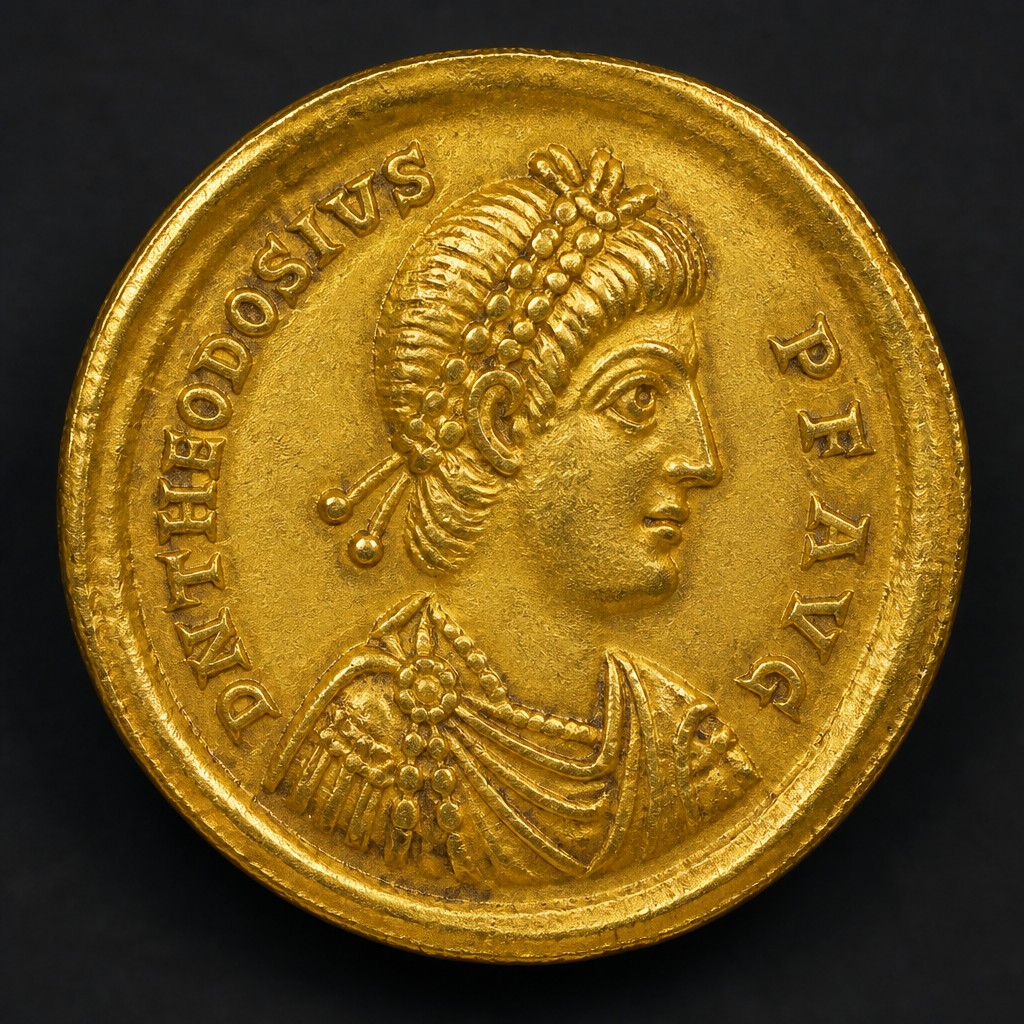
Theodosius I Solidus
379–395 AD
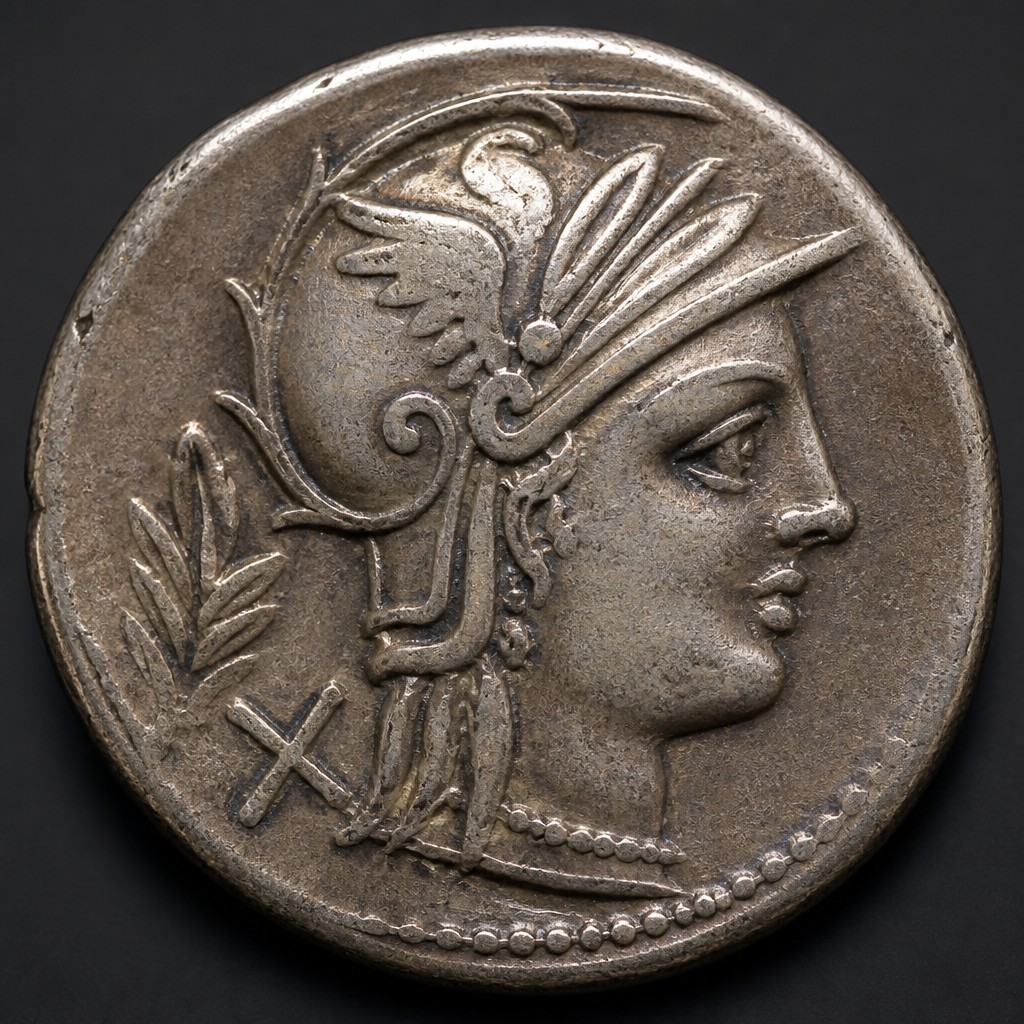
Republican Victoriatus
c. 211–170 BC
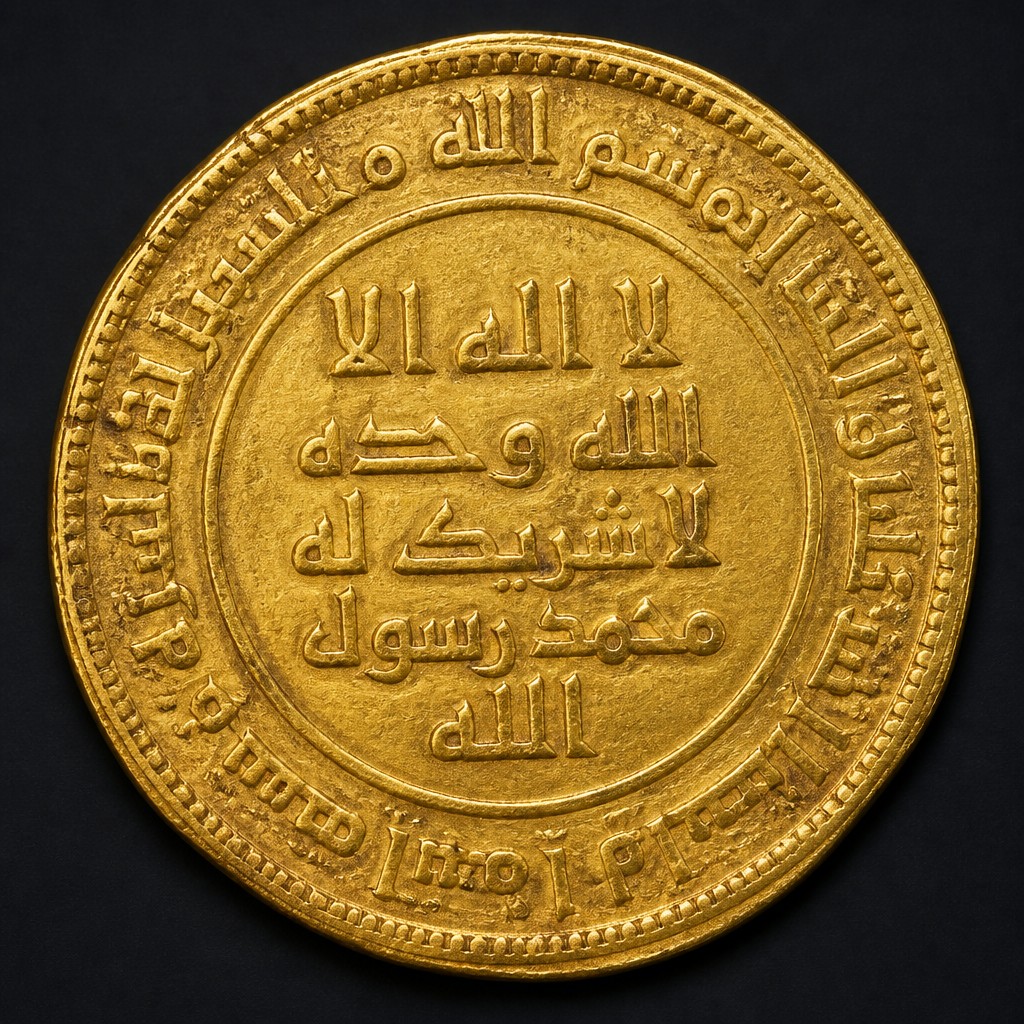
Islamic Gold Dinar (Umayyad)
c. 696–750 AD
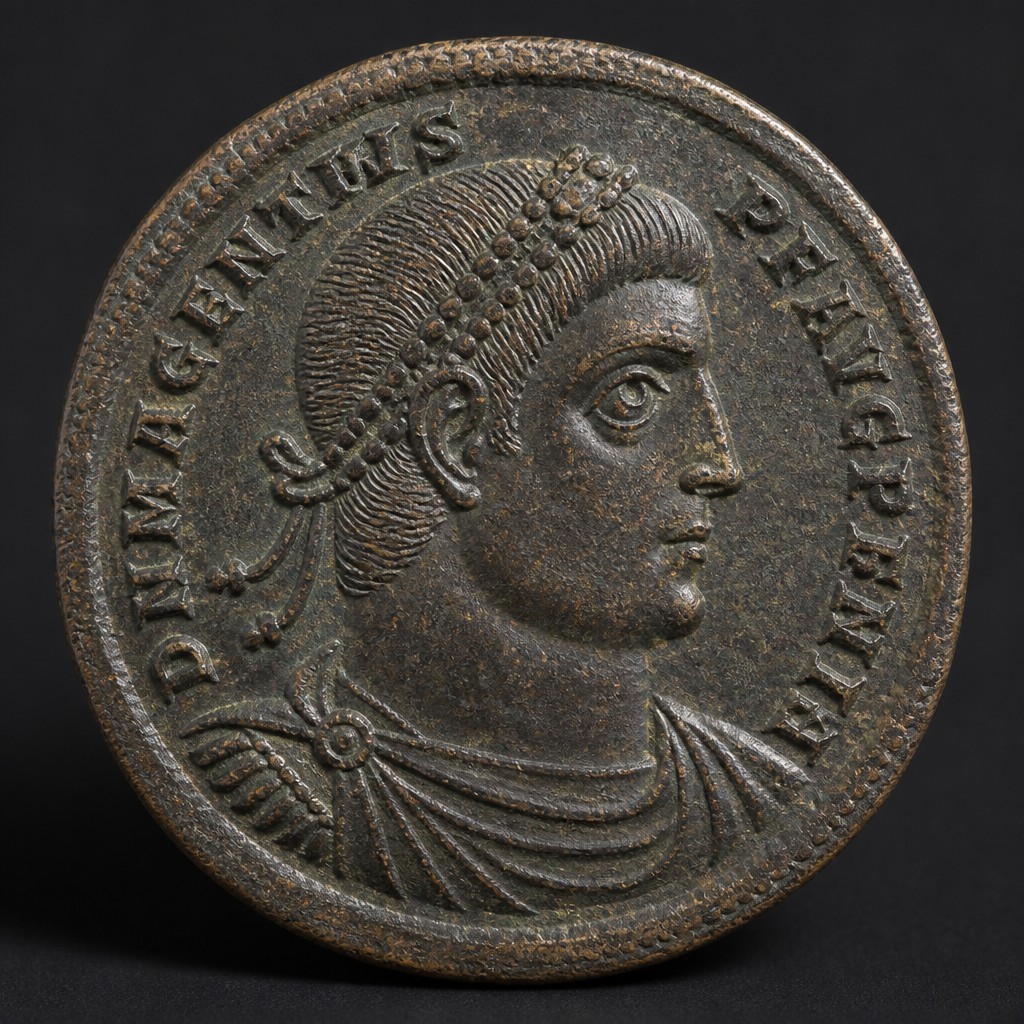
Magnentius Double Centenionalis
350–353 AD
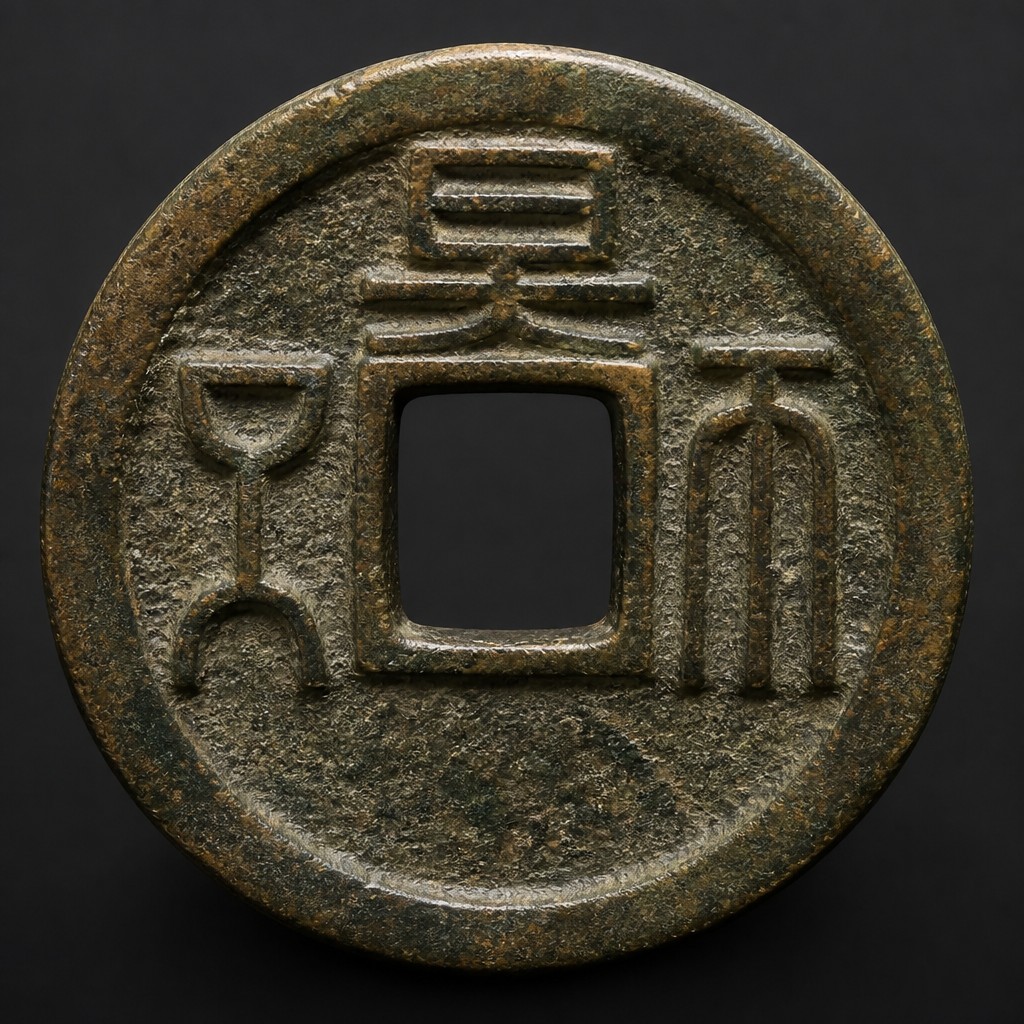
Chinese Wu Zhu Cash
118 BC – 618 AD
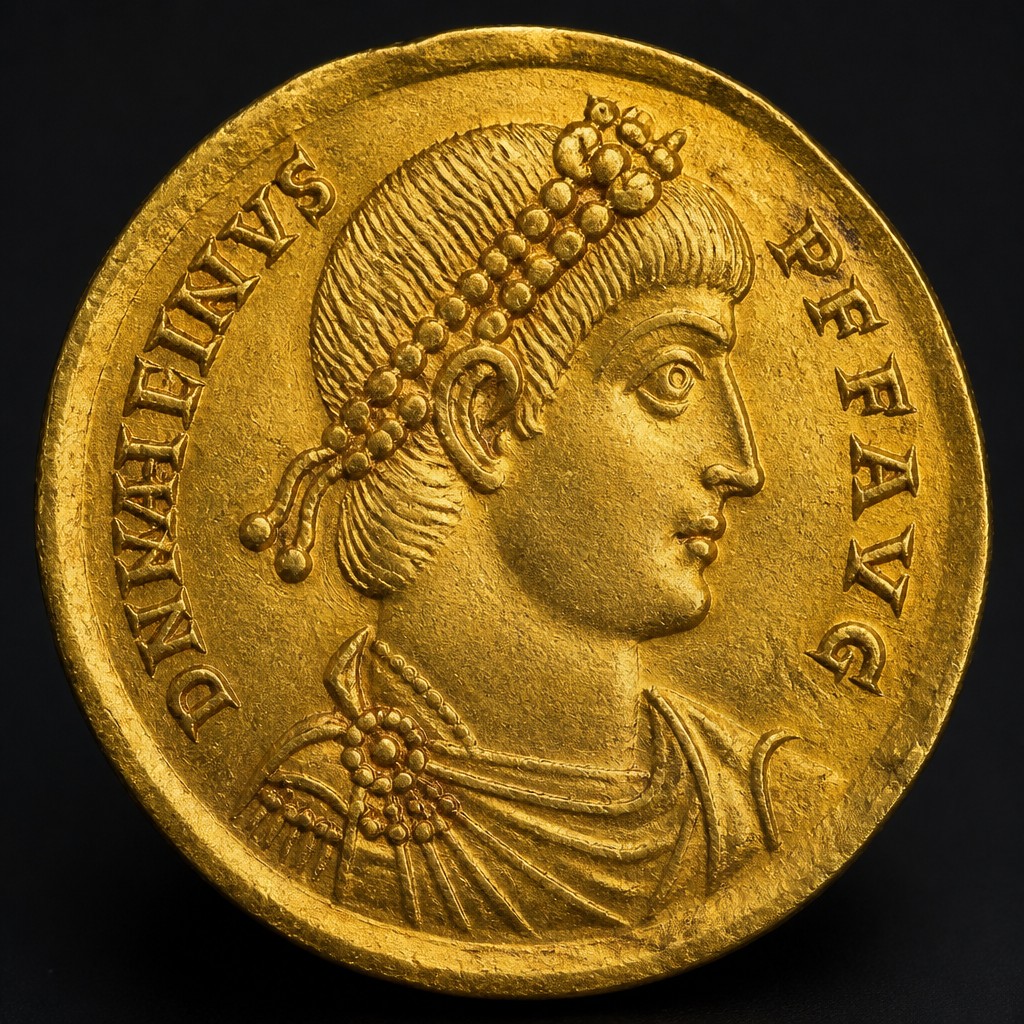
Valentinian I Solidus
364–375 AD
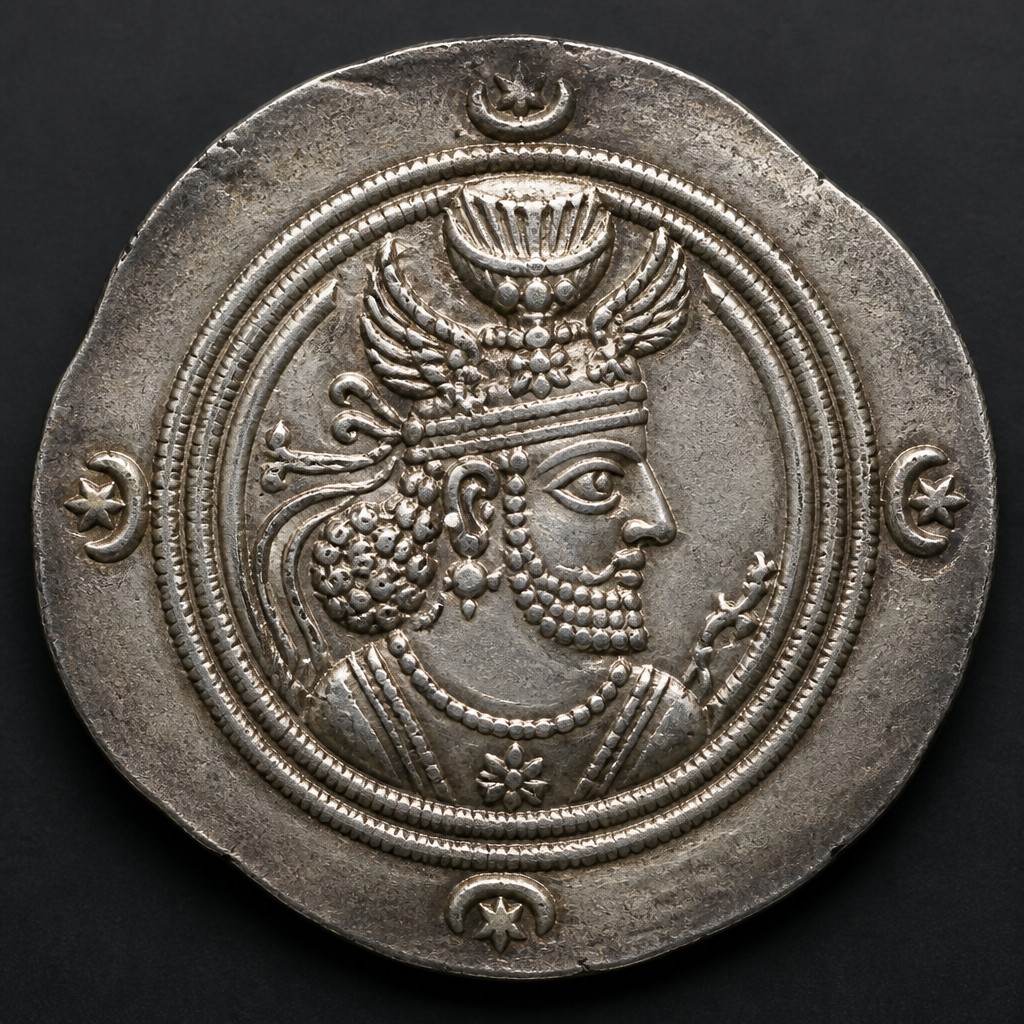
Sassanian Silver Drachm
c. 224–651 AD
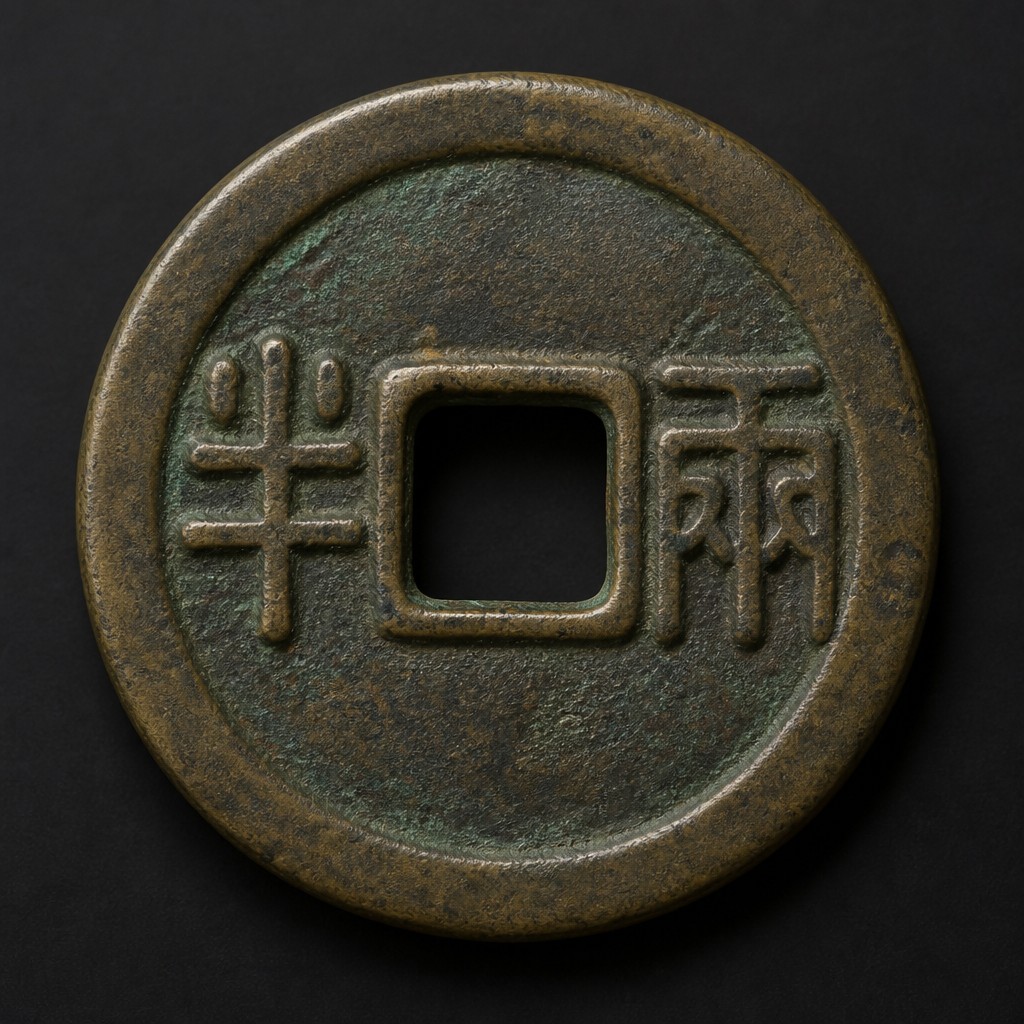
Chinese Ban Liang Cash
c. 221–118 BC
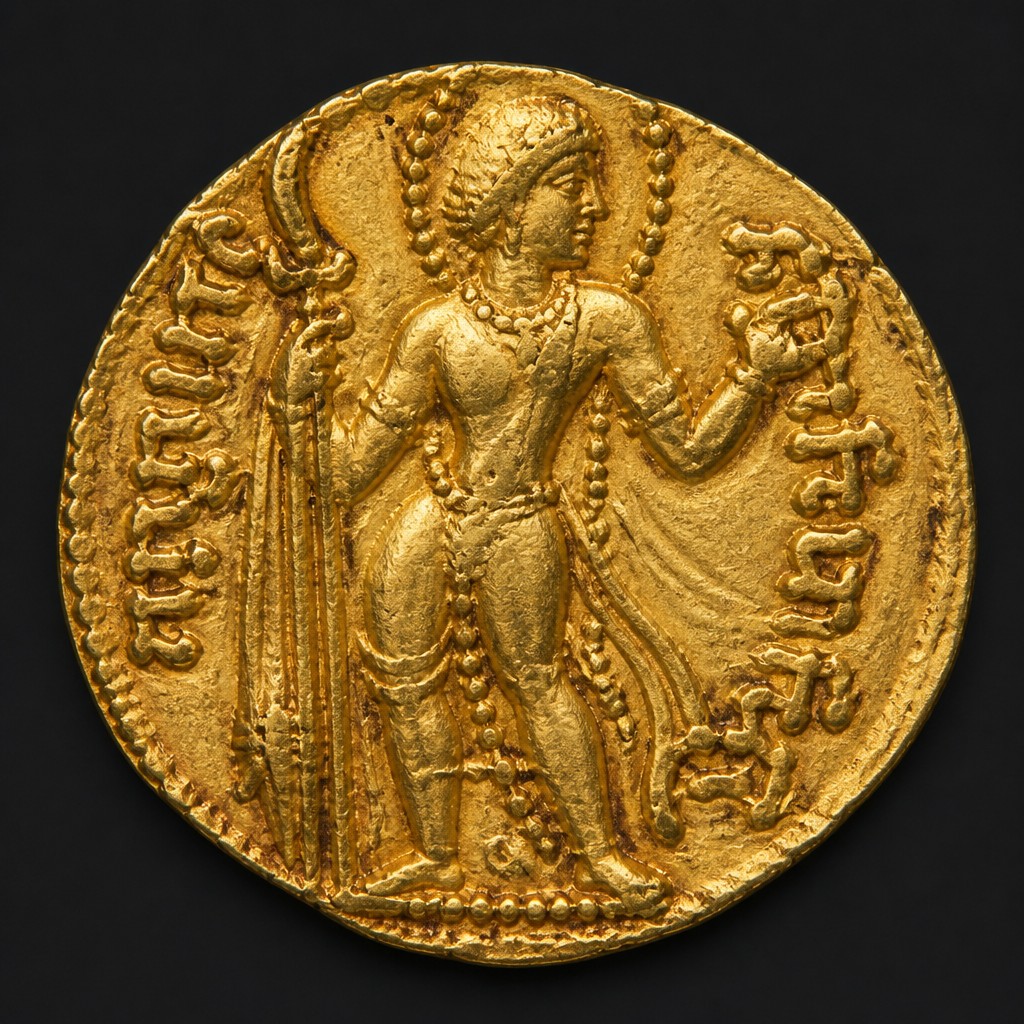
Gupta Empire Gold Dinar
c. 320–550 AD
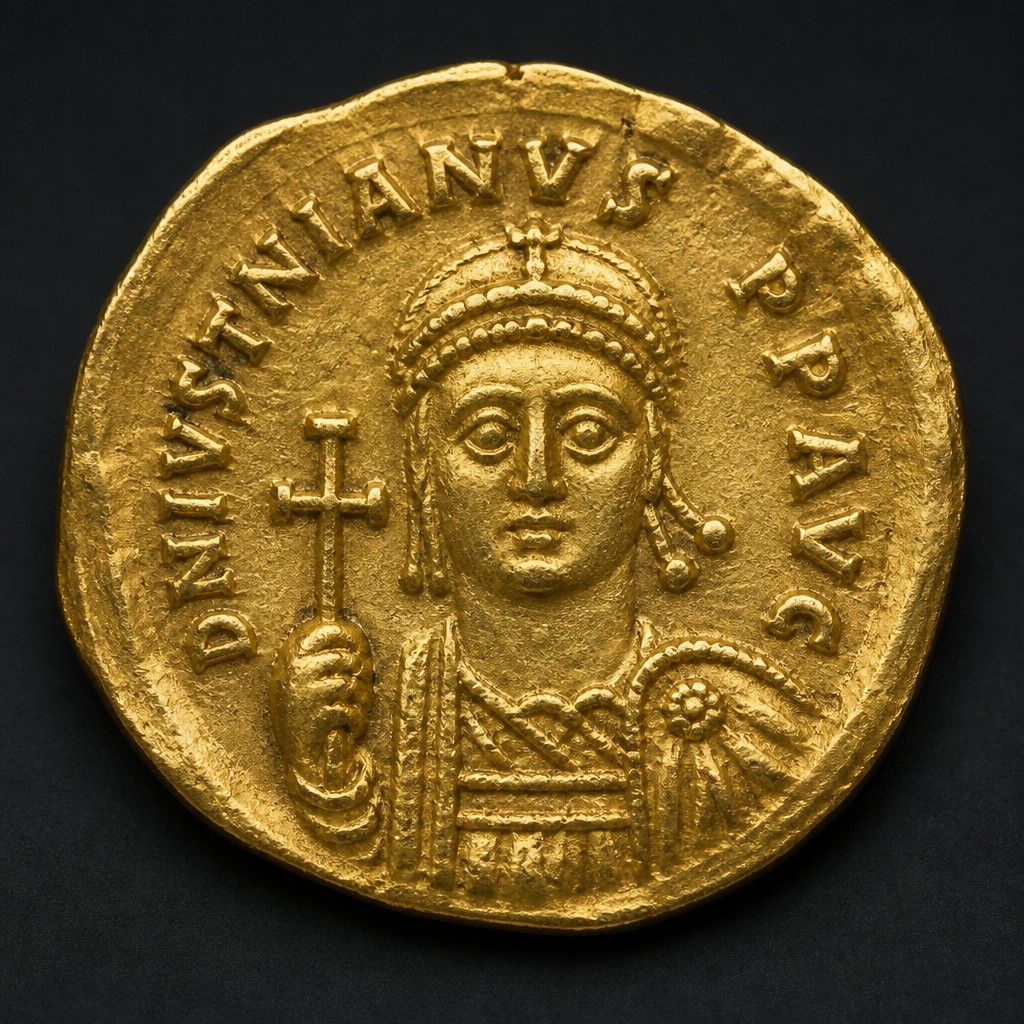
Byzantine Gold Tremissis
c. 4th–7th century AD
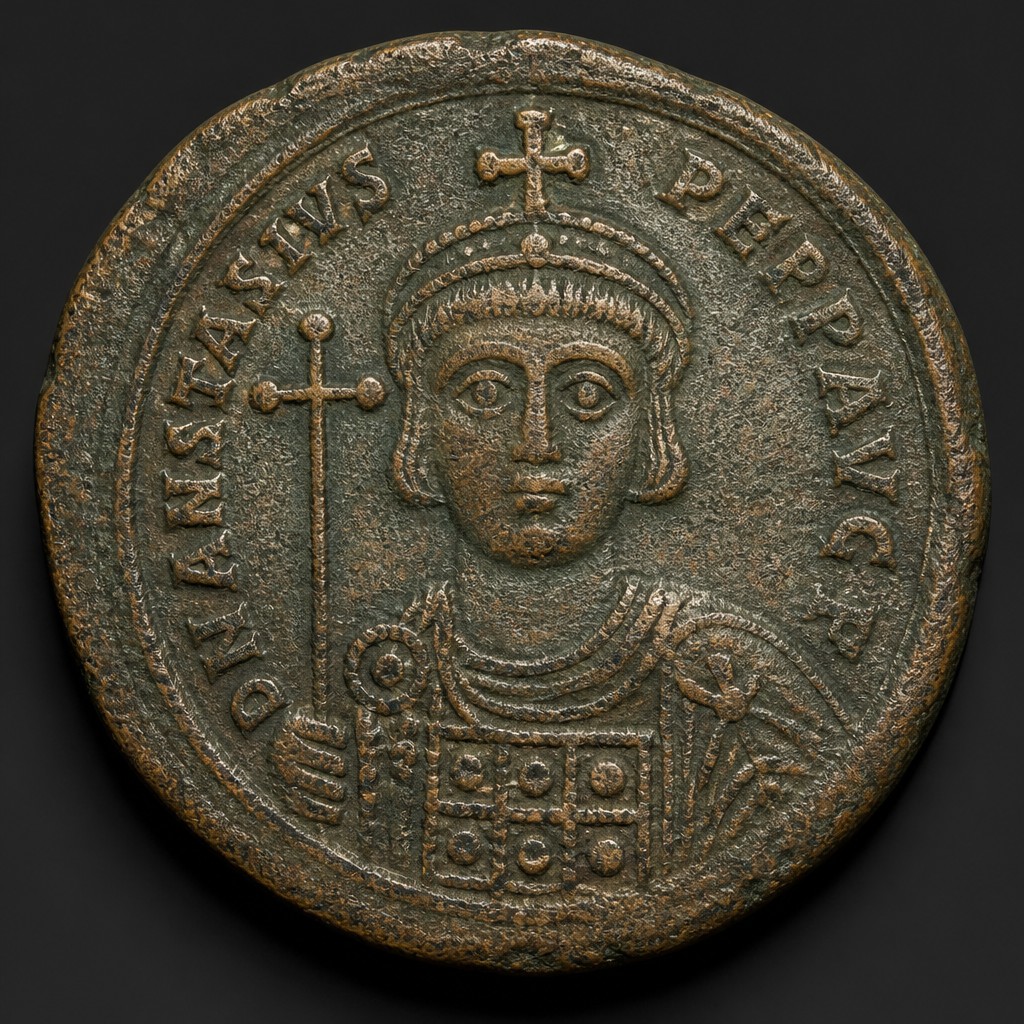
Byzantine Follis
498–c. 11th century AD
Celtic Gold Stater
c. 3rd century BC – 1st century AD