
Coin Encyclopedia
Search and identify coins from around the world — with country, denomination, metal, mint, history, and how to tell them apart.
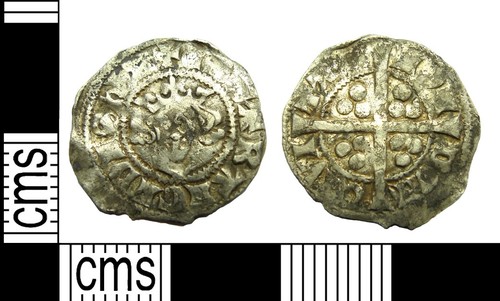
Edward I Penny
Hammered silver penny of Edward I, showing a crowned facing bust on the obverse and a long voided cross with pellets in the quadrants on the reverse.
Medieval Coins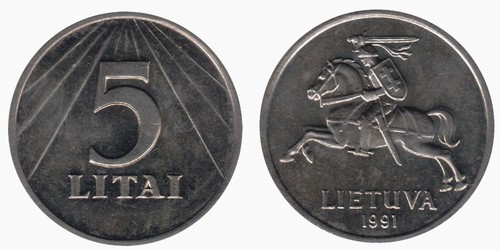
5 Litai
A nickel-alloy 5 litai of newly independent Lithuania dated 1991, showing the value with radiating lines on one side and the armored knight Vytis on horseback on the other.
Modern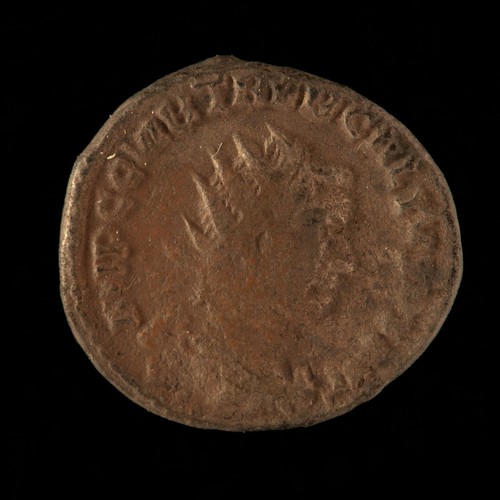
Antoninianus of Trebonianus Gallus
A radiate-crowned billon antoninianus of the emperor Trebonianus Gallus, struck AD 251-253 with a standing deity or personification on the reverse.
Ancient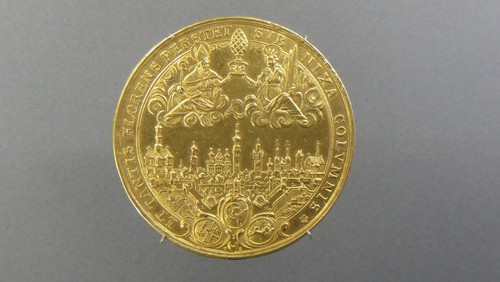
Augsburg Commemorative Medal
A gold commemorative medal of the Free Imperial City of Augsburg, showing a detailed spired cityscape with religious imagery and a heraldic reverse.
Medal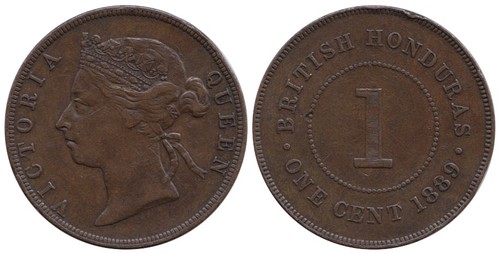
British Honduras One Cent
A colonial copper one cent of British Honduras under Queen Victoria, dated 1889, with the Queen's profile and the value and country name on the reverse.
Colonial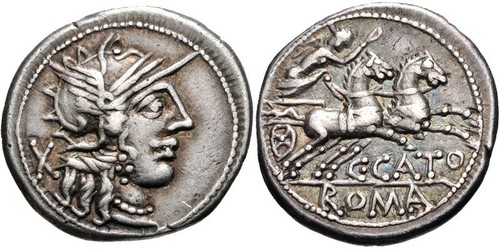
Denarius of C. Cato
Silver Roman Republican denarius struck at Rome in 123 BC by the moneyer C. Cato, with a helmeted head of Roma and Victory driving a chariot.
Ancient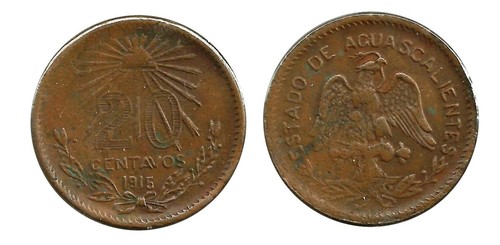
Aguascalientes 20 Centavos
A copper 20 centavos struck in Aguascalientes during the Mexican Revolution in 1915, showing the denomination on one side and a large numeral 20 with the national eagle on the other.
Revolutionary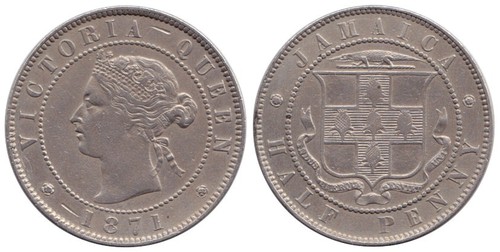
Jamaica Half Penny
An 1871 colonial Jamaica halfpenny in copper-nickel: young Queen Victoria facing left on the obverse, the crowned Jamaican shield of arms on the reverse.
Colonial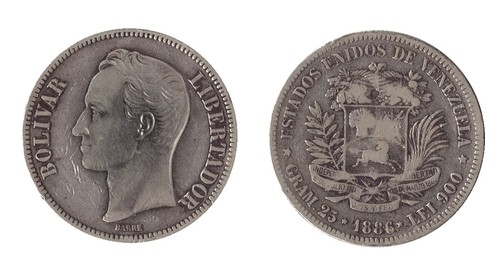
5 Bolivares
A crown-sized silver 5 bolivares of Venezuela: the head of Bolivar the Liberator on one side and the national coat of arms on the other.
Circulation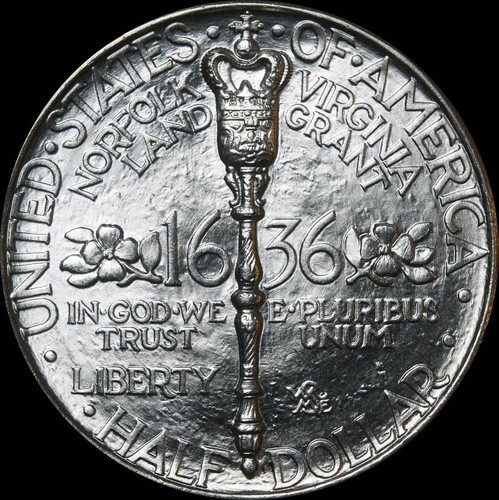
Norfolk Bicentennial Half Dollar
A 1936 U.S. silver half dollar honoring Norfolk, Virginia, with the city's Royal Mace on the reverse and dates 1636-1936; a low-mintage classic commemorative.
Classic Commemorative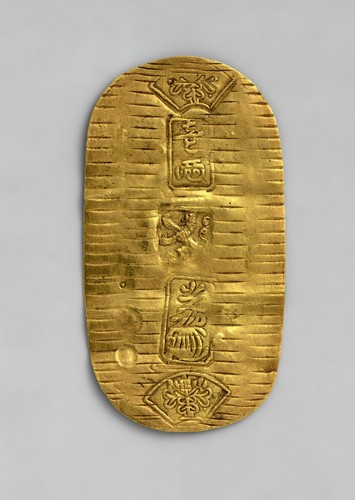
Koban with Dutch East Indies Counterstamp
An Edo-period Japanese gold koban bearing later punched marks, including a Japanese character cartouche and a Dutch coat-of-arms counterstamp.
Colonial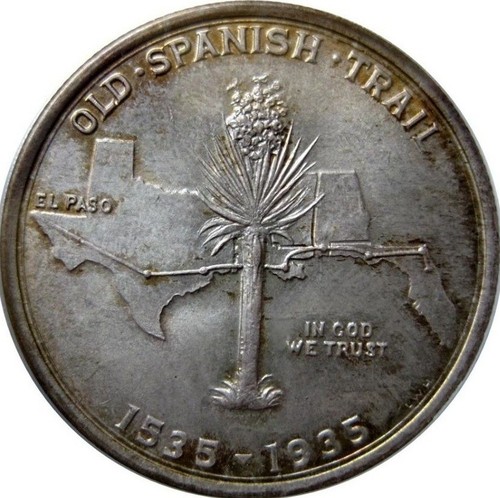
Old Spanish Trail Half Dollar
A 1935 U.S. silver commemorative half dollar marking 400 years of the Old Spanish Trail, with a longhorn cow's head punning on explorer Cabeza de Vaca.
Classic Commemorative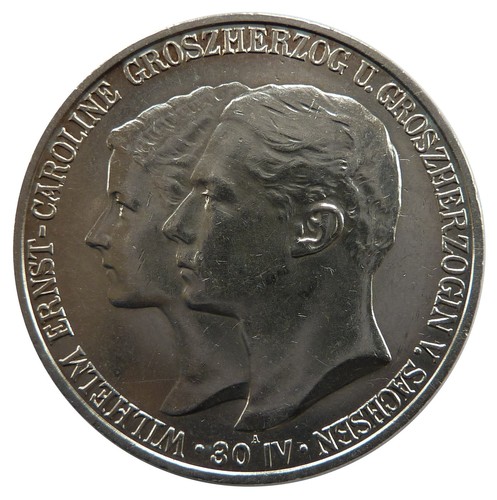
Sachsen-Weimar-Eisenach 5 Mark Wedding Commemorative
A silver German Empire 5 Mark of Sachsen-Weimar-Eisenach struck to mark a grand-ducal wedding, showing conjoined bride-and-groom profile busts.
Commemorative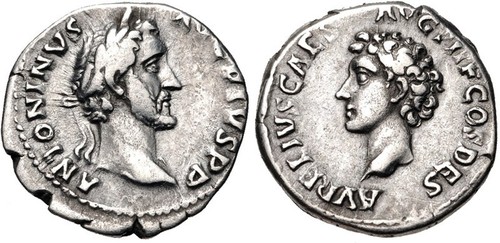
Denarius of Antoninus Pius and Marcus Aurelius
Roman silver denarius of Antoninus Pius (138–161 AD), a dynastic type showing the emperor and the two young Caesars, Marcus Aurelius and Lucius Verus.
Ancient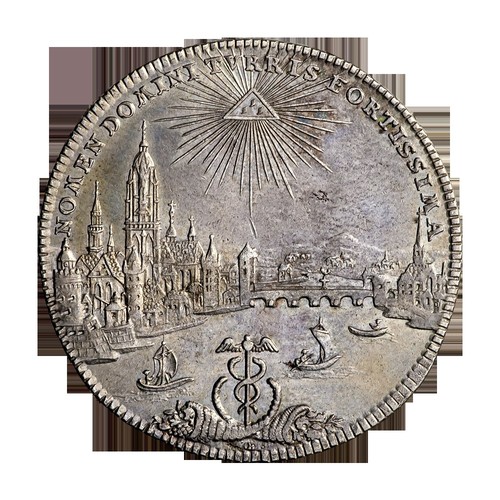
Frankfurt am Main Taler
A 1772 silver Taler of the Free Imperial City of Frankfurt am Main, famed for its detailed city-view reverse with walls, towers and radiant sun.
German States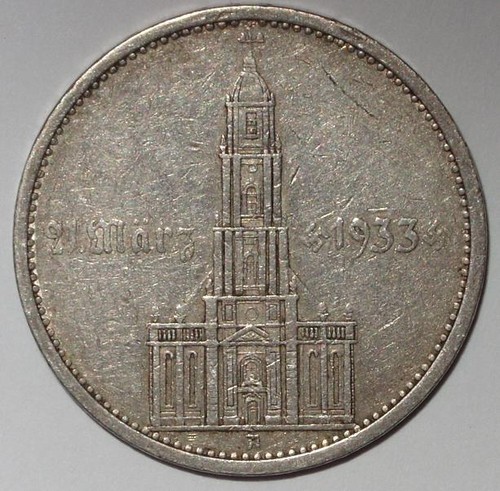
German 2 Reichsmark Garrison Church Commemorative
A 1933 German silver 2 Reichsmark commemorative showing the Potsdam Garrison Church tower, issued to mark the "Day of Potsdam."
Commemorative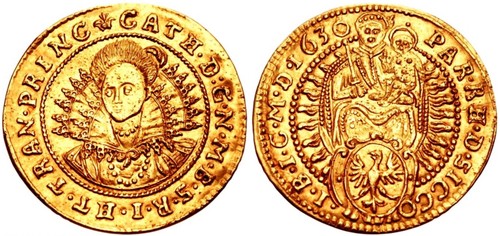
Transylvanian Ducat of Catherine of Brandenburg
Gold ducat dated 1630 of Catherine of Brandenburg, ruling Princess of Transylvania, with her portrait and a double-headed eagle and shield reverse.
Medieval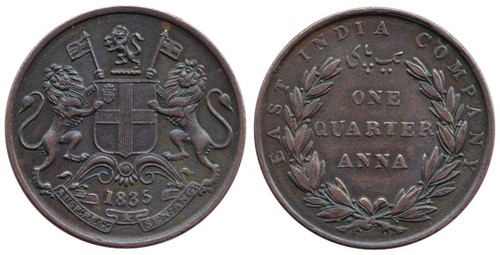
East India Company Quarter Anna
Large copper 1/4 anna of the East India Company dated 1835, with a heraldic lion-and-shield obverse and a laurel-wreath reverse.
British India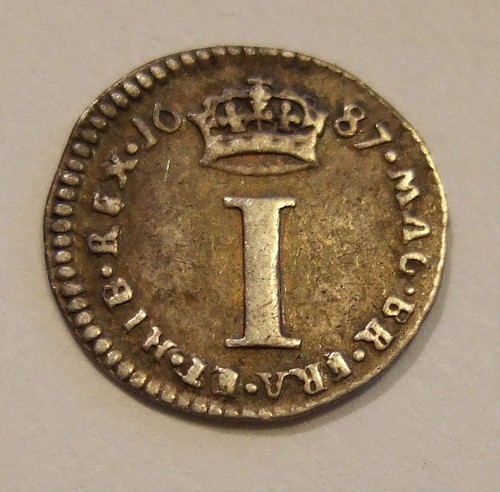
Maundy Money Penny
Tiny silver penny given as royal alms; this James II example (1687) shows a crowned bust and a crowned Roman numeral I reverse.
Maundy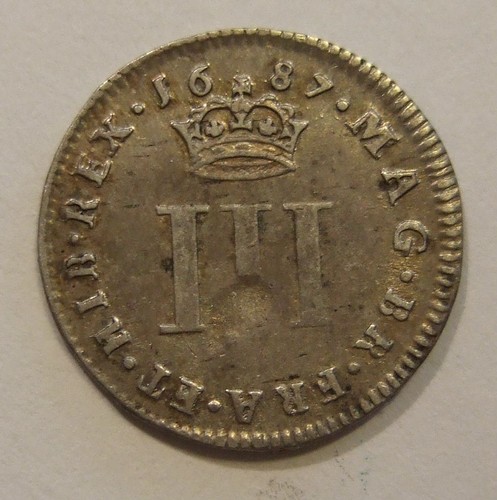
Maundy Money Threepence
A tiny sterling-silver British threepence; the 1687 James II example shows a crowned bust and a crowned Roman numeral III on the reverse.
Maundy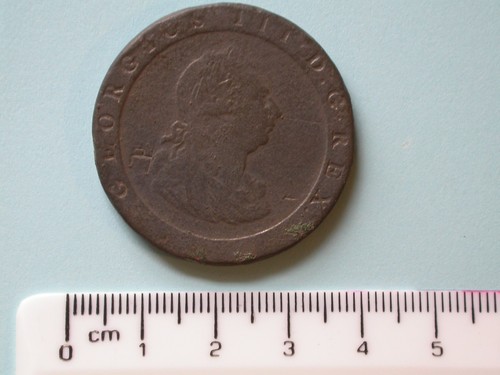
Cartwheel Penny
The heavy 1797 copper penny of George III, with a broad raised rim and sunken lettering, struck by steam power at Matthew Boulton's Soho Mint.
Milled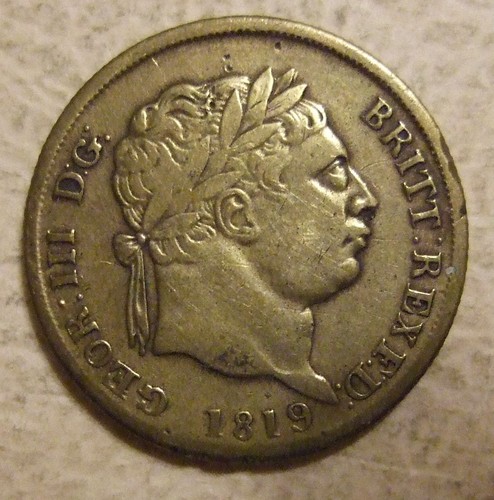
Shilling of George III
A milled silver shilling of George III from the Great Recoinage, with his laureate bust facing right and a crowned quartered royal shield within the Garter.
Milled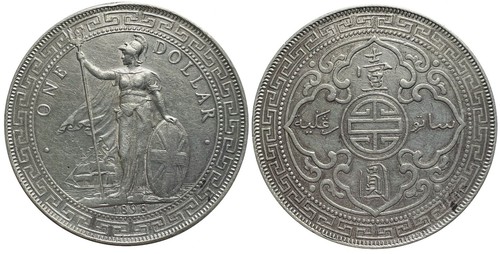
British Trade Dollar
British silver trade dollar for Far East commerce, with seated Britannia holding a trident and shield and a Chinese dragon reverse.
Dollar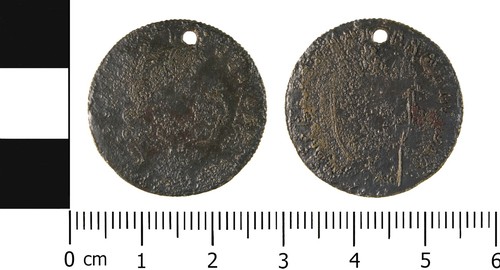
Imitation Guinea Gaming Piece
A brass or bronze token imitating a George III spade guinea, made for card games and gaming tables rather than as legal-tender money.
British Isles