
Coin Encyclopedia
Search and identify coins from around the world — with country, denomination, metal, mint, history, and how to tell them apart.
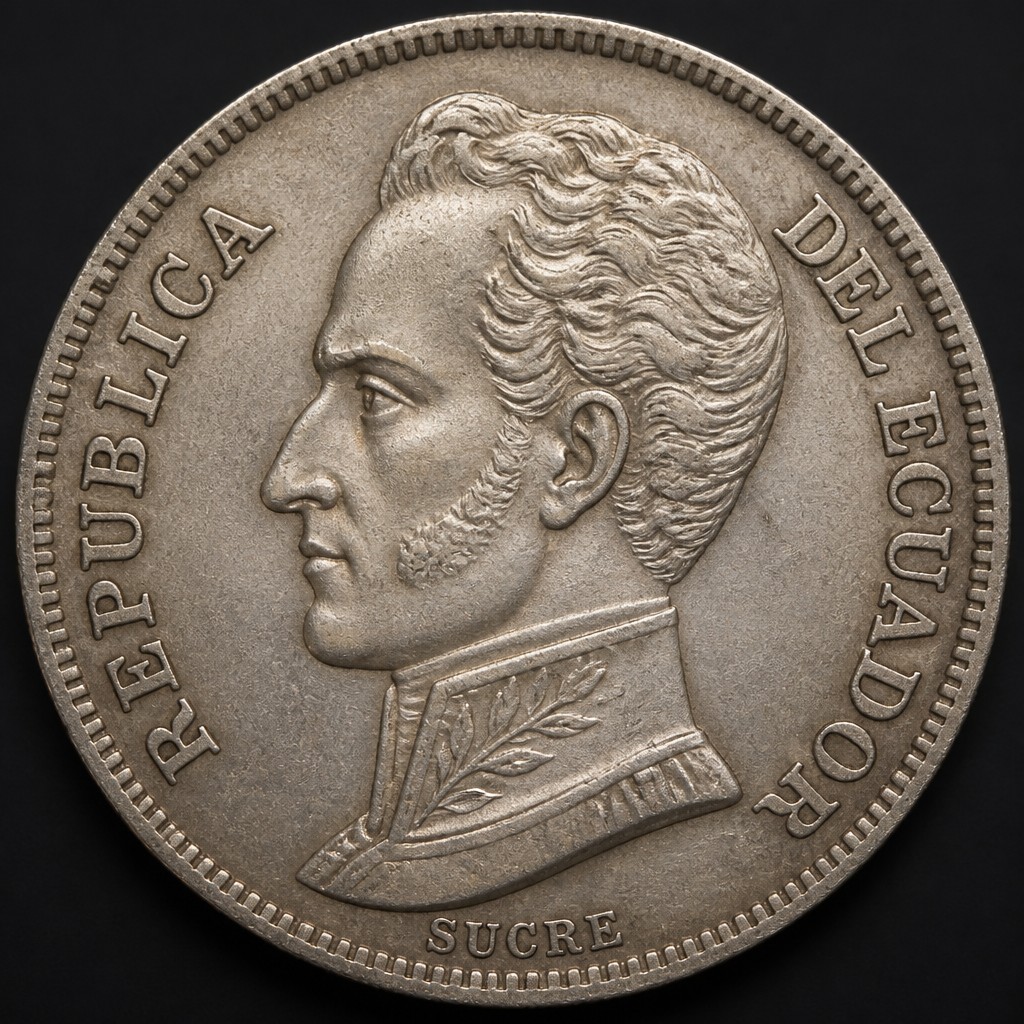
Ecuador Sucre Silver
Ecuador's historic silver one-sucre coin, named after independence hero Antonio Jose de Sucre, circulated for decades before Ecuador's currency was eventually replaced by the US dollar.
Latin American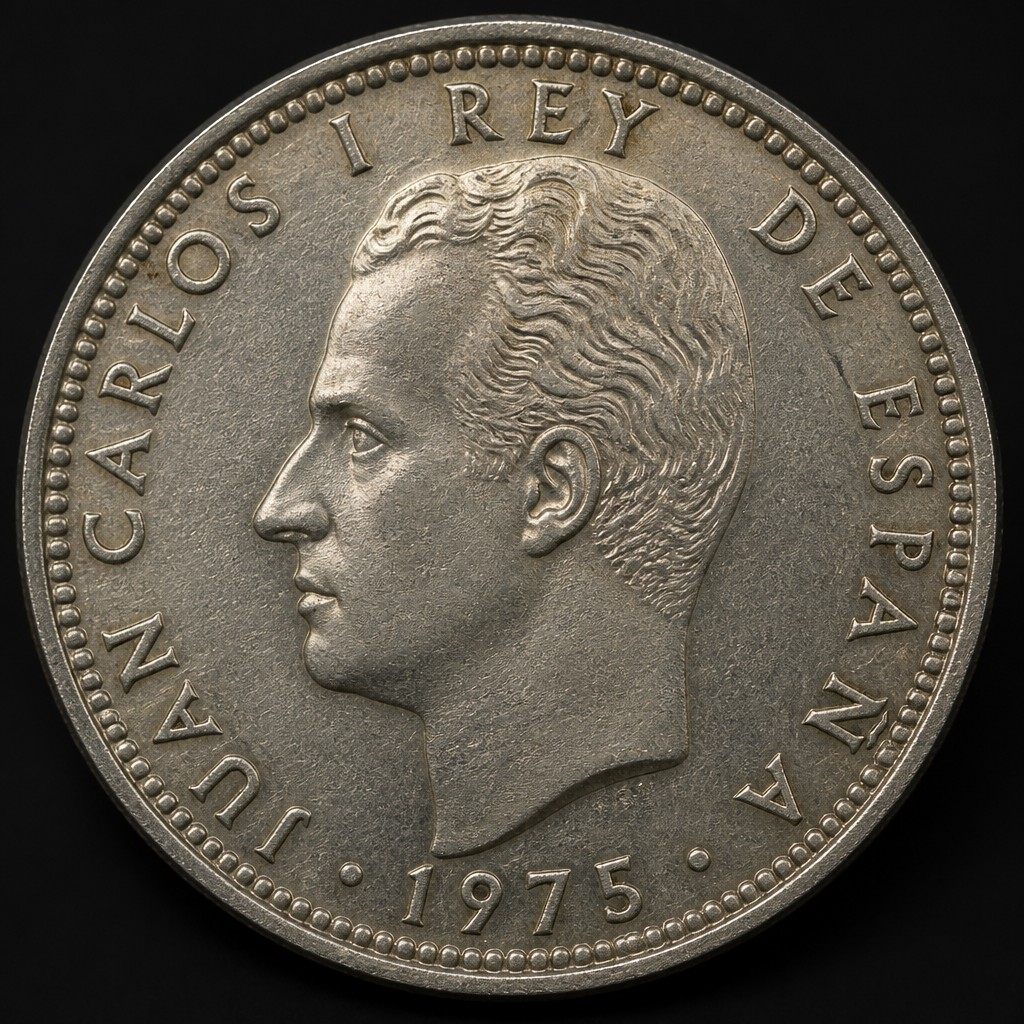
Spanish Peseta
The peseta was Spain's national currency for over 130 years, evolving from silver coinage under a provisional 19th-century government to copper-nickel coins used until the euro replaced it in 2002.
European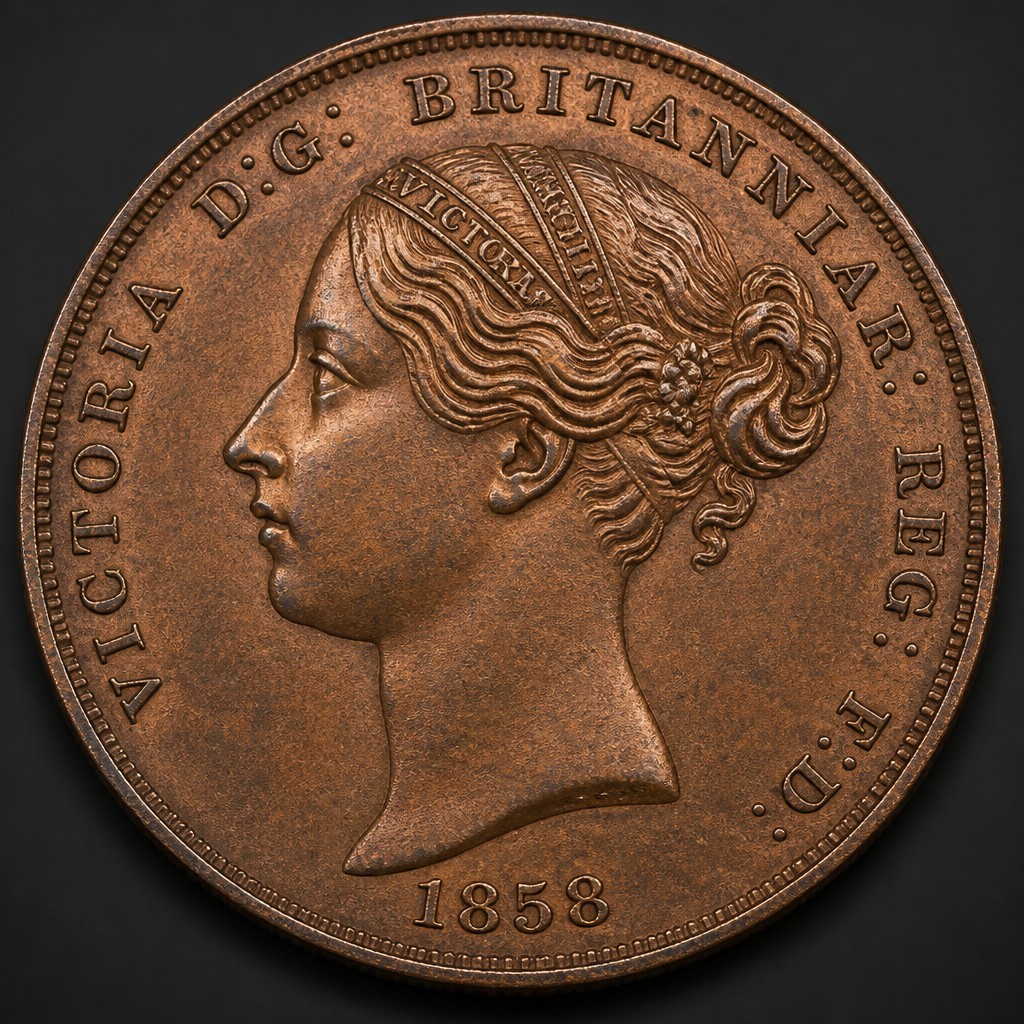
Quarter Farthing
The smallest fractional denomination in British coinage, worth one-sixteenth of a penny, struck primarily for use in colonial Ceylon during Victoria's reign.
British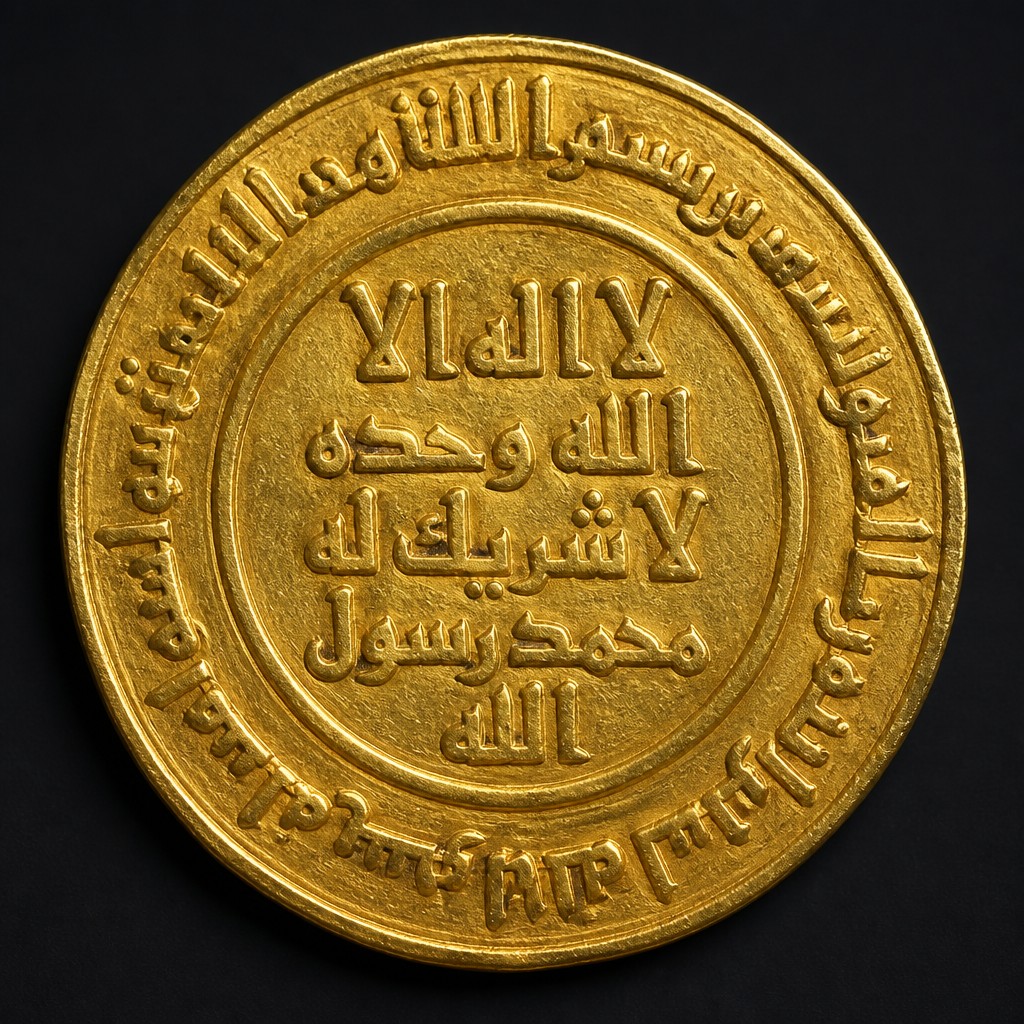
Abbasid Gold Dinar
The standard gold coin of the Abbasid Caliphate centered on Baghdad, inscribed entirely in Arabic script and struck for roughly five centuries across a vast Islamic empire.
World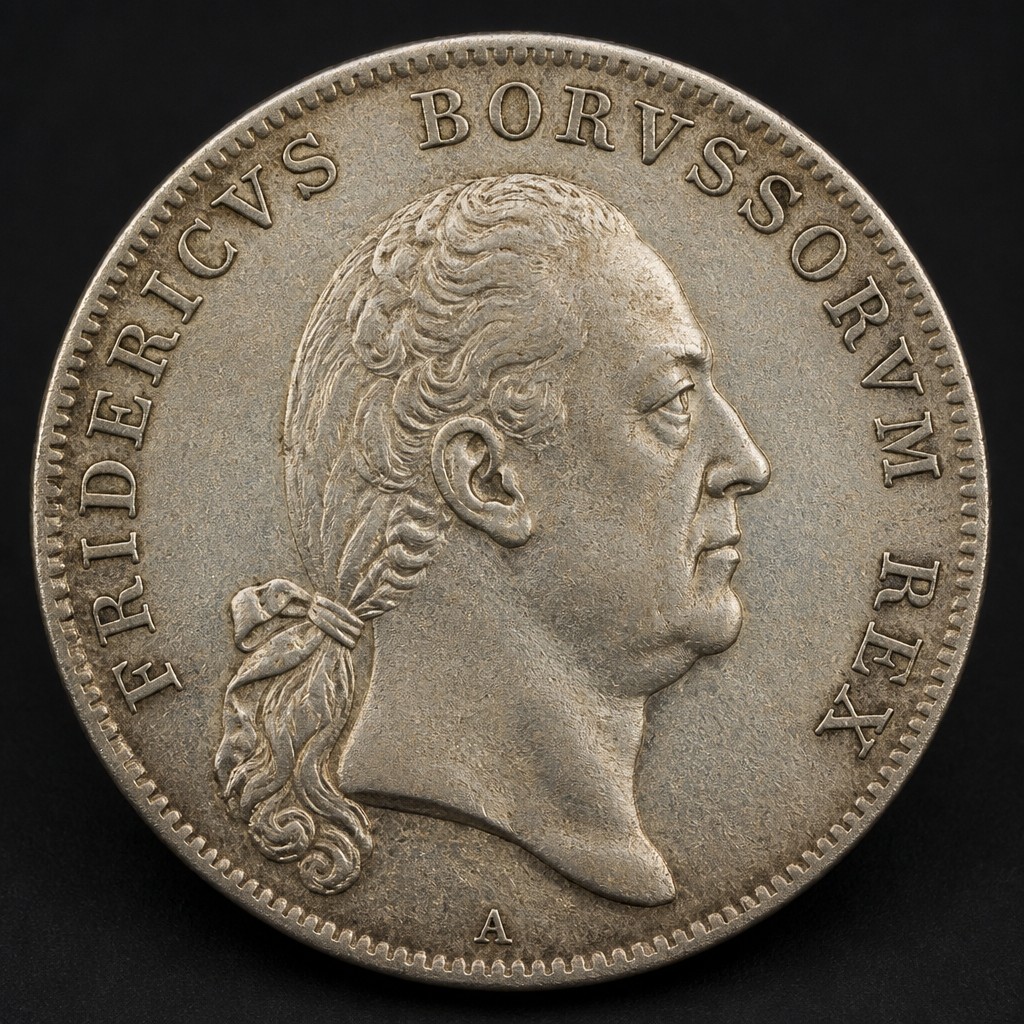
Prussian Thaler
The Prussian Thaler was the leading silver coin of the powerful Kingdom of Prussia, circulating from the mid-18th century until German unification replaced it with the mark in 1871–1873.
European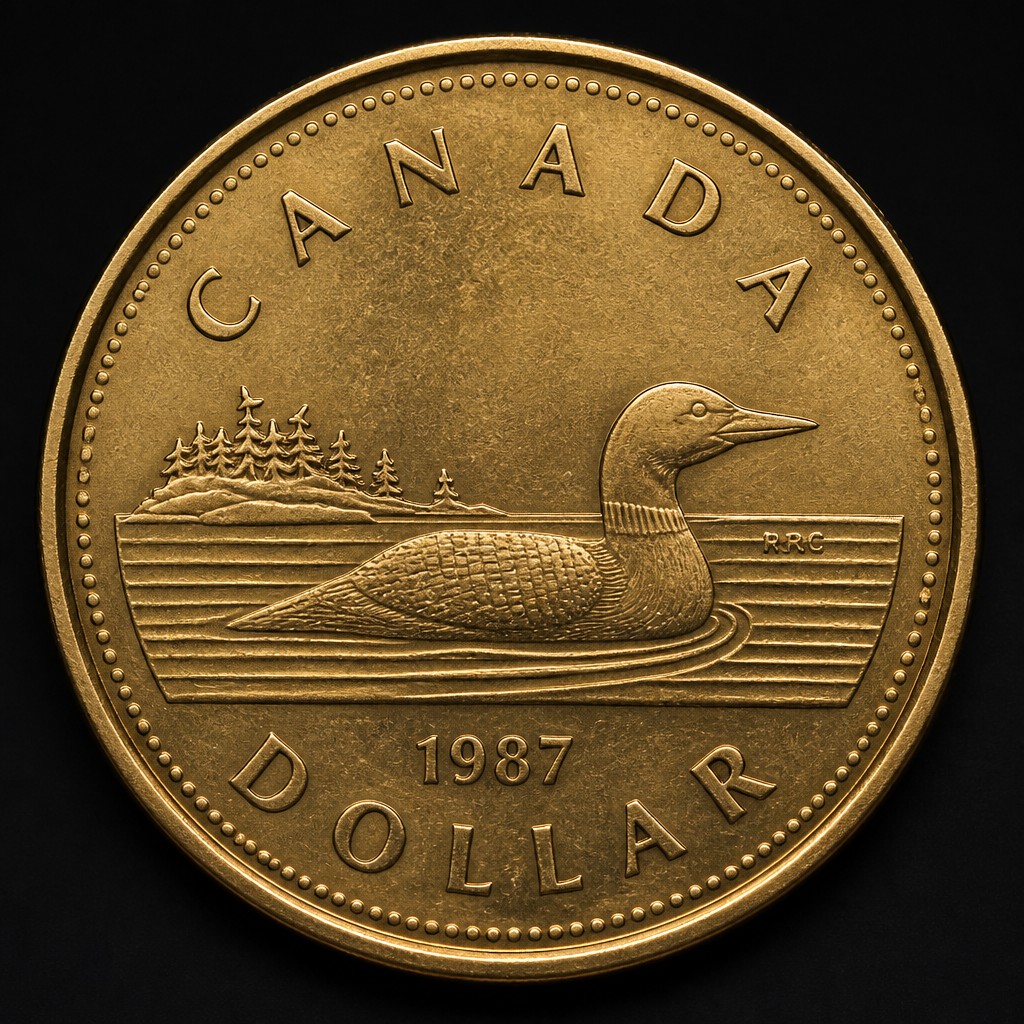
1987 Loon Dollar (Aureate)
Canada's first modern circulating dollar coin, introduced in 1987 to replace the paper dollar bill and nicknamed "the Loonie" after the common loon depicted on its reverse.
Canadian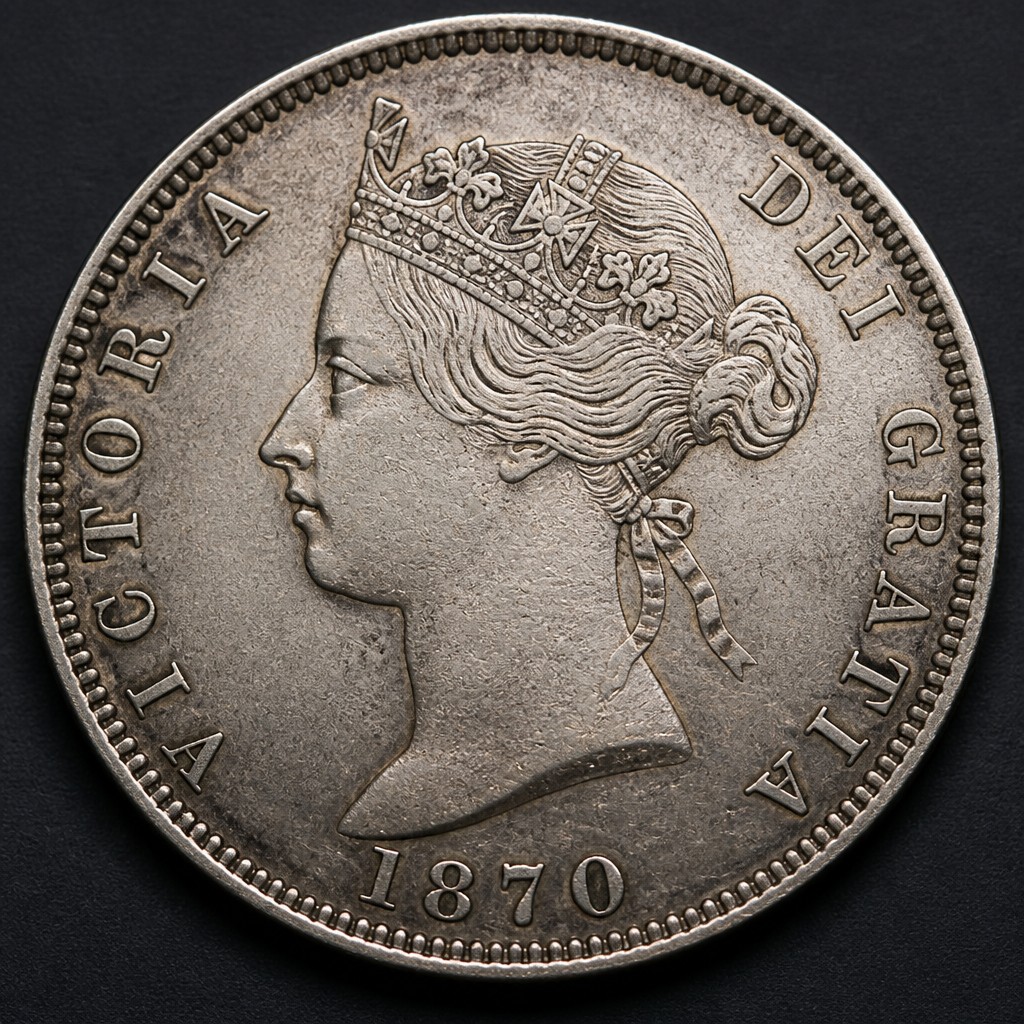
1870 Victoria Twenty-Five Cents
The first twenty-five-cent coin struck for the newly formed Dominion of Canada, issued in 1870 to replace the earlier, often-confused 1858 twenty-cent piece.
Canadian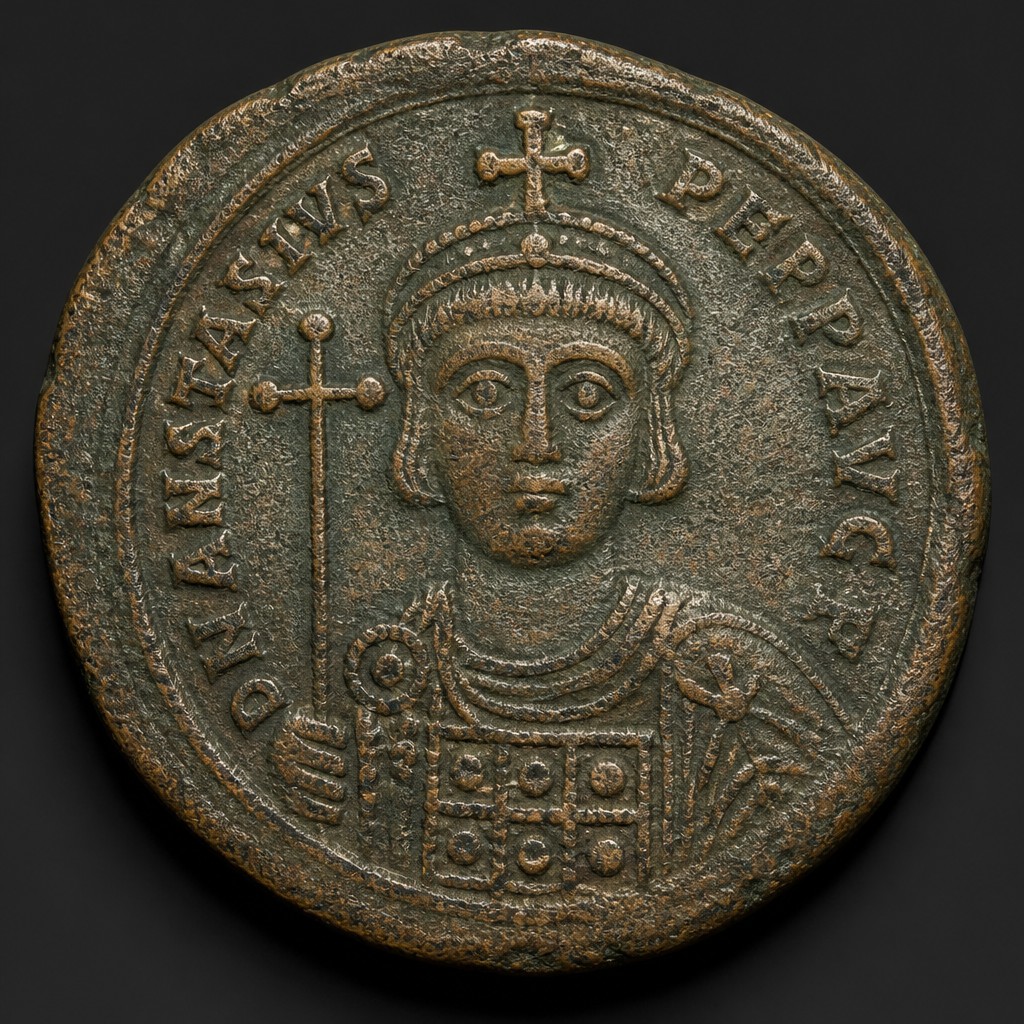
Byzantine Follis
The large bronze workhorse coin of everyday Byzantine commerce, reformed by Emperor Anastasius I in 498 AD with a prominent Greek numeral denoting its value of 40 nummi.
Ancient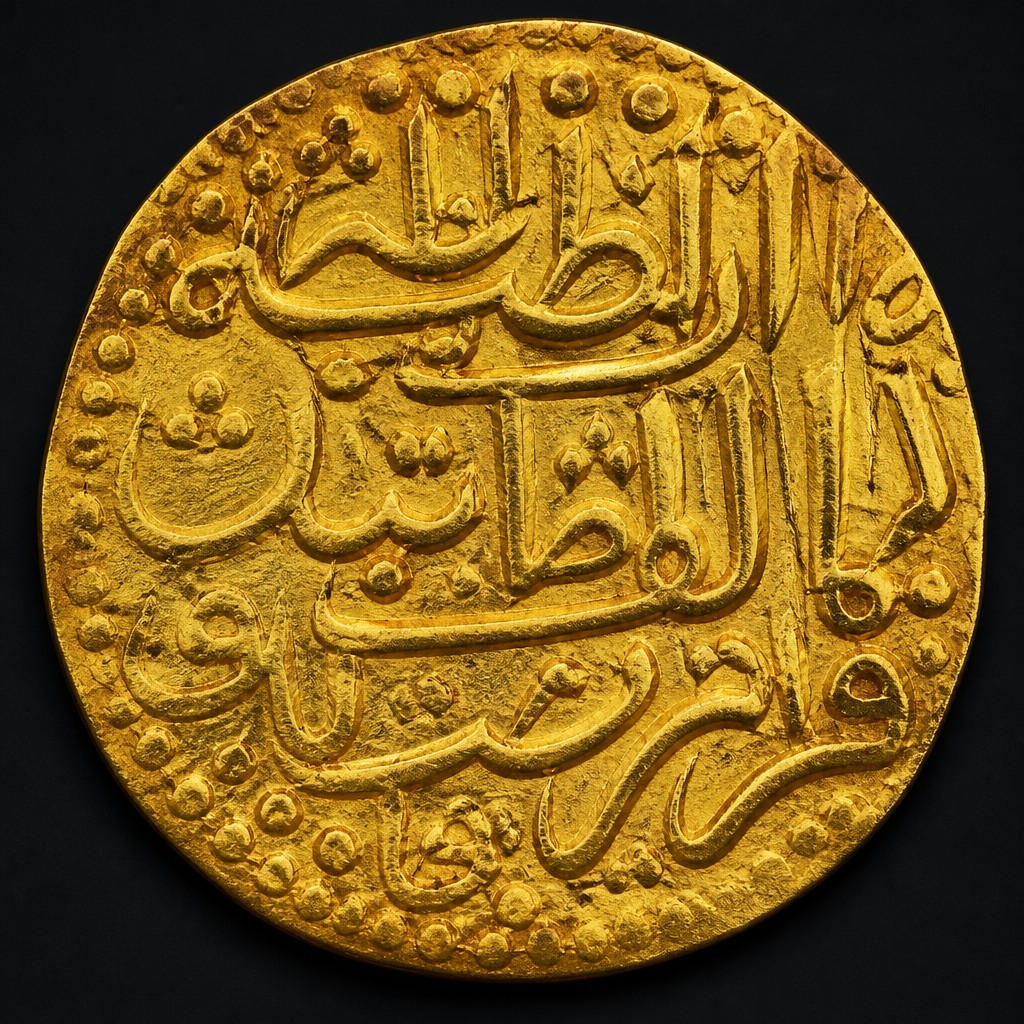
Ottoman Gold Sultani
The principal gold trade coin of the early Ottoman Empire, struck to match the weight and fineness of the Venetian ducat so it could compete in Mediterranean commerce.
World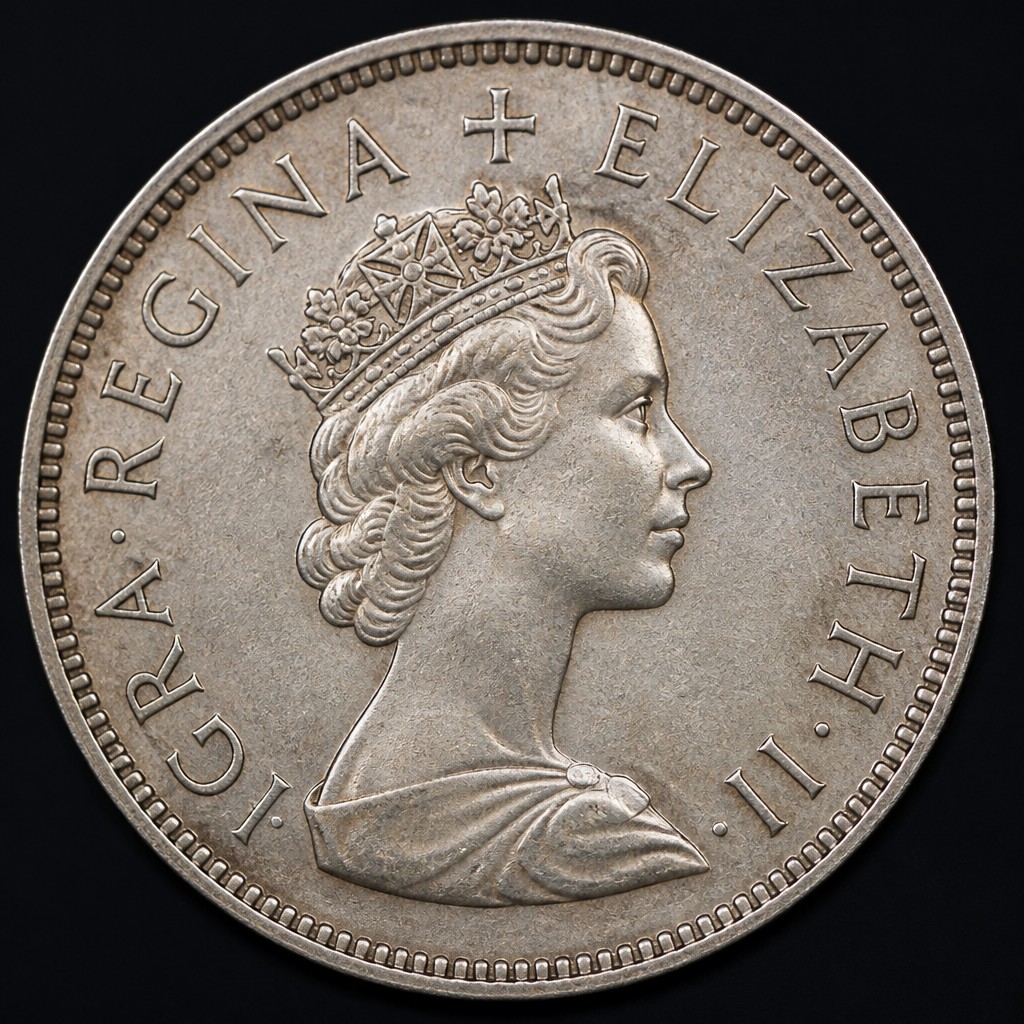
Shilling
One of Britain's oldest circulating silver denominations, nicknamed the 'bob,' equal to twelve pence and struck for over four centuries before decimalisation.
British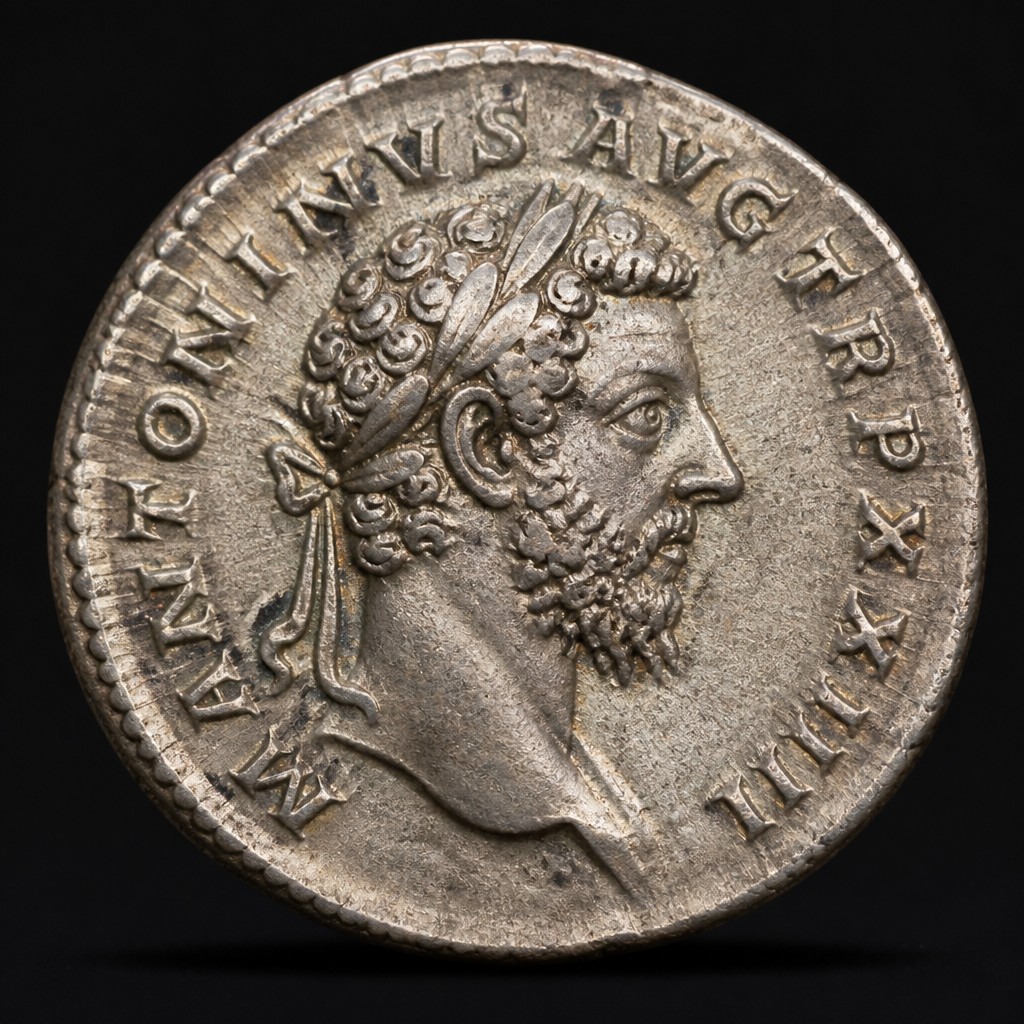
Marcus Aurelius Denarius
The silver coin of the philosopher-emperor Marcus Aurelius, struck during years of war and plague, reflecting a reign celebrated for its Stoic ideals amid crisis.
Ancient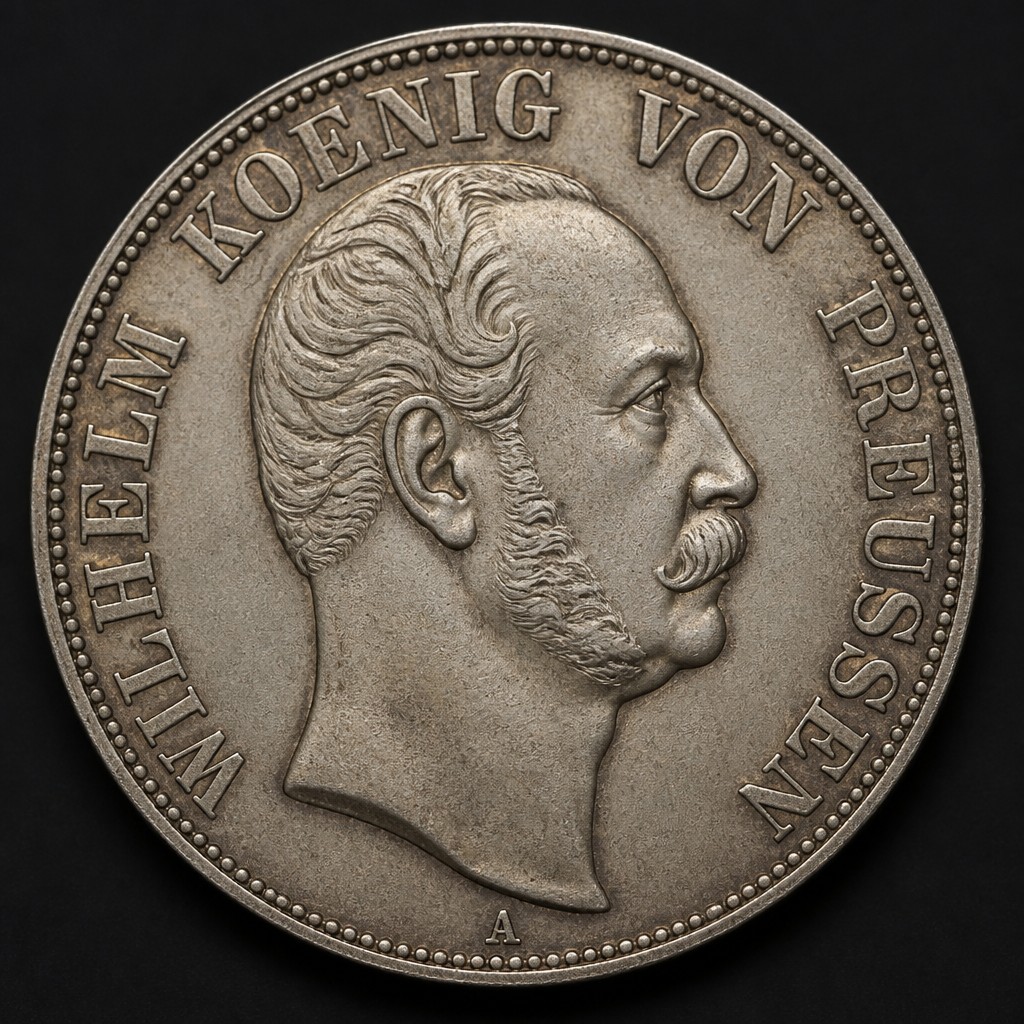
Prussian Vereinsthaler
A standardized silver thaler struck by the Kingdom of Prussia under the 1857 Vienna Monetary Treaty, unifying weight and fineness across many German and Austrian states before German unification.
European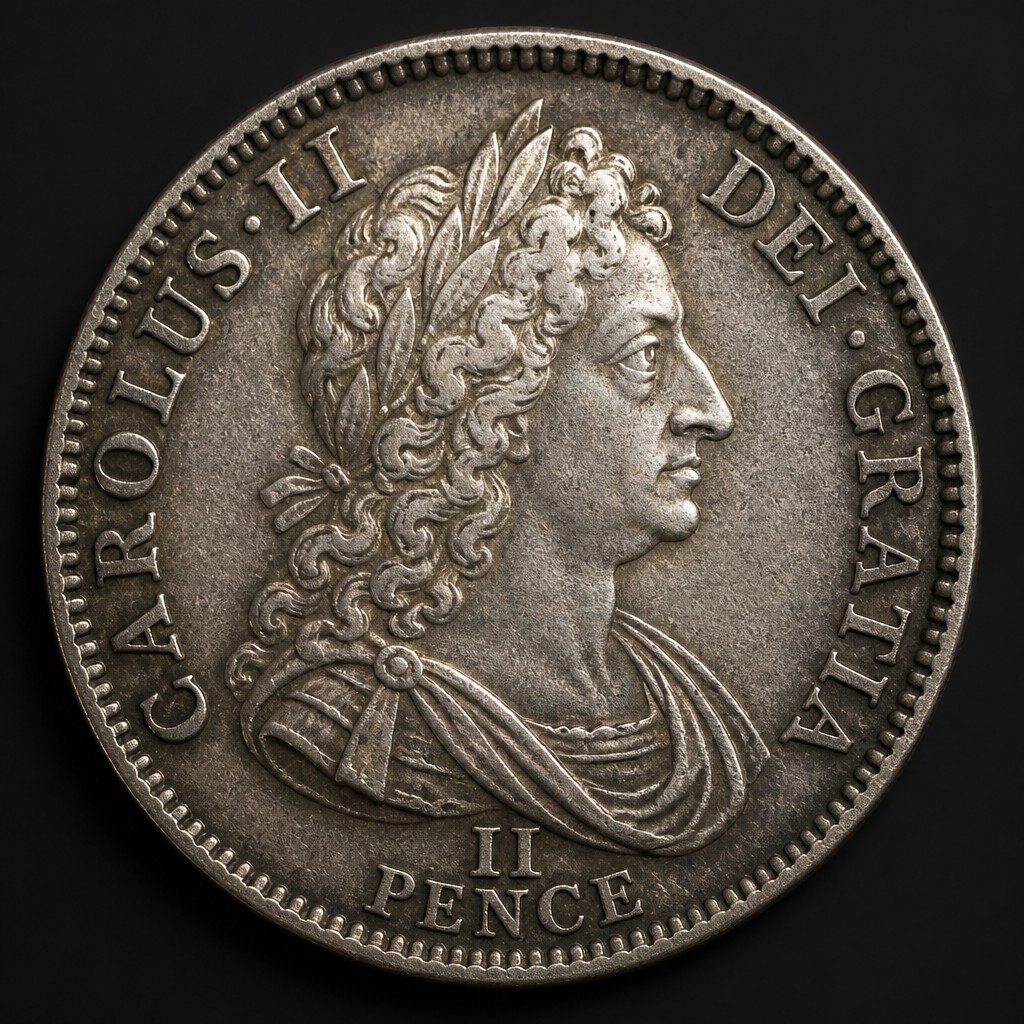
Maundy Twopence
A small silver twopence struck each year as part of the Royal Maundy set, historically descended from the medieval silver half groat and still distributed in the annual royal alms ceremony.
British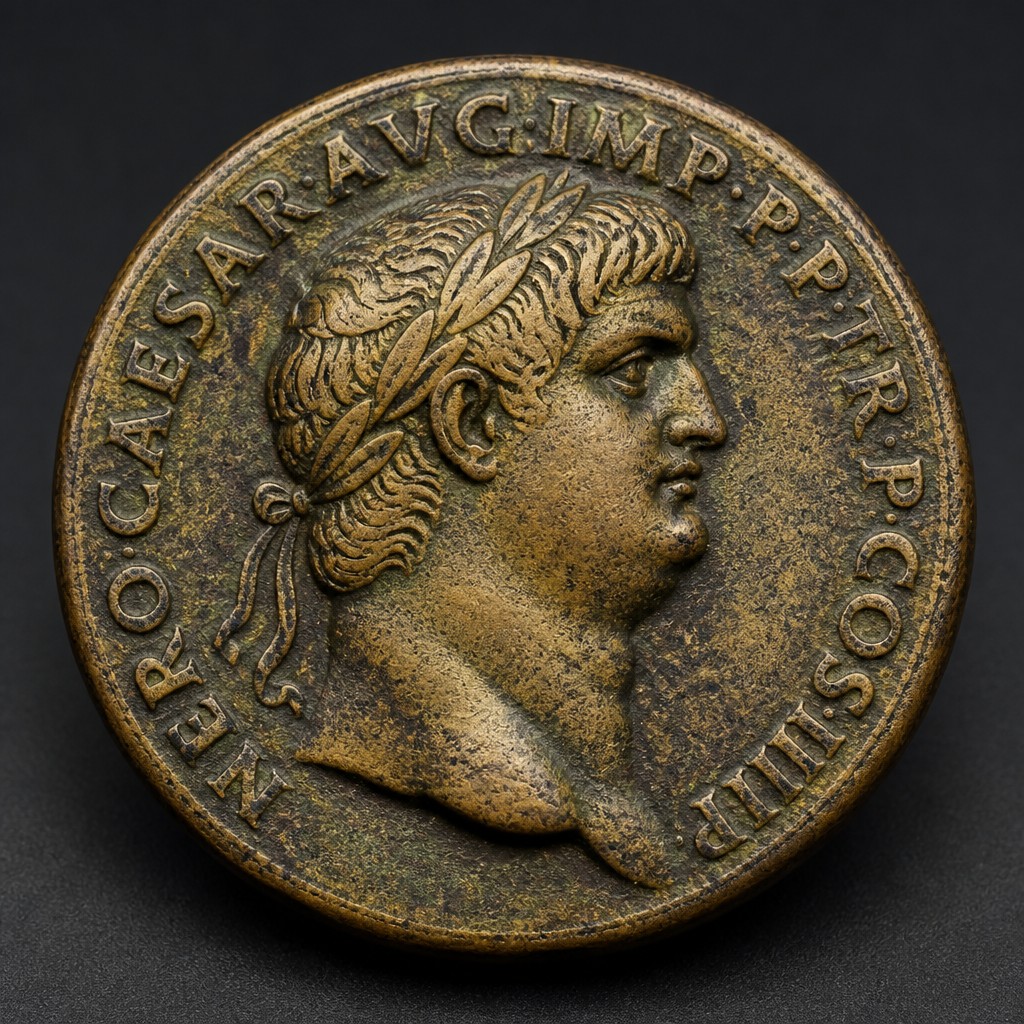
Nero Sestertius
A large bronze/brass coin of Nero widely admired for exceptional artistry, including famous reverse scenes of the Port of Ostia and the closed Temple of Janus.
Ancient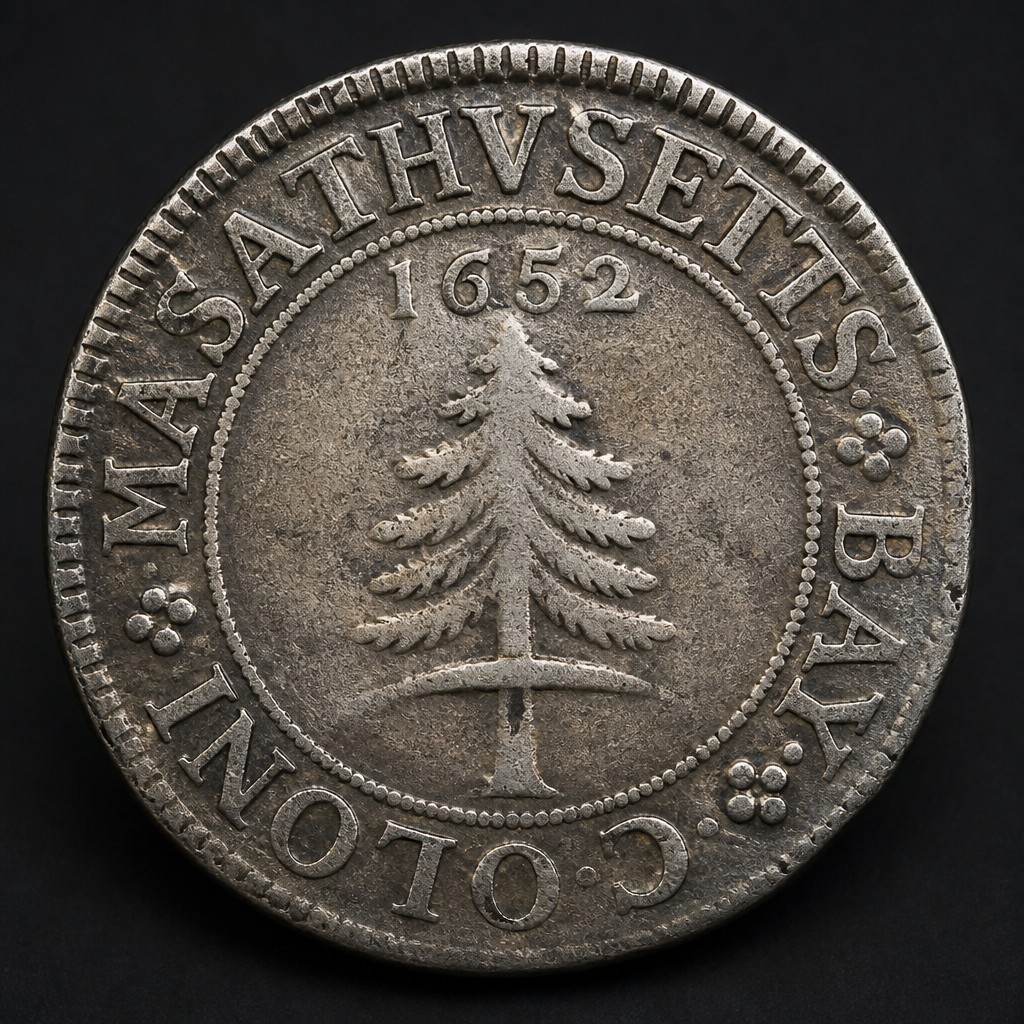
Pine Tree Shilling
Colonial Massachusetts silver shilling struck by John Hull and Robert Sanderson, famous for carrying the fixed date 1652 for roughly three decades of actual production.
United States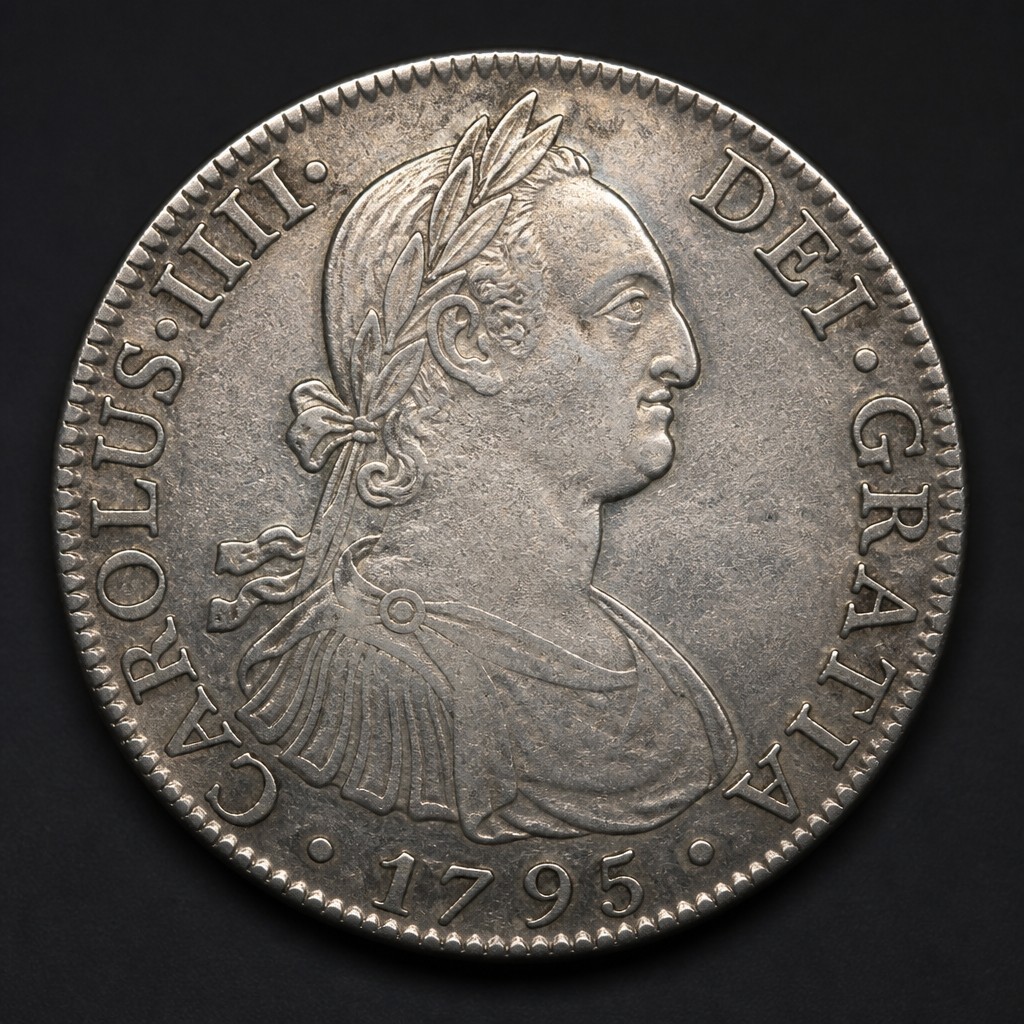
Peru 8 Reales (Lima Mint)
The flagship silver dollar-size coin of colonial and early republican Peru, struck at the historic Lima mint from cob and pillar types through crowned-shield busts.
Latin American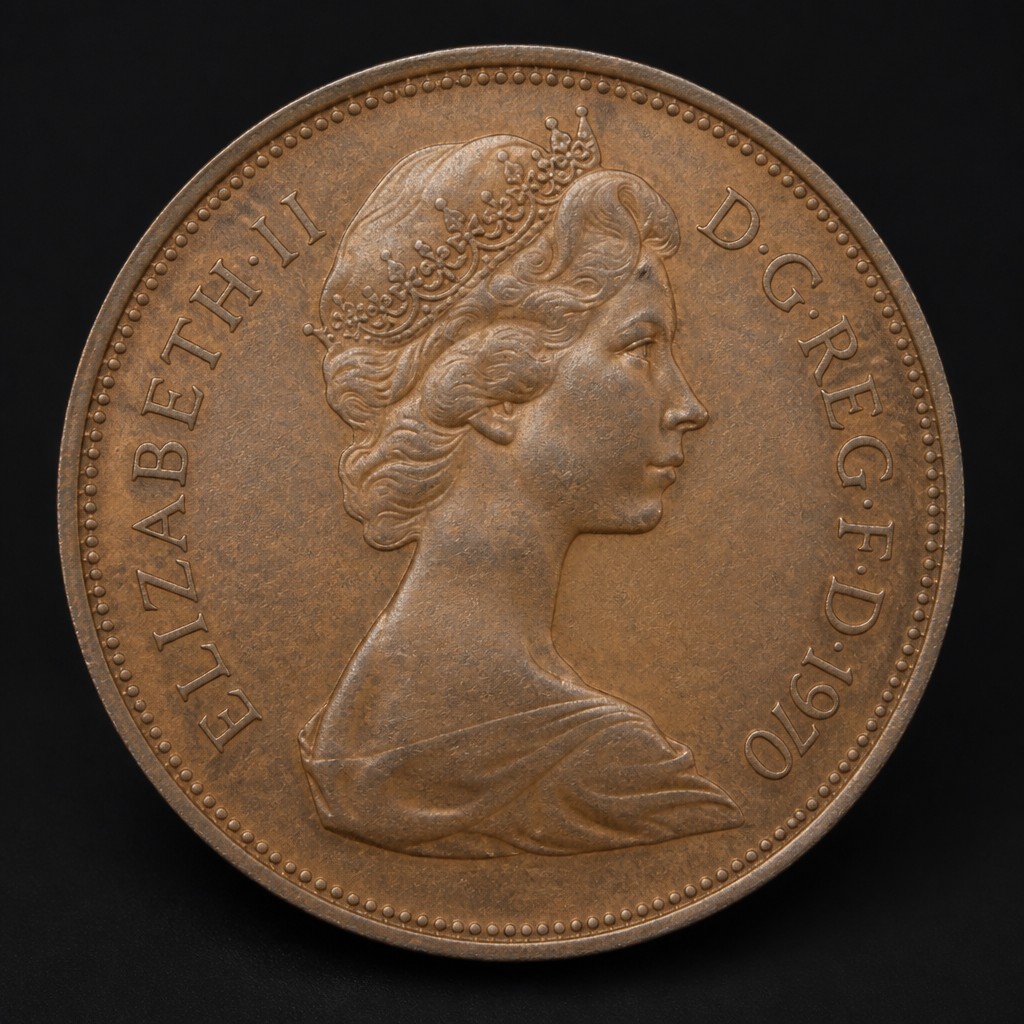
Penny
One of the oldest and most iconic British denominations, the pre-decimal penny is famous for its large bronze Britannia design and beloved key dates like the 1933 penny.
British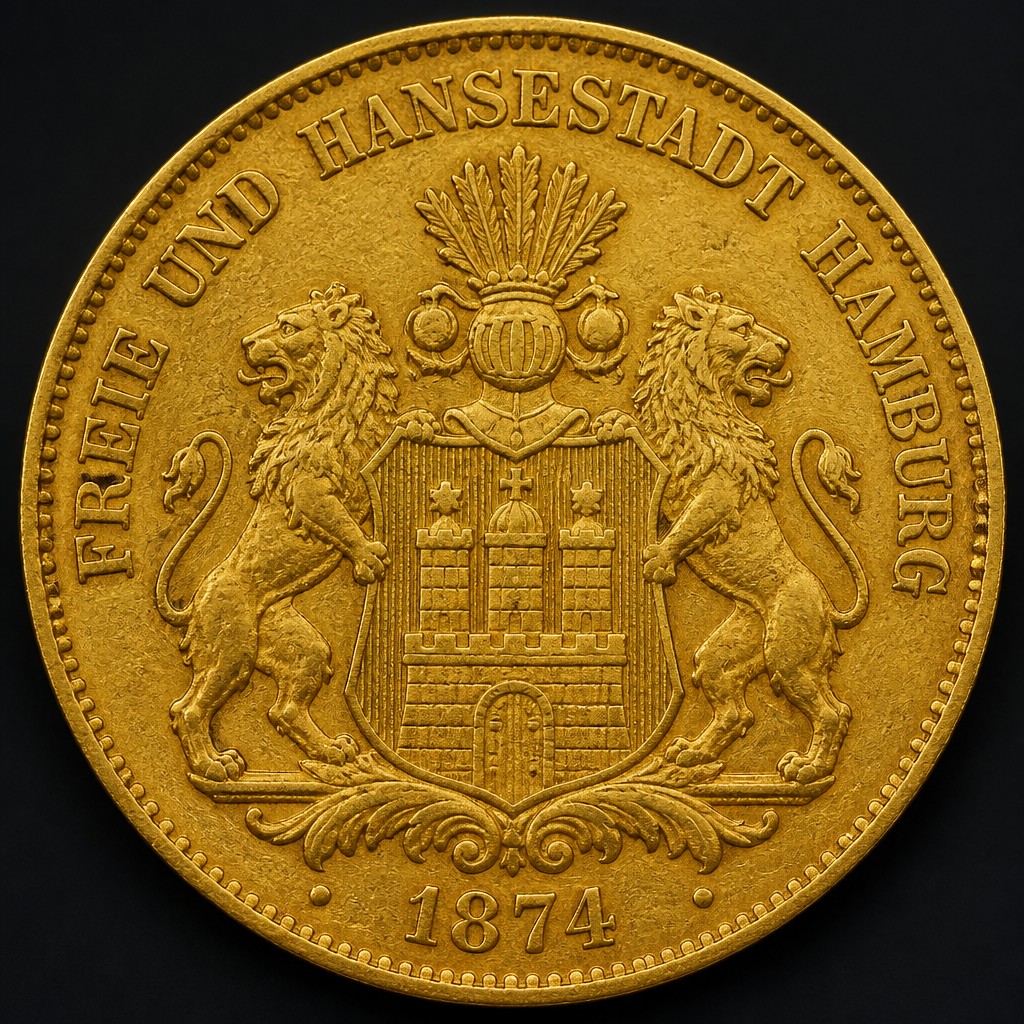
German Hamburg Ducat
A small, exceptionally high-purity gold trade coin struck for centuries by the free city of Hamburg, prized for its consistent fineness and long production history.
European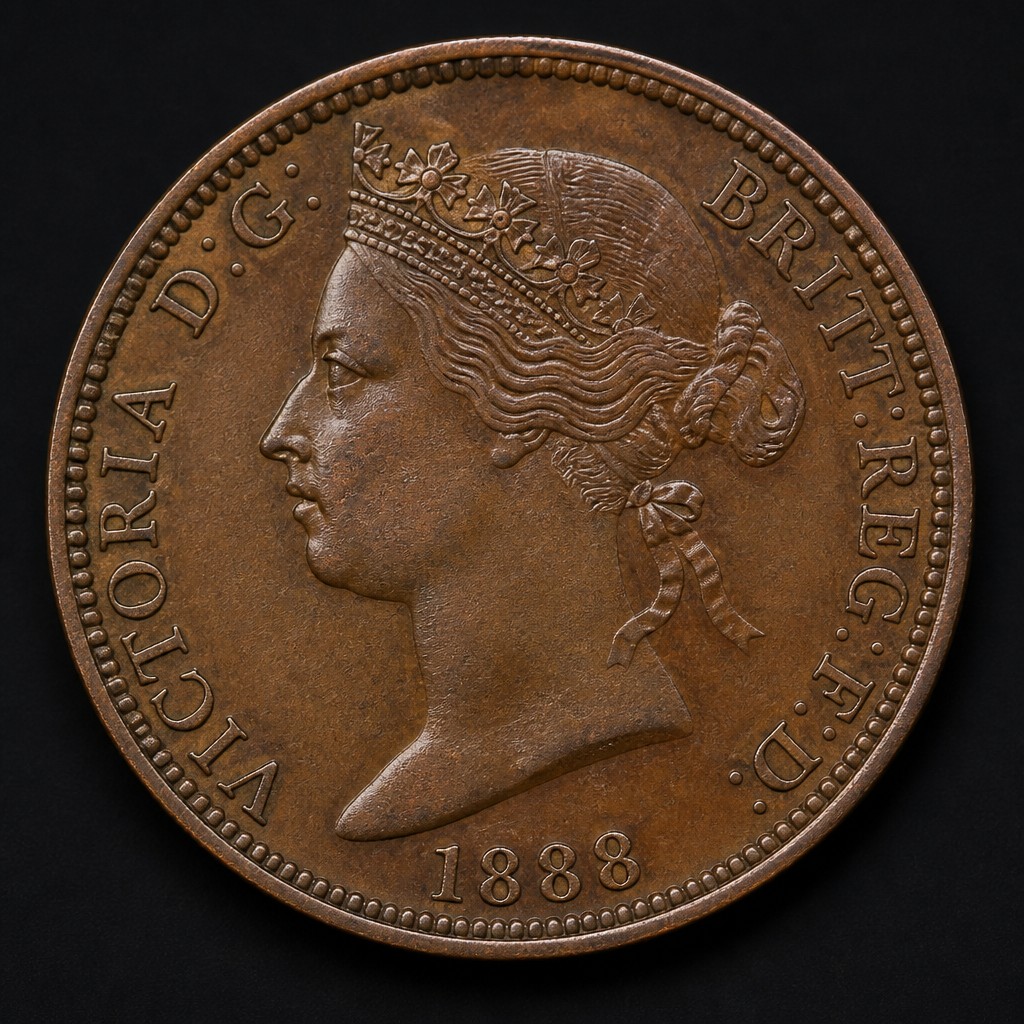
Third Farthing
An extremely small denomination worth one-twelfth of a penny, struck mainly to serve the currency needs of the British colony of Malta across the nineteenth and early twentieth centuries.
British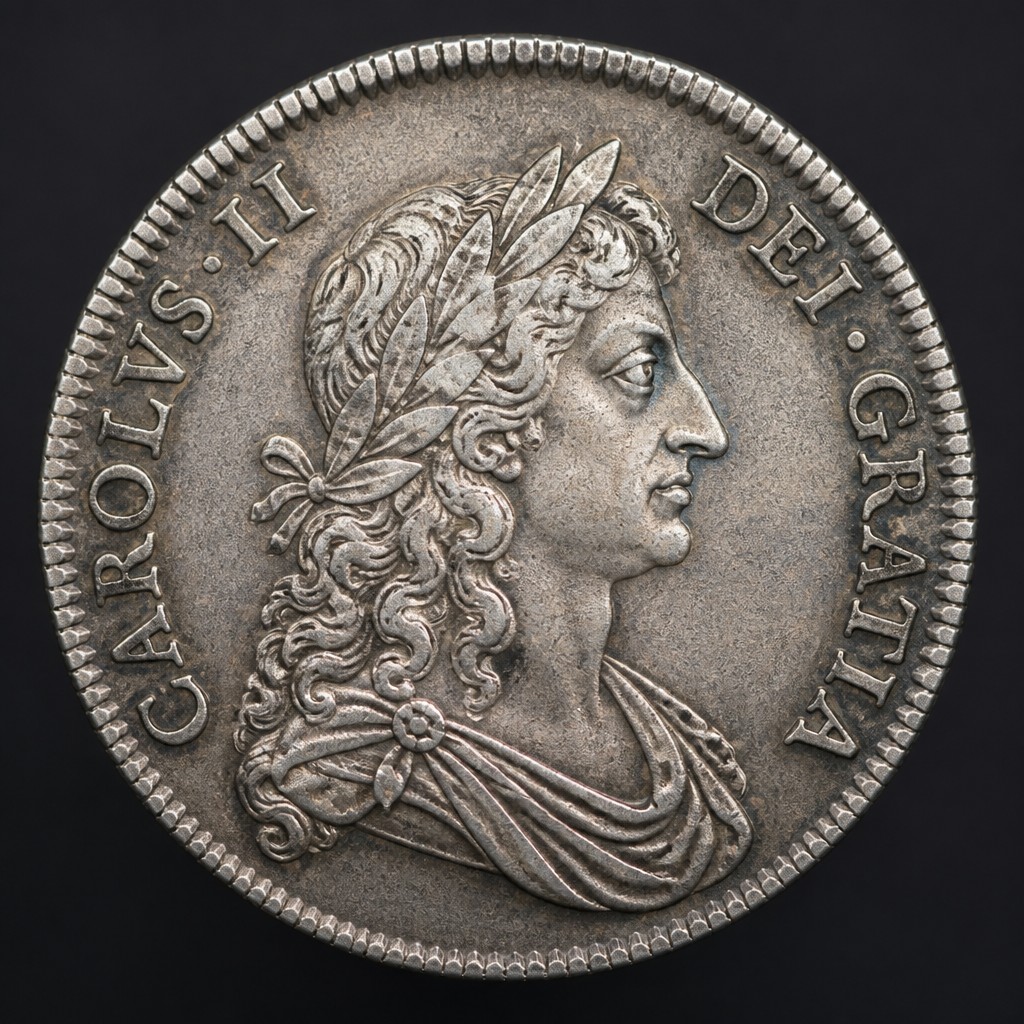
Maundy Threepence
The third denomination of the Royal Maundy set, a small silver threepence given out in the monarch's annual pre-Easter alms ceremony, distinct from Britain's separate everyday circulating threepence.
British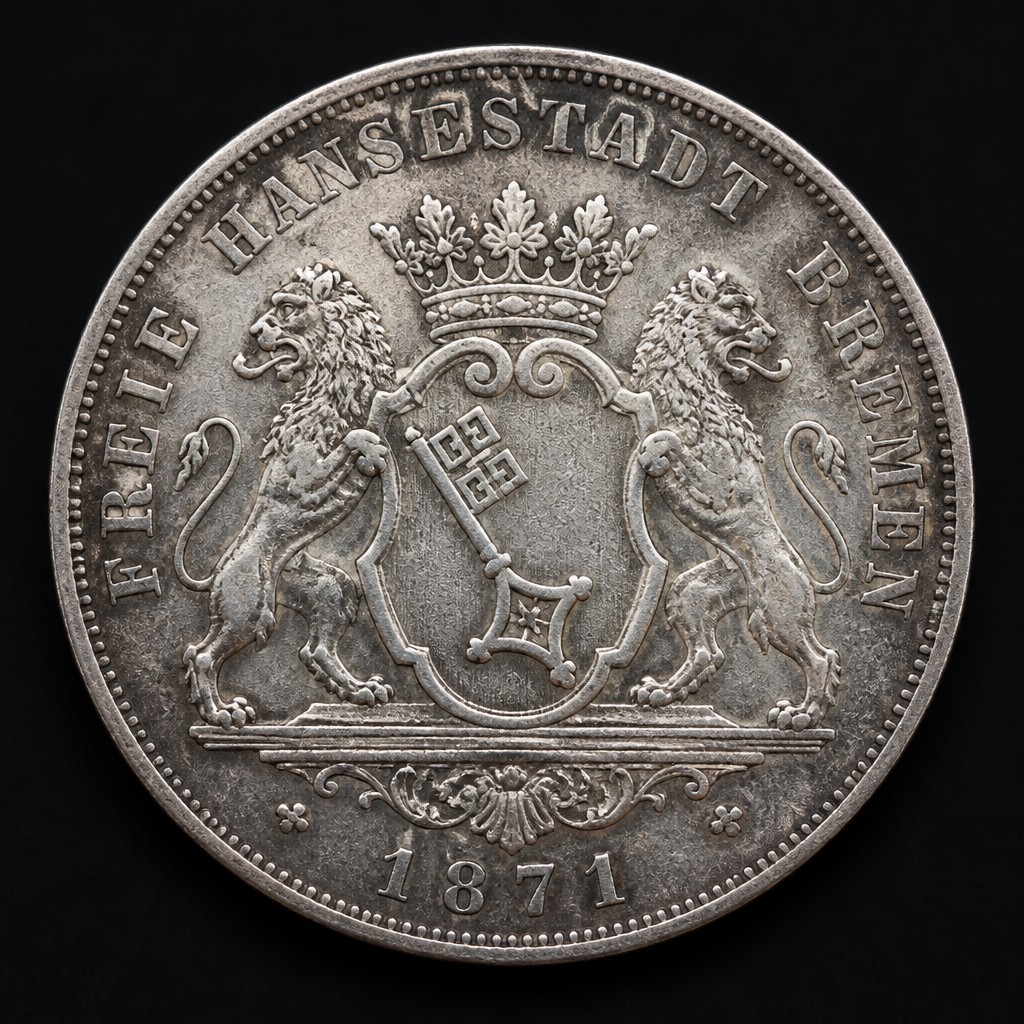
Bremen Thaler
A silver thaler of the free Hanseatic city of Bremen, typically featuring the city's key emblem, issued for centuries as an independent trading city's own coinage.
European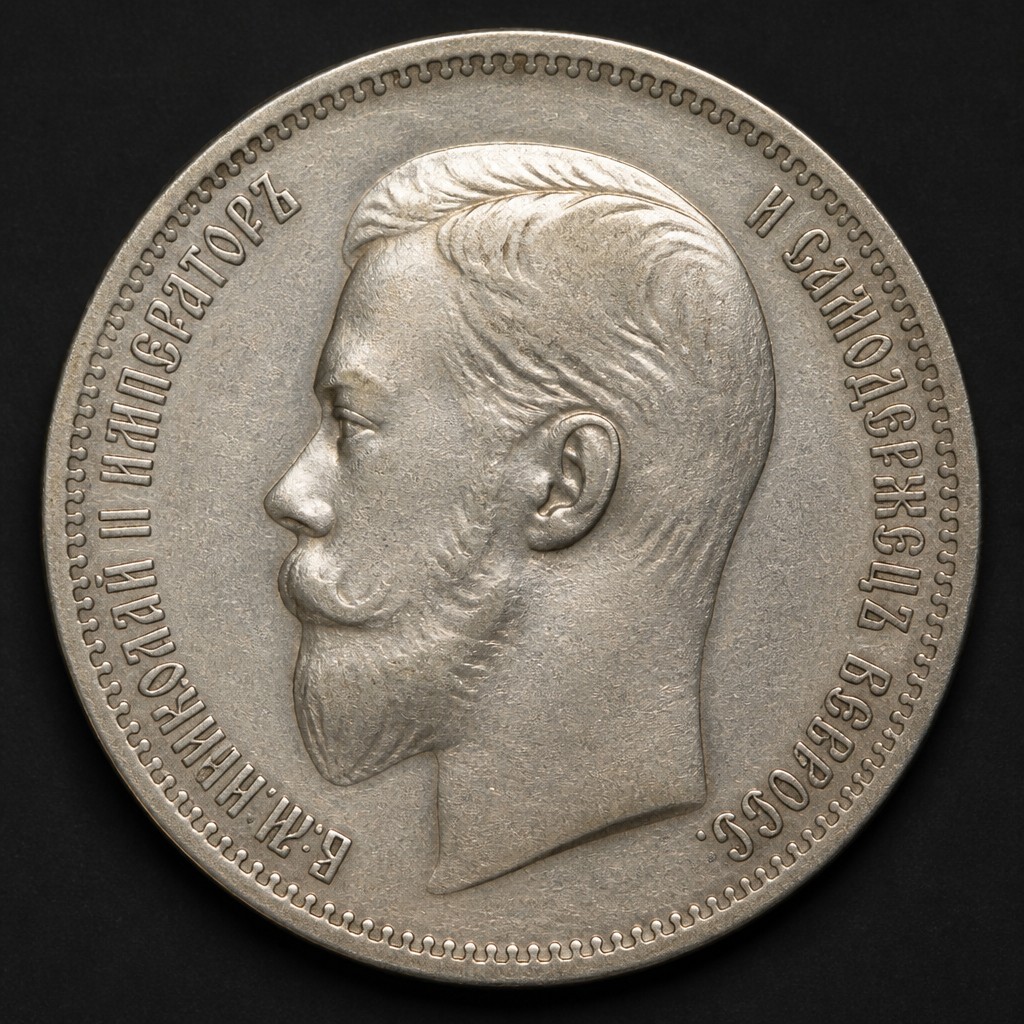
Russian Ruble (Imperial)
The principal silver coin of the Russian Empire, struck for over two centuries and bearing the portraits of successive tsars and the imperial double-headed eagle.
European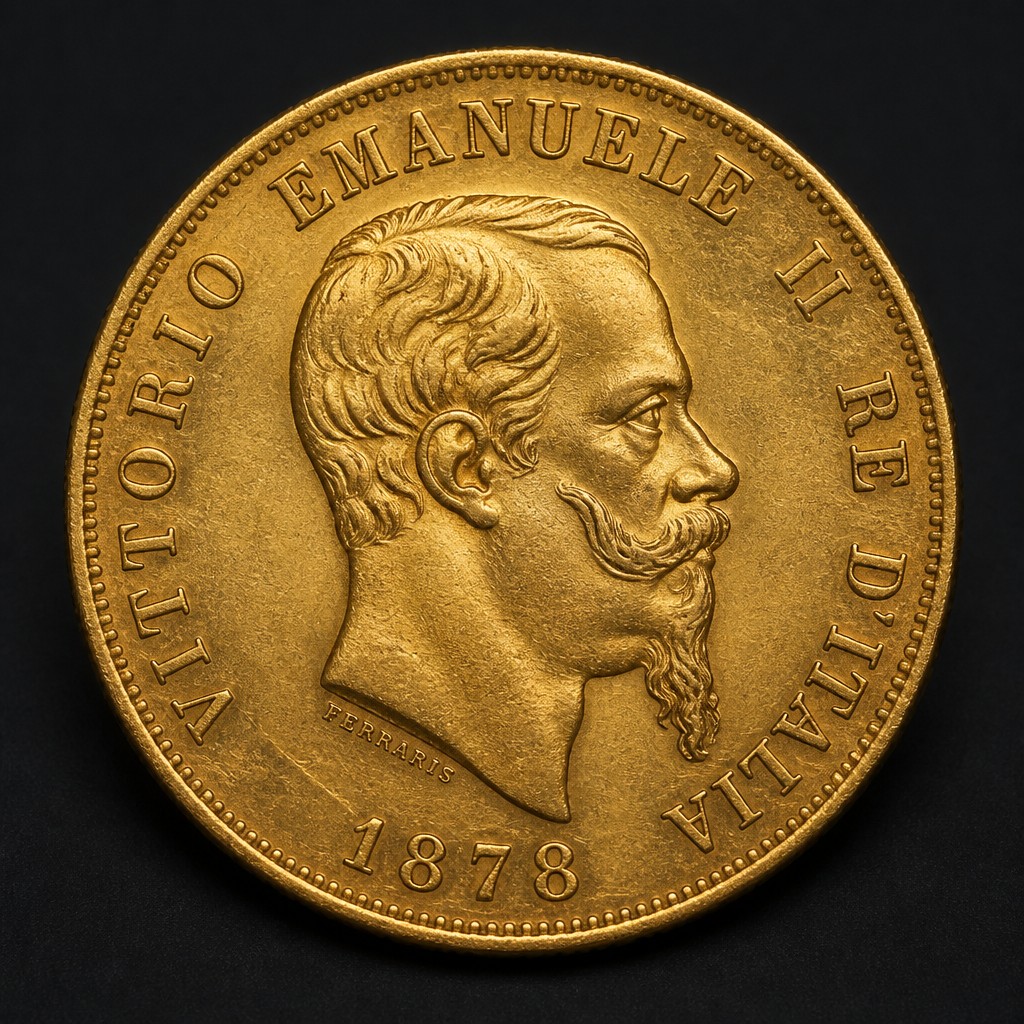
Italian 100 Lire Gold
The largest gold denomination of the Kingdom of Italy's Latin Monetary Union coinage, struck under Vittorio Emanuele II and Umberto I in relatively limited numbers.
European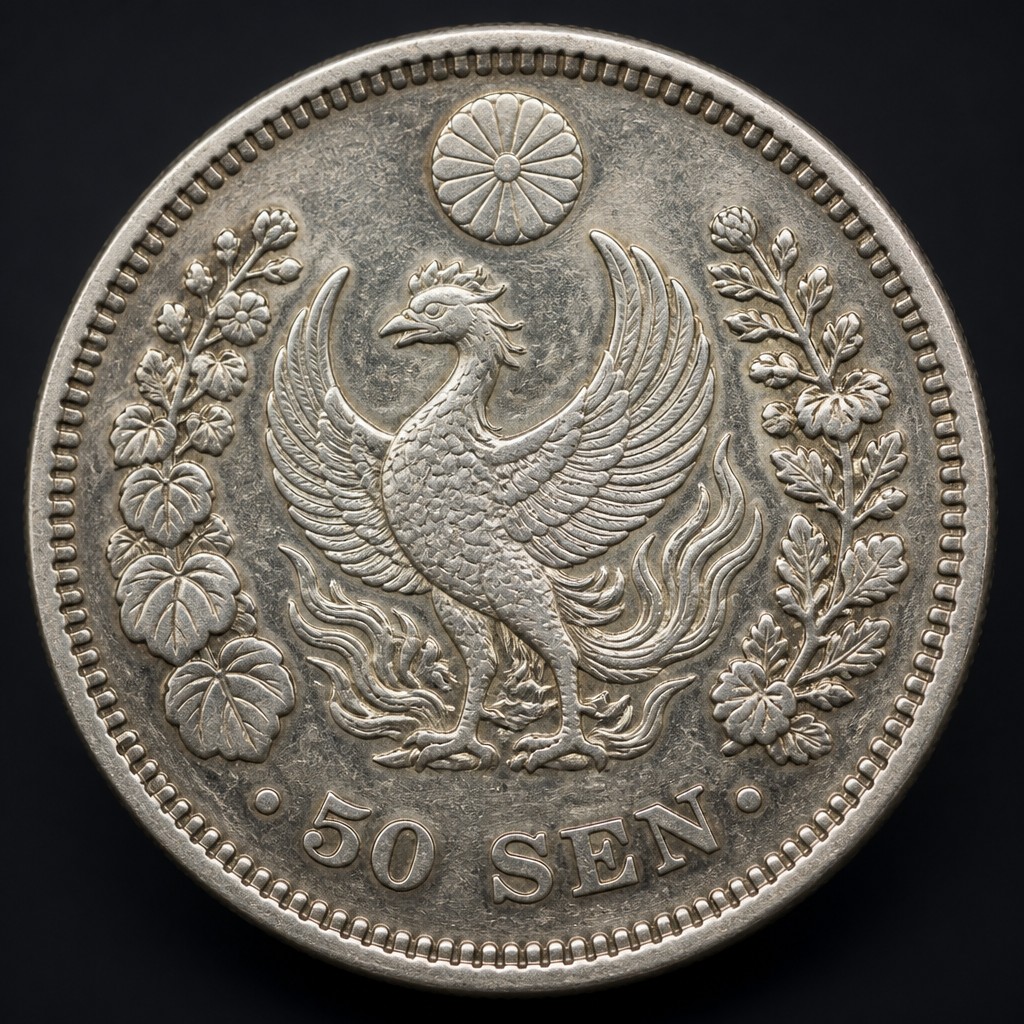
Japanese 50 Sen Silver (Meiji Phoenix)
An early Meiji-era Japanese silver coin featuring a coiled dragon on the obverse and a phoenix on the reverse, part of Japan's first modern decimal coinage system introduced after the Meiji Restoration.
Asian