
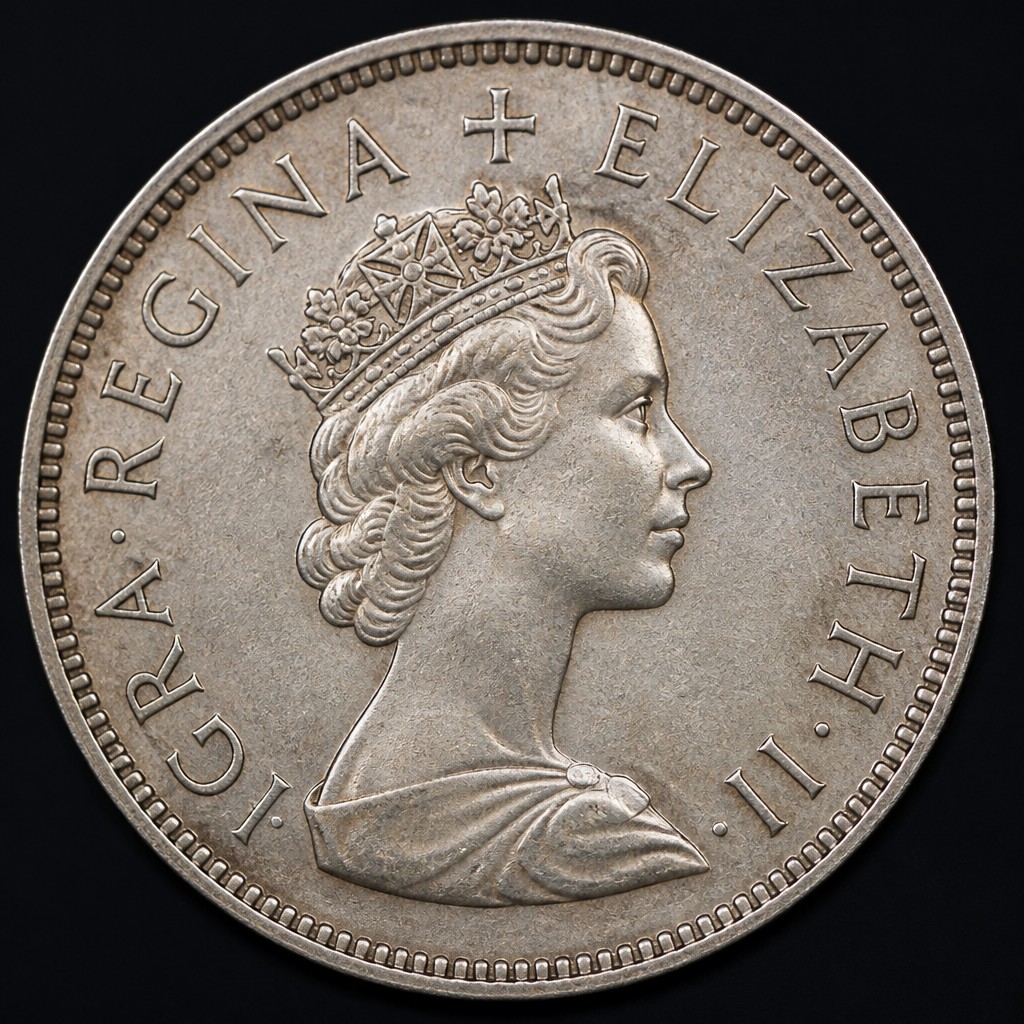
Shilling
One of Britain's oldest circulating silver denominations, nicknamed the 'bob,' equal to twelve pence and struck for over four centuries before decimalisation.
- Country
- United Kingdom
- Denomination
- Shilling (1s)
- Metal
- Sterling Silver (.925/.500) then Cupro-Nickel
Got a coin like this?
Identify any coin from a photo, free.
Overview
The shilling was a foundational unit of British currency, worth twelve pence, or one-twentieth of a pound, and it lent its name colloquially to the phrase "twenty shillings to the pound" that defined pre-decimal British money. It descended from the Tudor testoon and remained in continuous production, in various metals, into the 1960s.
Beyond its practical role in everyday commerce, the shilling is a favorite among type collectors because Scottish and English reverse designs were struck side by side under Elizabeth II, offering two distinct varieties from the same date and denomination.
Its long run across many monarchs makes assembling a date-and-reign set of shillings a popular, moderately priced collecting project.
History & Background
The shilling originated as the testoon under Henry VII around 1503, evolving in name and design into the shilling proper during the reign of Henry VIII and Edward VI. It became a workhorse denomination of English, then British, coinage for the next four and a half centuries, struck in silver throughout the Tudor, Stuart, Georgian, and Victorian periods.
Under George V, silver content dropped to 50% in 1920 due to wartime and post-war economic strain, and in 1947 the shilling transitioned fully to cupro-nickel. From 1937, Elizabeth II and George VI-era shillings were struck in two parallel reverse types: an English version with three lions passant, and a Scottish version with a lion rampant within a tressure, reflecting the union's dual heraldic traditions.
The shilling's value of twelve pence made it exactly equal to the decimal five pence piece introduced in 1968, and shillings continued to circulate as five pence coins for years afterward until the 5p was reduced in size in 1990, finally retiring the old shilling-sized coin from circulation.
How to Identify
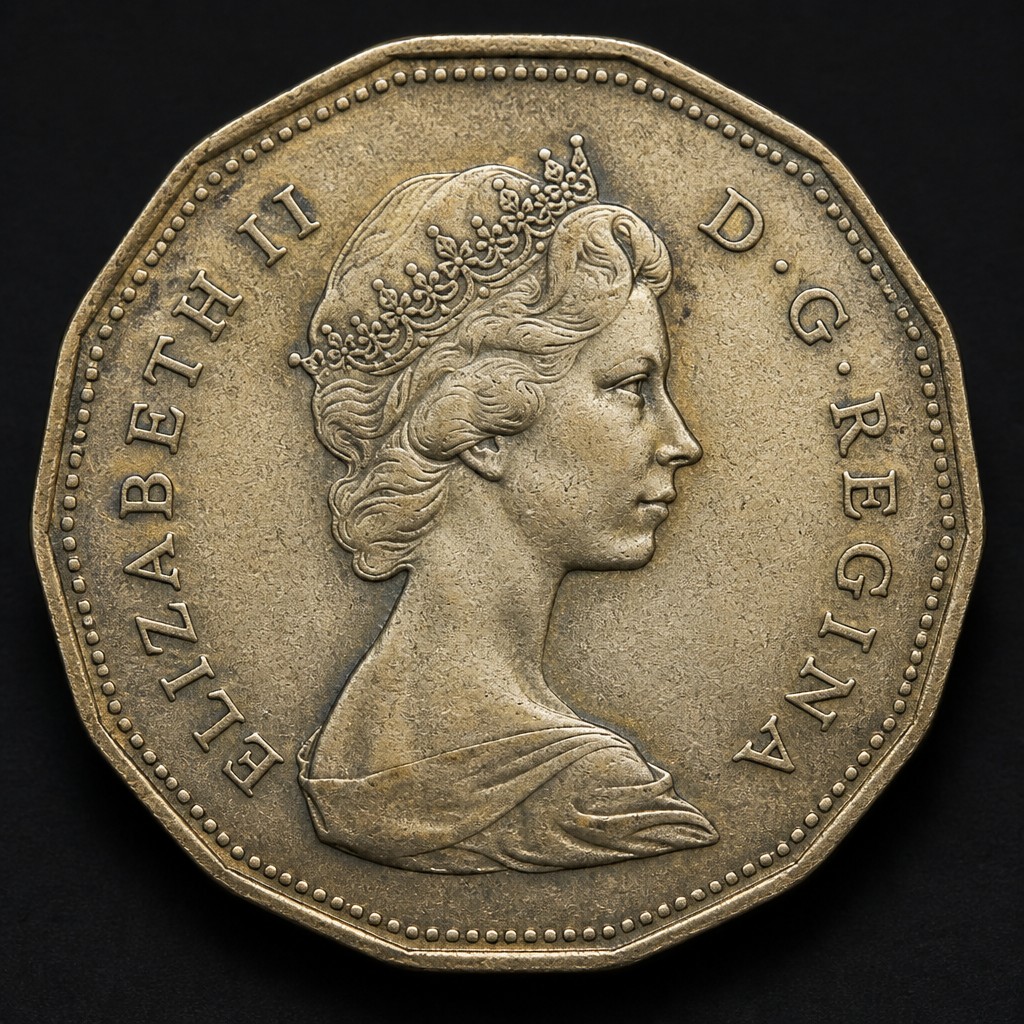
Obverses show the monarch's portrait with the standard Latin regnal legend. Reverse designs are the key identification point for later issues: English shillings depict three lions passant guardant within a shield, while Scottish shillings show a lion rampant within a double tressure, both series struck concurrently from 1937 onward and distinguishable at a glance.
Earlier shillings, from Tudor through Georgian times, typically show a crowned shield of royal arms or, in some Stuart issues, a plumed or garnished shield design specific to the reign.
The shilling measures about 23–24mm in diameter, smaller than the florin, and follows the standard British silver debasement timeline: sterling silver before 1920, 50% silver 1920–1946, and cupro-nickel from 1947 onward, which can be judged by the coin's tone and slightly duller luster in later issues.
Value & Collectibility
Common twentieth-century shillings, especially George V, George VI, and Elizabeth II English or Scottish types, are inexpensive and widely available for a few dollars in circulated grades, making them accessible for new collectors of British coinage. Scarcer varieties and certain Victorian dates carry modest premiums, while early hammered shillings from Tudor and Stuart reigns can be considerably more valuable depending on condition and rarity of the specific monarch or mint.
Proof shillings and pattern pieces, along with exceptionally well-struck uncirculated examples, attract stronger collector interest and higher prices than typical circulated coins.
As with other pre-decimal British silver, the vast majority of shillings trade for modest sums, with true rarity concentrated in early dates, low-mintage years, and superior condition survivors.
Frequently asked questions
How much was a shilling worth?
One shilling equaled twelve pence, or one-twentieth of a pound sterling, later equivalent to five new pence after decimalisation.
Why are there two types of Elizabeth II shillings?
From 1937 the Royal Mint struck parallel English (three lions) and Scottish (lion rampant) reverse designs for the same denomination and dates.
What is a 'bob'?
It is British slang for one shilling, a term widely used in everyday speech before decimalisation in 1971.
Are old shillings still legal tender?
They are demonetised and no longer accepted as currency, though they remain popular and affordable collectibles.
Other coins you may enjoy
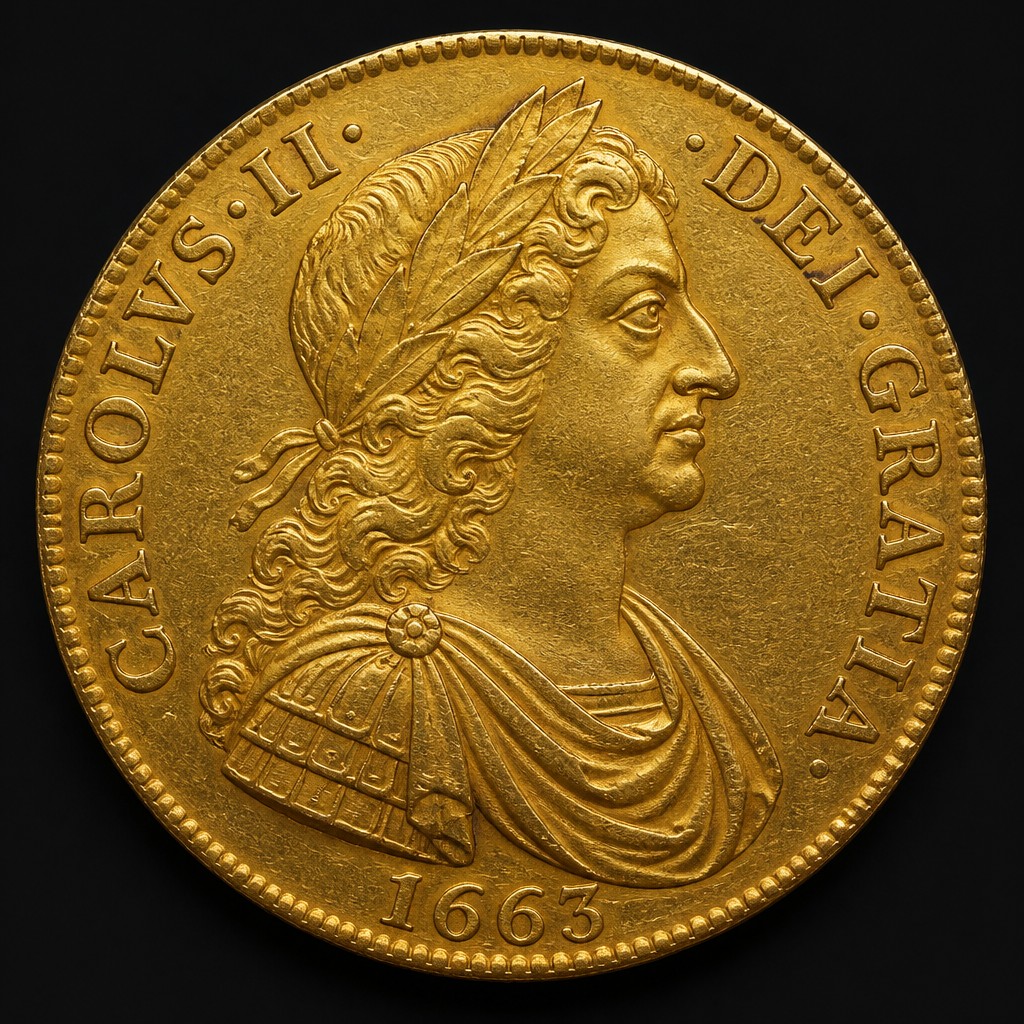
British Guinea
1663–1814
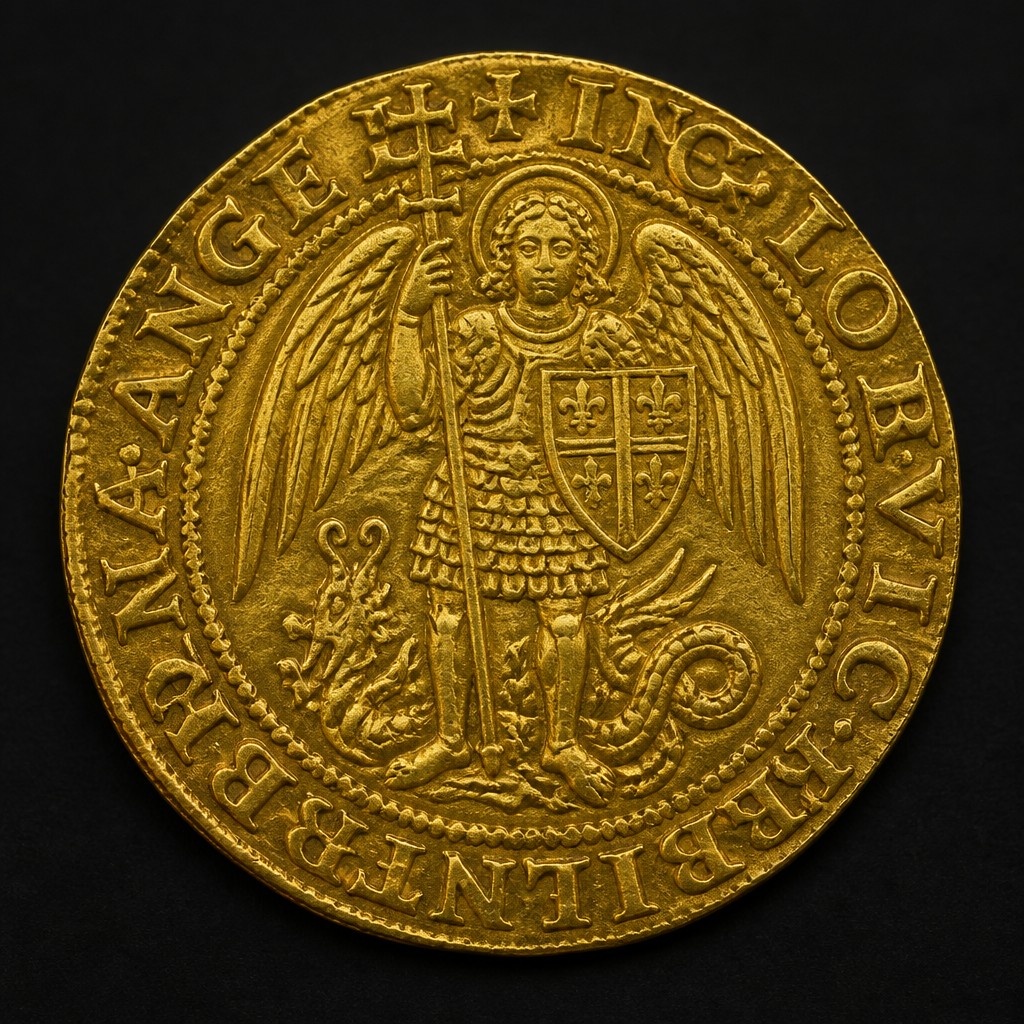
English Angel
1465–1642
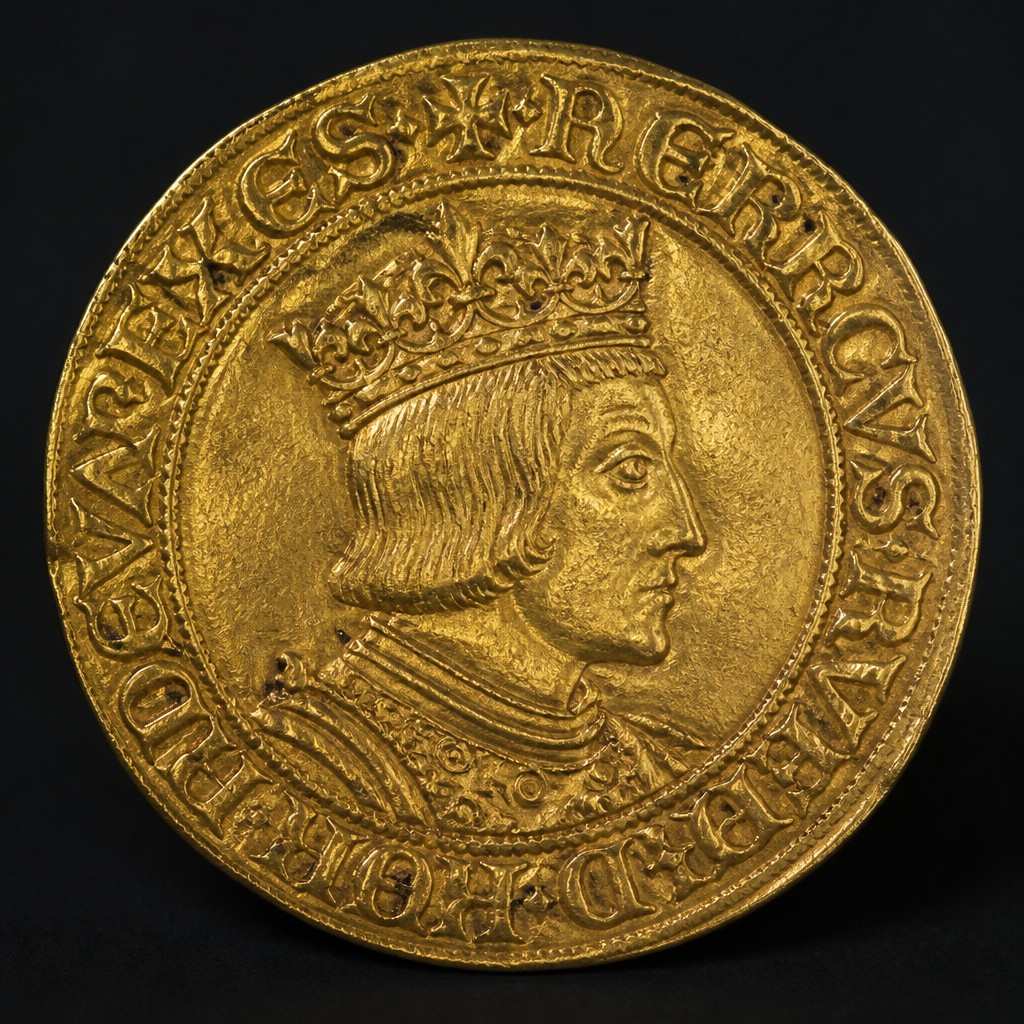
English Sovereign of Henry VII
1489–1509
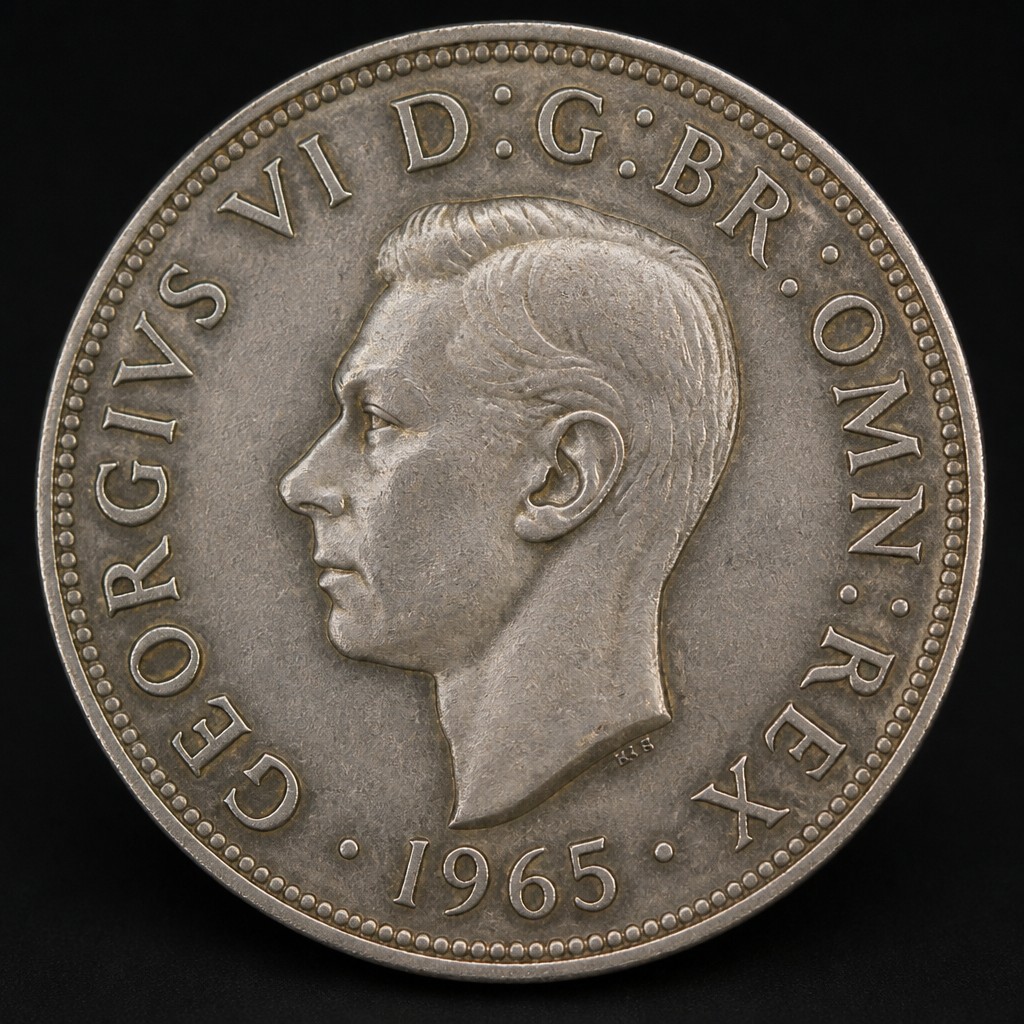
English Crown
1526–1965 (pre-decimal; commemorative crown-sized coins continue as five pound coins)
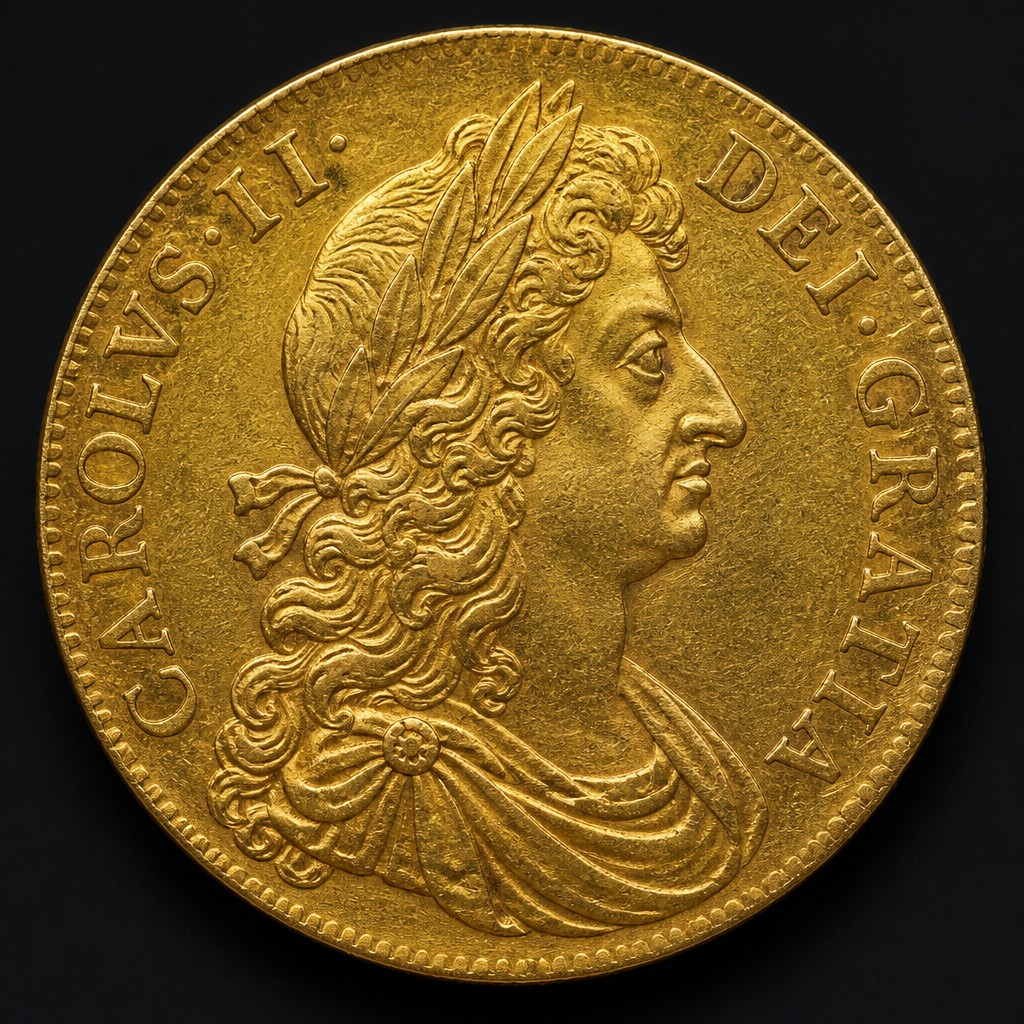
British Gold Guinea
1663–1814
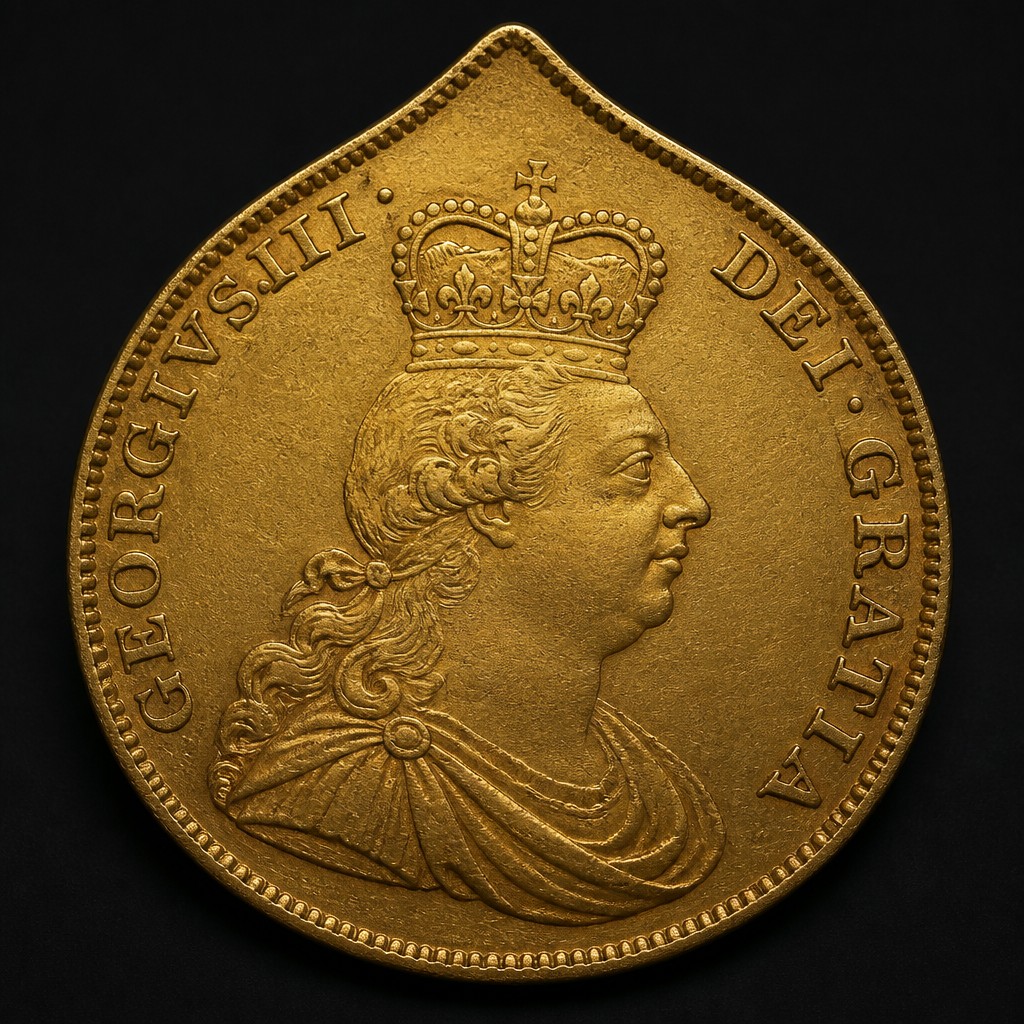
Spade Guinea
1787–1799
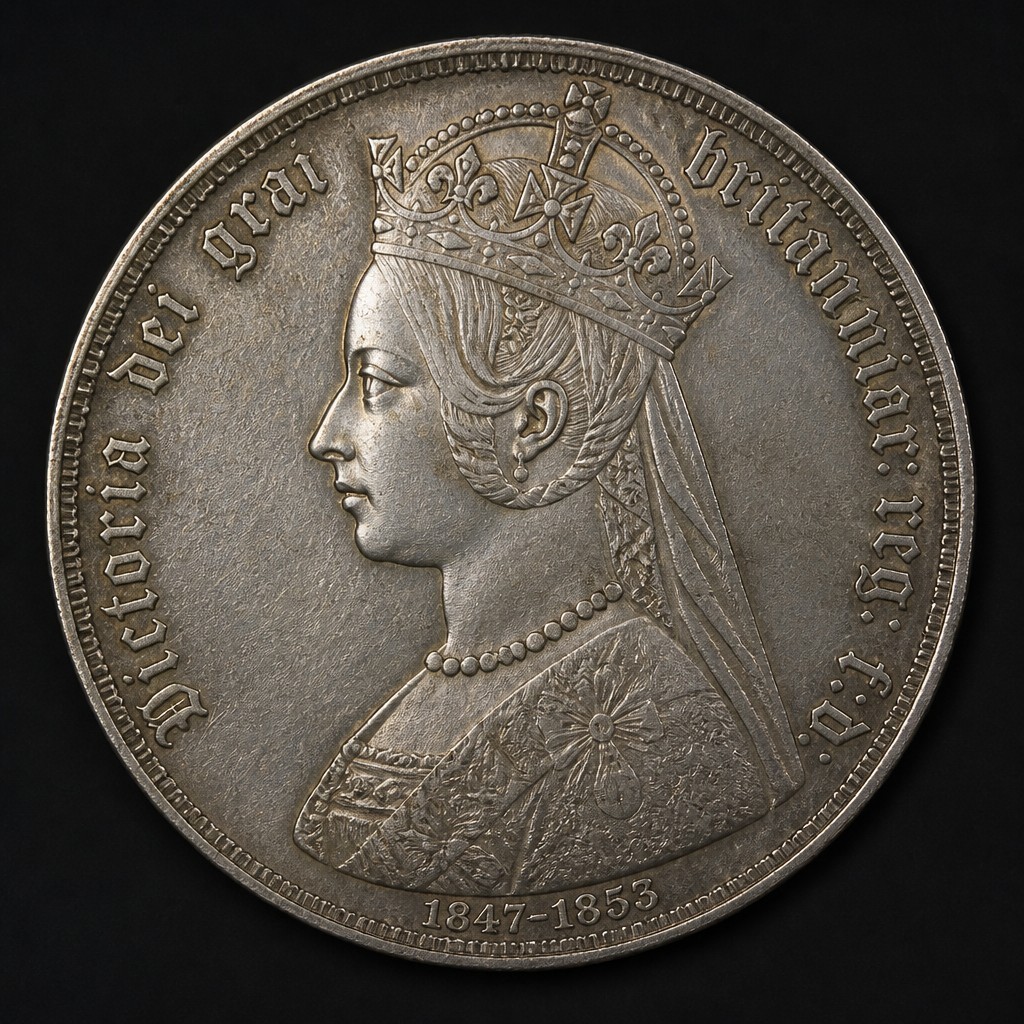
Gothic Crown
1847–1853
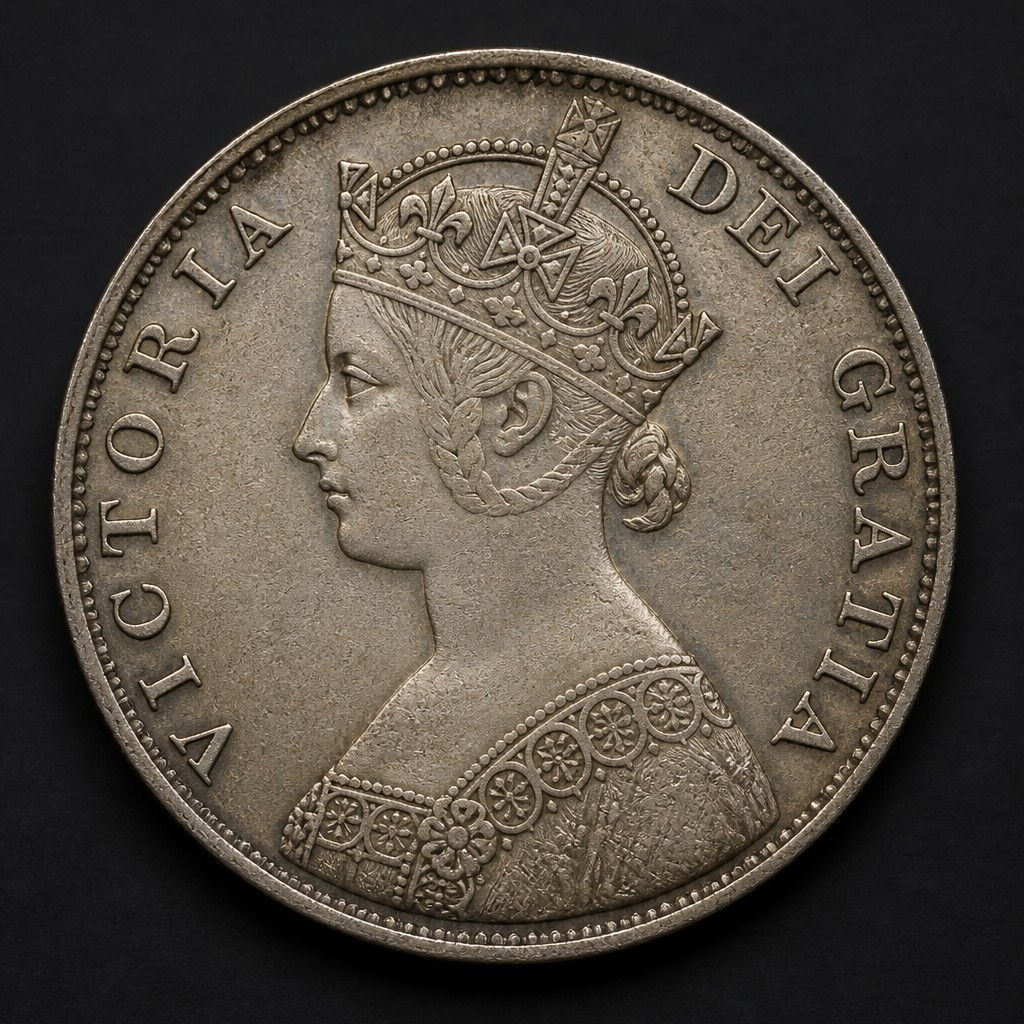
Groat (Fourpence)
1279–1888 (various revivals)
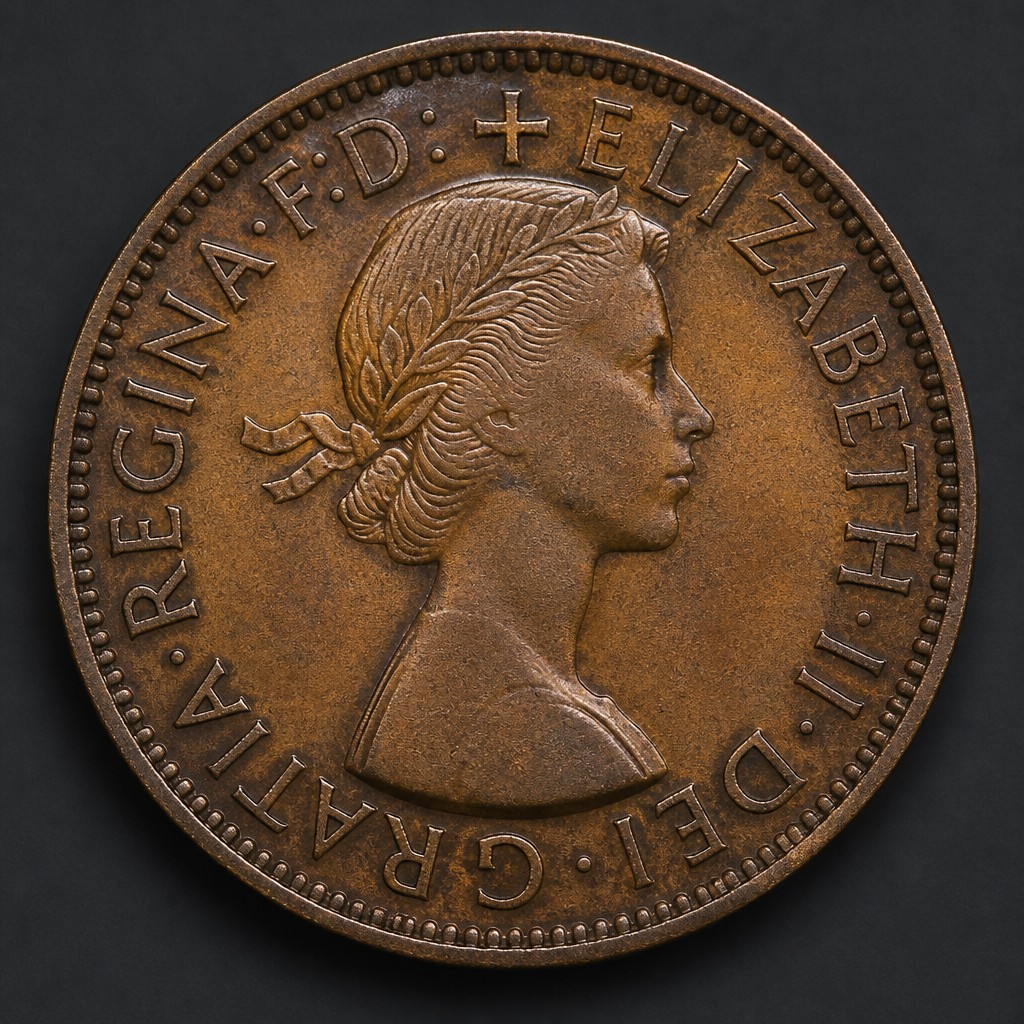
Farthing
13th century–1956
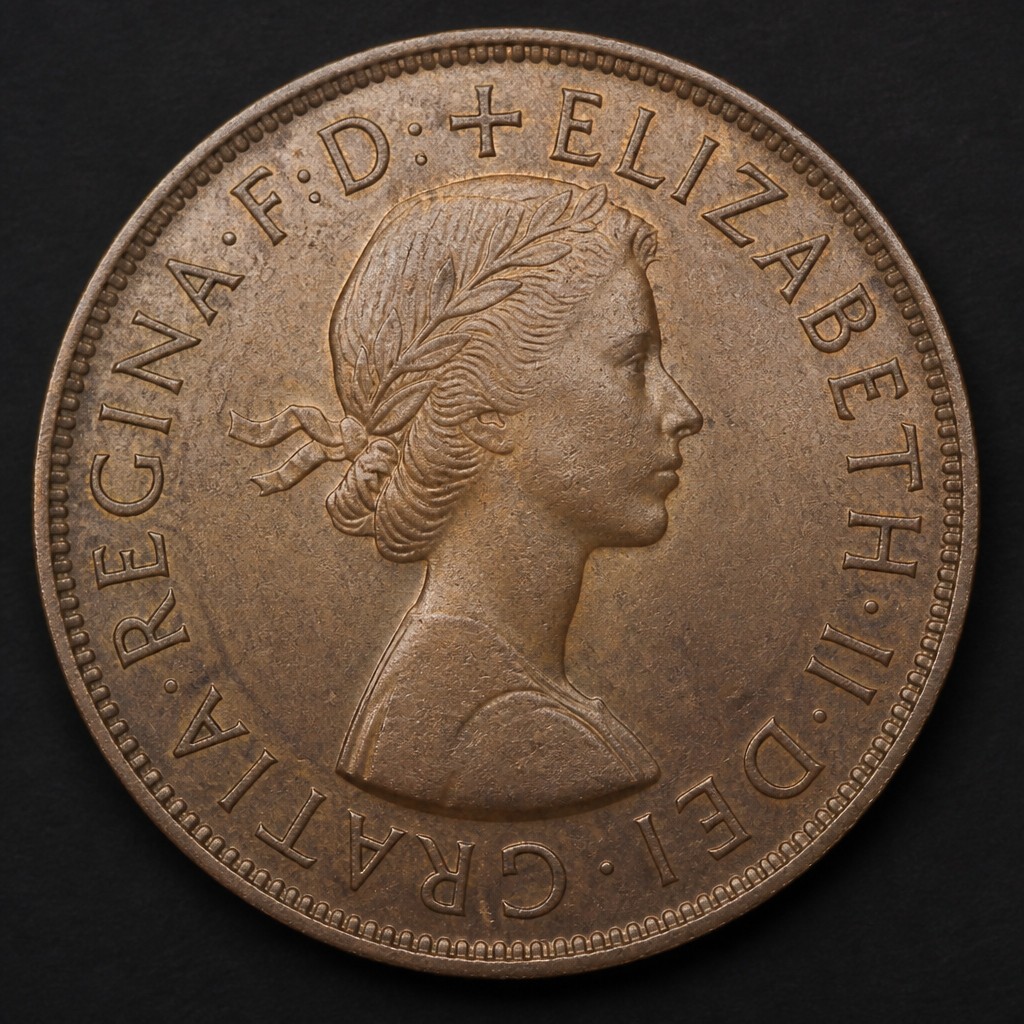
Halfpenny
c. 800s–1969
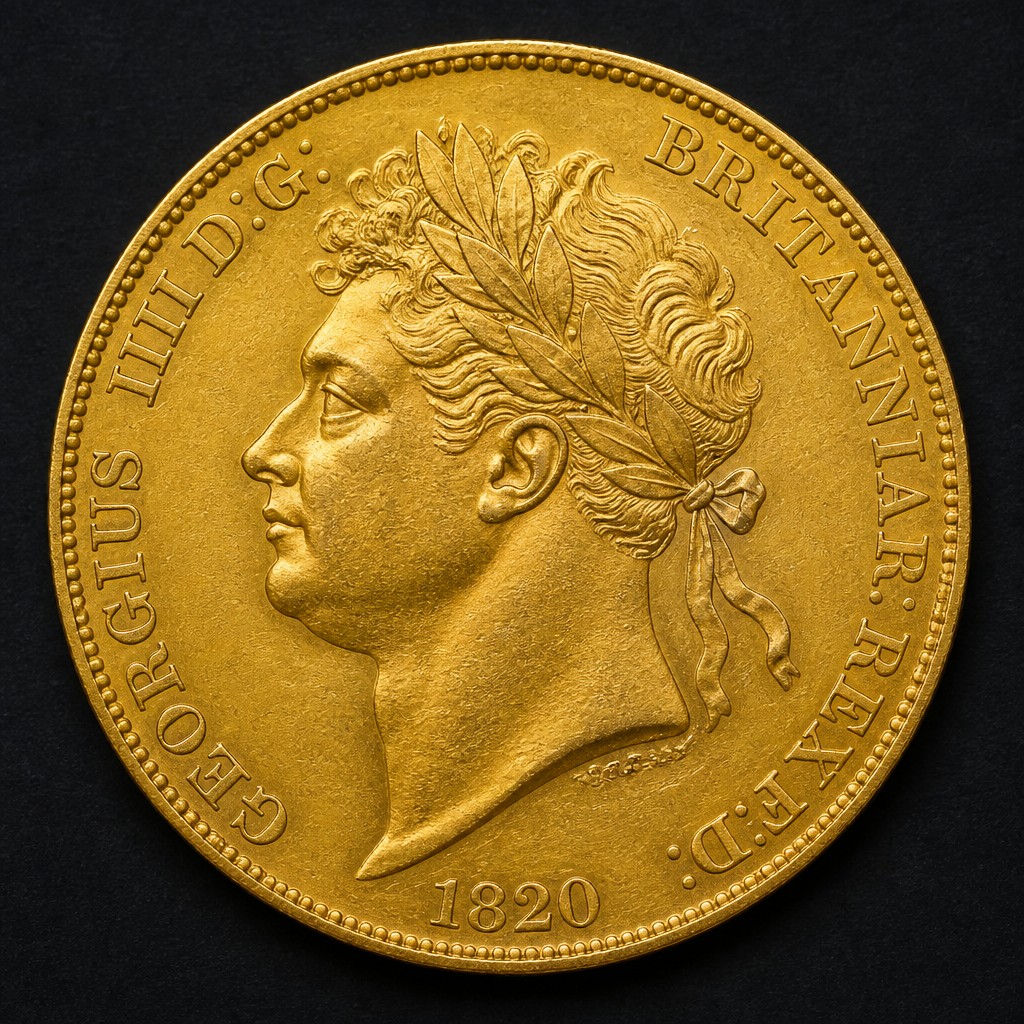
Five Pound Gold (Quintuple Sovereign)
1820–present (intermittent)
Threepence
1547–1970