
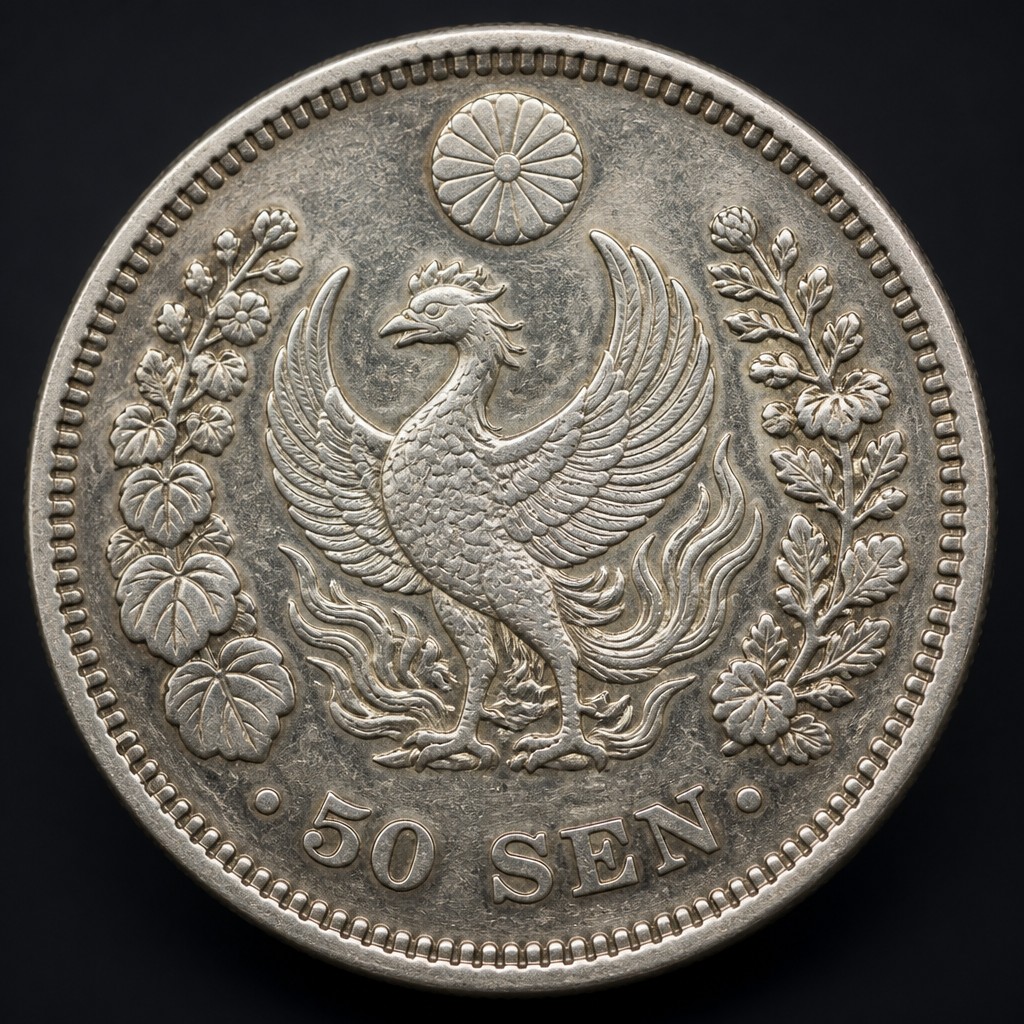
Japanese 50 Sen Silver (Meiji Phoenix)
An early Meiji-era Japanese silver coin featuring a coiled dragon on the obverse and a phoenix on the reverse, part of Japan's first modern decimal coinage system introduced after the Meiji Restoration.
- Country
- Japan (Meiji era)
- Denomination
- 50 Sen
- Metal
- Silver (.800 fine)
Got a coin like this?
Identify any coin from a photo, free.
Overview
The Meiji Phoenix 50 Sen is a silver coin from Japan's earliest modern decimal coinage system, introduced in the years following the Meiji Restoration of 1868 as Japan moved rapidly to modernize its economy and government along Western lines. It represents half of a yen, the newly introduced base unit of Japan's modernized currency, and was part of the first standardized, machine-struck coinage to replace the country's older feudal-era cash and irregular gold and silver pieces.
Its design, pairing a dynamic coiled dragon on the obverse with a phoenix on the reverse, reflects traditional East Asian symbolism reinterpreted through the more precise, Western-influenced minting technology Japan adopted during this transformative period, giving the coin an especially striking visual character.
The coin is a favorite among collectors of Meiji-era Japanese coinage for its combination of artistic quality, historical significance as an early product of Japan's currency modernization, and role bridging Japan's traditional coin symbolism with modern Western-style minting.
History & Background
After the Meiji Restoration in 1868 ended centuries of Tokugawa Shogunate rule and returned nominal political power to the Emperor, Japan's new government moved swiftly to modernize nearly every aspect of the country's administration, including its chaotic and outdated currency system. The New Currency Act of 1871 established the yen as Japan's standard monetary unit, divided decimally into 100 sen, and authorized the striking of new machine-made coins at the newly built Osaka Mint, replacing centuries of cast cash coinage and irregular gold and silver pieces.
The 50 sen silver coin, featuring the dragon-and-phoenix design, was part of this first wave of modern Japanese coinage, produced through the 1870s, 1880s, and into the early twentieth century with only minor design adjustments over time. It remained in production until the early 1900s, when Japan's coinage designs were further updated, eventually giving way to later Meiji-era 50 sen types with different imagery as the currency system continued to evolve through the early twentieth century.
How to Identify
The obverse features a large, dynamically coiled dragon design, a traditional East Asian symbol of imperial power and strength, surrounded by the sun and clouds, executed with considerable artistic detail characteristic of early Meiji coinage engraving. The reverse displays a phoenix, a mythical bird symbolizing renewal, along with the denomination "50 SEN" and a wreath or sunburst design, with Japanese characters indicating the country name and value.
The coin is struck in .800 fine silver, smaller and lighter than a full yen coin but larger than the lower sen denominations of the same series, with a reeded edge typical of Meiji-era Japanese silver coinage. Dates are expressed according to the Japanese imperial year-counting system based on the Emperor Meiji's reign, requiring conversion to the Western calendar for collectors unfamiliar with the system.
Collectors distinguish this "dragon and phoenix" type from later Meiji-era 50 sen designs, which replaced the dragon motif with different imagery such as a sunburst or Chrysanthemum crest design in subsequent decades, making the dragon obverse the clearest identifying feature of this earlier type.
Value & Collectibility
Common-date Meiji Phoenix 50 sen coins in circulated condition are widely collected and generally available at reasonable prices, reflecting the substantial quantities struck over more than three decades of production. Well-preserved, lustrous uncirculated examples bring meaningfully stronger premiums from collectors of Japanese coinage.
Certain early dates and specific minor design varieties within the series are scarcer and more actively sought by specialists, sometimes commanding significantly higher prices in top condition compared to more common later dates. As with most classic silver coinage, strike quality, original luster, and freedom from cleaning or heavy wear are key value drivers.
Collectors interested in building a Meiji-era Japanese silver set should consult dedicated Japanese numismatic references to identify specific date rarities and design sub-varieties, since seemingly similar coins can vary considerably in scarcity and price.
Frequently asked questions
What do the dragon and phoenix symbolize?
Both are traditional East Asian symbols, with the dragon representing imperial power and strength and the phoenix representing renewal, together forming a visually striking design pairing on this early Meiji coin.
What is 'sen'?
Sen was a subunit of Japan's newly introduced yen currency after the 1871 currency reform, with 100 sen equal to one yen, so this coin represented half a yen.
How do I read the date on this coin?
Dates are given in the Japanese imperial year-counting system based on the Emperor Meiji's reign, so they must be converted to the Western calendar to determine the actual year of issue.
Why did Japan introduce this coin?
It was part of Japan's sweeping currency modernization following the Meiji Restoration, replacing older cash coinage and irregular currency with a standardized, Western-style decimal coin system.
How is it different from later Meiji 50 sen coins?
Later Meiji-era 50 sen coins replaced the dragon design with different imagery, such as sunburst or floral motifs, so the coiled dragon obverse is the clearest sign of this earlier 'phoenix' type.
Japanese 50 Sen Silver (Meiji Phoenix) identified by the community
Real coins identified with Coin Identifier.
Other coins you may enjoy
Bahraini Dinar
1965–present
Omani Rial (Baisa Coinage)
1970–present
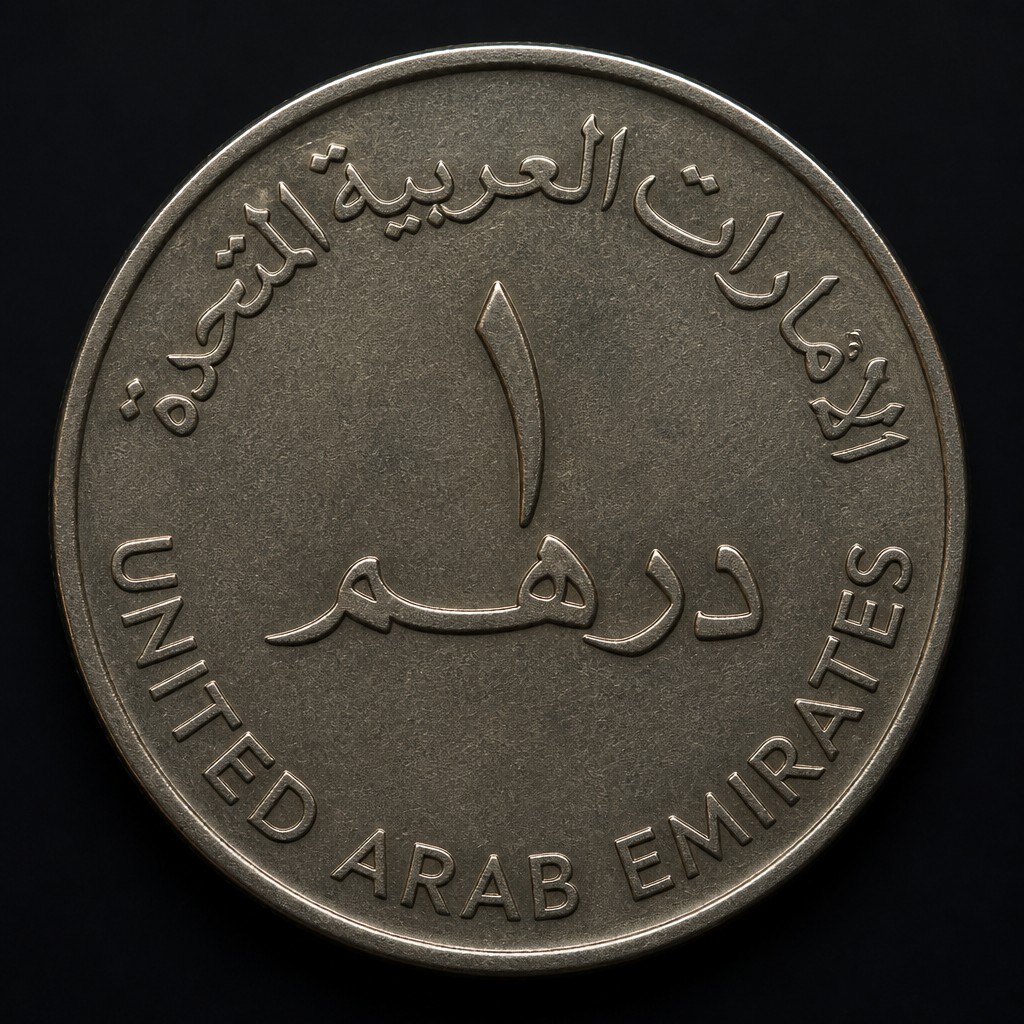
United Arab Emirates Dirham
1973–present
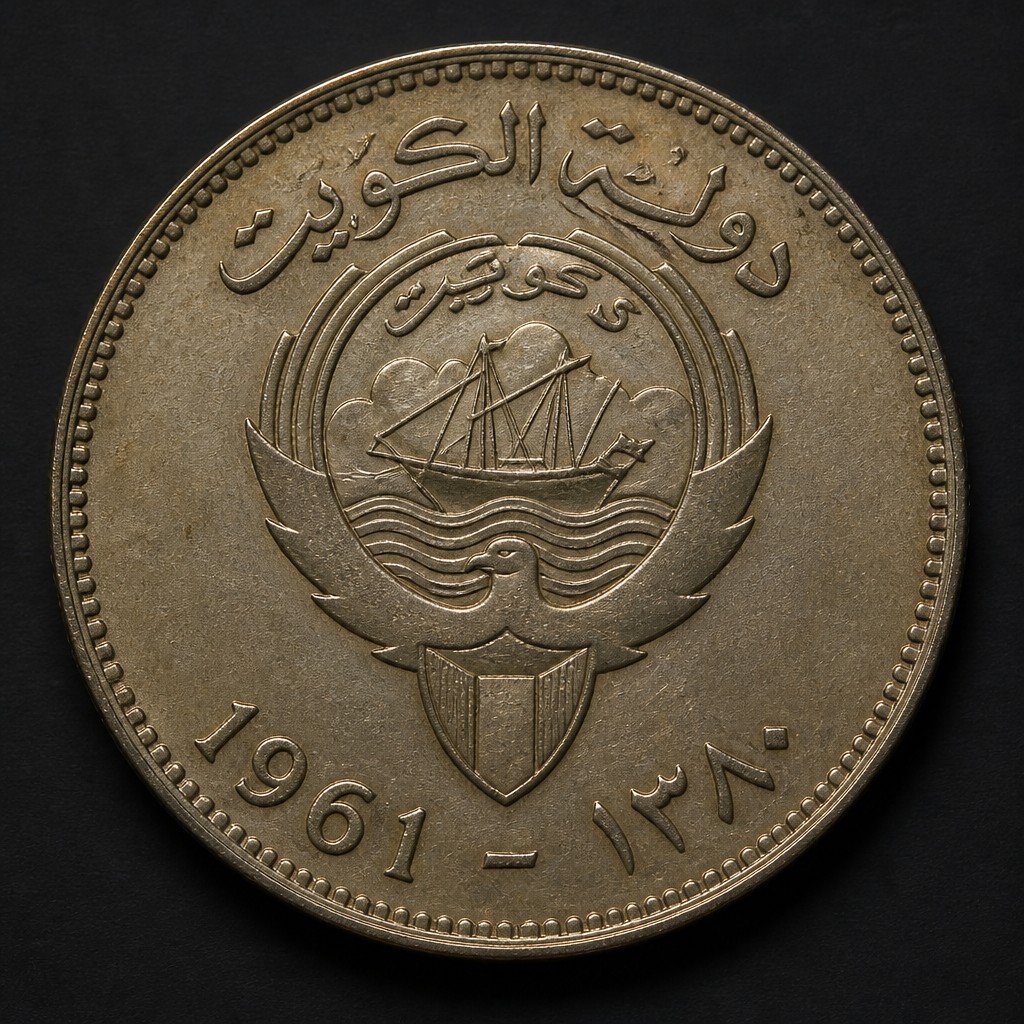
Kuwaiti Fils
1961–present
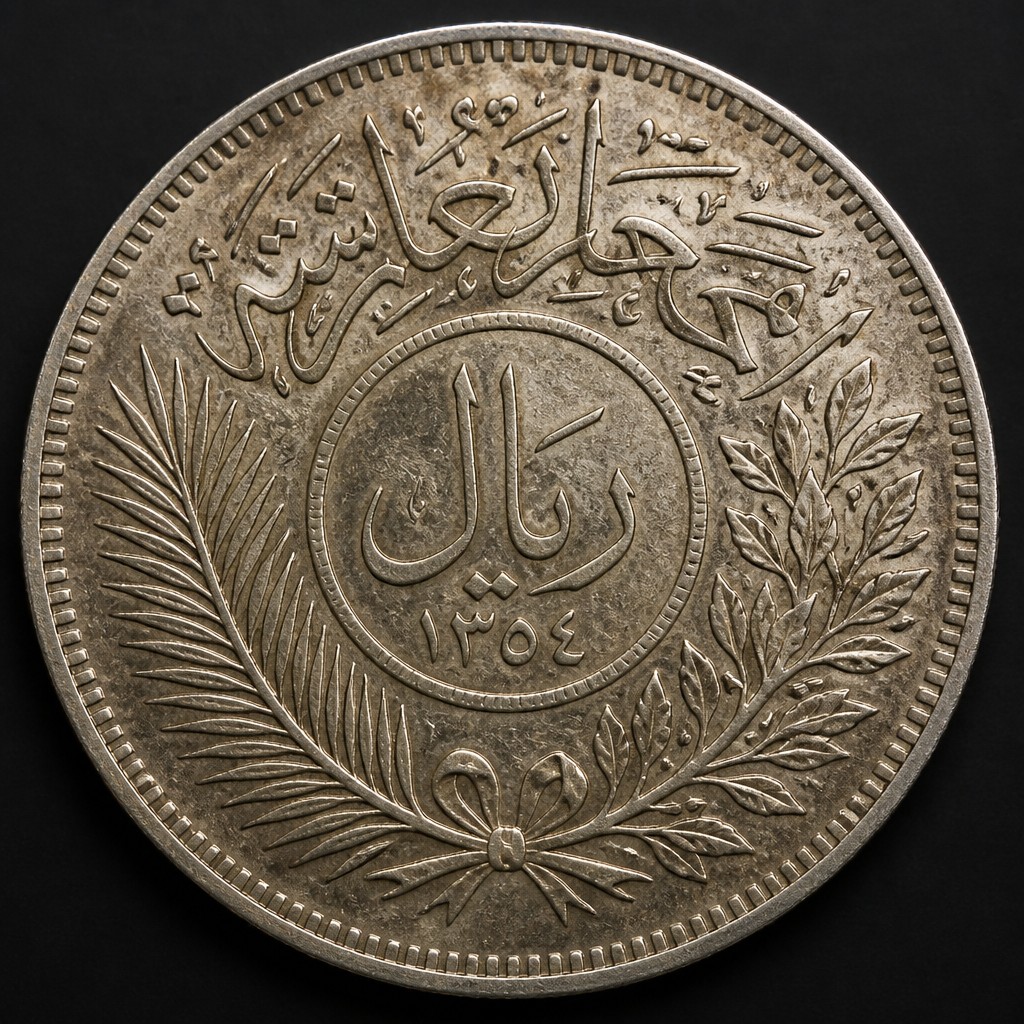
Saudi Arabian Riyal (silver)
1935 (Kingdom-wide standardization) and related issues
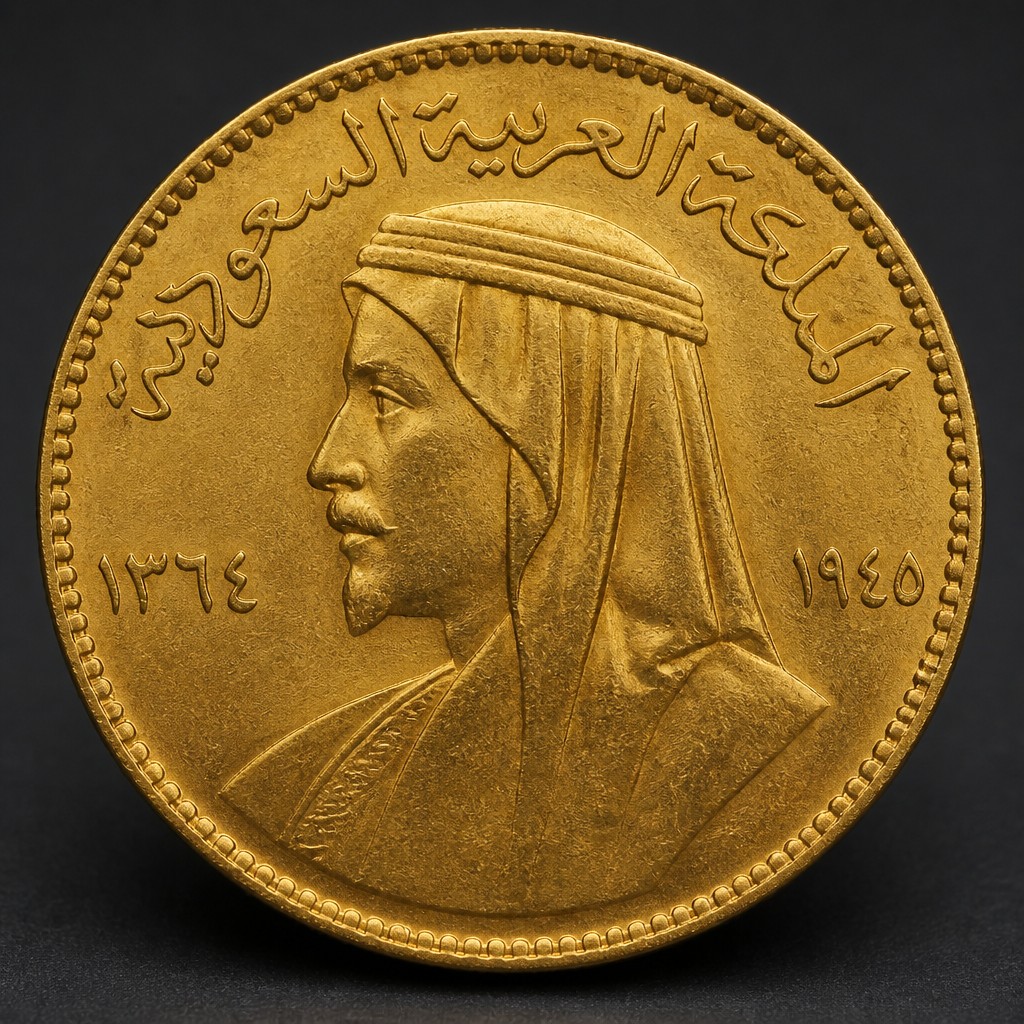
Saudi Arabian Gold Guinea (Sovereign)
1945 and later issues
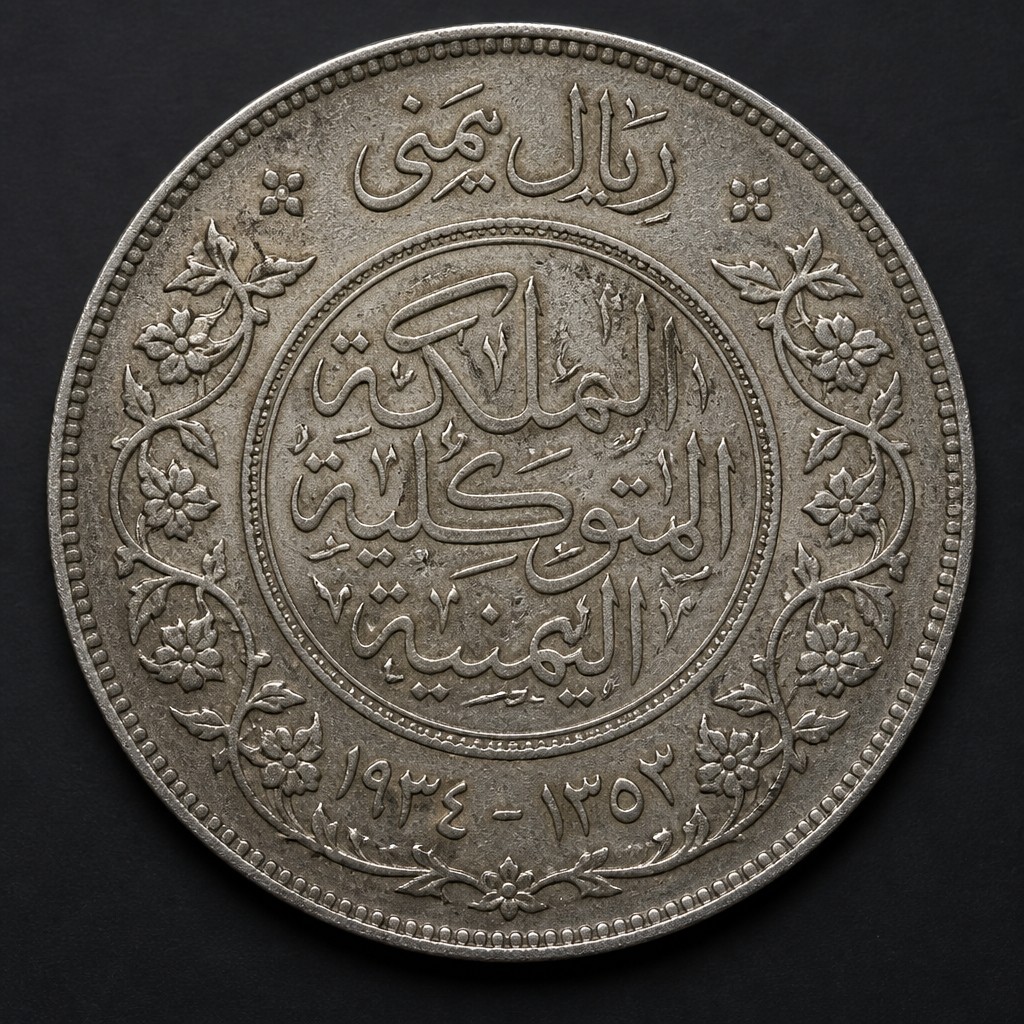
Yemeni Riyal (Ahmadi/Imadi Kingdom Coinage)
Early-to-mid 20th century
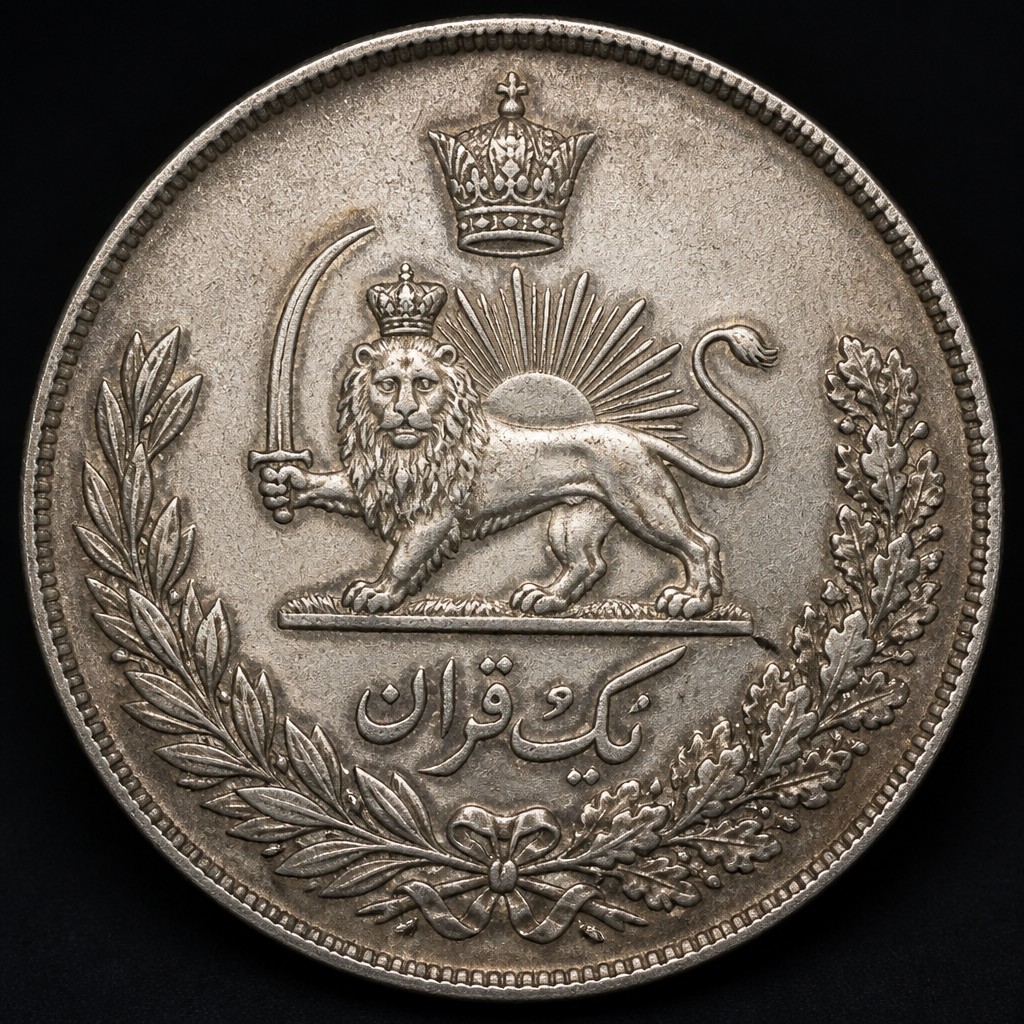
Persian Kran (Qajar silver)
Mid-19th century–1925
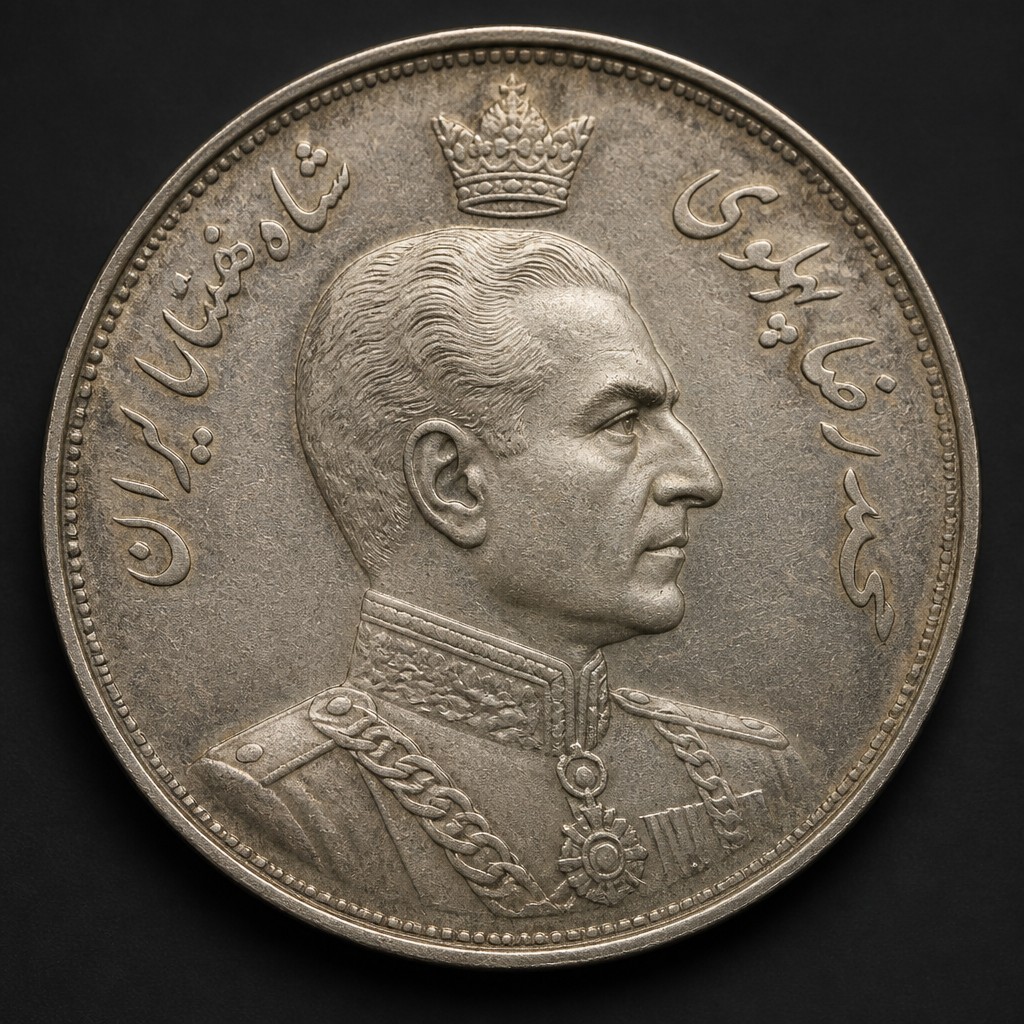
Iranian Rial
1932–present
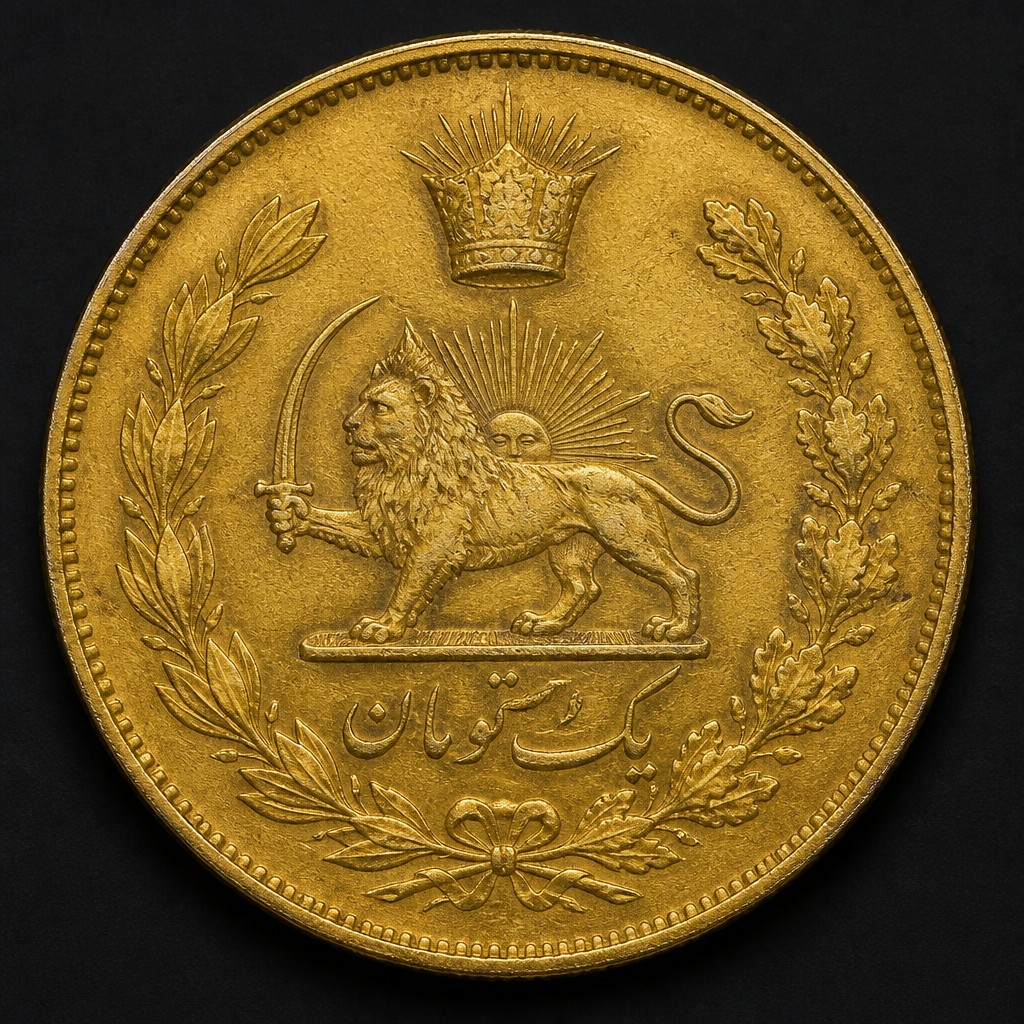
Persian Gold Toman (Qajar)
1796–1925
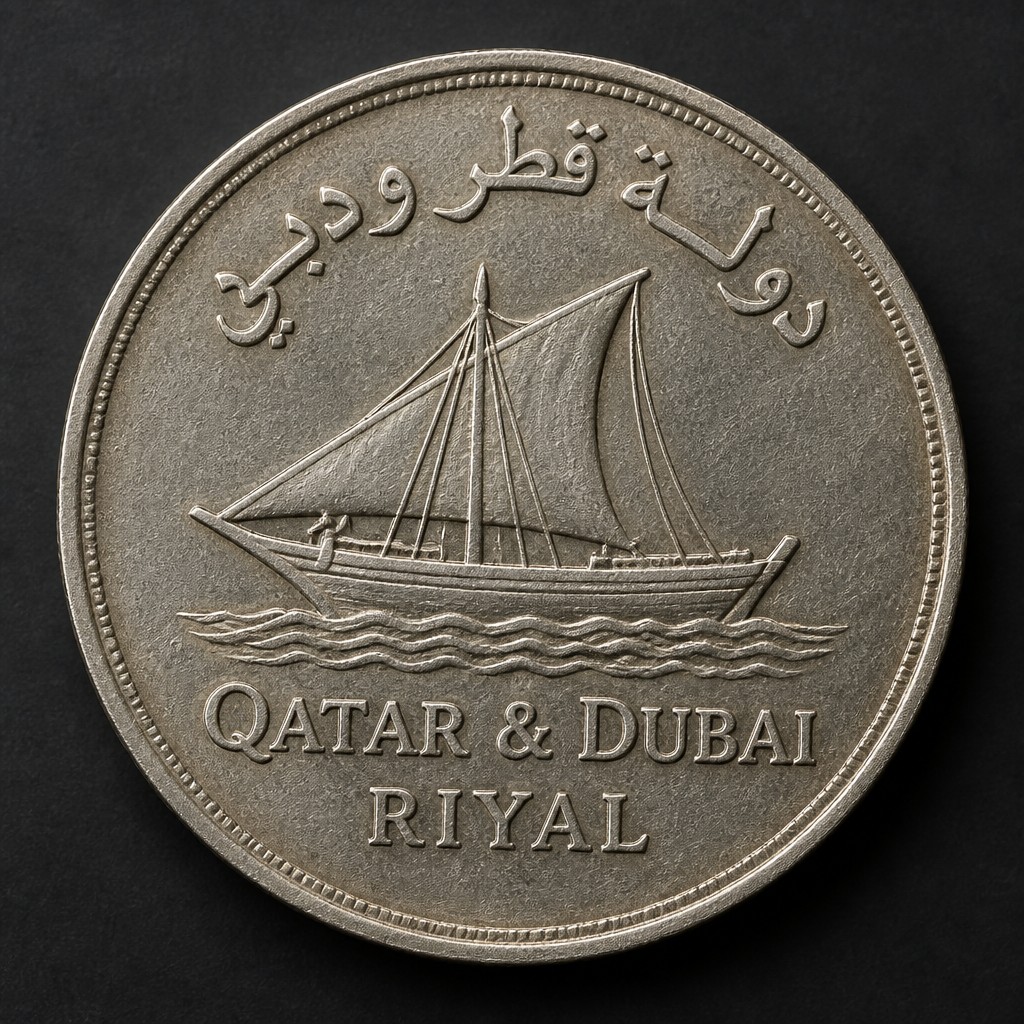
Qatar and Dubai Riyal
1966–1973
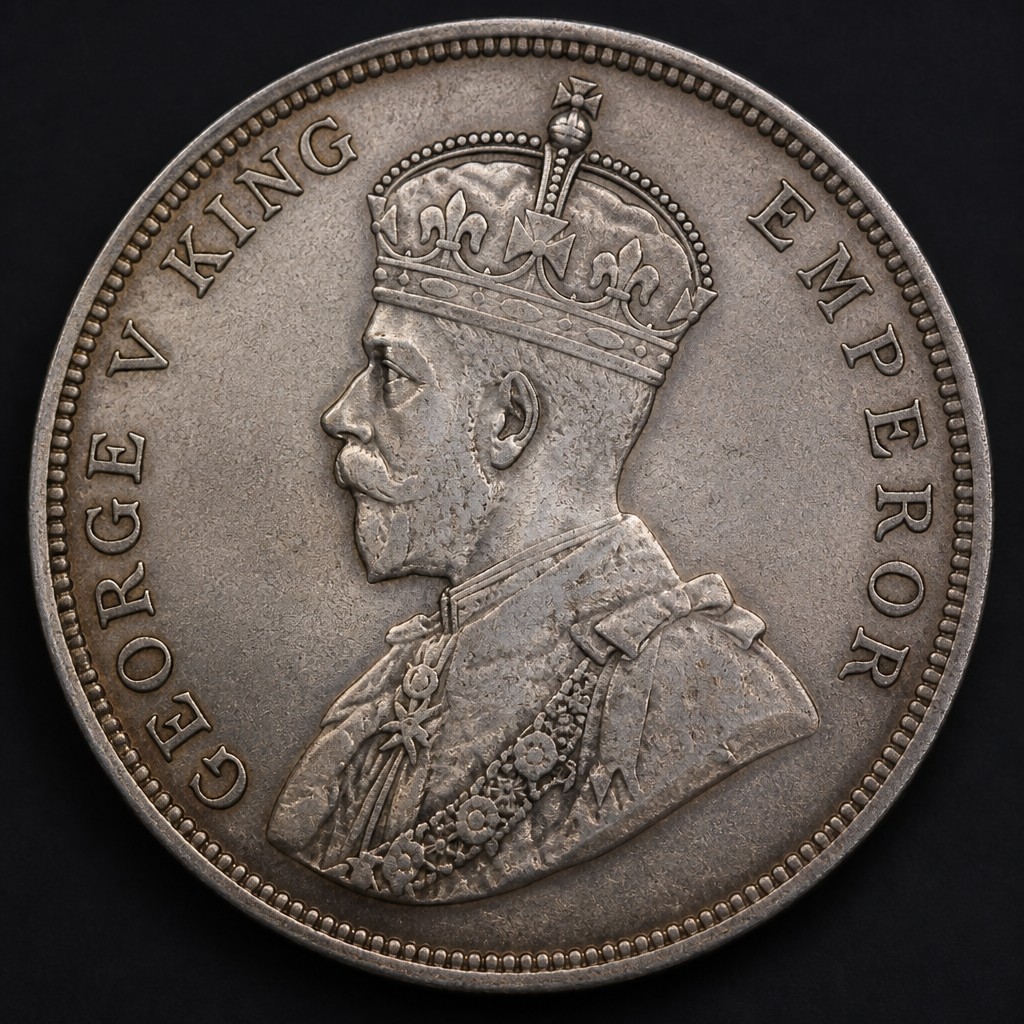
British India Rupee (Silver)
1835–1947