
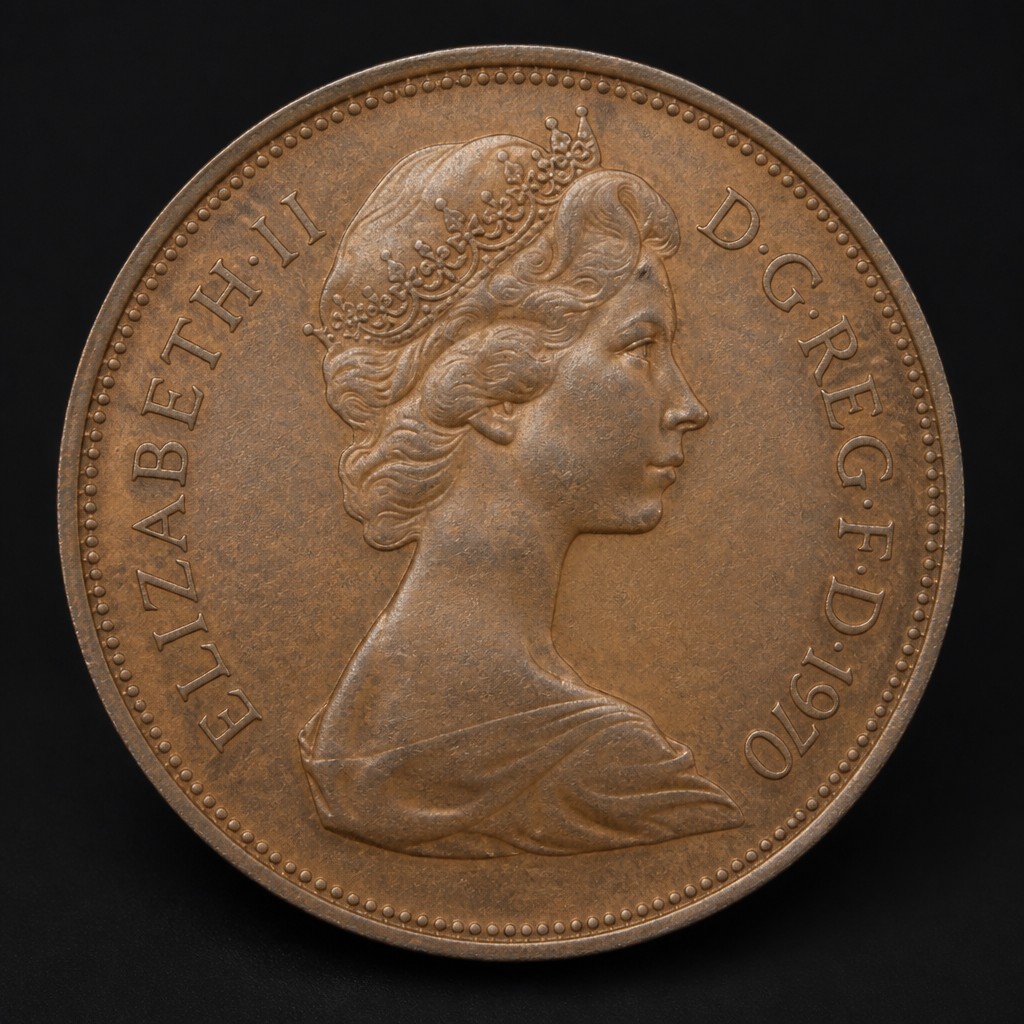
Penny
One of the oldest and most iconic British denominations, the pre-decimal penny is famous for its large bronze Britannia design and beloved key dates like the 1933 penny.
- Country
- United Kingdom
- Denomination
- Penny (1d)
- Metal
- Copper then Bronze
Got a coin like this?
Identify any coin from a photo, free.
Overview
The penny is arguably the oldest continuously named coin denomination in English history, tracing its lineage back over a thousand years to Anglo-Saxon silver pennies, though the large bronze pennies most familiar to modern collectors date from the nineteenth and twentieth centuries. Its size and the seated figure of Britannia on the reverse made it one of the most recognizable coins of the British Empire.
Collectors especially prize the "Bun Head" and "Old Head" Victorian pennies, the George V and VI issues, and the legendary key dates within the series, most famously the 1933 penny, of which only a handful were struck and none intended for general circulation.
The penny's long production run and clear reverse design make it a natural focal point for building a comprehensive type set of British bronze coinage.
History & Background
The English penny originated in the Anglo-Saxon period as a small silver coin, becoming the foundational unit from which the shilling and pound were later defined (240 pennies to the pound, 12 to the shilling). The large copper, later bronze, penny familiar to most collectors was introduced under George III in 1797 and refined through the nineteenth century into the classic Victorian bronze penny bearing the seated Britannia reverse designed by Leonard Charles Wyon.
Throughout the nineteenth and twentieth centuries, the penny remained the primary low-value circulating coin of the United Kingdom and much of the British Empire, undergoing portrait and minor design changes across the reigns of Victoria, Edward VII, George V, George VI, and Elizabeth II, while the Britannia reverse remained essentially constant for over a century.
The penny is famous among collectors for the extreme rarity of the 1933 date: due to a surplus of earlier pennies still in circulation, the Royal Mint struck only a small number that year, mostly for ceremonial foundation-stone purposes, making it one of the most celebrated key dates in British numismatics. The penny was withdrawn following decimalisation, with its last predecimal issues dated 1967, officially demonetised in 1971.
How to Identify
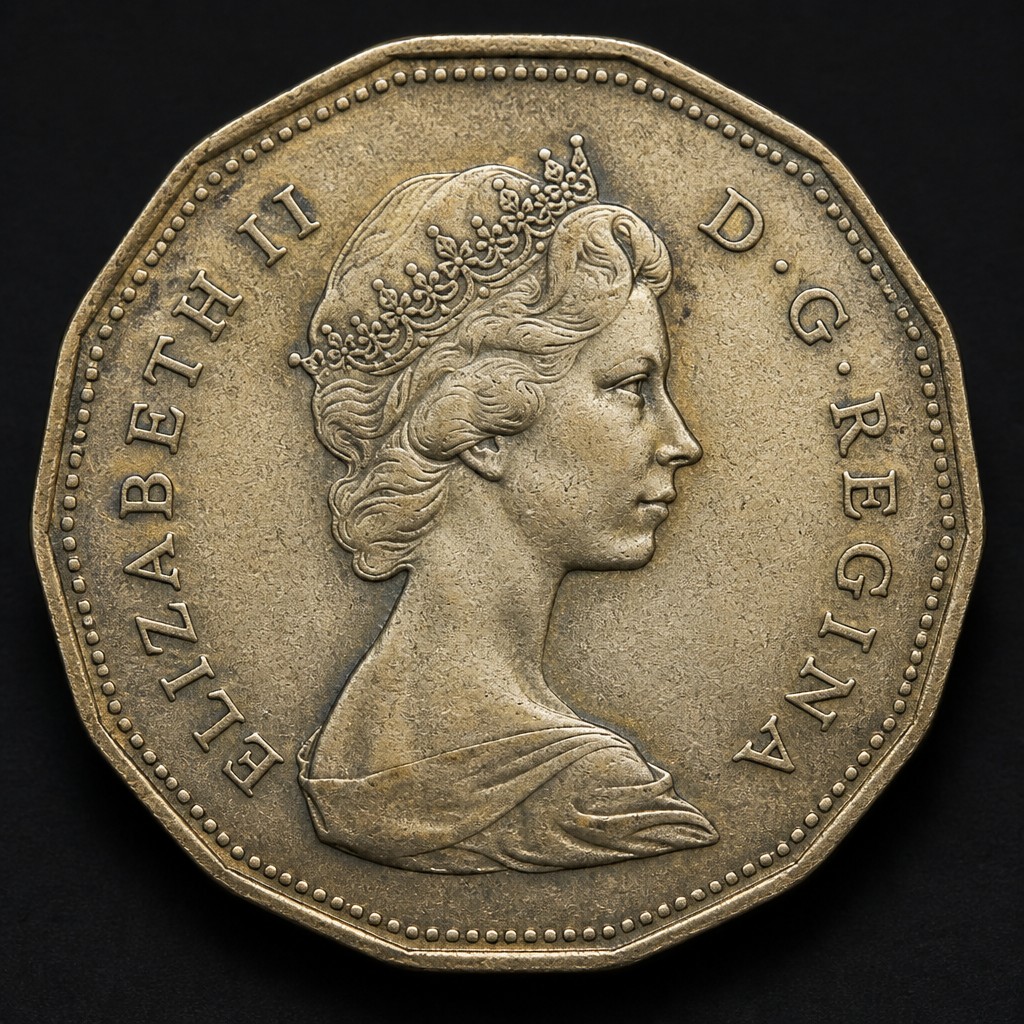
Obverses show the monarch's portrait with the standard Latin regnal legend. The reverse is dominated by the seated figure of Britannia holding a trident and shield, facing right, with the denomination "ONE PENNY" and the date below, a design used with only minor modifications from the Victorian era through George VI.
The coin is large and heavy for its value, roughly 31mm in diameter, struck first in copper (pre-1860) and then bronze (from 1860 onward), giving it a warm reddish-brown tone when well preserved, though most circulated examples show significant wear and a darker patina.
Collectors distinguish key varieties by portrait style (Victoria's "Bun Head" versus "Old Head," for example) and by subtle differences in Britannia's pose, lighthouse, or ship details in the background across different years, which can significantly affect rarity and value even among common dates.
Value & Collectibility
Most Victorian, Edwardian, and George V/VI pennies in worn condition are common and inexpensive, often just a few dollars, given the enormous quantities struck over more than a century. Certain key dates are dramatically more valuable, most notably the 1933 penny, which is exceptionally rare and can be worth a very substantial sum, alongside other scarce dates like 1918 and 1919 KN mintmark varieties struck in Canada during a metal shortage.
Condition matters enormously since bronze pennies show wear quickly on Britannia's raised details and the portrait's high points; uncirculated, lustrous examples of otherwise common dates can be worth many times a worn example.
Collectors researching a penny's value should carefully verify the date and any mintmark, since a handful of well-known key dates account for a disproportionate share of the series' overall value.
Frequently asked questions
Why is the 1933 penny so valuable?
The Royal Mint struck only a very small number that year since earlier pennies remained plentiful in circulation, making it one of the rarest and most sought-after British coins.
What is on the reverse of a British penny?
A seated figure of Britannia holding a trident and shield, a design used with minor variations for over a century.
What metal are old pennies made of?
Pennies struck before 1860 are copper; those from 1860 to 1970 are bronze.
When did the old penny stop being used?
The last pre-decimal pennies were dated 1967, and the denomination was officially demonetised with decimalisation in 1971.
Other coins you may enjoy
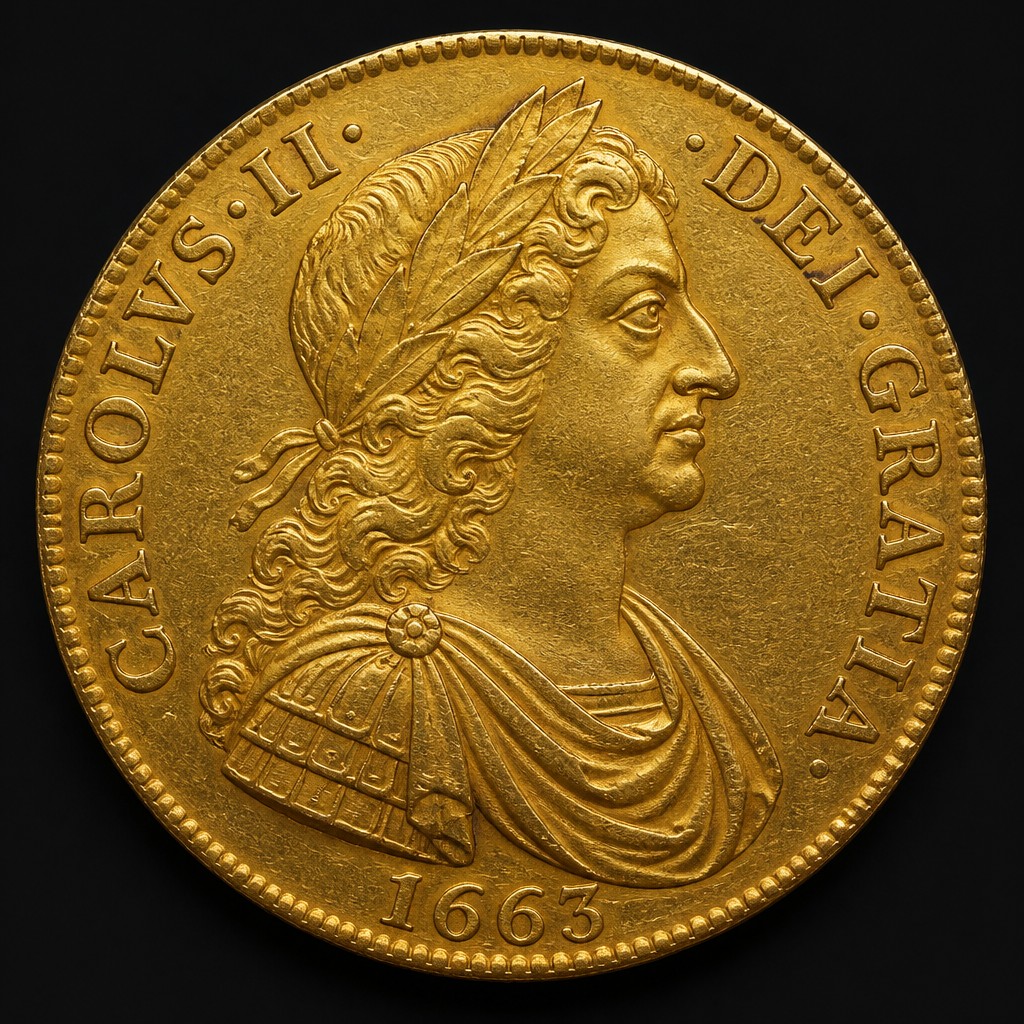
British Guinea
1663–1814
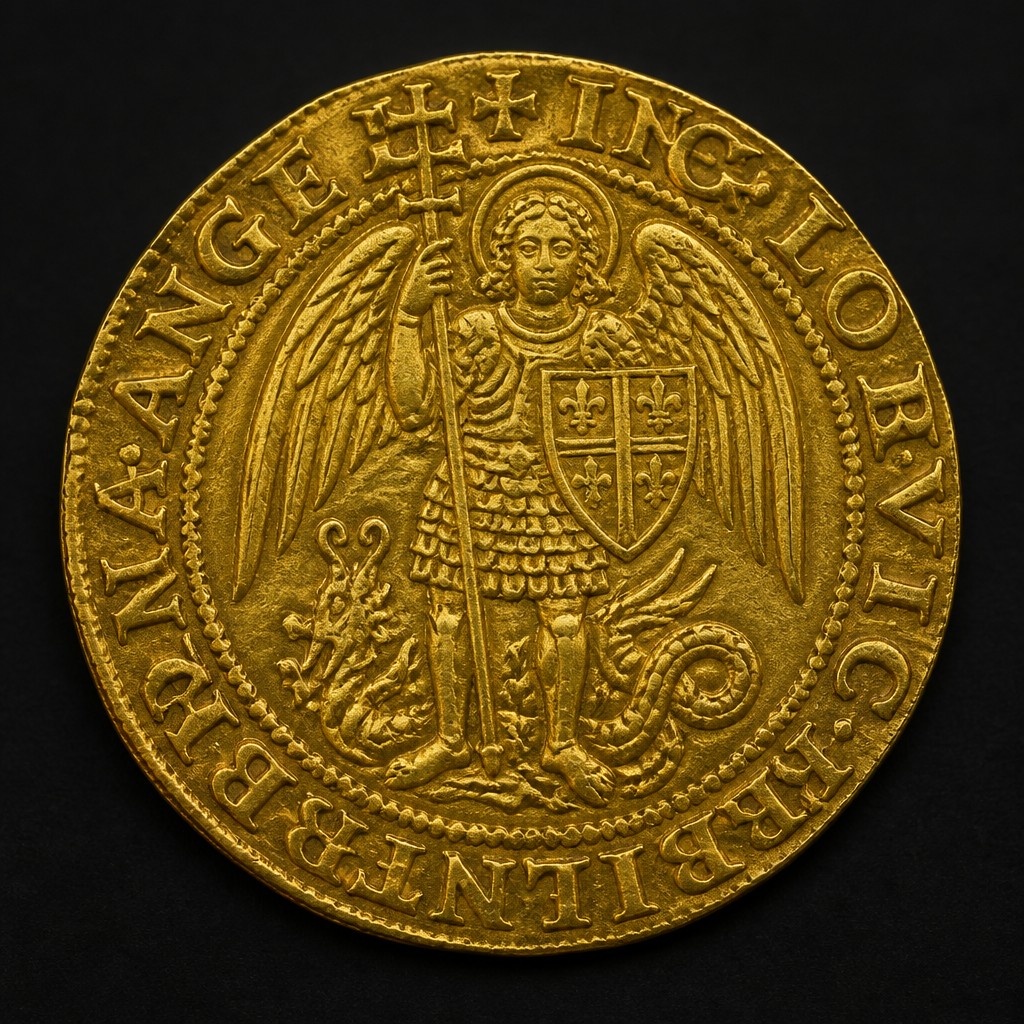
English Angel
1465–1642
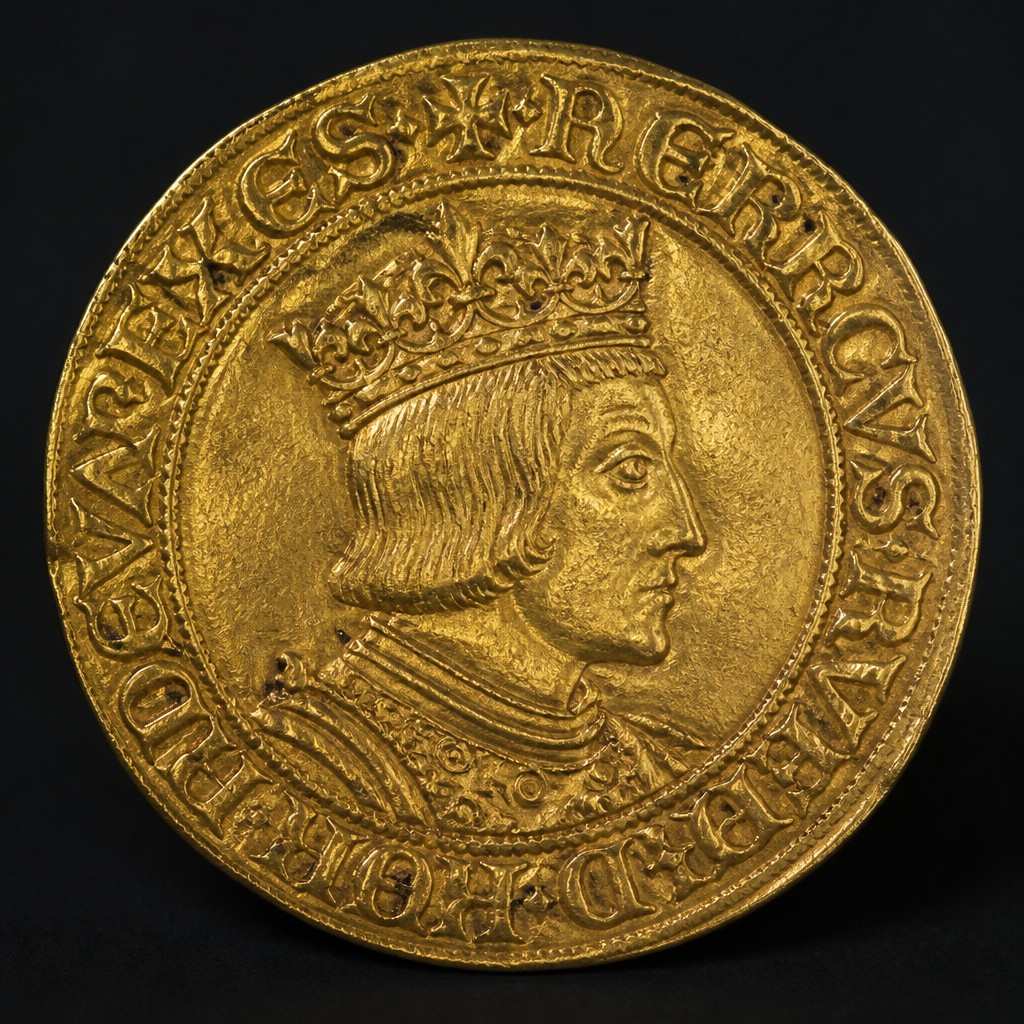
English Sovereign of Henry VII
1489–1509
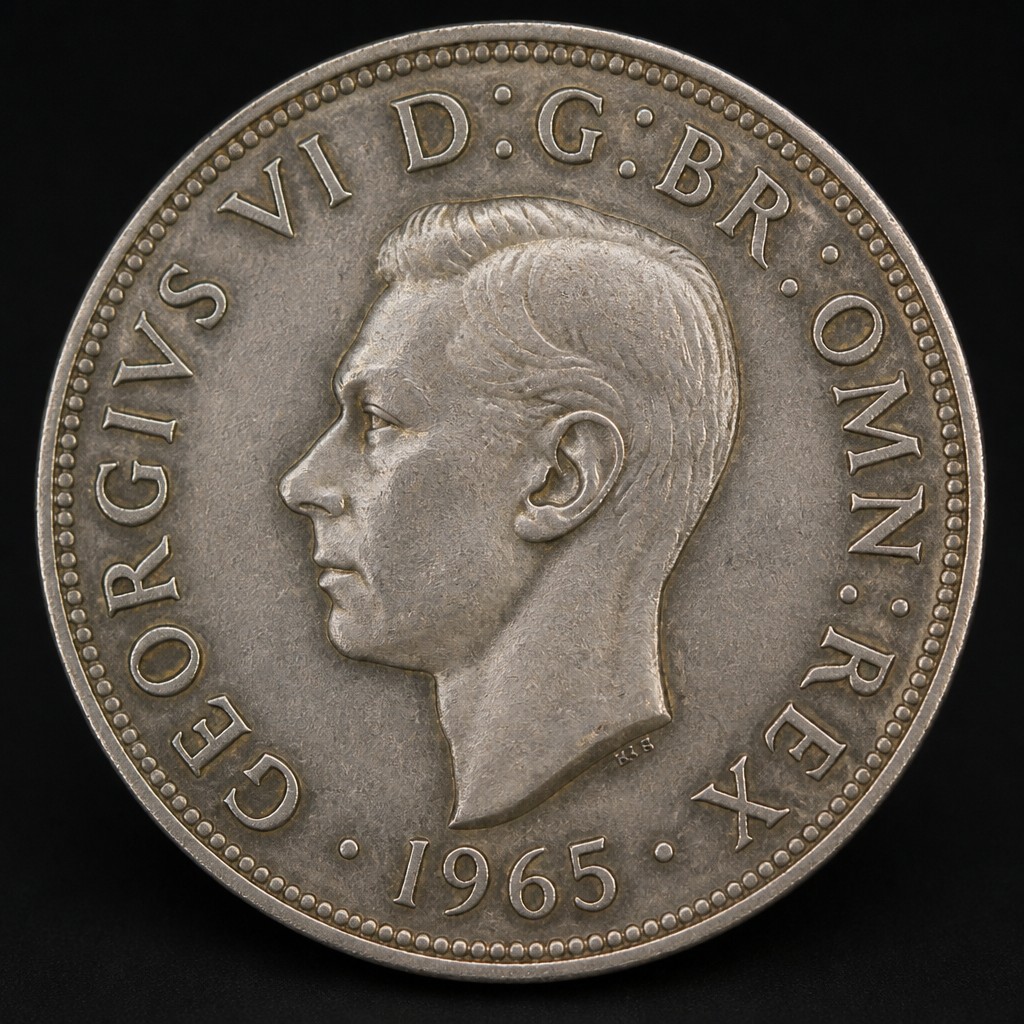
English Crown
1526–1965 (pre-decimal; commemorative crown-sized coins continue as five pound coins)
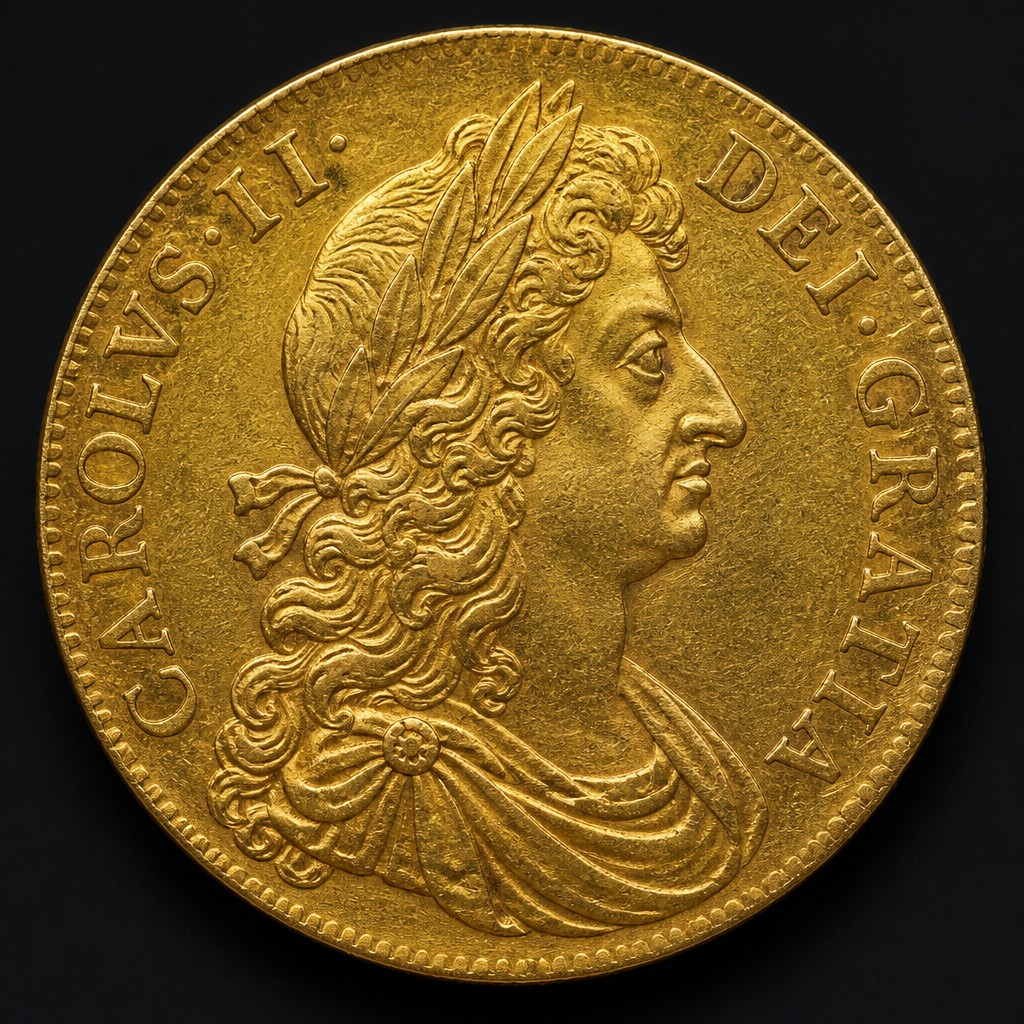
British Gold Guinea
1663–1814
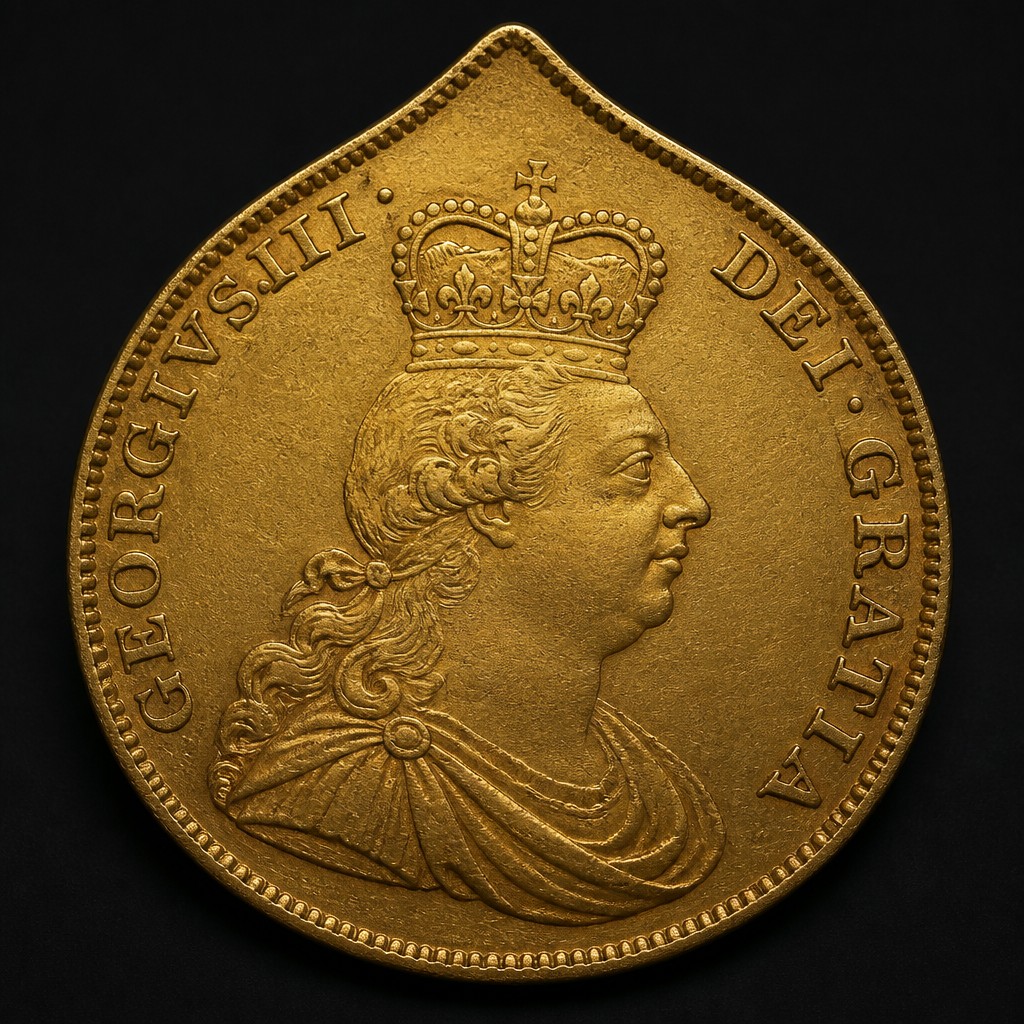
Spade Guinea
1787–1799
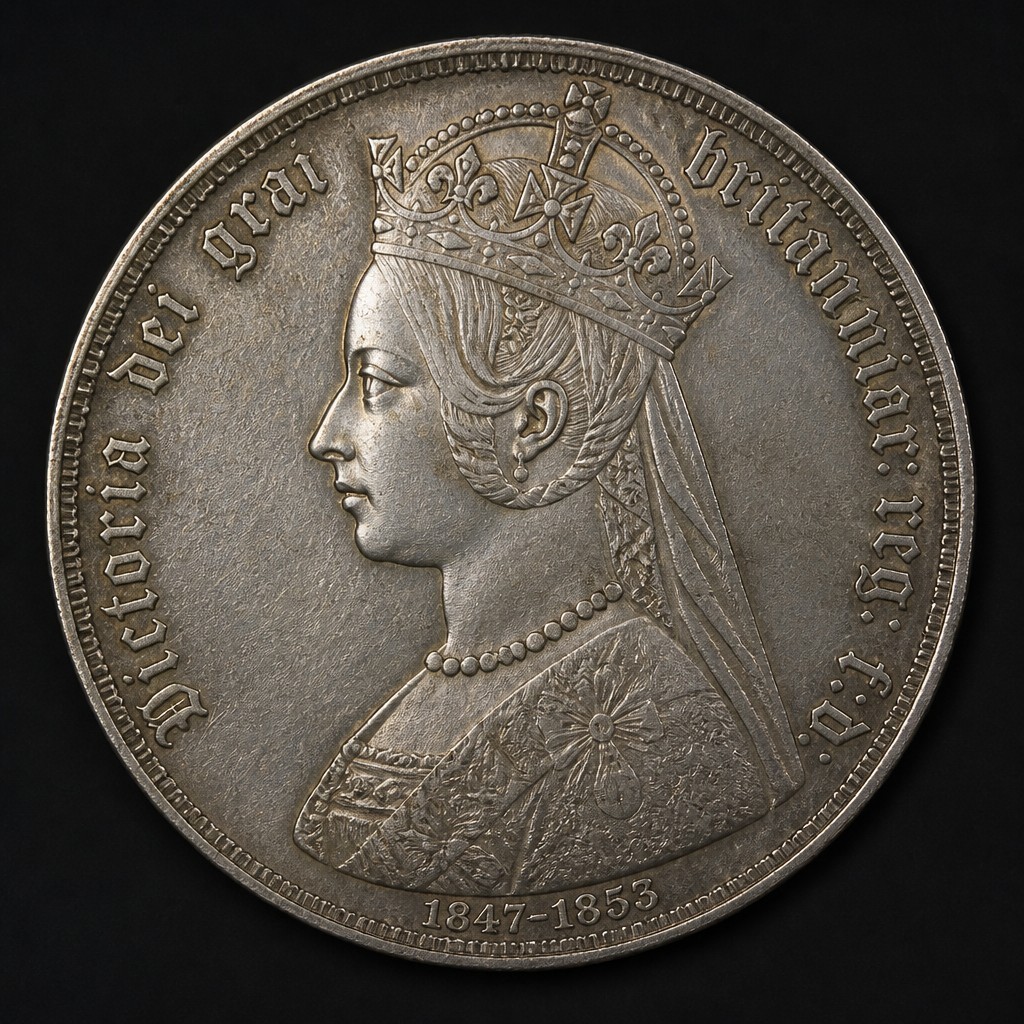
Gothic Crown
1847–1853
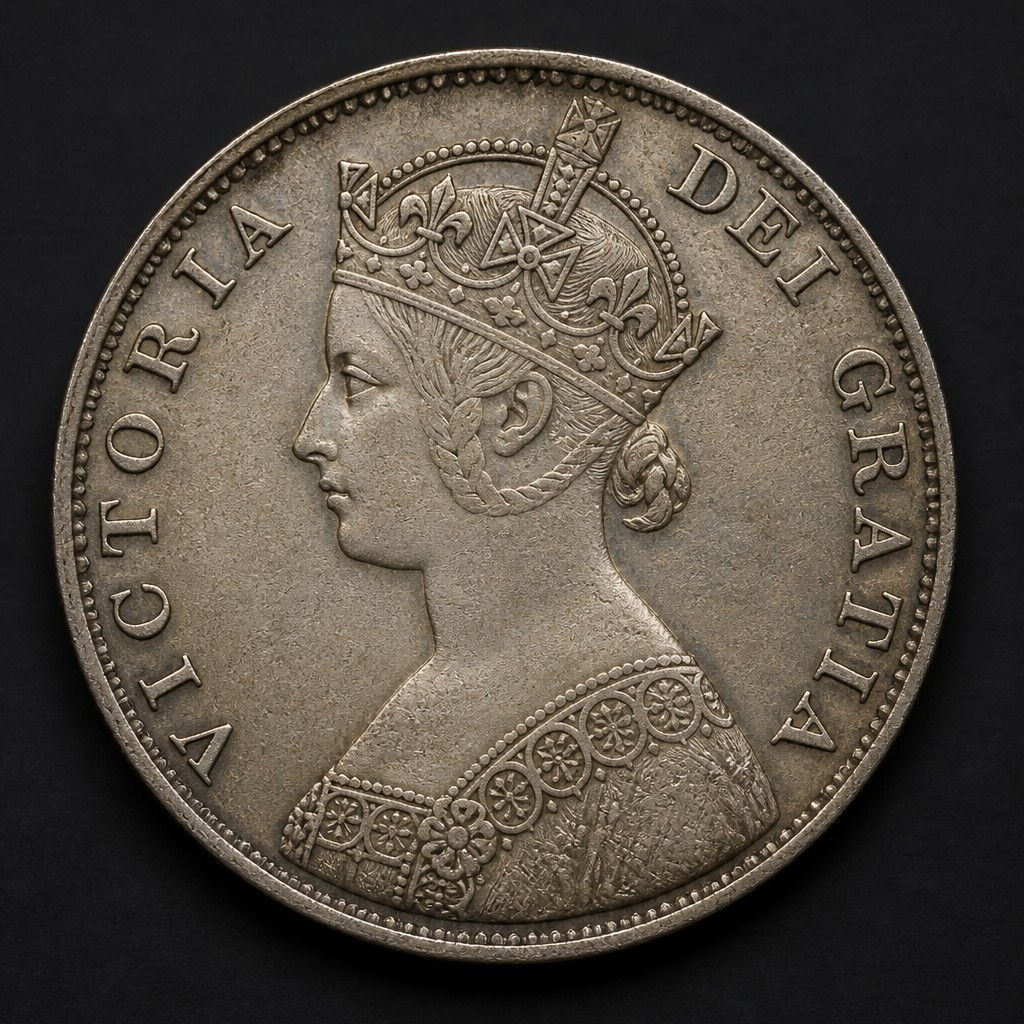
Groat (Fourpence)
1279–1888 (various revivals)
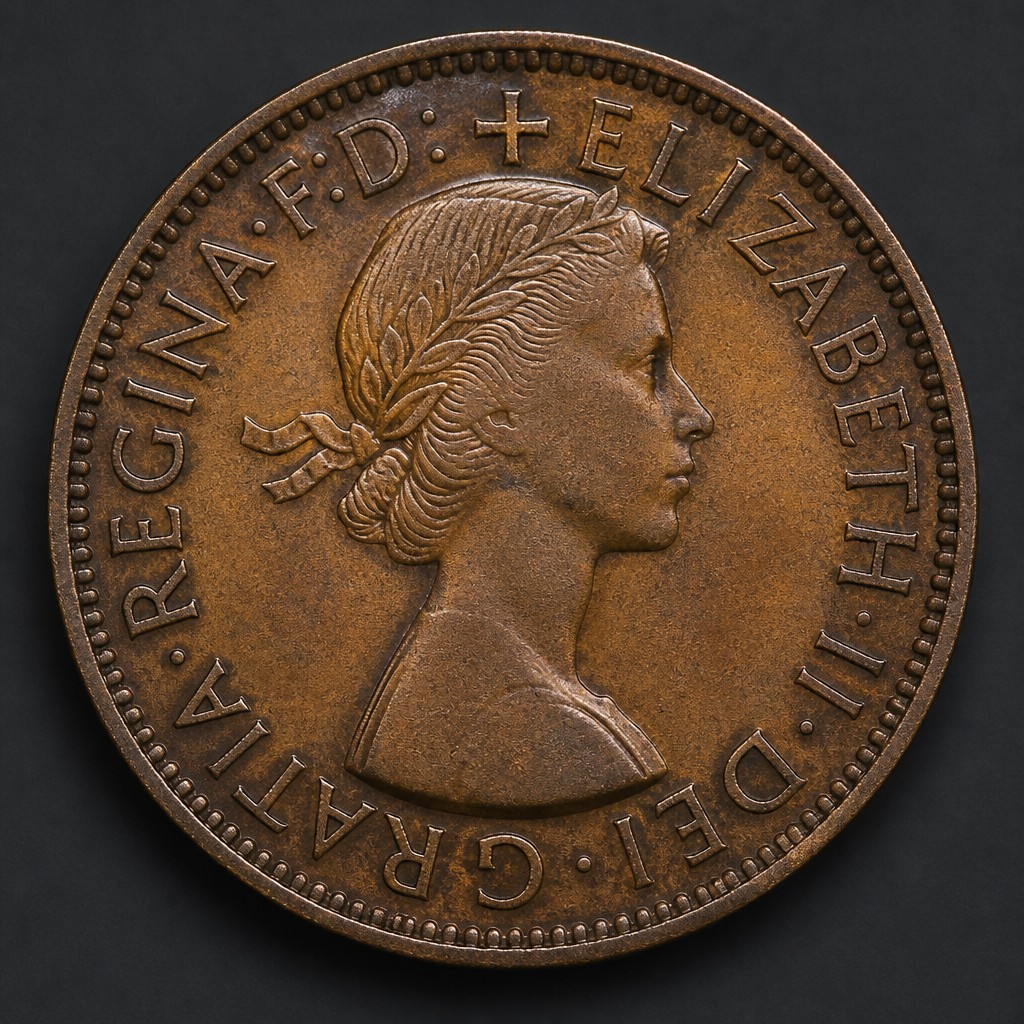
Farthing
13th century–1956
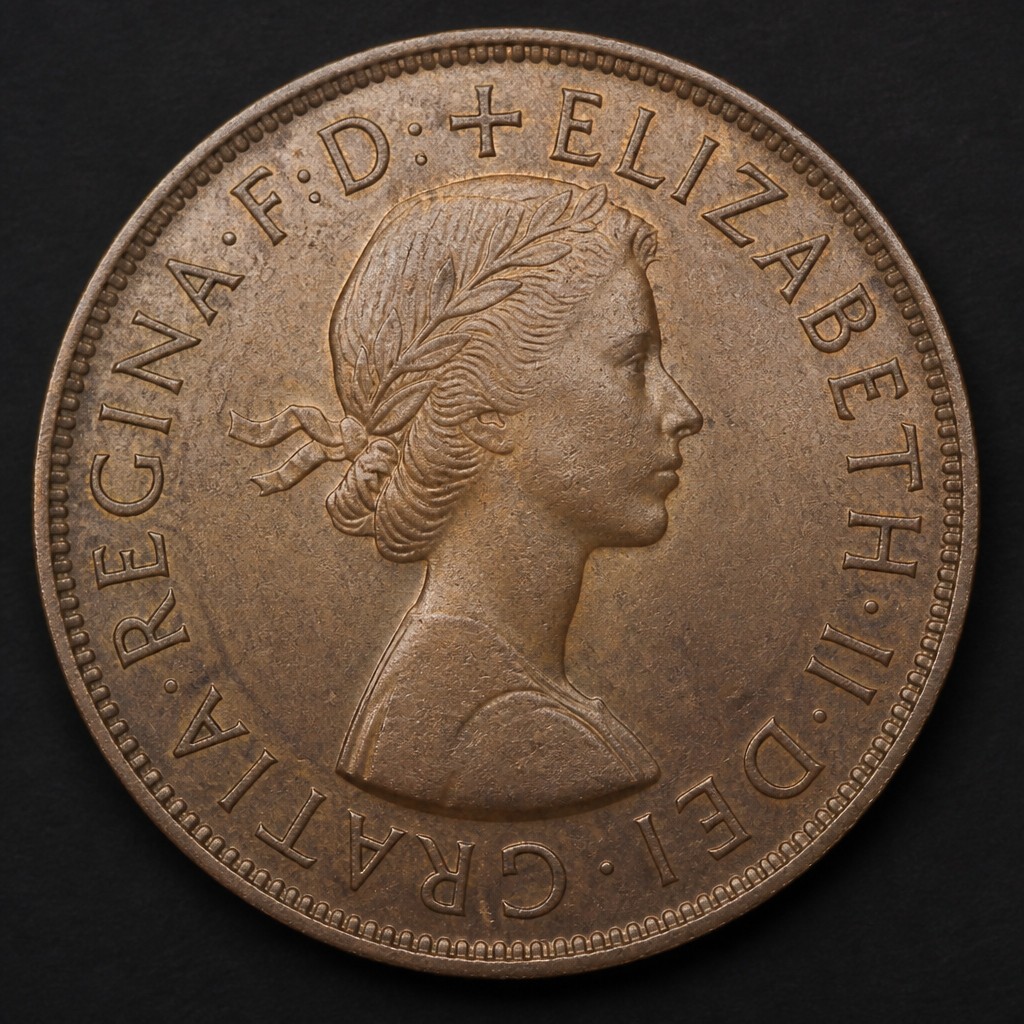
Halfpenny
c. 800s–1969
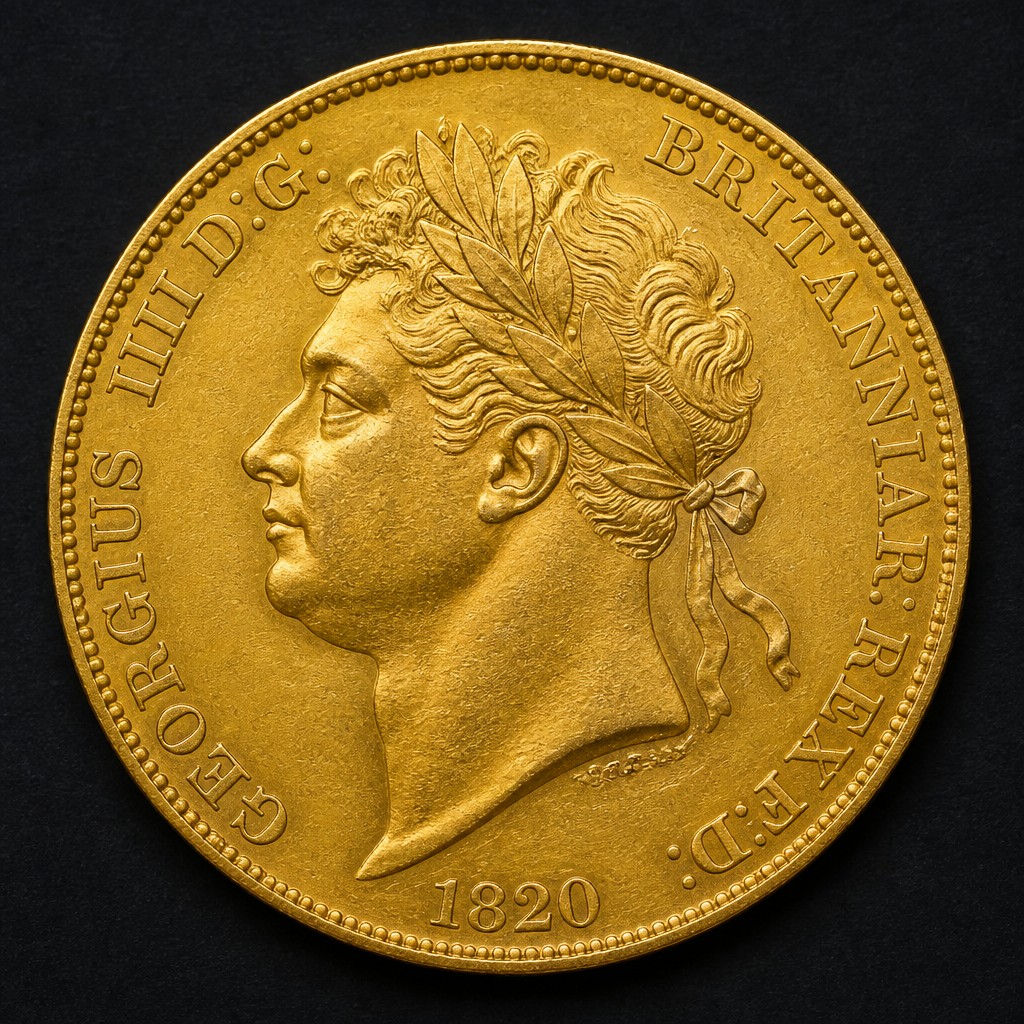
Five Pound Gold (Quintuple Sovereign)
1820–present (intermittent)
Threepence
1547–1970