
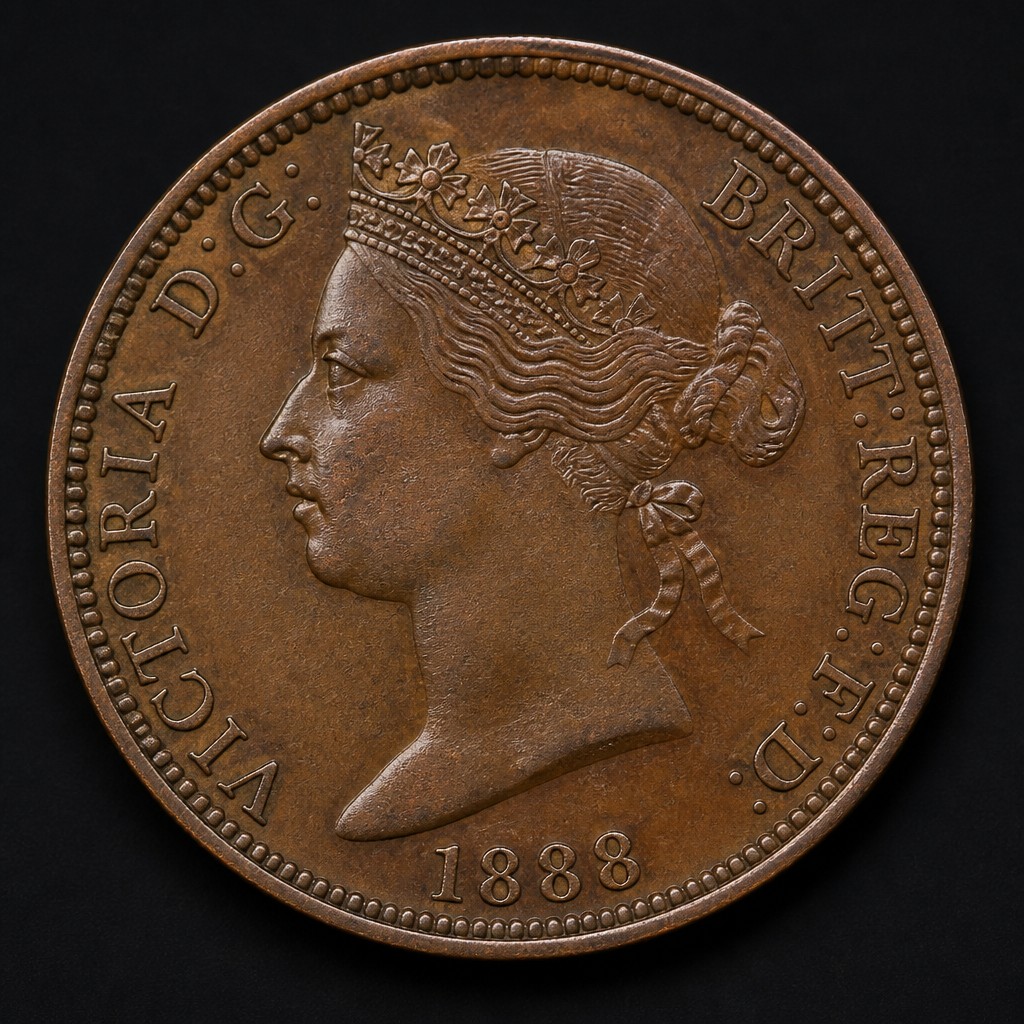
Third Farthing
An extremely small denomination worth one-twelfth of a penny, struck mainly to serve the currency needs of the British colony of Malta across the nineteenth and early twentieth centuries.
- Country
- United Kingdom
- Denomination
- Third Farthing
- Metal
- Copper (later Bronze)
Got a coin like this?
Identify any coin from a photo, free.
Overview
The Third Farthing is one of the smallest fractional denominations in British coinage history, valued at just one-twelfth of a penny. Like the Half Farthing, it was created less for use in Britain itself than to serve the practical currency needs of a specific colony, in this case Malta, where the existing coinage system required a very small denomination for local commerce.
Its long production span, from the reign of George IV through George V, means the coin exists with portraits spanning nearly a century of British monarchs, offering an interesting type-collecting opportunity despite its humble face value.
Collectors of British colonial and minor coinage often seek the Third Farthing specifically for its role bridging domestic British coin design with the everyday commercial needs of a Mediterranean colony.
History & Background
The Third Farthing was first struck in 1827 under George IV to address currency needs in Malta, where the local scudo-based monetary system required a coin equivalent to a small colonial fraction not neatly matched by standard British farthings or half farthings. Issues continued intermittently under William IV, Victoria, Edward VII, and finally George V.
Because Malta's monetary system persisted alongside British administration for much of this period, the Third Farthing served a genuinely practical role in colonial commerce rather than functioning as a curiosity, remaining in production far longer than the related Half Farthing and Quarter Farthing.
The denomination was finally discontinued in 1913, as Malta's currency arrangements evolved and the practical need for such a minute British fraction diminished, closing out a production run of well over eighty years.
How to Identify
The obverse carries the portrait of the reigning monarch at time of striking - George IV, William IV, Victoria, Edward VII, or George V - with the standard Latin royal legend. The reverse generally features a seated Britannia design similar in spirit to the regular farthing, scaled down to the coin's tiny size, with no explicit numeral since the denomination is conveyed by the coin's small size and legend.
Measuring only around 16mm in diameter and struck first in copper and later in bronze, the Third Farthing sits between the even smaller Quarter Farthing and the larger Half Farthing in the family of British colonial minor fractions. Its long date range across five different monarchs is a useful way to place a specific example once the small denomination is identified.
Value & Collectibility
Given its long production run and practical colonial circulation, common dates of the Third Farthing are generally affordable to collectors even in decent circulated grades, though certain years with lower mintages command a noticeable premium. High-grade uncirculated examples with strong original color are less commonly found and appeal particularly to specialists in British colonial minor coinage.
As with most small colonial-use coppers, surface condition heavily affects value, since coins that circulated actively in a Mediterranean climate often show more wear or corrosion than similarly aged coins used in temperate climates.
Frequently asked questions
What was the Third Farthing worth?
One-twelfth of a British penny, an extremely small fractional value.
Why was it created?
Mainly to meet the currency needs of the British colony of Malta, whose local monetary system required this small denomination.
How long was it produced?
From 1827 to 1913, spanning the reigns of five different monarchs.
How does it differ from the Half Farthing?
It is a smaller value and was primarily associated with Malta, while the Half Farthing was mainly used in Ceylon.
Other coins you may enjoy
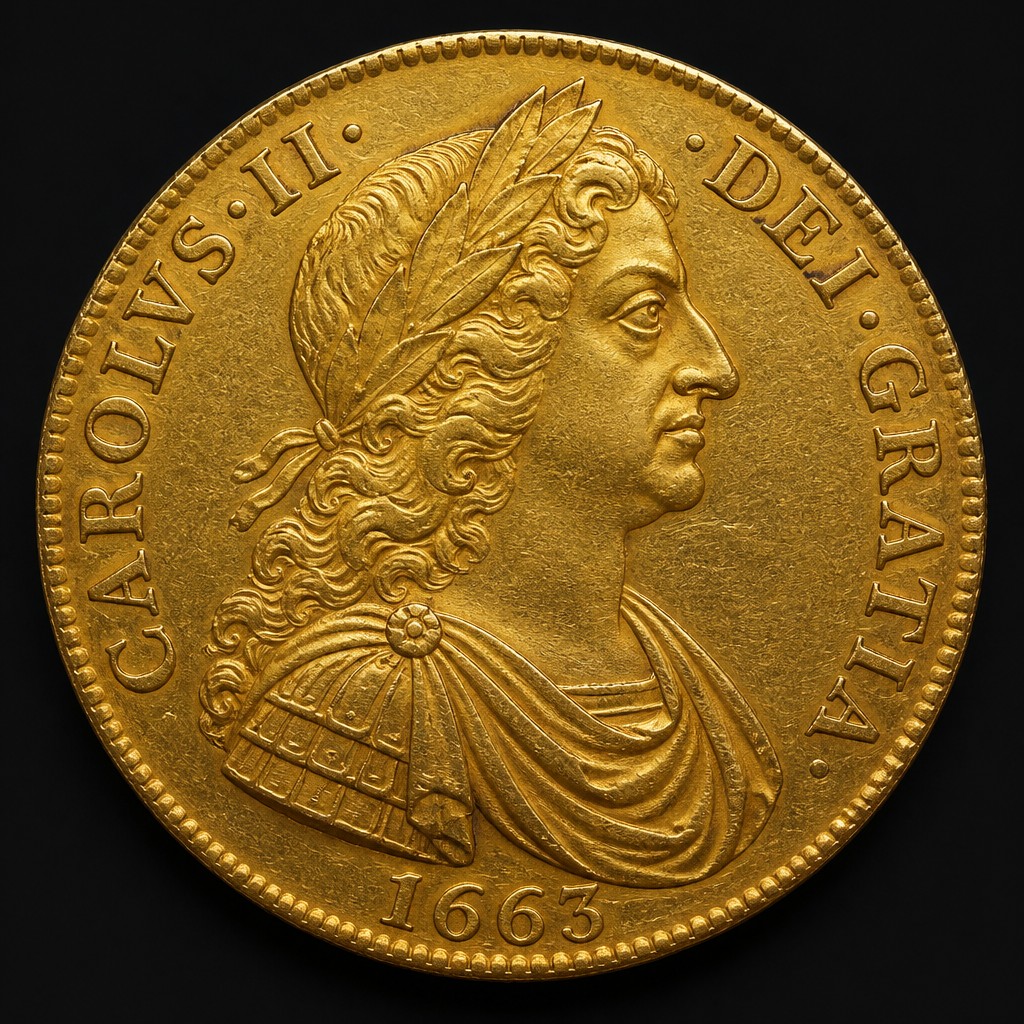
British Guinea
1663–1814
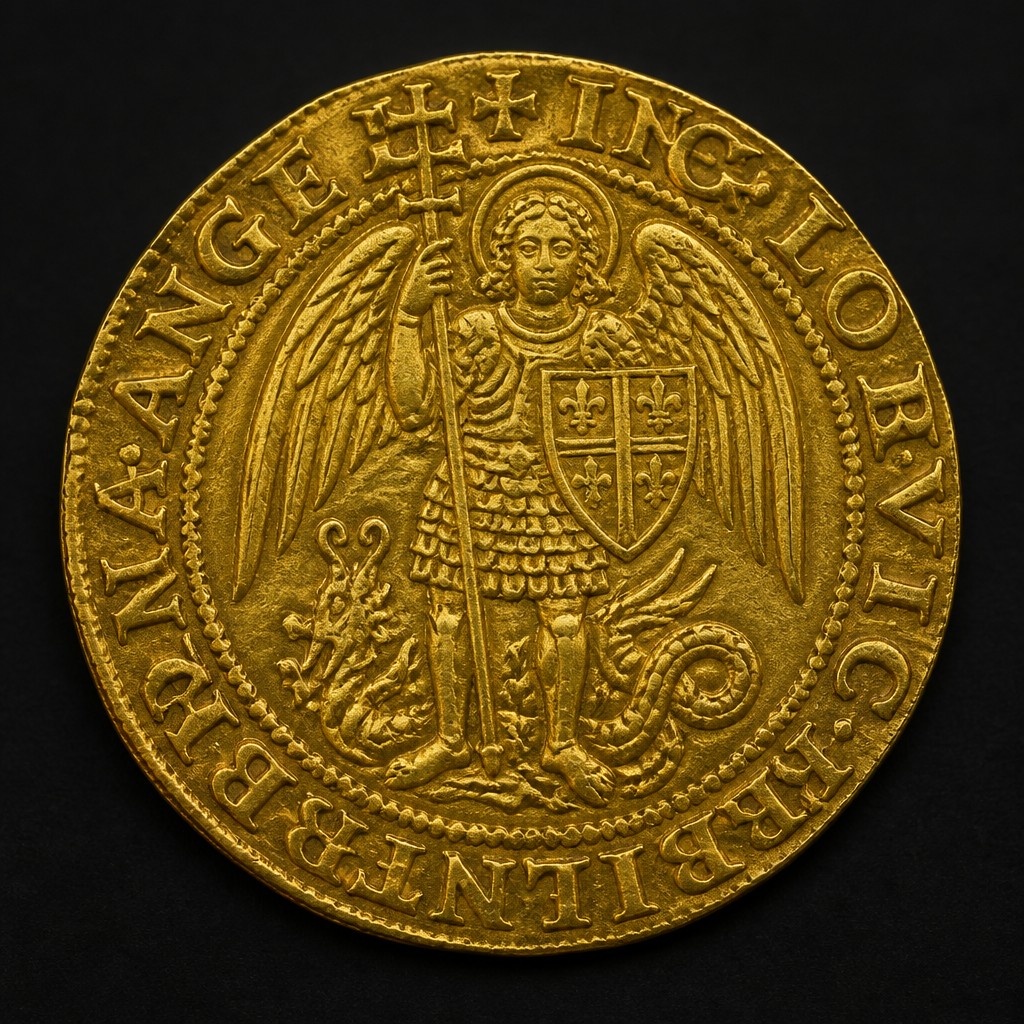
English Angel
1465–1642
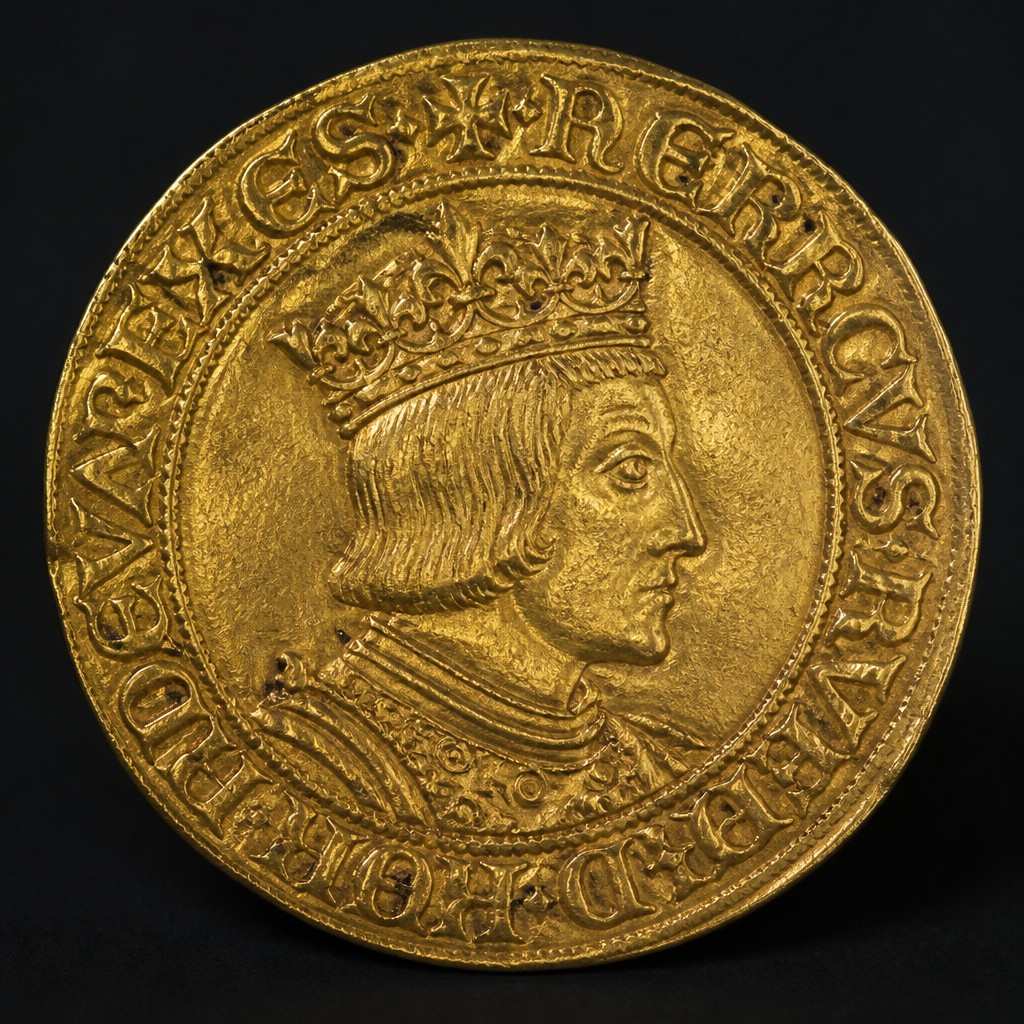
English Sovereign of Henry VII
1489–1509
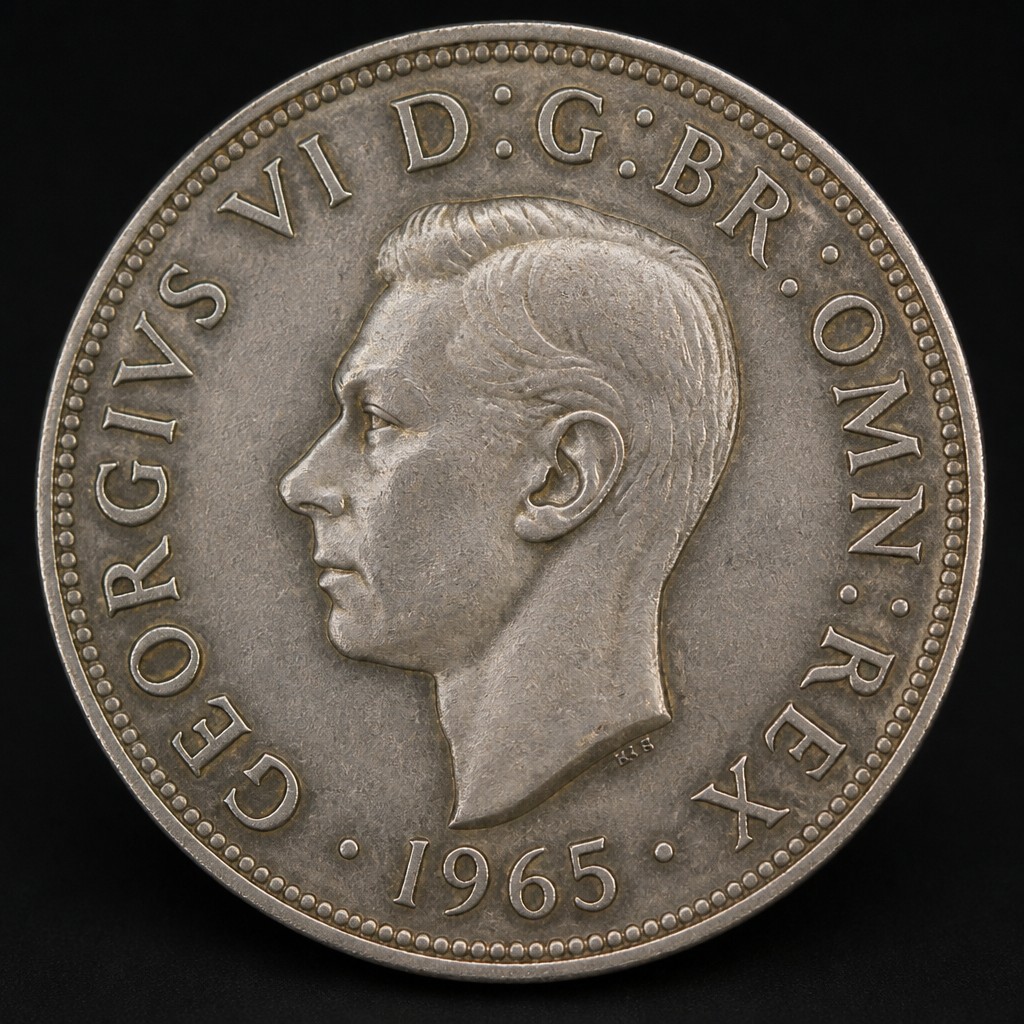
English Crown
1526–1965 (pre-decimal; commemorative crown-sized coins continue as five pound coins)
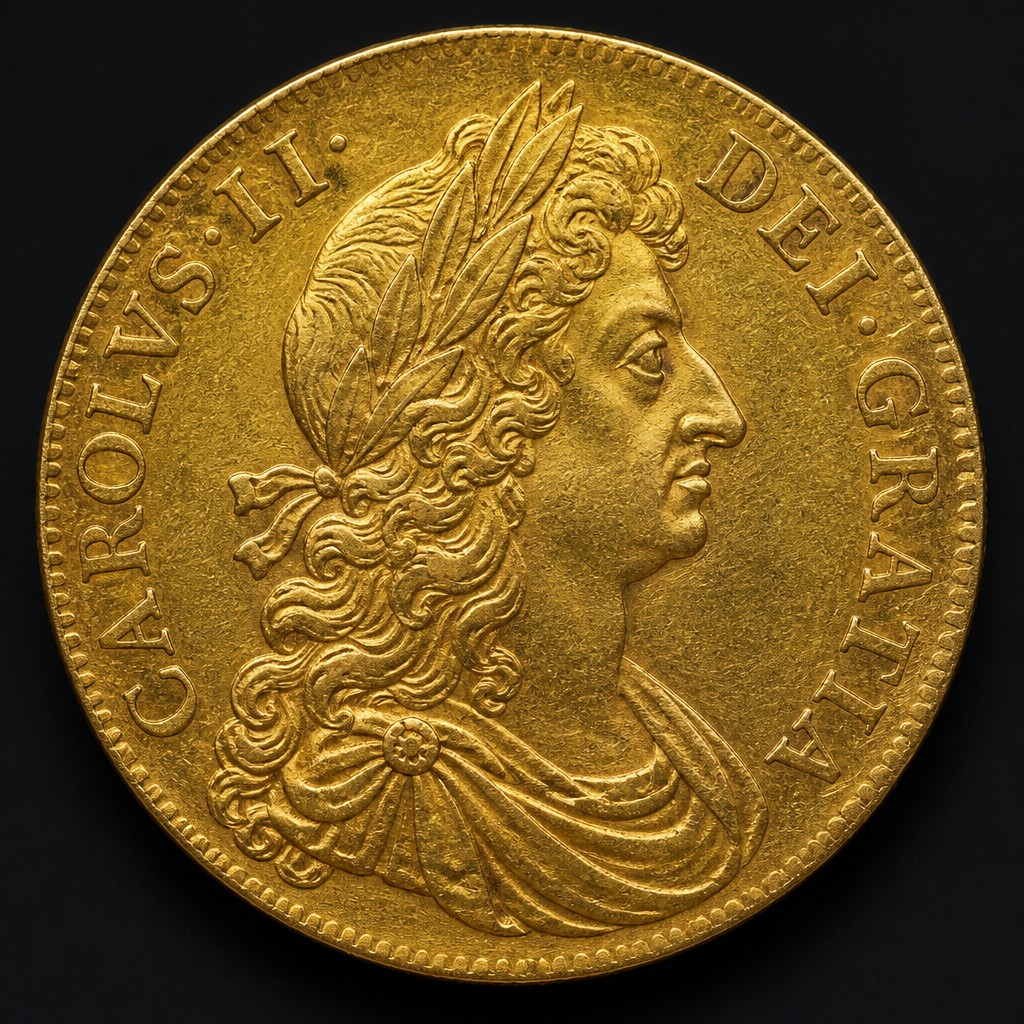
British Gold Guinea
1663–1814
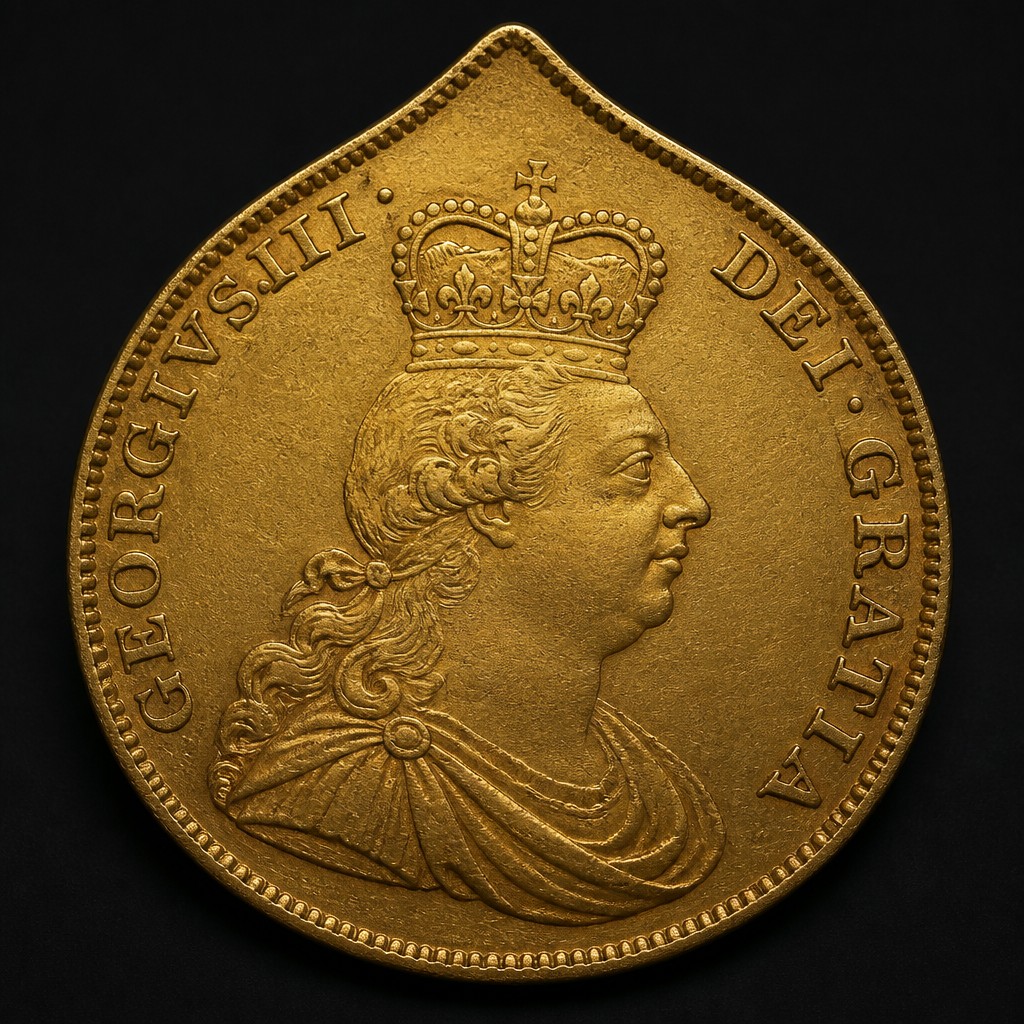
Spade Guinea
1787–1799
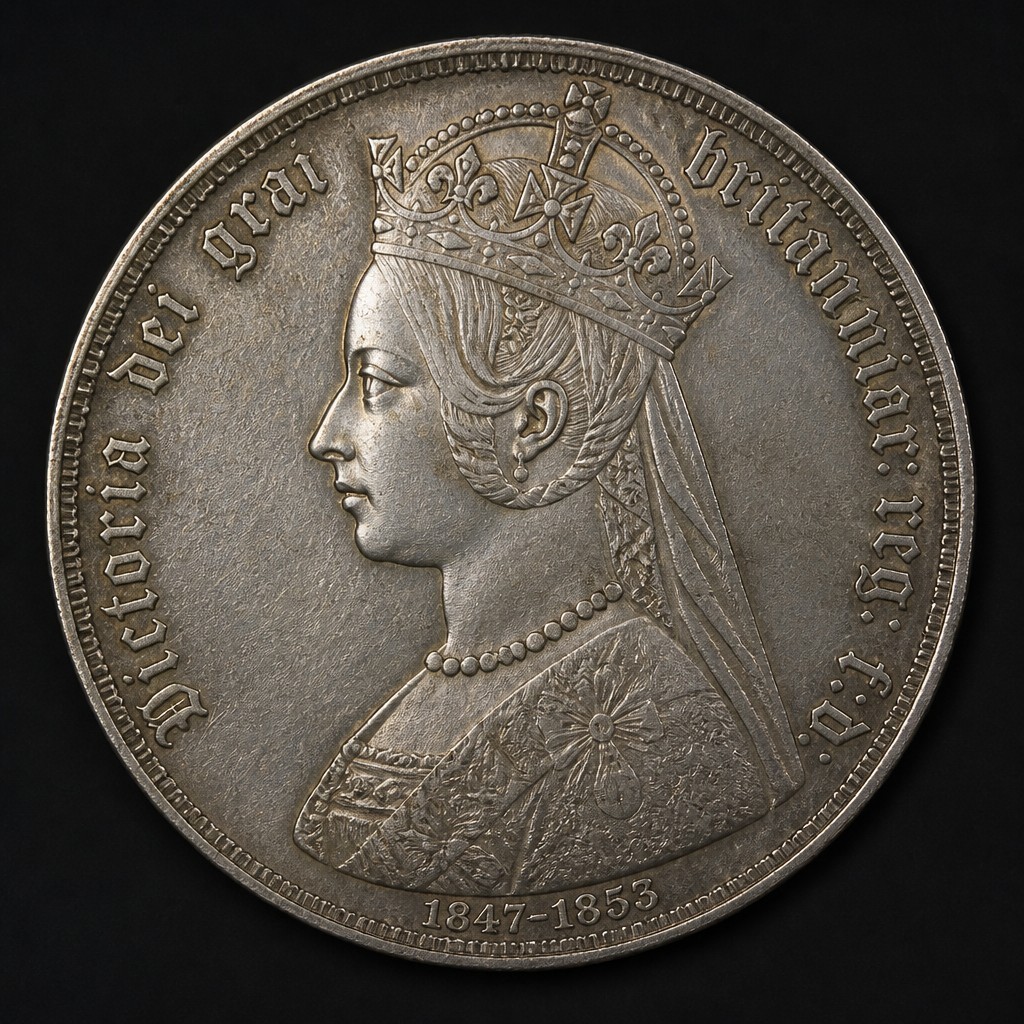
Gothic Crown
1847–1853
Groat (Fourpence)
1279–1888 (various revivals)
Farthing
13th century–1956
Halfpenny
c. 800s–1969
Five Pound Gold (Quintuple Sovereign)
1820–present (intermittent)
Threepence
1547–1970