
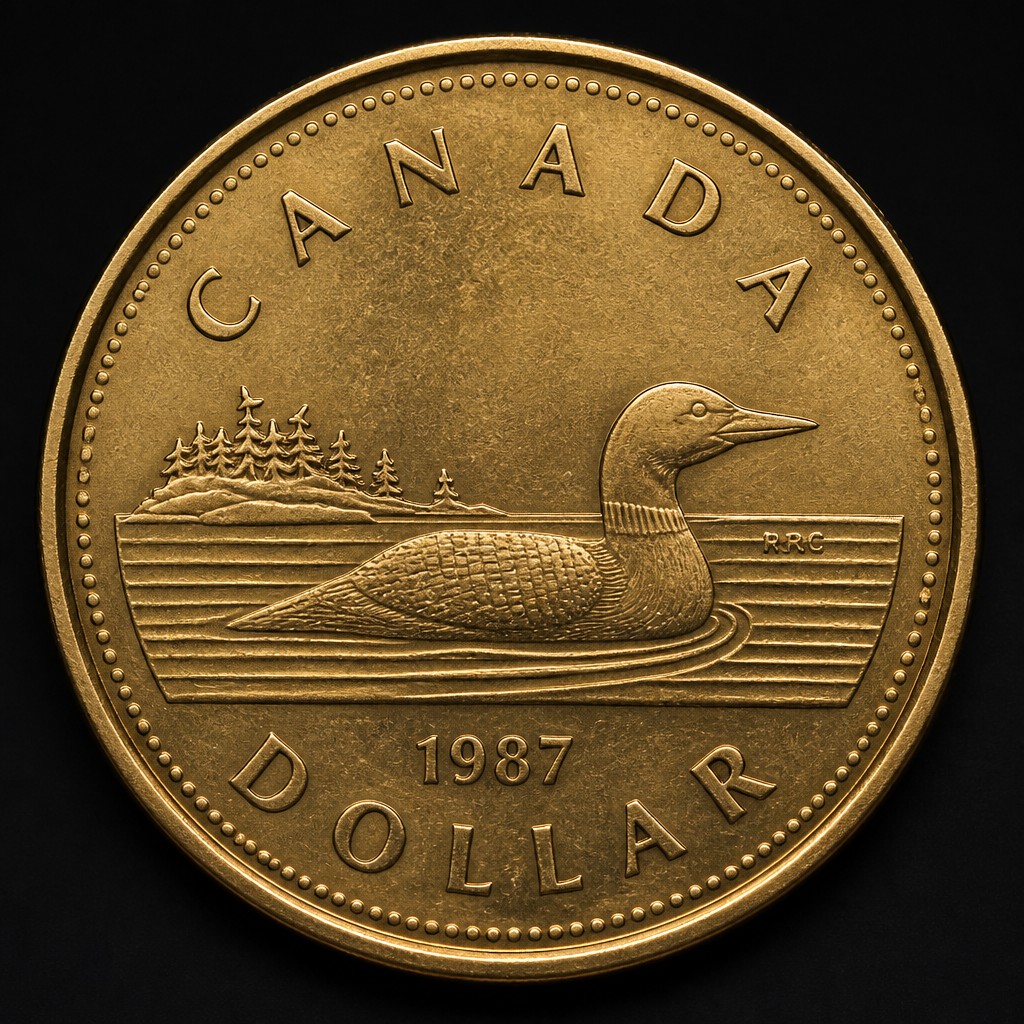
1987 Loon Dollar (Aureate)
Canada's first modern circulating dollar coin, introduced in 1987 to replace the paper dollar bill and nicknamed "the Loonie" after the common loon depicted on its reverse.
- Country
- Canada
- Denomination
- One Dollar
- Metal
- Aureate-Bronze Plated Nickel
Got a coin like this?
Identify any coin from a photo, free.
Overview
The 1987 Loon Dollar marked a major shift in Canadian currency, replacing the one-dollar bank note with an eleven-sided, gold-colored coin. It quickly became one of Canada's most recognizable coins and gave rise to the enduring nickname "Loonie," which Canadians now use informally for the dollar itself.
Collectors are drawn to the 1987 issue both as the first year of a still-ongoing series and for the famous story behind its unusual reverse design, which resulted from an unplanned change late in the coin's development.
History & Background
By the mid-1980s, the Canadian government sought to phase out the one-dollar paper note in favor of a more durable and cost-effective coin, following a path other countries had also taken. The Royal Canadian Mint originally planned a reverse design featuring a voyageur canoe scene similar to earlier silver dollars, designed by Robert-Ralph Carmichael.
According to a famous mint anecdote, the master dies for the canoe design were lost in transit before production could begin, prompting the Mint to quickly substitute a backup design also created by Carmichael: a common loon swimming on water. The loon design proved highly popular and became a lasting symbol of Canadian currency, eventually lending its name to the coin itself.
The coin entered circulation in 1987 and has continued in production in various forms since, with the nickname "Loonie" becoming so widespread that it is now used generically to refer to the Canadian dollar in everyday speech.
How to Identify
The obverse features Queen Elizabeth II's portrait along with the standard Canadian coinage legends. The reverse depicts a single common loon swimming on rippled water, with "CANADA" and the date above.
The coin has a distinctive eleven-sided (hendecagon) shape rather than a plain circle, and is struck in aureate bronze-plated nickel, giving it a gold-like color despite containing no gold. Its shape and color make it instantly recognizable and easy to distinguish from other Canadian circulating coins by touch alone, even in the dark.
Value & Collectibility
As a coin still in production and originally struck in large numbers for circulation, the 1987 first-year Loonie is common and generally trades for modest premiums over face value in circulated grades. Specially packaged proof or specimen versions from official Mint sets can carry higher values due to their superior condition and limited distribution compared to circulation strikes.
Collectors particularly interested in the design's origin story often seek out the first-year 1987 date specifically, even though it is not scarce, simply because it represents the beginning of this now-iconic series.
Frequently asked questions
Why is it called the "Loonie"?
The nickname comes from the common loon depicted on the coin's reverse, and it has become the everyday Canadian term for the one-dollar coin.
Why does the coin show a loon instead of a canoe?
The original canoe design's master dies were reportedly lost in transit before production, so the Mint substituted a loon design as a backup.
What shape is the Loonie?
It is eleven-sided (a hendecagon) rather than perfectly round, making it easy to identify by feel.
Is the 1987 Loonie rare or valuable?
The regular circulation strike is common and worth close to face value, though specially packaged proof versions can be worth more.
Other coins you may enjoy
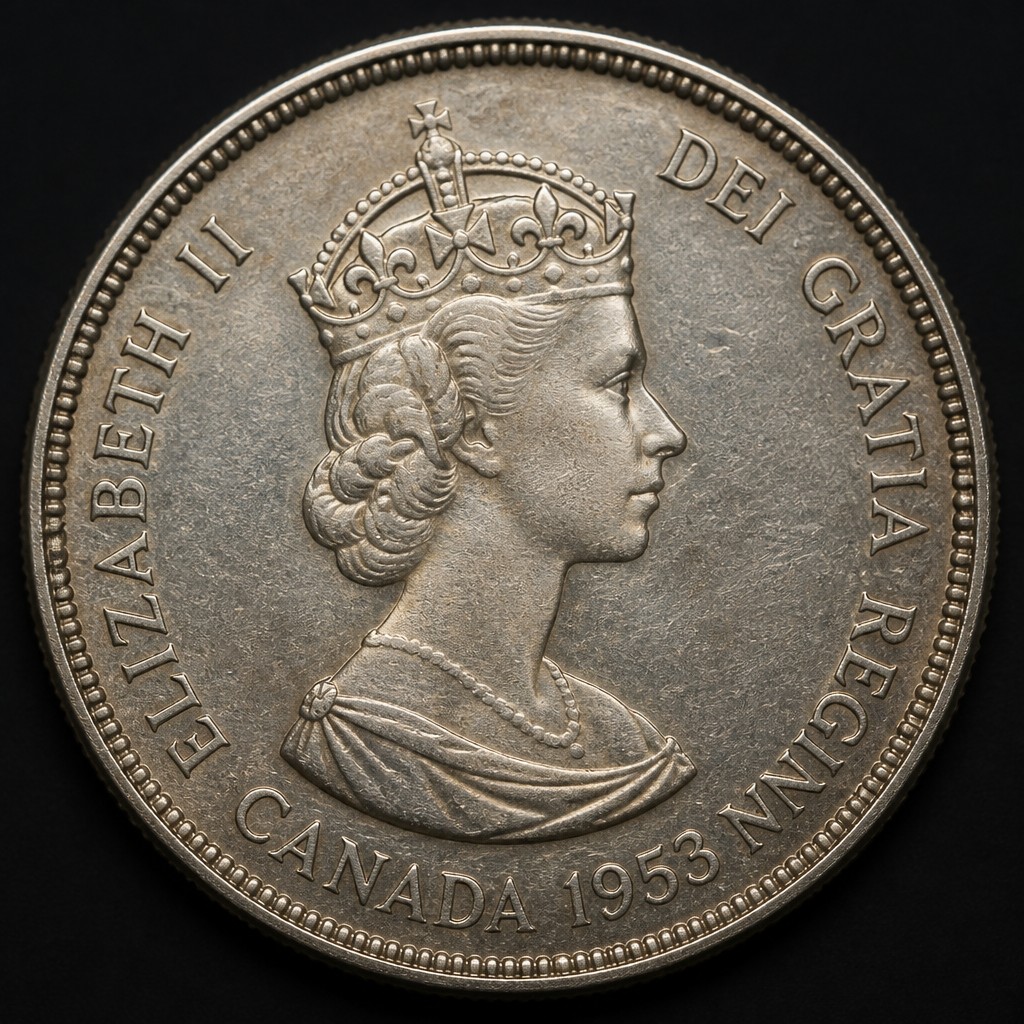
1953 Coronation Voyageur Dollar
1953
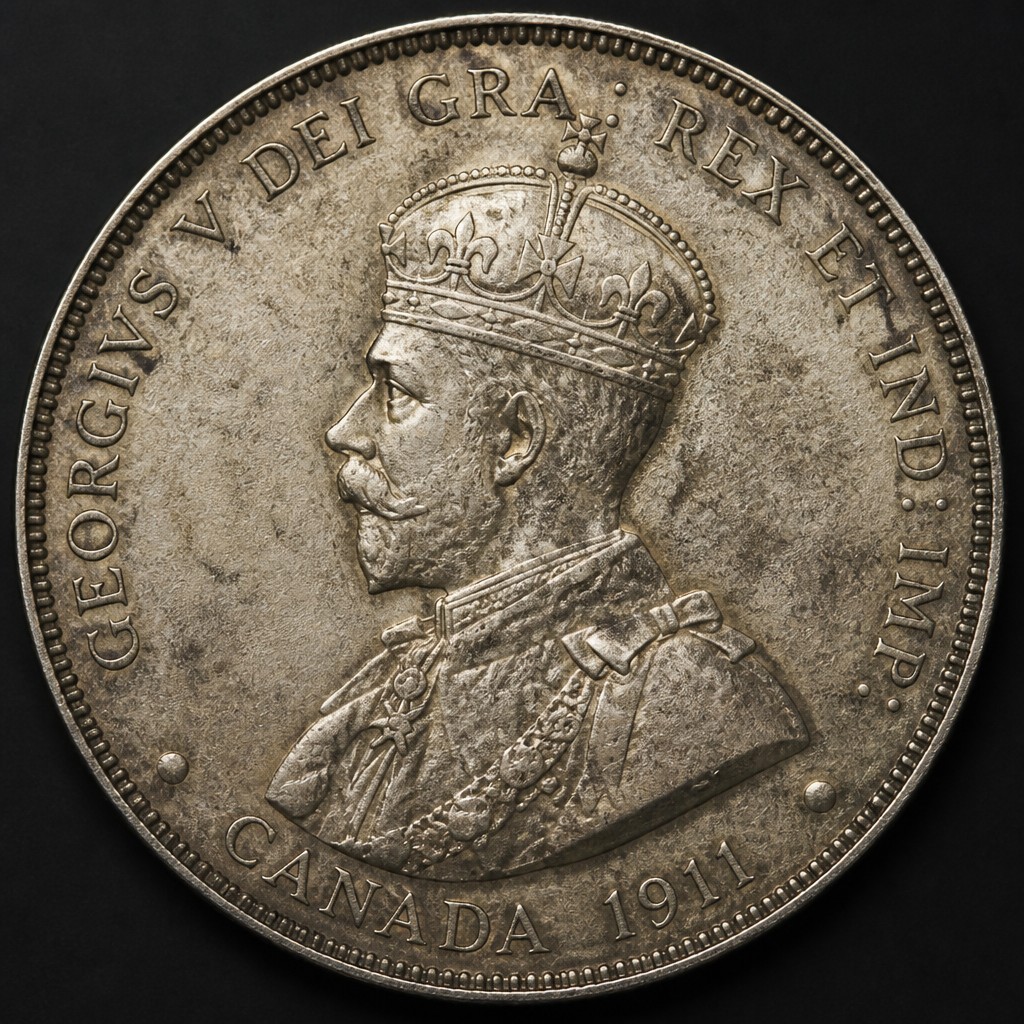
1911 Canadian Silver Dollar (Pattern)
1911
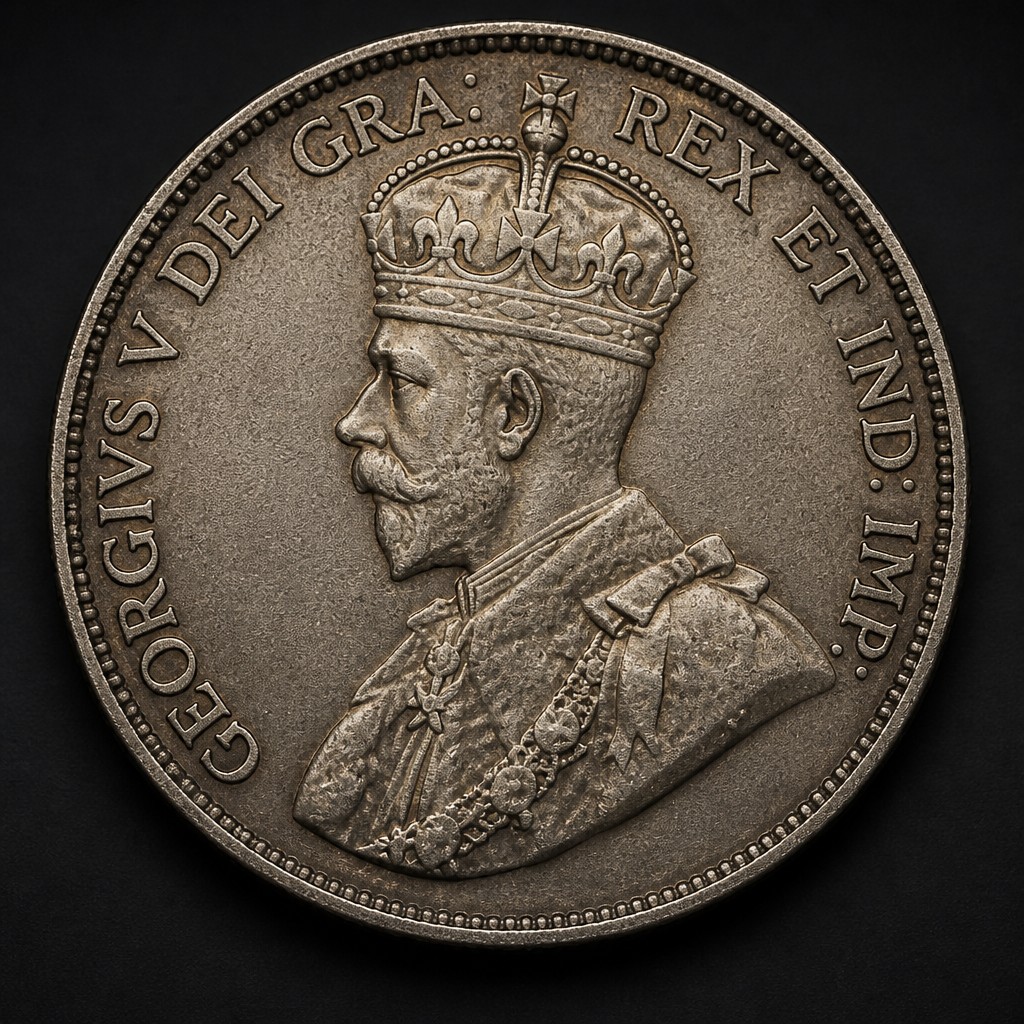
George V Twenty-Five Cents (silver)
1911–1936
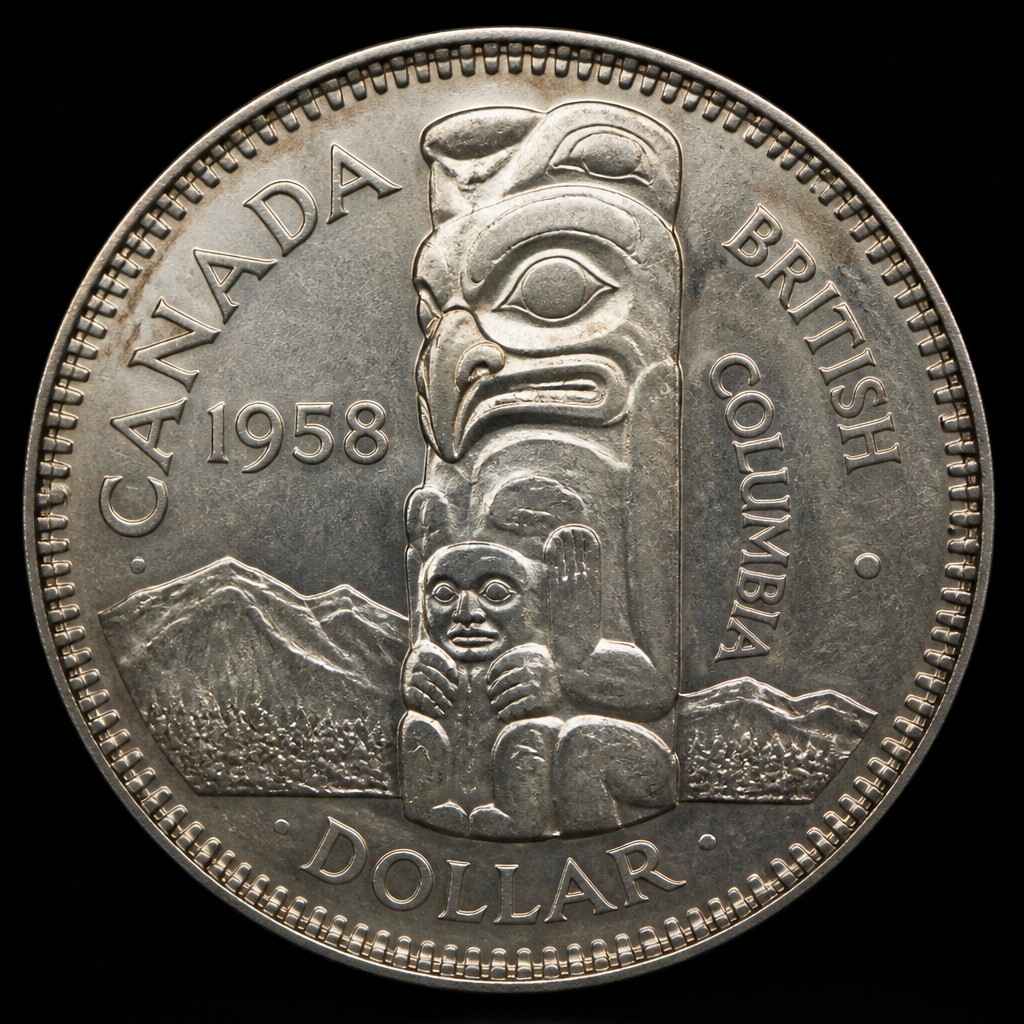
1958 British Columbia Totem Pole Dollar
1958
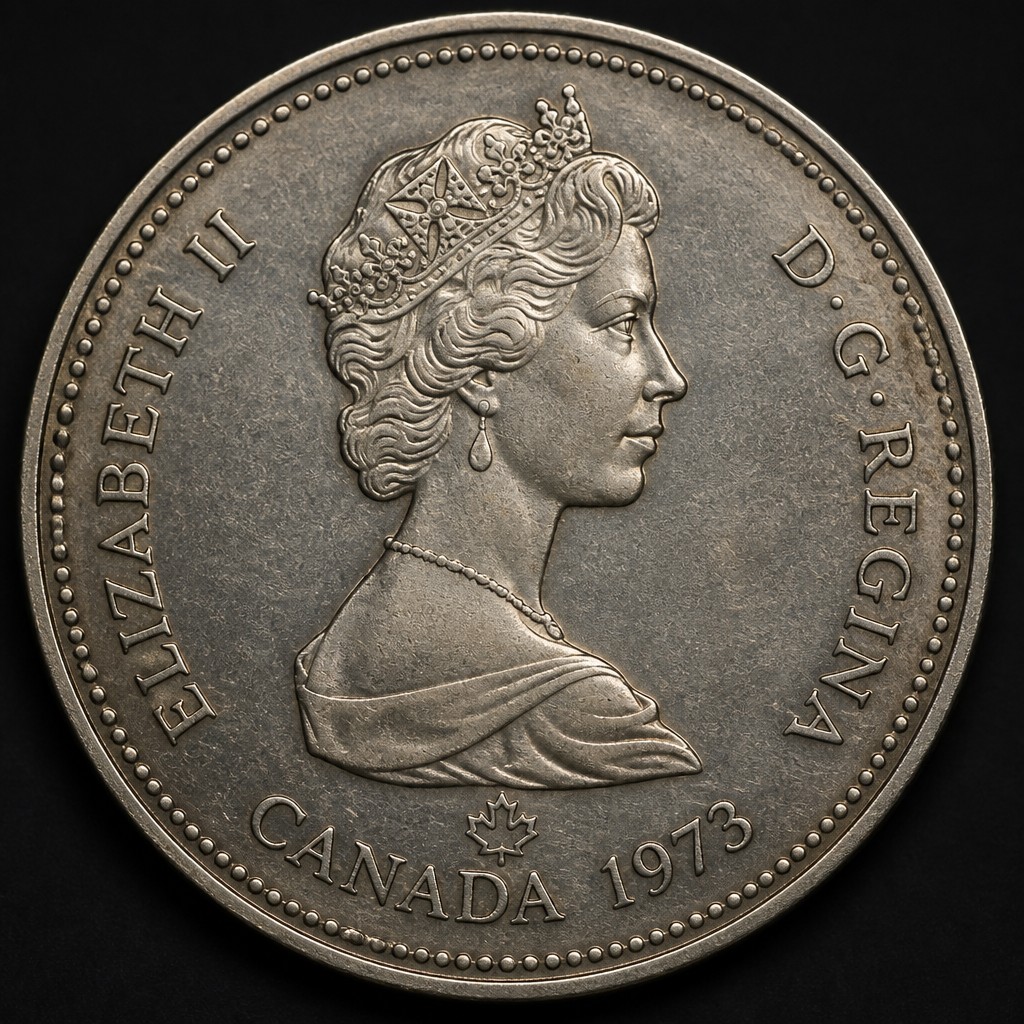
1973 RCMP Centennial Dollar
1973
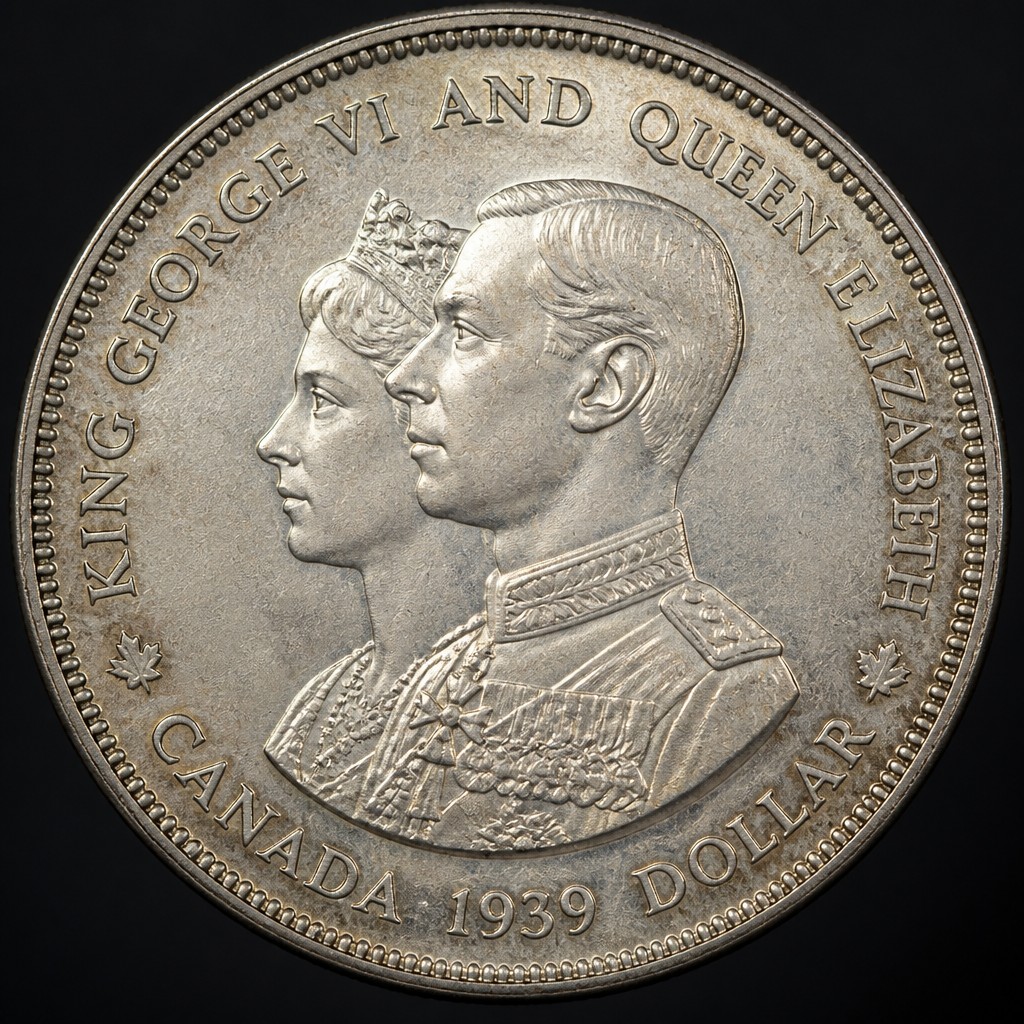
1939 Royal Visit Silver Dollar (Parliament)
1939
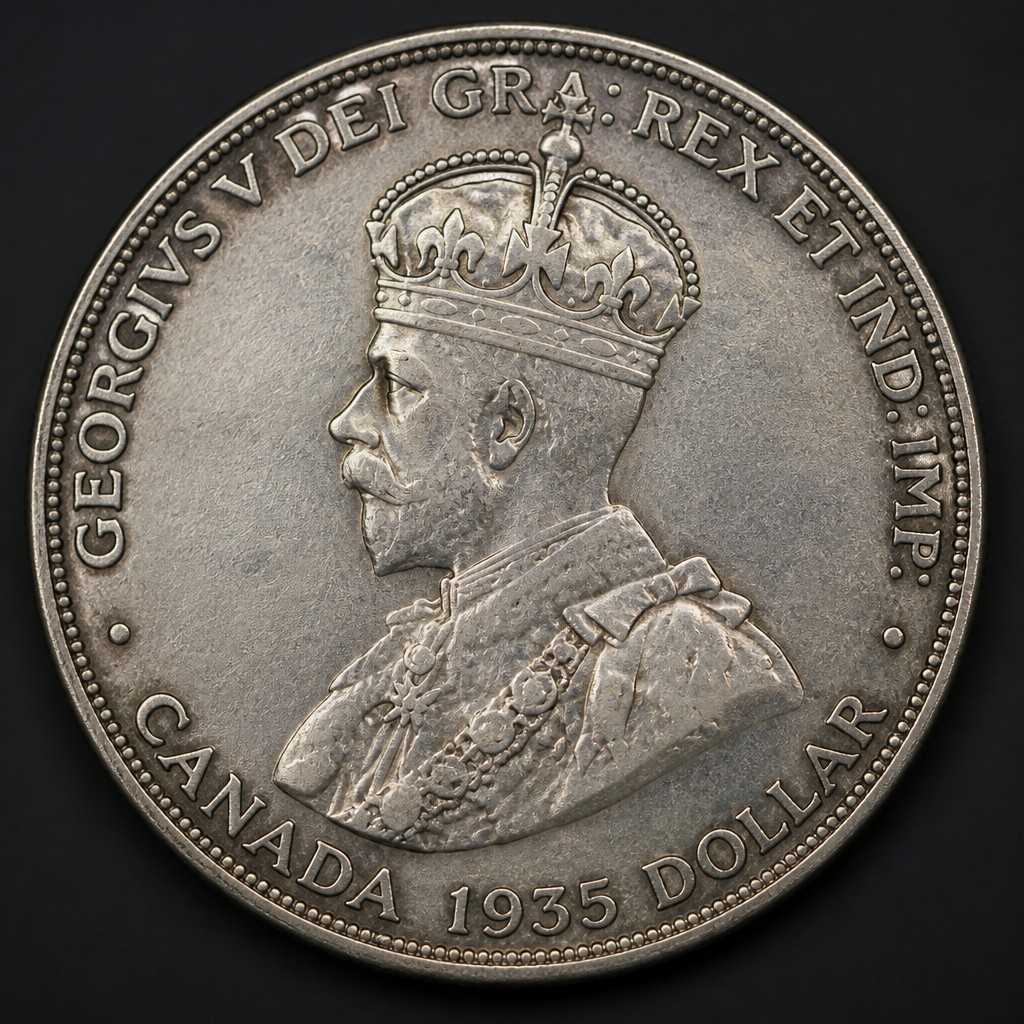
1935 George V Silver Jubilee Dollar (Voyageur)
1935
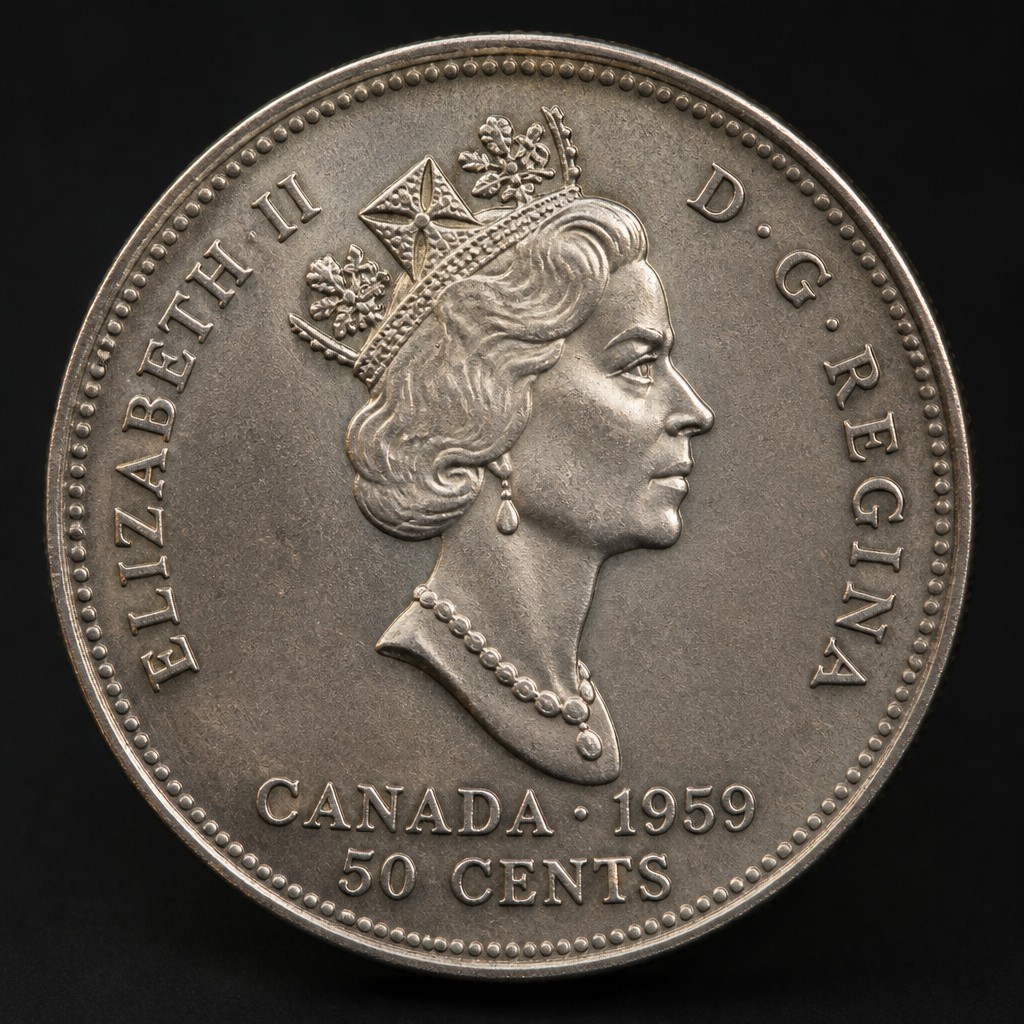
Coat of Arms Fifty Cents (Elizabeth II)
1959–present
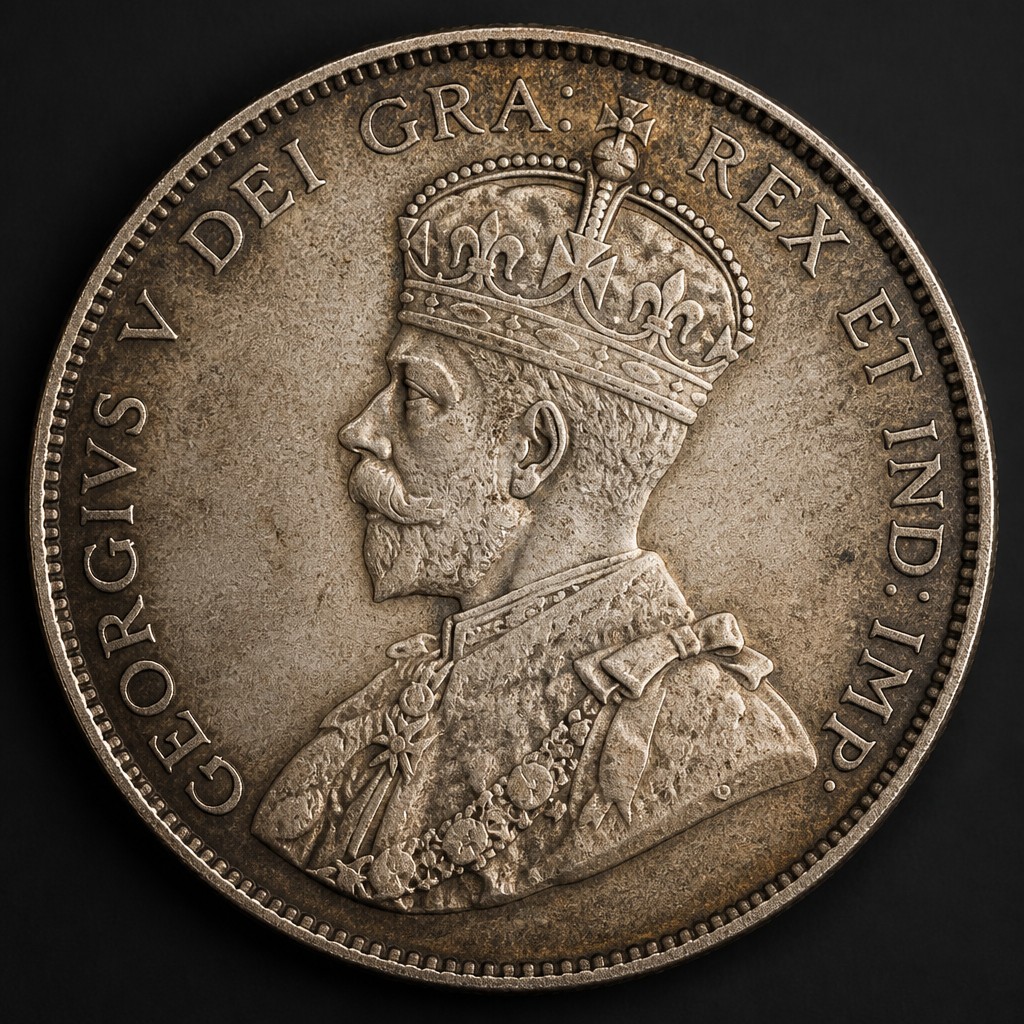
1921 Fifty Cents (King of Canadian Coins)
1921
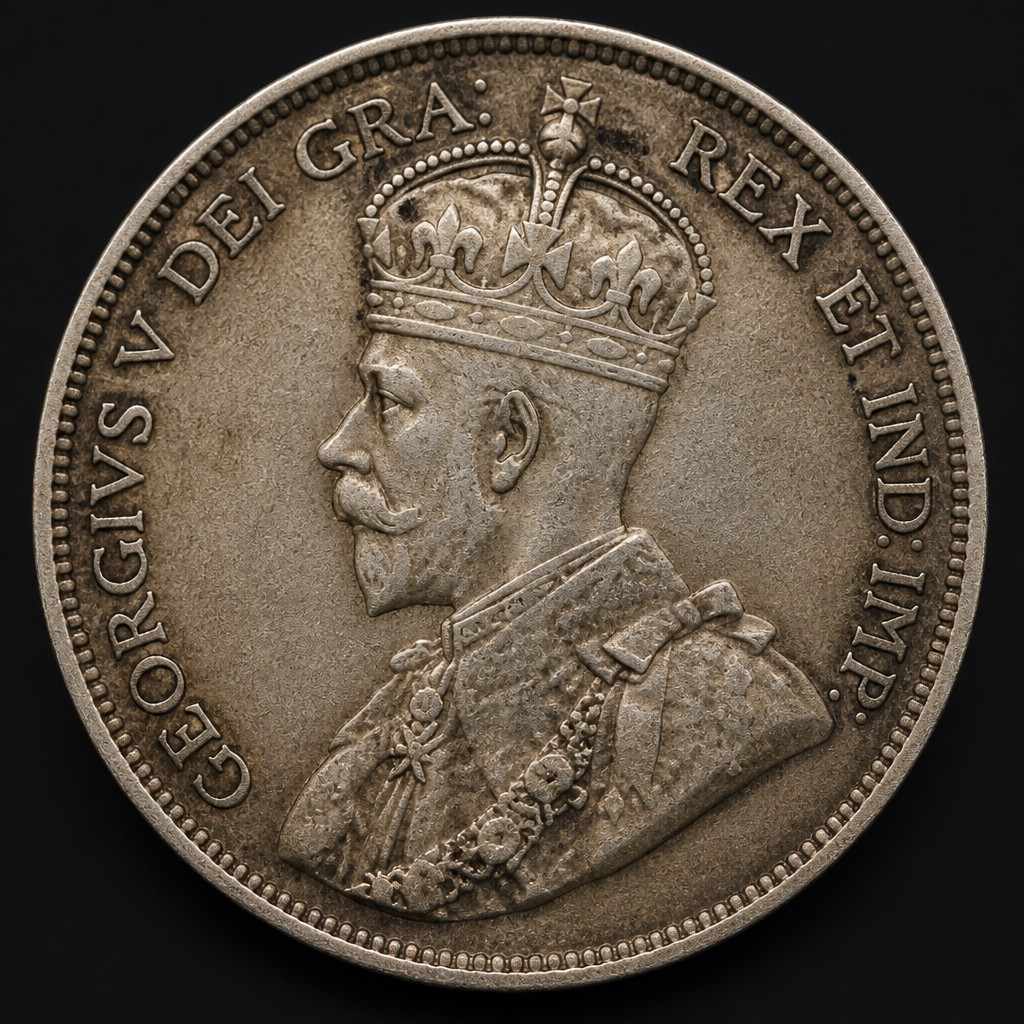
George V Fifty Cents
1911–1936
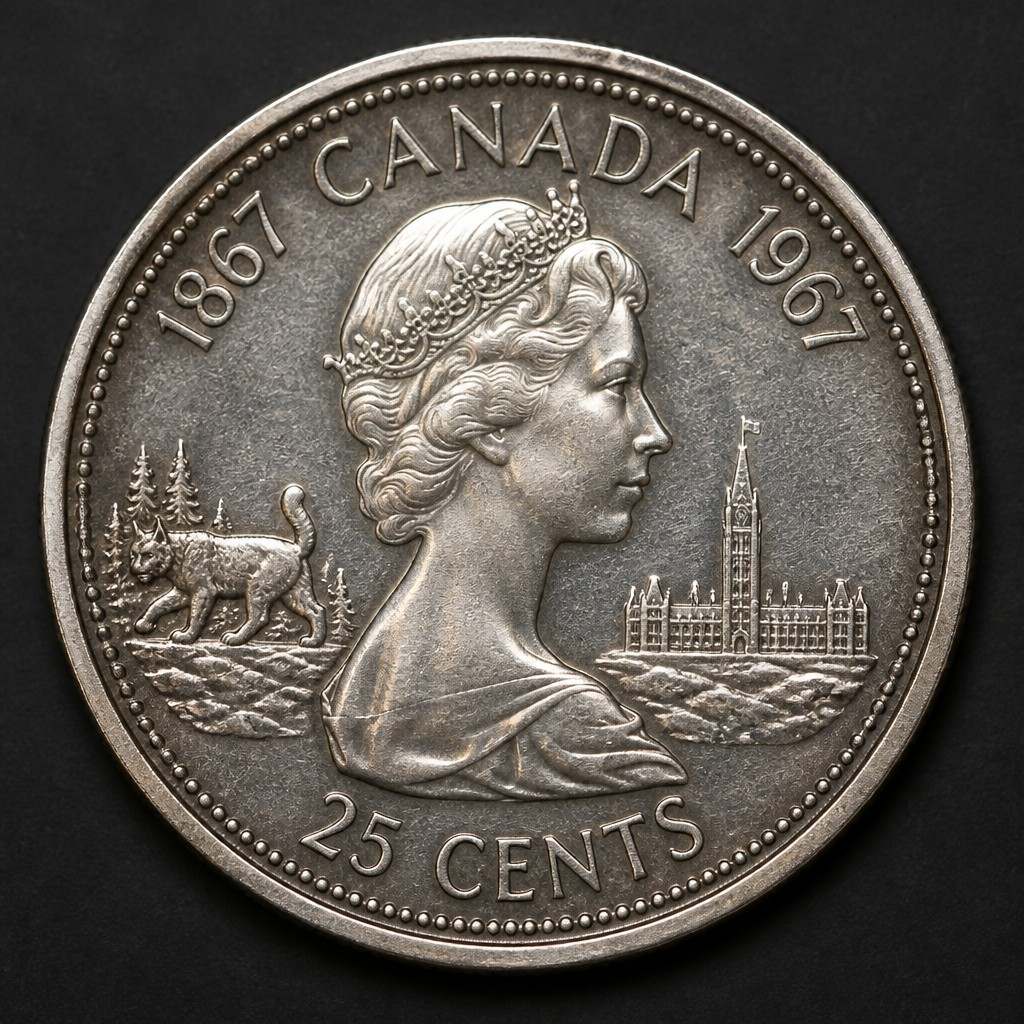
1967 Bobcat Centennial Quarter
1967
Caribou Twenty-Five Cents (quarter)
1937–present