
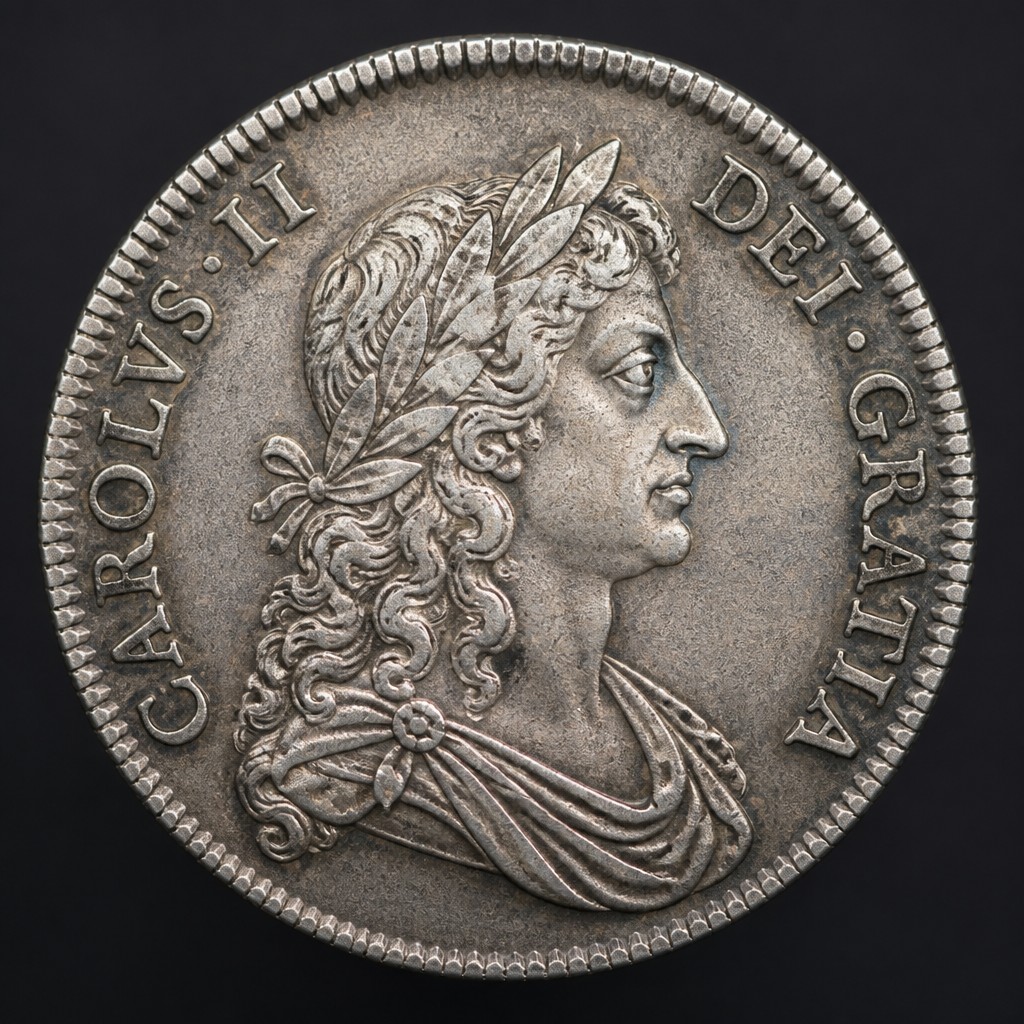
Maundy Threepence
The third denomination of the Royal Maundy set, a small silver threepence given out in the monarch's annual pre-Easter alms ceremony, distinct from Britain's separate everyday circulating threepence.
- Country
- United Kingdom
- Denomination
- Three Pence (Maundy)
- Metal
- Sterling/Fine Silver
Got a coin like this?
Identify any coin from a photo, free.
Overview
The Maundy Threepence shares its face value with the once-familiar circulating British threepence but occupies a very different world: it is a small, ceremonial silver coin struck every year purely for use in the Royal Maundy service. It is one of four denominations, alongside the penny, twopence, and fourpence, that together make up the traditional Maundy set.
Collectors appreciate the Maundy threepence for its unbroken design lineage and its role in completing Maundy sets, and some specialize in comparing it against Britain's separate circulating threepence coins of the 19th and 20th centuries, which used entirely different metals and designs.
History & Background
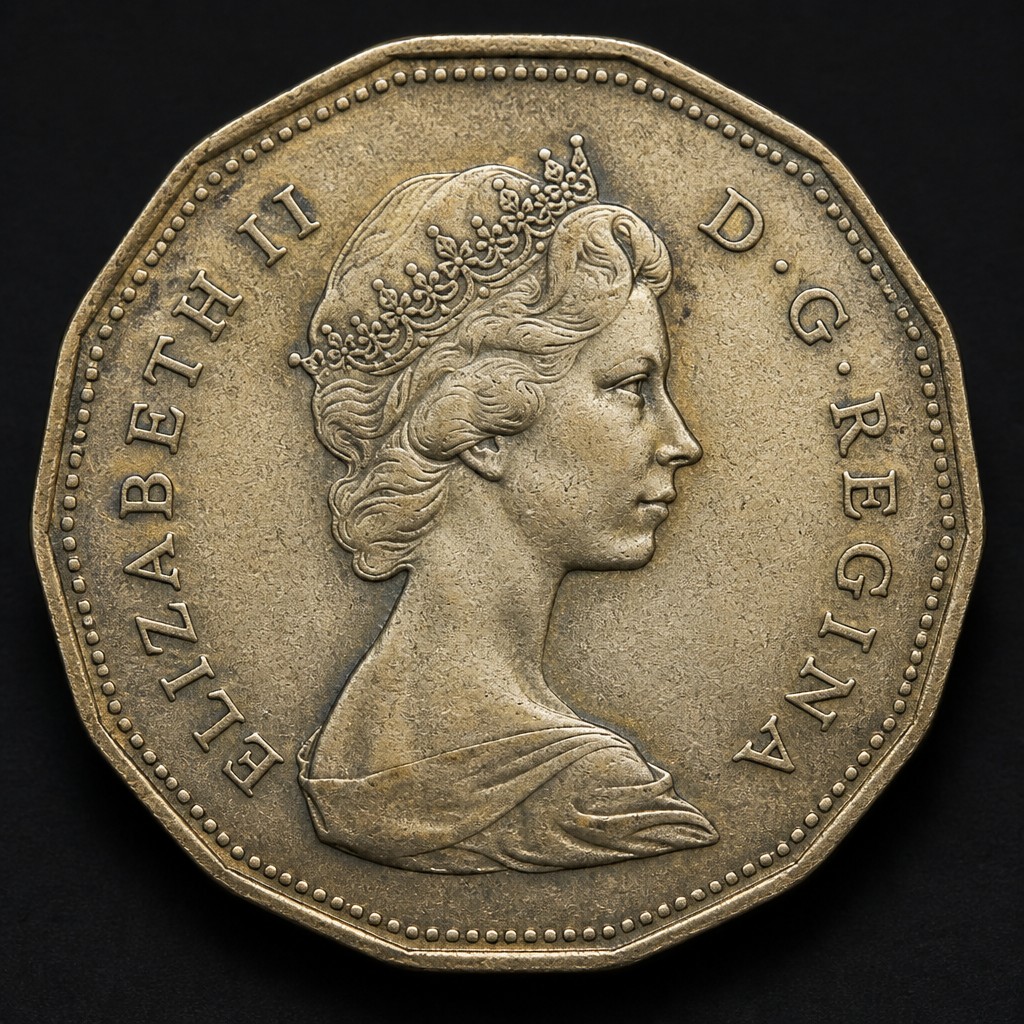
The threepence has long been part of the small-silver Maundy tradition, formalized alongside the penny, twopence, and fourpence in the modern four-coin format that emerged in the 17th through 19th centuries. Unlike the ordinary circulating silver threepence, which was discontinued and later replaced by a large nickel-brass twelve-sided coin in the 1930s, the Maundy threepence has continued in pure ceremonial silver form without a break.
Each year's Maundy threepence is struck in a small quantity tied to the needs of that year's Royal Maundy service, preserving a coin type and production tradition considerably older than most other British denominations still issued today.
How to Identify
The obverse carries the reigning monarch's portrait in the style used for that period's coinage, while the reverse shows a crowned numeral '3' within a wreath, along with the legend and date. This wreath-and-numeral reverse format is shared with the other three Maundy denominations, so the numeral is the key to telling them apart.
At about 16mm in diameter, the Maundy threepence is noticeably larger than the penny and twopence but smaller than the fourpence. It should not be confused with Britain's separate large, thick, twelve-sided nickel-brass threepence that circulated in everyday commerce from the 1930s to the 1970s; the Maundy piece is small, round, and struck in silver.
Value & Collectibility
Values for Maundy threepences track the same factors as the other Maundy denominations: condition, date scarcity, and whether the coin is part of an original matched set. Common recent dates are generally affordable, while older or shorter-reign issues bring more.
Because many collectors pursue full four-coin Maundy sets rather than single denominations, threepences sold individually can sometimes be found at reasonable prices even when the corresponding set would be costlier. Typical individual values run roughly $20 to $80, with premium grades and rarer years higher still.
Frequently asked questions
Is the Maundy Threepence the same coin people used in everyday change?
No, Britain also issued a separate, larger circulating threepence for everyday use; the Maundy threepence is a distinct small silver ceremonial coin.
How can I tell the denomination of a Maundy coin?
Look at the crowned numeral on the reverse inside the wreath; a '3' identifies the threepence.
Are all four Maundy denominations struck every year?
Yes, all four are traditionally struck together annually for the Maundy ceremony.
What condition should I look for when buying one?
Because the coins are small and easily worn, sharp detail and original surfaces significantly affect both appearance and value.
Other coins you may enjoy
British Guinea
1663–1814
English Angel
1465–1642
English Sovereign of Henry VII
1489–1509
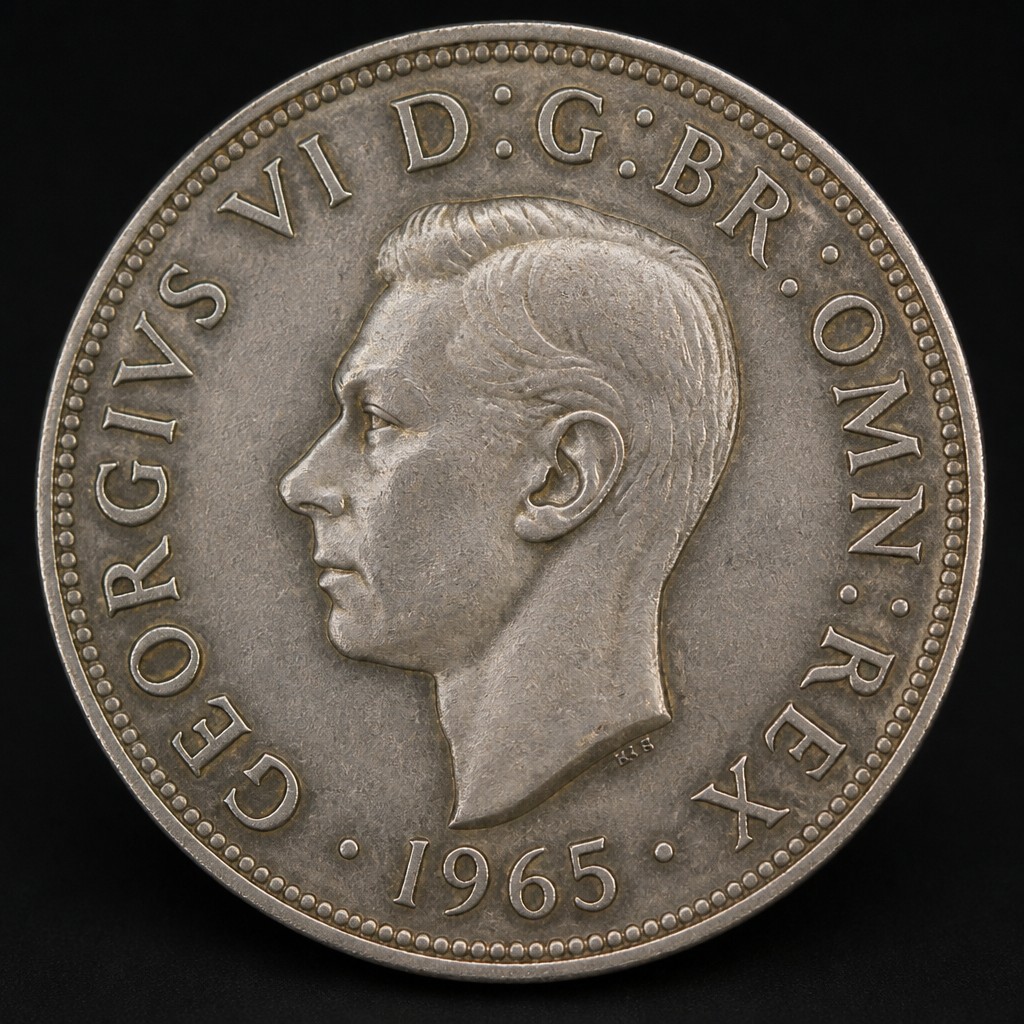
English Crown
1526–1965 (pre-decimal; commemorative crown-sized coins continue as five pound coins)
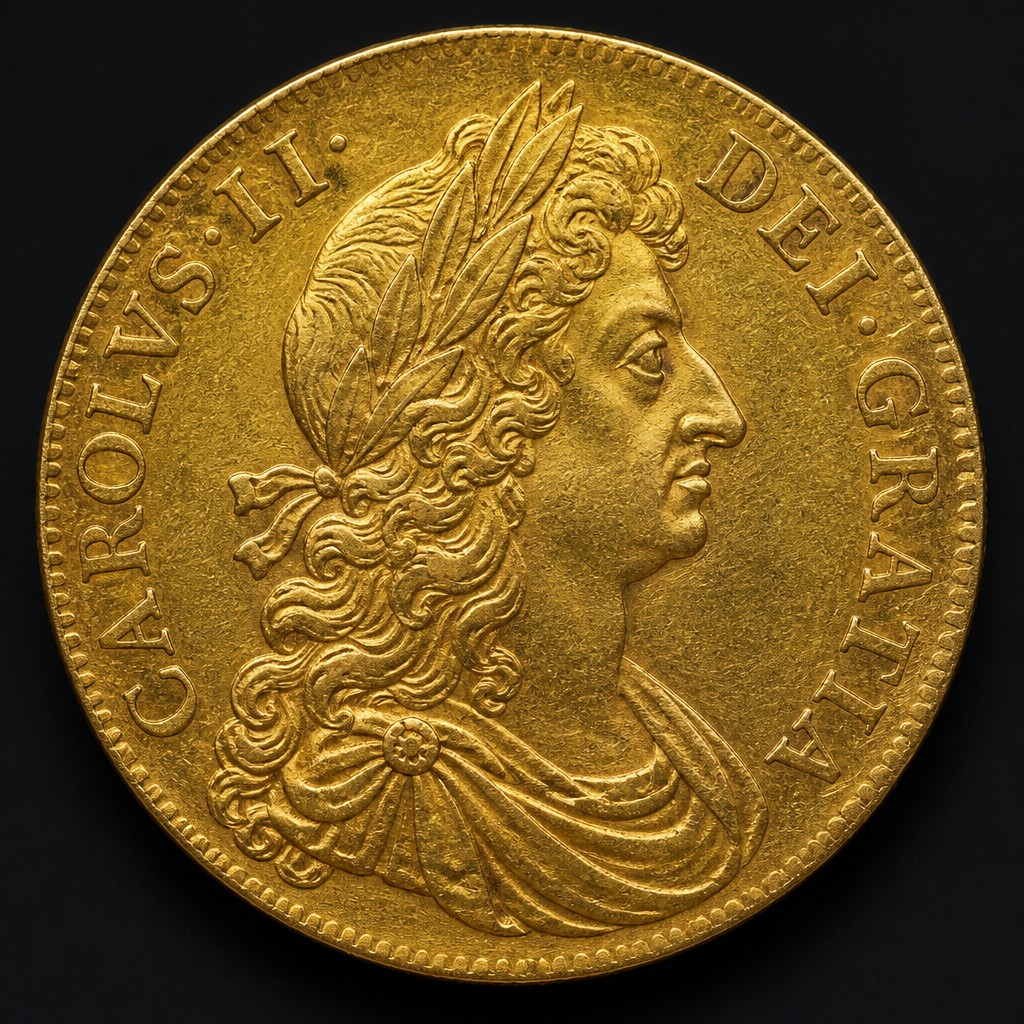
British Gold Guinea
1663–1814
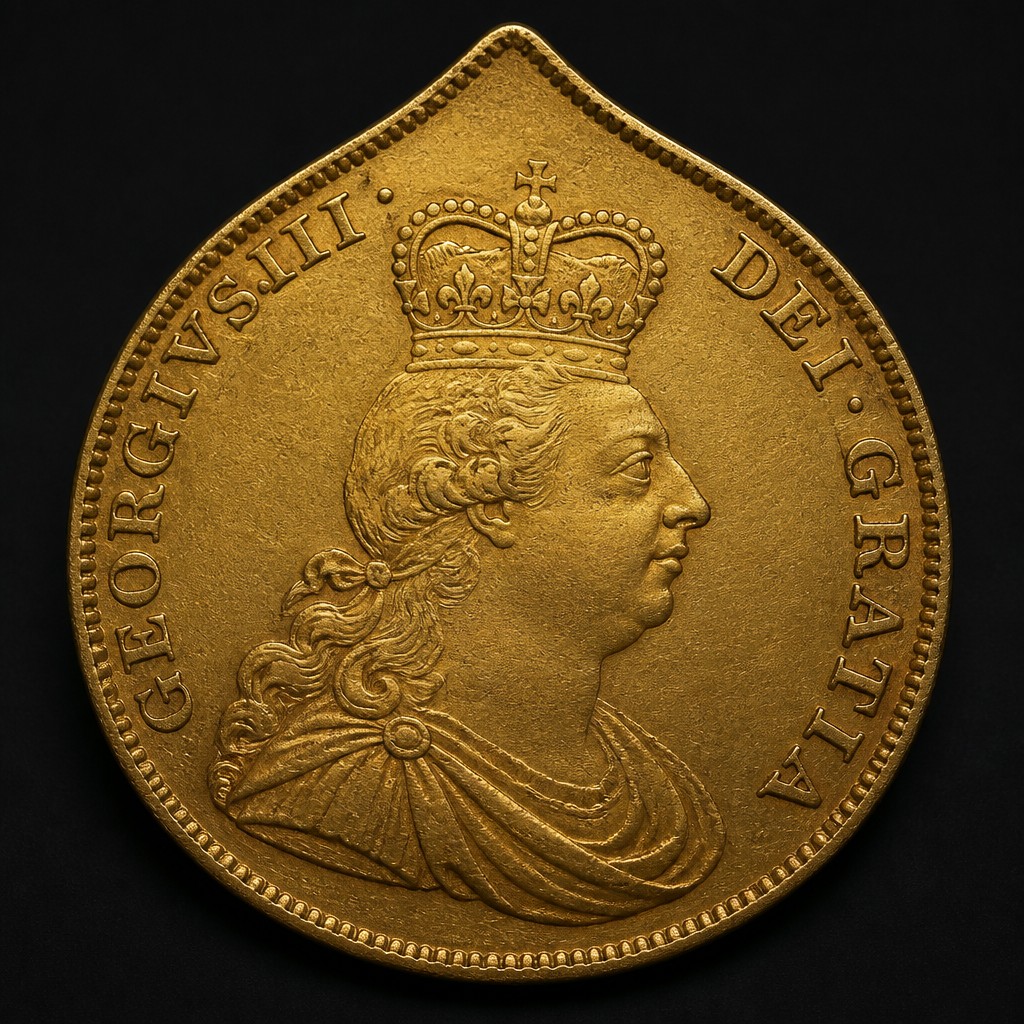
Spade Guinea
1787–1799
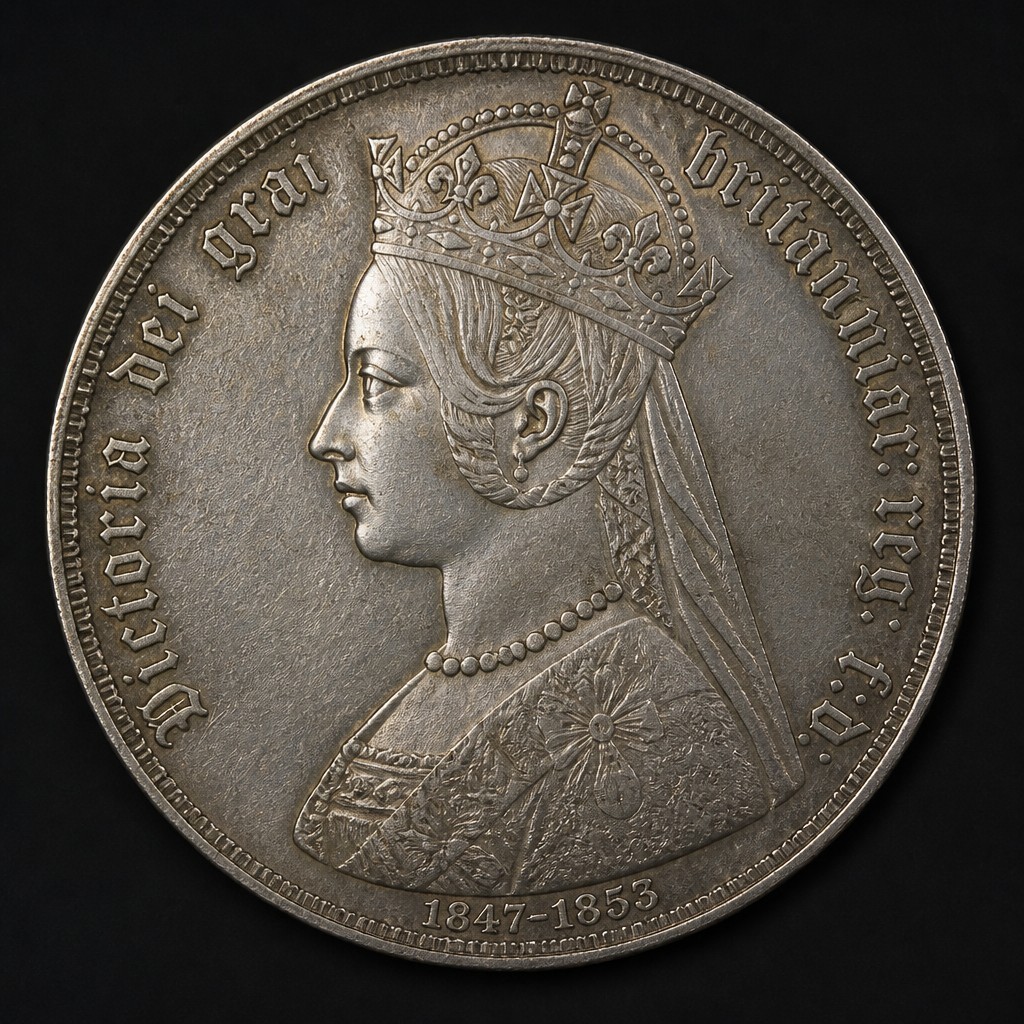
Gothic Crown
1847–1853
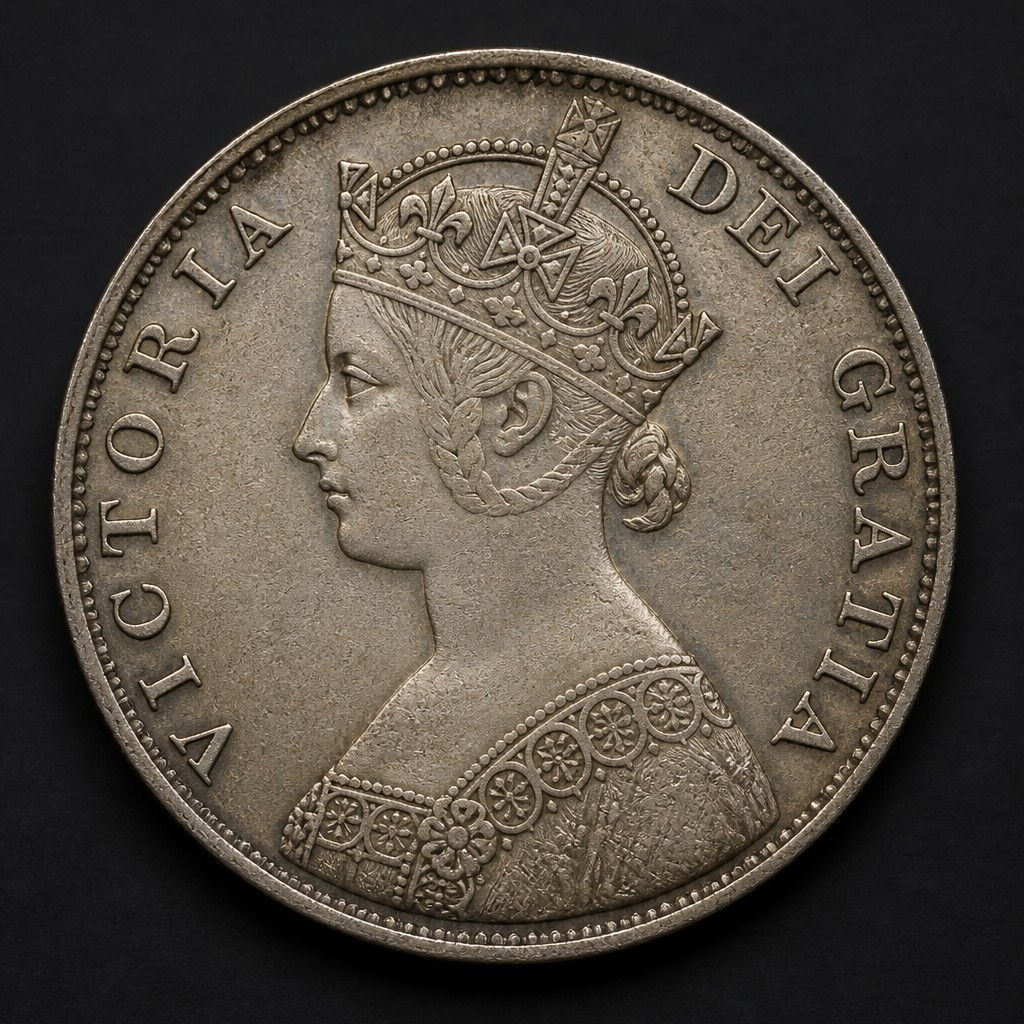
Groat (Fourpence)
1279–1888 (various revivals)
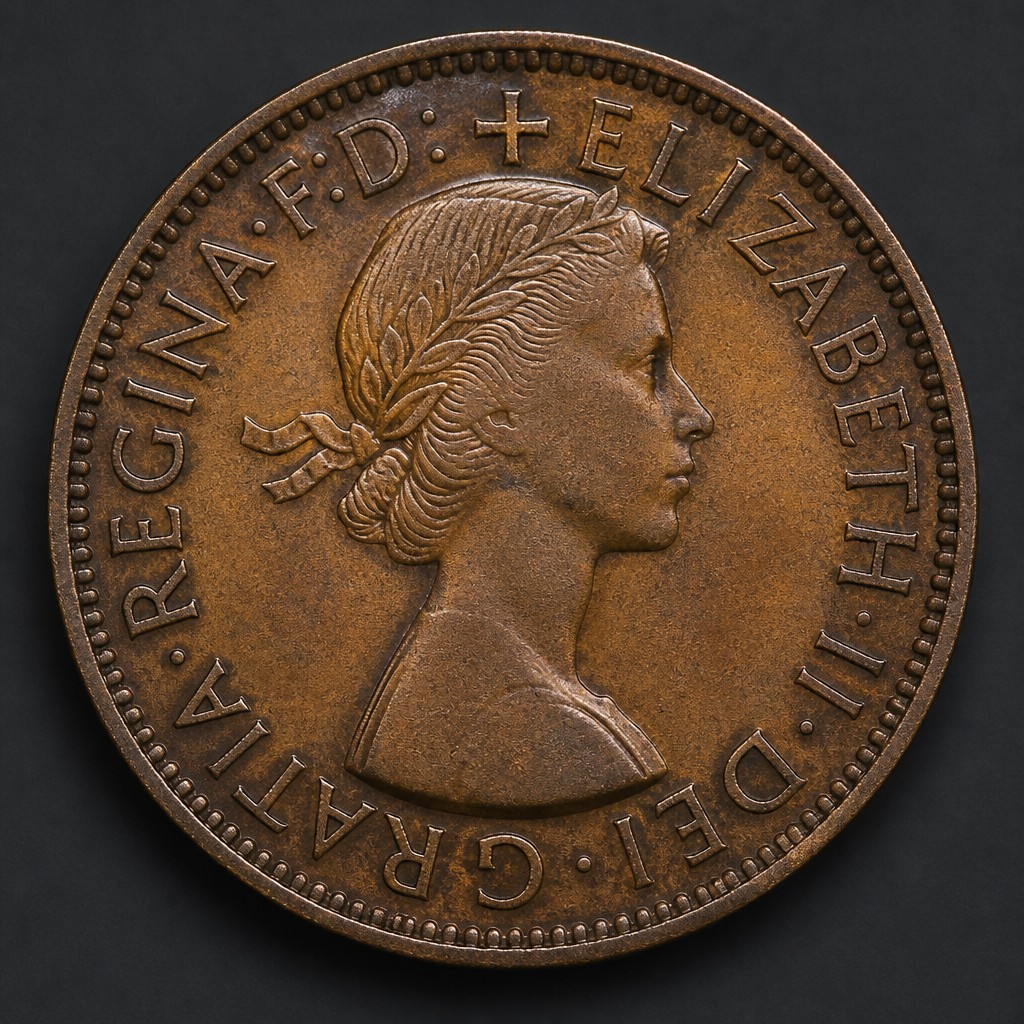
Farthing
13th century–1956
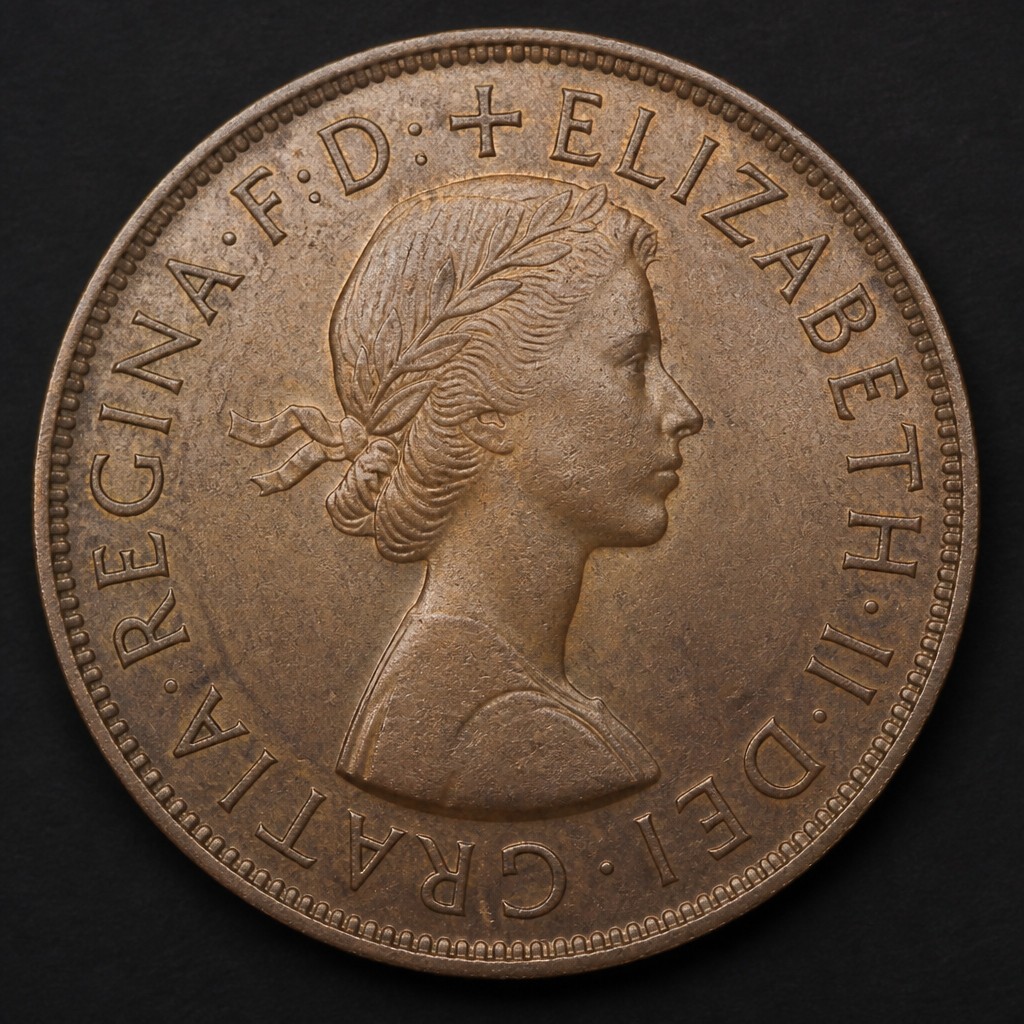
Halfpenny
c. 800s–1969
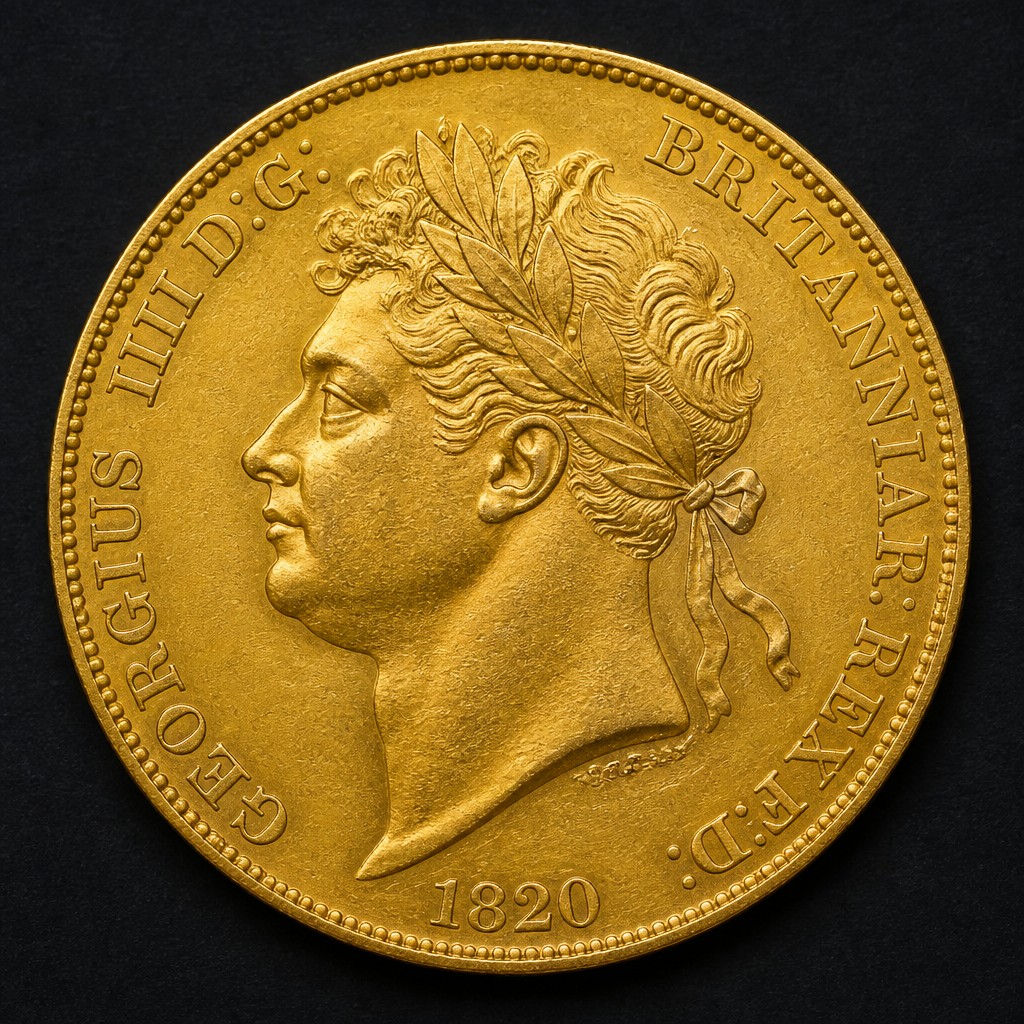
Five Pound Gold (Quintuple Sovereign)
1820–present (intermittent)
Threepence
1547–1970