
Coin Encyclopedia
Search and identify coins from around the world — with country, denomination, metal, mint, history, and how to tell them apart.
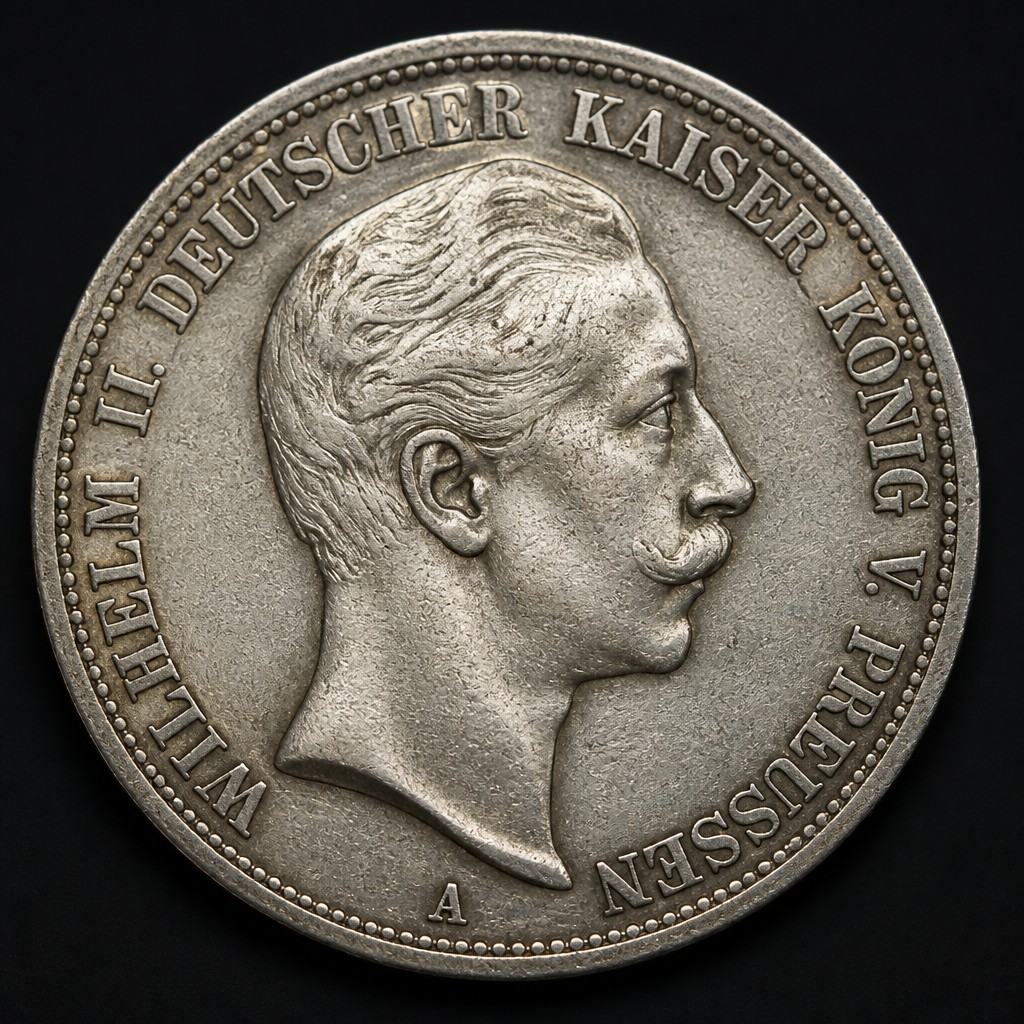
German 5 Mark Silver (Kaiserreich)
The 5 Mark was the largest circulating silver coin of the German Empire, issued by numerous constituent states and free cities, each with its own portrait or design under a common imperial system.
European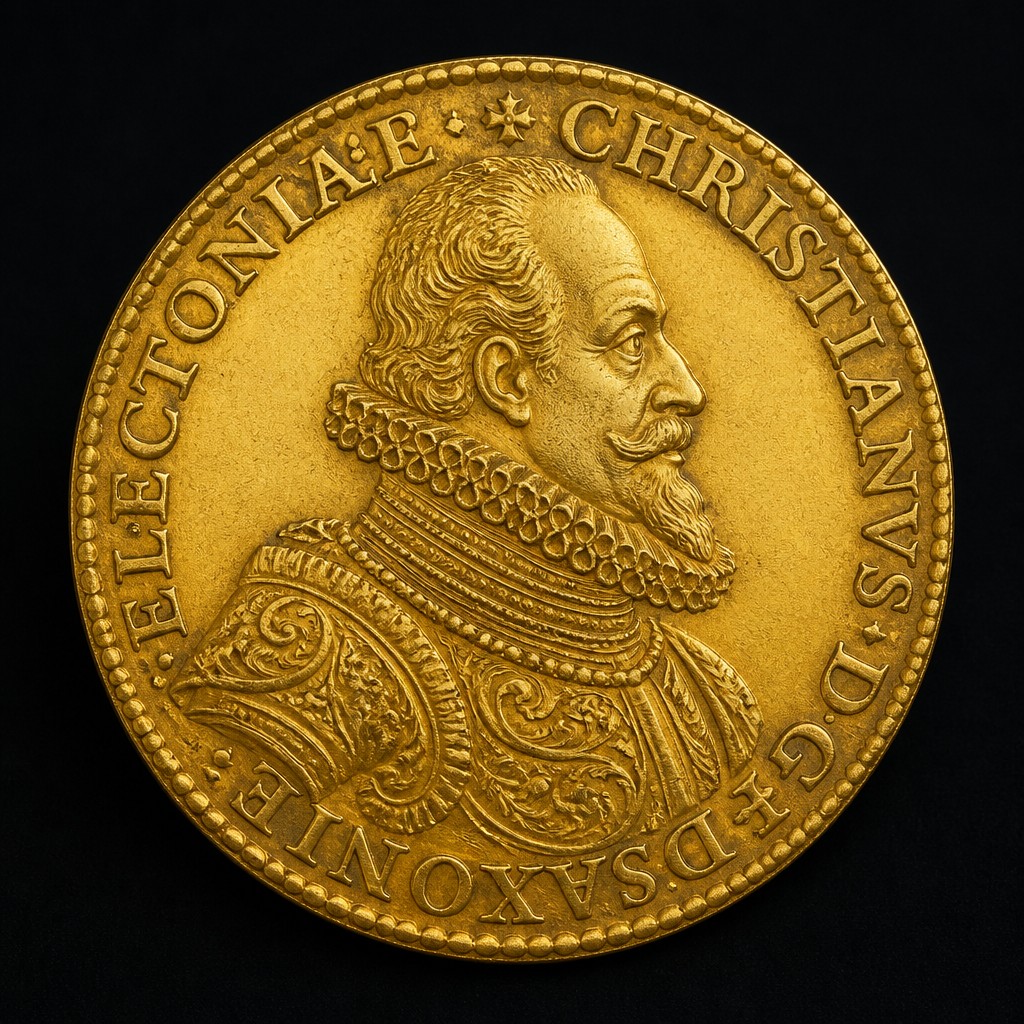
German Saxony Ducat
A high-purity gold trade coin struck for centuries by the rulers of Saxony, one of the most important German states before national unification.
European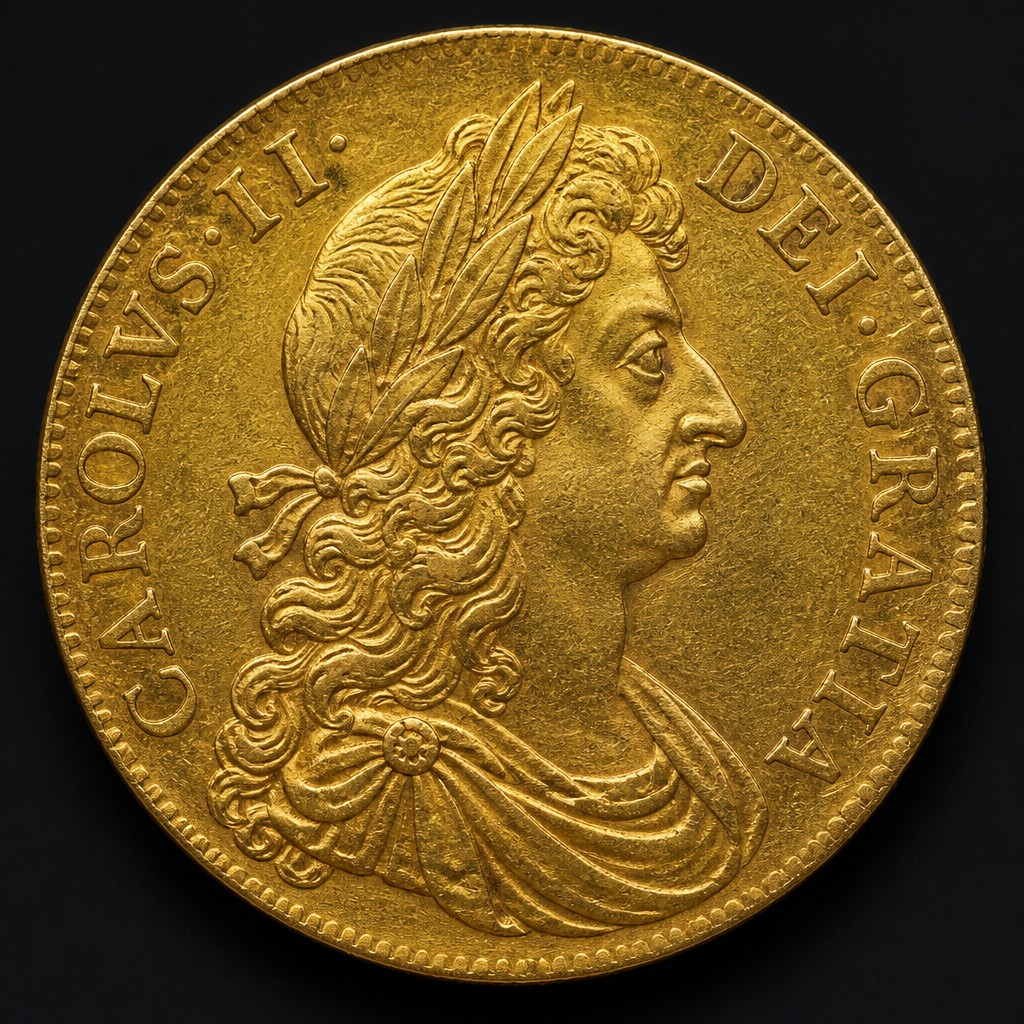
British Gold Guinea
Struck from 1663 to 1814 and named for the West African gold used in its earliest issues, the guinea was Britain's leading gold coin and gave its name to a unit of value still referenced today.
British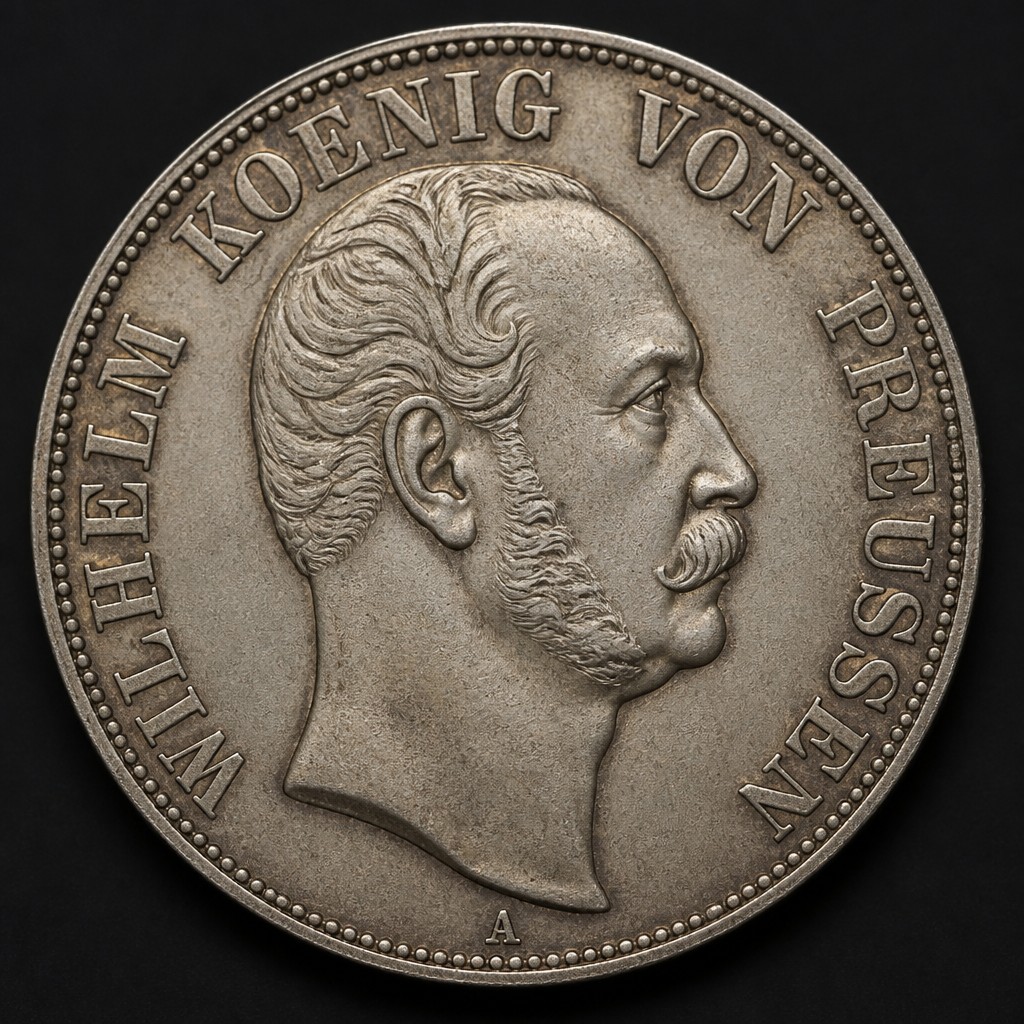
Prussian Vereinsthaler
A standardized silver thaler struck by the Kingdom of Prussia under the 1857 Vienna Monetary Treaty, unifying weight and fineness across many German and Austrian states before German unification.
European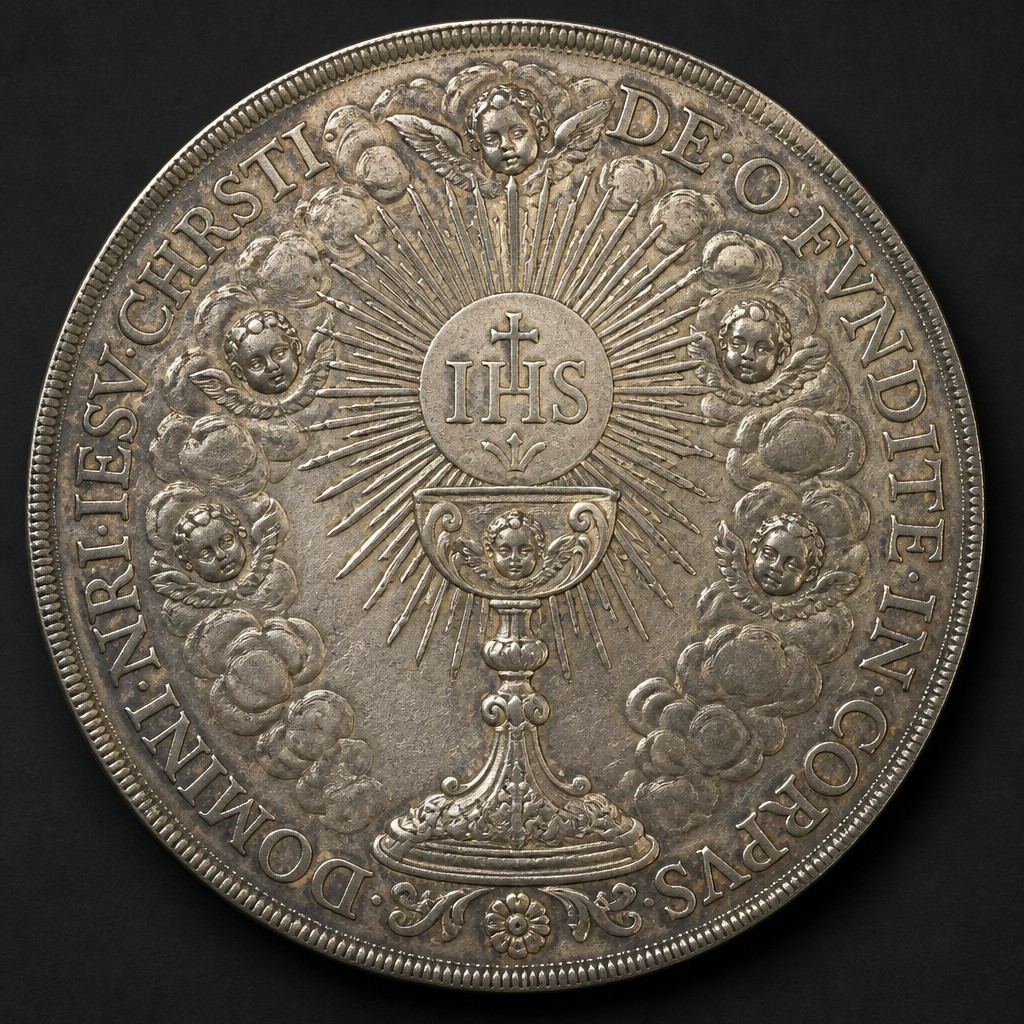
Austrian Corpus Christi Thaler
A devotional silver thaler struck by Austrian ecclesiastical authorities to mark the feast of Corpus Christi, blending religious procession imagery with the standard large-thaler format of the era.
European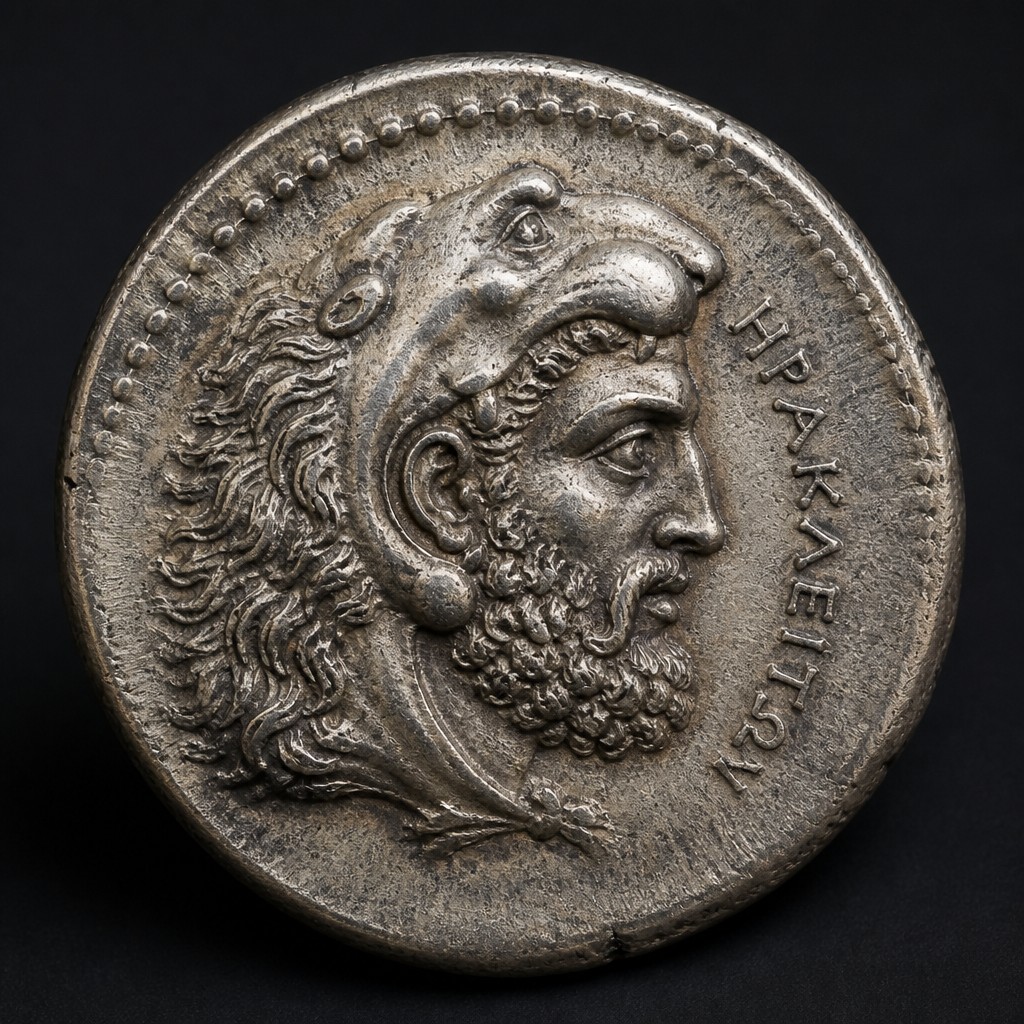
Herakleia Herakles Nomos
A South Italian silver nomos from Herakleia showing Athena on the obverse and the city's namesake hero Herakles wrestling the Nemean lion on the reverse.
Ancient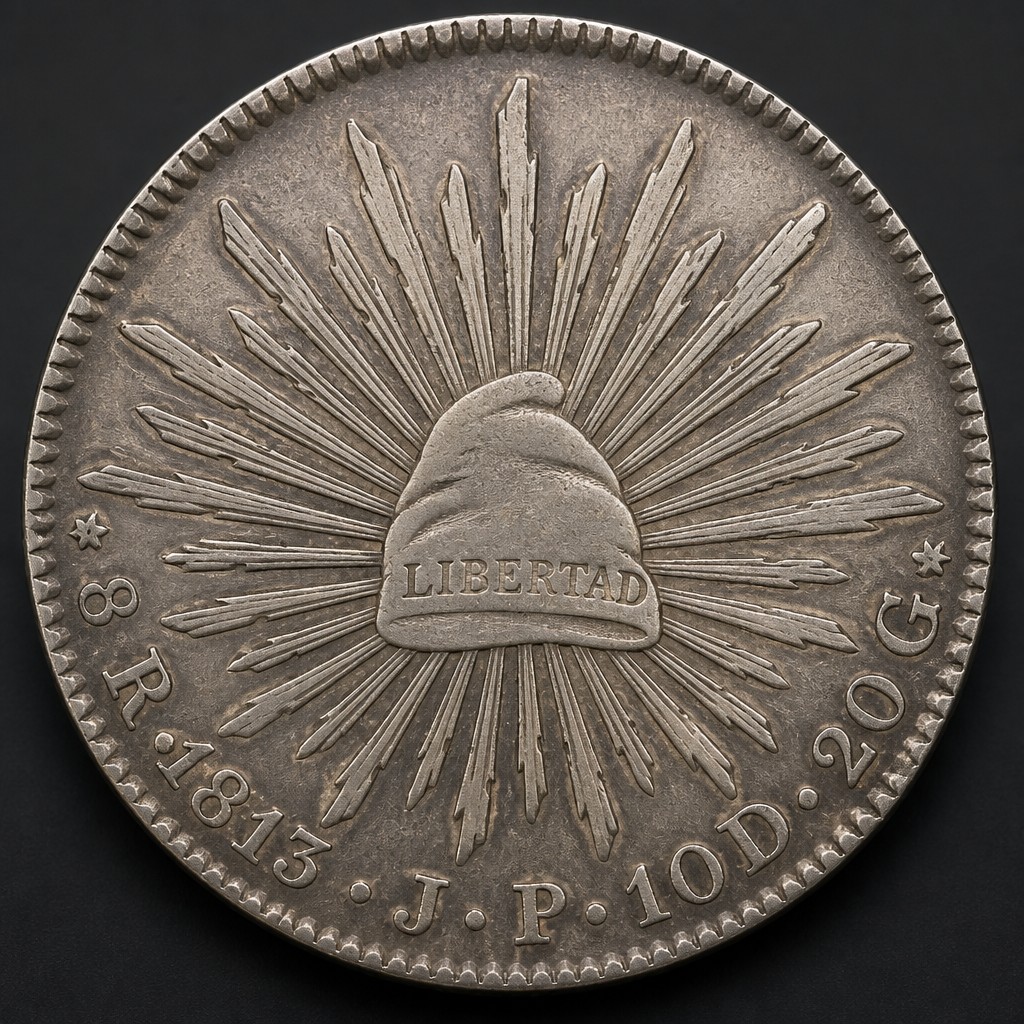
Argentina 8 Reales
Silver 8 reales struck after Argentina's 1810 independence movement, replacing the Spanish king's portrait with the revolutionary Sun of May and clasped hands design.
Latin American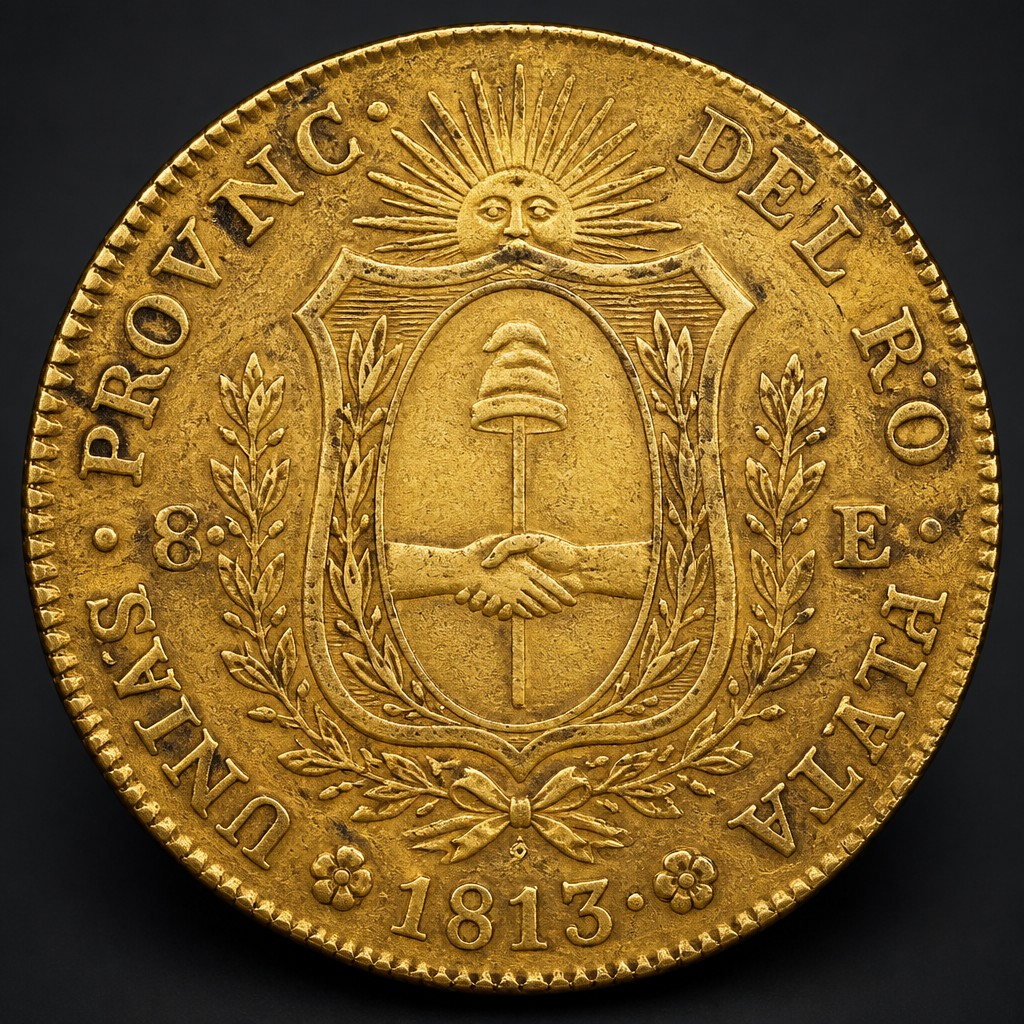
Argentine 8 Escudos Gold (1813)
An extremely rare gold coin from the earliest years of Argentine independence, struck briefly at Potosí under revolutionary authority and bearing the iconic Sun of May.
Latin American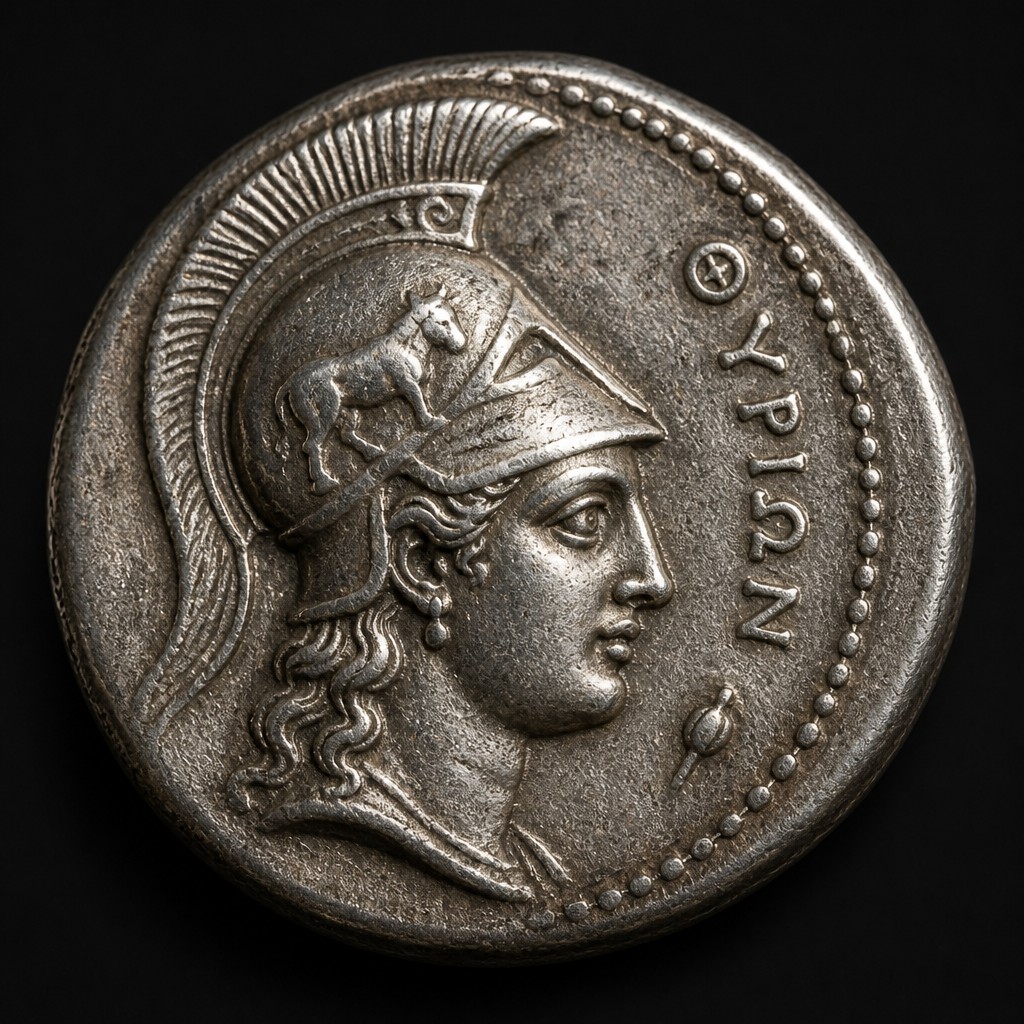
Thurium (Thurii) Athena and Bull Nomos
Silver nomos of the Greek colony of Thurii in southern Italy, showing a helmeted Athena obverse and a butting bull reverse, a classic Magna Graecia type.
Ancient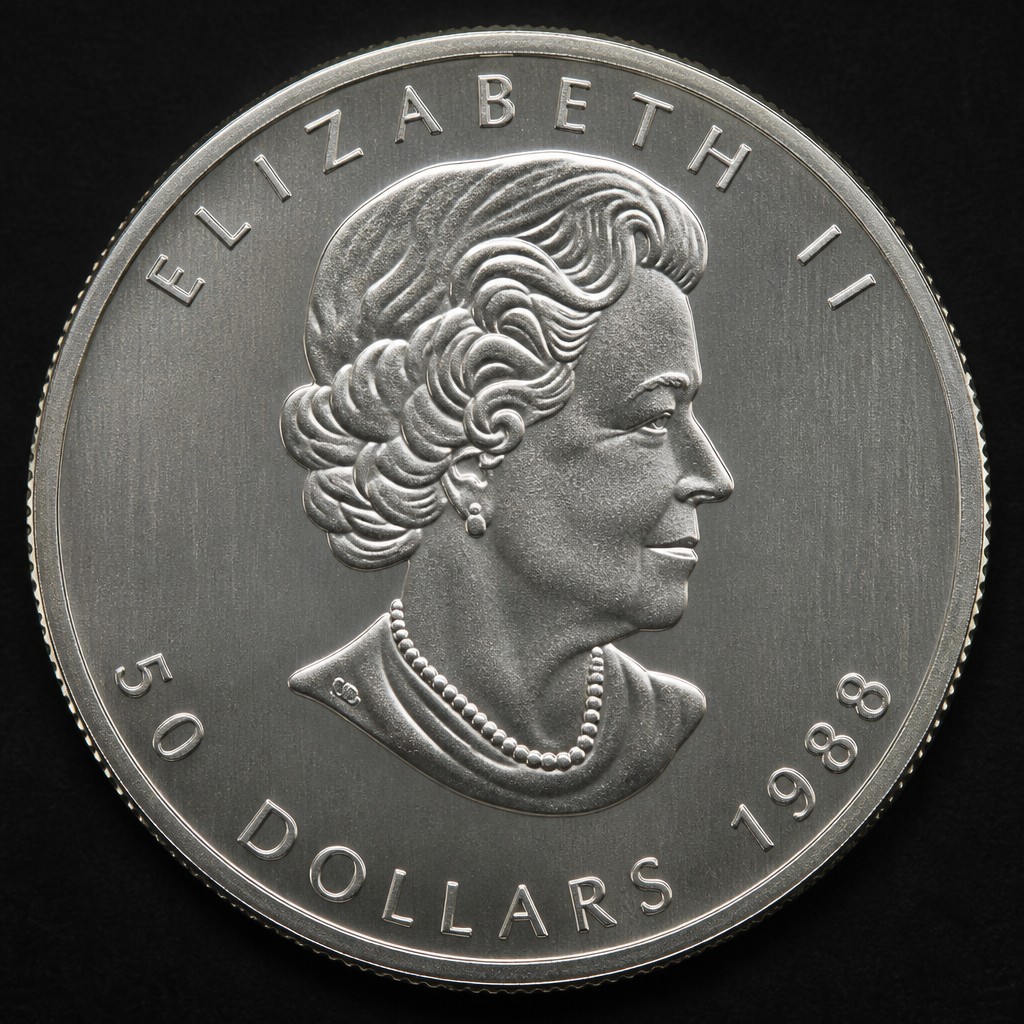
Canadian Platinum Maple Leaf
The Royal Canadian Mint's platinum bullion coin, launched in 1988 with the same maple leaf design used across Canada's precious metal coin lines.
Bullion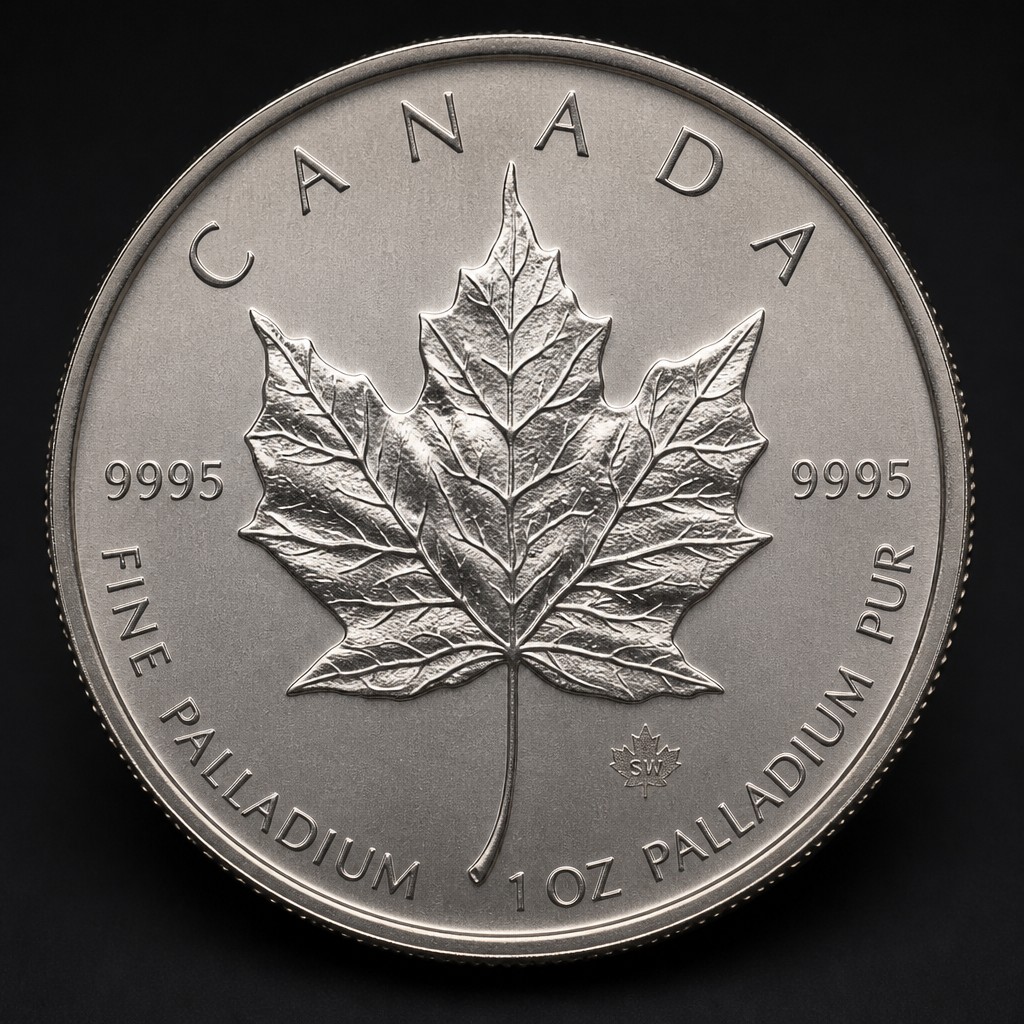
Canadian Palladium Maple Leaf
The Royal Canadian Mint's palladium bullion coin, sharing the Maple Leaf design used across Canada's precious metal series, produced intermittently since 2005.
Bullion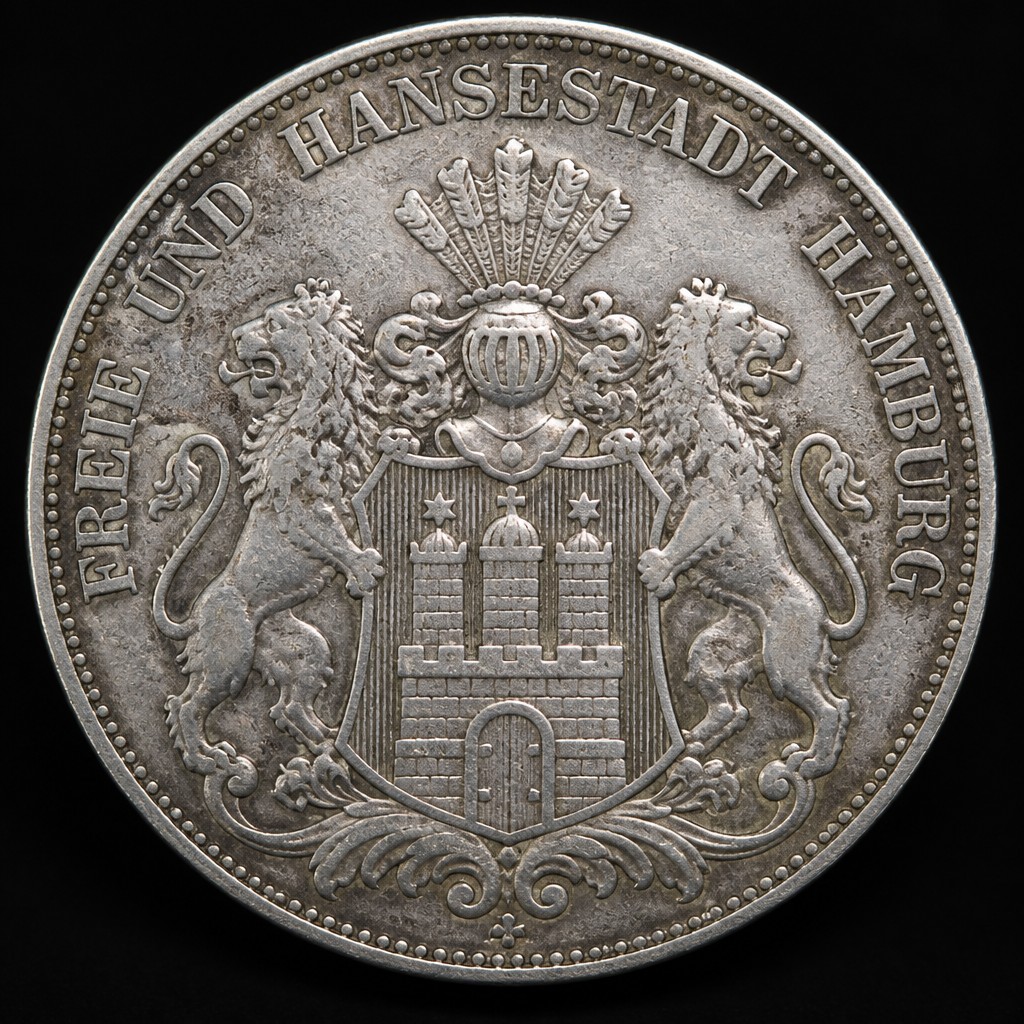
Hamburg Thaler
A silver thaler struck by the free city-state of Hamburg, bearing the city's iconic castle-and-towers coat of arms, reflecting Hamburg's status as a leading Hanseatic trading center.
European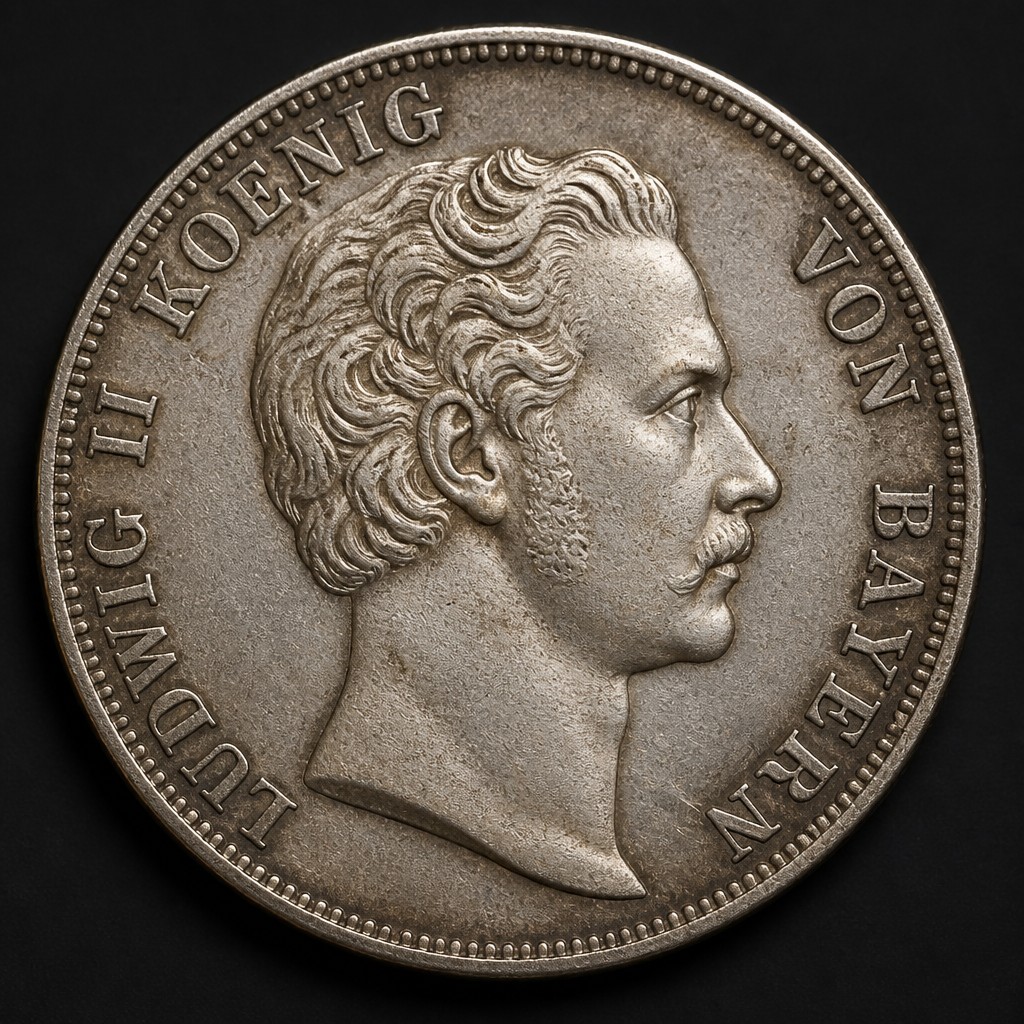
German Bavaria Thaler
A large silver crown-sized coin issued by the Bavarian state, one of many German territorial thalers struck before German unification.
European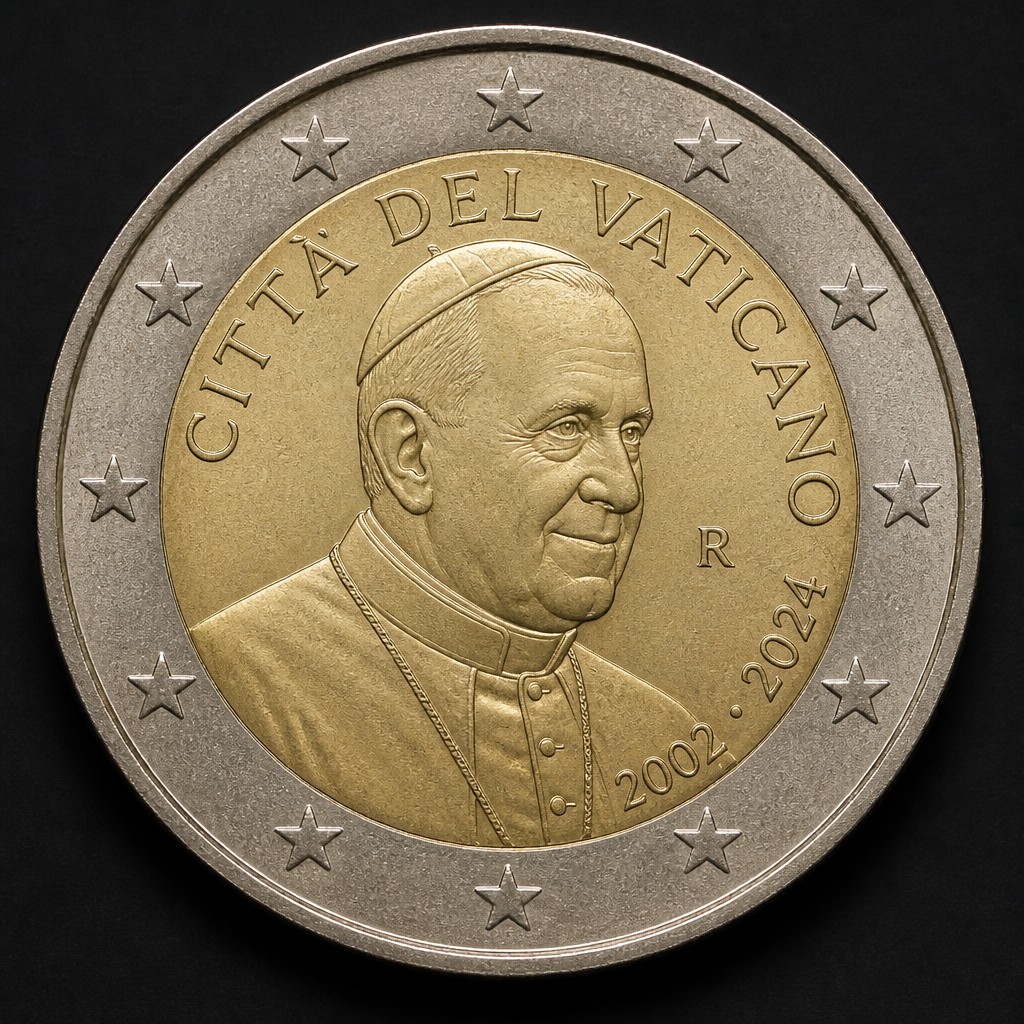
Vatican Euro Coins
Official euro coinage of the world's smallest sovereign state, struck in very limited quantities and highly sought after by euro coin collectors worldwide.
European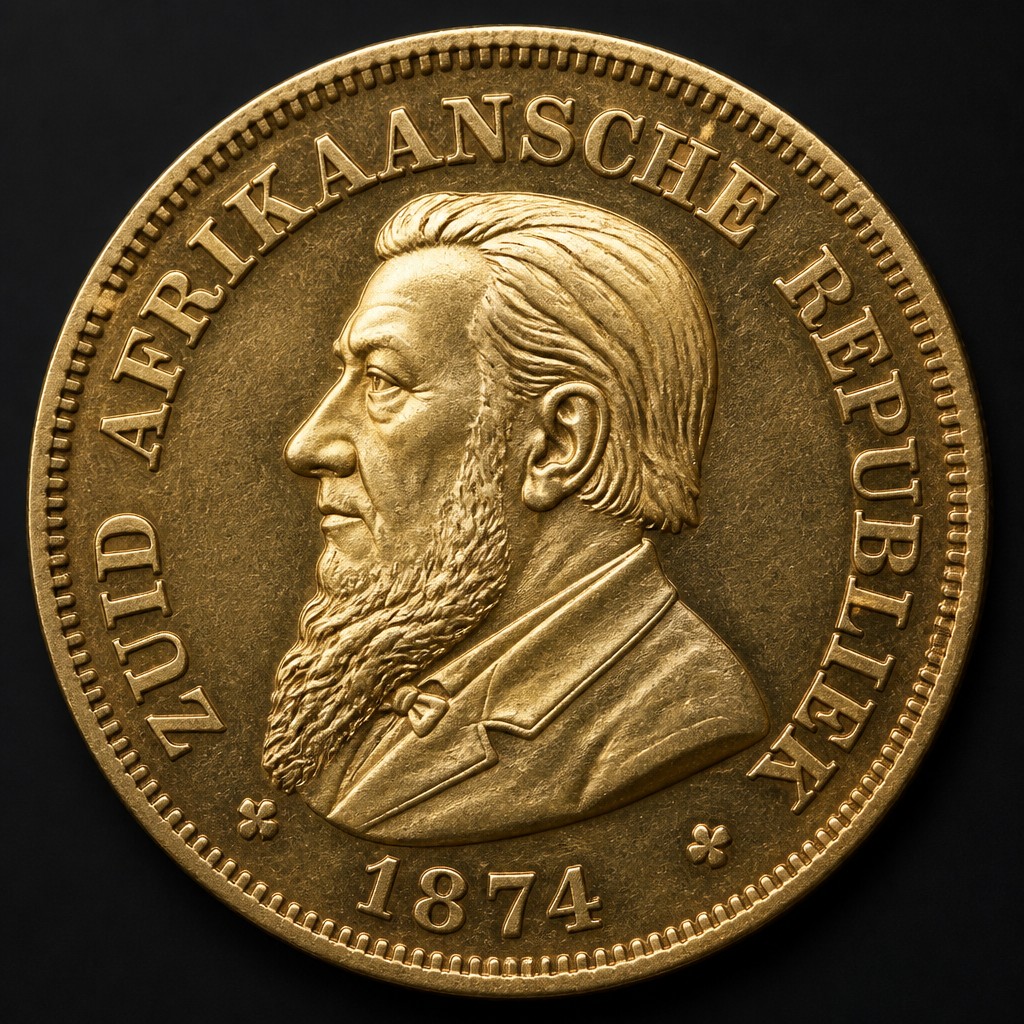
South African Republic Burgers Pond
The first coin struck for an independent South African state, issued in 1874 under President Thomas Burgers of the Transvaal, famous for its 'coarse beard' and 'fine beard' portrait varieties.
Africa & Oceania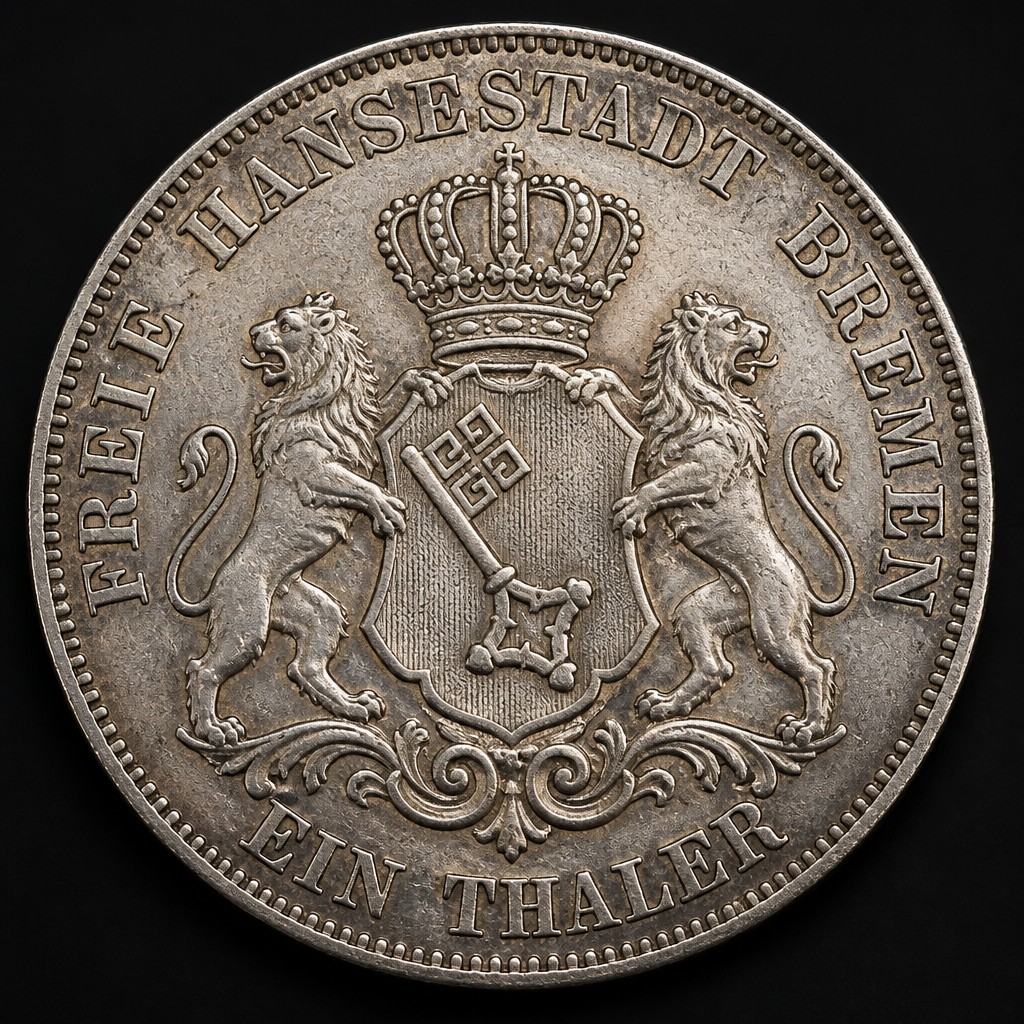
German Bremen Thaler
A silver thaler issued by the Free Hanseatic City of Bremen before German unification, featuring the city's heraldic key, part of the patchwork of pre-1871 German state and city coinages.
European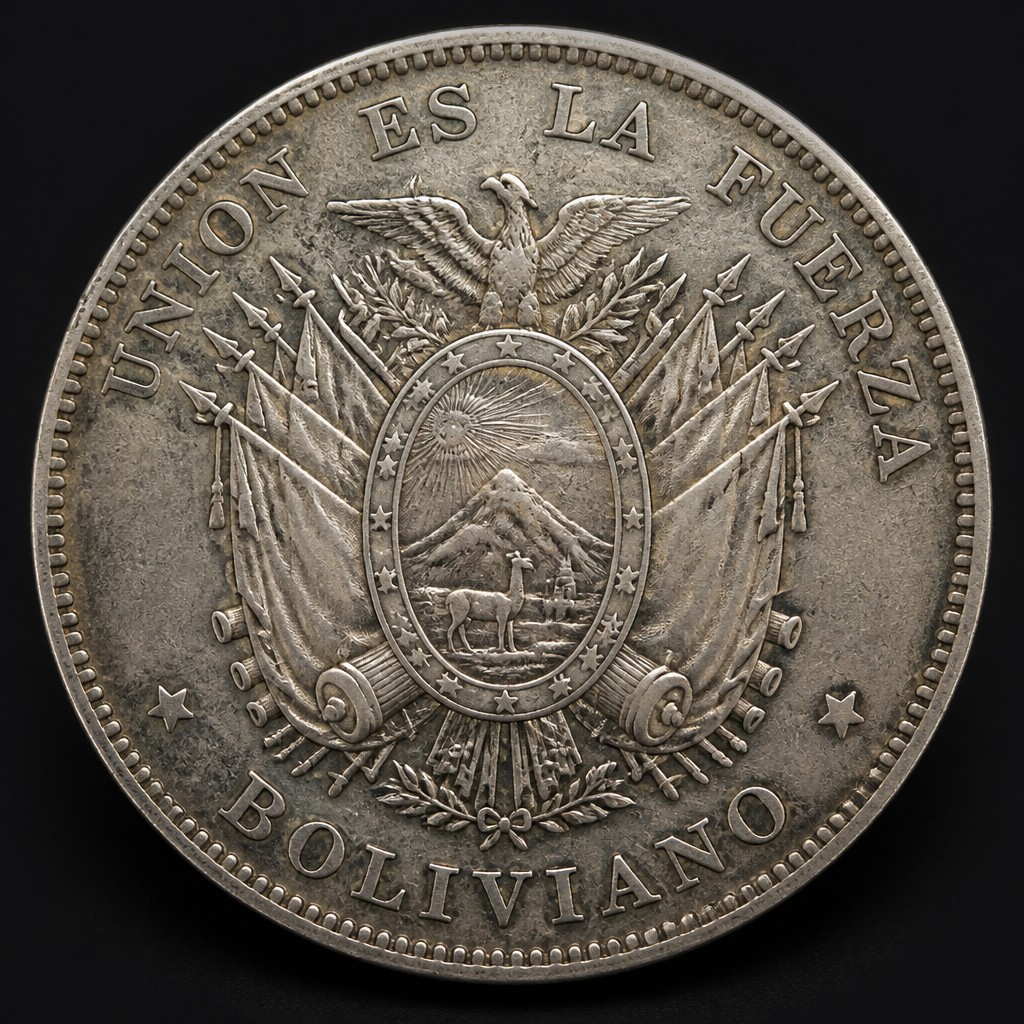
Bolivian Boliviano Silver
Bolivia's national currency unit, the boliviano, was introduced in the 1860s as a substantial silver coin and remains the country's monetary unit in modern, non-silver form.
Latin American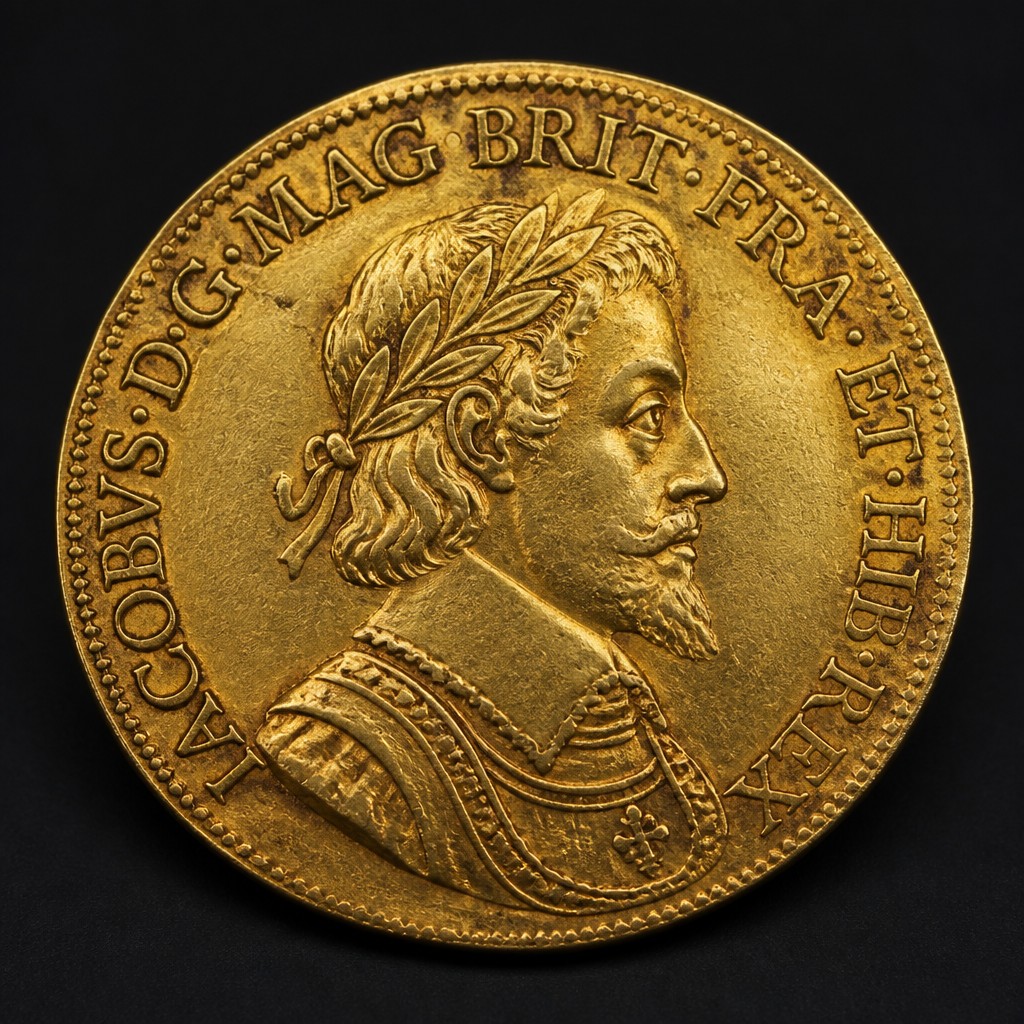
Laurel
A gold twenty-shilling coin issued from 1619, named for its laureate royal portrait styled after Roman emperors, replacing the earlier Unite as James I's principal gold denomination.
British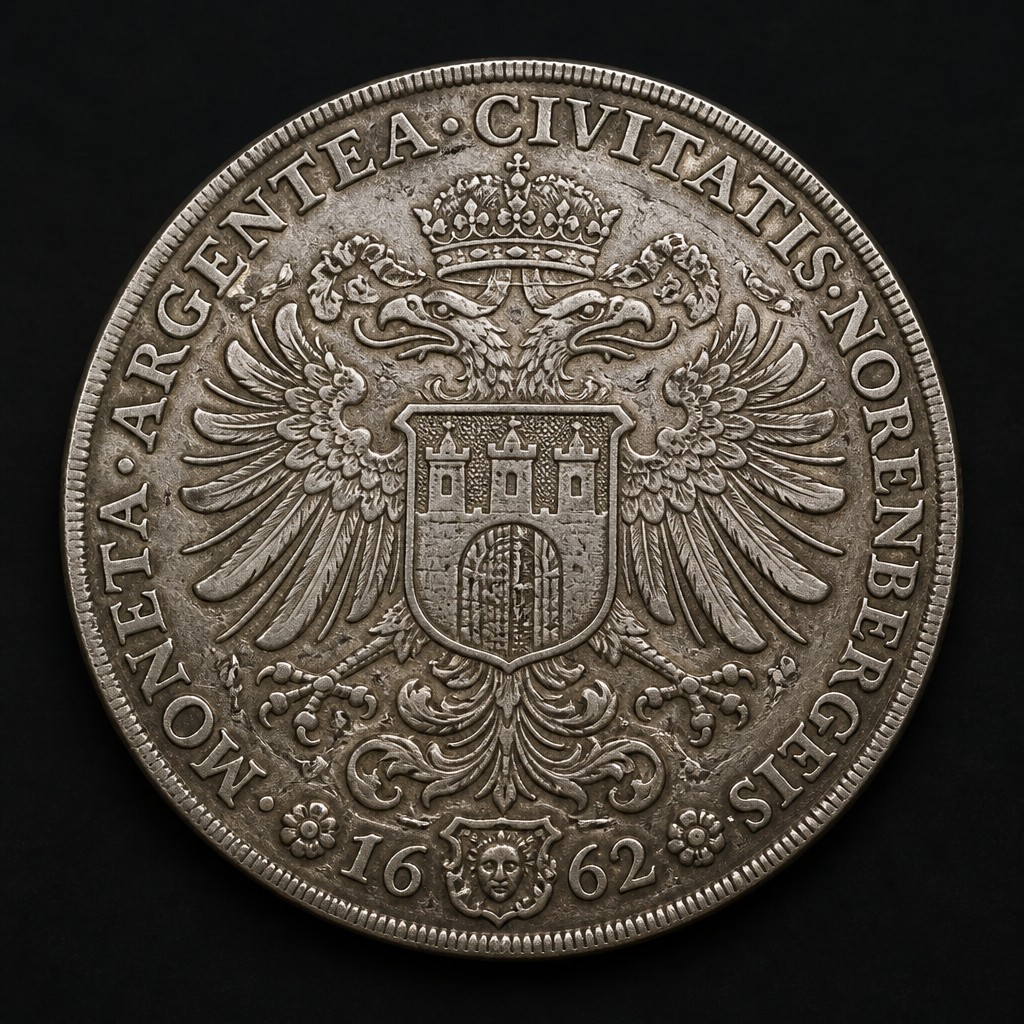
Nuremberg Thaler
Silver taler struck by the free imperial city of Nuremberg, often showing a detailed cityscape view rather than a ruler's portrait, reflecting its status as a self-governing trading city.
European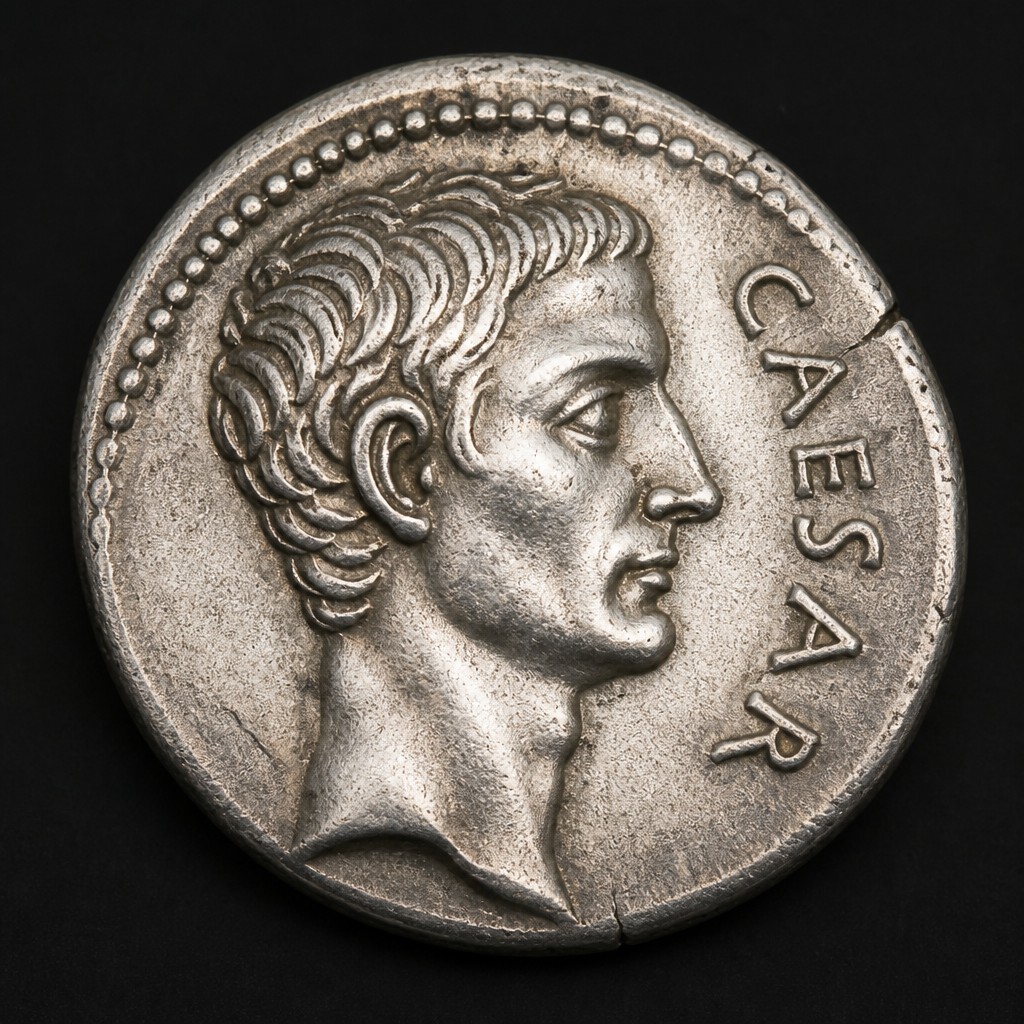
Julius Caesar Portrait Denarius
A landmark Roman coin struck in 44 BC bearing the portrait of Julius Caesar during his lifetime, the first time a living Roman had appeared on state coinage.
Ancient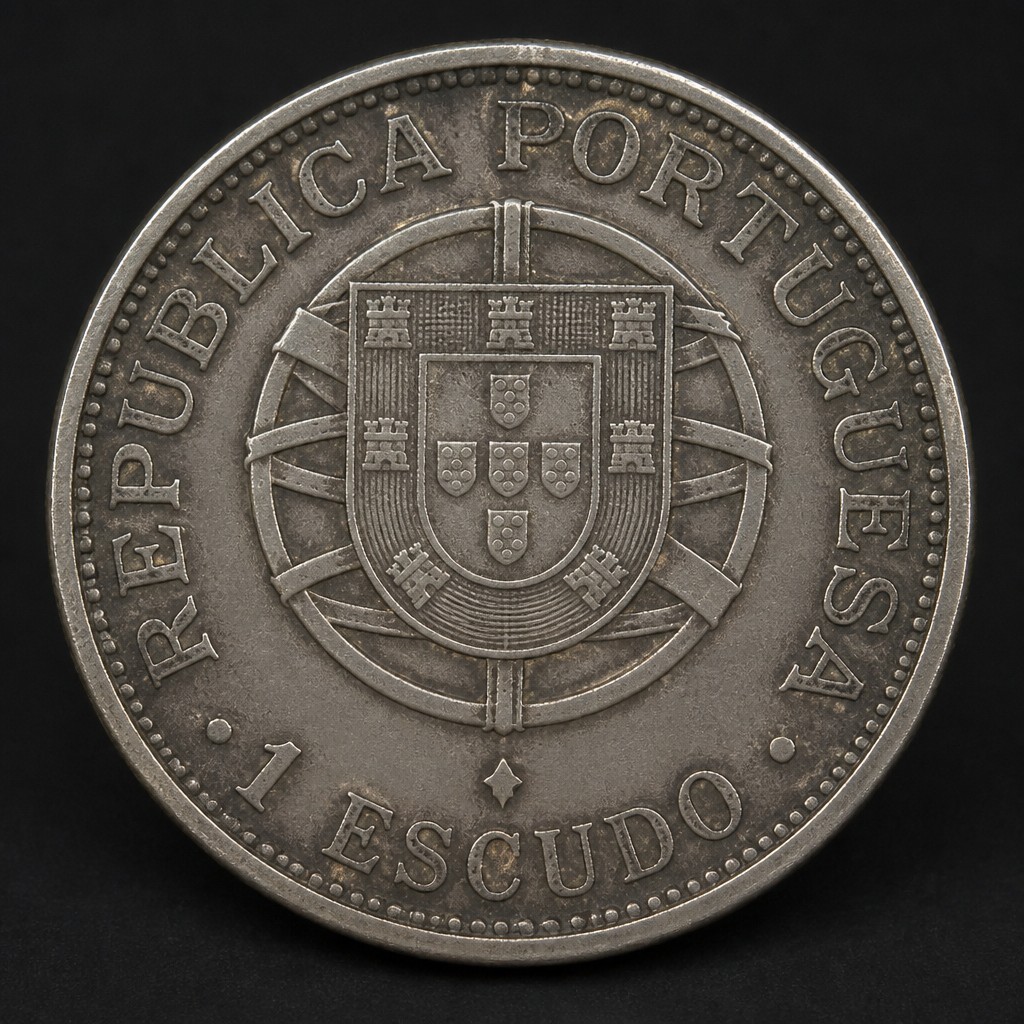
Portuguese Escudo
Portugal's national currency unit from the 1911 decimal reform, following the fall of the monarchy, until the Euro replaced it in the early 2000s.
European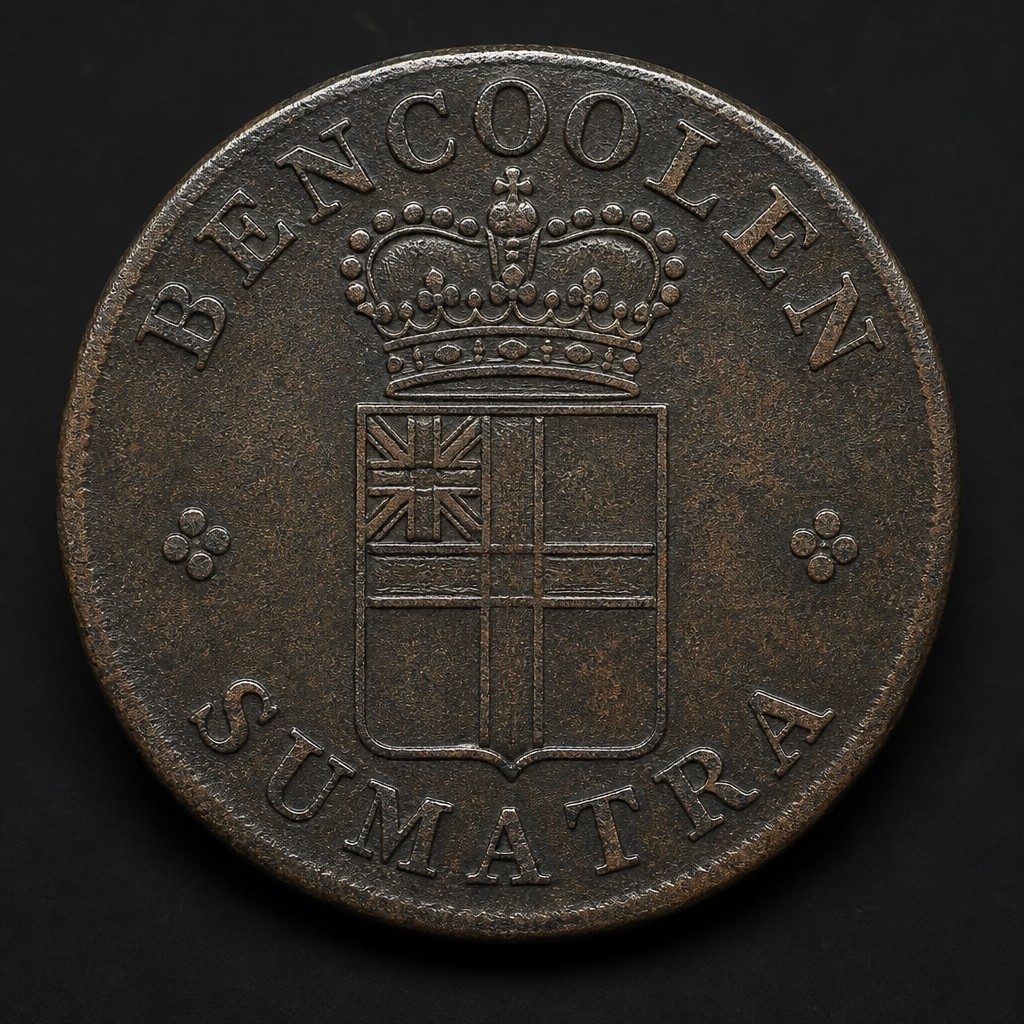
Sumatra EIC Keping (British Bencoolen)
A small tin or copper coin struck by the British East India Company for its Bencoolen settlement on Sumatra, denominated in the local unit called the keping.
Asian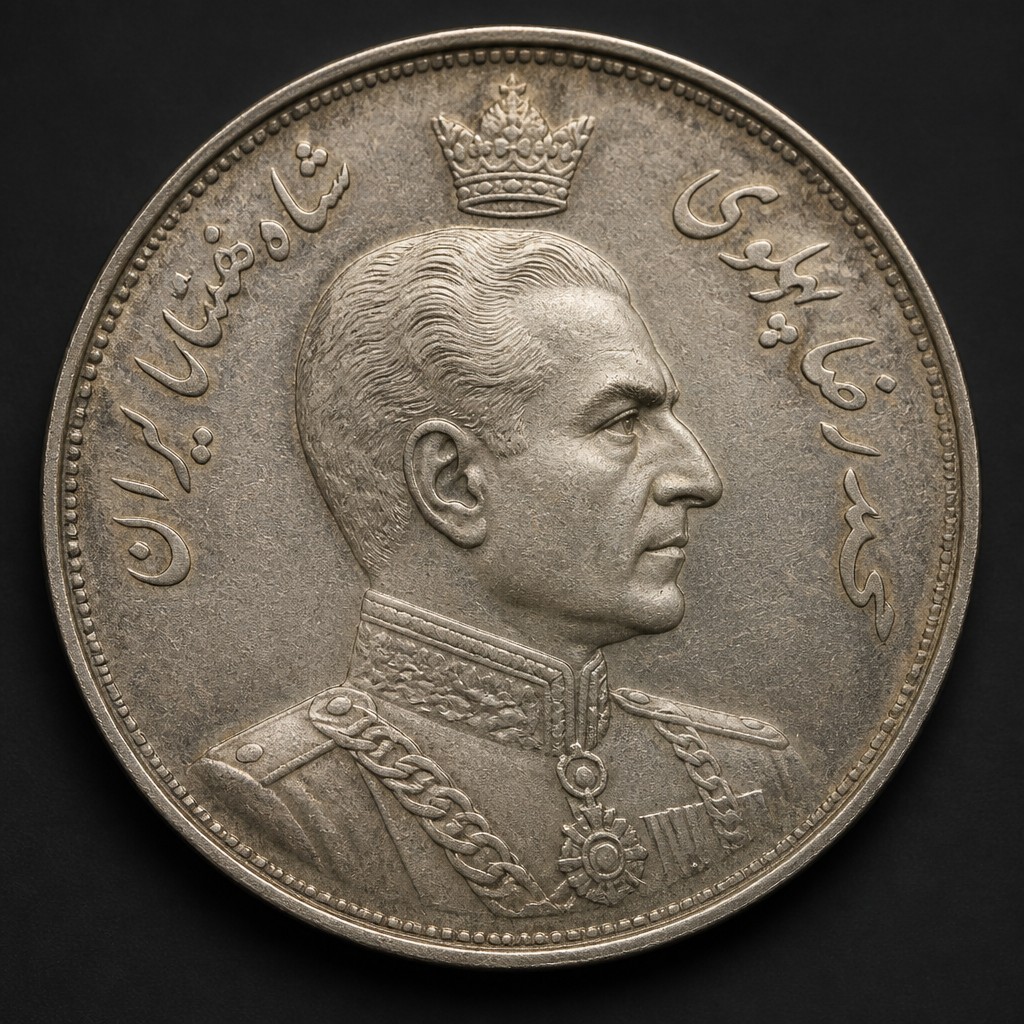
Iranian Rial
Iran's official currency unit since 1932, replacing the earlier qiran/kran, struck across the Pahlavi monarchy and the Islamic Republic in changing metals and designs.
Asian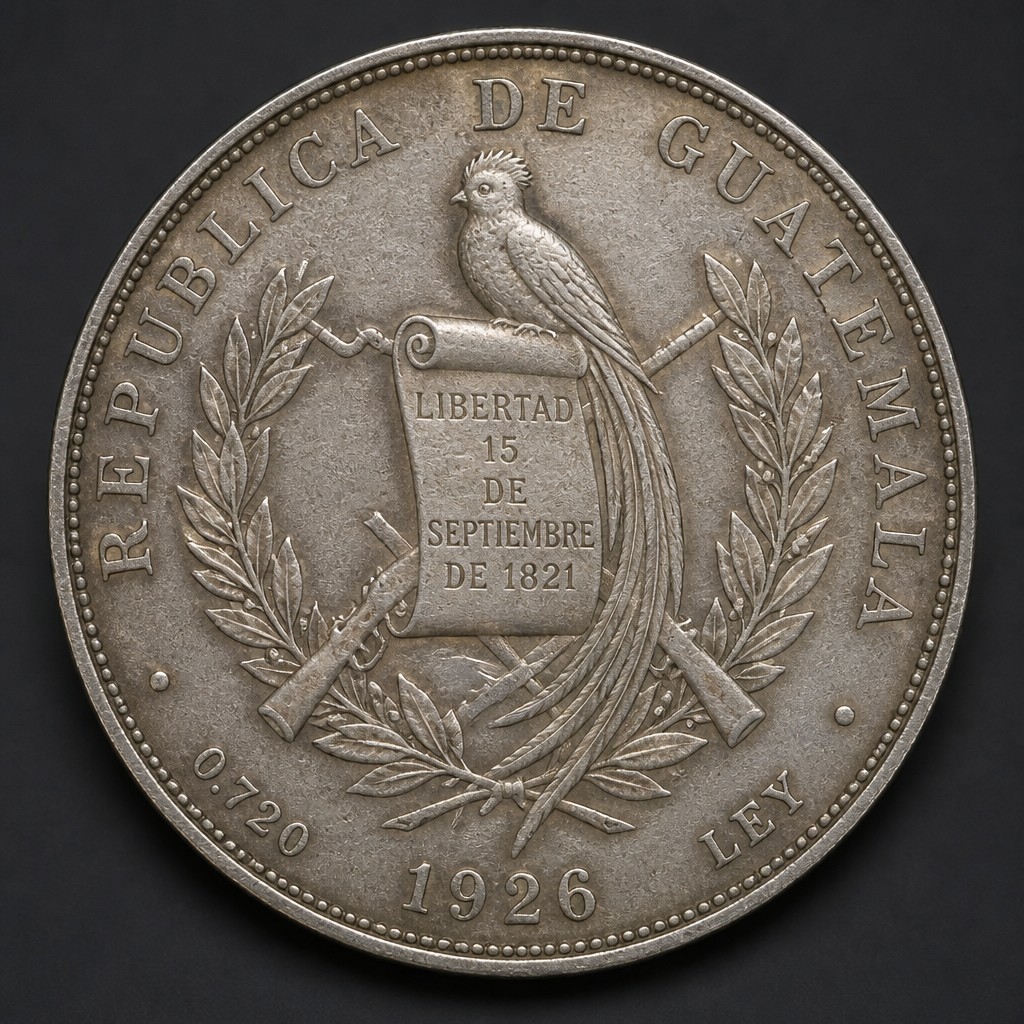
Guatemala Quetzal Silver
Guatemala's modern national currency unit, named after the resplendent quetzal bird, introduced in the 1920s with a substantial silver coin marking the country's monetary modernization.
Latin American