
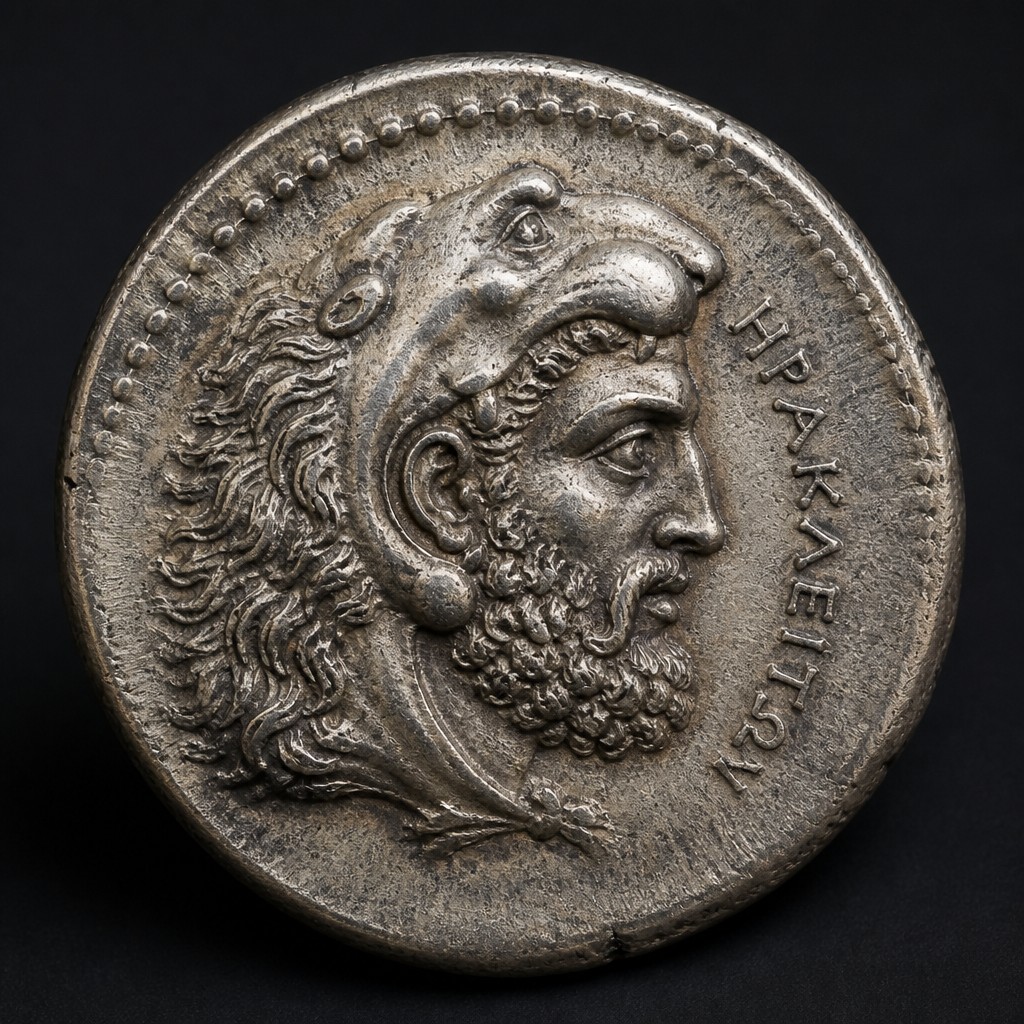
Herakleia Herakles Nomos
A South Italian silver nomos from Herakleia showing Athena on the obverse and the city's namesake hero Herakles wrestling the Nemean lion on the reverse.
- Country
- Ancient Greece (Herakleia, Lucania)
- Denomination
- Nomos (Stater)
- Metal
- Silver
Got a coin like this?
Identify any coin from a photo, free.
Overview
Herakleia in Lucania took its name directly from the legendary hero Herakles, and its coinage proudly displays his most famous labor: the wrestling match with the Nemean lion. Paired with a finely rendered head of Athena on the obverse, the nomos is one of the more thematically direct and visually dynamic types among South Italian Greek coinage.
The series is a staple for collectors building a run of Magna Graecia issues, valued both for its clear mythological narrative and for the range of stylistic variations produced over roughly a century and a half of minting.
History & Background
Herakleia was founded in 433/432 BC through the joint effort of the nearby cities of Tarentum and Thourioi, replacing an earlier settlement, and quickly became an important federal meeting place for the Italiote Greek cities of southern Italy. Its name and civic identity were built around the cult of Herakles, making the hero a natural and enduring choice for its coin types.
The city's coinage spanned the turbulent fourth and early third centuries BC, a period marked by conflict between the Greek cities of southern Italy and neighboring Italic peoples, and later by the Pyrrhic War, during which Herakleia was the site of a famous battle between Rome and King Pyrrhus of Epirus in 280 BC.
How to Identify
The obverse displays the head of Athena wearing a crested Corinthian or Attic-style helmet, frequently decorated with a wreath, small figure, or other ornament, rendered in confident classical style. The reverse shows Herakles, nude and muscular, grappling with the Nemean lion, sometimes shown standing over the beast or actively wrestling it to the ground, with the city ethnic inscribed nearby.
As with related Lucanian issues, the coins are struck on the broad, thin South Italian nomos fabric, and different issues are distinguished chiefly by the pose of the Herakles-and-lion group and by small control symbols or letters in the field. The vigorous, sculptural rendering of the wrestling scene is the coin's most identifiable and memorable feature.
Value & Collectibility
Herakleia nomoi are reasonably well represented in the market compared to some rarer South Italian cities, making them accessible to collectors at a range of price points. Typical circulated examples can often be found for a few hundred to low thousands of dollars, while exceptional, well-centered strikes with crisp detail in the wrestling scene bring considerably more.
Condition sensitivity centers on the clarity of the central Herakles-and-lion composition and the sharpness of Athena's helmet detail, both of which are prone to weak striking on ancient dies.
Frequently asked questions
Why does the reverse show a wrestling match?
It depicts the first of the Twelve Labors of Herakles, the strangling of the Nemean lion, a fitting emblem for a city named after the hero.
When was Herakleia founded?
It was founded in 433 or 432 BC by the cities of Tarentum and Thourioi.
Is Herakleia connected to the Battle of Heraclea?
Yes, the city was the site of the 280 BC battle in which King Pyrrhus of Epirus won a costly victory over Rome, giving rise to the phrase 'Pyrrhic victory'.
What denomination is this coin?
It is a nomos, the South Italian Greek term for the standard silver stater.
Other coins you may enjoy
Theodosius I Solidus
379–395 AD
Republican Victoriatus
c. 211–170 BC
Islamic Gold Dinar (Umayyad)
c. 696–750 AD
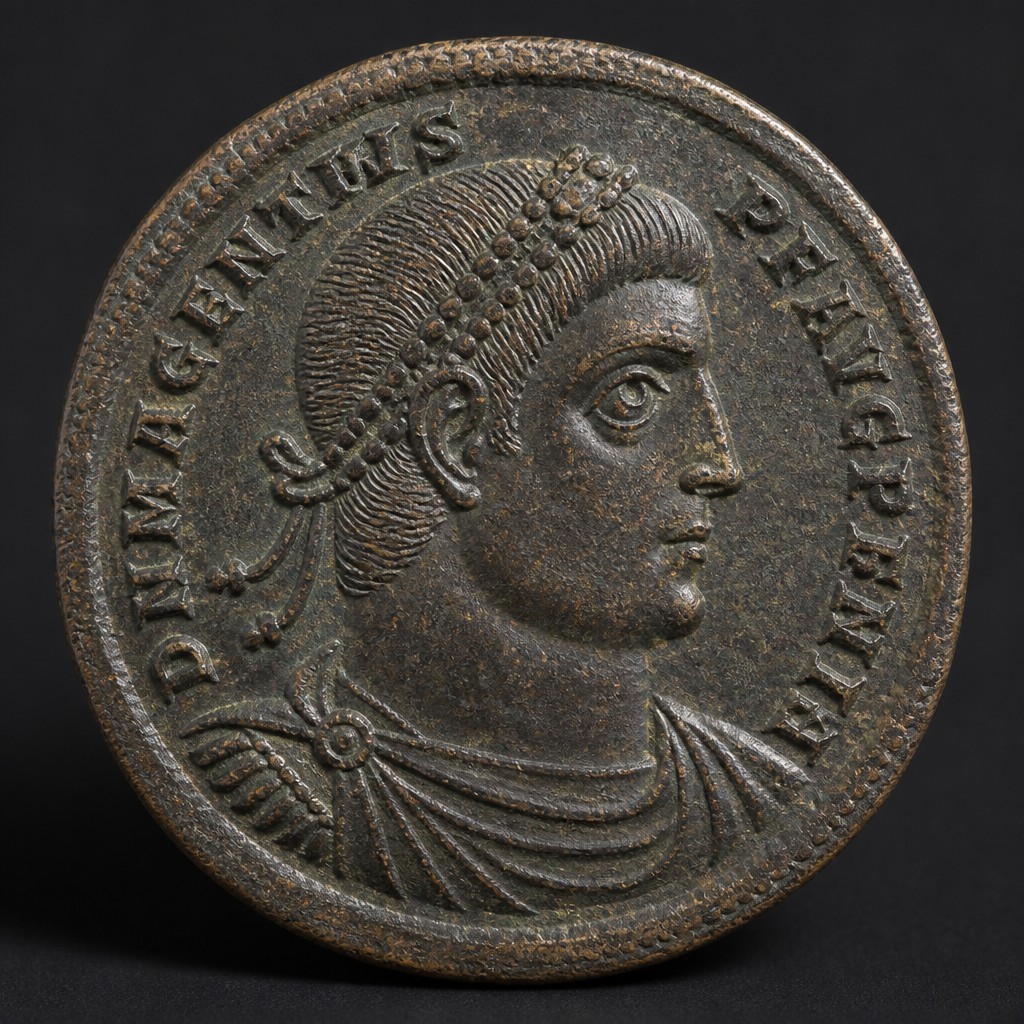
Magnentius Double Centenionalis
350–353 AD
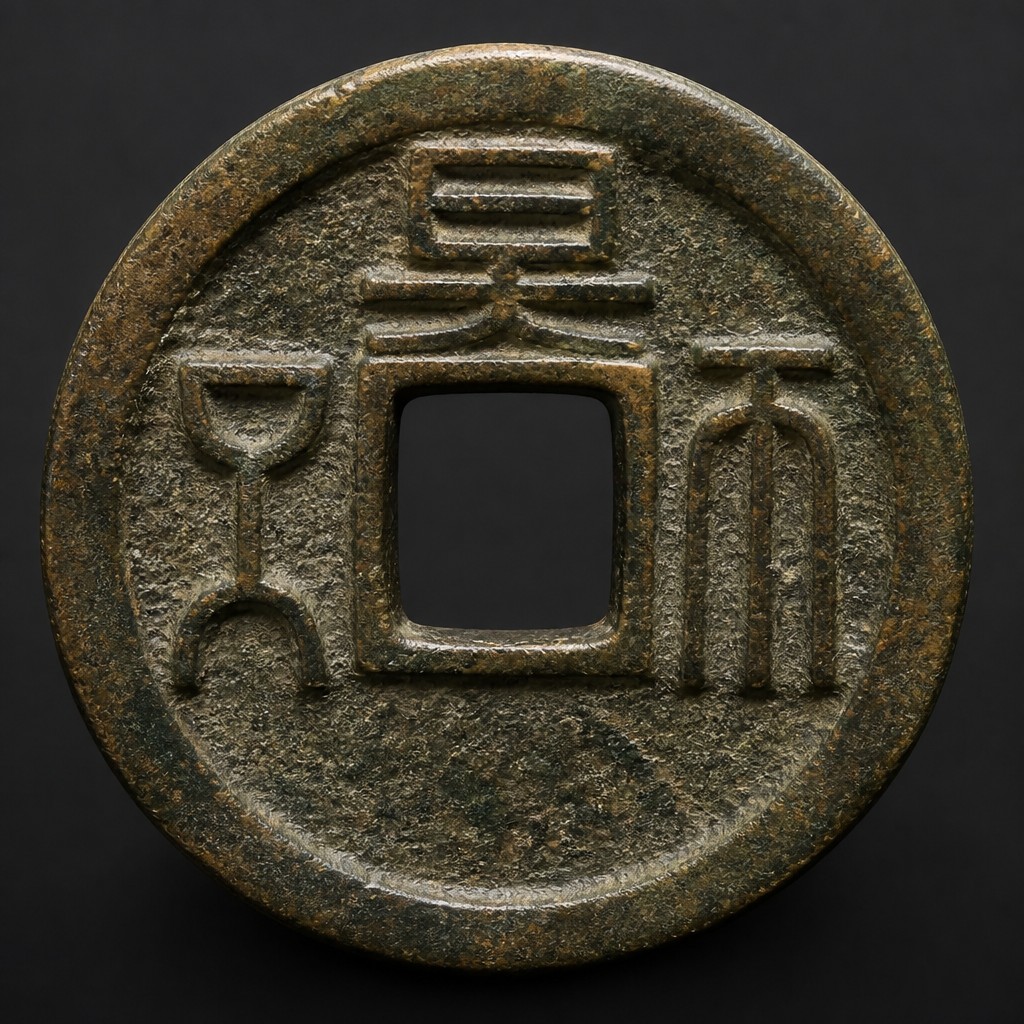
Chinese Wu Zhu Cash
118 BC – 618 AD
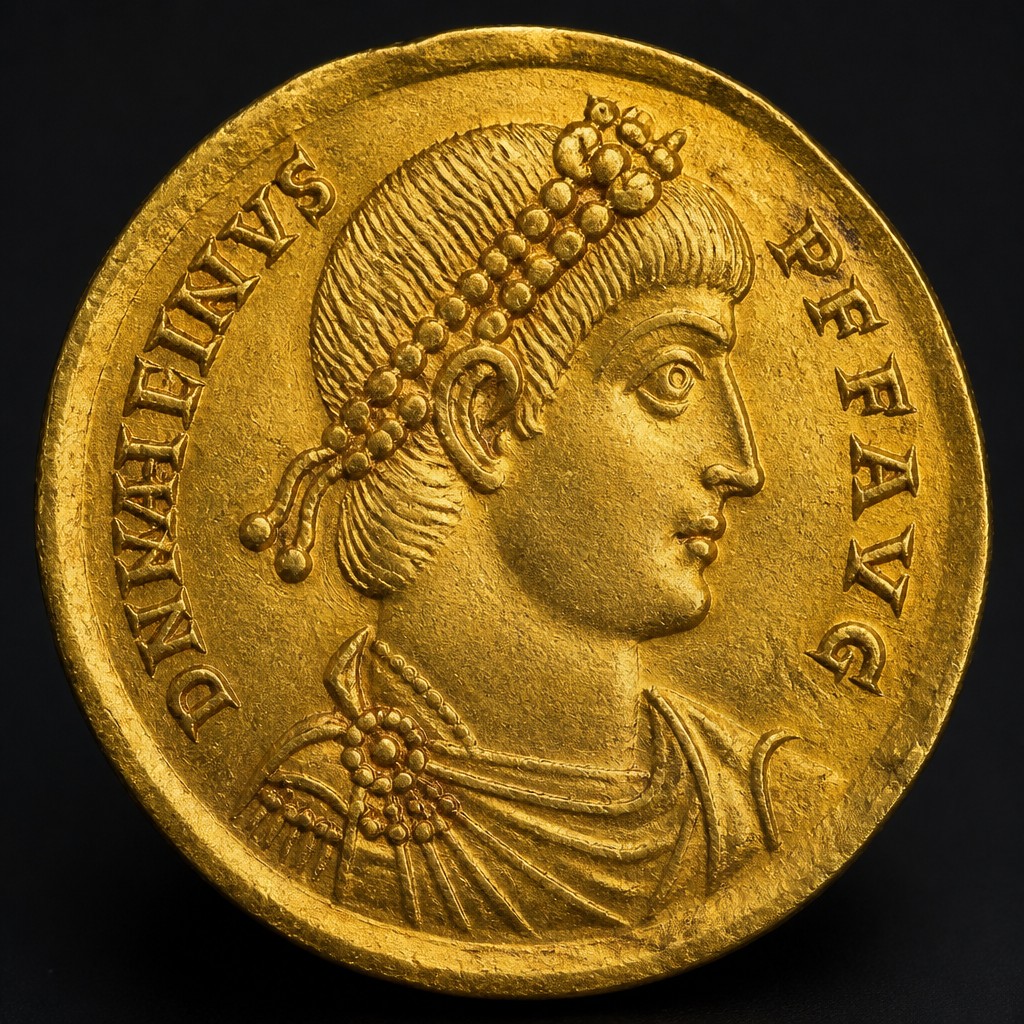
Valentinian I Solidus
364–375 AD
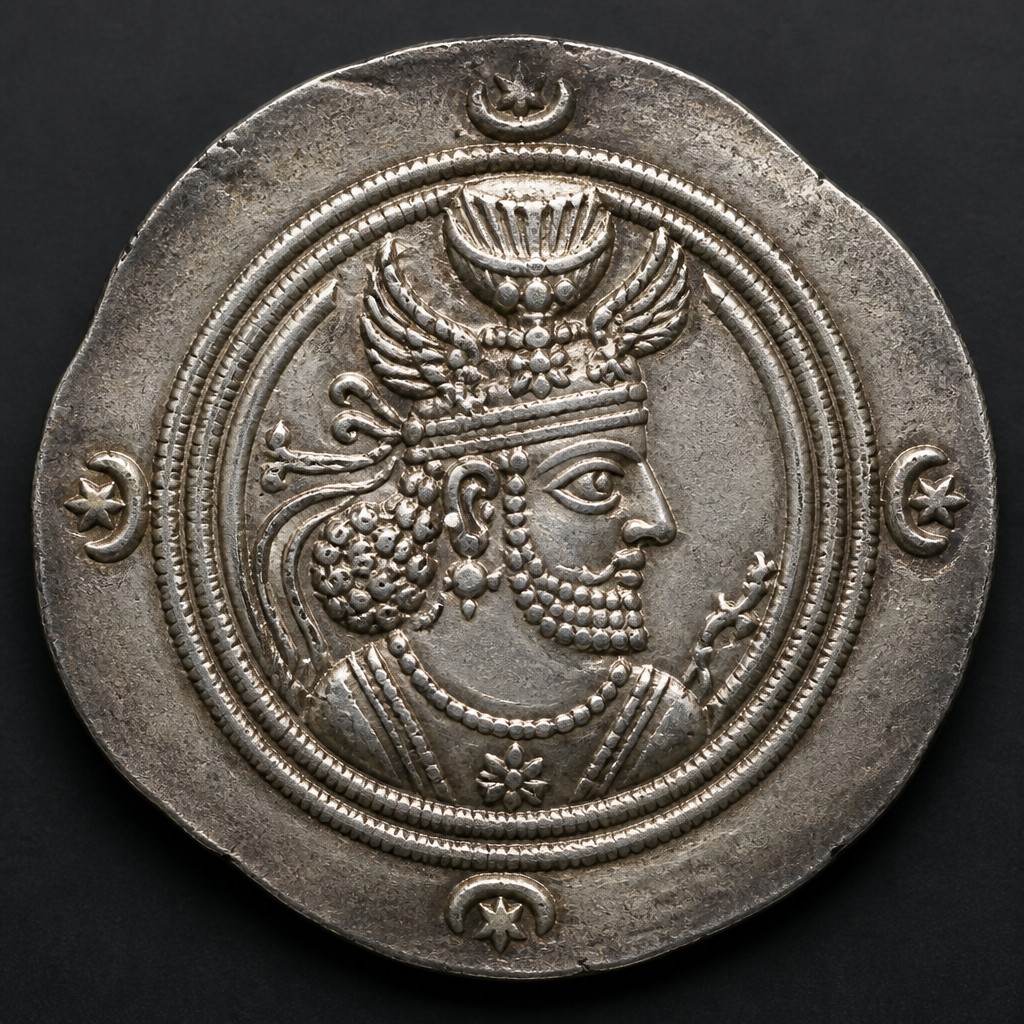
Sassanian Silver Drachm
c. 224–651 AD
Chinese Ban Liang Cash
c. 221–118 BC
Gupta Empire Gold Dinar
c. 320–550 AD
Byzantine Gold Tremissis
c. 4th–7th century AD
Byzantine Follis
498–c. 11th century AD
Celtic Gold Stater
c. 3rd century BC – 1st century AD