
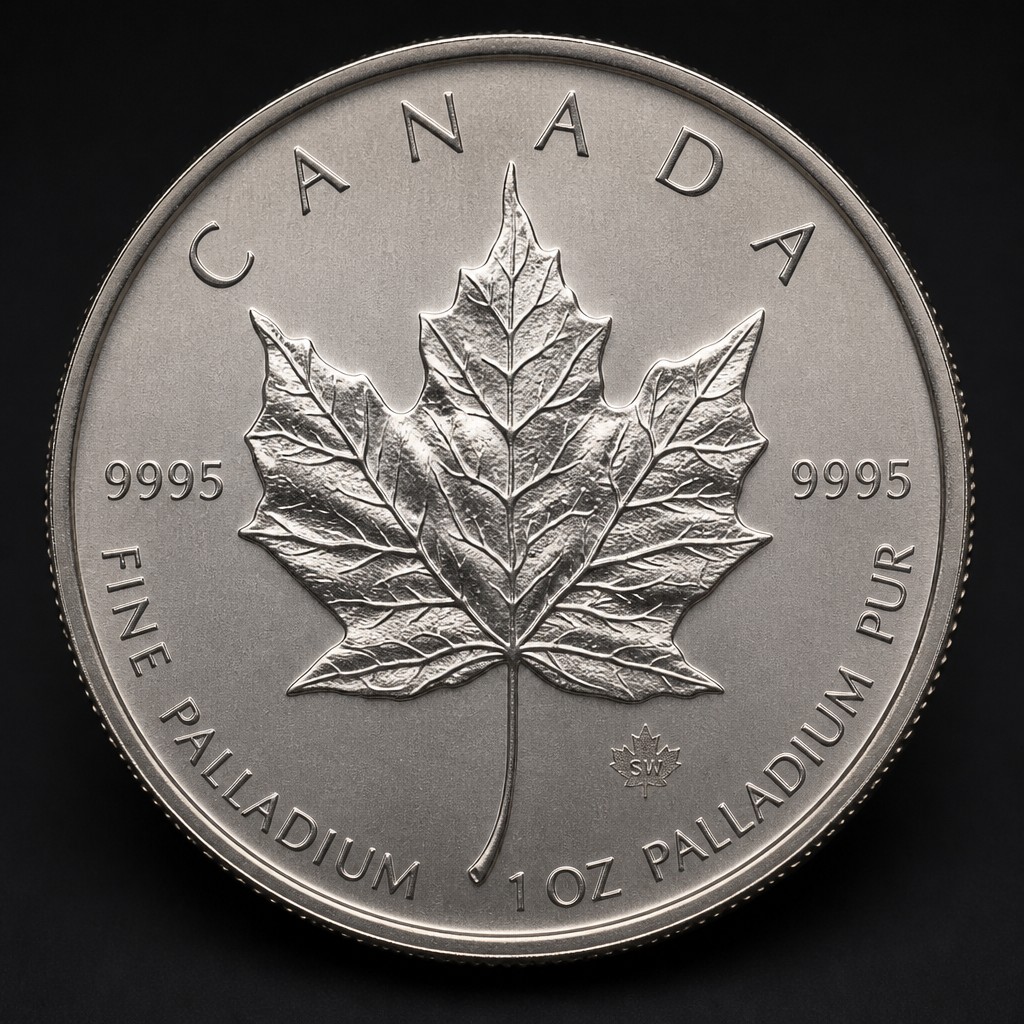
Canadian Palladium Maple Leaf
The Royal Canadian Mint's palladium bullion coin, sharing the Maple Leaf design used across Canada's precious metal series, produced intermittently since 2005.
- Country
- Canada
- Denomination
- $50 (1 oz)
- Metal
- Palladium .9995 fine
Got a coin like this?
Identify any coin from a photo, free.
Overview
The Canadian Palladium Maple Leaf rounds out the Royal Canadian Mint's family of Maple Leaf bullion coins alongside the gold, silver, and platinum versions. It uses the same single maple leaf reverse motif that has become synonymous with Canadian bullion coinage, struck instead in palladium.
Compared to its gold, silver, and platinum siblings, the palladium coin has had a more limited and interrupted production history, reflecting the smaller and more specialized market for palladium as an investment metal at the time of its introduction.
The coin is valued by collectors both for its role in completing a full set of Canadian Maple Leaf metals and by investors seeking direct exposure to palladium, a metal used heavily in automotive catalytic converters.
History & Background
The Royal Canadian Mint introduced the Palladium Maple Leaf in 2005 as an extension of its successful Maple Leaf brand, aiming to offer investors a fourth precious metal option alongside gold, silver, and platinum. Production ran for a short initial period before being discontinued as demand and palladium market conditions shifted.
The Mint later revisited palladium coinage as interest in the metal grew due to its industrial importance, particularly in the automotive sector, bringing renewed attention to the earlier Palladium Maple Leaf issues among collectors who had followed the series from its original limited run.
How to Identify
The obverse of the Palladium Maple Leaf carries the effigy of the reigning monarch used on Canadian coinage at the time of striking, along with the denomination and country name. The reverse features the same single detailed maple leaf design used across the broader Maple Leaf bullion series, with "PALLADIUM", the weight, and ".9995 FINE" inscribed.
Because palladium and platinum coins can appear visually similar at a glance, collectors should check the fineness and metal markings on the coin itself, along with any dealer or mint certification, to confirm the metal content. Original Royal Canadian Mint packaging and assay documentation help verify authenticity for these less commonly encountered bullion coins.
Value & Collectibility
Palladium Maple Leaf values track the spot price of palladium, a metal that has experienced significant price swings due to its industrial demand from the automotive sector. Because original production runs were limited compared to gold and silver Maple Leafs, surviving examples can carry a premium reflecting both their relative scarcity and the coin's collectible status within the broader Maple Leaf series.
Condition and original packaging can add value for collectors assembling complete Maple Leaf metal sets, but the primary value driver remains the palladium market itself, which has at times been considerably more volatile than gold, silver, or platinum.
Frequently asked questions
When was the Palladium Maple Leaf first issued?
The Royal Canadian Mint introduced it in 2005 as a fourth metal in its Maple Leaf bullion series.
Why is it less commonly seen than other Maple Leaf coins?
Its original production run was shorter and more limited than the gold, silver, and platinum Maple Leafs.
What purity is the coin?
It is struck in .9995 fine palladium.
What drives palladium's price compared to other precious metals?
Palladium demand is heavily tied to automotive catalytic converter manufacturing, making its price more sensitive to industrial trends.
Other coins you may enjoy
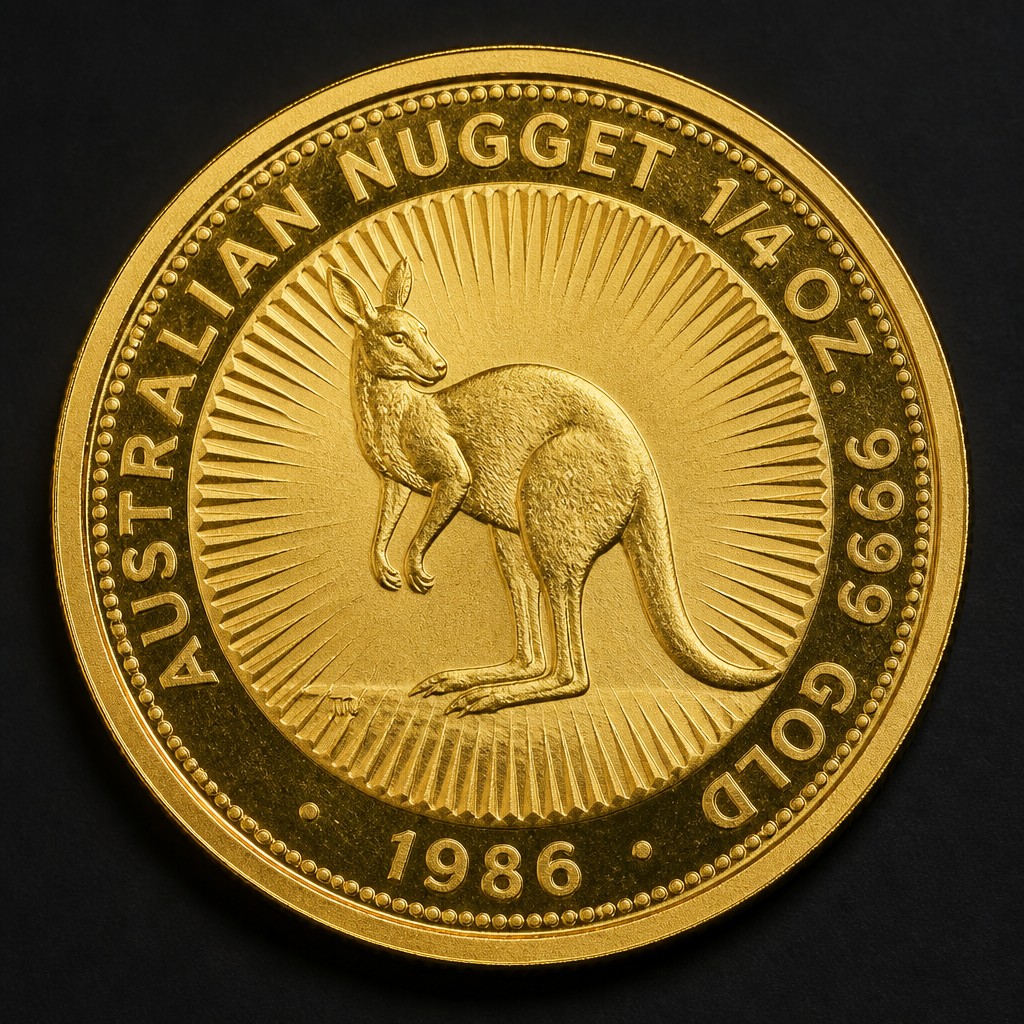
Australian Kangaroo Gold Nugget
1986-present
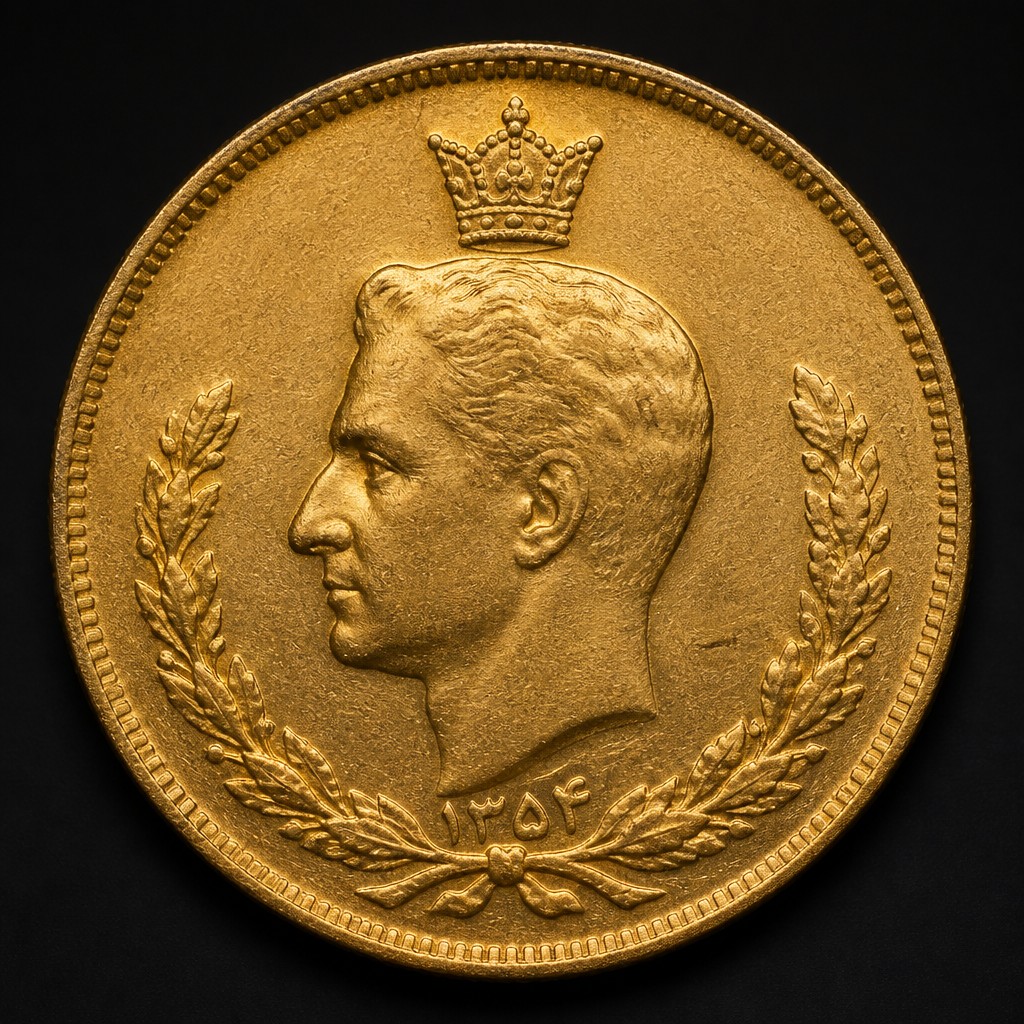
Iranian Pahlavi Gold Coin
1925–1979
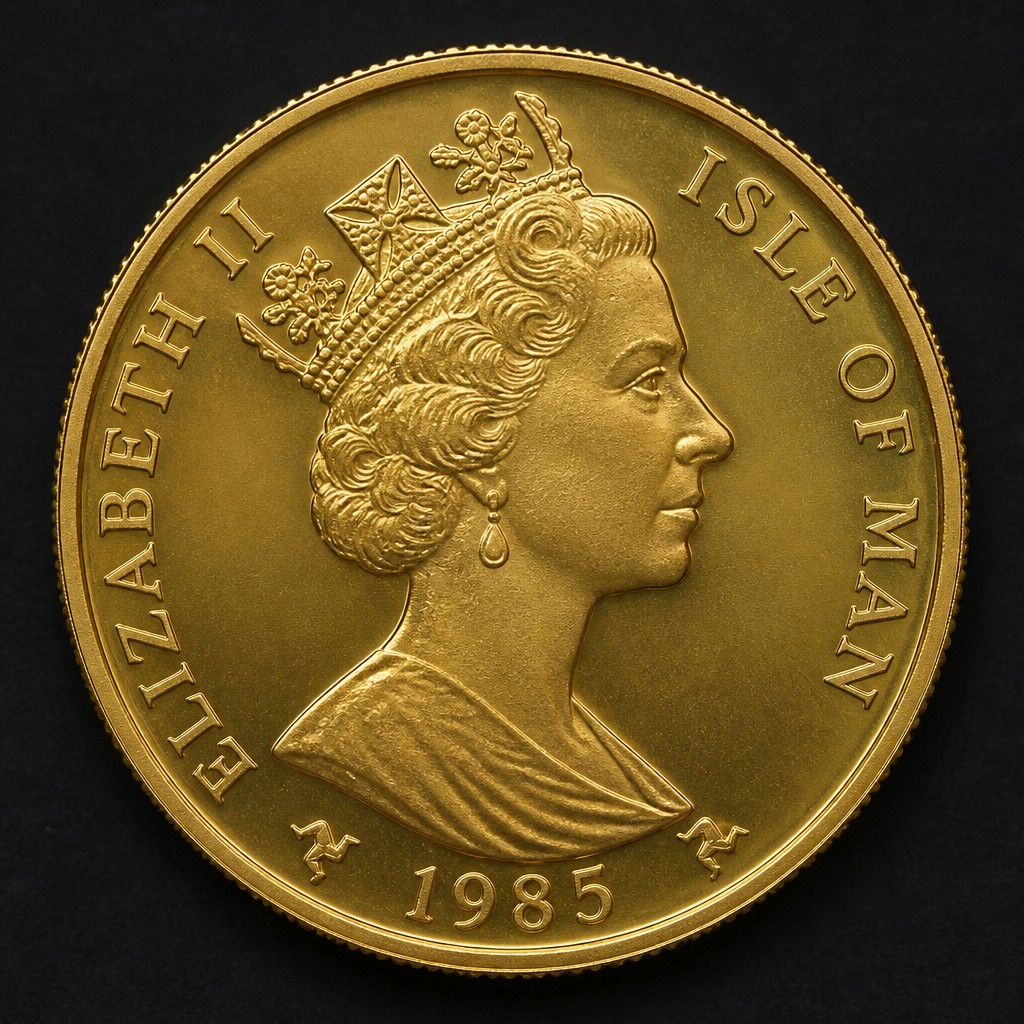
Isle of Man Angel Gold Coin
1984–present
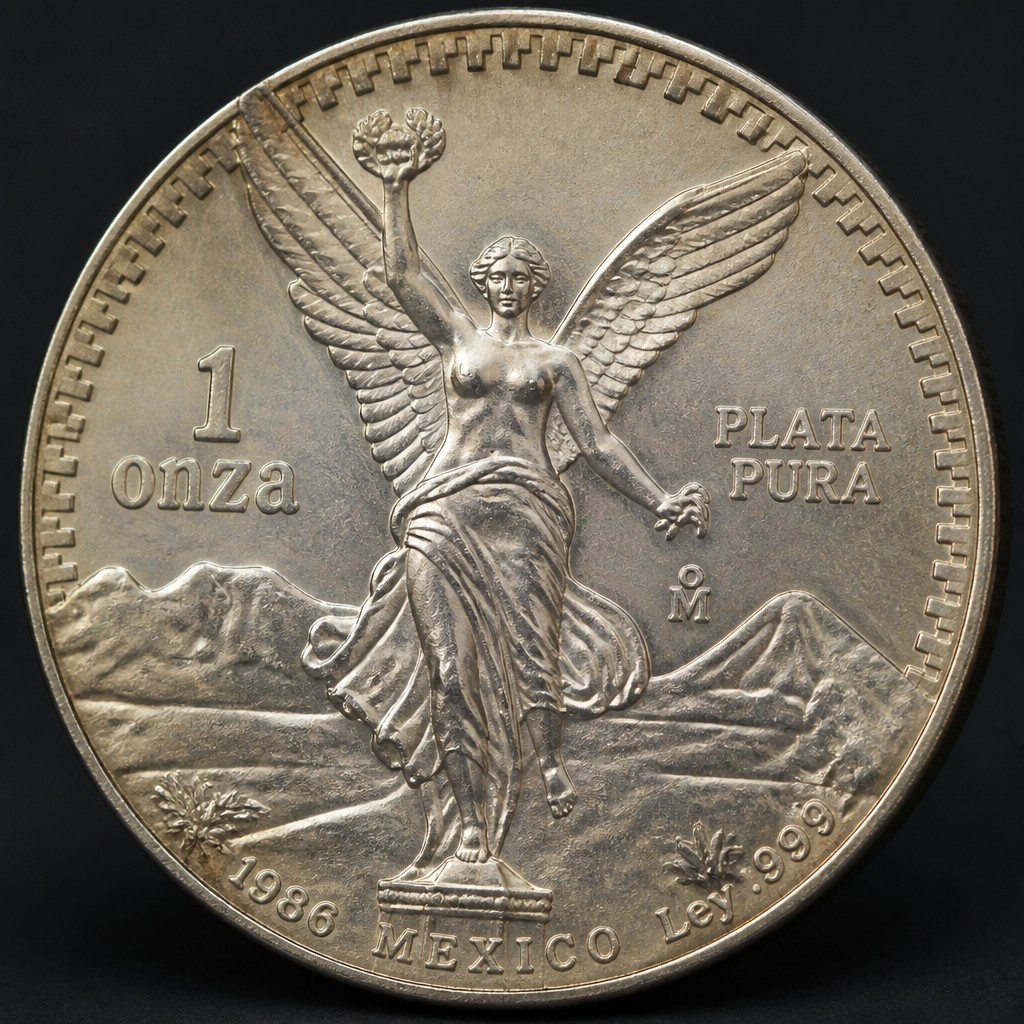
Mexican Libertad
1981-present (gold); 1982-present (silver)
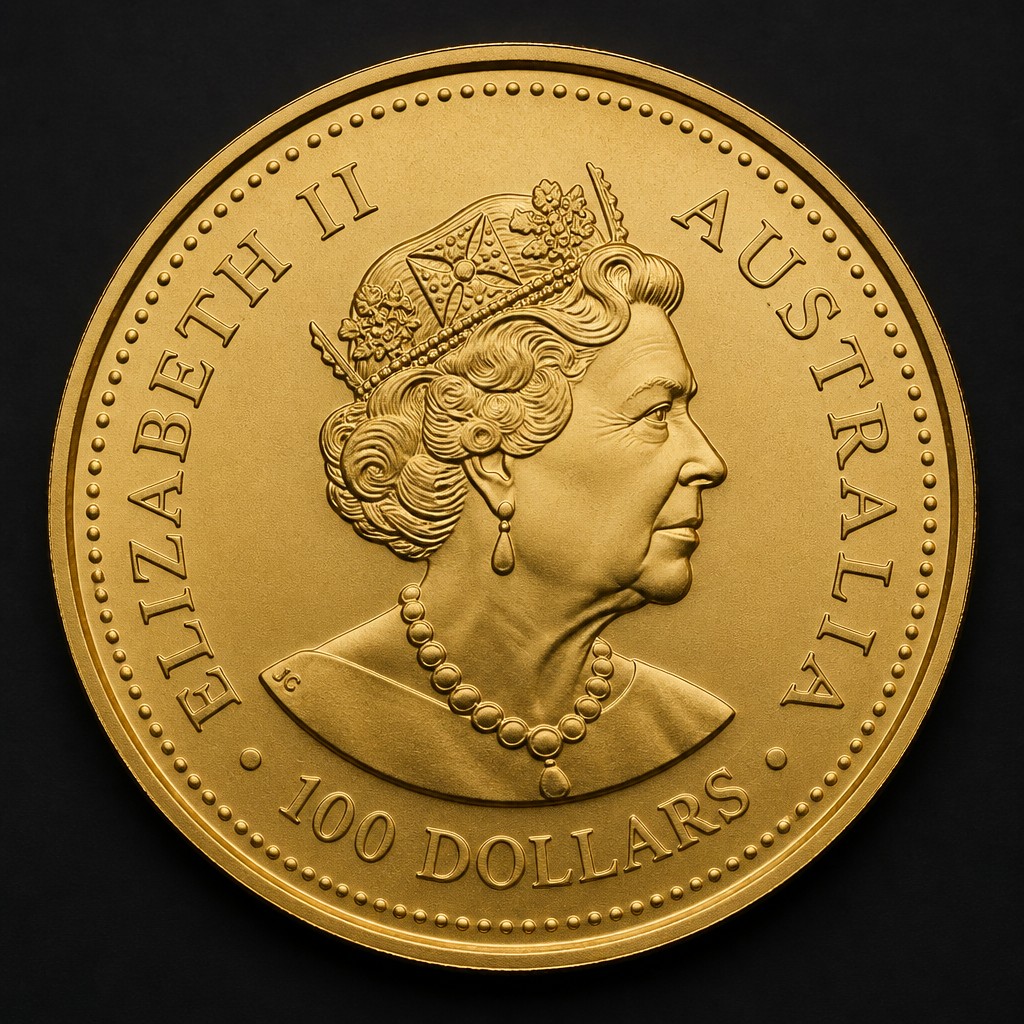
Australian Lunar Series (Perth Mint)
1996–present
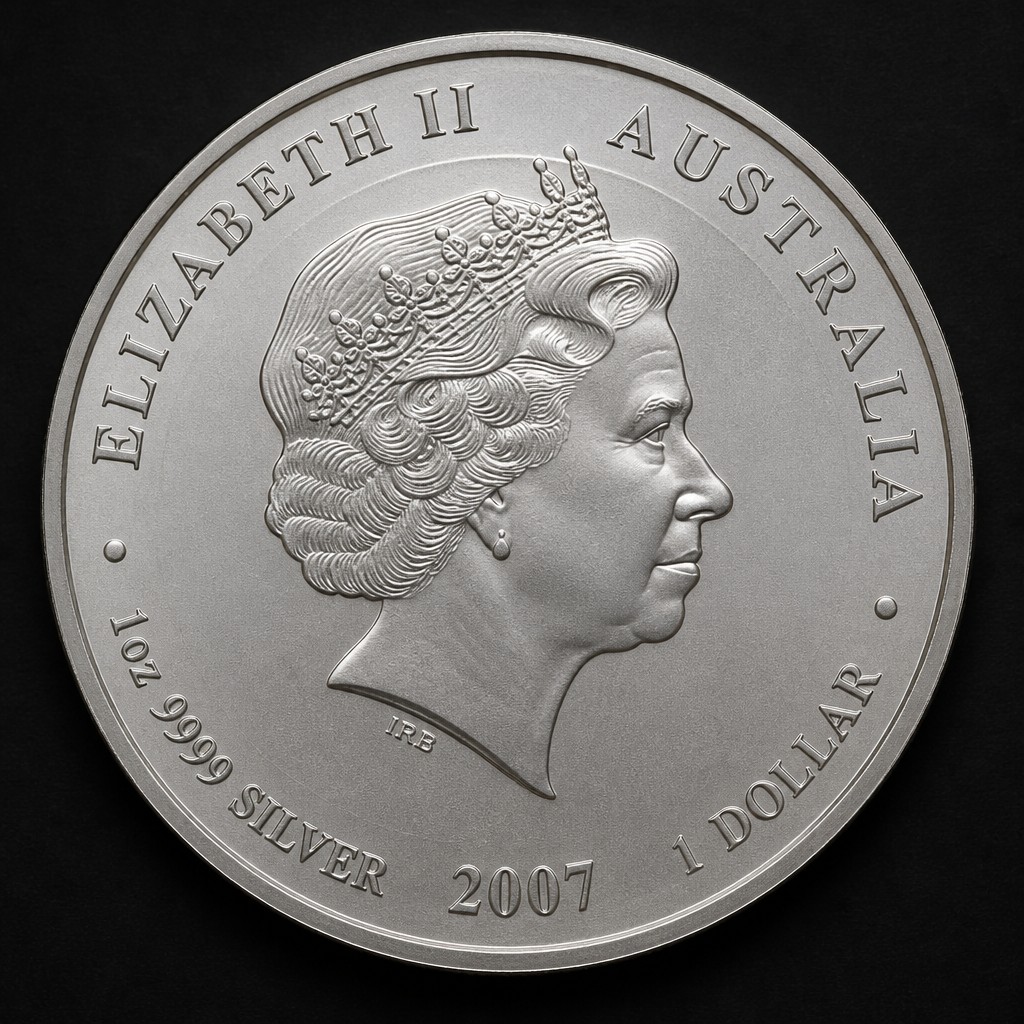
Australian Koala (Perth Mint)
1990-present (gold); 2007-present (silver)
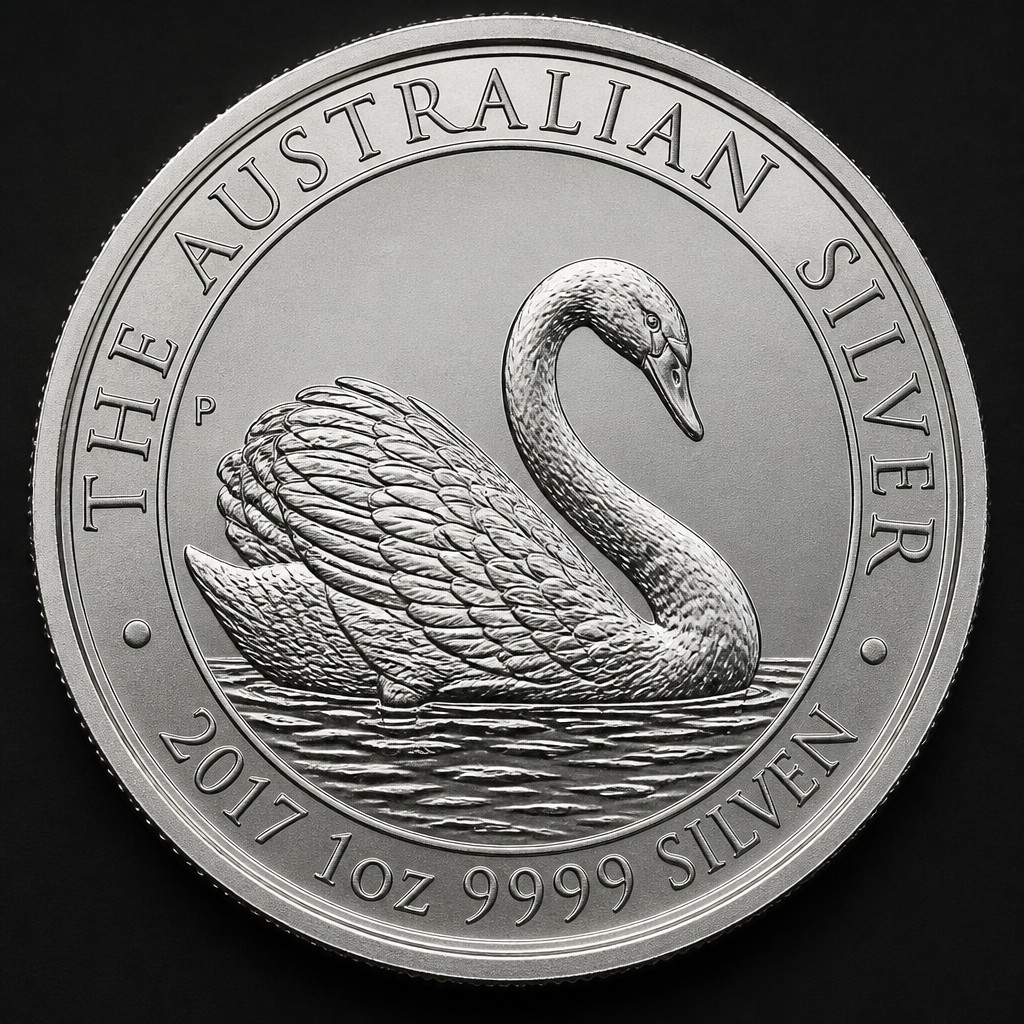
Perth Mint Silver Swan
2017–present
Australian Platinum Koala
1988–present
New Zealand Mint Silver Kiwi
2006–present
British Silver Landmarks of Britain
2020s–present
American Palladium Eagle
2017–present
Niue Silver Owl (Athenian)
2010s–present