
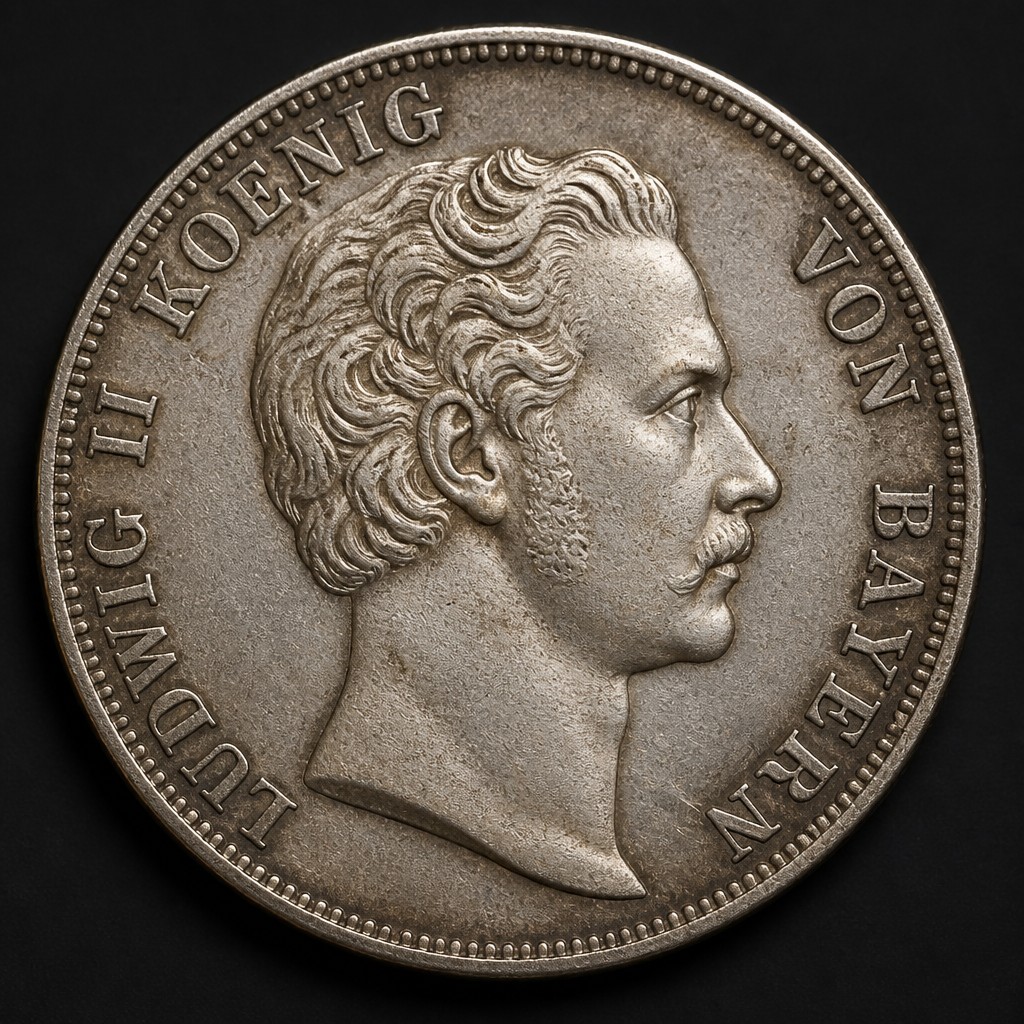
German Bavaria Thaler
A large silver crown-sized coin issued by the Bavarian state, one of many German territorial thalers struck before German unification.
- Country
- Germany (Kingdom of Bavaria)
- Denomination
- Thaler
- Metal
- Silver (approximately .833–.900 fine, varies by era)
Got a coin like this?
Identify any coin from a photo, free.
Overview
The Bavaria Thaler represents the long tradition of large silver crown coins issued by the individual German states before unification in 1871. Bavaria, one of the largest and most prominent kingdoms in the old German Confederation, struck thalers under its own rulers for well over a century.
These coins are collected as part of the broader German states series, which appeals to collectors interested in the political fragmentation of pre-unification Germany, portrait art of regional monarchs, and commemorative types issued for royal events.
History & Background
Bavaria issued thalers under the Holy Roman Empire's Conventionsthaler standard and later under the Vereinsthaler standard adopted by the German Zollverein customs union in the mid-19th century. Rulers such as Maximilian I Joseph, Ludwig I, Maximilian II, and Ludwig II all issued thalers bearing their portraits during their reigns.
Many Bavarian thalers were struck not just for circulation but to commemorate specific events: royal marriages, monuments, railway openings, and anniversaries, making this series rich with special commemorative types alongside standard circulation issues. The thaler denomination across all German states was phased out after German unification in 1871, replaced by the new unified Mark currency in 1873.
How to Identify
Obverse designs typically feature the profile portrait of the reigning Bavarian king with his name and title in Latin or German. Reverse designs usually show the crowned Bavarian coat of arms, or for commemorative issues, allegorical or architectural scenes tied to the event being marked.
The coin is a large silver crown, generally 33-41 mm in diameter depending on the specific era and standard, with weight varying accordingly (roughly 17-28 grams). Mint marks or privy marks from the Munich mint may appear in the design field or below the main devices.
Collectors distinguish individual Bavarian thaler types by ruler portrait, date, and reverse motif, since the series spans multiple kings and dozens of distinct commemorative issues over nearly two centuries.
Value & Collectibility
Values vary enormously depending on the specific ruler, date, and whether the piece is a standard circulation thaler or a special commemorative issue. Common circulation thalers of popular kings like Ludwig I or Maximilian II in worn condition can be found relatively affordably, often in the range of silver-melt-plus-modest-premium.
Scarcer commemorative thalers, especially those tied to significant historical events or struck in smaller numbers, can command significantly higher prices, sometimes into the hundreds of dollars in nicer grades. As with all German states coinage, condition, specific type, and documented rarity drive the wide value spread more than the thaler denomination alone.
Frequently asked questions
What is a thaler?
A thaler is a large silver coin denomination used across German-speaking Europe for centuries; the word is the root of the English word 'dollar.'
Why are there so many different Bavarian thalers?
Bavaria struck both standard circulation coinage and numerous special commemorative thalers across the reigns of several kings over nearly two centuries.
When did Bavaria stop using thalers?
The thaler denomination was phased out after German unification in 1871, replaced by the unified German Mark starting in 1873.
How can I tell which king is on my coin?
The obverse legend names the ruler directly; comparing the portrait and title to reference images for each Bavarian king helps pinpoint the exact issue.
Other coins you may enjoy
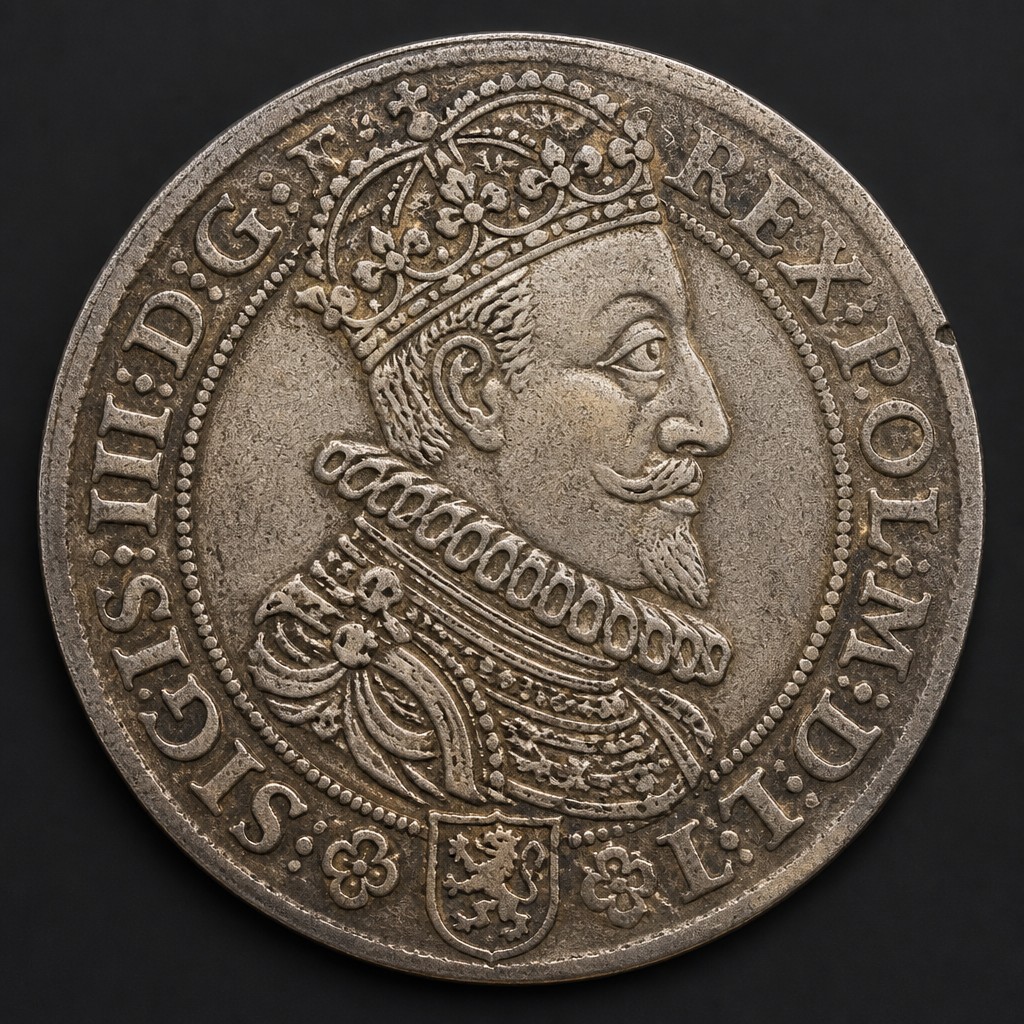
Polish-Lithuanian Thaler
circa 16th–18th century
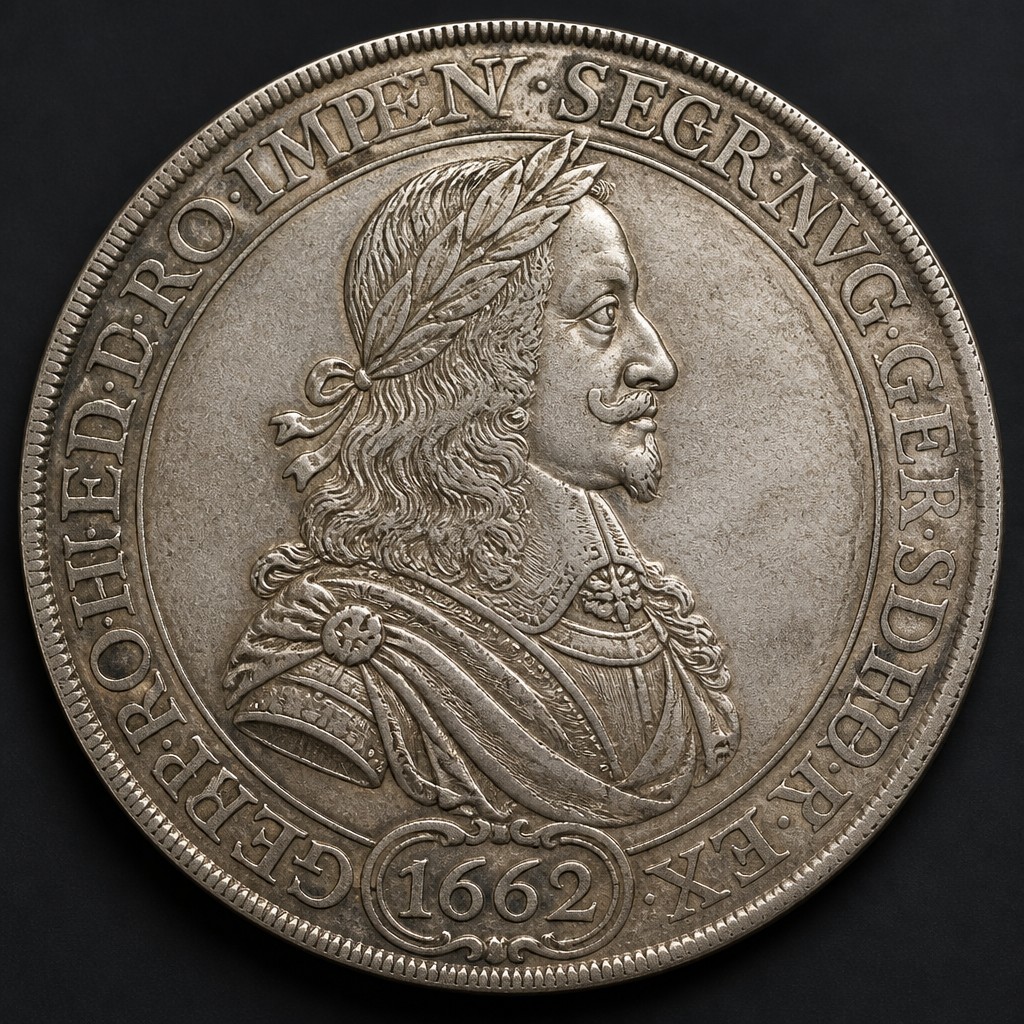
Reichsthaler
circa 1566–early 19th century
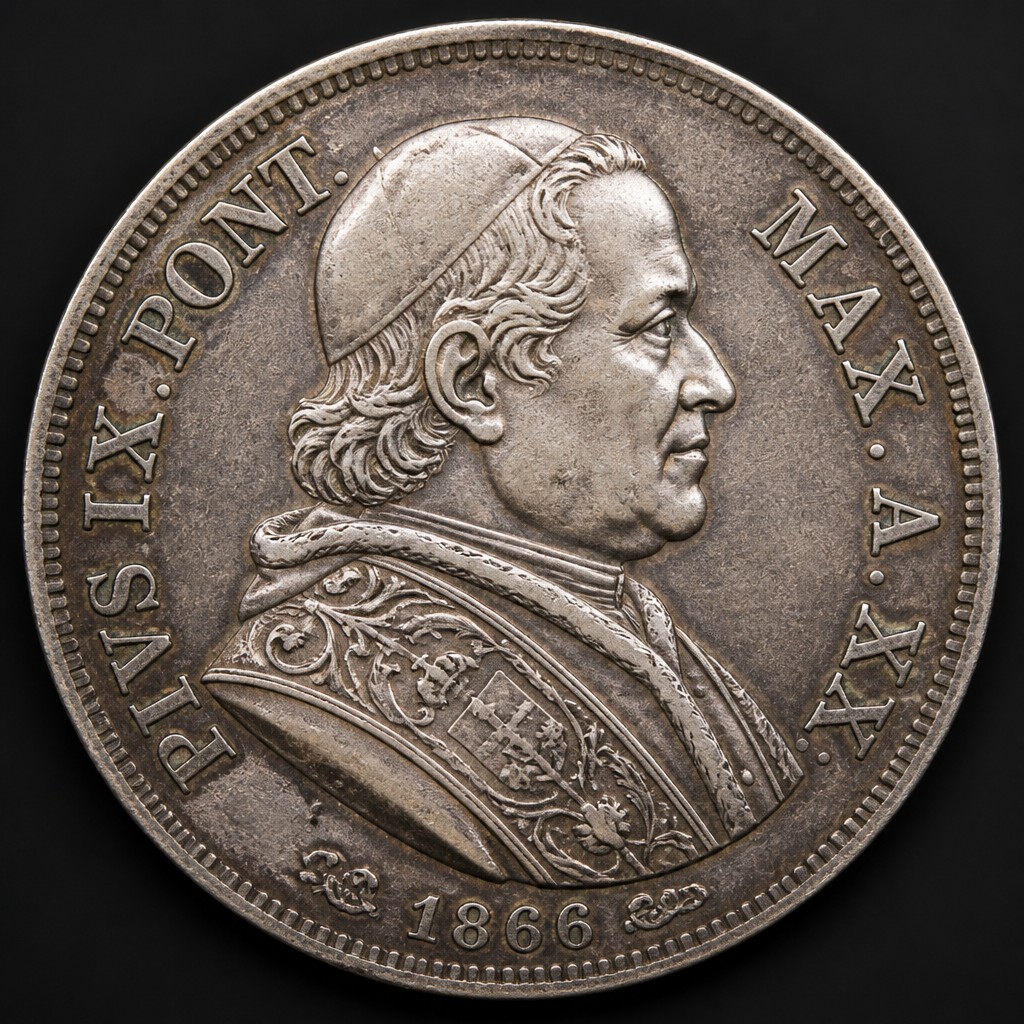
Papal States Scudo
16th century–1866
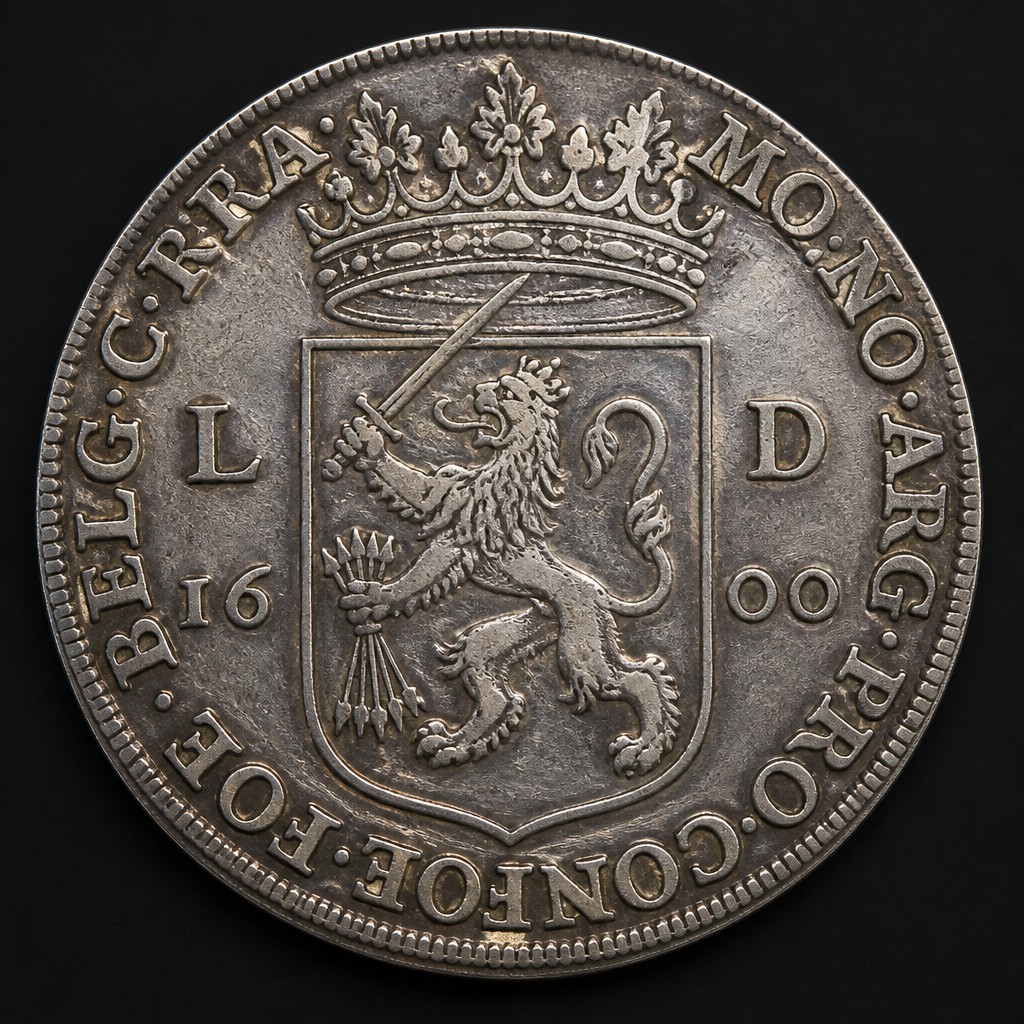
Netherlands Lion Daalder (Leeuwendaalder)
1575–1713
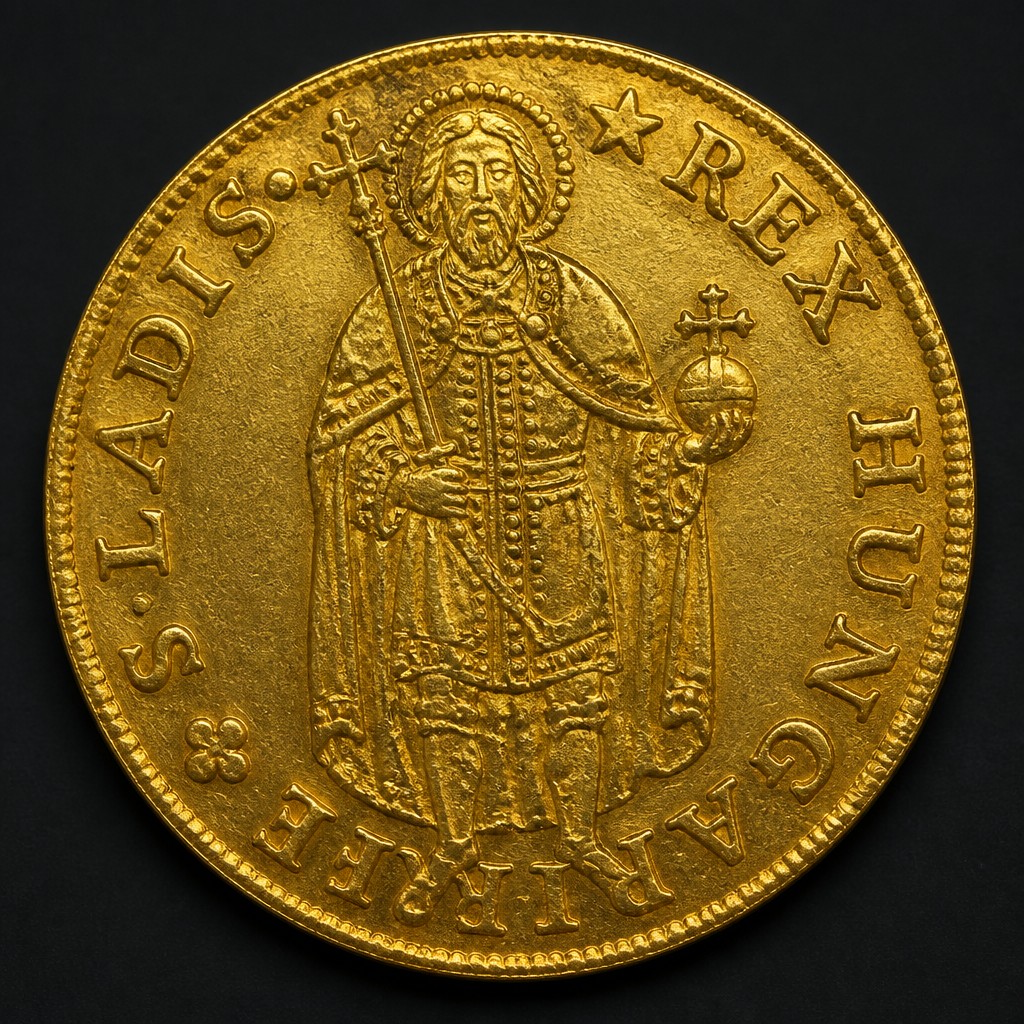
Hungarian Ducat
c. 1325–1918
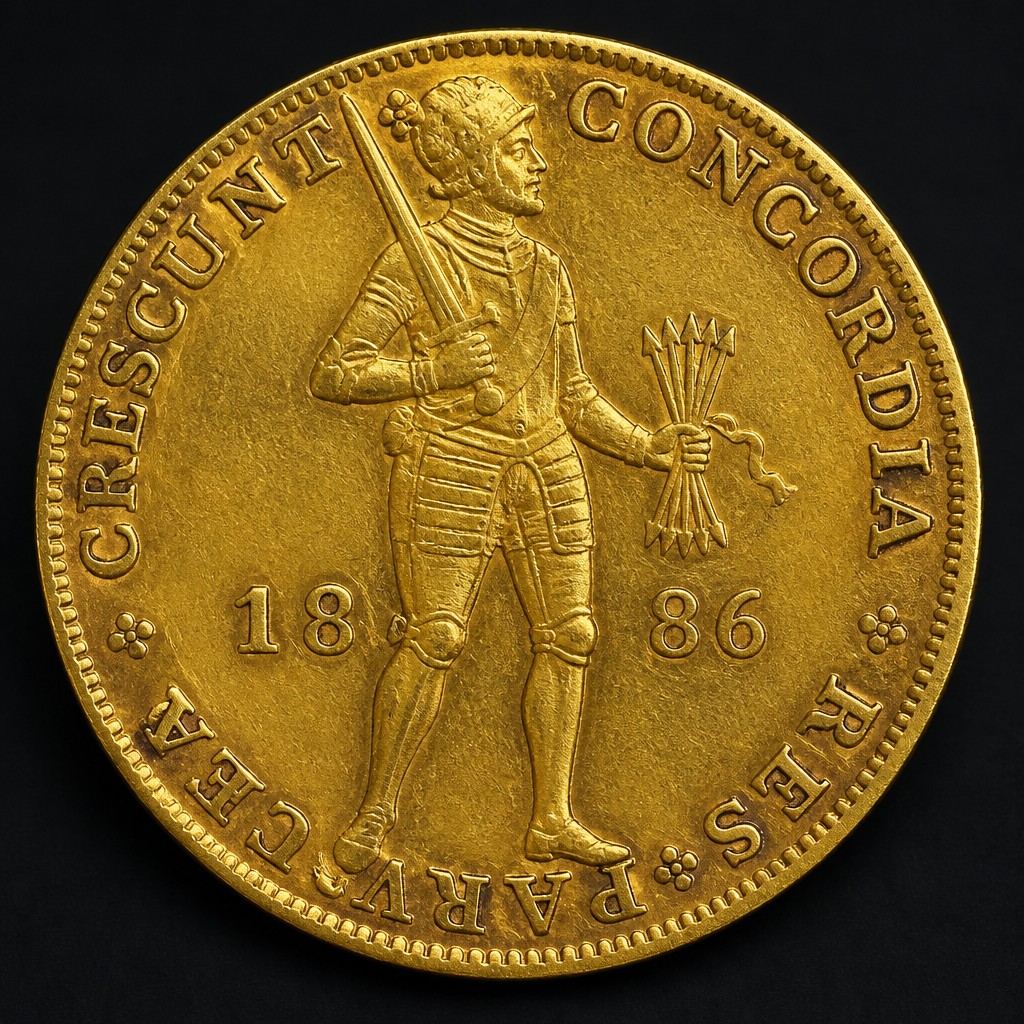
Dutch Ducat
c. 1586–present (classic type standardized after 1817)
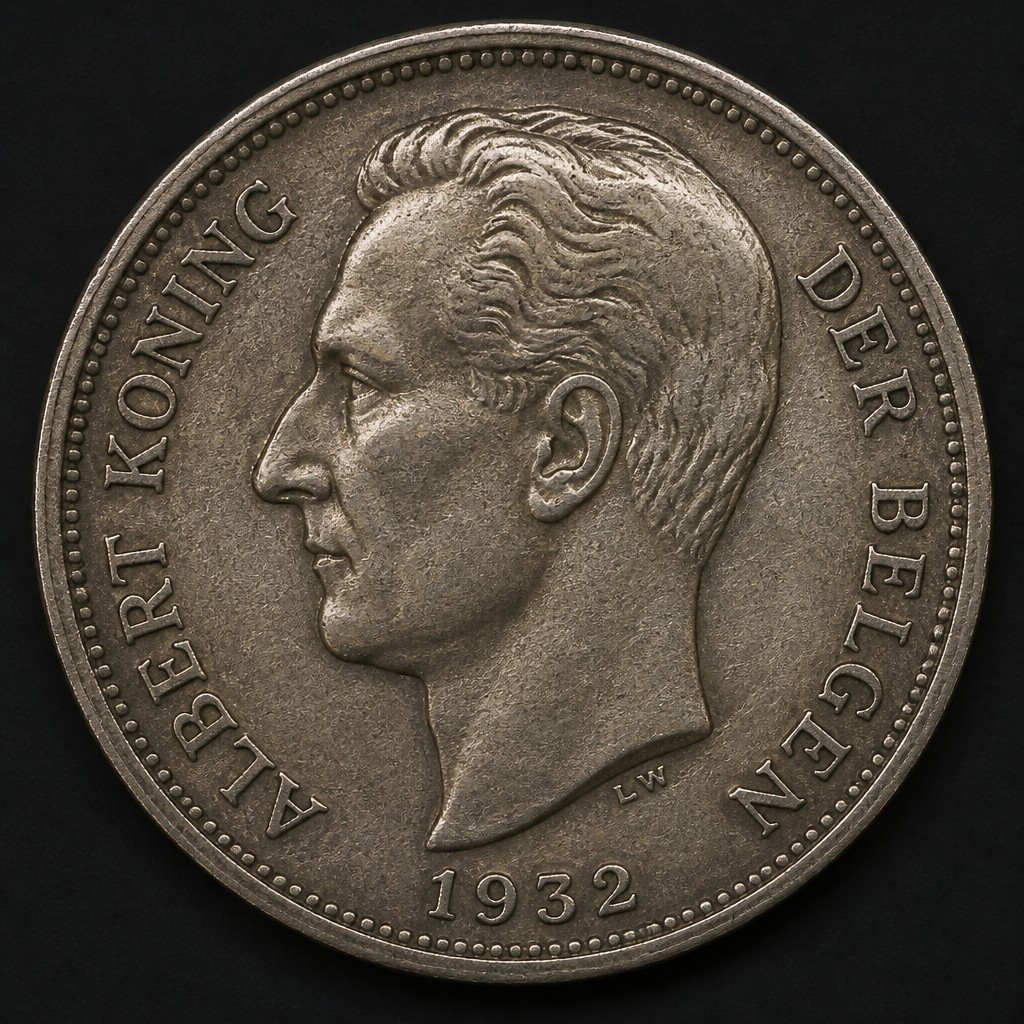
Belgian Franc
1832–2002
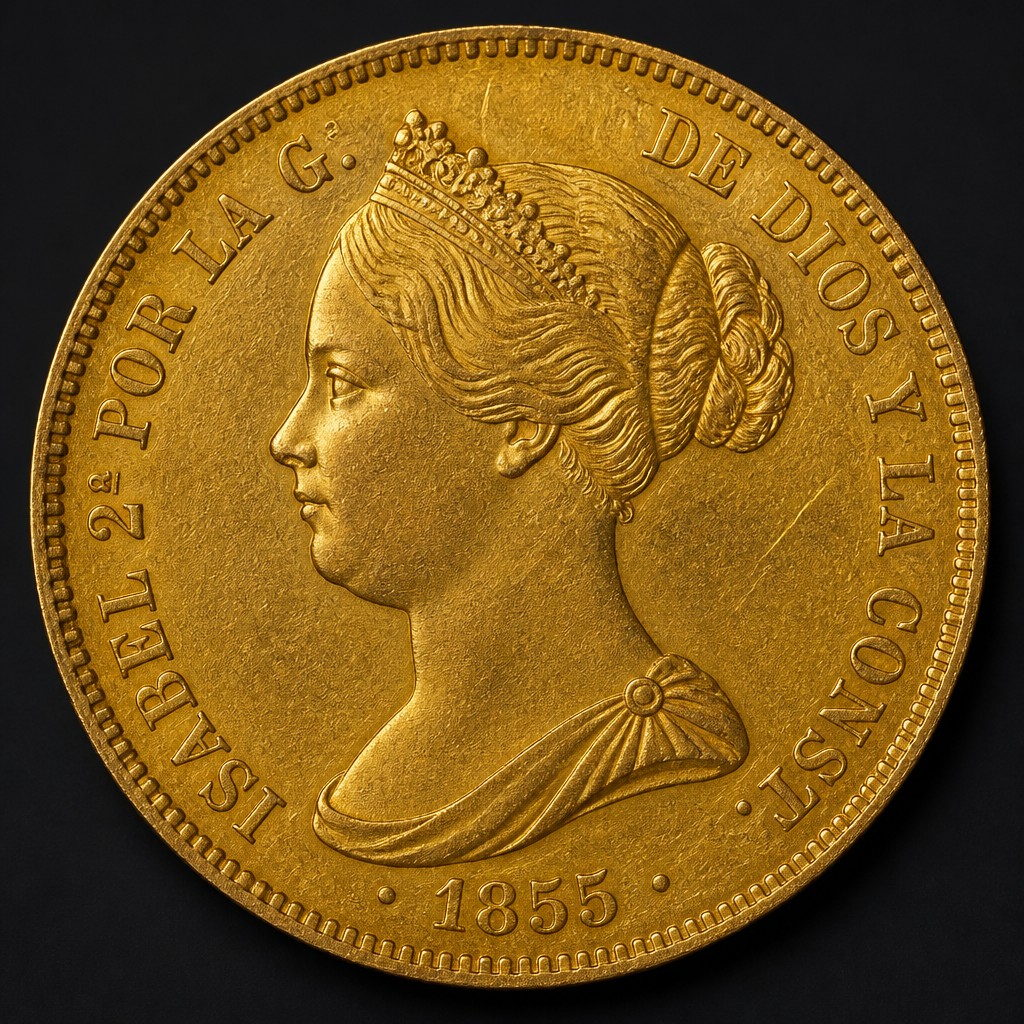
Spanish 100 Reales Gold (Isabel II)
1850s–1868
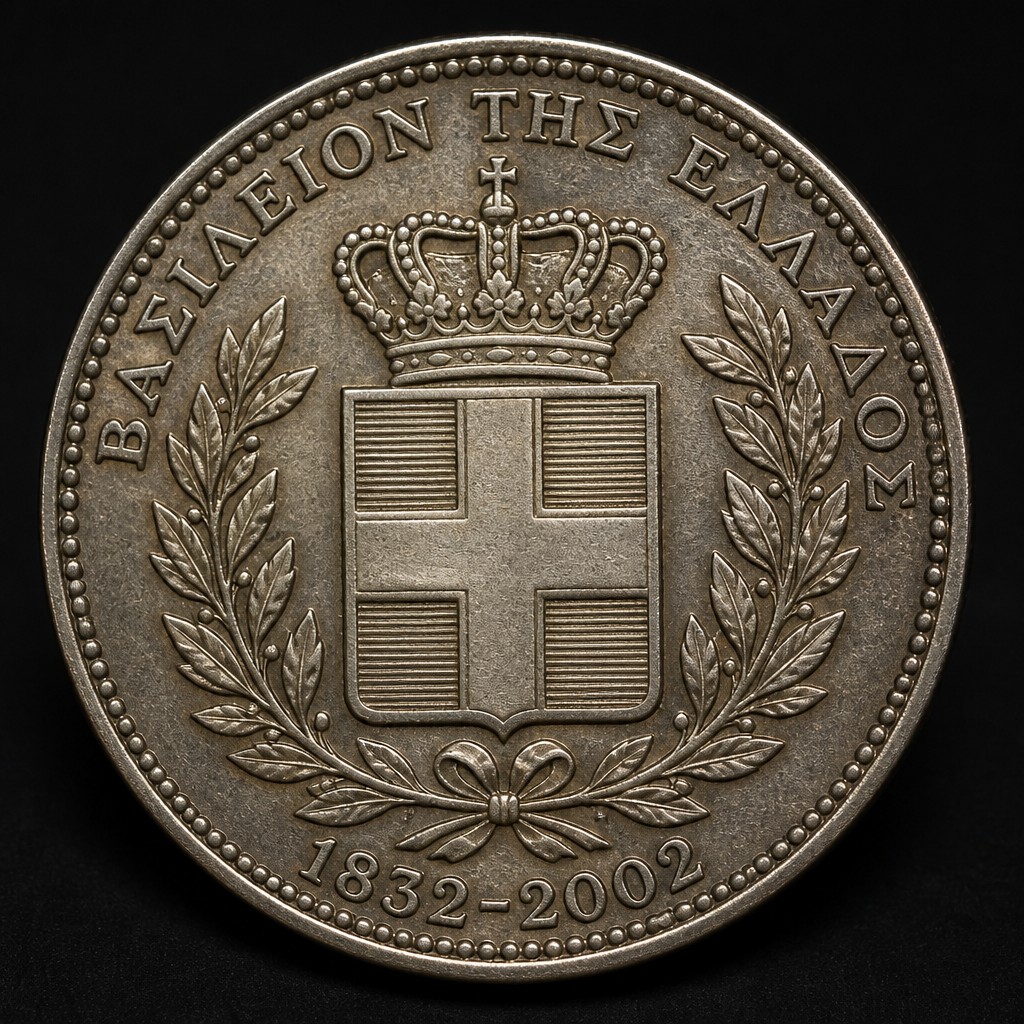
Greek Drachma
1832–2002
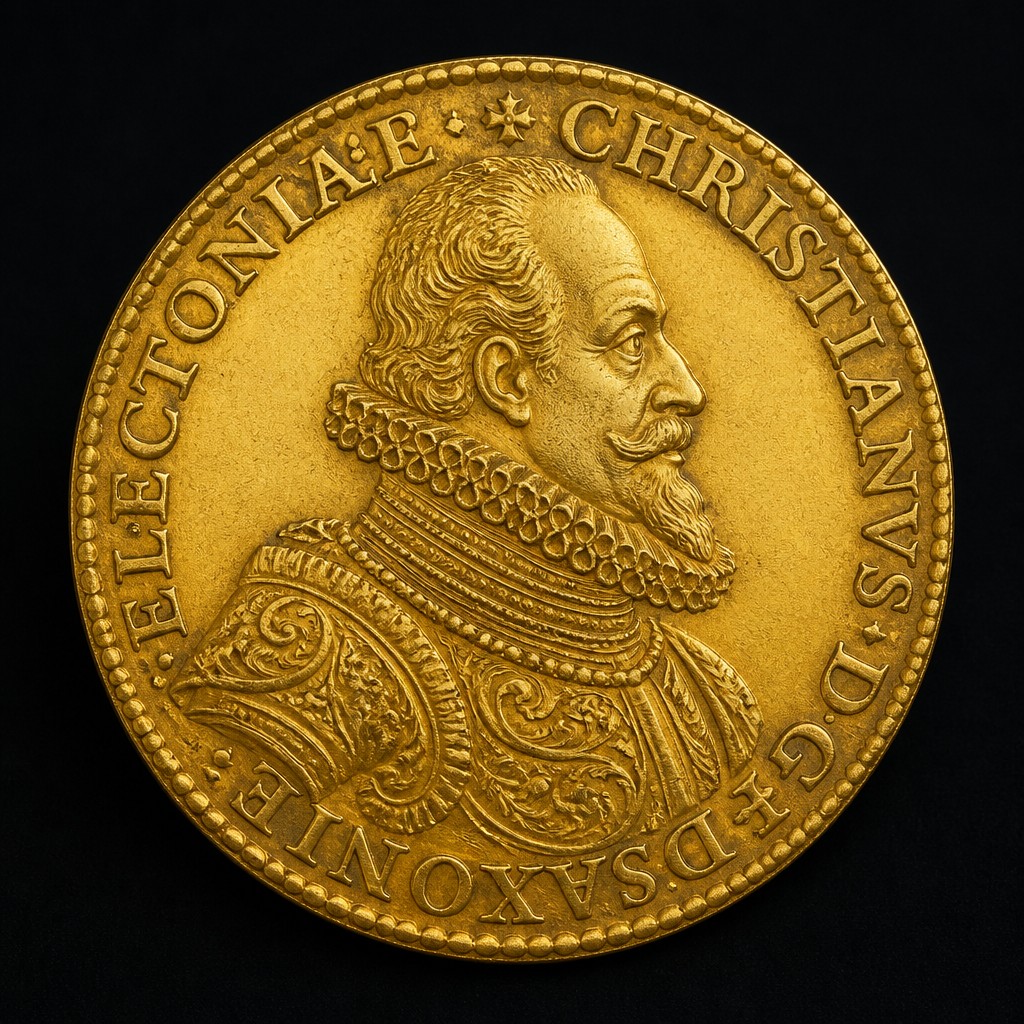
German Saxony Ducat
16th century–19th century
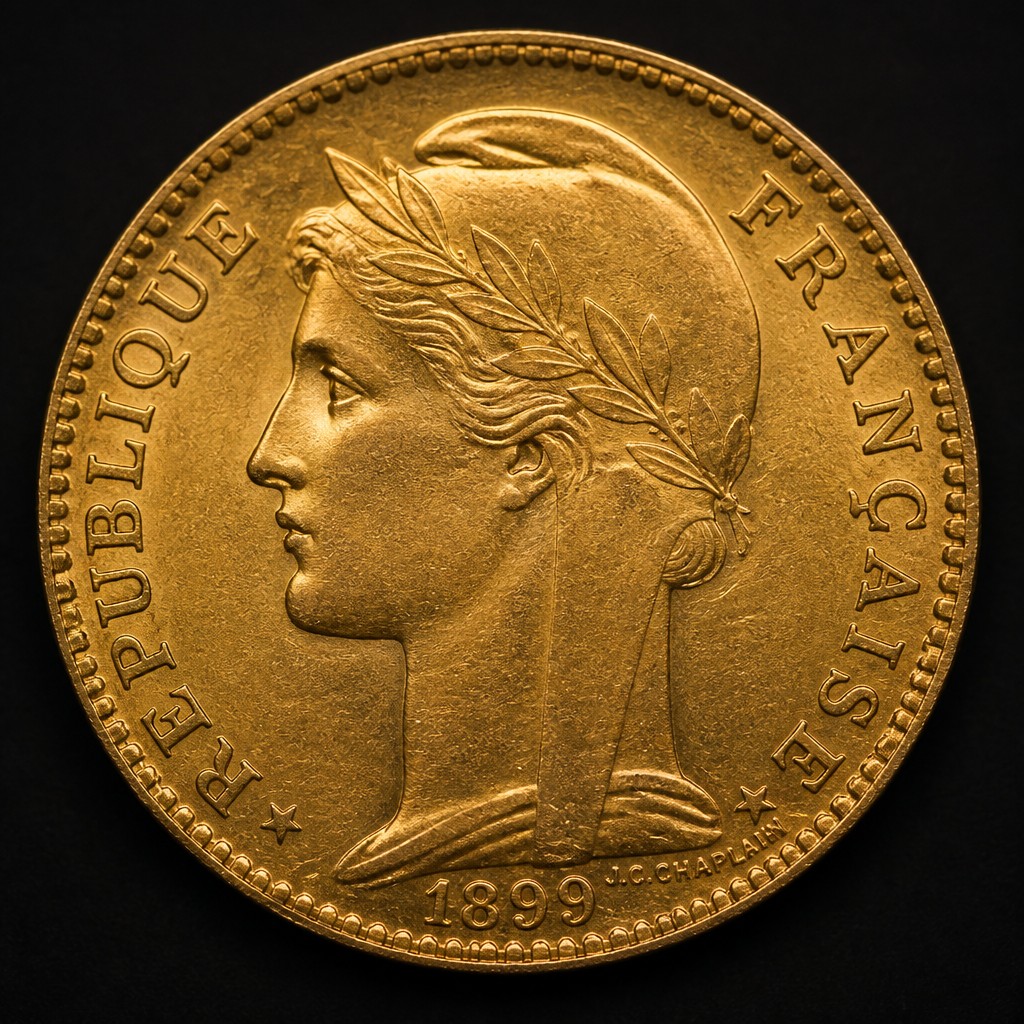
French 10 Francs Gold (Napoleon Rooster)
1899–1914
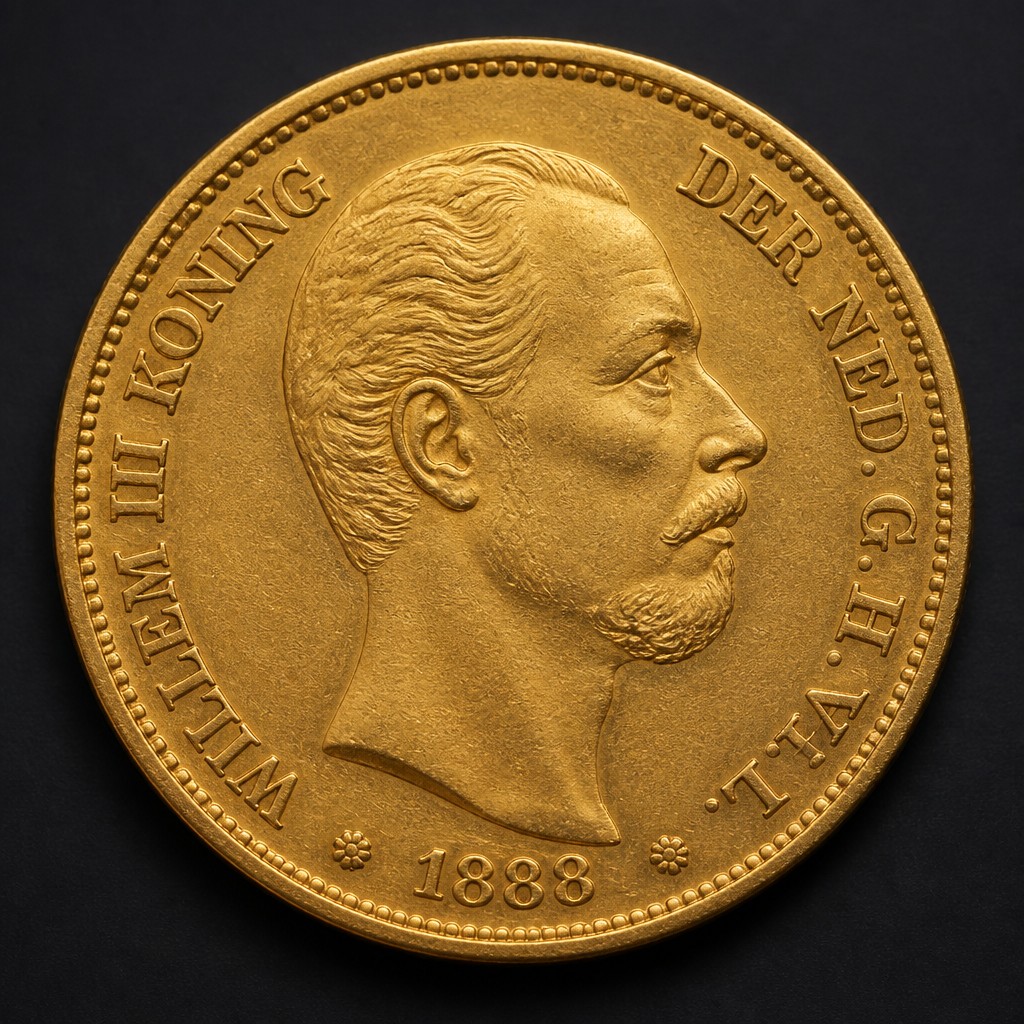
Netherlands 5 Gulden Gold
1826–1912 (intermittent)