
Coin Encyclopedia
Search and identify coins from around the world — with country, denomination, metal, mint, history, and how to tell them apart.
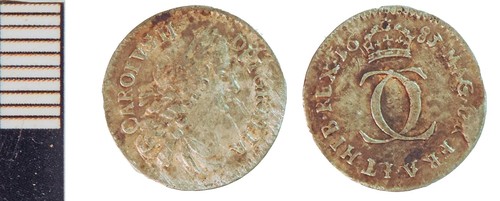
Charles II Twopence
A small milled twopence of Charles II, showing the king's profile bust on the obverse and a crowned mark of value on the reverse.
Milled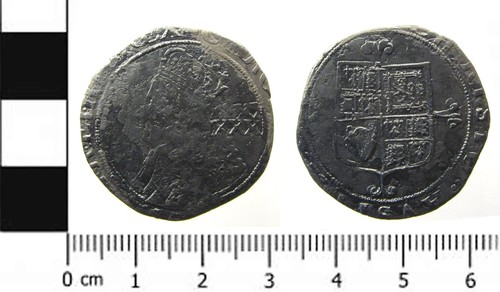
Charles II Half Crown
A milled silver half crown of Charles II, showing his laureate bust facing right and crowned royal-arms shields on the reverse.
Milled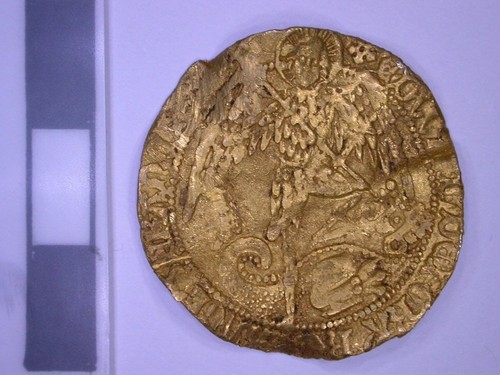
Edward V Angel
Gold angel struck in the brief 1483 reign of Edward V, showing Saint Michael the archangel spearing a demon, with a royal shield of arms on the reverse.
Medieval Coins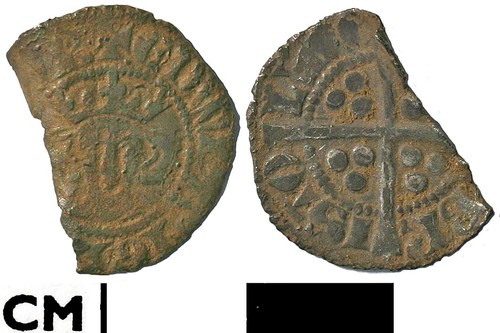
Edward I Groat
Rare early English silver fourpence of Edward I, showing his crowned facing-profile bust and a long-cross reverse with pellets in the quarters.
Medieval Coins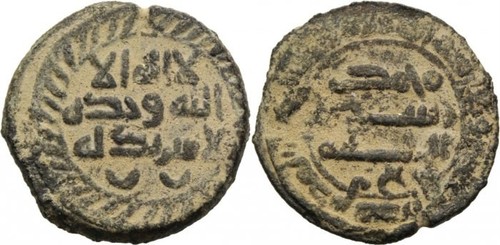
Abbasid Copper Fals
A hand-struck Abbasid copper fals dated AH 219 (834–835 CE), covered entirely in linear Arabic inscriptions with no portrait or figural imagery.
Islamic (Medieval)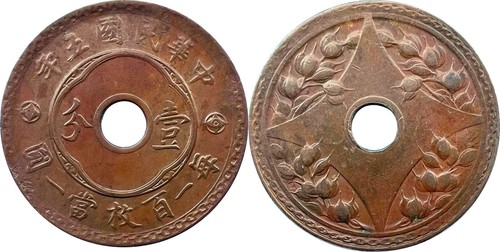
Republic 1 Fen
A holed copper 1 fen of Republican China, showing a numeral 1 with Chinese characters on one side and flowering plum blossoms on the other, around a central square-ish hole.
Circulation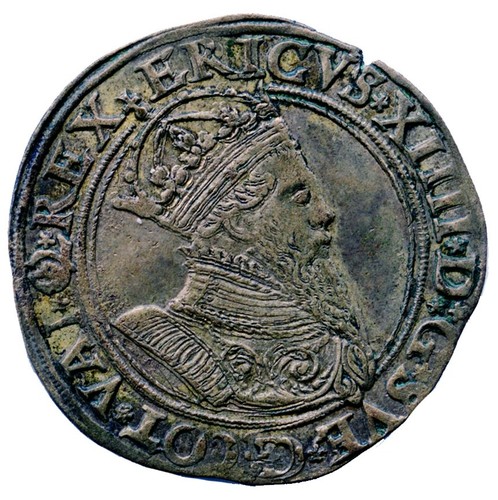
Eric XIV Silver Coin
Silver coin of Eric XIV of Sweden (r. 1560–1568), showing his crowned profile portrait and a heraldic Vasa/Three Crowns reverse, struck c. 1565.
Medieval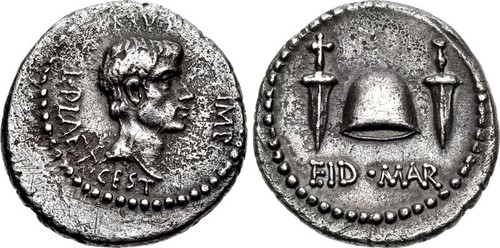
Brutus & Plaetorius Denarius
The silver EID MAR denarius: M. Junius Brutus on the obverse, a Phrygian cap between two daggers and EID MAR on the reverse, struck 42 BC.
Ancient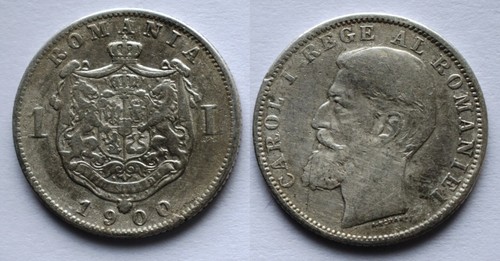
1 Leu (Carol I)
Silver 1 Leu of the Kingdom of Romania under King Carol I, with his left-facing portrait and the crowned national arms, dated 1900.
Modern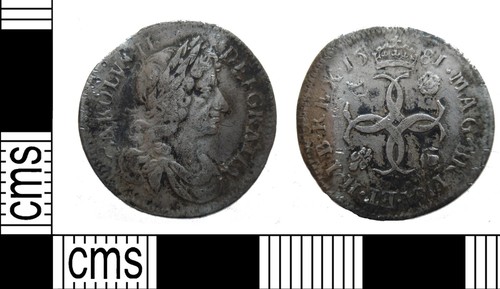
Charles II Fourpence
A small milled sterling silver fourpence of Charles II, with his laureate bust and a crowned cipher of interlinked C's flanked by the national emblems.
Milled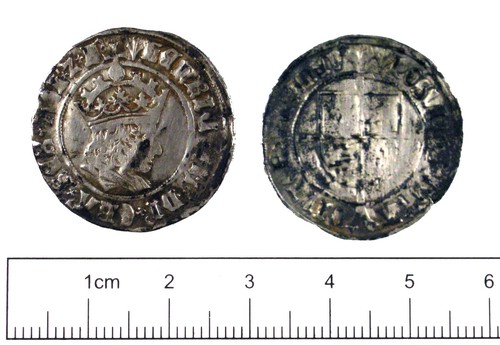
Henry VII Groat
Hammered silver fourpence of Henry VII, first Tudor king, showing a crowned royal portrait on one side and a shield of the English arms on the other.
Medieval Coins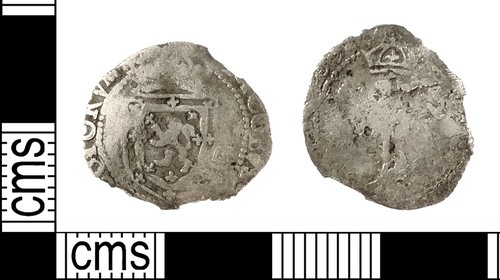
Eighth Thistle Merk
A small hammered silver Scottish coin of James VI, showing a crowned heraldic shield of arms on one side and a crowned thistle on the other.
Hammered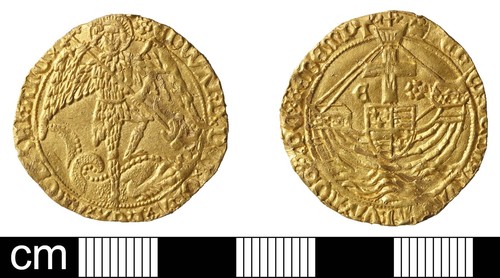
Edward IV Angel
Medieval English gold coin showing Saint Michael the Archangel slaying a dragon-demon, with a heraldic cross-and-shield reverse.
Medieval Coins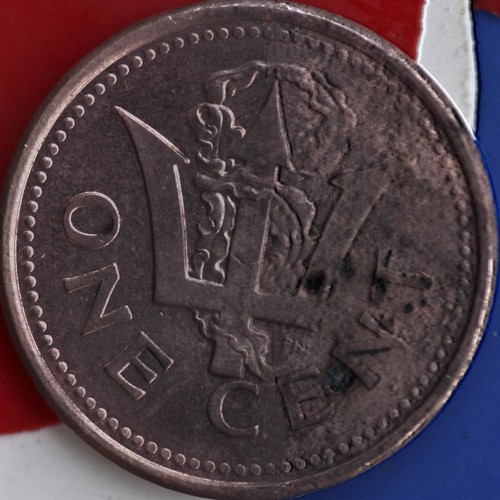
Barbados 1 Cent
A modern copper-colored Barbados one cent: the national coat of arms on the obverse and the value on the reverse, the smallest coin of the Barbadian dollar.
Circulation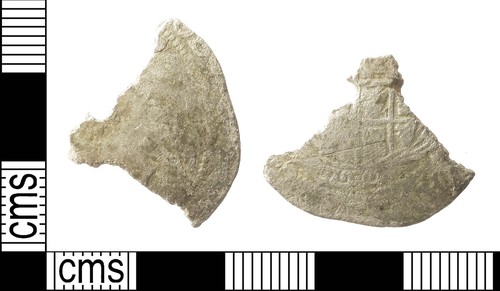
Charles I Half Crown
A large hammered silver half crown of Charles I, showing the king in portrait facing left and a crowned royal shield on the reverse.
Hammered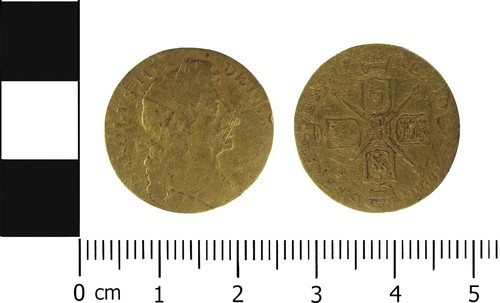
Charles II Half Guinea
A small milled gold coin of Charles II showing the king's laureate profile and a cruciform arrangement of crowned shields on the reverse.
Milled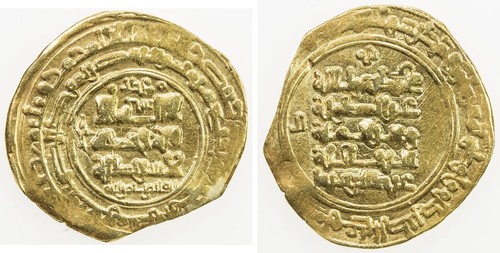
Ghaznavid Dinar
Gold dinar of the Ghaznavid dynasty (c. 10th–11th century), an epigraphic Islamic coin struck at Ghazna and allied mints in Afghanistan.
Medieval Islamic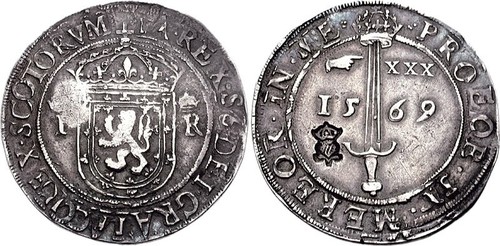
James VI Ryal
A large hammered silver Scottish ryal of James VI, showing a crowned lion-rampant shield and a mailed swordhand grasping an upright sword, dated 1569.
Hammered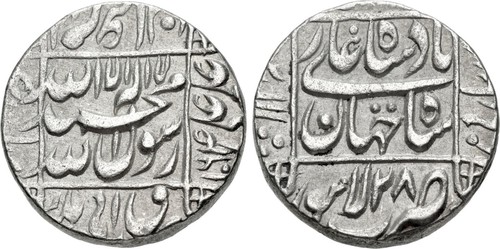
Shah Jahan Rupee
Hand-struck silver rupee of Mughal emperor Shah Jahan, all-Persian calligraphy in ornate cartouches, dated AH 1064 (AD 1653-1654).
Mughal India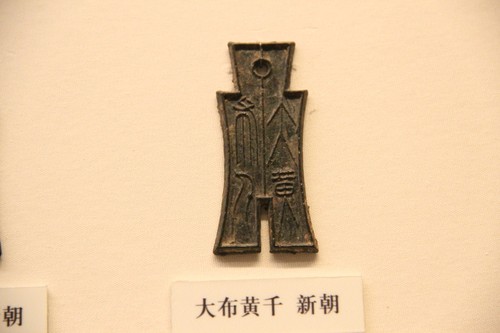
Wang Mang Spade Money
A cast bronze spade-shaped coin of the Xin Dynasty, issued under the reformer Wang Mang, its flat blade bearing raised Chinese inscriptions.
Ancient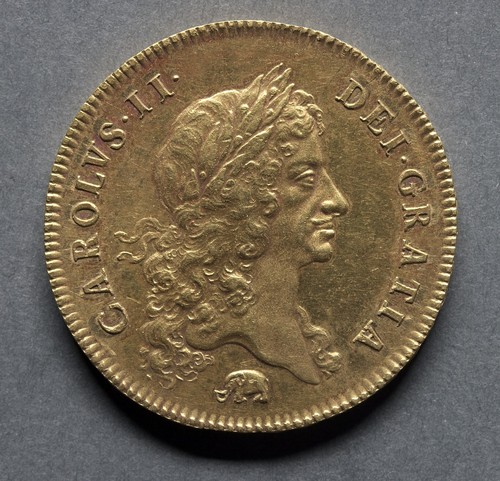
Charles II Five Guineas
The largest English gold coin of Charles II's reign, showing his laureate profile and a cruciform arrangement of crowned shields on the reverse.
Milled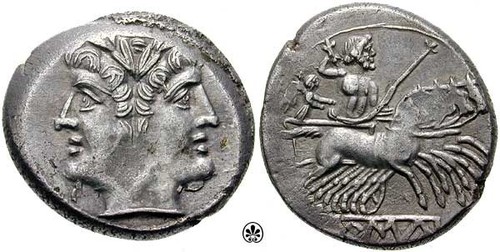
Roman As
A base-metal As of ancient Rome, showing the double-faced head of Janus on one side and a chariot with ROMA on the other.
Ancient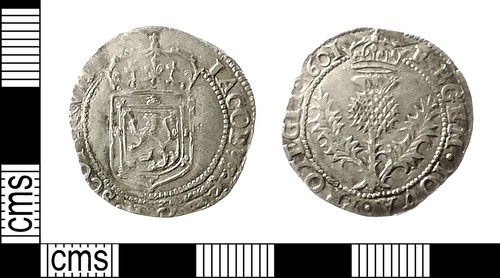
Half Thistle Merk
A hammered Scottish silver half merk of James VI, showing a crowned coat of arms on one side and a crowned thistle on the other.
Hammered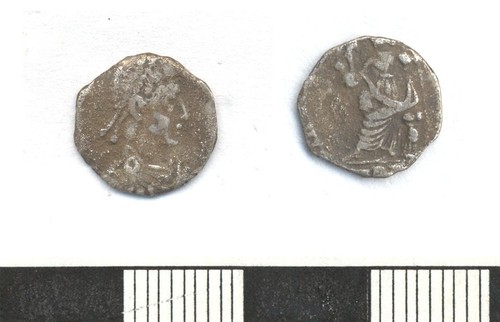
Roman Siliqua
Small late-Roman silver coin of the 4th century AD, with an emperor's portrait facing right and a standing robed figure on the reverse.
Ancient