
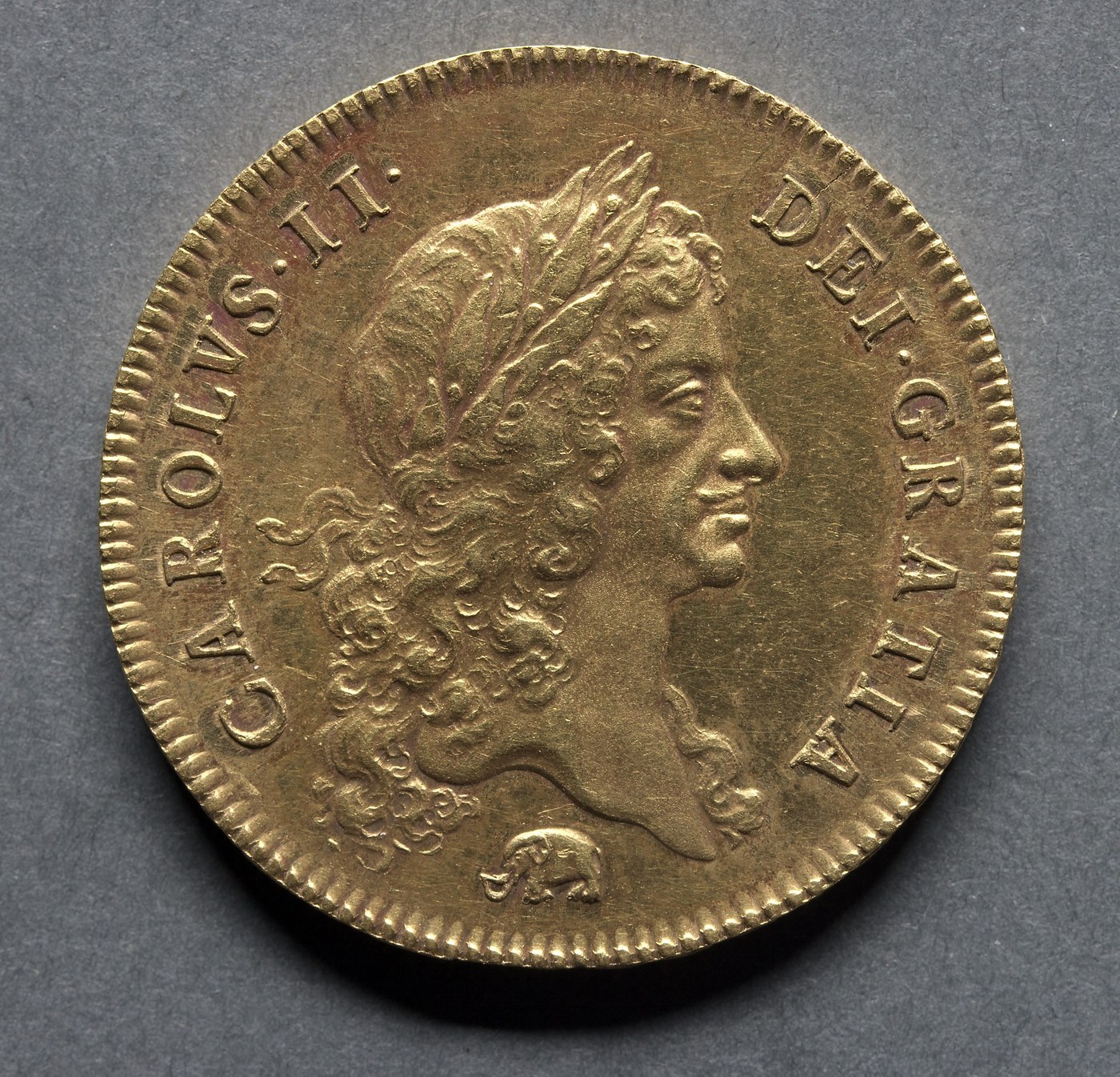
Charles II Five Guineas
The largest English gold coin of Charles II's reign, showing his laureate profile and a cruciform arrangement of crowned shields on the reverse.
- Country
- England
- Denomination
- Five Guineas
- Metal
- Gold
Got a coin like this?
Identify any coin from a photo, free.
Overview
The Charles II Five Guineas is a large gold coin and the highest denomination of the milled gold coinage introduced during the reign of Charles II (1660-1685). Struck by machine rather than by hand, it belongs to the first fully milled English coinage produced at the Tower Mint using screw presses and edge-marking equipment.
The photographed type shows the laureate, draped profile of Charles II facing right with a Latin legend, and a reverse of four crowned shields of arms arranged in a cross around a central design, separated by scepters. As the five-guinea piece it was the flagship gold coin of the period, considerably larger and heavier than the guinea from which it took its name.
As a substantial gold coin of an important reign, the Five Guineas is prized by collectors both as an artifact of the Restoration monarchy and as an early masterpiece of English machine-struck coinage.
History & Background
Charles II was restored to the throne in 1660, and in 1662 the Tower Mint abandoned hammered production in favor of milled coinage struck on screw presses, a technical revolution associated with the engraver and machinery of the period. The gold denominations of this new coinage were reckoned in guineas, a name that came from the Guinea coast of West Africa, a source of the gold used for many of the pieces.
The Five Guineas was the largest of the milled gold coins and was issued through the 1660s, 1670s, and 1680s. Some strikings carry an elephant or elephant-and-castle mark below the king's bust, indicating gold supplied by the Royal African Company (originally the Company of Royal Adventurers Trading to Africa), whose emblem this was.
The denomination continued under later monarchs and remained a fixture of English gold coinage until the guinea system was reformed in the early nineteenth century. The Charles II issues, as the first of the milled five-guinea pieces, hold a foundational place in that long series.
How to Identify
The obverse shows Charles II in profile facing right, laureate and with long curling hair, draped at the shoulder, surrounded by a Latin legend naming him king. The mature, curled-hair portrait combined with the large module of the coin is a primary diagnostic of the type.
The reverse displays four crowned shields bearing the arms of England, Scotland, Ireland, and France, arranged in a cruciform (cross) pattern with scepters between them and a central linked motif, all within a Latin legend. This cruciform shield reverse is characteristic of Charles II's milled gold and silver and distinguishes the Five Guineas from earlier hammered gold that used a single shield or other layouts.
Being a milled coin, it has a regular round flan and a marked edge; five-guinea pieces of this era typically carry an edge inscription rather than a plain or grained edge. Look also for a possible elephant or elephant-and-castle mark beneath the bust, and confirm the denomination by the coin's large size and weight relative to the smaller guinea and two-guinea pieces.
Value & Collectibility
The Charles II Five Guineas is a large, high-value gold coin, and genuine examples are scarce and expensive, trading well above their bullion content. Prices depend heavily on the specific date, the presence of provenance marks such as the elephant or elephant-and-castle, the grade and quality of strike, and the coin's originality and eye appeal, with authenticated pieces reaching into the substantial four- and five-figure range and higher for rare dates in fine condition.
Because the type is famous and valuable, it has been widely reproduced, and cast copies, later fantasies, and modern replicas exist. Weight, dimensions, and edge inscription are important checks, and any single quoted price should be treated as general context rather than a firm valuation.
Anyone assessing a specific coin should consult recent auction results for the matching date and variety and seek expert examination, since small differences in date, marks, and condition produce large differences in value.
Frequently asked questions
What is a Charles II Five Guineas?
It is the largest gold coin of Charles II's reign (1660-1685), worth five guineas. It shows his laureate profile on the obverse and four crowned shields arranged in a cross on the reverse, and it was struck by machine as part of the first milled English coinage.
Why is it called a guinea?
The name comes from the Guinea coast of West Africa, a source of gold used for the coinage. The five-guinea piece was simply five times the value of the standard guinea denomination.
What does the elephant mark mean?
An elephant or elephant-and-castle mark below the king's bust indicates gold supplied by the Royal African Company, whose emblem it was. Not all Five Guineas carry it, and its presence can affect a coin's interest and value.
How large is the Five Guineas?
It is a large, heavy gold coin, substantially bigger than the guinea and two-guinea pieces of the same reign. Its size and weight are among the ways collectors confirm the denomination.
Are there fakes of the Charles II Five Guineas?
Yes. Because it is famous and valuable, the type has been copied and reproduced over the centuries. Checking weight, dimensions, and the edge inscription and obtaining specialist authentication are essential before treating a piece as genuine.
Charles II Five Guineas guides
In-depth guides for identifying, valuing, and collecting Charles II Five Guineas.
Other coins you may enjoy
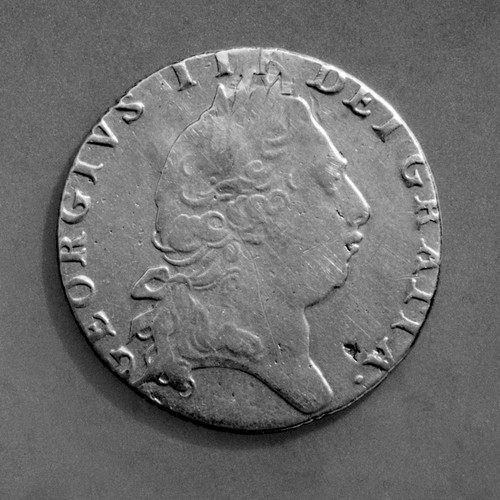
Spade Guinea
1760-1820
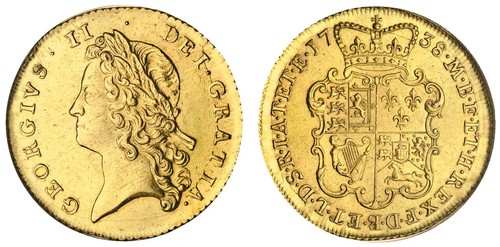
Two Guineas of George II
1738–1753
Shilling of Victoria
1838-1901
Sovereign of George IV
1821-1830
Sovereign of William IV
1831–1837
Penny of William IV
1831-1837
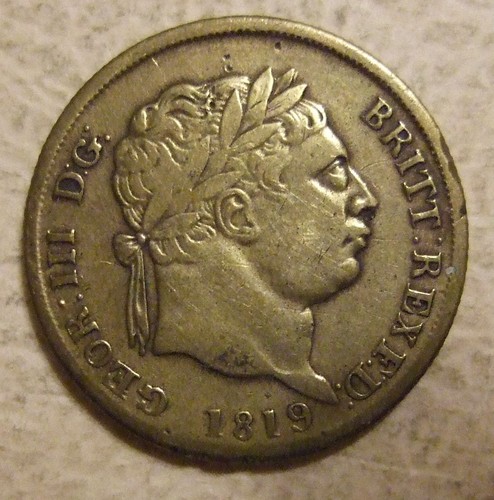
Shilling of George III
1816-1820
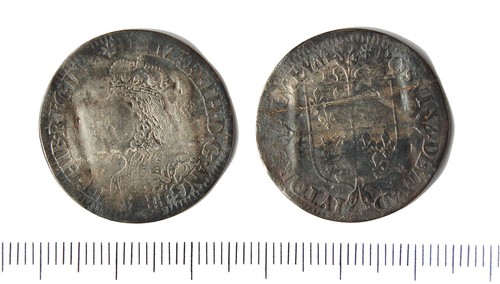
Milled Sixpence of Elizabeth I
1561-1571
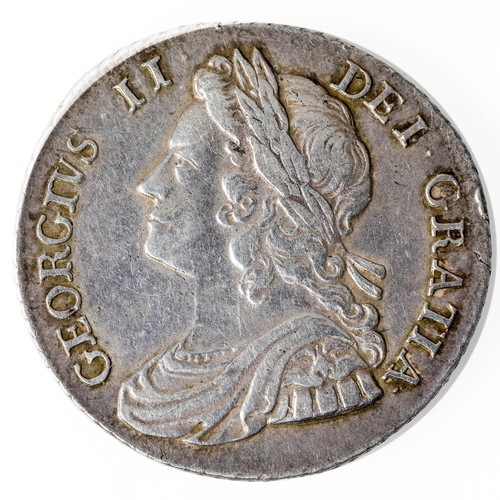
Shilling of George II
1727-1758
Shilling of Anne
1702-1714
Charles II Twopence
1660-1685
Charles II Half Crown
1660–1685