
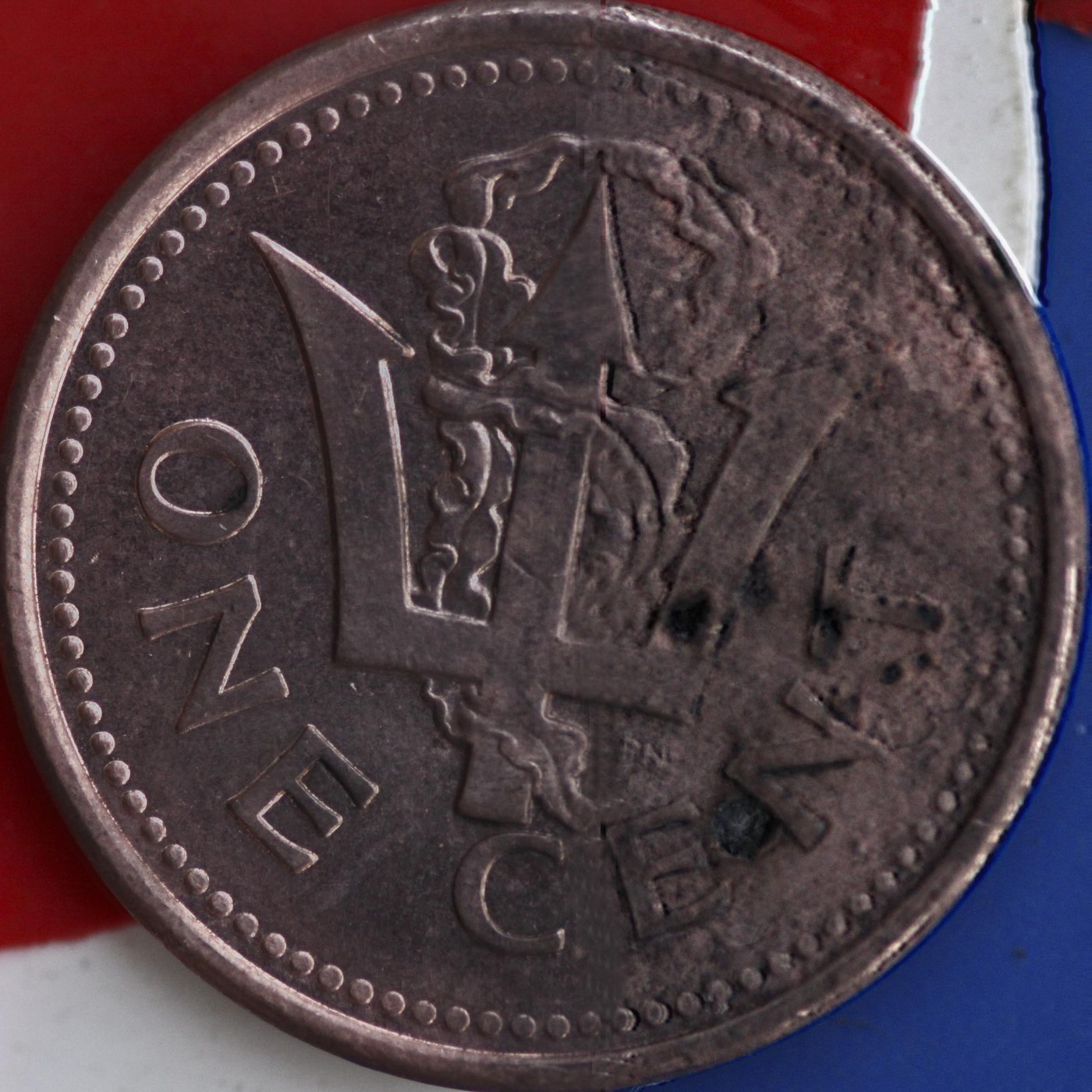
Barbados 1 Cent
A modern copper-colored Barbados one cent: the national coat of arms on the obverse and the value on the reverse, the smallest coin of the Barbadian dollar.
- Country
- Barbados
- Denomination
- 1 Cent
- Metal
- Copper
Got a coin like this?
Identify any coin from a photo, free.
Overview
The Barbados 1 cent is the smallest denomination of the Barbadian dollar, worth one hundredth of a dollar. This modern circulation piece shows the coat of arms of Barbados on the obverse and the denomination on the reverse, and is copper-colored, small and light in the hand.
Issued by the monetary authorities of Barbados since the country adopted its own decimal currency in the 1970s, the cent is a workaday coin of everyday change rather than a commemorative. Its coppery appearance and low denomination make it easy to recognize as the base unit of the island's coinage.
History & Background
Barbados gained independence in 1966 and initially continued to use the shared East Caribbean dollar. In 1973 the country introduced its own national currency, the Barbadian dollar, divided into 100 cents, and the 1 cent coin entered circulation as the smallest unit of that new decimal system.
The design pairs the national coat of arms with the coin's value, a pattern used across the lower Barbadian denominations. Over the decades the cent's composition changed: earlier issues were struck in bronze, while later strikes moved to copper-plated steel to reduce cost, giving pieces a similar copper color but differing in whether they respond to a magnet.
As a low-value coin, the cent has been reviewed over time in light of rising production costs, a pattern seen with small denominations worldwide. It remains, however, the familiar base coin of the Barbadian dollar and a common find in circulation and in world-coin collections.
How to Identify
The obverse is the key: it carries the coat of arms of Barbados—a shield flanked by supporters, topped by a crest with an arm holding crossed sugar canes, above the national motto. The country name appears with this device, confirming the coin is Barbadian rather than from another Caribbean issuer.
The reverse shows the denomination, marking the coin as one cent, usually with the date of issue. The piece is small and copper-colored. Early bronze cents are non-magnetic, while later copper-plated steel cents are attracted to a magnet—a quick way to distinguish the two eras of the same design.
Because several Caribbean nations issue coppery one-cent coins with heraldic obverses, always read the legend and the coat of arms rather than relying on color and size alone.
Value & Collectibility
As a modern, widely produced circulation coin, the Barbados 1 cent is generally a low-value piece. Worn examples pulled from change are worth little more than face or a few cents to collectors, and they are readily available.
Value rises mainly with condition and specific date. Uncirculated pieces with full luster, key or scarcer dates, and any coins from mint or proof sets can carry a modest premium over common circulated examples. As with any world minor coin, the price depends heavily on grade and the particular year, so check recent sales for the exact date and condition rather than assuming a fixed figure.
There are no verified rarities that make an ordinary circulated cent valuable; the appeal is chiefly to collectors assembling Barbadian or Caribbean type and date sets.
Frequently asked questions
What is on the Barbados 1 cent coin?
The obverse shows the coat of arms of Barbados with the national motto, and the reverse shows the denomination and date. It is a small, copper-colored circulation coin.
Is the Barbados 1 cent made of copper?
It is copper-colored. Earlier issues were bronze (a copper alloy), while later strikes are copper-plated steel, which look similar but are magnetic. Both circulate together.
How much is a Barbados 1 cent worth?
As a common modern circulation coin, most are worth little above face value. Uncirculated, scarcer-date, or proof-set examples can bring a small premium; check recent sales for the specific year and grade.
When did Barbados start issuing its own cent?
Barbados introduced its own decimal currency, the Barbadian dollar of 100 cents, in 1973, and the 1 cent has been the smallest coin of that system since.
Barbados 1 Cent guides
In-depth guides for identifying, valuing, and collecting Barbados 1 Cent.
Other coins you may enjoy
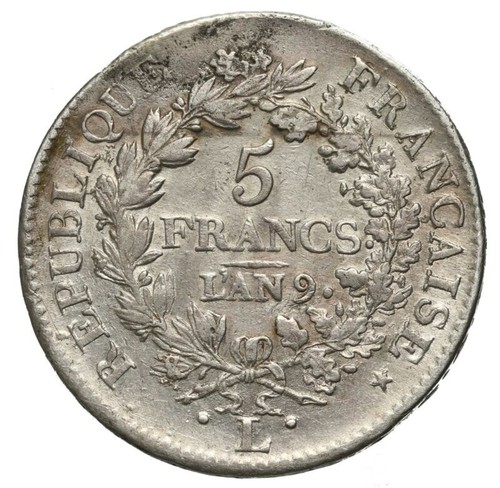
5 Francs (First Republic)
L'an 9 (1800–1801)
Trinidad and Tobago Dollar
2015
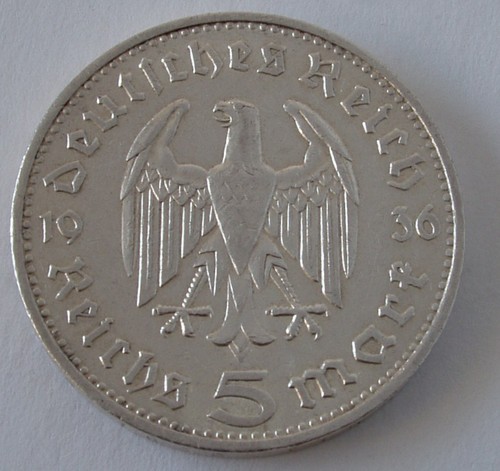
German 5 Reichsmark (Hindenburg)
1935–1936 (Hindenburg type with swastika)
5 Francs Semeuse
1960–1969
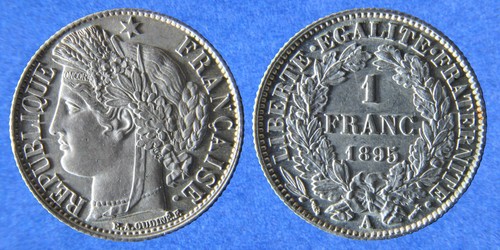
French Cérès 1 Franc
1849–1895
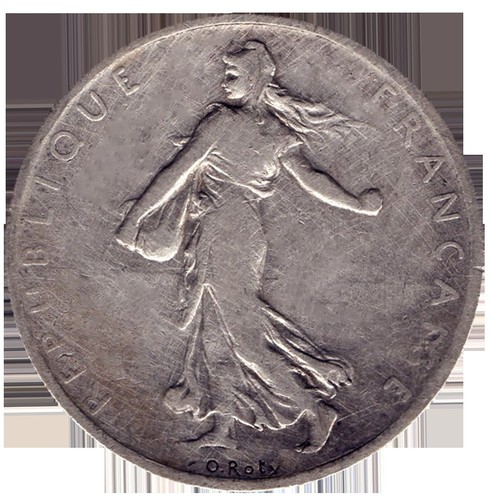
French Semeuse 2 Francs
1898–1920 (silver issues; pictured example dated 1899)
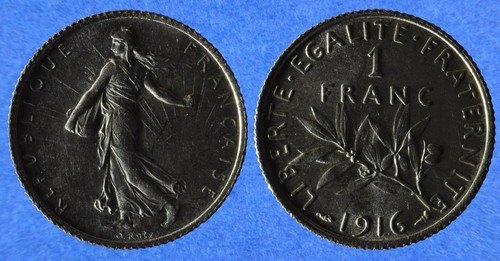
French Semeuse 1 Franc
1898–1920 (silver Semeuse 1 franc type)
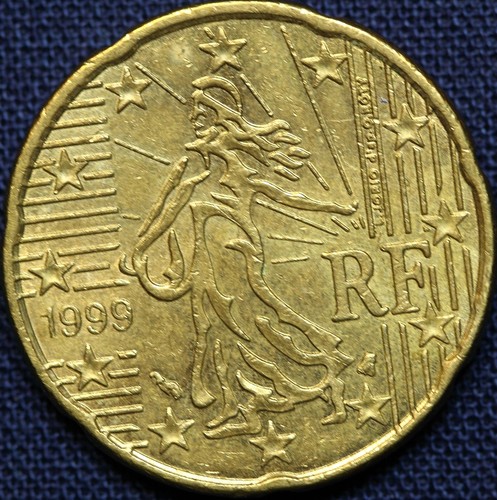
France 50 Cent Euro
1999–present
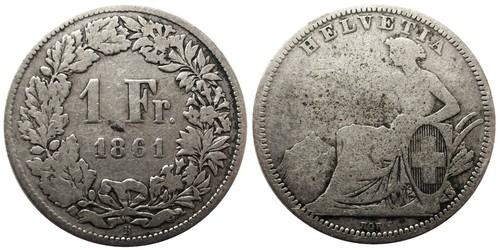
Swiss 1 Franc
1861
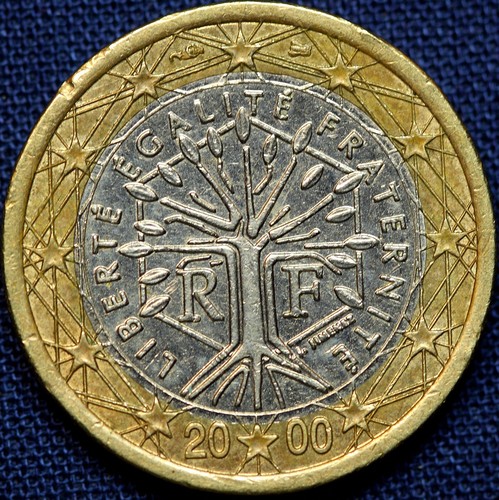
France 20 Centimes
1962–2001 (Fifth Republic, Marianne / Lagriffoul type)
Swiss 2 Francs
1860
Austria-Hungary 15 Kreuzer
1807