
How to Identify the Barbados 1 Cent
A collector's guide to recognizing the modern Barbados one cent by its coat-of-arms obverse, value reverse, size, metal and magnetic response.
Read the full Barbados 1 Cent encyclopedia entry →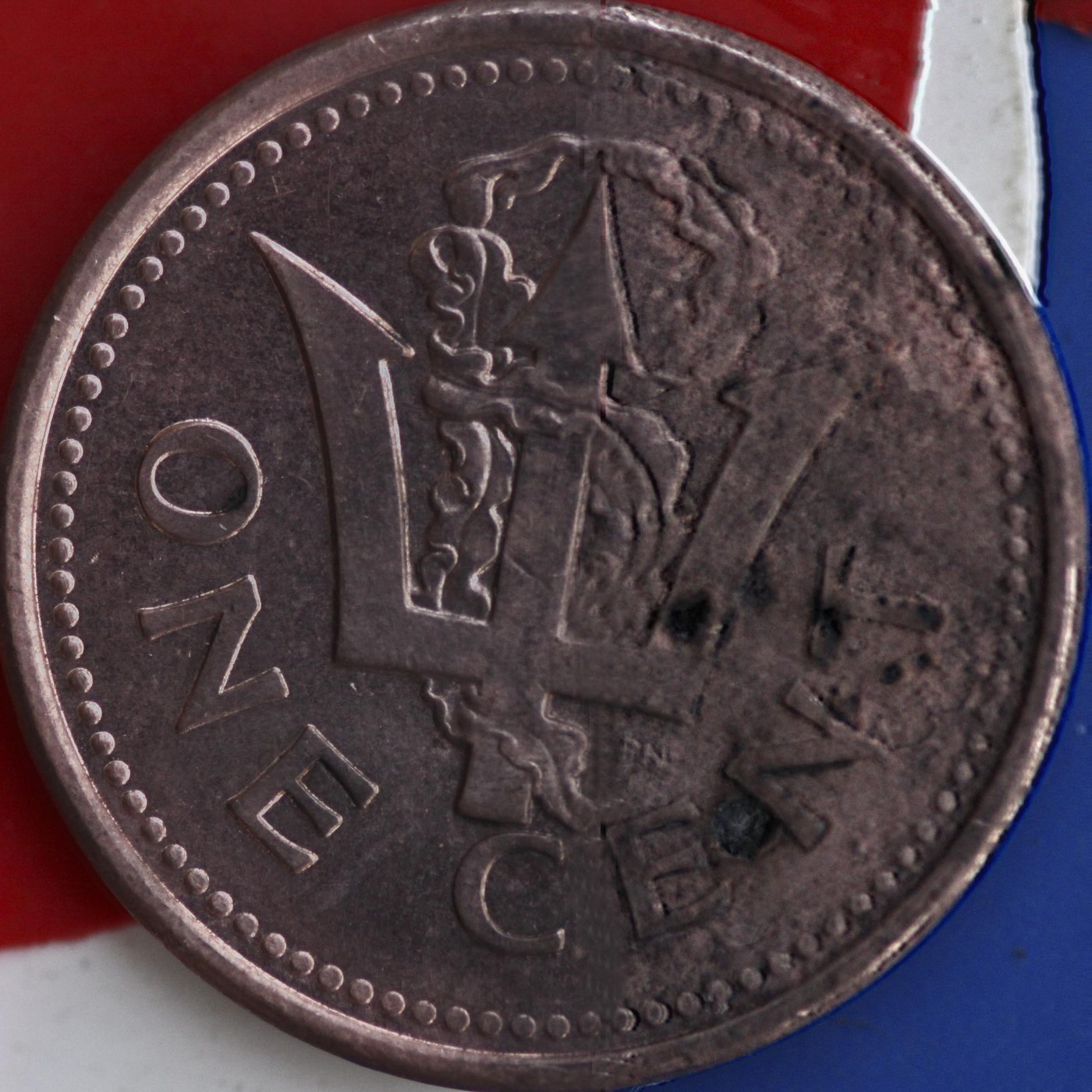
Begin with the obverse device. The Barbados 1 cent shows the national coat of arms: a central shield with supporters on either side, crowned by a crest featuring an arm grasping crossed sugar canes, above the country's motto. The name BARBADOS appears with the arms. This heraldic obverse, not the reverse, is the surest confirmation of origin.
Turn to the reverse to confirm the denomination. It carries the value marking the coin as one cent, typically alongside the year of issue. Read the date here—it is what separates common years from any scarcer or set-only strikes and lets you place the coin within the series.
Use metal and a magnet as a cross-check. The cent is small and copper-colored, but color alone does not fix the era: earlier bronze pieces are non-magnetic, while later copper-plated steel cents are attracted to a magnet. A quick magnet test tells you which composition you hold even though the two share the same design.
Watch for look-alikes from other issuers. Several Caribbean and world countries mint coppery one-cent coins with heraldic or emblematic obverses of similar size. Always read the legend and match the specific coat of arms of Barbados rather than trusting diameter and color, which overlap with many small cents.
For authentication, ordinary circulated cents are low-value and rarely faked, so heavy skepticism is seldom needed. Instead focus on correct legends, a matching coat of arms, appropriate weight and the right magnetic behavior for the date. For higher-grade or set pieces, compare against trusted reference images of the exact year before paying any premium.
Frequently asked questions
How can I tell a Barbados cent from another Caribbean one-cent coin?
Read the legend and the coat of arms. The Barbados cent names the country and shows the Barbadian arms with crossed sugar canes and the national motto; other issuers use different emblems and inscriptions.
Why is my Barbados cent magnetic?
Later cents were struck in copper-plated steel, which is attracted to a magnet, while earlier bronze cents are not. Both look copper-colored; the magnet test identifies the composition.
Which side shows the denomination?
The reverse carries the value and usually the date, identifying the coin as one cent. The obverse carries the coat of arms, which confirms it is from Barbados.