
Coin Encyclopedia
Search and identify coins from around the world — with country, denomination, metal, mint, history, and how to tell them apart.
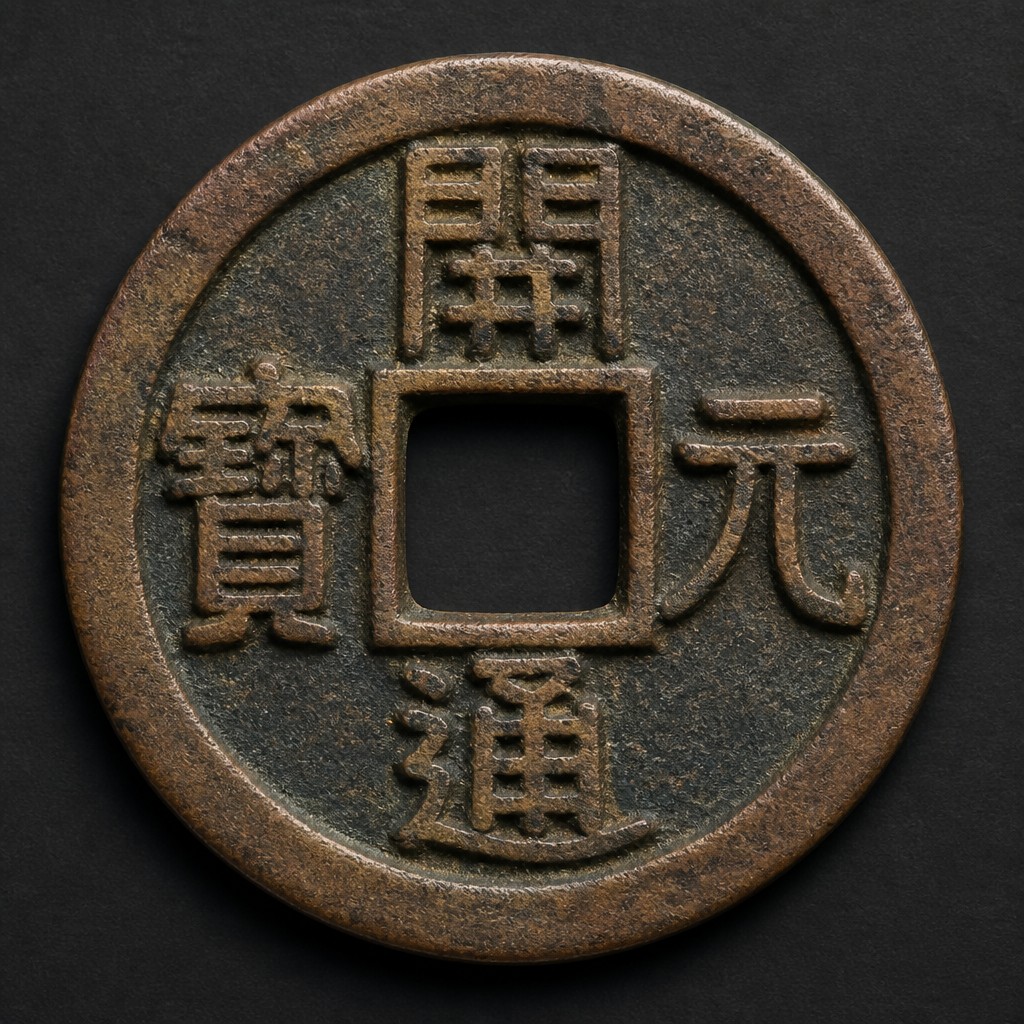
Kai Yuan Tong Bao Cash
A landmark Tang dynasty cash coin whose four-character reign-title inscription became the standard template for Chinese, and much of East Asian, coinage for the next 1,300 years.
Ancient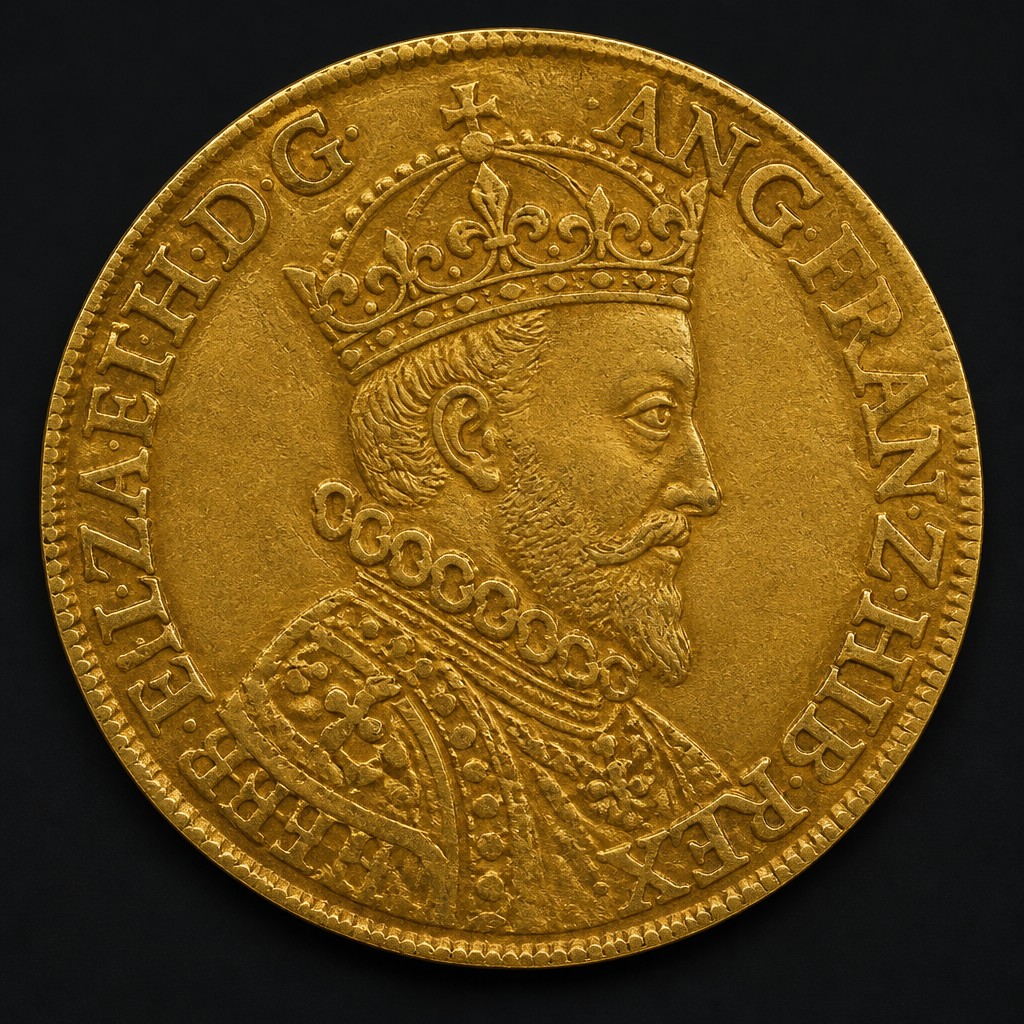
Touchstone Sovereign (Fine Sovereign)
A large, high-value English gold coin struck in especially pure 'fine gold,' valued at thirty shillings and distinguished from the more common crown-gold Sovereign of the same era.
British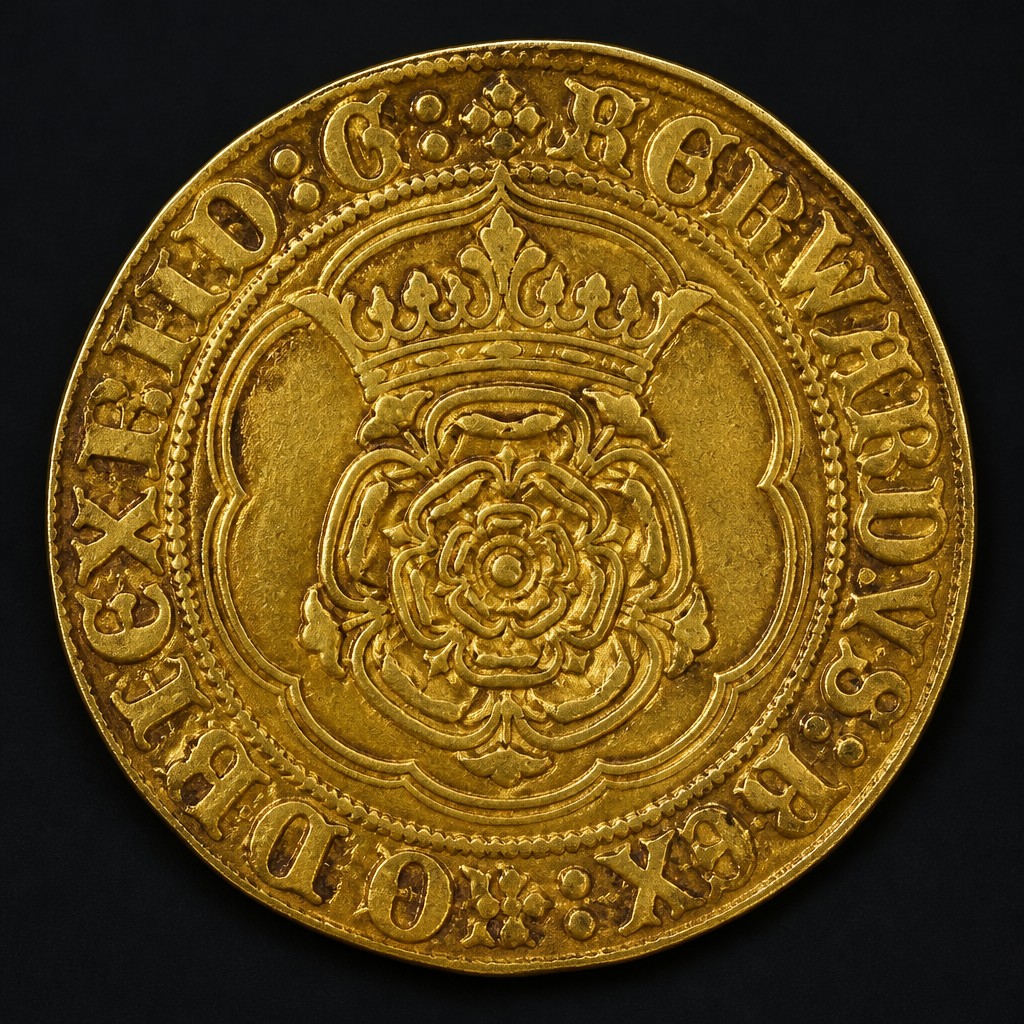
Rose Noble (Ryal)
A large English gold coin first struck under Edward IV in 1465, showing the king standing in a ship, and later revived in the Tudor era as a heavier, higher-value gold piece.
British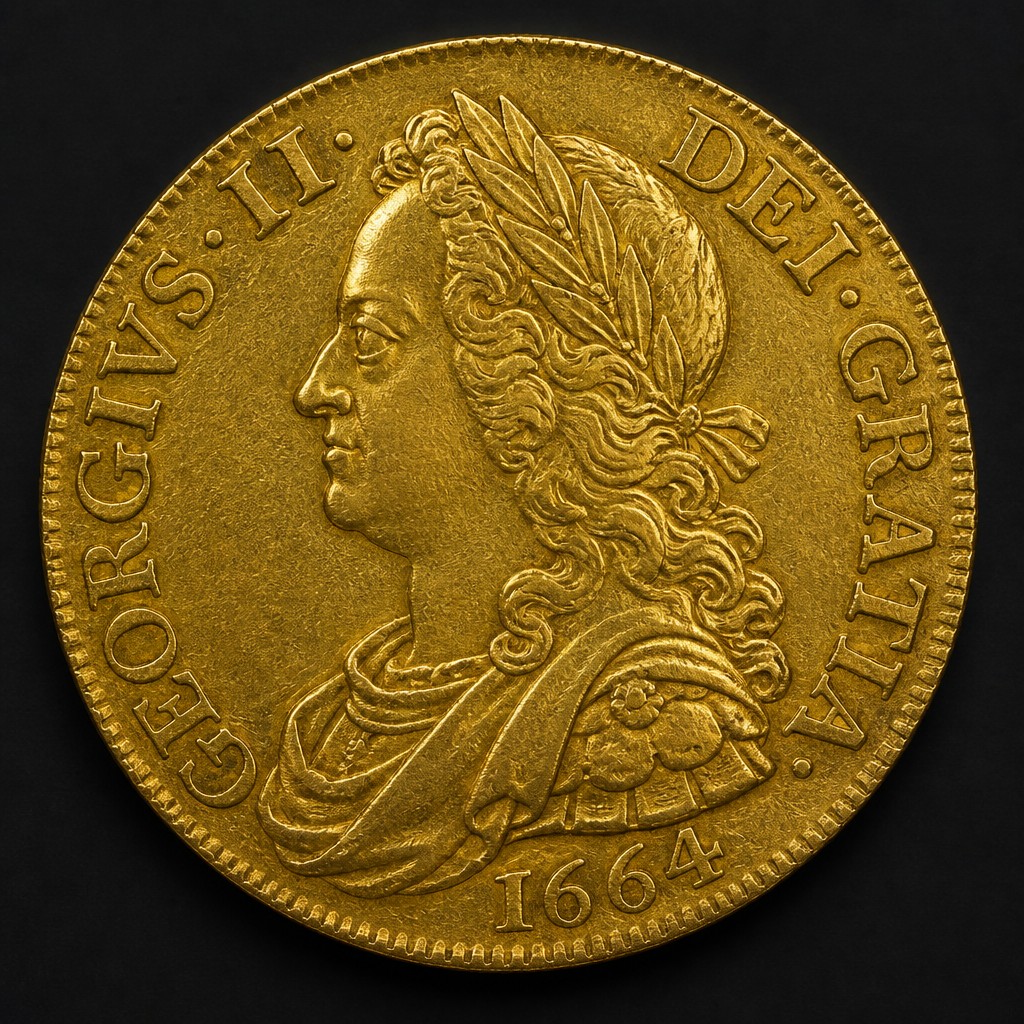
Two Guinea (Double Guinea)
A substantial gold coin worth two guineas, struck intermittently from the reign of Charles II through George II as part of England and Great Britain's early guinea coinage system.
British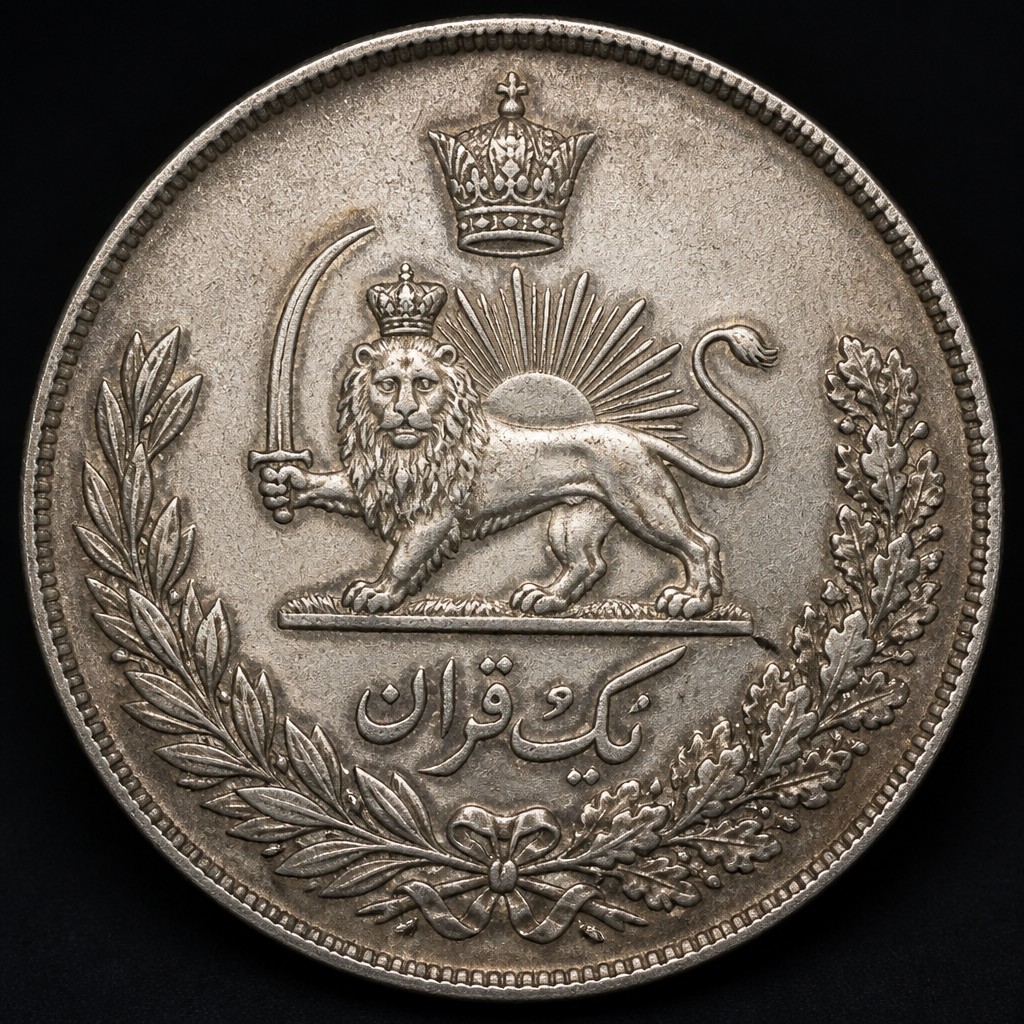
Persian Kran (Qajar silver)
The standard silver coin of Qajar Persia, worth one-tenth of a gold toman, widely struck under Naser al-Din Shah and later rulers and commonly seen with the lion-and-sun emblem.
Asian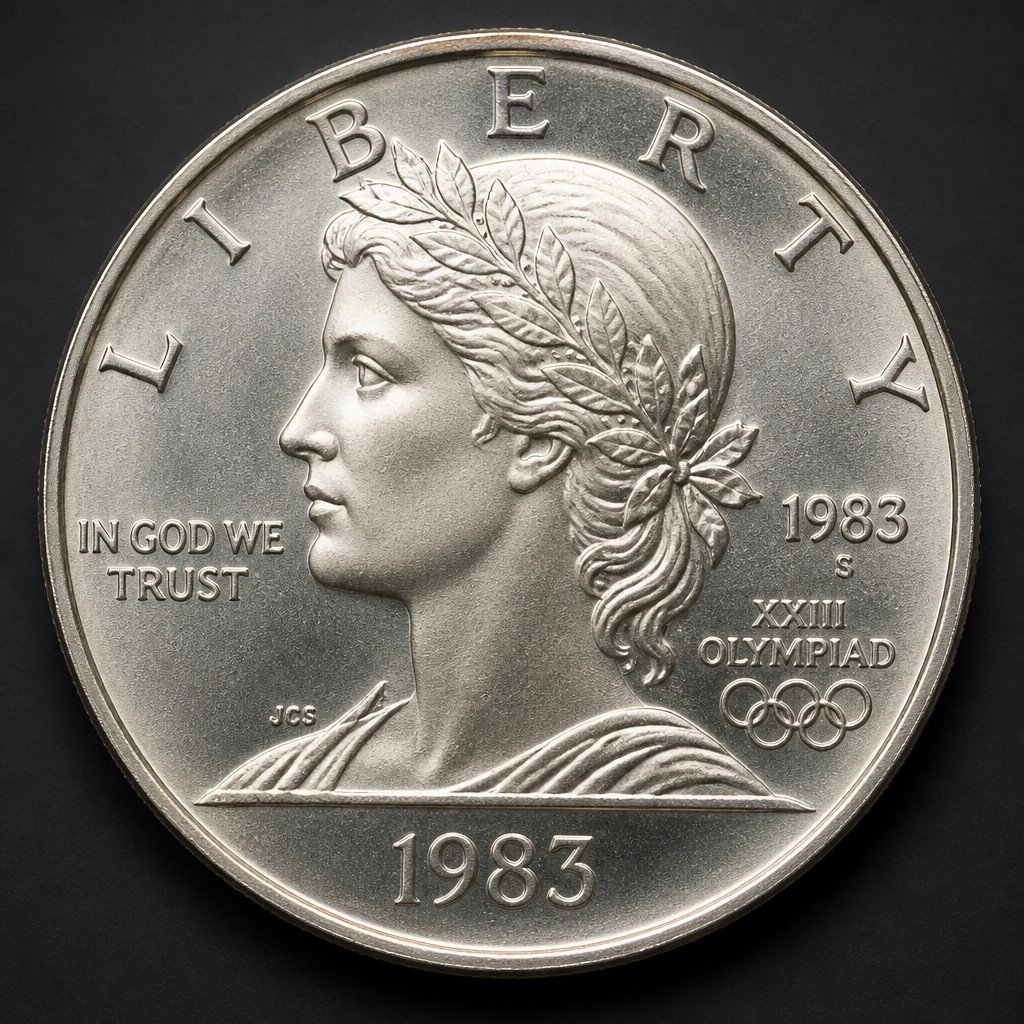
US Olympic Commemorative Dollar (1983)
The first coin in a two-year US commemorative program supporting the 1984 Los Angeles Olympics, the 1983 silver dollar features a discus-thrower design and marked a revival of American commemorative coinage.
Commemorative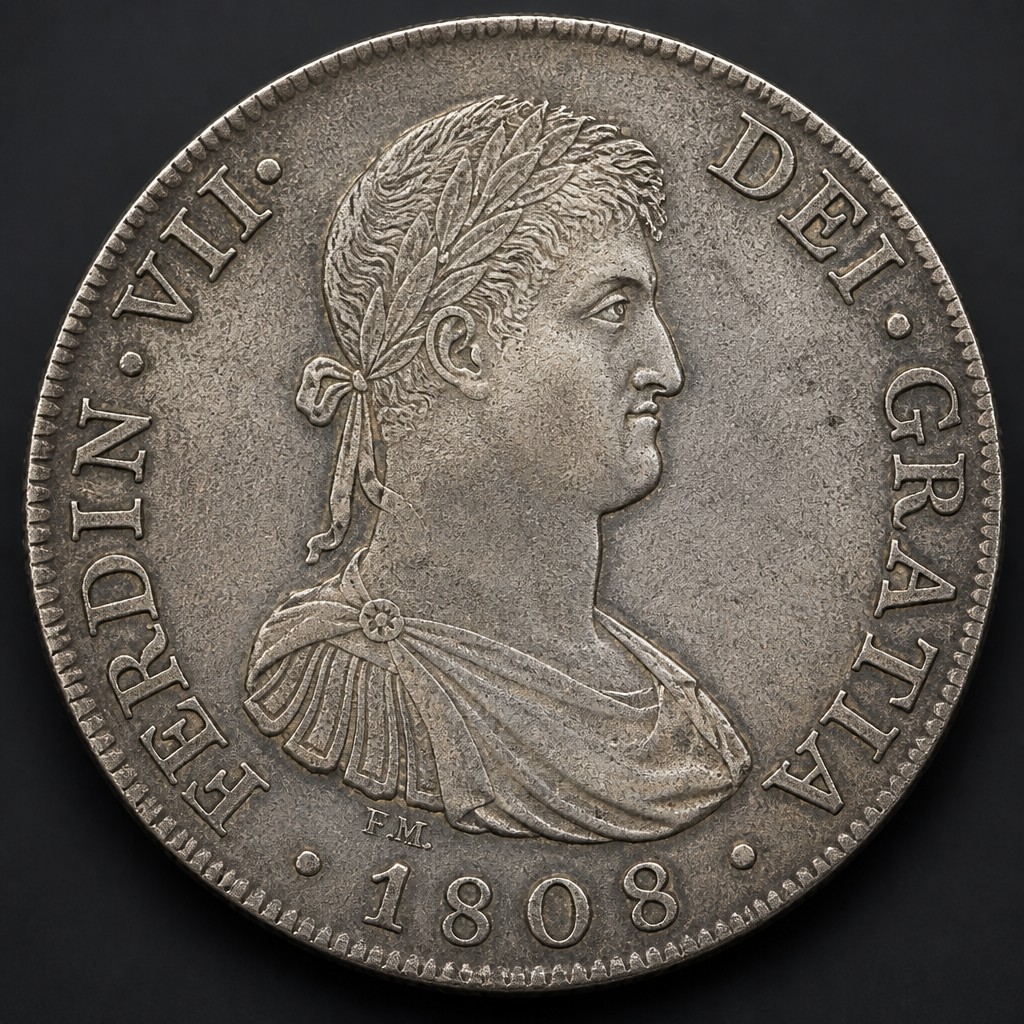
Spanish Colonial 8 Reales Ferdinand VII
A large silver 8 reales coin struck across Spain's American colonies bearing the portrait of King Ferdinand VII, widely circulated internationally and historically linked to the origin of the US dollar sign.
World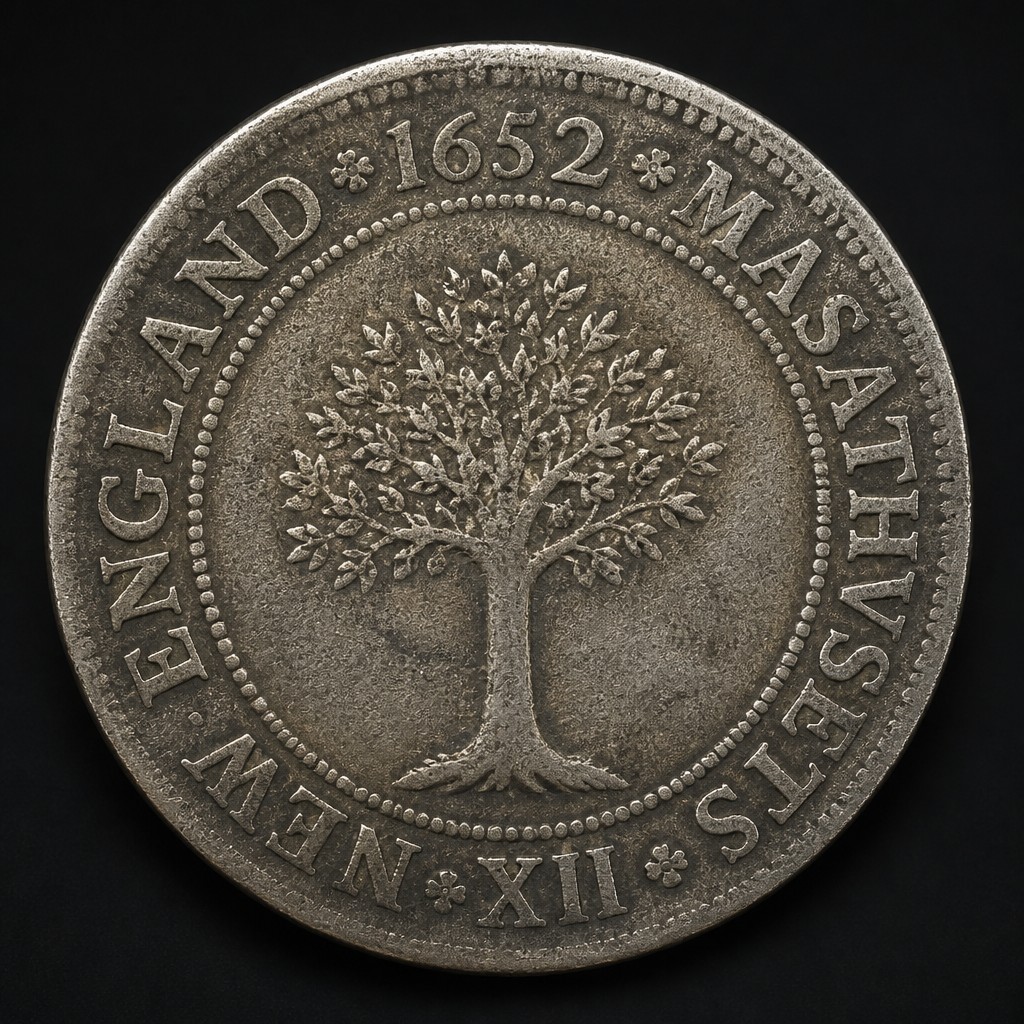
Massachusetts Oak Tree Shilling
The second design in Massachusetts Bay's colonial tree-coin series, showing an oak tree, more available than the earlier Willow Tree type but still a scarce early American colonial rarity.
United States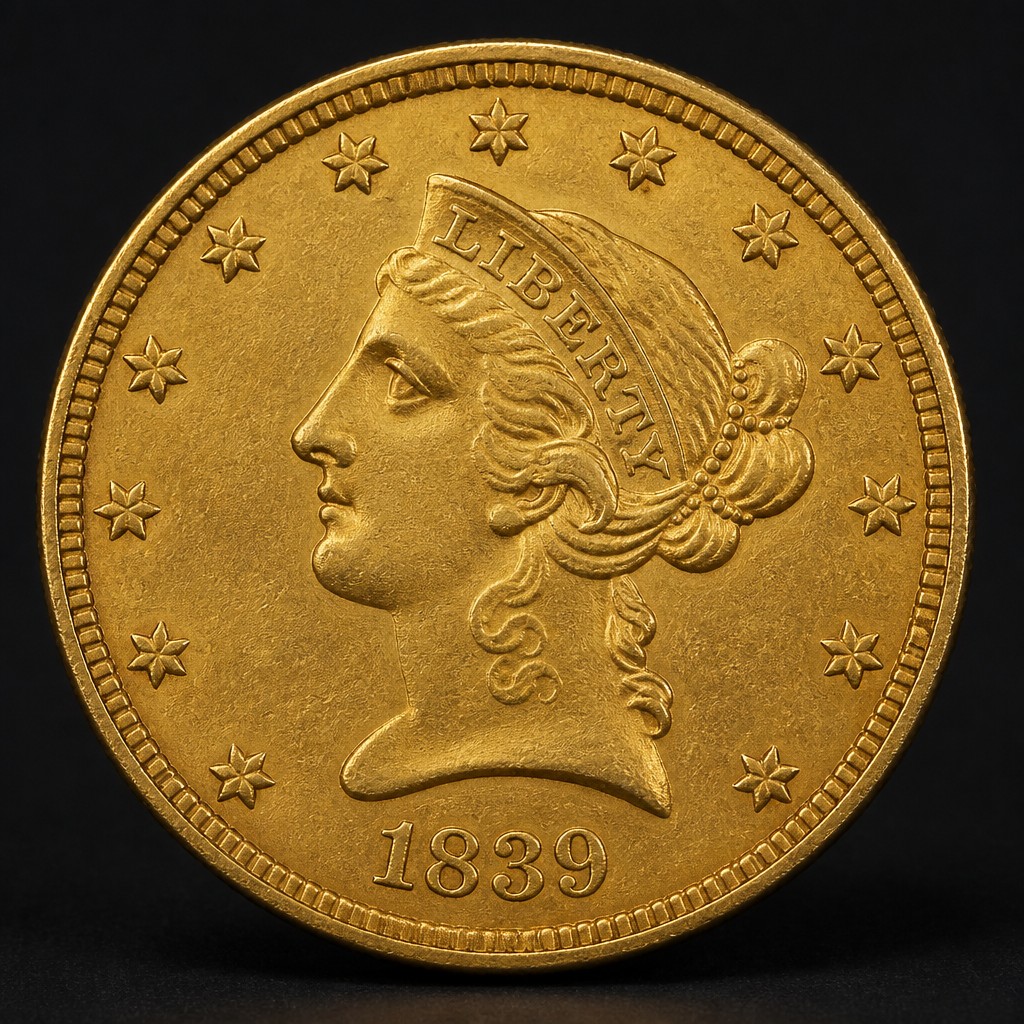
Liberty Head Half Eagle ($5)
A widely produced 19th-century gold five-dollar coin bearing Christian Gobrecht's Coronet Head design, struck across nearly every major American branch mint of the era.
United States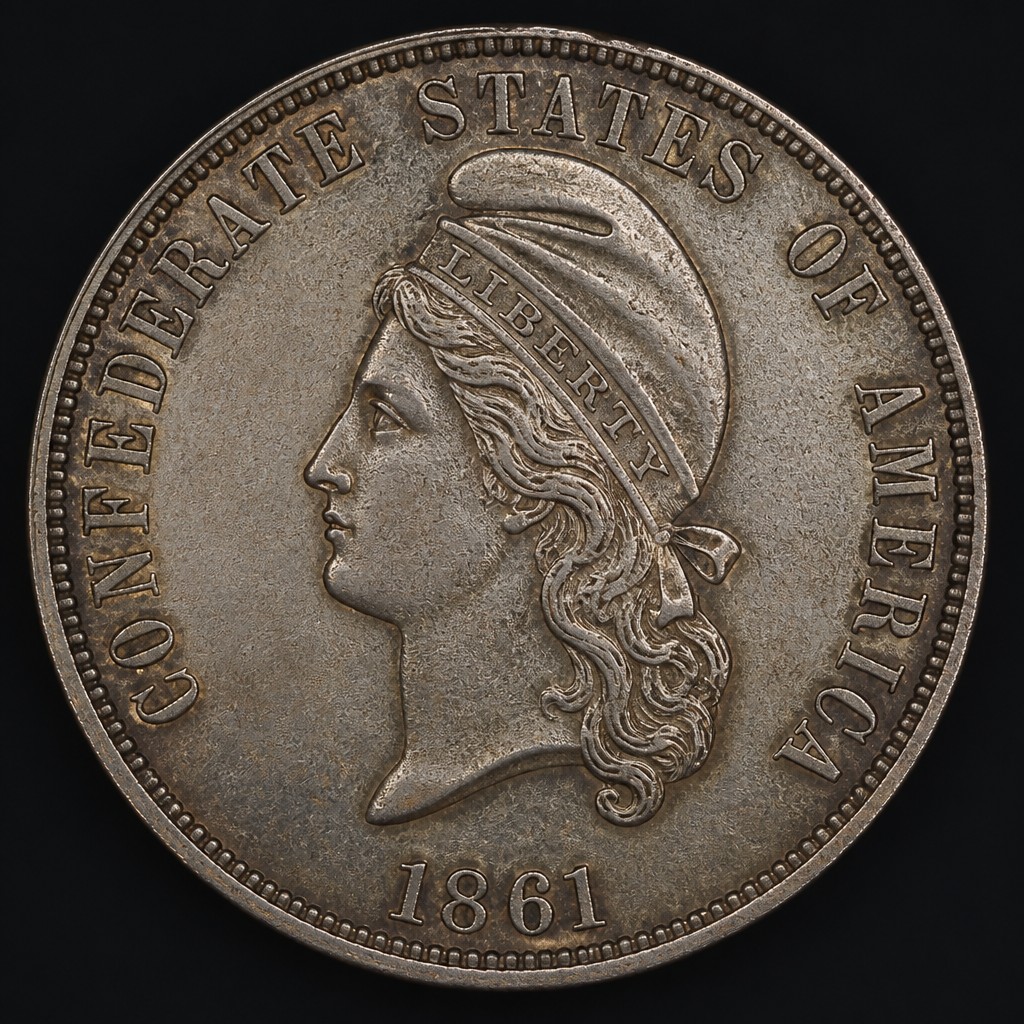
1861 Confederate Half Dollar
An extraordinarily rare Civil War-era coin struck briefly at the Confederate-controlled New Orleans mint, using a genuine CSA reverse die paired with an existing US half dollar obverse.
United States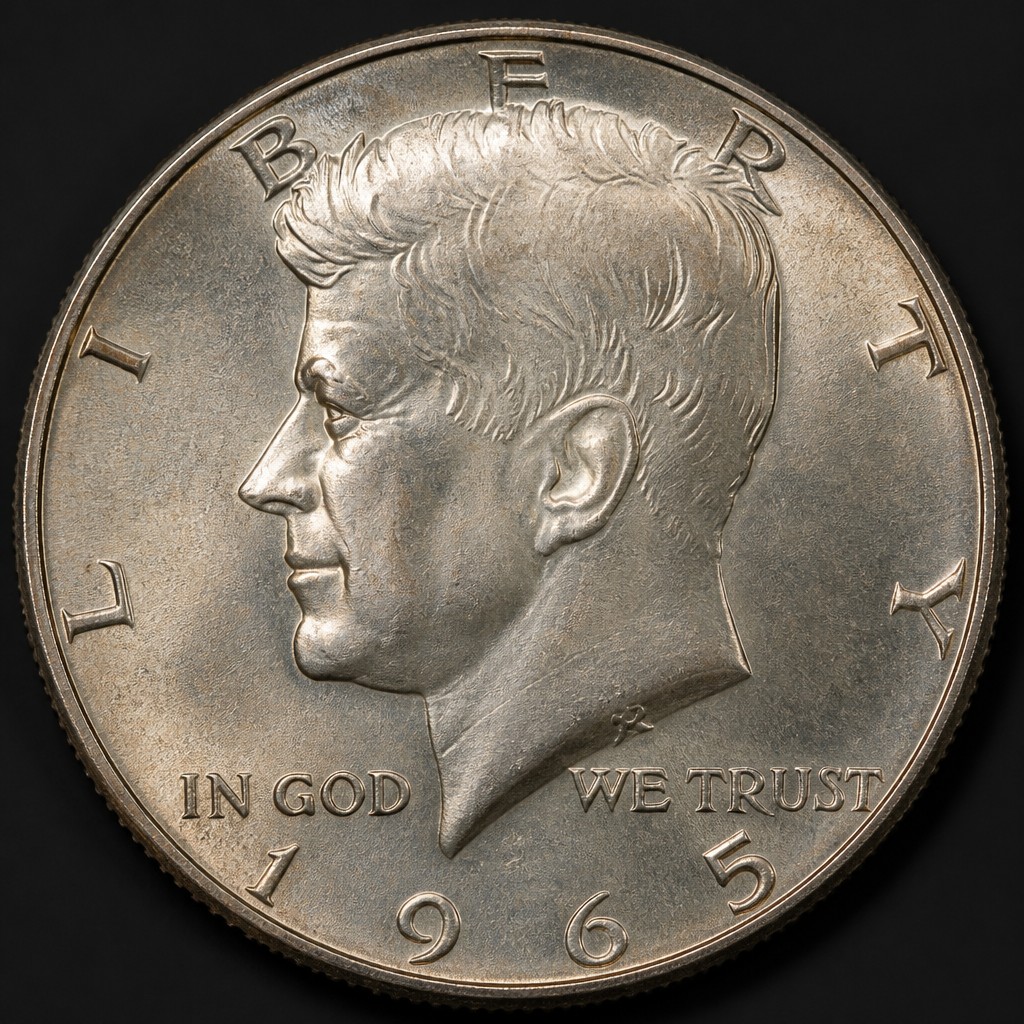
1965-1970 Kennedy Half Dollar (40% Silver)
Kennedy half dollars struck with a reduced 40% silver clad composition after the Coinage Act of 1965, bridging the gap between full silver coinage and today's copper-nickel clad coins.
United States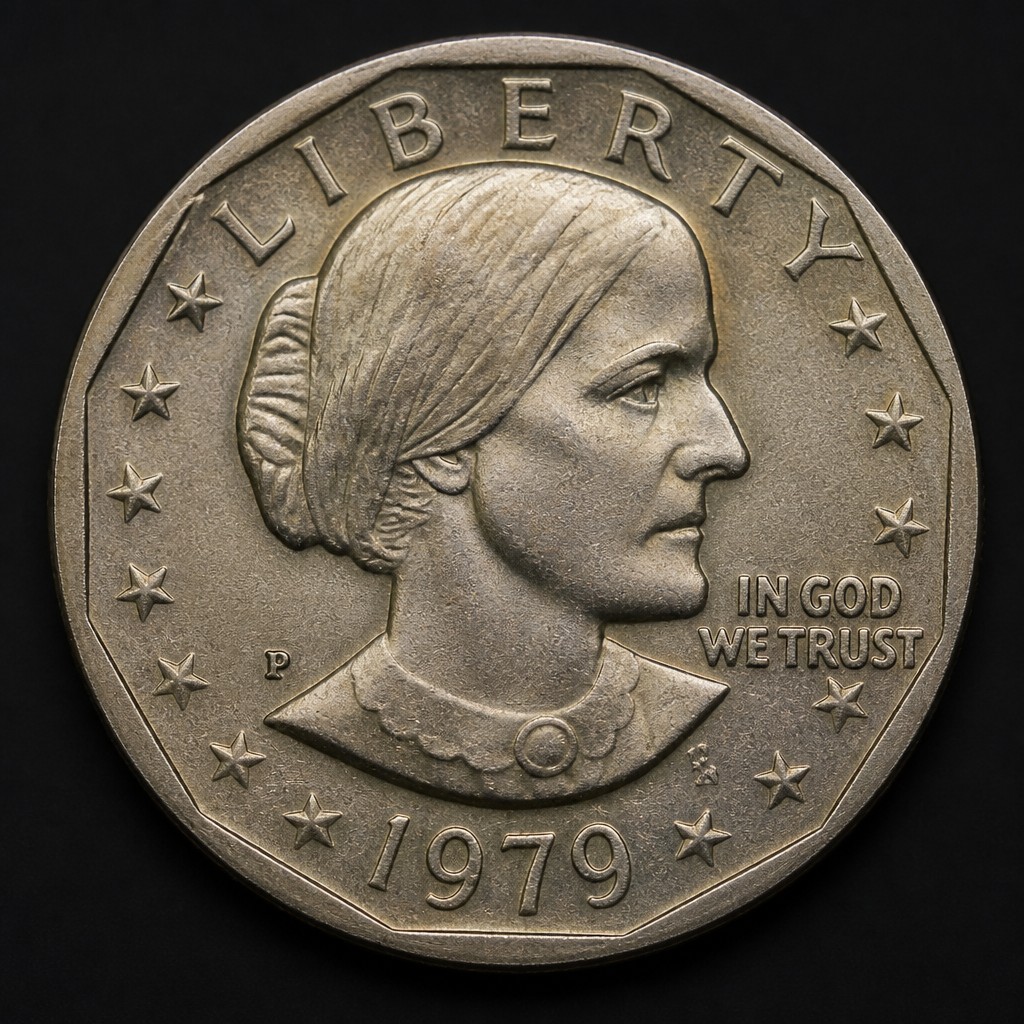
1979 Susan B. Anthony Dollar
The first year of the Susan B. Anthony dollar, the first U.S. circulating coin to depict a real, named woman, notable for the scarce 1979-P wide-rim (Near Date) variety.
United States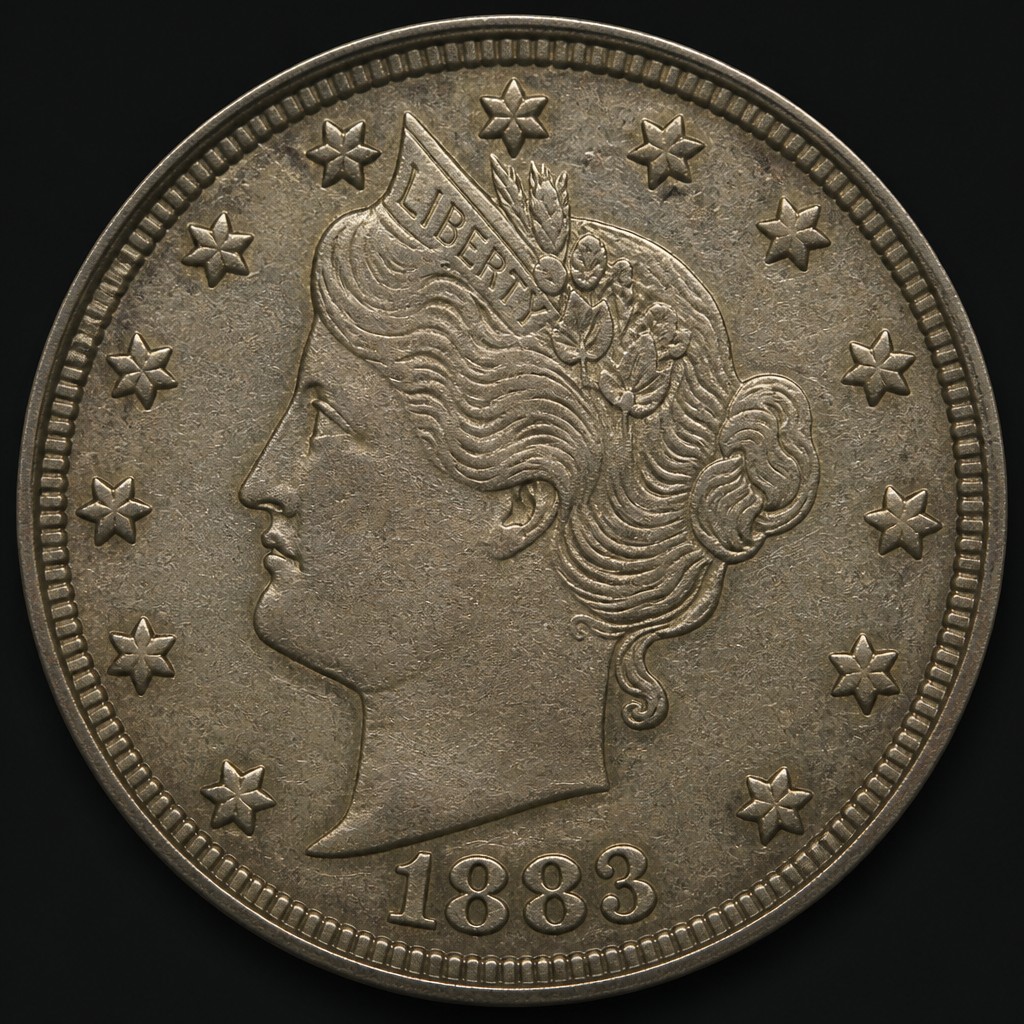
1883 No Cents Liberty Head Nickel
The first-year Liberty Head Nickel design that omitted the word CENTS from the reverse, later infamous as the 'Racketeer Nickel' after being gold-plated and passed off as a five-dollar coin.
United States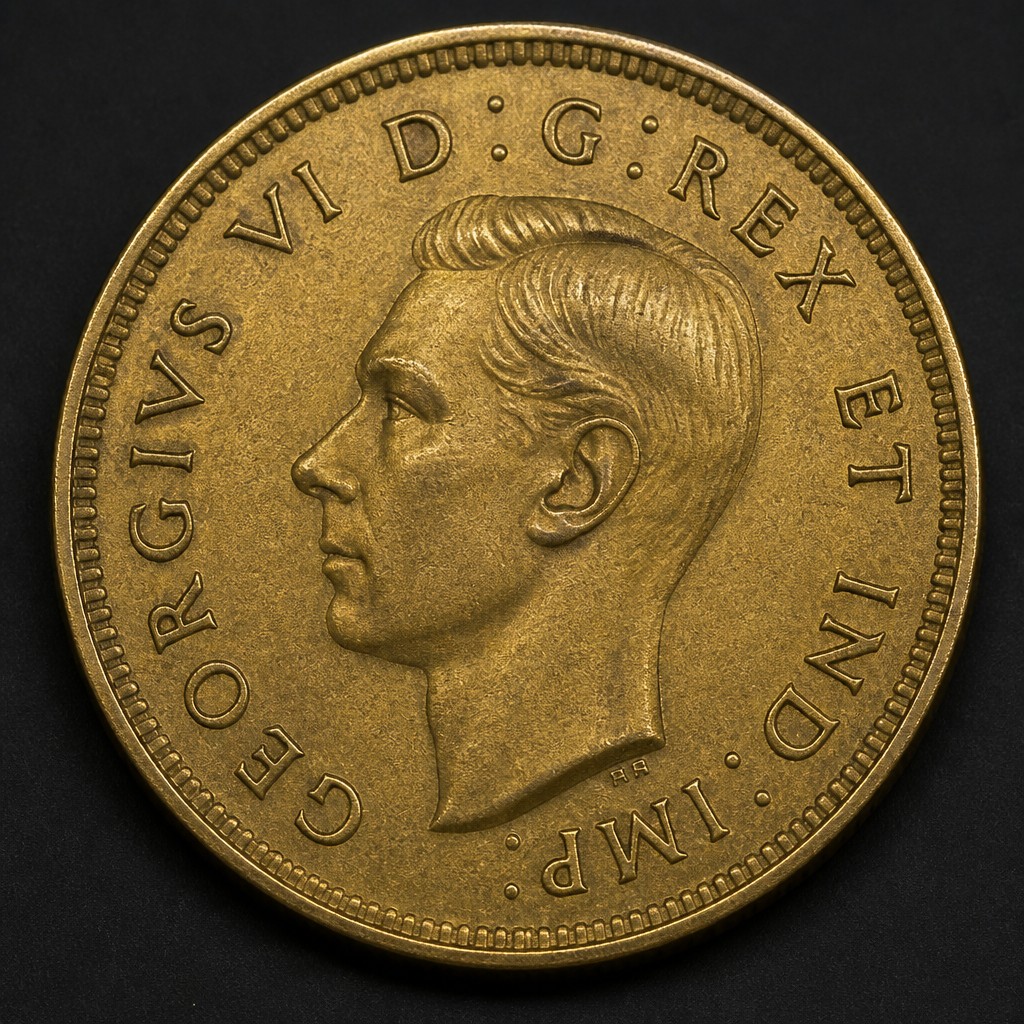
1943 'V' Victory Nickel (tombac)
A wartime Canadian five-cent coin struck in golden tombac with a bold V for Victory and a Morse code message around its edge, issued when nickel metal was diverted to the war effort.
Canadian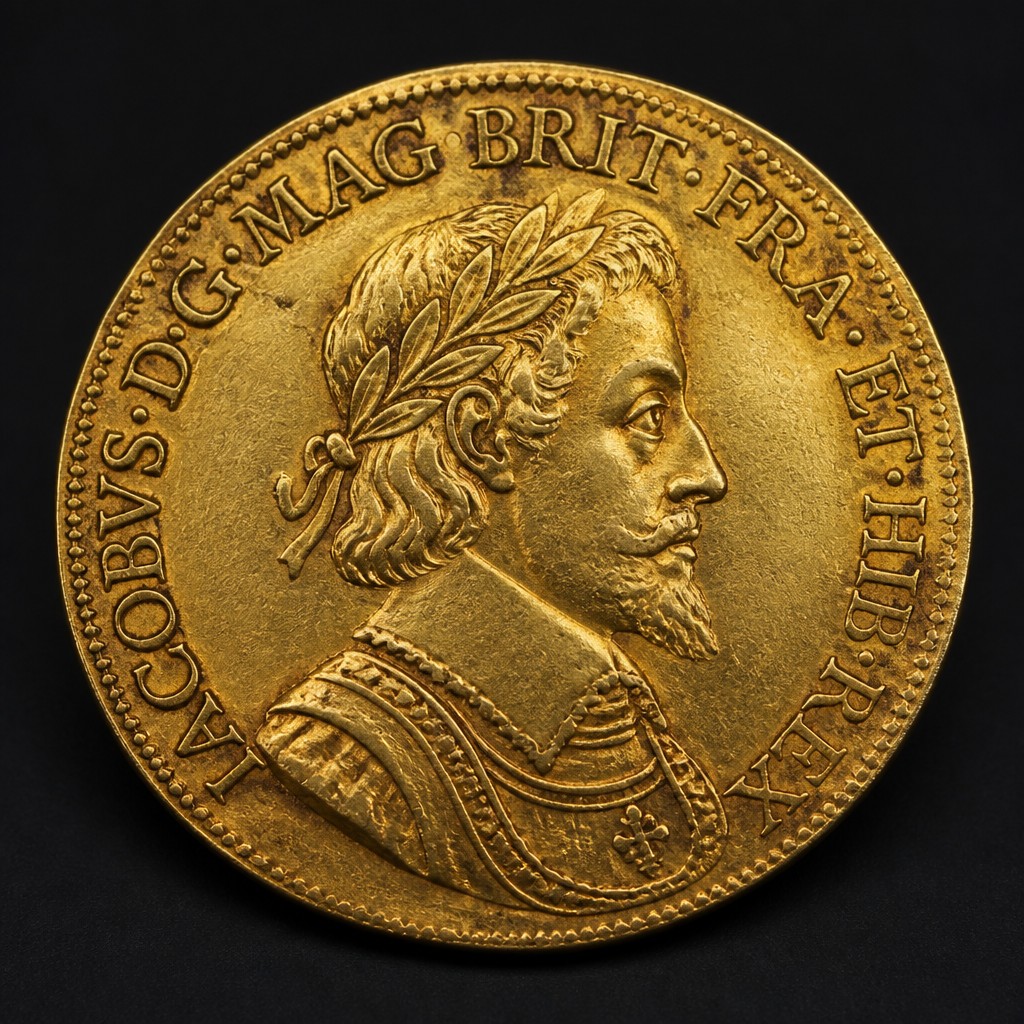
Laurel
A gold twenty-shilling coin issued from 1619, named for its laureate royal portrait styled after Roman emperors, replacing the earlier Unite as James I's principal gold denomination.
British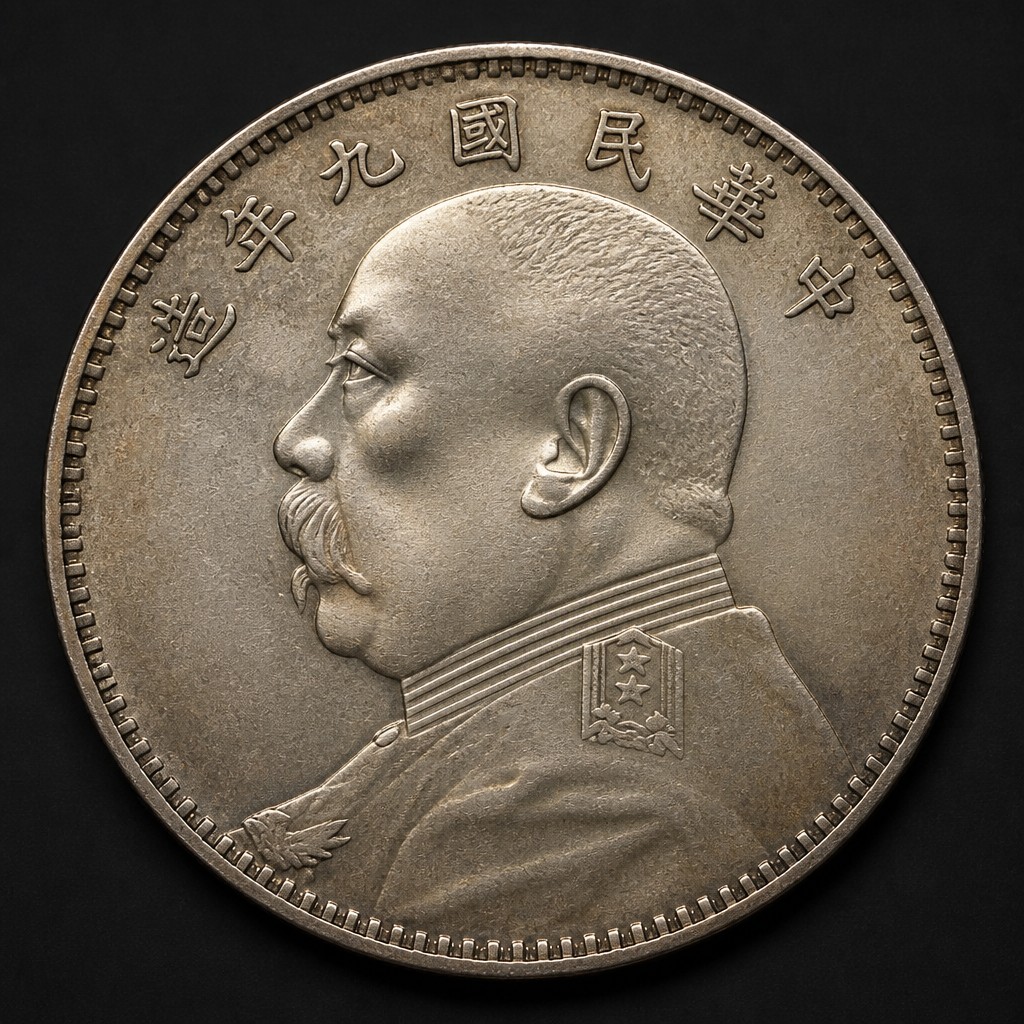
Yuan Shih-kai Dollar ("Fat Man Dollar")
A widely circulated Republic of China silver dollar bearing the portrait of President Yuan Shikai, nicknamed the "Fat Man Dollar" for his rounded features and became China's standard silver coin for years.
Asian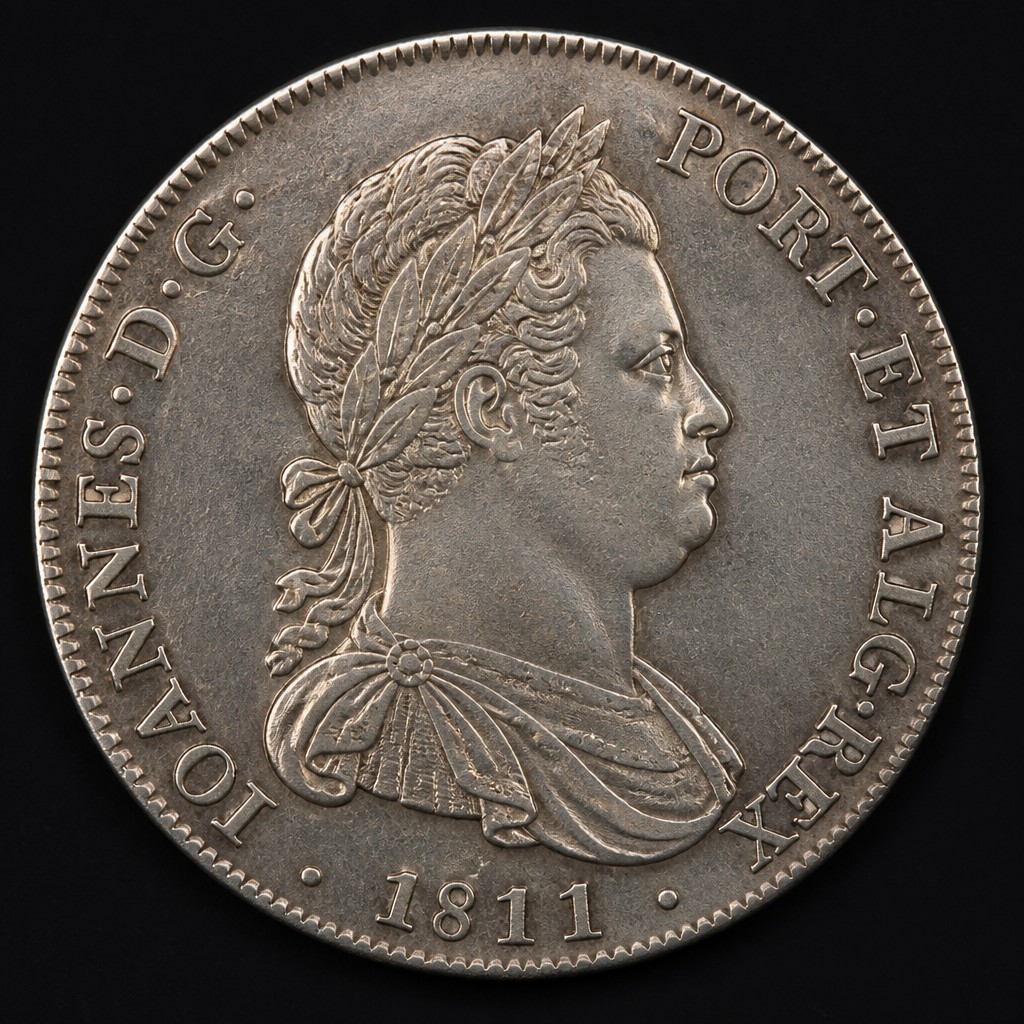
Brazilian 960 Reis Silver
A silver crown-sized coin struck in Brazil under Prince Regent João and later Pedro I, famous for often being overstruck directly on circulating Spanish colonial 8-reales pieces.
Latin American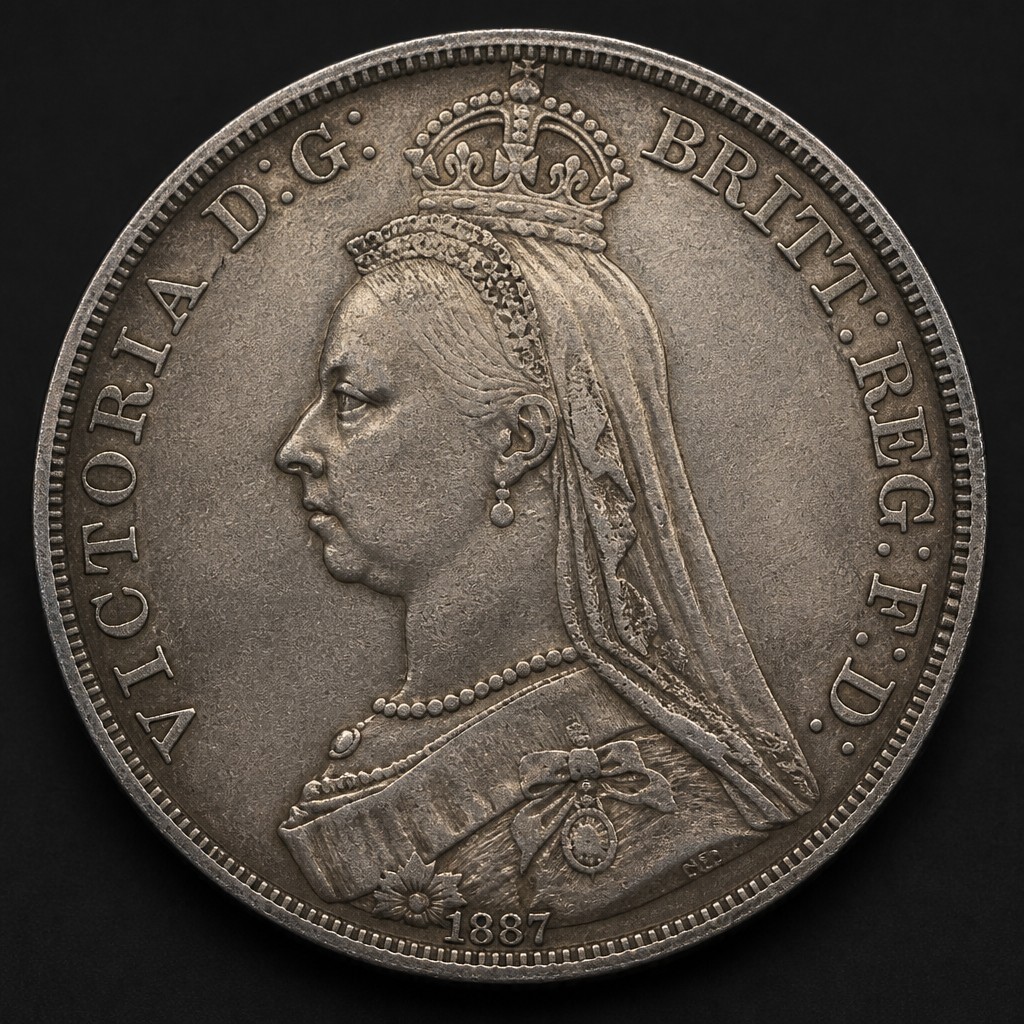
Double Florin
A large Victorian silver coin worth four shillings, struck for only four years; its close resemblance in size to the crown and half-crown caused everyday confusion and gave it a lasting nickname.
British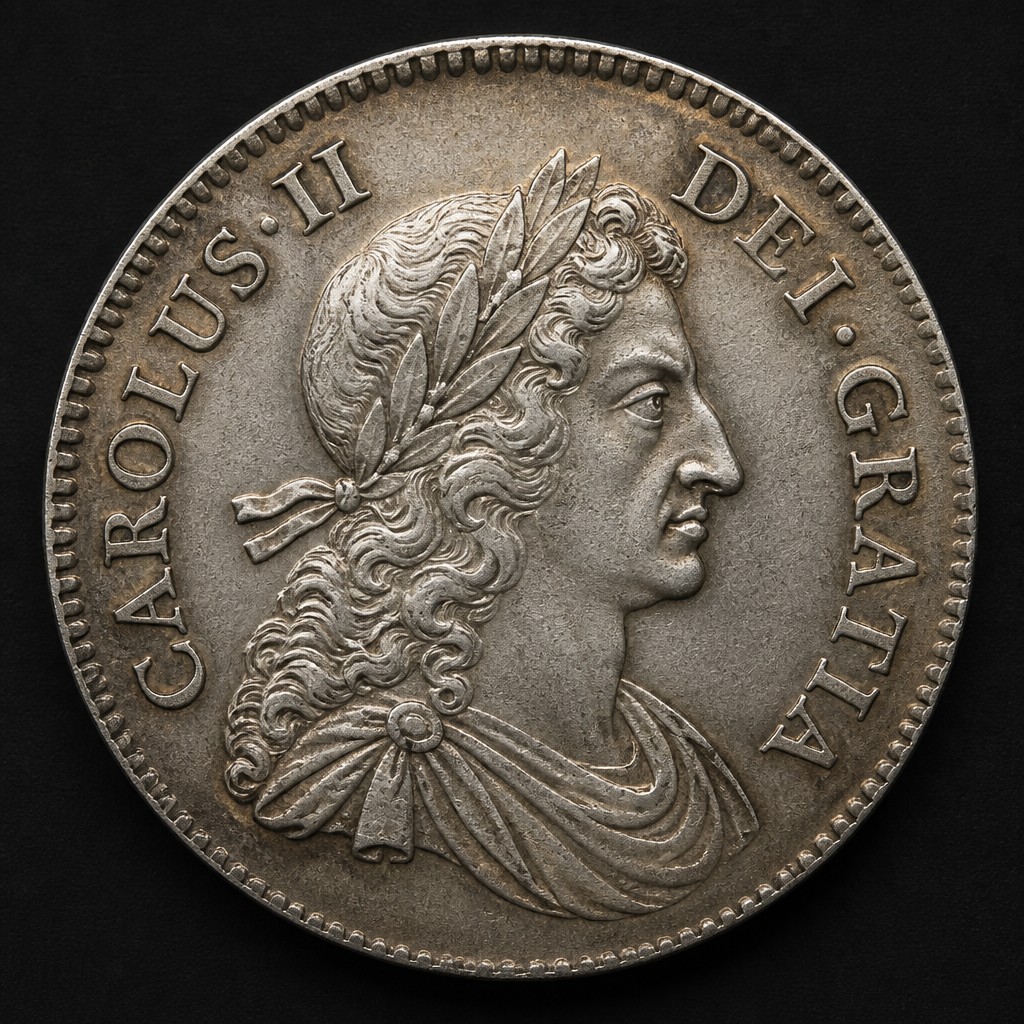
Maundy Penny
The smallest coin of the four-piece Royal Maundy set, a tiny silver penny given by the British monarch in an ancient Holy Thursday alms ceremony, minted every year in very limited numbers.
British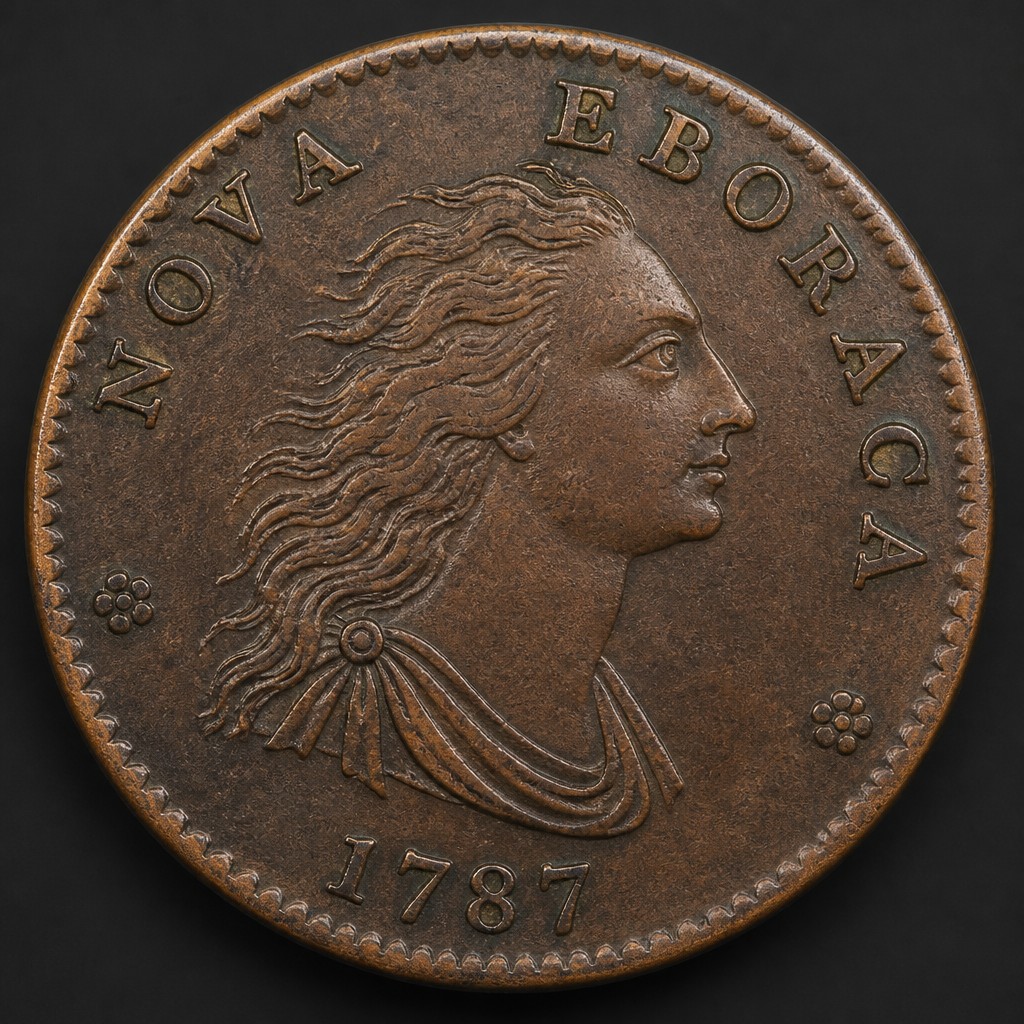
Nova Eborac Copper
A 1787-dated copper bearing the Latin name for New York, struck privately after the state failed to authorize its own copper coinage contract during the chaotic Confederation-era coin shortage.
United States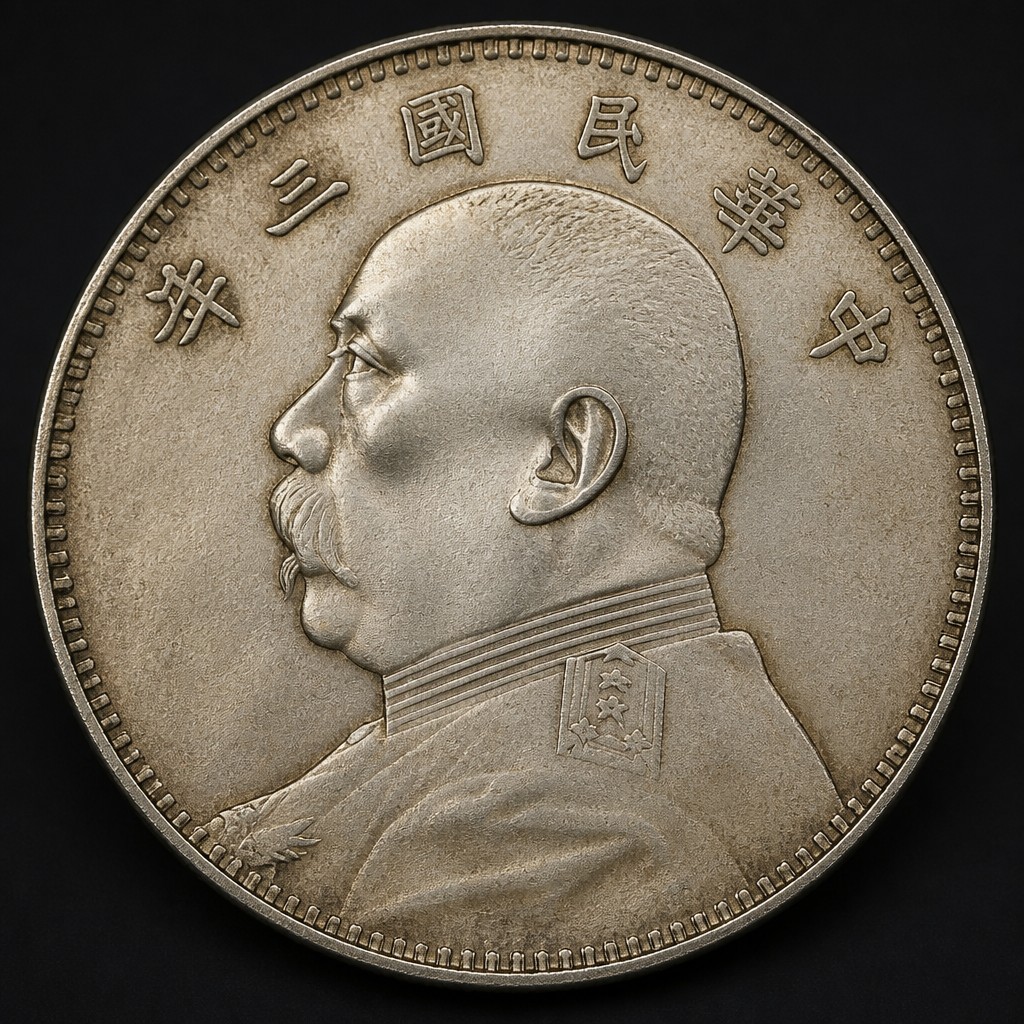
Yuan Shikai 'Fatman' Dollar (1914)
A widely produced Republic of China silver dollar bearing the portrait of President Yuan Shikai, nicknamed the fat man dollar for his portly likeness, one of the most common historic Chinese silver coins.
Asian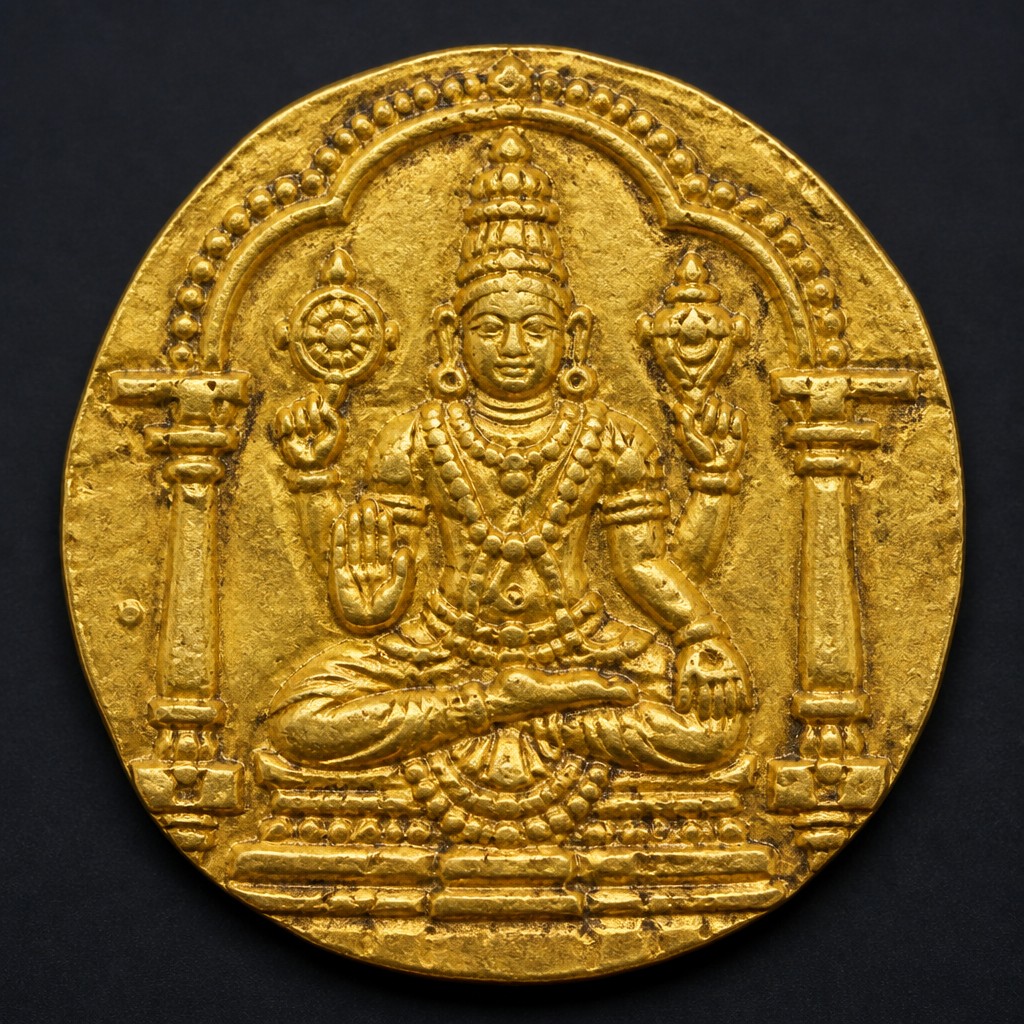
Vijayanagara Gold Pagoda
A small, thick gold coin of the South Indian Vijayanagara Empire, typically showing Hindu deities or a bull, whose type became so trusted it was widely imitated as the standard South Indian trade "pagoda."
Asian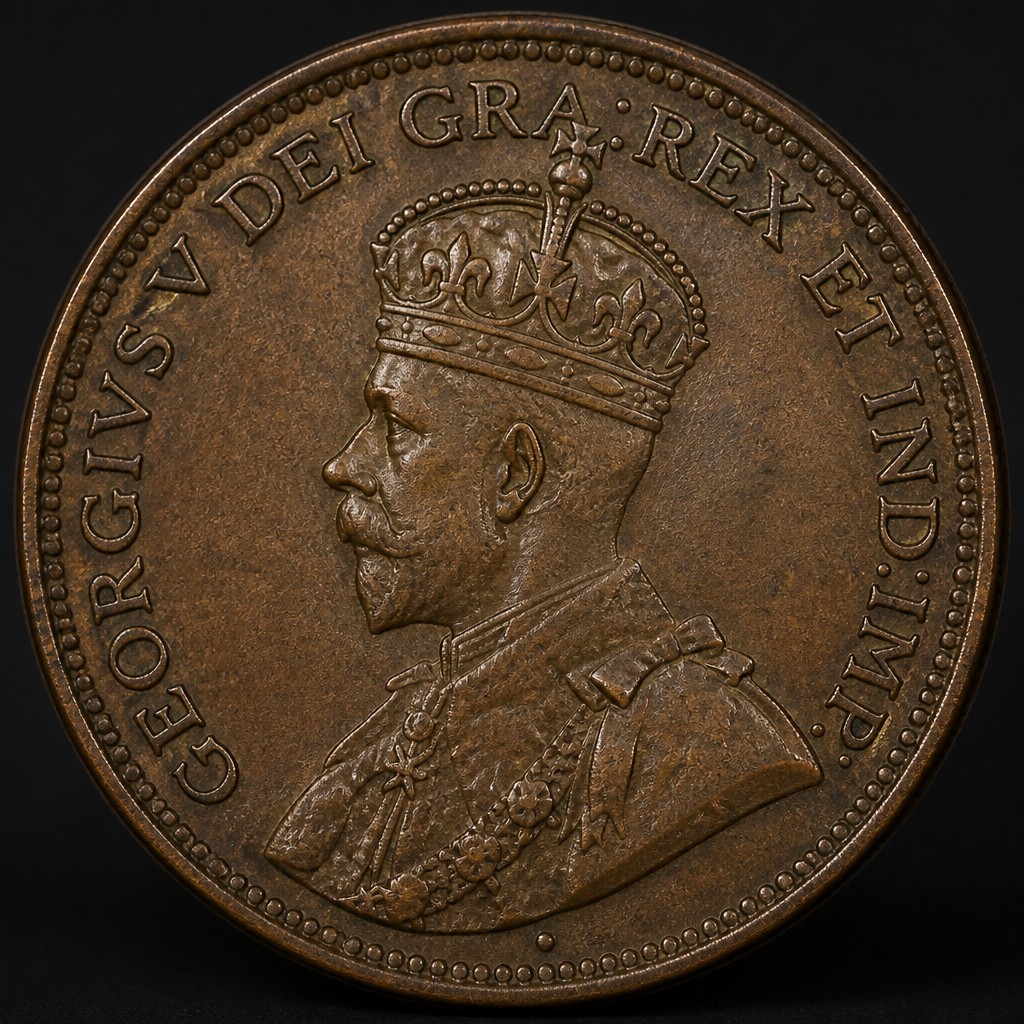
1936 Dot Cent
One of Canada's rarest coins: a 1936-dated cent quietly struck in 1937 with a tiny raised dot below the date after King Edward VIII's abdication delayed new George VI dies.
Canadian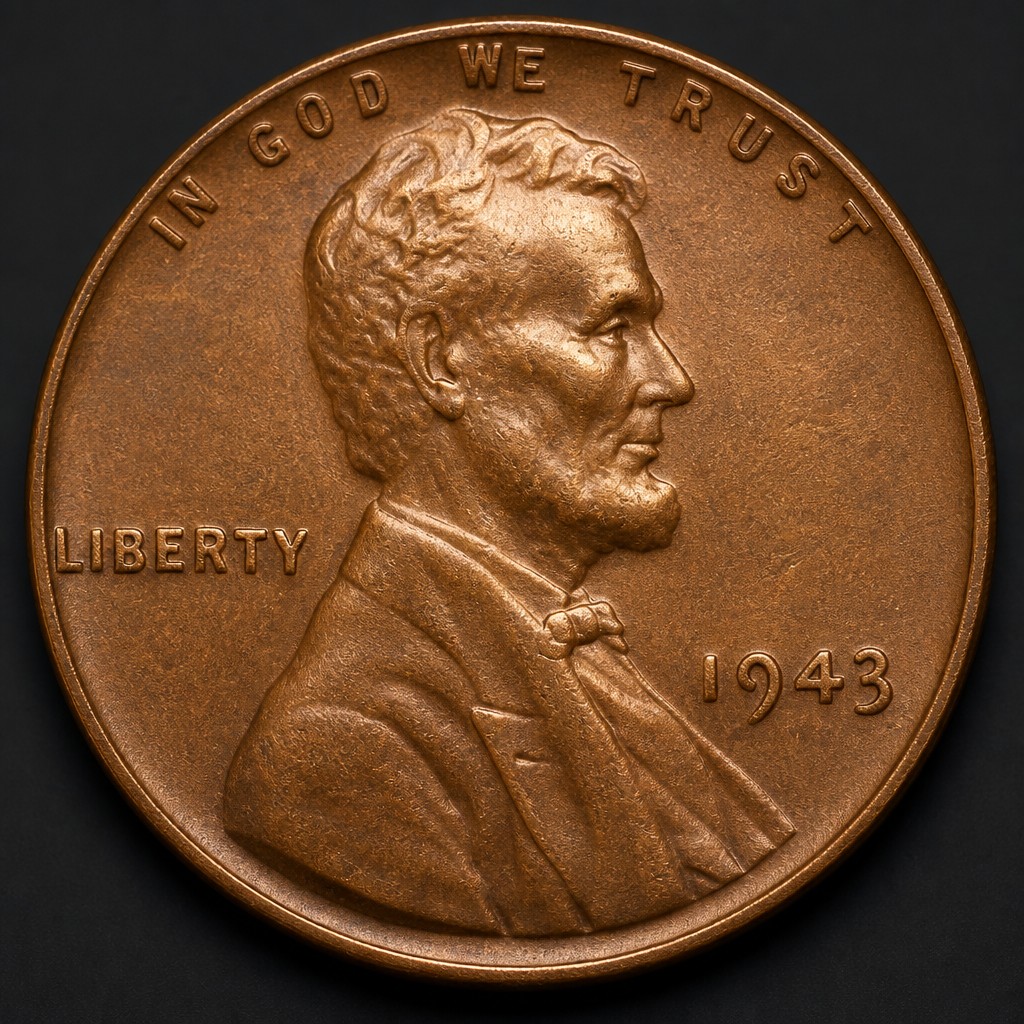
1943 Copper Lincoln Cent
An extremely rare mint error where a handful of 1943 cents were struck on leftover bronze planchets instead of the wartime steel used that year, making it one of the most famous US coin errors.
Errors & Varieties