
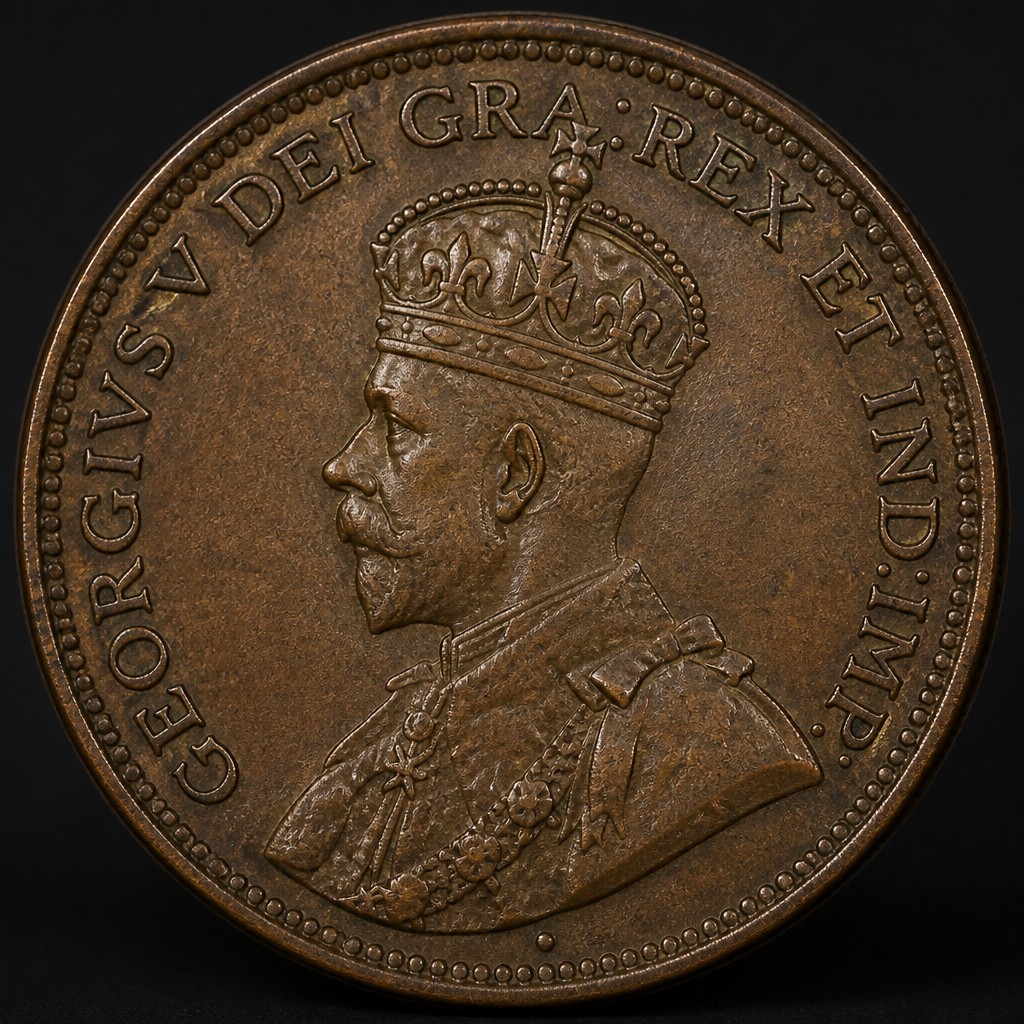
1936 Dot Cent
One of Canada's rarest coins: a 1936-dated cent quietly struck in 1937 with a tiny raised dot below the date after King Edward VIII's abdication delayed new George VI dies.
- Country
- Canada
- Denomination
- One Cent
- Metal
- Bronze (95.5% copper, 3% tin, 1.5% zinc)
Got a coin like this?
Identify any coin from a photo, free.
Overview
The 1936 Dot Cent is arguably the single most celebrated rarity in Canadian numismatics. It looks like an ordinary 1936 large-date bronze cent, but a minuscule raised dot punched into the reverse die below the date marks it as an emergency issue struck in 1937, not 1936.
Because only a tiny handful are known to exist, the coin occupies a place in Canadian collecting lore similar to the 1913 Liberty Head nickel in the United States. Most collectors will only ever see one in photographs or behind glass at a major exhibit.
History & Background
When King Edward VIII abdicated in December 1936, the Royal Canadian Mint had not yet received finished dies bearing the portrait of his successor, George VI. Rather than leave a gap in cent production for early 1937, the mint pressed a small number of leftover 1936-dated dies back into service. To later distinguish this emergency 1937 production from genuine 1936 output, a small dot was engraved into the die below the date on the reverse.
The practice was applied to the one-cent, ten-cent, and twenty-five-cent denominations, but survival rates differ enormously between them. The one-cent version is by far the scarcest, with only a small number of confirmed specimens known to collectors and researchers today, most already accounted for in institutional or advanced private collections.
Because so few were struck and even fewer saved, the 1936 Dot Cent became a coin whose rediscovery and authentication in later decades made numismatic news each time.
How to Identify
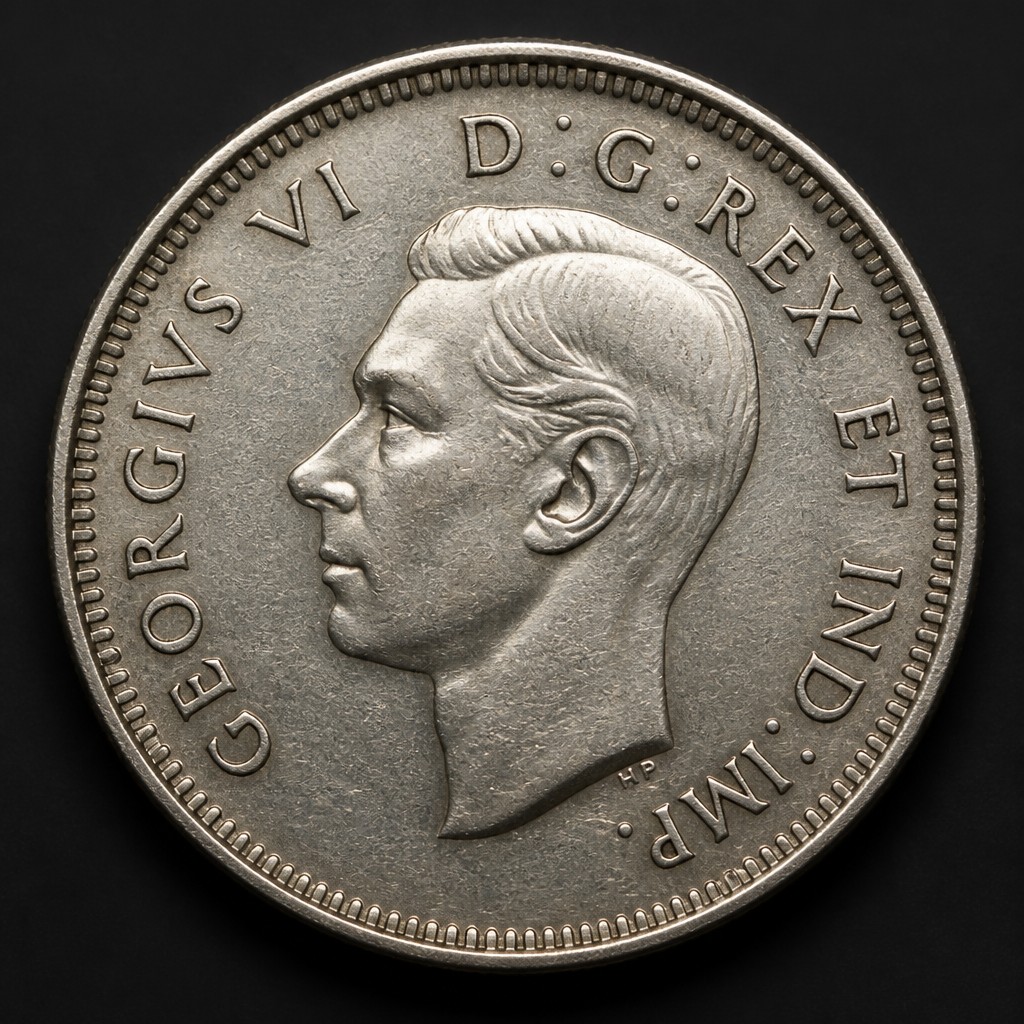
The obverse shows the familiar young bare-headed effigy of King George V (the die itself was unchanged from regular 1936 cents) surrounded by the legend GEORGIVS V DEI GRA REX ET IND IMP, with the date 1936 below. The reverse carries the two-maple-leaves design used on Canadian cents of the era, with CANADA and ONE CENT above and below the leaves.
The defining feature is a small raised dot positioned just under the last digit of the date on the reverse. It is easy to miss without magnification, so genuine examples are always verified under strong magnification by an experienced grader, and virtually all known specimens have been certified by a major grading service.
Because the dot is so small and forgeries or misidentified coins are a real risk, an undocumented "1936 Dot Cent" turning up outside an established pedigree should be treated with extreme caution.
Value & Collectibility
Given that only a few pieces are known, the 1936 Dot Cent is valued in the hundreds of thousands of dollars, with some publicized sales reported well into seven figures depending on grade, pedigree, and market conditions at the time of sale. Because so few trade hands, each sale tends to set its own headline price rather than following a typical price-guide curve.
For virtually all collectors, the realistic way to "own" this coin is through museum displays, major auction catalogs, or numismatic literature rather than acquisition, and any coin claimed to be a genuine example should be backed by top-tier certification and documented provenance.
Frequently asked questions
How many 1936 Dot Cents exist?
Only a very small number of genuine specimens are known to collectors and researchers, making it one of the rarest Canadian coins.
Why does the coin say 1936 if it was made in 1937?
The Royal Canadian Mint reused 1936 dies in early 1937 because new George VI dies were not ready after Edward VIII's abdication, adding a small dot to mark the emergency production.
Is the dot visible to the naked eye?
It is very small and usually requires magnification to see clearly, which is why certification by a professional grading service is essential.
Are there other 1936 dot denominations?
Yes, dot varieties also exist for the ten-cent and twenty-five-cent pieces, though they survive in somewhat greater numbers than the extremely rare one-cent.
Can an ordinary 1936 cent be turned into a fake dot cent?
Because of the coin's value, altered or fantasy pieces are a known risk, so authentication by a reputable grading service is strongly recommended before assuming a coin is genuine.
Other coins you may enjoy
1953 Coronation Voyageur Dollar
1953
1911 Canadian Silver Dollar (Pattern)
1911
George V Twenty-Five Cents (silver)
1911–1936
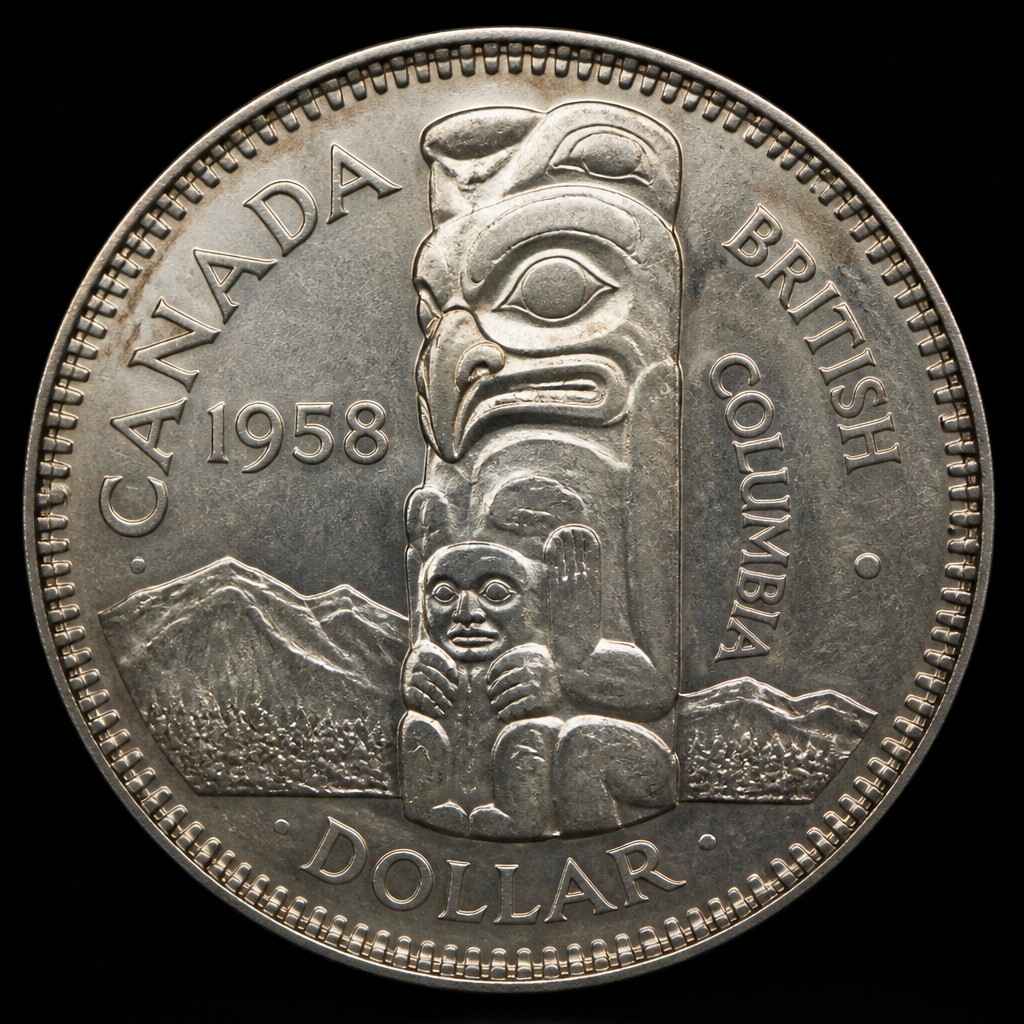
1958 British Columbia Totem Pole Dollar
1958
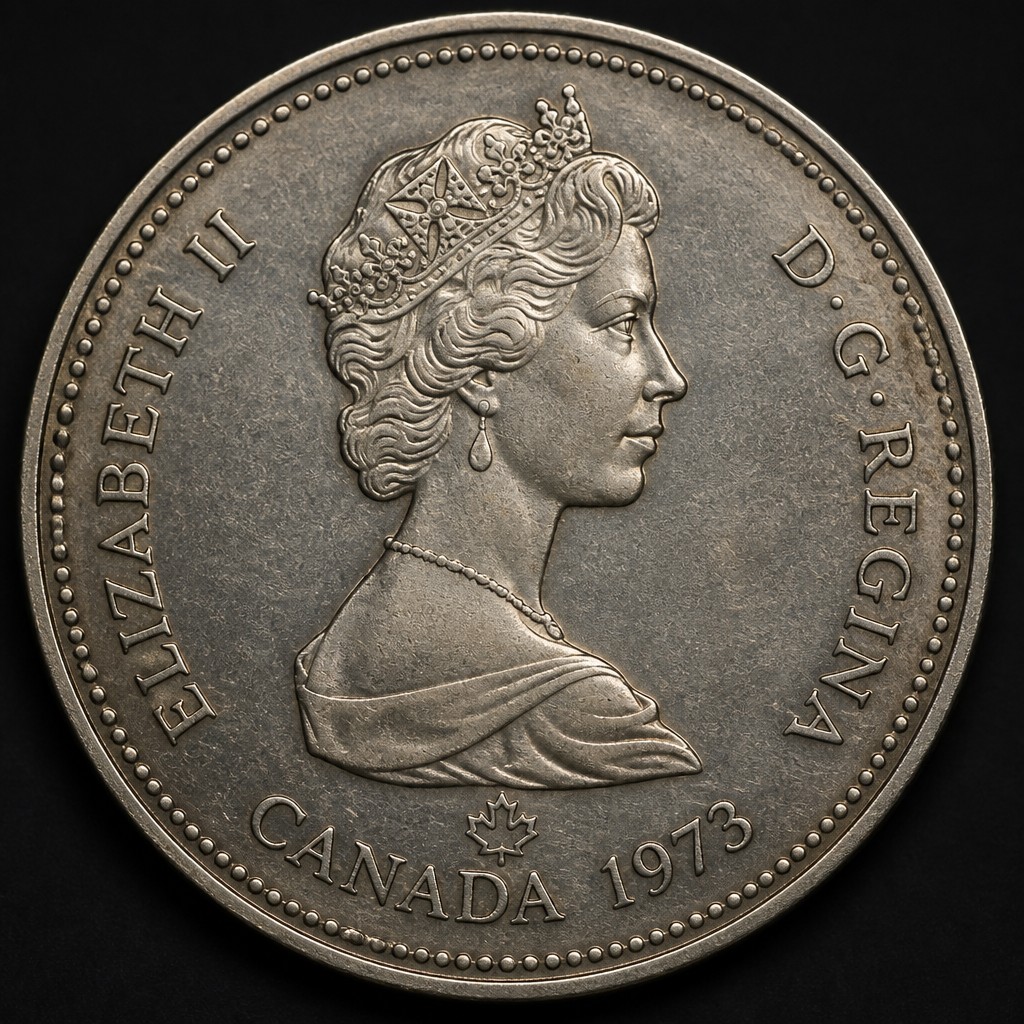
1973 RCMP Centennial Dollar
1973
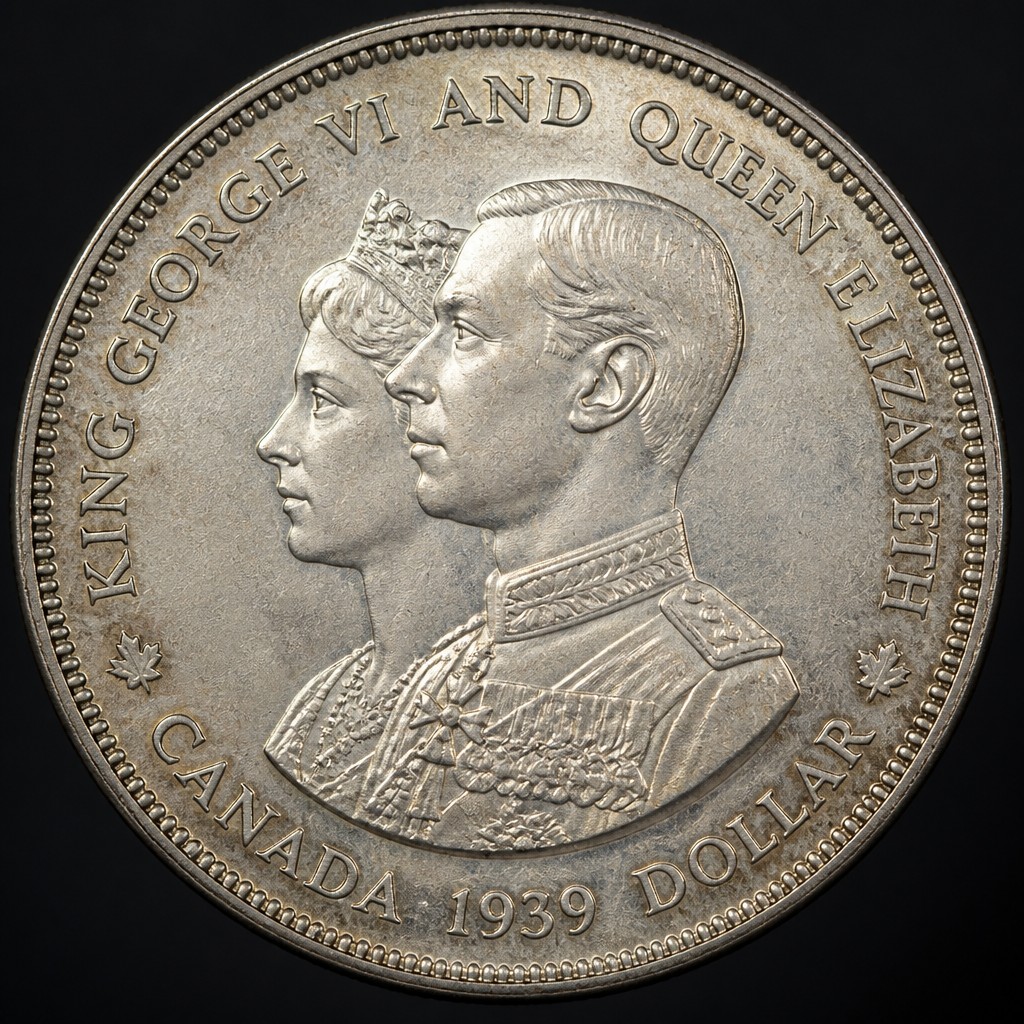
1939 Royal Visit Silver Dollar (Parliament)
1939
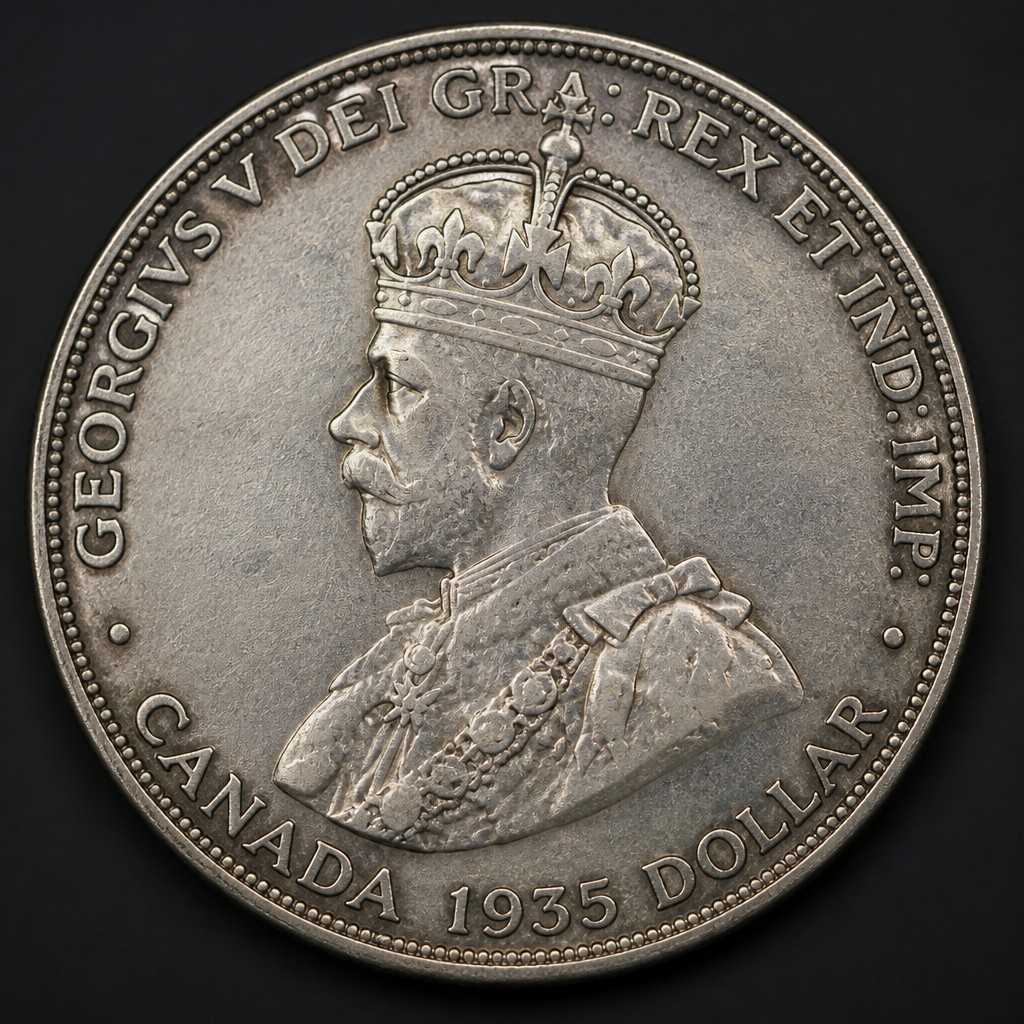
1935 George V Silver Jubilee Dollar (Voyageur)
1935
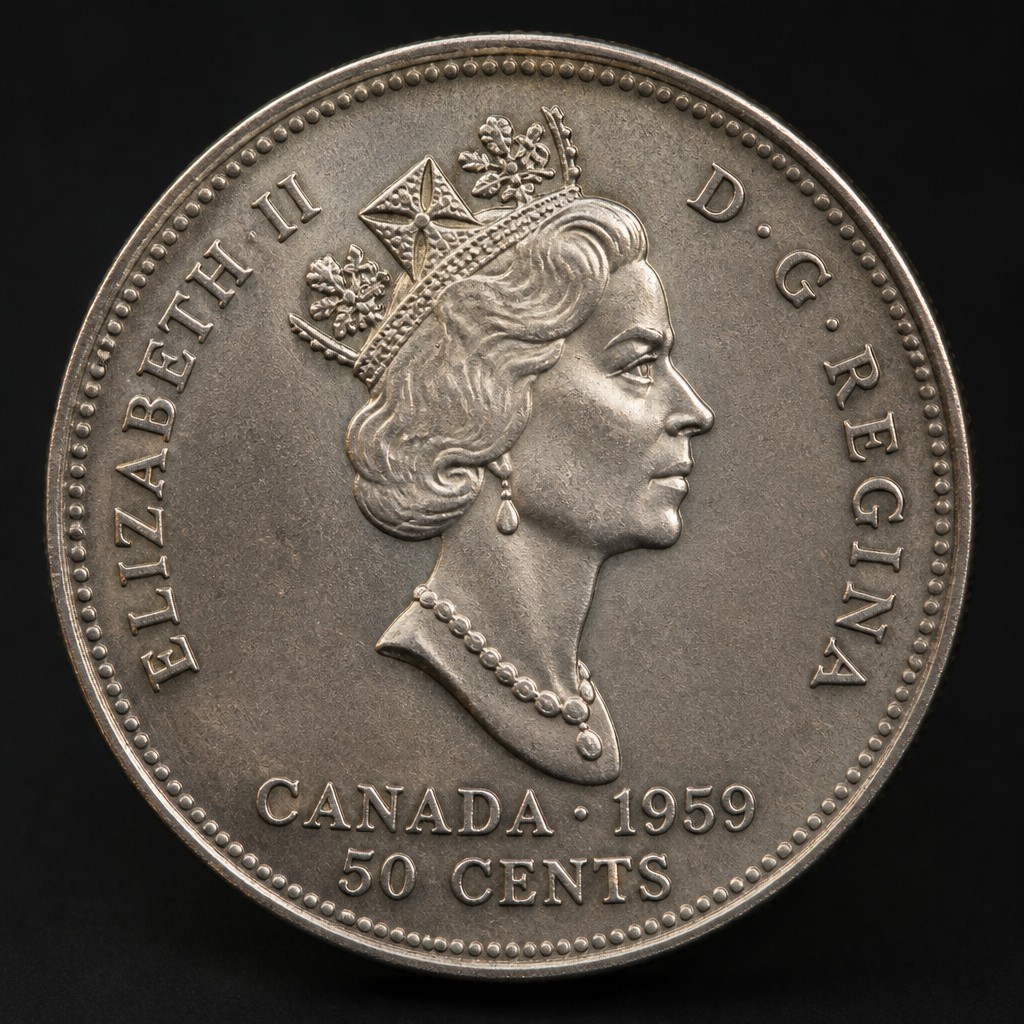
Coat of Arms Fifty Cents (Elizabeth II)
1959–present
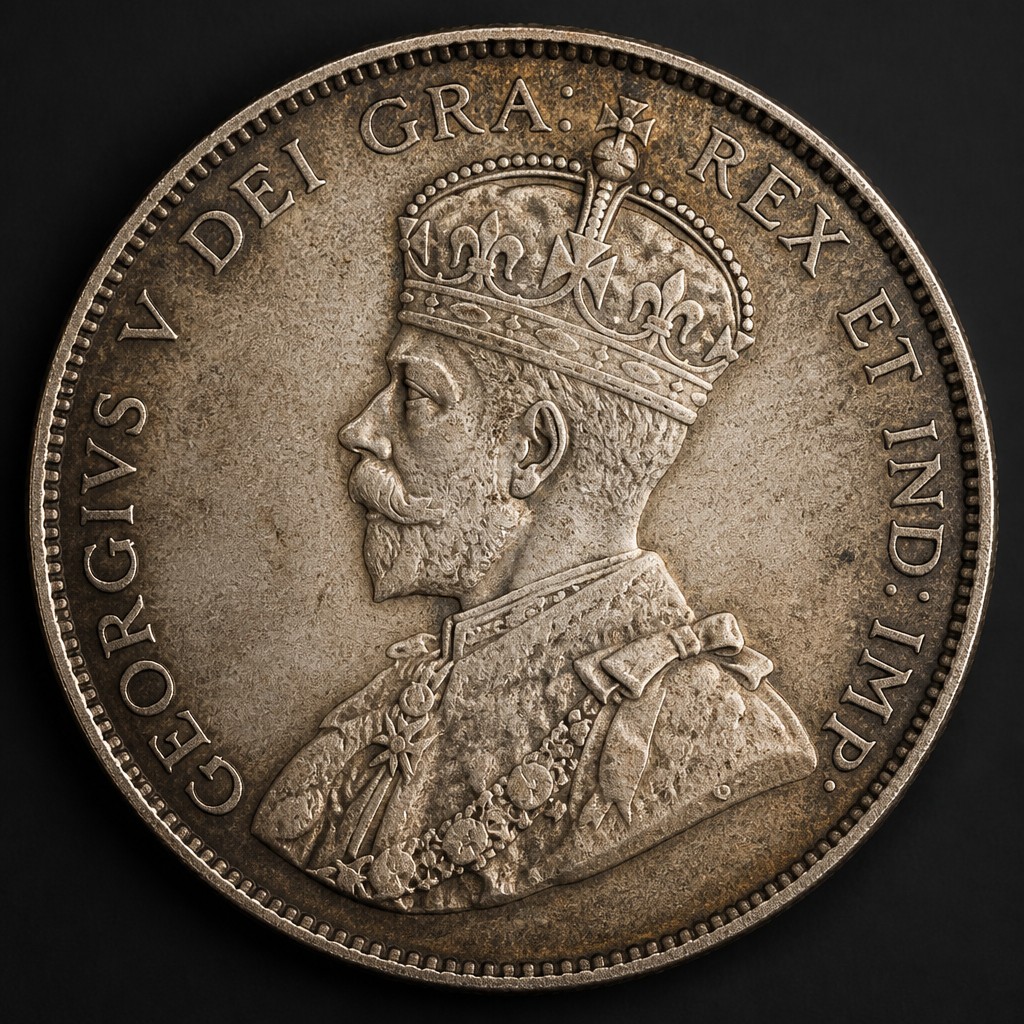
1921 Fifty Cents (King of Canadian Coins)
1921
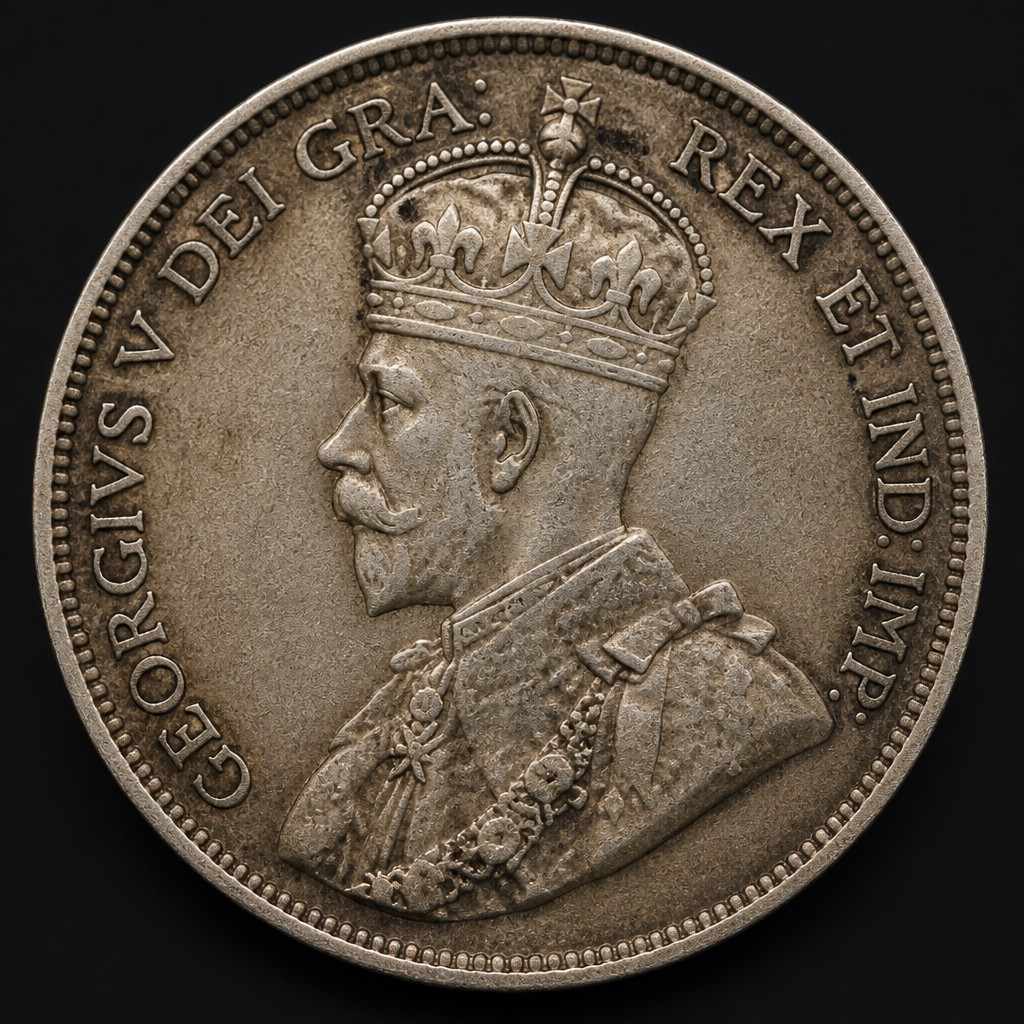
George V Fifty Cents
1911–1936
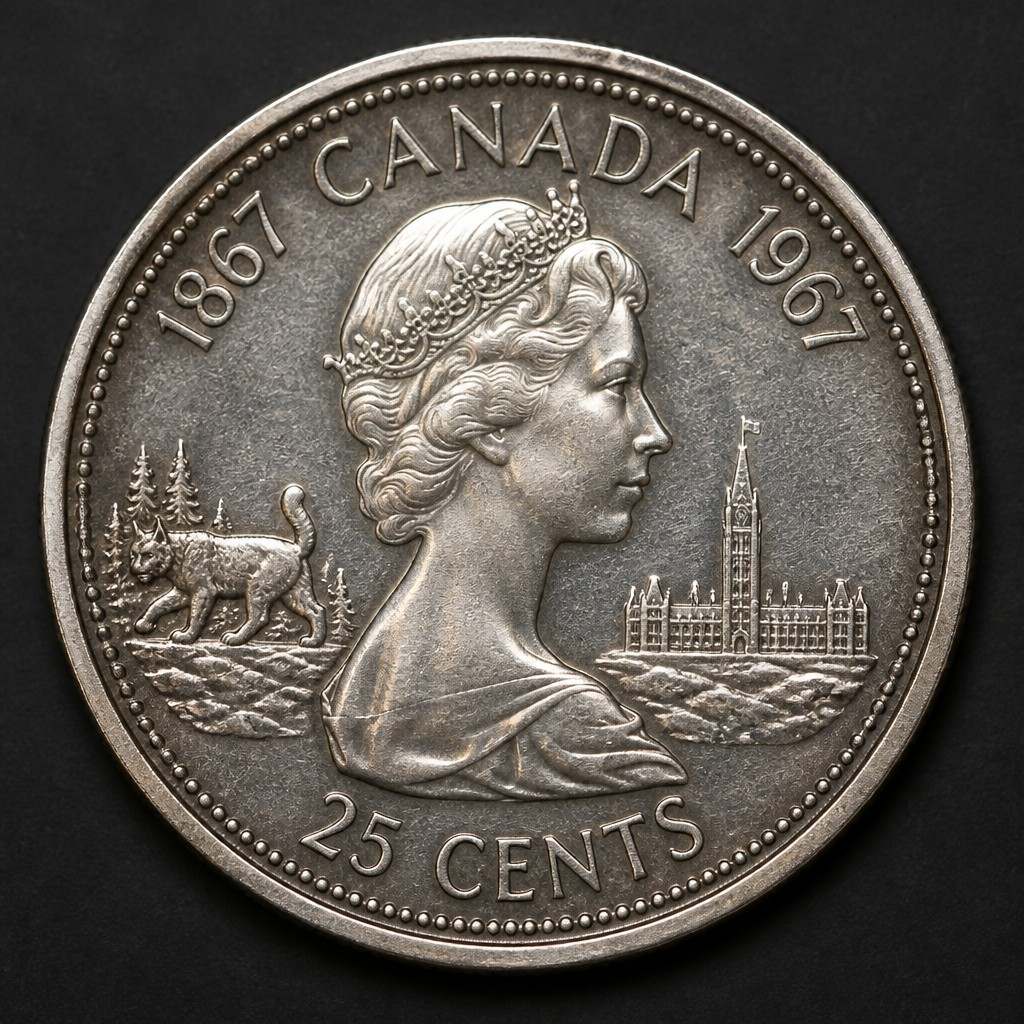
1967 Bobcat Centennial Quarter
1967
Caribou Twenty-Five Cents (quarter)
1937–present