
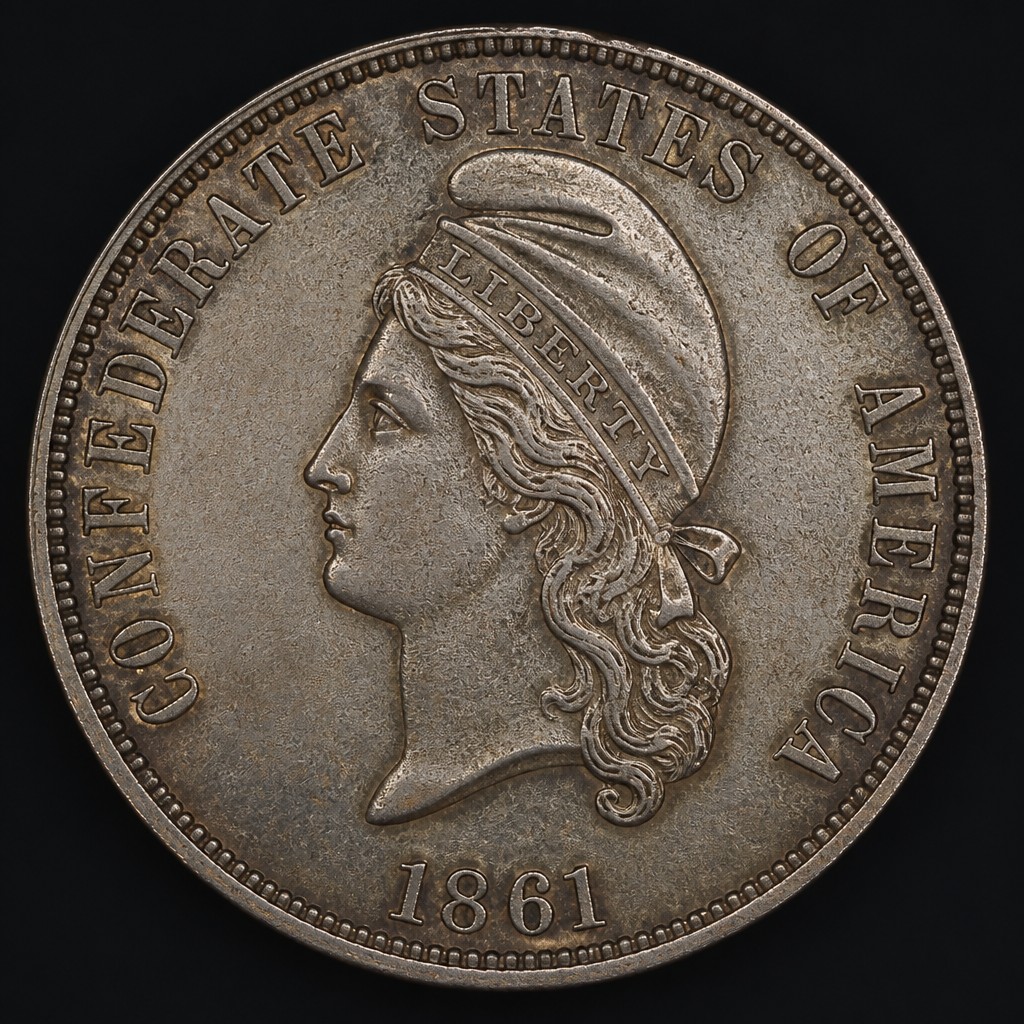
1861 Confederate Half Dollar
An extraordinarily rare Civil War-era coin struck briefly at the Confederate-controlled New Orleans mint, using a genuine CSA reverse die paired with an existing US half dollar obverse.
- Country
- Confederate States of America
- Denomination
- Half Dollar
- Metal
- 90% Silver, 10% Copper
Got a coin like this?
Identify any coin from a photo, free.
Overview
The 1861 Confederate half dollar occupies a unique place in American numismatics as the only coin struck with an official Confederate States of America die during the Civil War itself. It combines a standard 1861 Seated Liberty half dollar obverse with a specially engraved reverse bearing Confederate symbolism.
Genuine original strikes are exceedingly rare, and the coin's story, along with the later restrikes made from the surviving die, makes it one of the most storied and discussed rarities in US coin collecting.
History & Background
When Louisiana seceded and the Confederacy took control of the New Orleans mint in early 1861, mint officials explored striking Confederate coinage. Alabama engraver A.H.M. Peterson prepared a reverse die featuring a Confederate shield, a liberty cap, and bundles of cotton and sugarcane with the inscription "CONFEDERATE STATES OF AMERICA" and "HALF DOL." This die was paired with an existing US half dollar obverse die already on hand at the mint.
According to long-standing numismatic tradition, only a small handful of genuine original pieces, often cited as around four, were struck before the effort was abandoned. Decades later, in 1879, coin dealer J.W. Scott acquired the original CSA reverse die and used it to strike restrikes, most famously by combining it with genuine 1861-O half dollars whose obverse had been shaved down, creating a well-known and still-collectible series of restrikes distinct from the tiny handful of true originals.
How to Identify
Obverse: A standard Seated Liberty half dollar design dated 1861, identical to regular US New Orleans mint half dollars of that year.
Reverse: A shield bearing a Confederate design element, a liberty cap atop a pole, and bundles of cotton and sugarcane, with "CONFEDERATE STATES OF AMERICA" arched above and "HALF DOL." below, quite different from the standard US eagle reverse.
Given the extreme rarity of genuine originals, most pieces encountered in the market are Scott's 1879 restrikes or later fantasy replicas; distinguishing a true original from a restrike or replica requires expert numismatic examination and is not something to attempt from photographs alone.
Value & Collectibility
True original 1861 Confederate half dollars are among the great rarities of American numismatics, with any confirmed genuine example commanding an exceptional price at auction, reflecting both extreme scarcity and profound historical significance. The 1879 Scott restrikes, while far more available and much less expensive than true originals, are still meaningfully collectible pieces of Confederate numismatic history in their own right.
Frequently asked questions
How many genuine 1861 Confederate half dollars exist?
Numismatic tradition holds that only a small handful, often cited as around four, original pieces were struck before the project was abandoned.
What is a Scott restrike?
In 1879, dealer J.W. Scott acquired the original Confederate reverse die and used it to strike restrikes combined with genuine 1861-O half dollar obverses, creating a distinct and still-collected series.
How can I tell if I have an original or a restrike?
This distinction requires expert numismatic examination; given the coin's rarity and value, professional authentication is strongly advised before drawing any conclusions.
Why does the reverse look so different from a normal half dollar?
It was custom-engraved with Confederate symbolism, including a shield, liberty cap, and agricultural bundles, replacing the standard US eagle design.
Other coins you may enjoy
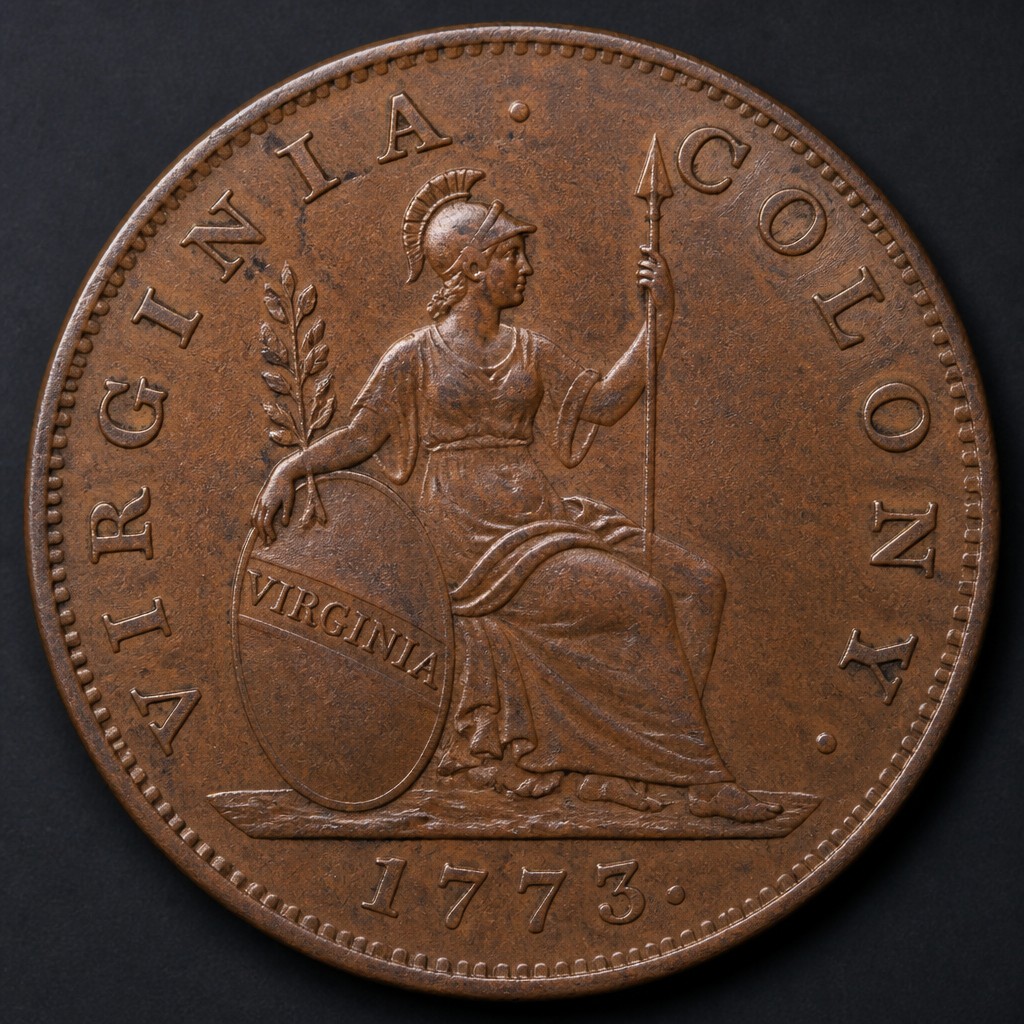
Virginia Halfpenny
1773
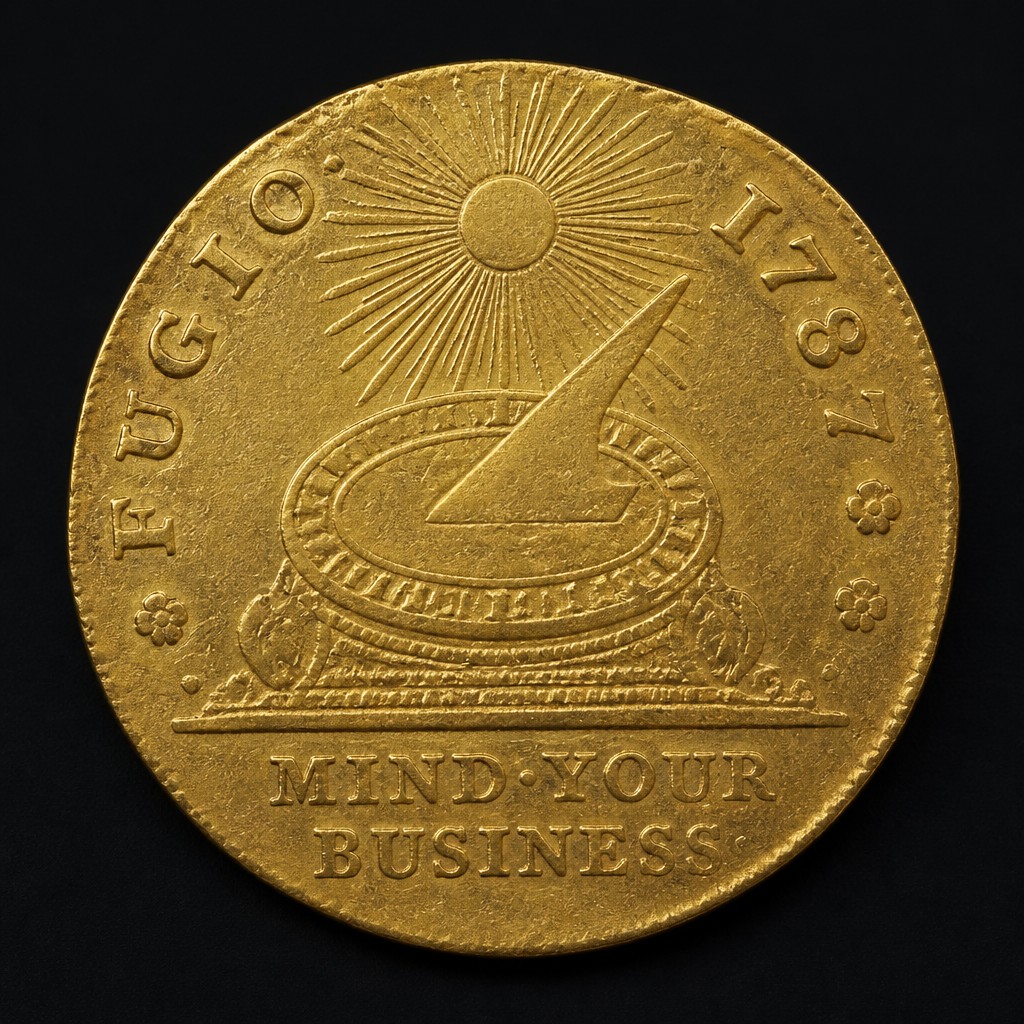
Brasher Doubloon
1787
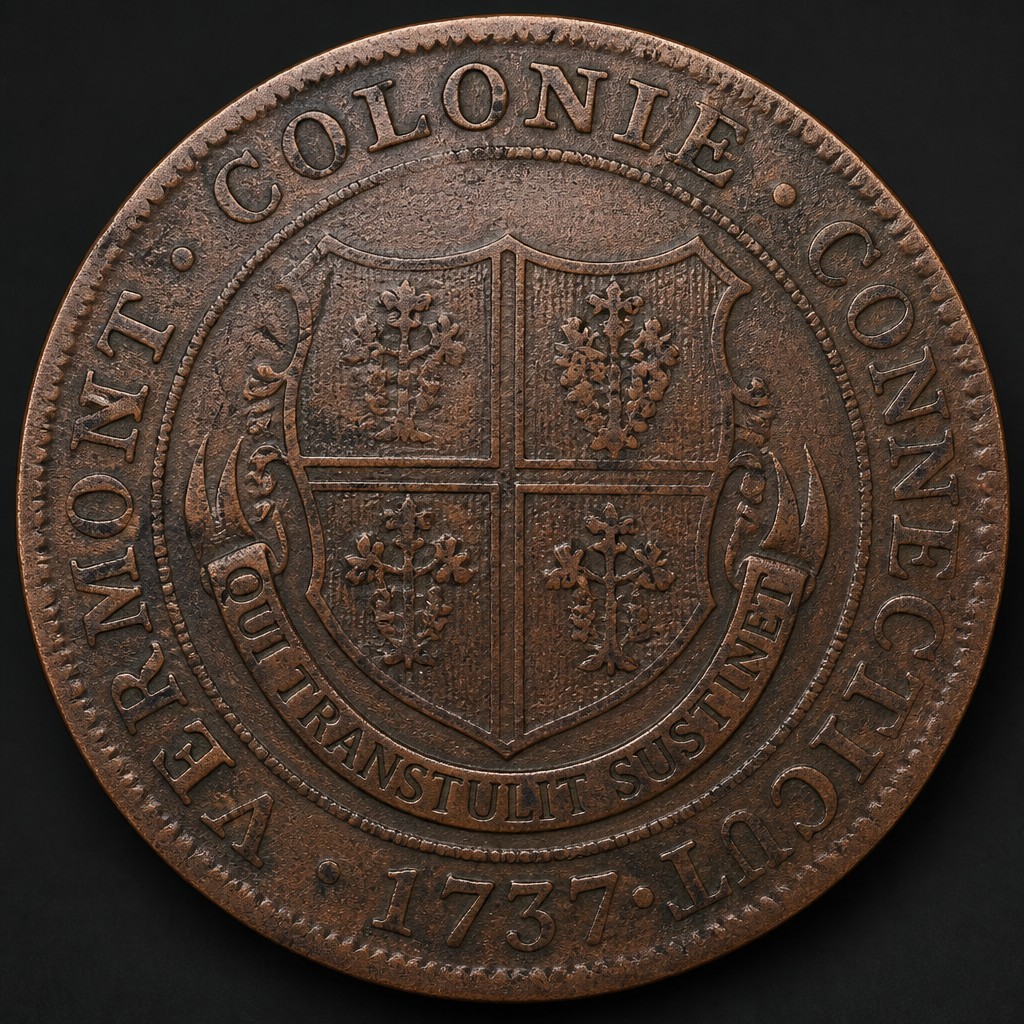
Higley Copper
1737–1739
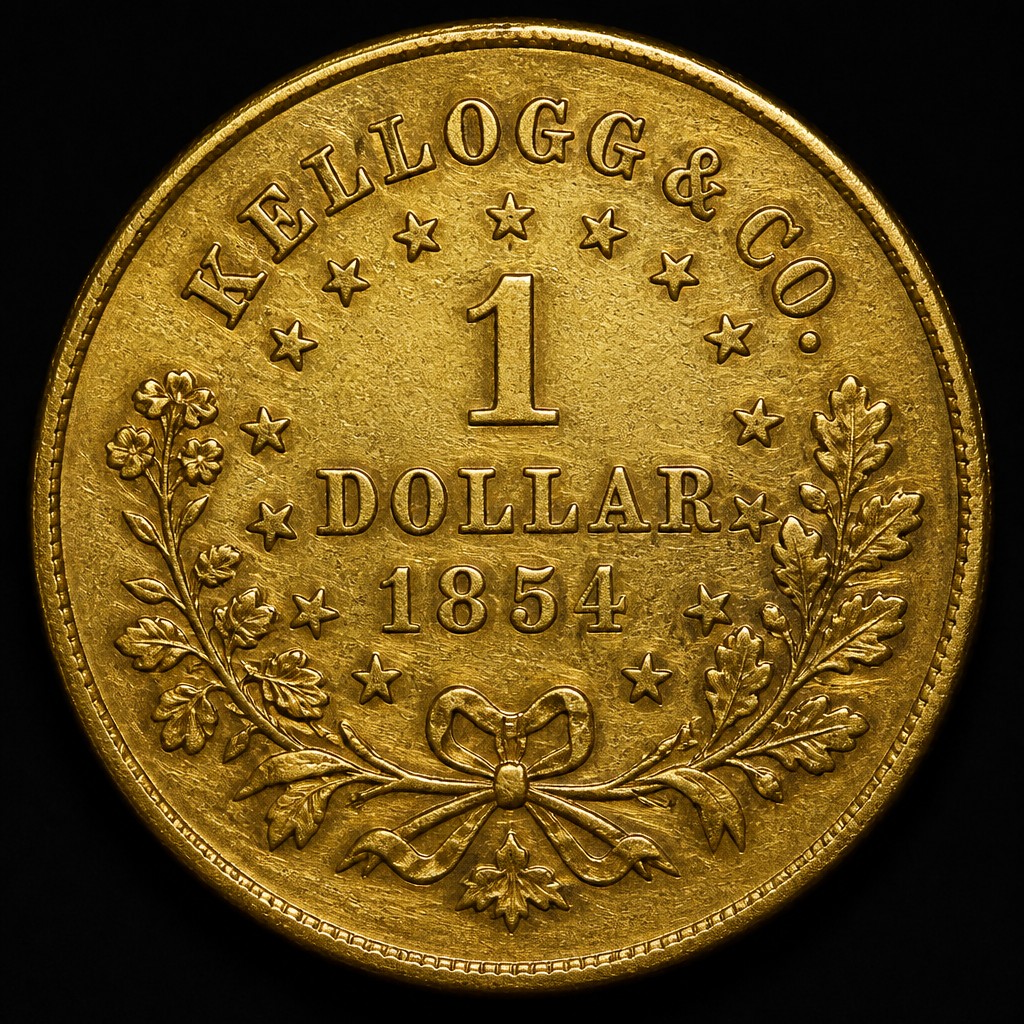
Kellogg & Co. Gold Piece
1854–1855
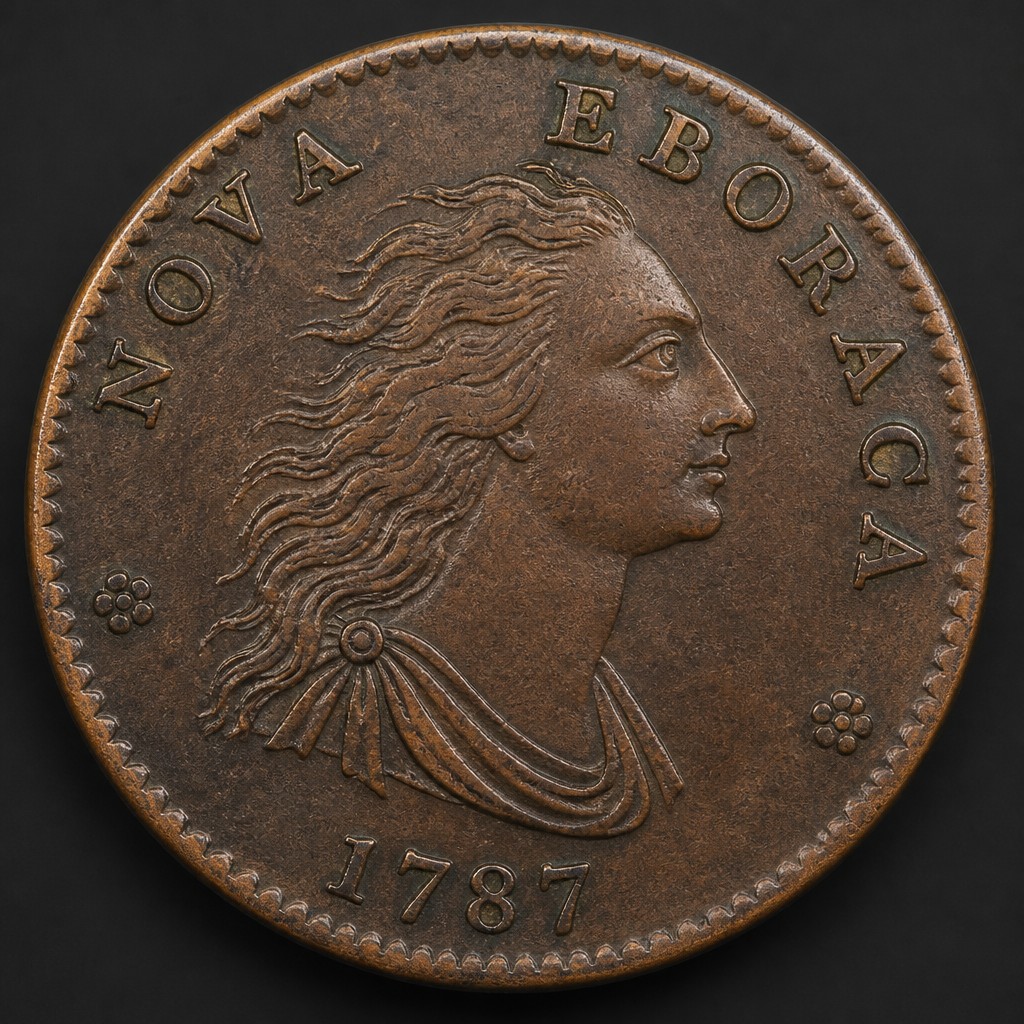
Nova Eborac Copper
1787
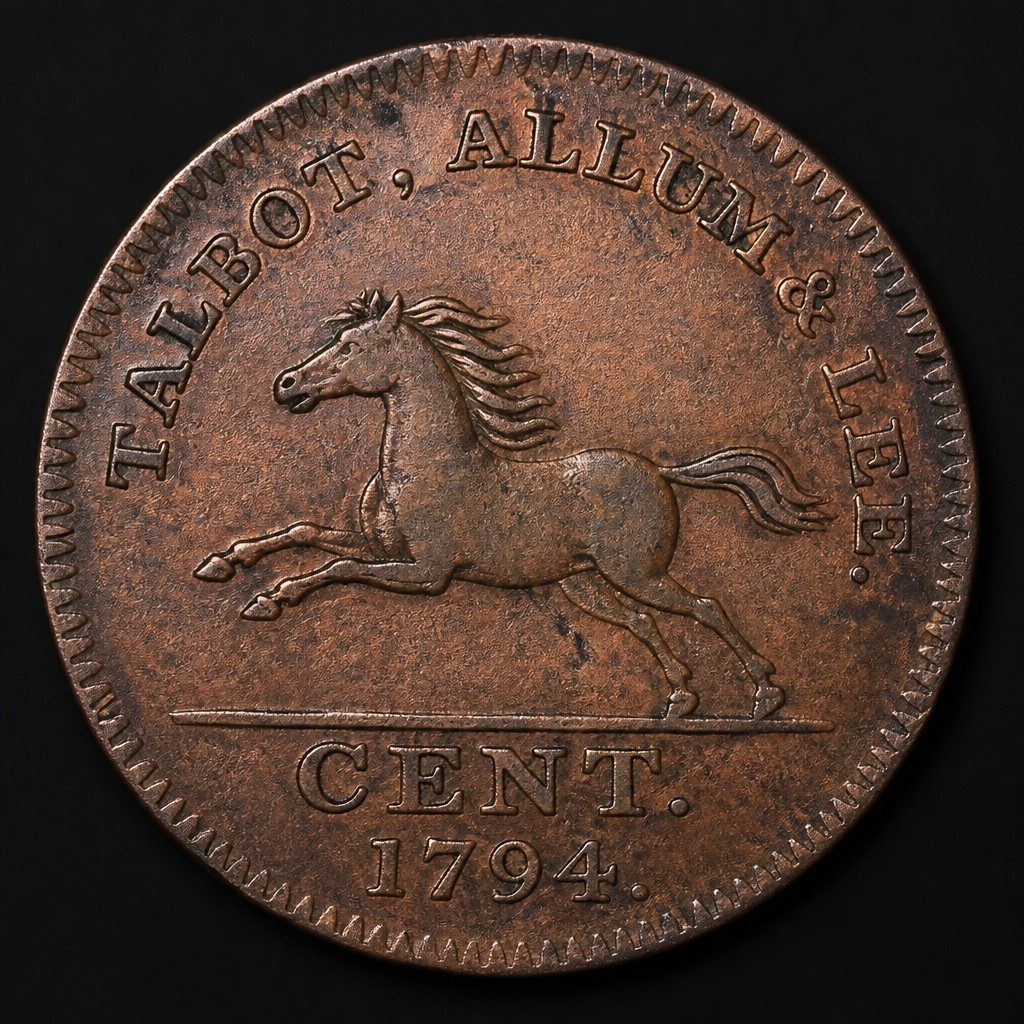
Talbot, Allum & Lee Cent
1794–1795
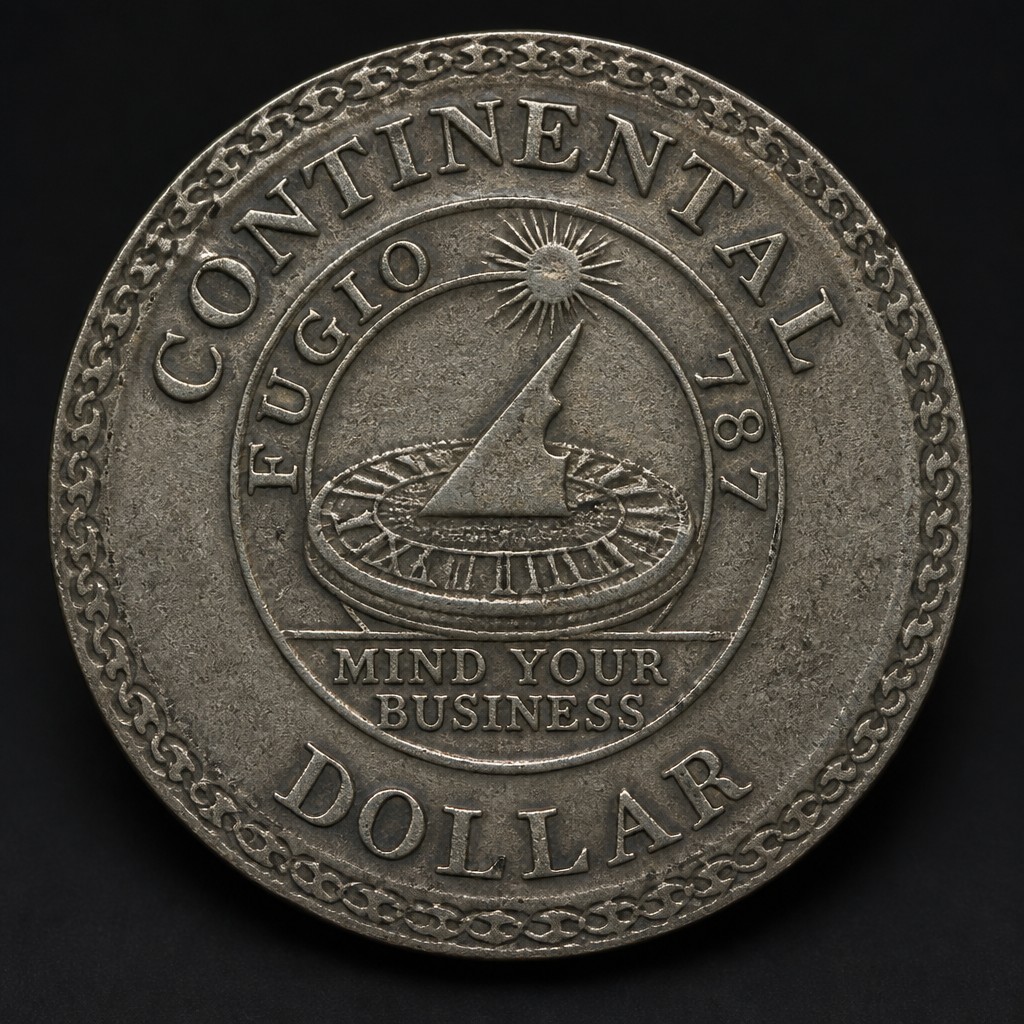
Continental Dollar
1776
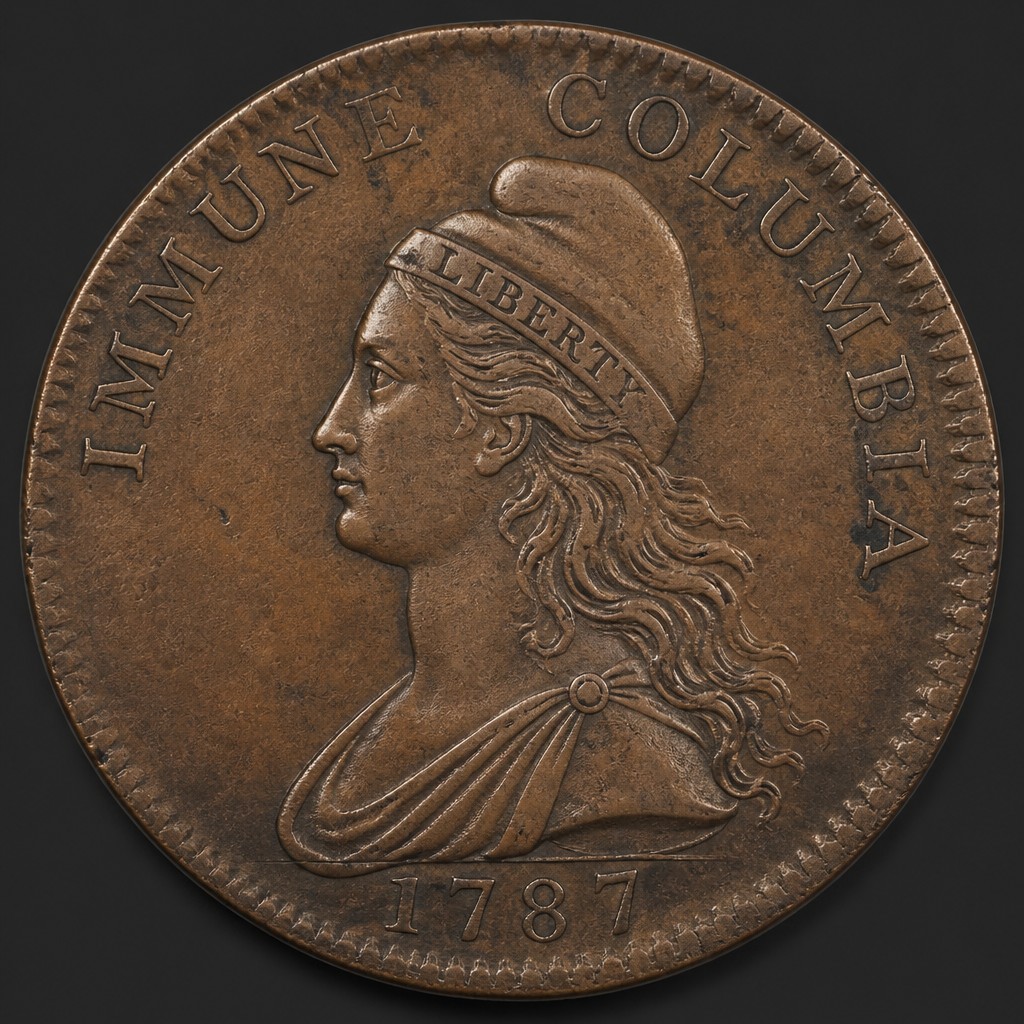
Immune Columbia Copper
circa 1785–1787
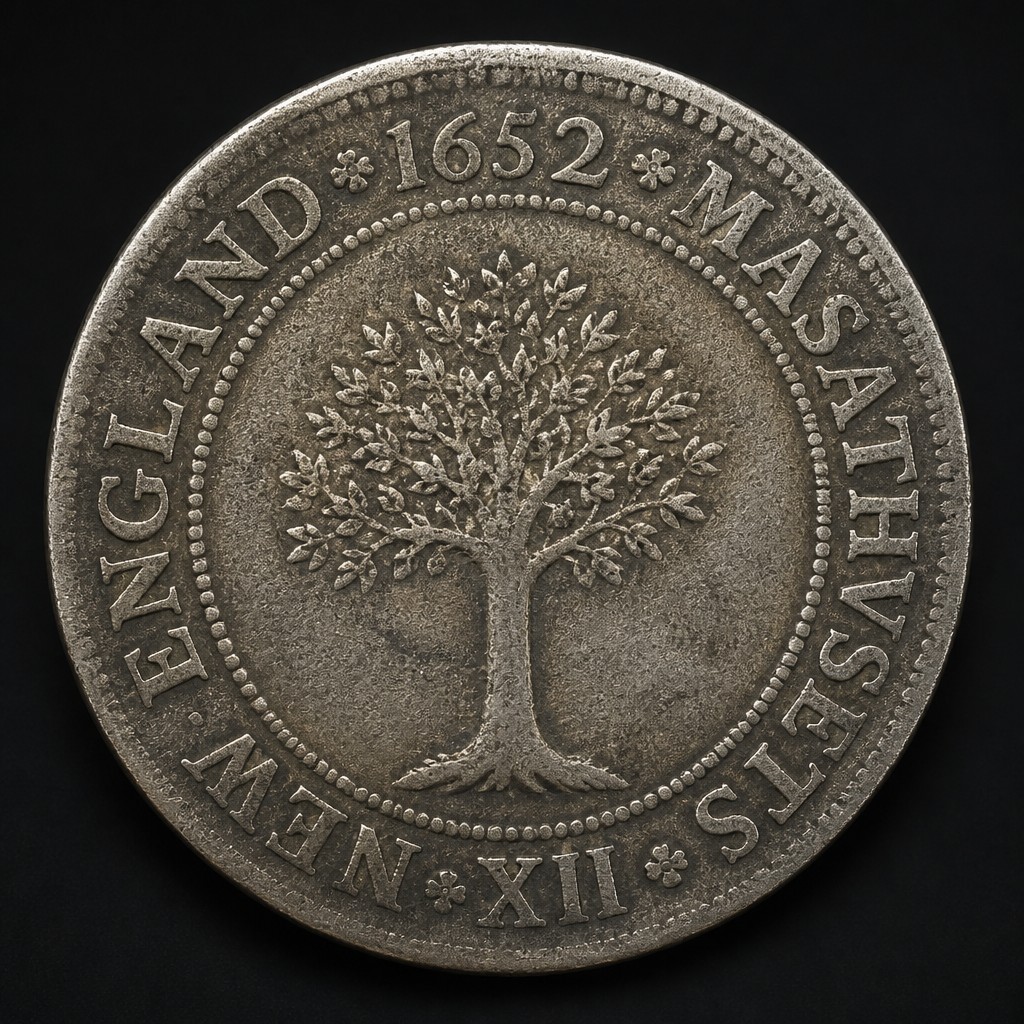
Massachusetts Oak Tree Shilling
Dated 1652, struck circa 1660–1667
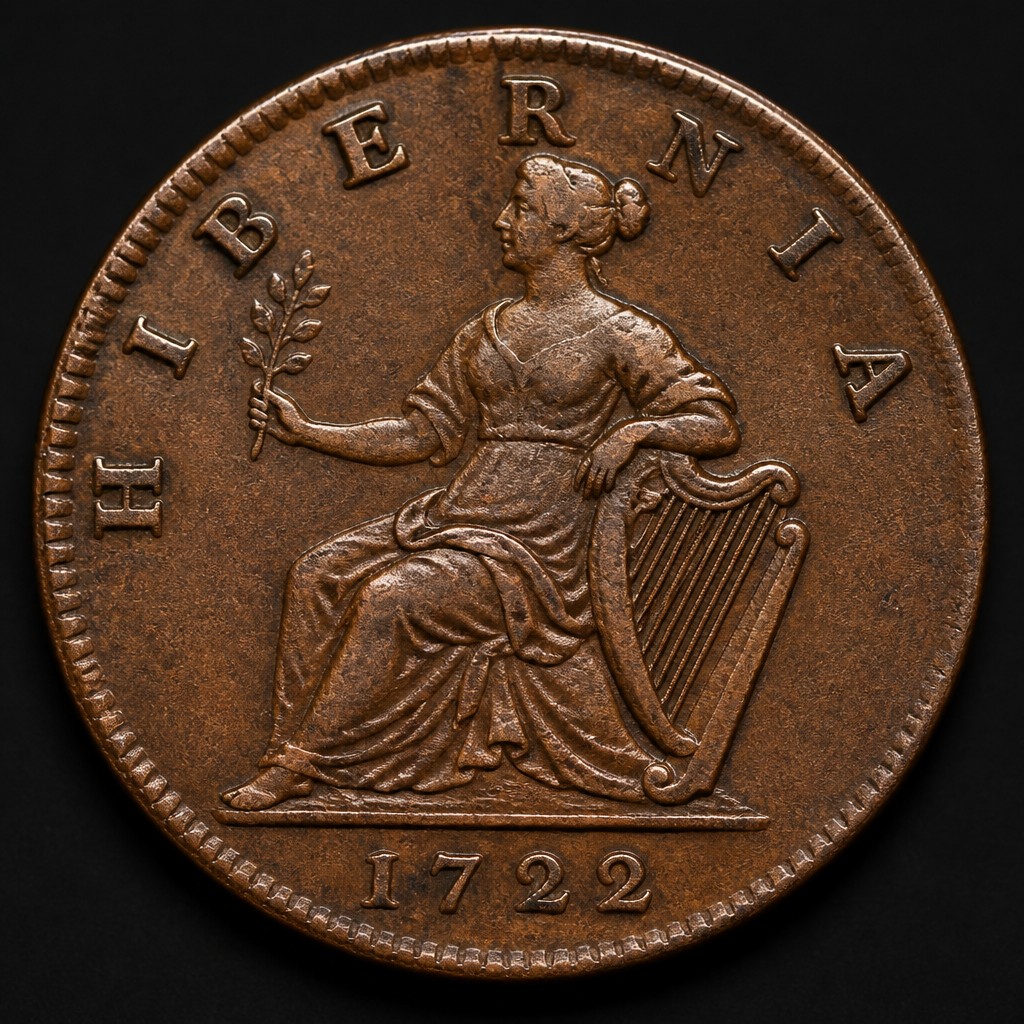
Wood's Hibernia Halfpenny
1722–1724
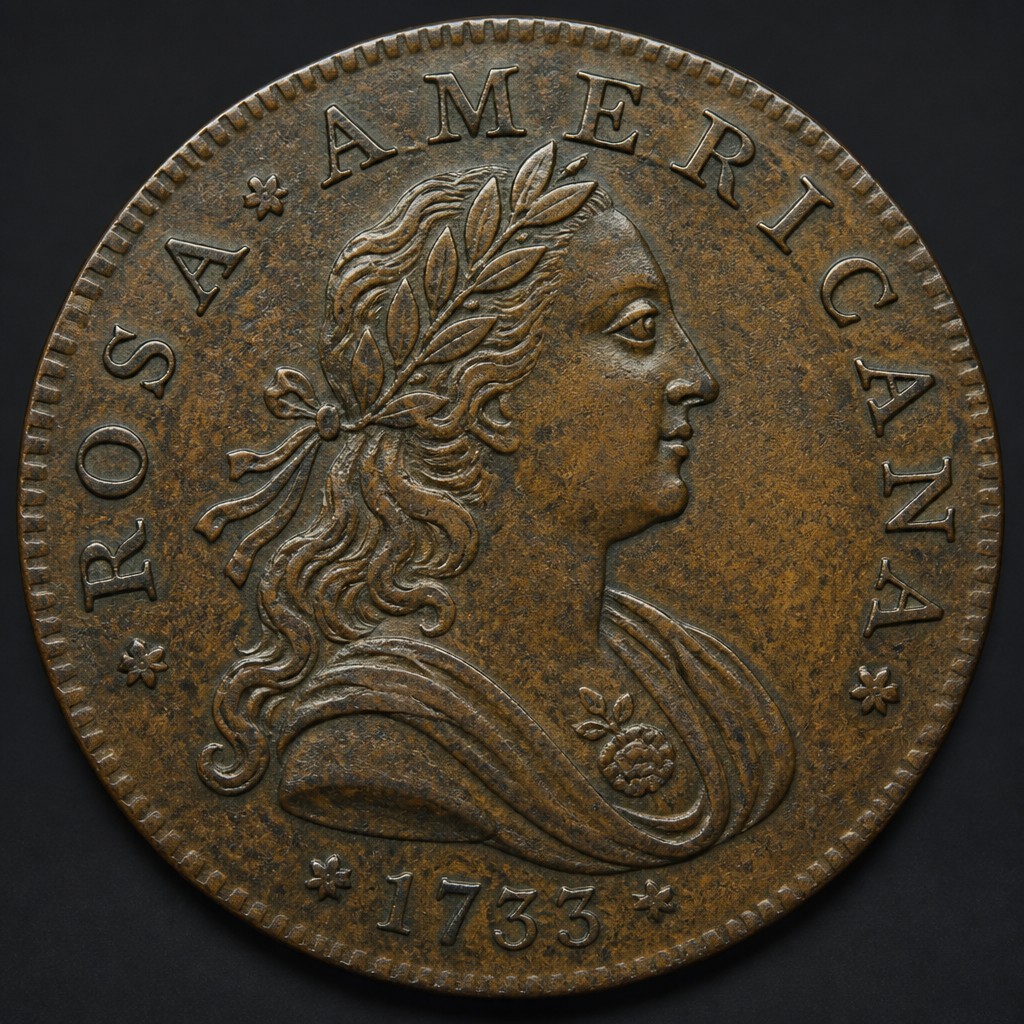
Rosa Americana Coinage
1722–1724 (with pattern issues dated 1733)
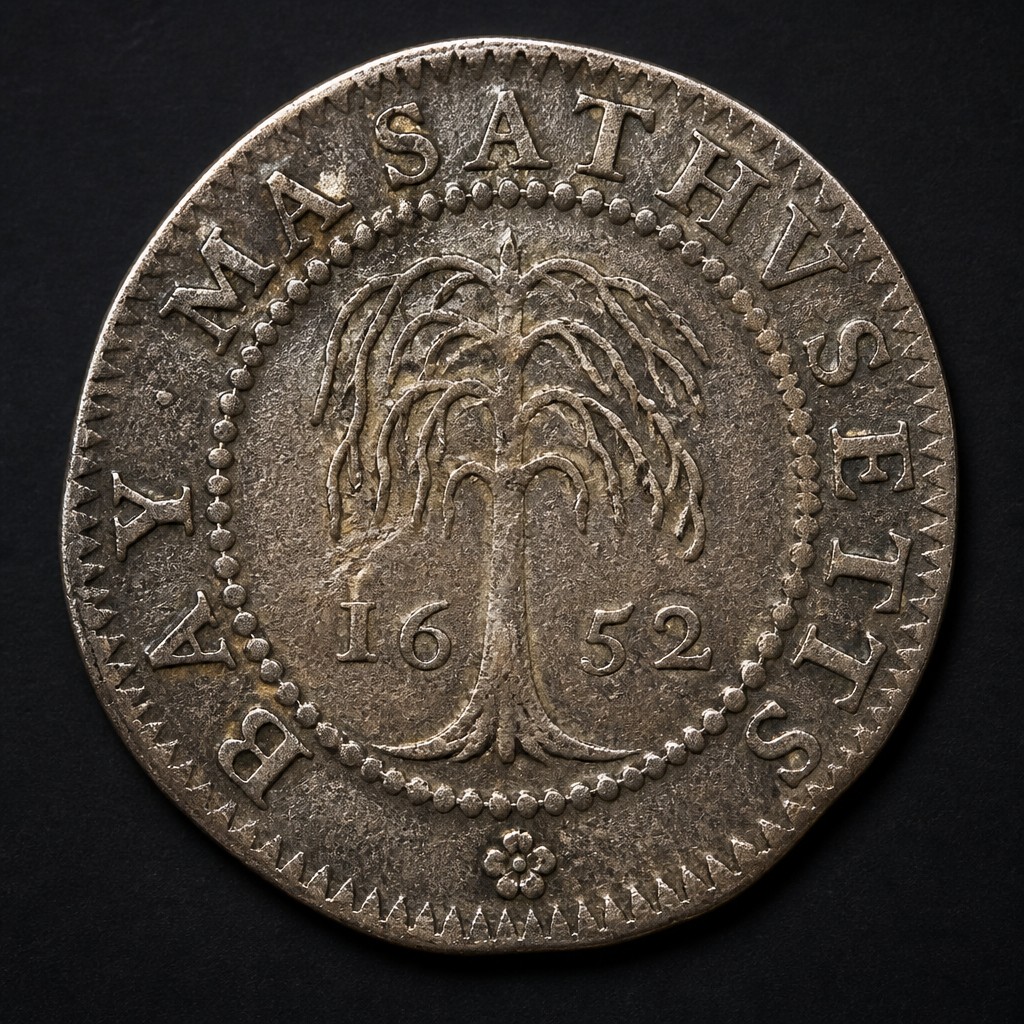
Massachusetts Willow Tree Shilling
Dated 1652, struck circa 1653–1660