
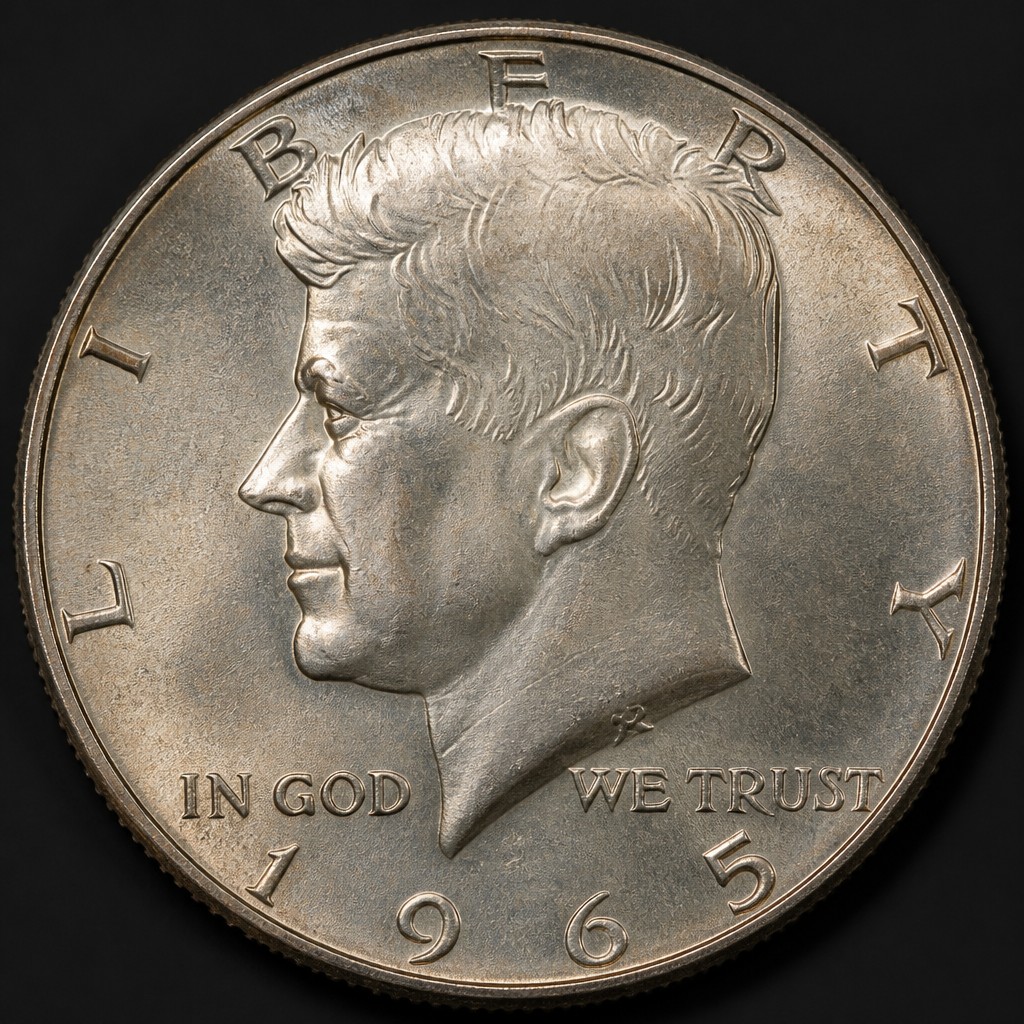
1965-1970 Kennedy Half Dollar (40% Silver)
Kennedy half dollars struck with a reduced 40% silver clad composition after the Coinage Act of 1965, bridging the gap between full silver coinage and today's copper-nickel clad coins.
- Country
- United States
- Denomination
- Half Dollar
- Metal
- 40% Silver Clad
Got a coin like this?
Identify any coin from a photo, free.
Overview
Between 1965 and 1970, the Kennedy half dollar was struck in a 40% silver clad composition rather than the 90% silver used in 1964, as part of a broader change to U.S. coinage caused by rising silver prices and coin shortages. These coins have outer layers bonded around a copper-silver core, giving them noticeably less silver content than earlier coinage while still retaining some precious metal value.
Collectors regard this series as a transitional issue bridging classic silver coinage and the copper-nickel clad half dollars that followed from 1971 onward. No mintmarks appear on coins from 1965 through 1967 as part of a Treasury effort to discourage hoarding, while 1968 onward coins resumed standard mintmark use.
History & Background
By the early 1960s, rising industrial demand and the price of silver made it increasingly costly for the Treasury to strike coins with the traditional 90% silver alloy, especially as people began hoarding older silver coins for their metal value. The Coinage Act of 1965 addressed this by eliminating silver from dimes and quarters entirely and reducing the half dollar's silver content to 40%, a compromise that kept some silver in the largest circulating denomination while easing pressure on silver reserves.
During 1965 through 1967, the Mint also omitted mintmarks from all denominations and dated some coins without updating the date each year, a temporary measure intended to combat coin shortages and discourage collectors from pulling coins from circulation. Standard mintmark practices, including the reappearance of the "D" for Denver and "S" for San Francisco, returned in 1968.
The 40% silver half dollar was ultimately a short-lived compromise, and by 1971 the Mint moved entirely to the same copper-nickel clad composition used for dimes and quarters, ending regular silver content in circulating half dollars.
How to Identify
The design remains the same as the 1964 issue: Kennedy's portrait on the obverse with LIBERTY and IN GOD WE TRUST, and the presidential coat of arms on the reverse with UNITED STATES OF AMERICA and HALF DOLLAR. The key difference is the edge, which shows a visible copper-colored stripe sandwiched between two silver-colored outer layers, a hallmark of clad coinage.
Coins dated 1965 through 1967 lack a mintmark regardless of which facility struck them, while 1968 and later issues show a "D" for Denver or "S" for San Francisco (proof coins only) on the reverse near the eagle's leg. The coin's overall diameter and reeded edge match the earlier 90% silver version, so the clad edge stripe and slightly different weight are the most reliable identifiers.
Special Mint Sets from 1965 to 1967, struck with extra care in place of regular proof sets during that mintmark-free period, sometimes show sharper detail and can be distinguished by their finish quality.
Value & Collectibility
Because these coins contain only 40% silver, their bullion value is lower than a 90% silver coin of the same size, though they still carry some premium over face value based on silver content. Well-circulated common-date coins are generally valued modestly above melt, while uncirculated or proof examples, particularly from Special Mint Sets, can bring higher prices.
As with the 1964 issue, most dates in this run are common due to large mintages, so condition and eye appeal matter more than rarity for typical collector value. Silver spot price fluctuations directly affect what these coins are worth at any given time.
Frequently asked questions
Why don't some Kennedy half dollars have a mintmark?
Coins dated 1965 through 1967 were struck without mintmarks as part of a Treasury effort to discourage coin hoarding and collecting during a coin shortage.
How much silver is in a 1965-1970 Kennedy half dollar?
These coins are 40% silver clad, meaning they have less silver than the 90% silver 1964 half dollar but more than later copper-nickel versions.
How can I tell 40% silver from 90% silver by looking at the coin?
The most reliable visual clue is the edge, which shows a distinct clad layering rather than a solid silver-colored edge.
When did the Mint stop putting silver in half dollars?
Regular circulating half dollars lost silver content entirely starting in 1971, when the Mint switched to copper-nickel clad.
Other coins you may enjoy
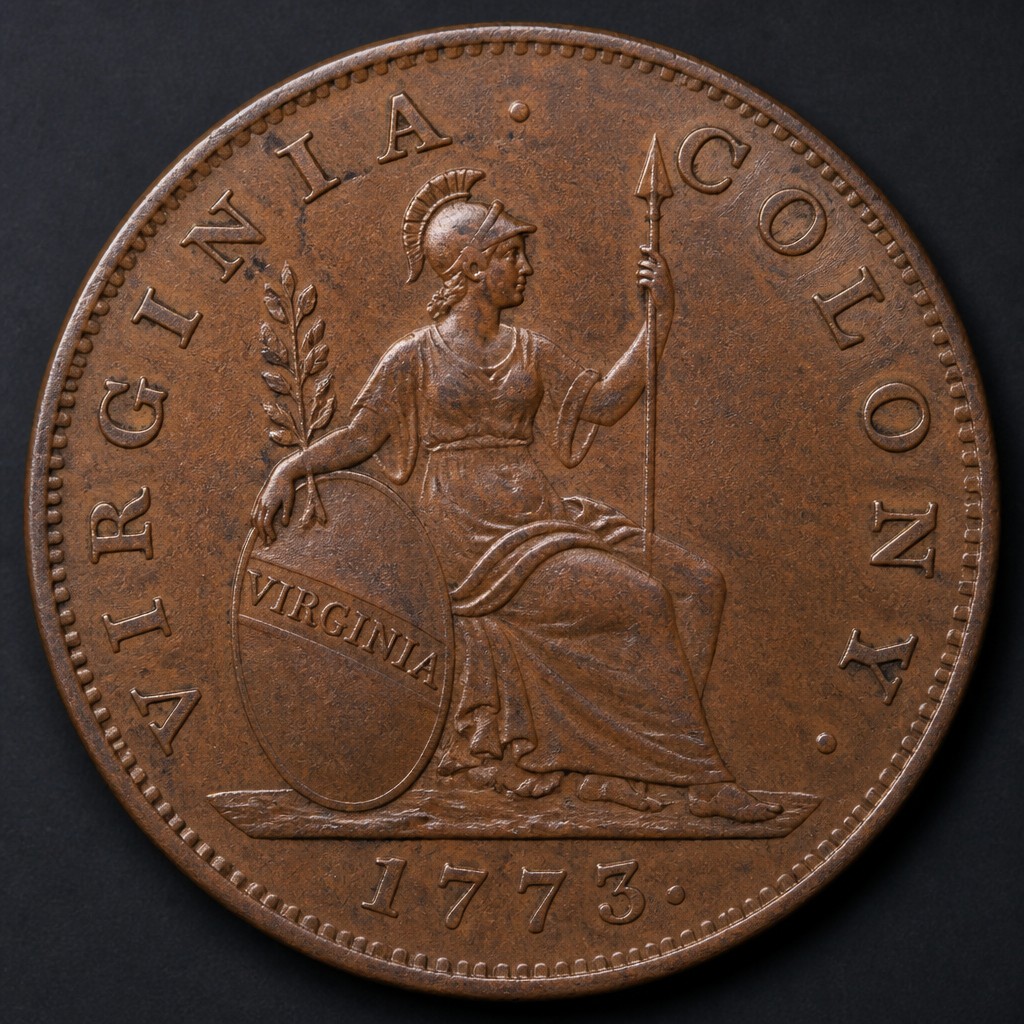
Virginia Halfpenny
1773
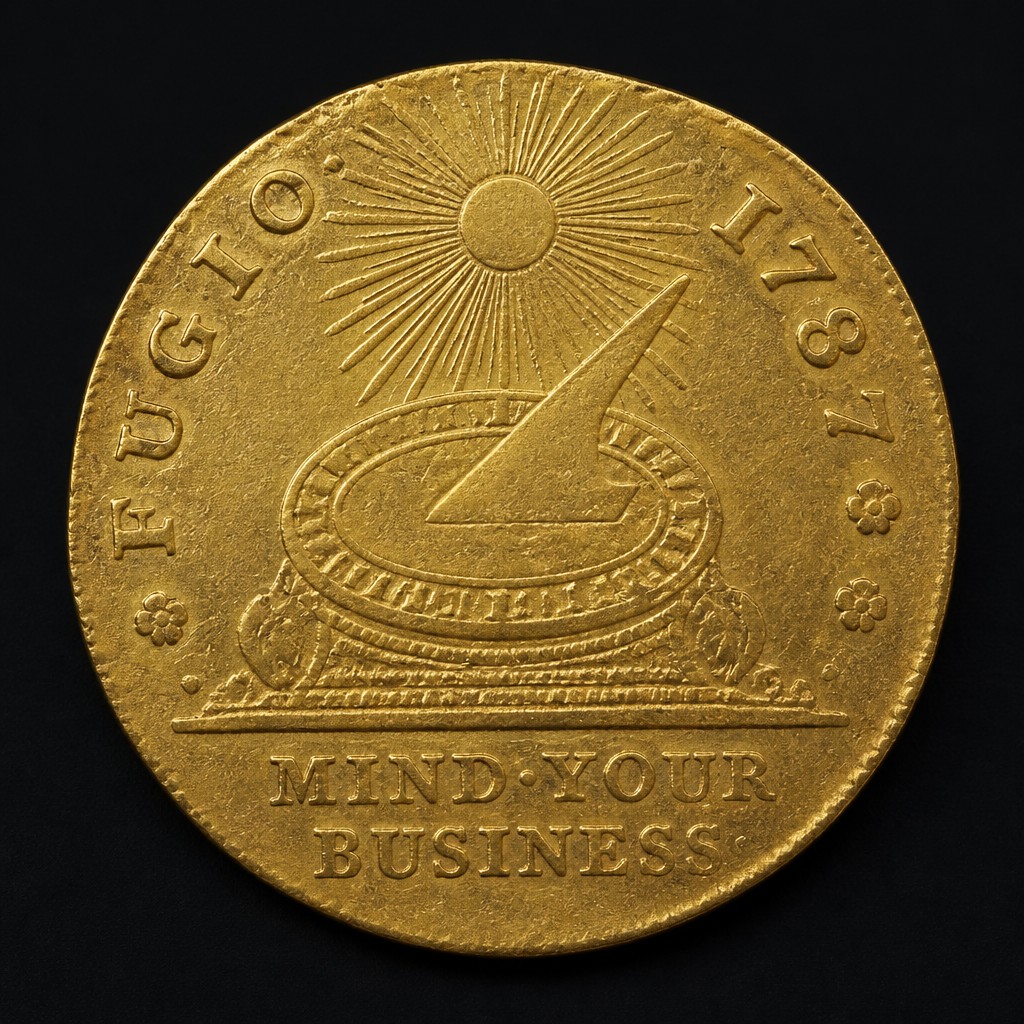
Brasher Doubloon
1787
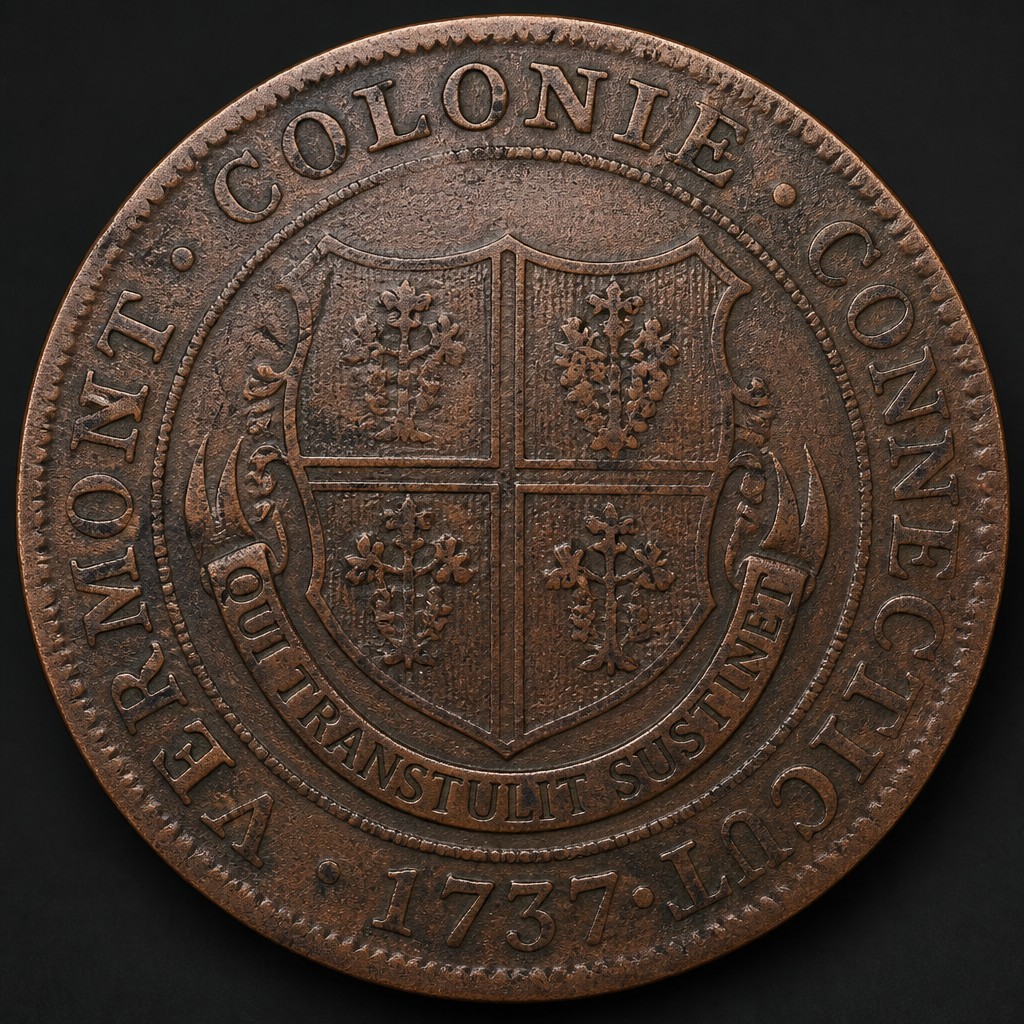
Higley Copper
1737–1739
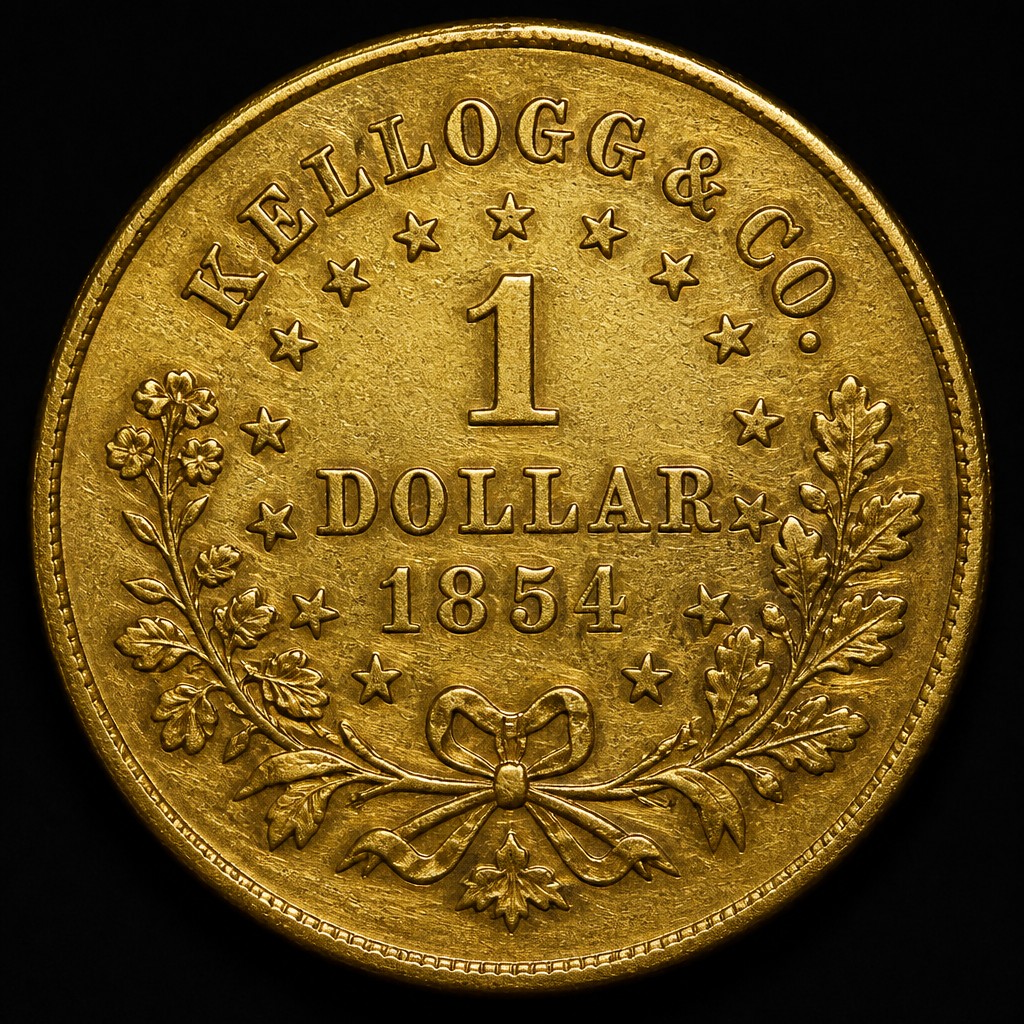
Kellogg & Co. Gold Piece
1854–1855
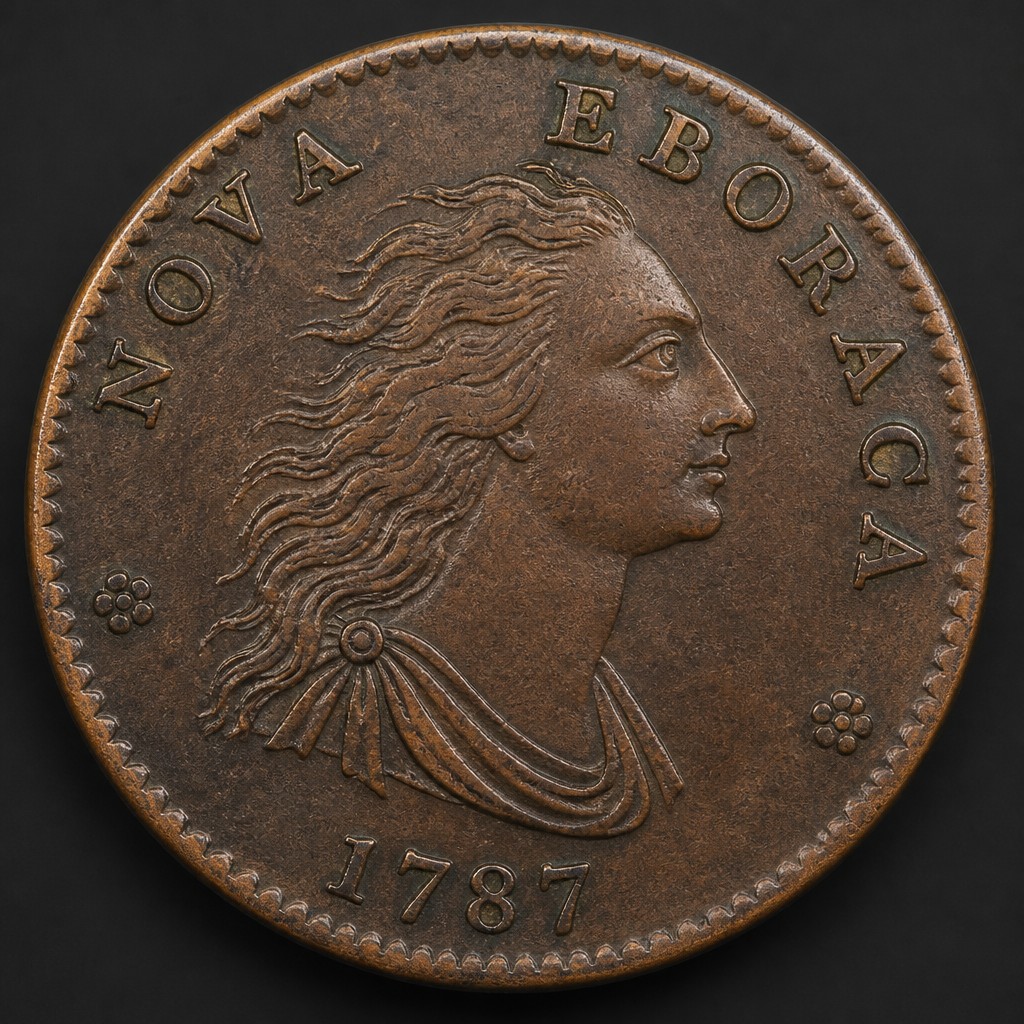
Nova Eborac Copper
1787
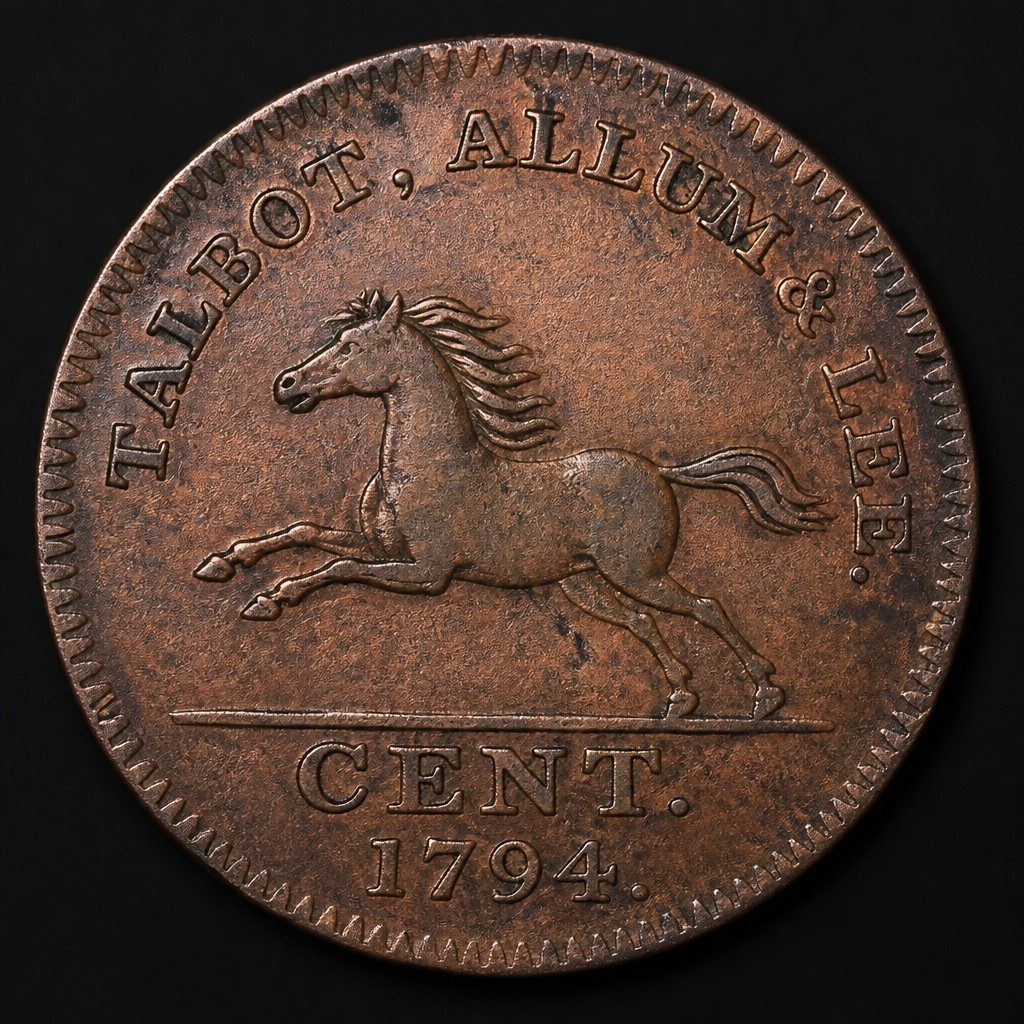
Talbot, Allum & Lee Cent
1794–1795
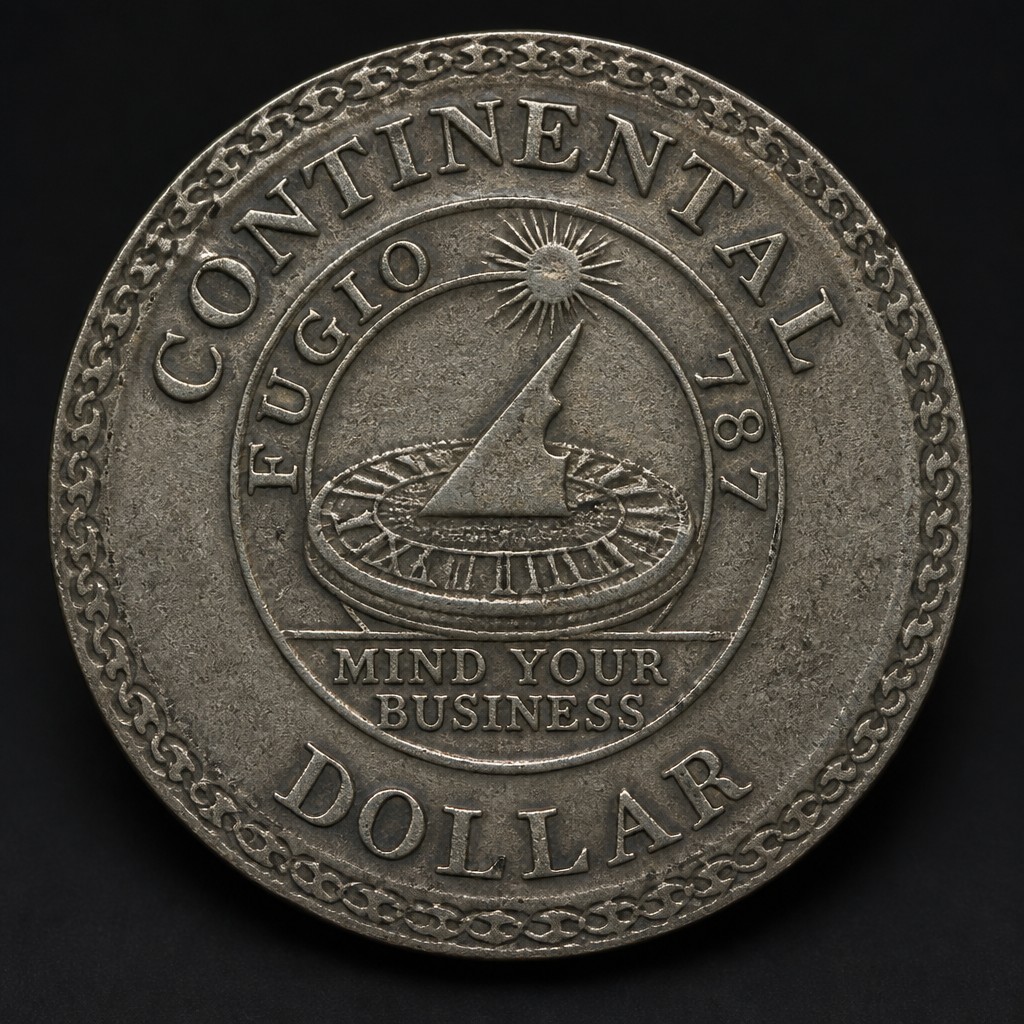
Continental Dollar
1776
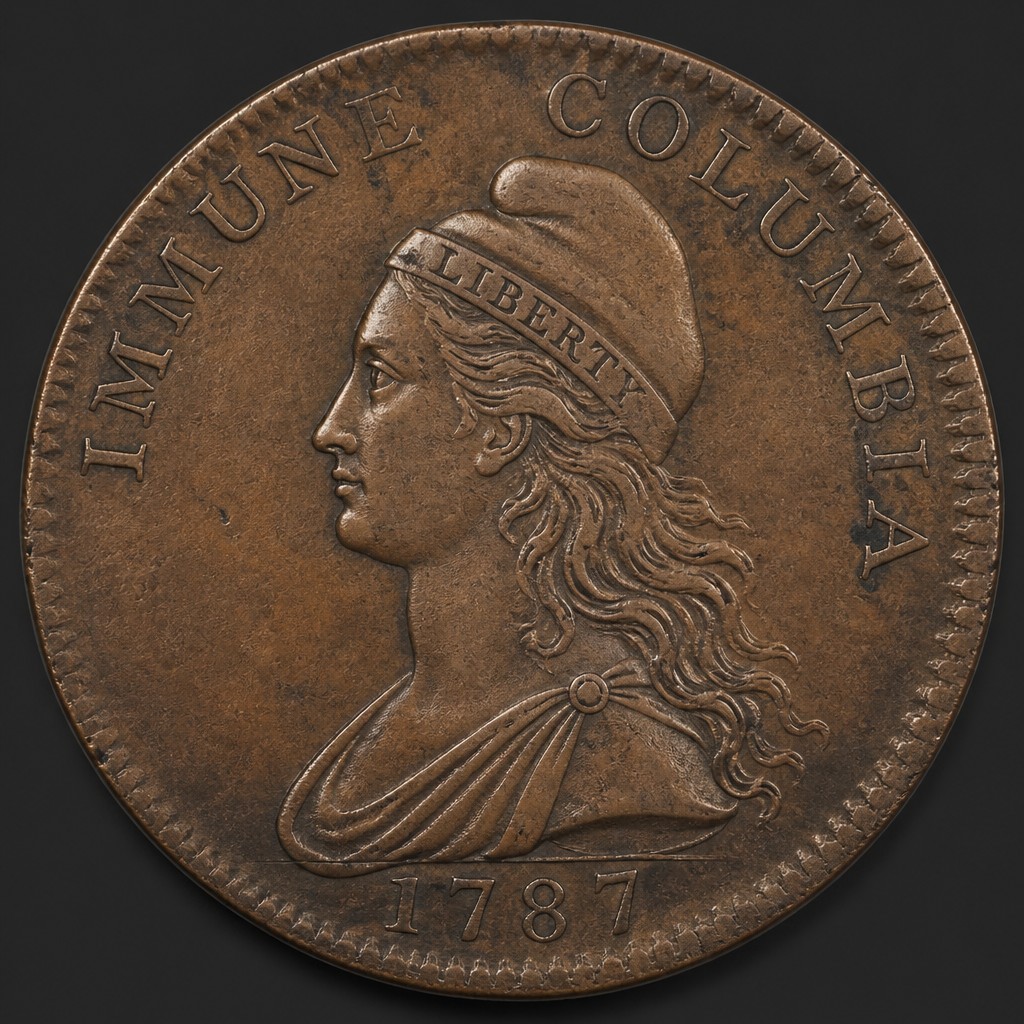
Immune Columbia Copper
circa 1785–1787
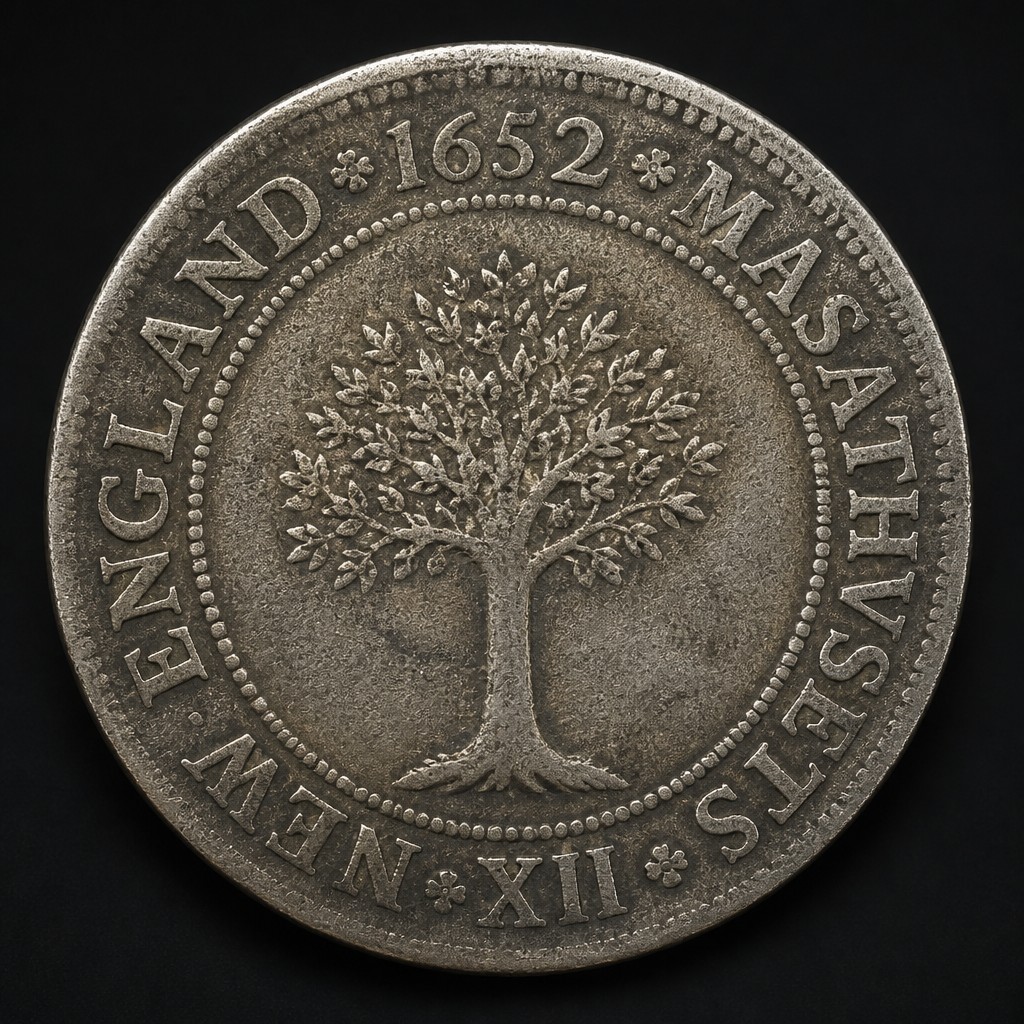
Massachusetts Oak Tree Shilling
Dated 1652, struck circa 1660–1667
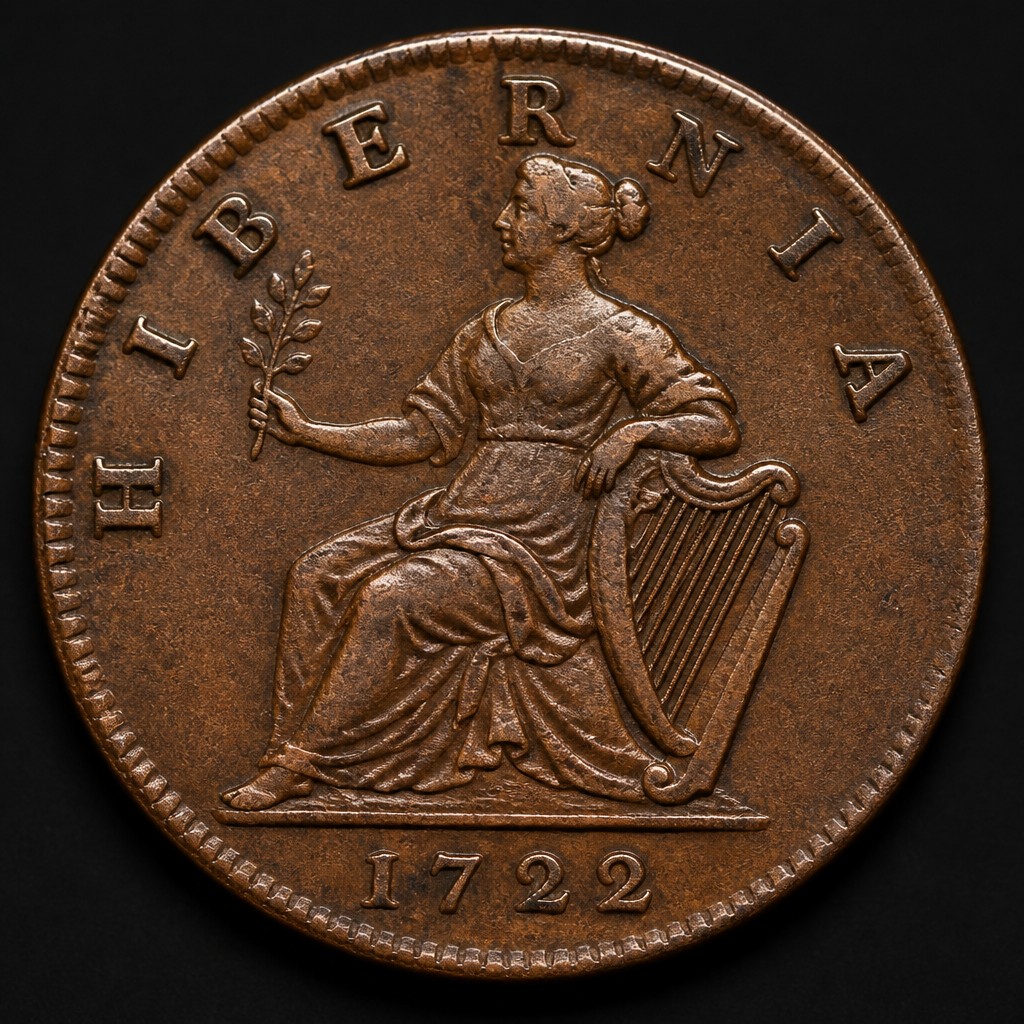
Wood's Hibernia Halfpenny
1722–1724
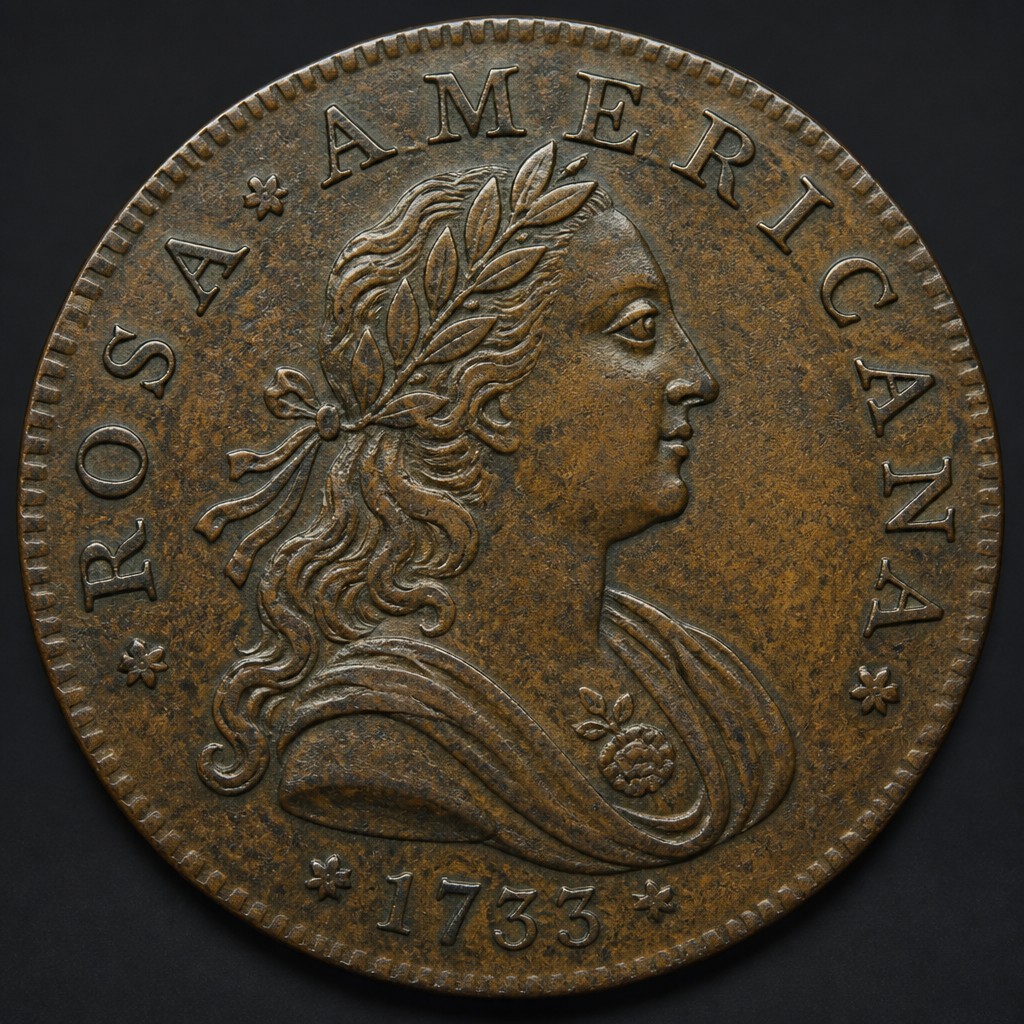
Rosa Americana Coinage
1722–1724 (with pattern issues dated 1733)
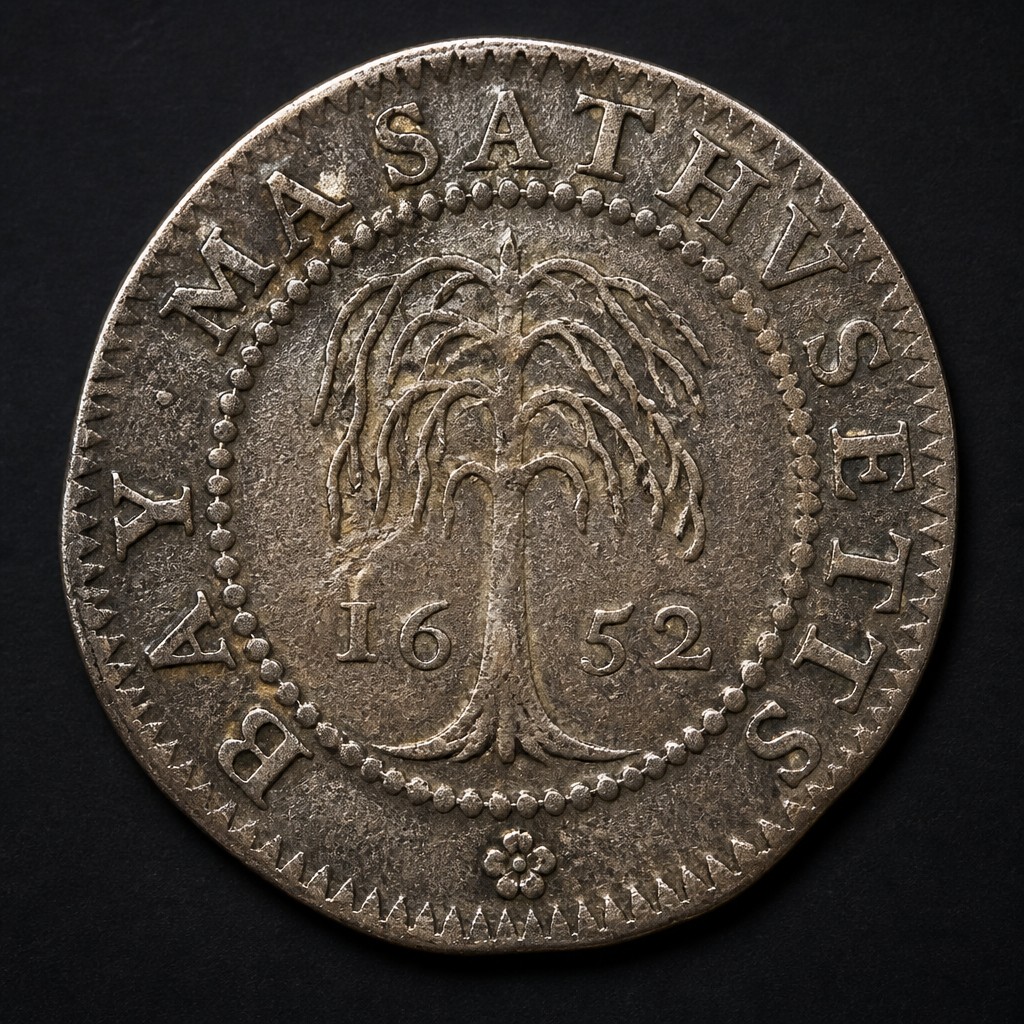
Massachusetts Willow Tree Shilling
Dated 1652, struck circa 1653–1660