
Coin Encyclopedia
Search and identify coins from around the world — with country, denomination, metal, mint, history, and how to tell them apart.
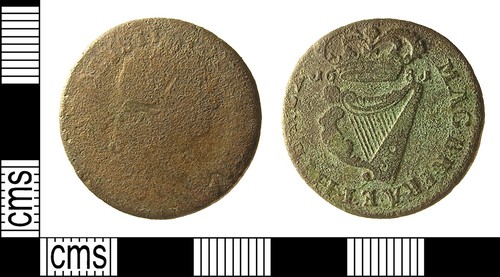
Irish Halfpenny of Charles II
A milled copper halfpenny struck for Ireland under Charles II, with his right-facing laureate bust and a crowned Irish harp on the reverse.
Milled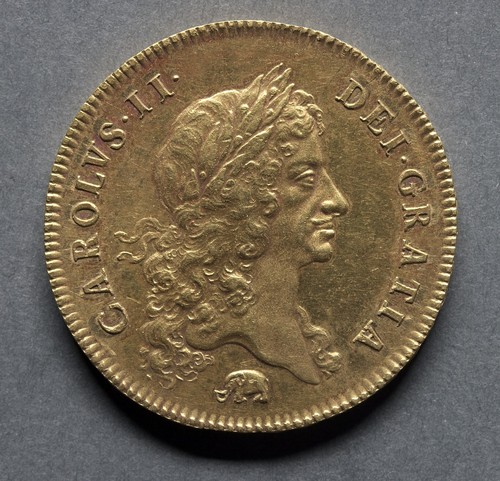
Charles II Five Guineas
The largest English gold coin of Charles II's reign, showing his laureate profile and a cruciform arrangement of crowned shields on the reverse.
Milled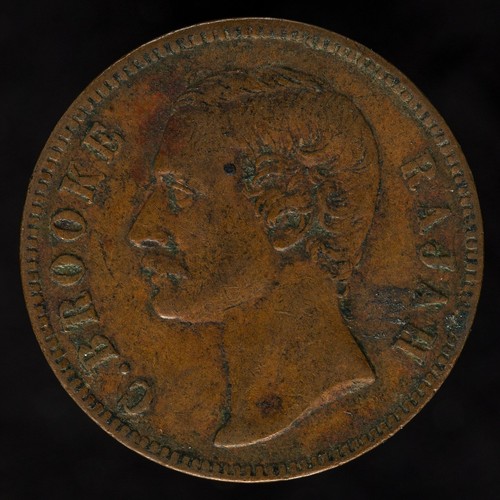
Sarawak One Cent
A large copper cent of the Brooke Rajahs of Sarawak, showing the Rajah's portrait on the obverse and SARAWAK ONE CENT with a wreath and the year 1870.
Colonial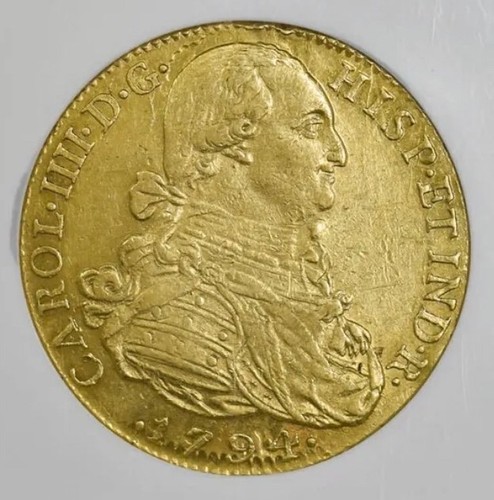
Colombia 8 Escudos (Base Metal)
A base-metal (copper-alloy) piece styled after the colonial Colombian 8 escudos gold onza, with a Charles III profile and crowned heraldic arms dated 1760.
Colonial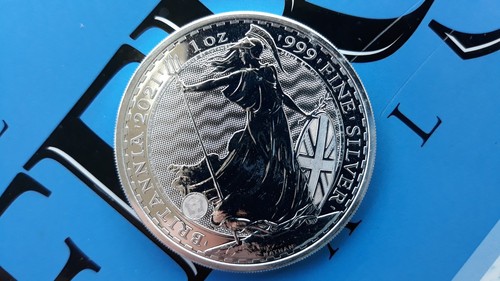
British Britannia Silver Coin
A modern UK bullion coin in fine silver, carrying a face value of 2 Pounds and the classic seated figure of Britannia with shield and trident.
Bullion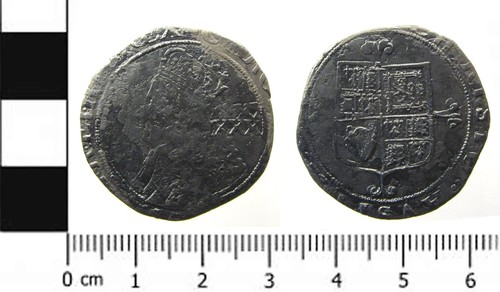
Charles II Half Crown
A milled silver half crown of Charles II, showing his laureate bust facing right and crowned royal-arms shields on the reverse.
Milled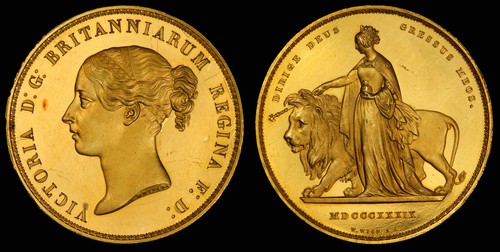
Una and the Lion Five Pounds
William Wyon's 1839 gold Five Pounds pairs a young Queen Victoria with Una guiding a lion — widely praised as one of the most beautiful British coins ever struck.
British Isles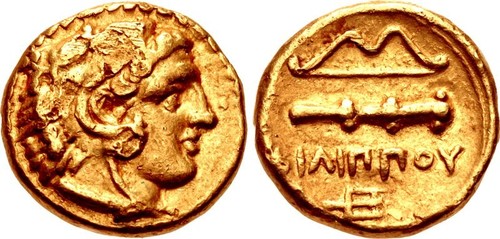
Alexander the Great Gold Quarter Stater
A small gold fraction of the Alexander the Great coinage, showing the head of Heracles and an eagle perched on a thunderbolt, the attributes of Zeus.
Ancient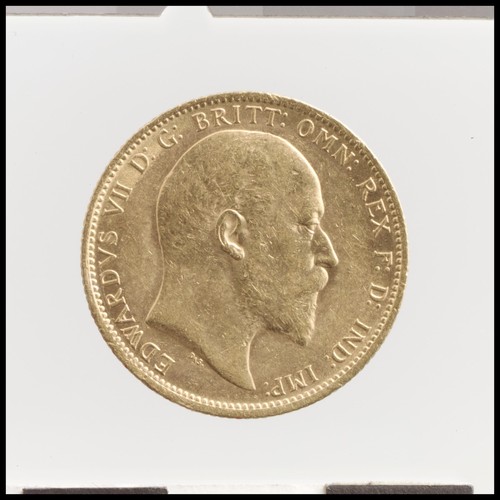
Gold Sovereign
The British gold sovereign: a one-pound gold coin. This 1817 George III example shows a laureate bust and a crowned heraldic shield of the royal arms.
World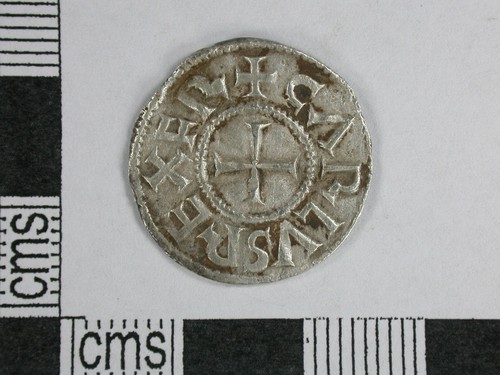
Denier of Charlemagne
A hand-struck silver denier of Charlemagne, king of the Franks: a central cross ringed by the CARLVS REX FR legend, with a royal monogram design on the reverse.
Medieval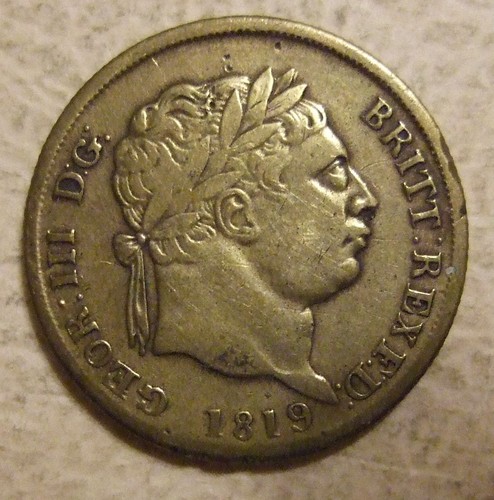
Shilling of George III
A milled silver shilling of George III from the Great Recoinage, with his laureate bust facing right and a crowned quartered royal shield within the Garter.
Milled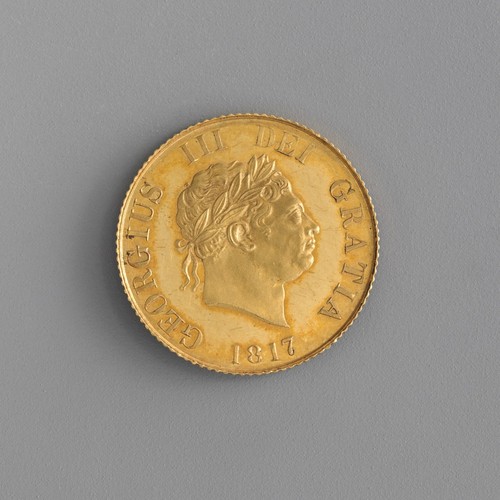
Half Sovereign of George III
British 22-carat gold half sovereign of George III, introduced in 1817 with a laureate bust and a crowned shield of arms; face value ten shillings.
Milled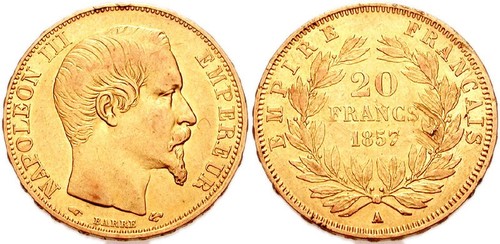
Napoleon III 20 Francs
French gold 20 francs of Emperor Napoleon III, showing his bare head facing right and a wreathed value on the reverse; example dated 1857.
World Coins
8 Reales (Portrait/Bust Type)
Large silver Spanish Empire dollar showing the bust of King Carlos III and a crowned coat of arms with lions and castles.
World Coins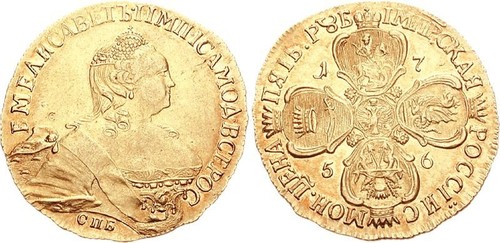
5 Roubles (Alexander III)
An Imperial Russian gold 5 Roubles of Alexander III, showing the tsar's bearded profile and the crowned double-headed eagle, struck in the late 1880s.
Modern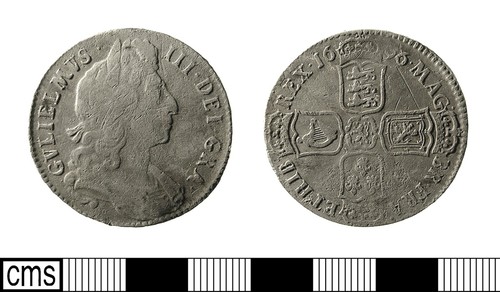
Halfcrown of William III
A silver two-shilling-and-sixpence coin of William III showing his laureate profile facing right and crowned cruciform shields of arms, dated 1696.
Milled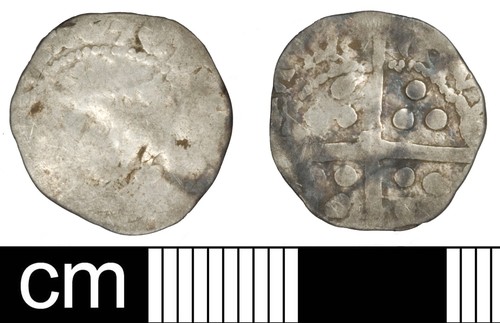
Medieval Penny of Edward III
A hammered silver penny of Edward III (1327–1377): a crowned facing royal bust on one side and a long cross with pellets on the other.
British Isles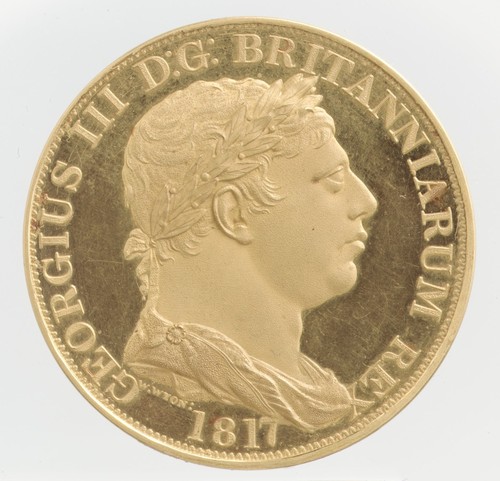
Crown of George III (Incorrupta)
A milled crown of George III dated 1817, named for its INCORRUPTA reverse legend, showing a laureate draped bust and crowned royal arms.
Milled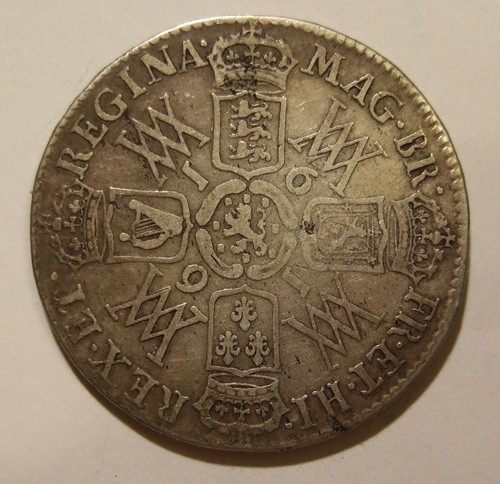
Half Crown of William III and Mary II
A milled silver half crown of the joint reign of William III and Mary II, showing their conjoined busts and a crowned heraldic shield, dated 1691.
Milled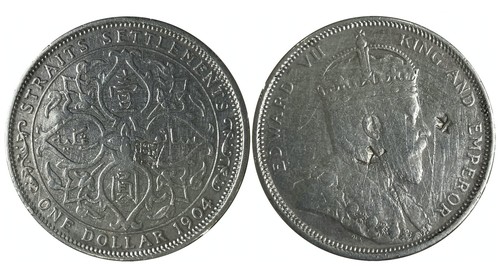
Straits Settlements Dollar
A 1904 silver dollar of the British Straits Settlements, one face showing an emblem and ONE DOLLAR, the other a right-facing portrait of King Edward VII.
Southeast Asia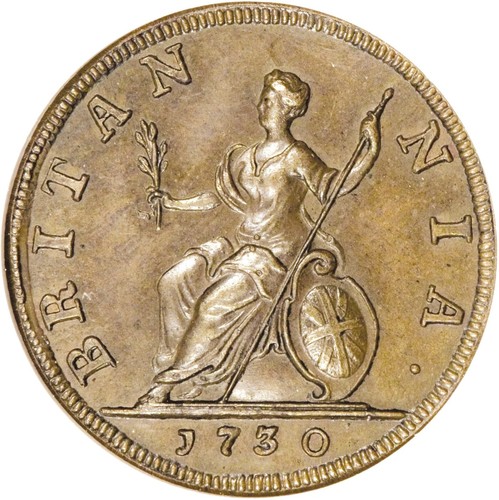
British Farthing
Small copper farthing of King George II, with his laureate bust facing left and a seated Britannia on the reverse; struck in the 1730s.
British Isles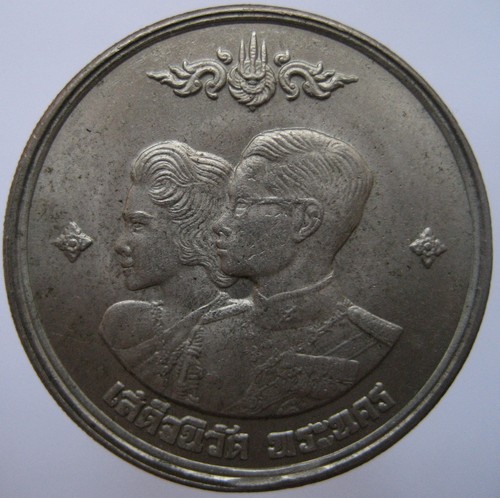
Thailand One Baht Commemorative
A 1961 Thai one-baht commemorative bearing the conjoined profiles of King Rama IX and Queen Sirikit, paired with the Thai royal arms on the reverse.
Southeast Asia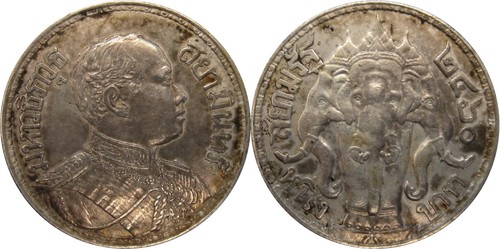
Thailand One Baht
A silver one-baht coin of Siam struck under King Rama VI, its obverse bearing the young king's uniformed profile within Thai royal inscriptions.
Southeast Asia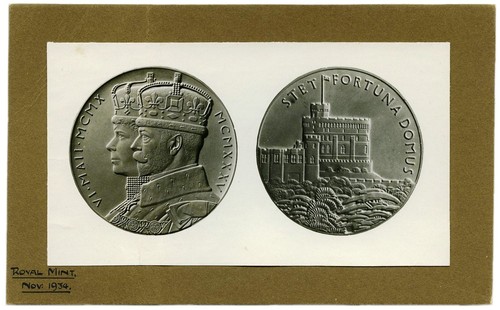
King's Silver Jubilee Medal
British 1935 commemorative medal with overlaid profiles of King George V and Queen Mary and a castle reverse marking the Silver Jubilee.
Medals & Tokens