
Coin Encyclopedia
Search and identify coins from around the world — with country, denomination, metal, mint, history, and how to tell them apart.
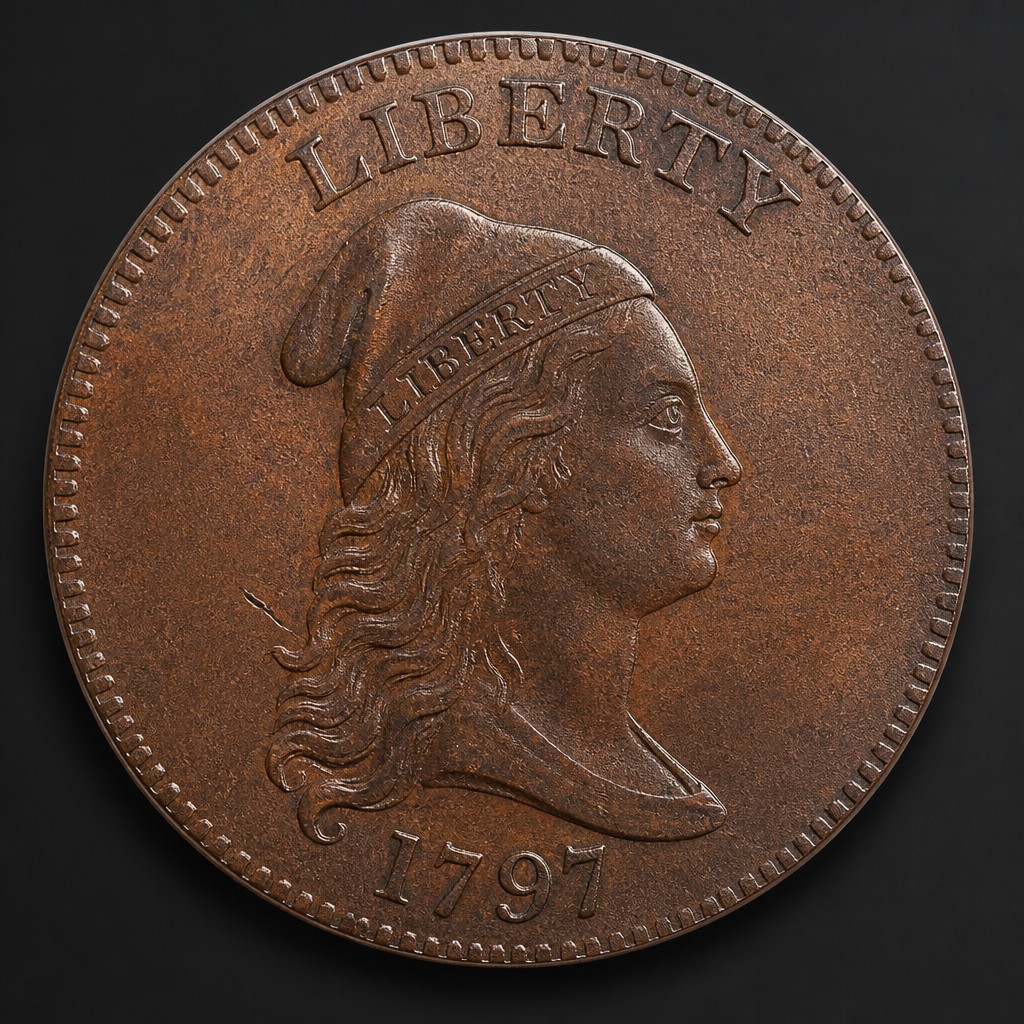
Liberty Cap Half Cent
The first design used on the U.S. half cent, struck from 1793 to 1797, showing Liberty wearing a soft cap on the obverse and a wreath on the reverse.
United States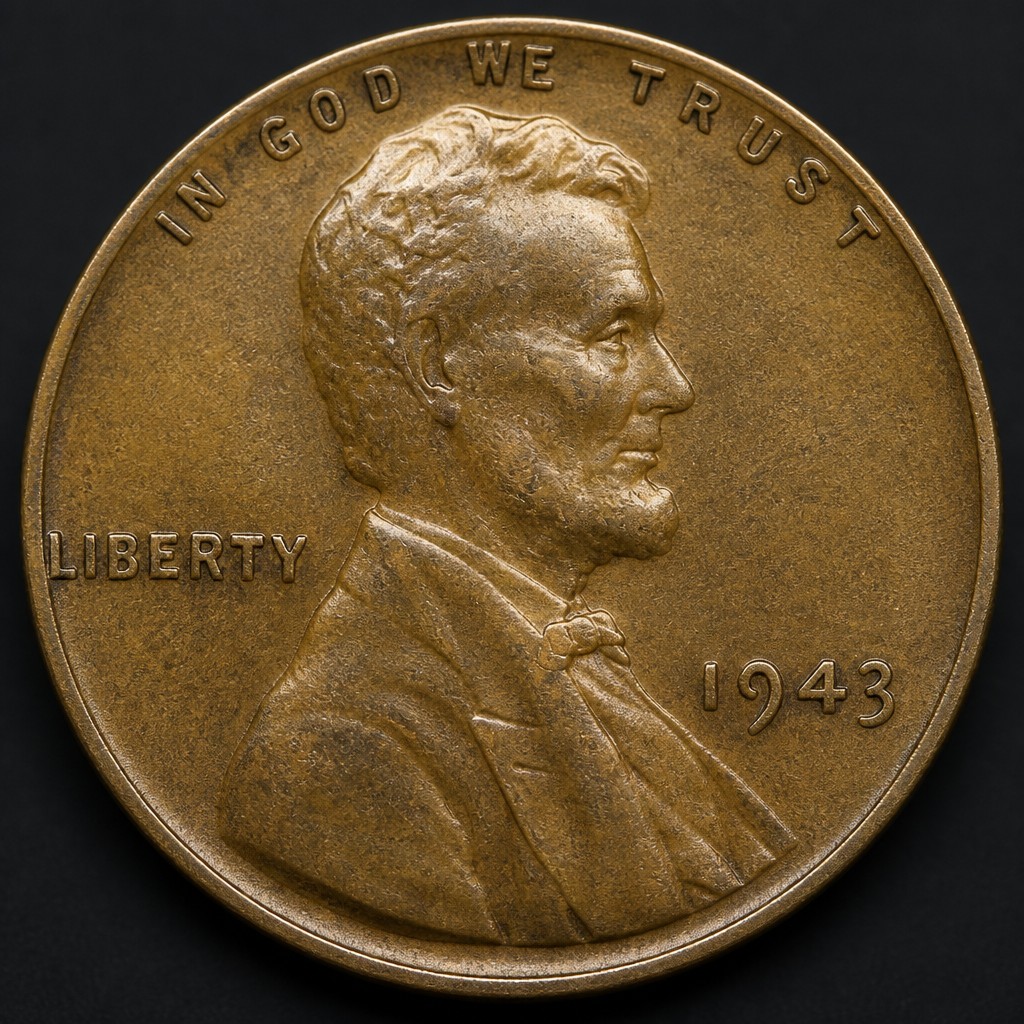
1943 Bronze Cent
An extremely rare Lincoln cent mistakenly struck in leftover bronze planchets in 1943, a year when cents were officially made of zinc-coated steel to save copper for World War II.
Errors & Varieties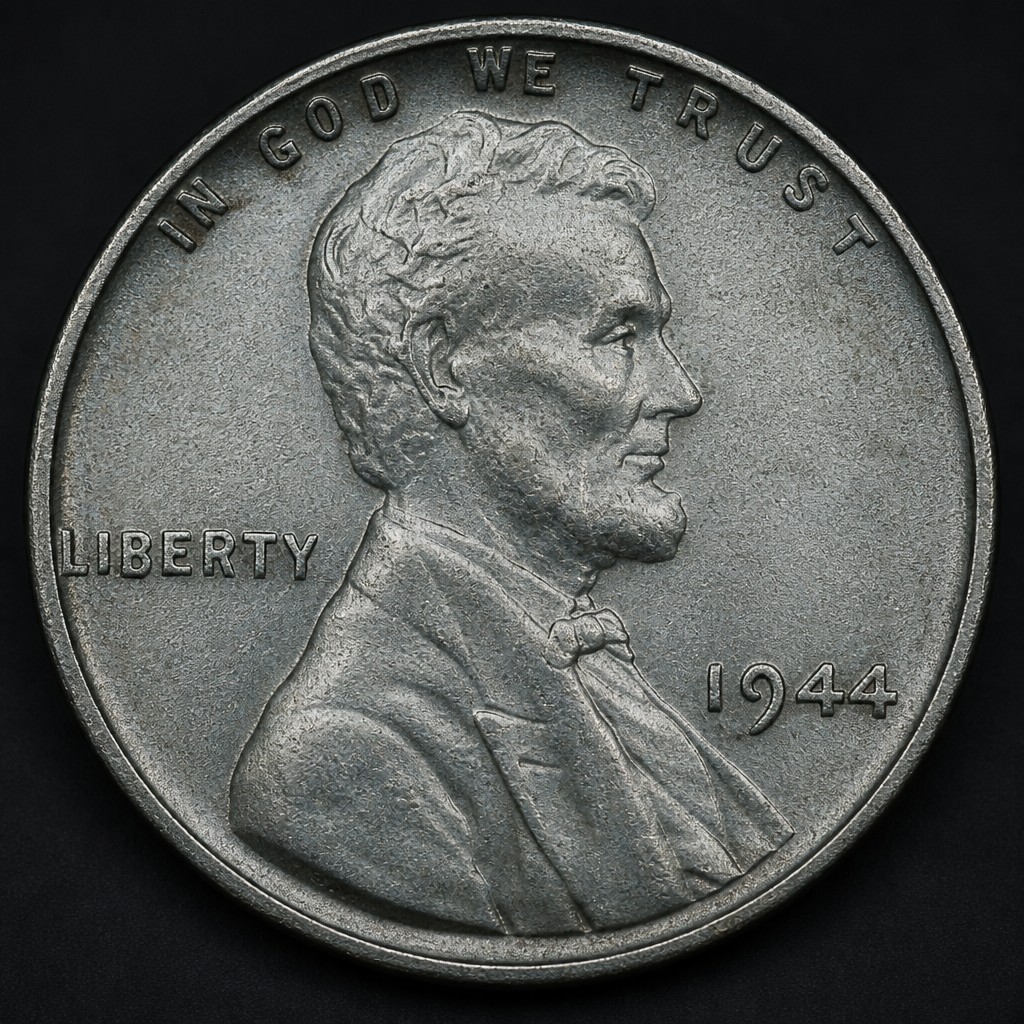
1944 Steel Cent
A rare Lincoln cent mistakenly struck on leftover steel planchets in 1944, the reverse counterpart to the famous 1943 bronze cent error.
Errors & Varieties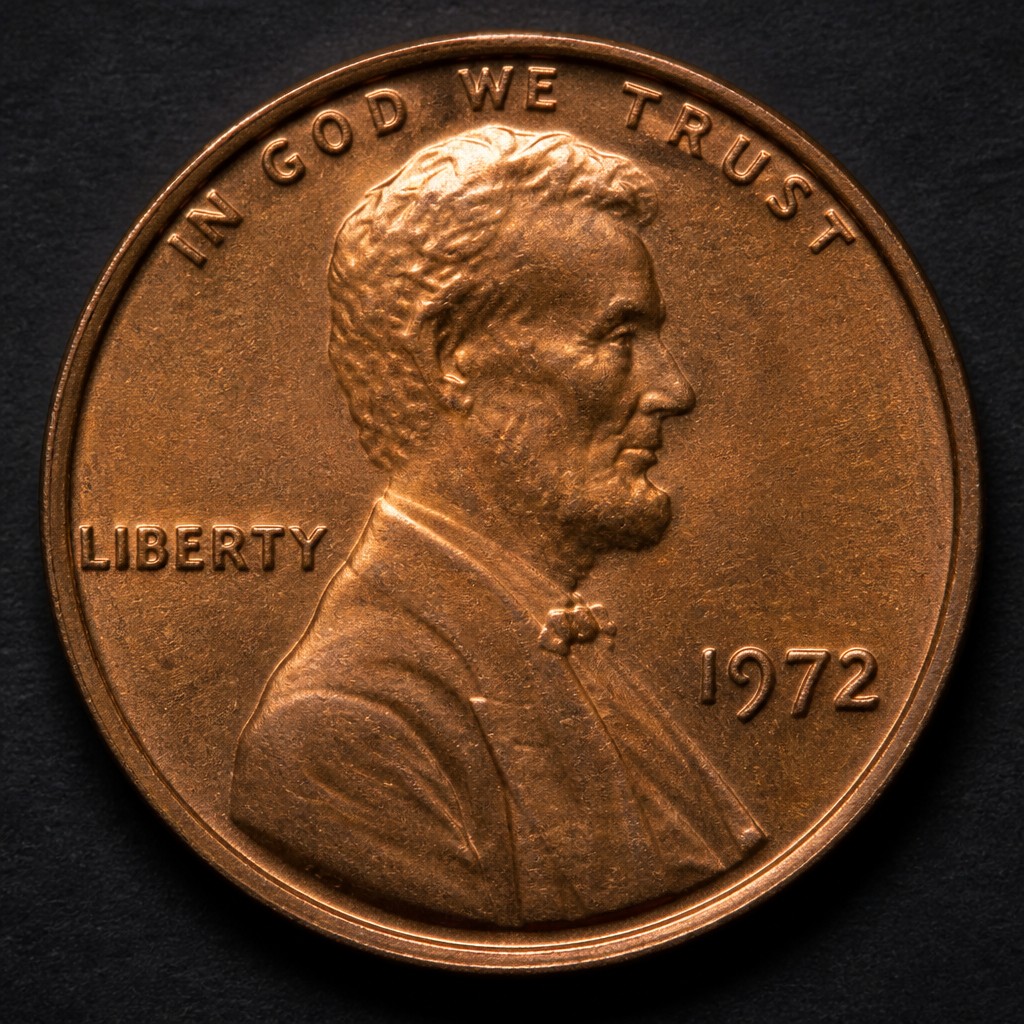
1972 Doubled Die Lincoln Cent
A famous Lincoln cent error showing strong doubling on the obverse date and lettering, caused by a misaligned die hub during production at the Philadelphia Mint.
Errors & Varieties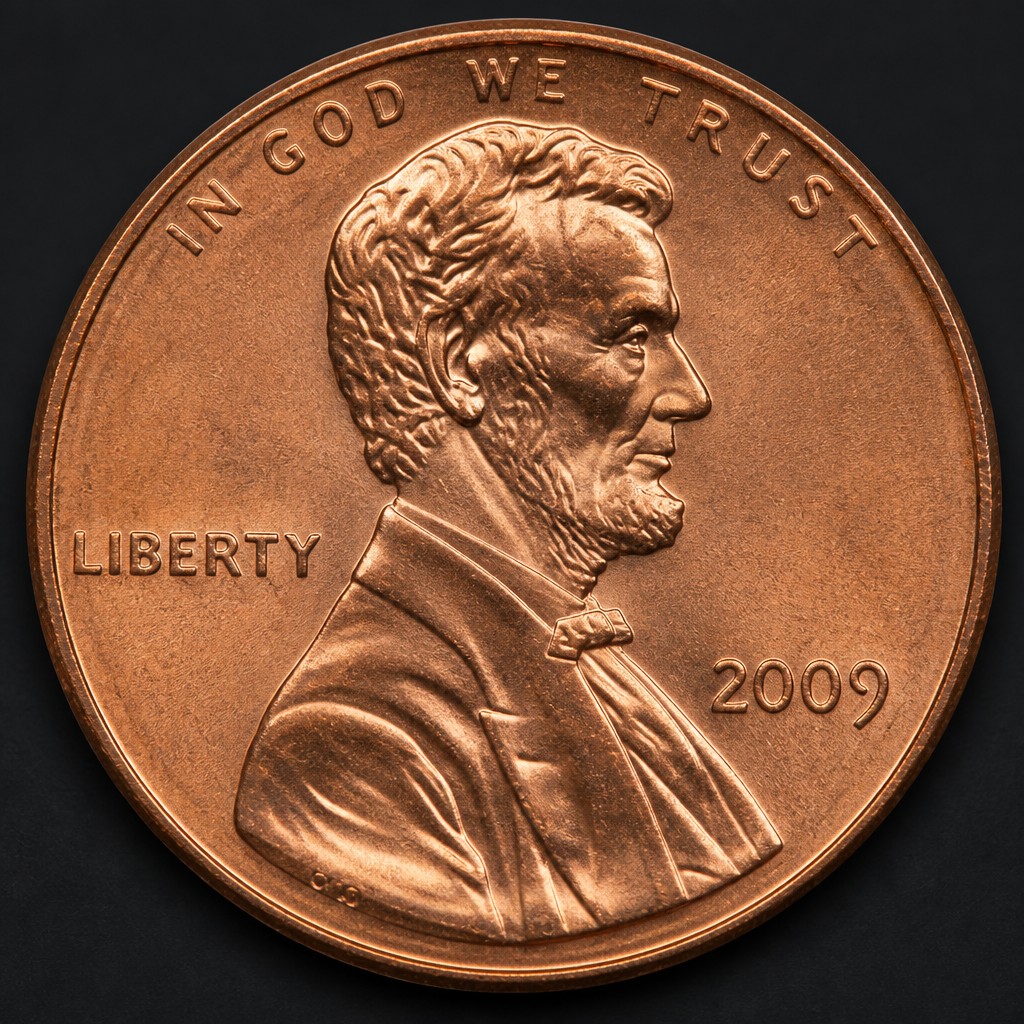
Lincoln Bicentennial Cent (2009)
A one-year series of four different reverse designs issued in 2009 to mark the 200th anniversary of Abraham Lincoln's birth and the centennial of the Lincoln cent.
Commemorative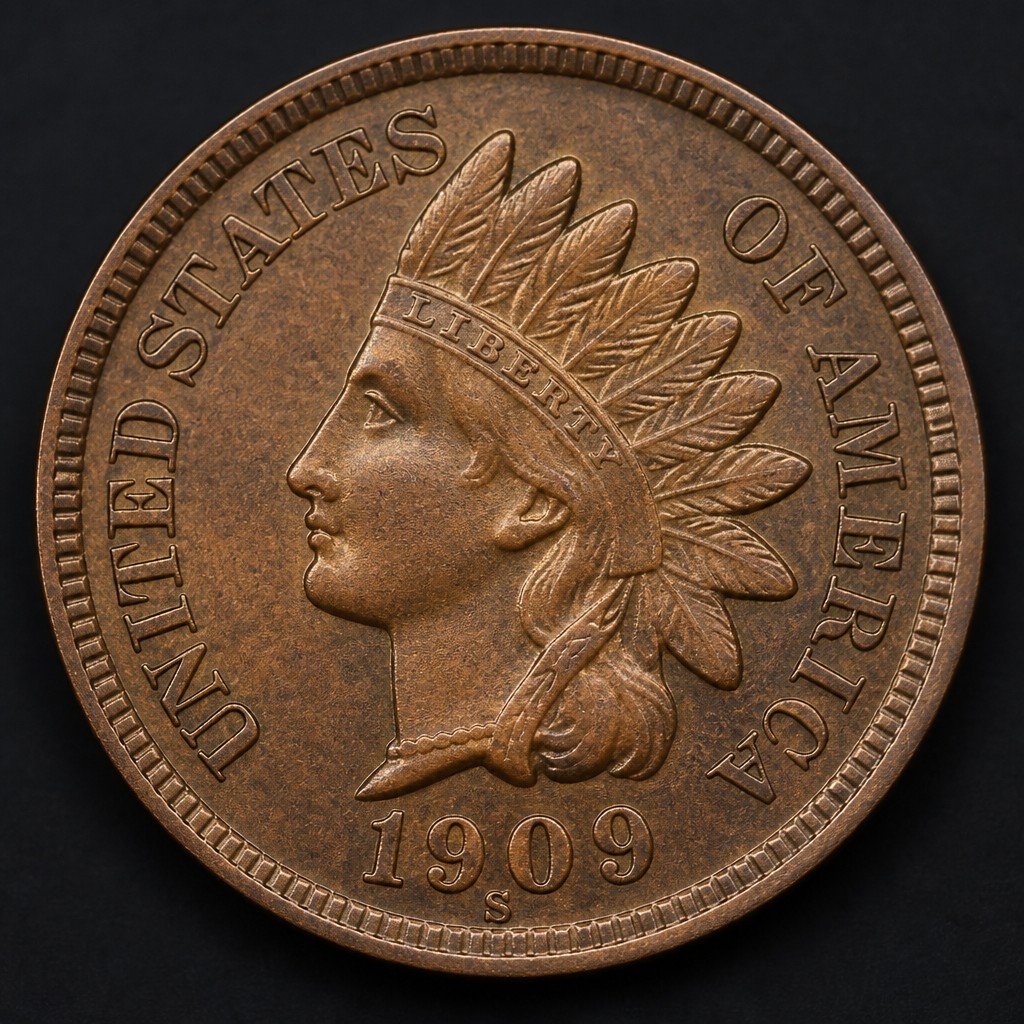
1909-S Indian Head Cent
The final and lowest-mintage Indian Head cent, struck at the San Francisco Mint in the series' last year before the Lincoln cent debuted.
United States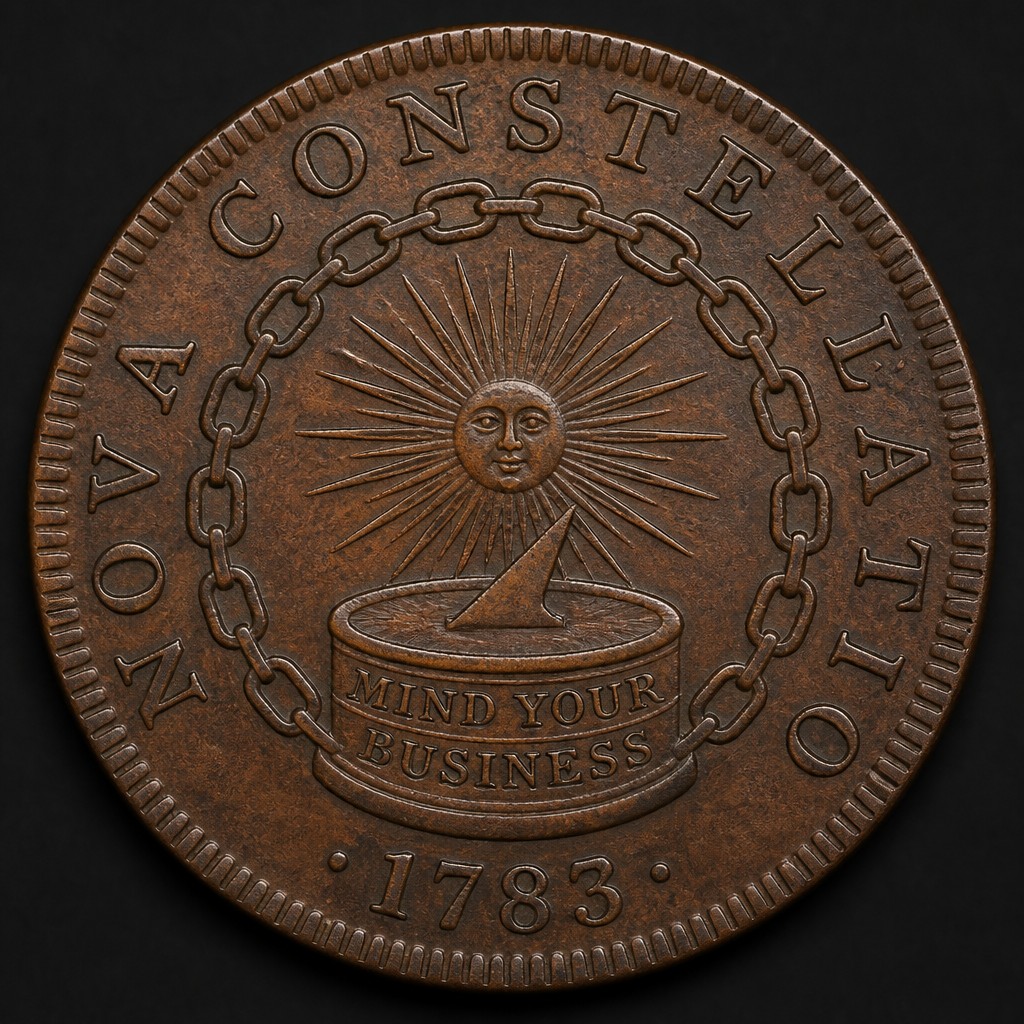
Nova Constellatio Copper
Distinctive early American copper coin featuring a radiant eye within a circle of stars, associated with Gouverneur Morris's proposed decimal coinage plans of the early 1780s.
United States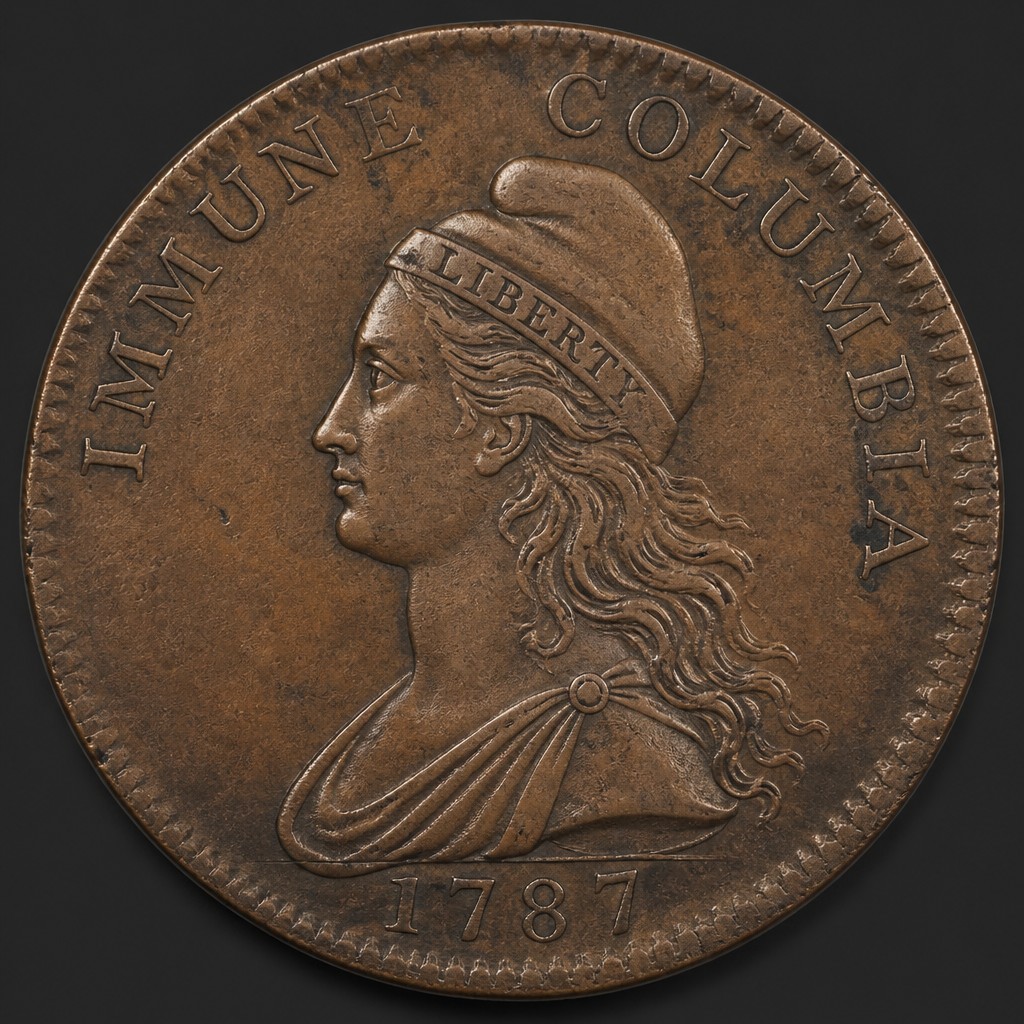
Immune Columbia Copper
An extremely rare Confederation-era copper carrying the Latin legend 'IMMUNIS COLUMBIA,' known for numerous unusual die combinations and mules with other early American and British designs.
United States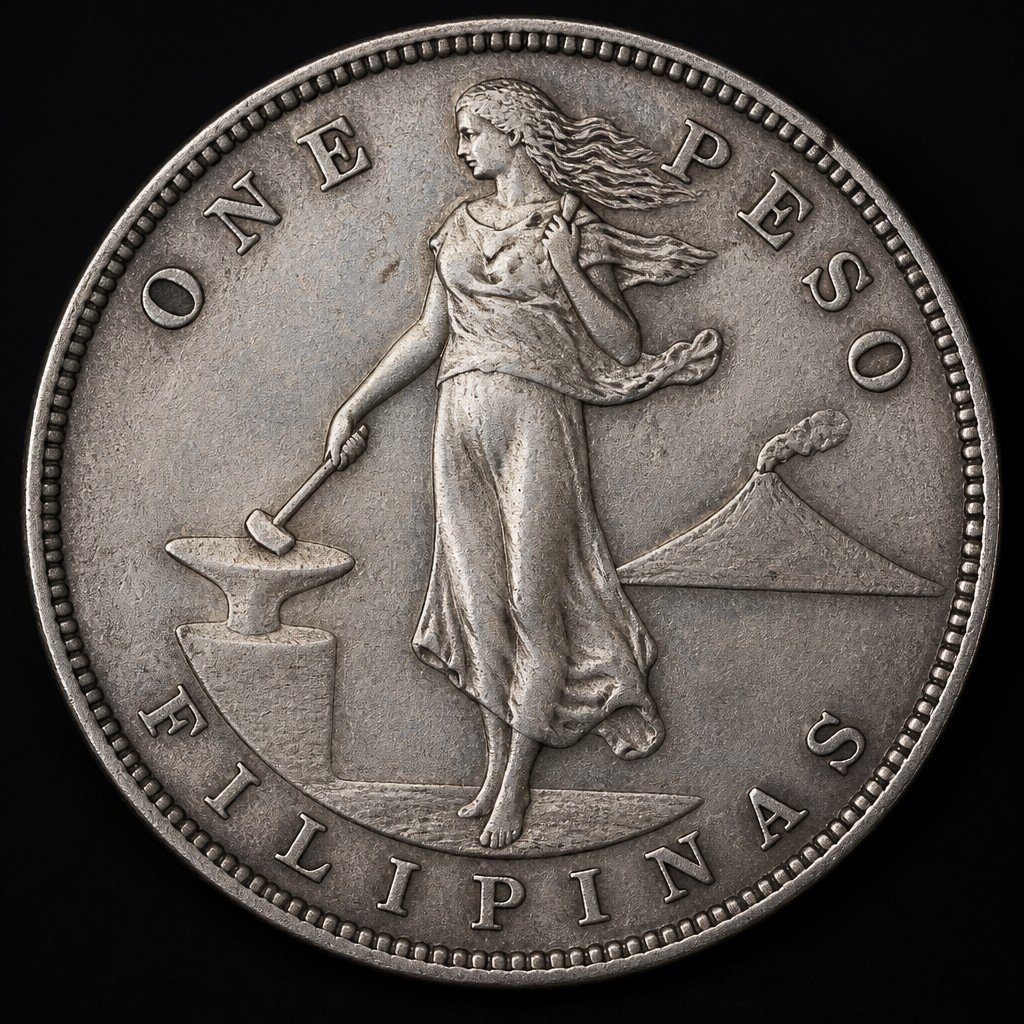
Philippine Peso (US Administration, 1903)
Silver one-peso coin struck for the Philippines under early American colonial administration, part of a new US-designed coinage system introduced in 1903.
Asian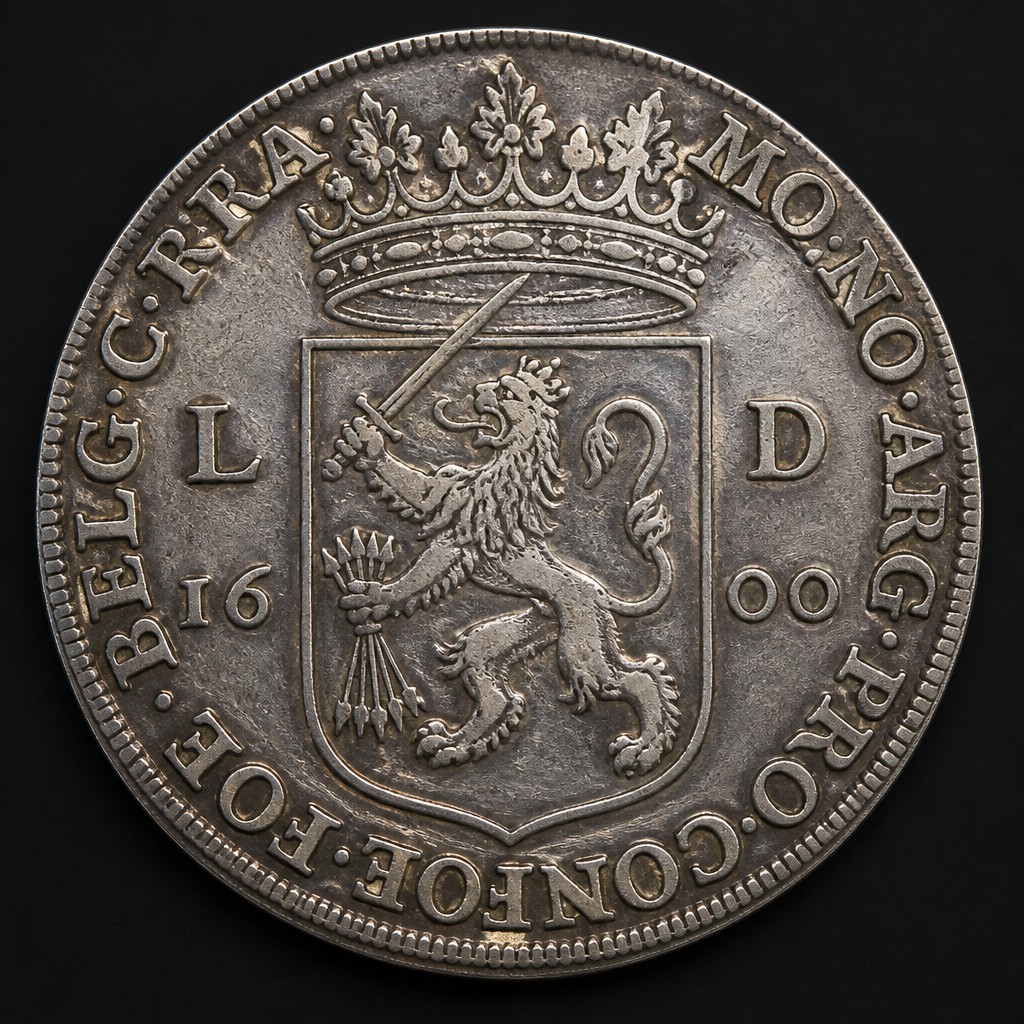
Netherlands Lion Daalder (Leeuwendaalder)
A large silver trade coin of the Dutch provinces showing a knight and a rampant lion, widely circulated in colonial North America and the Ottoman world as the prototype 'lion dollar.'
European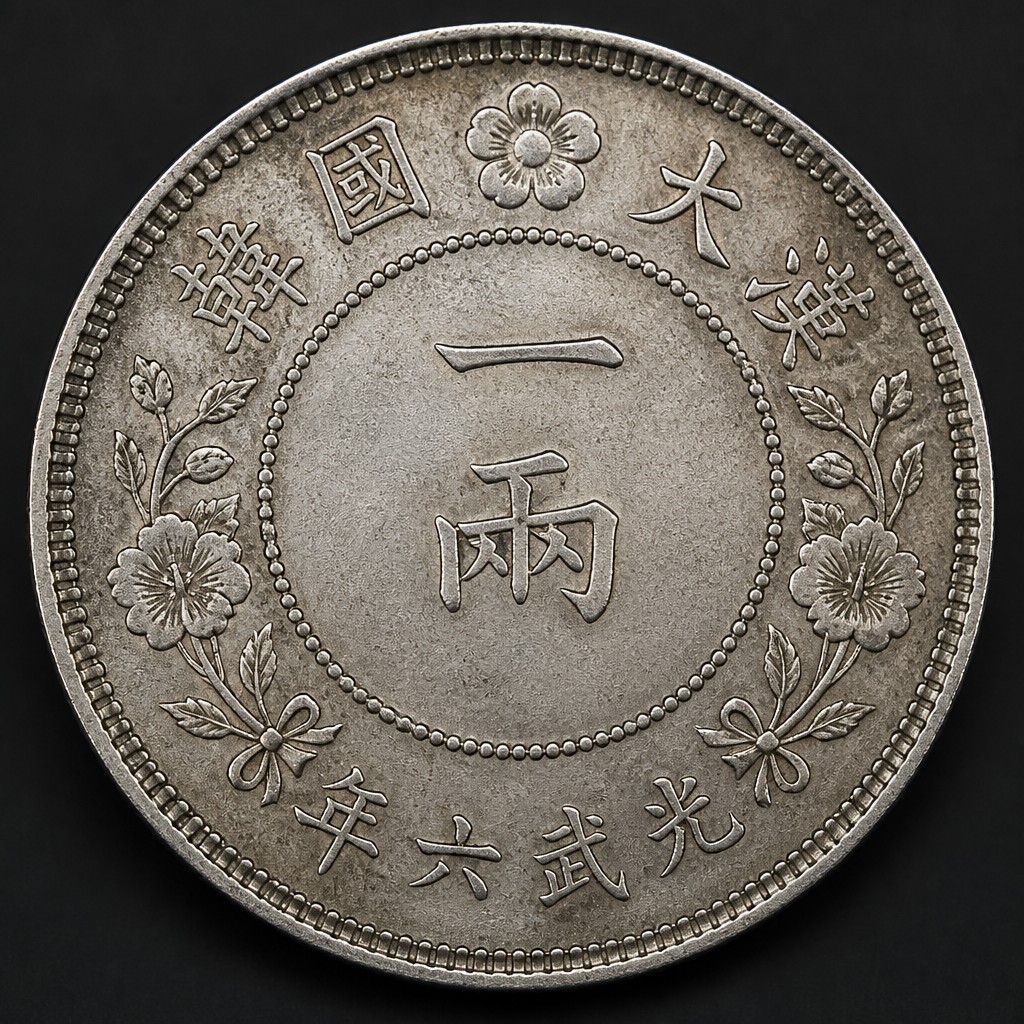
Korean 1 Yang Silver (Joseon/Great Han Empire)
Silver 1 Yang coin from Korea's late Joseon currency reform of the 1890s, part of the kingdom's first modern, machine-struck decimal coinage.
Asian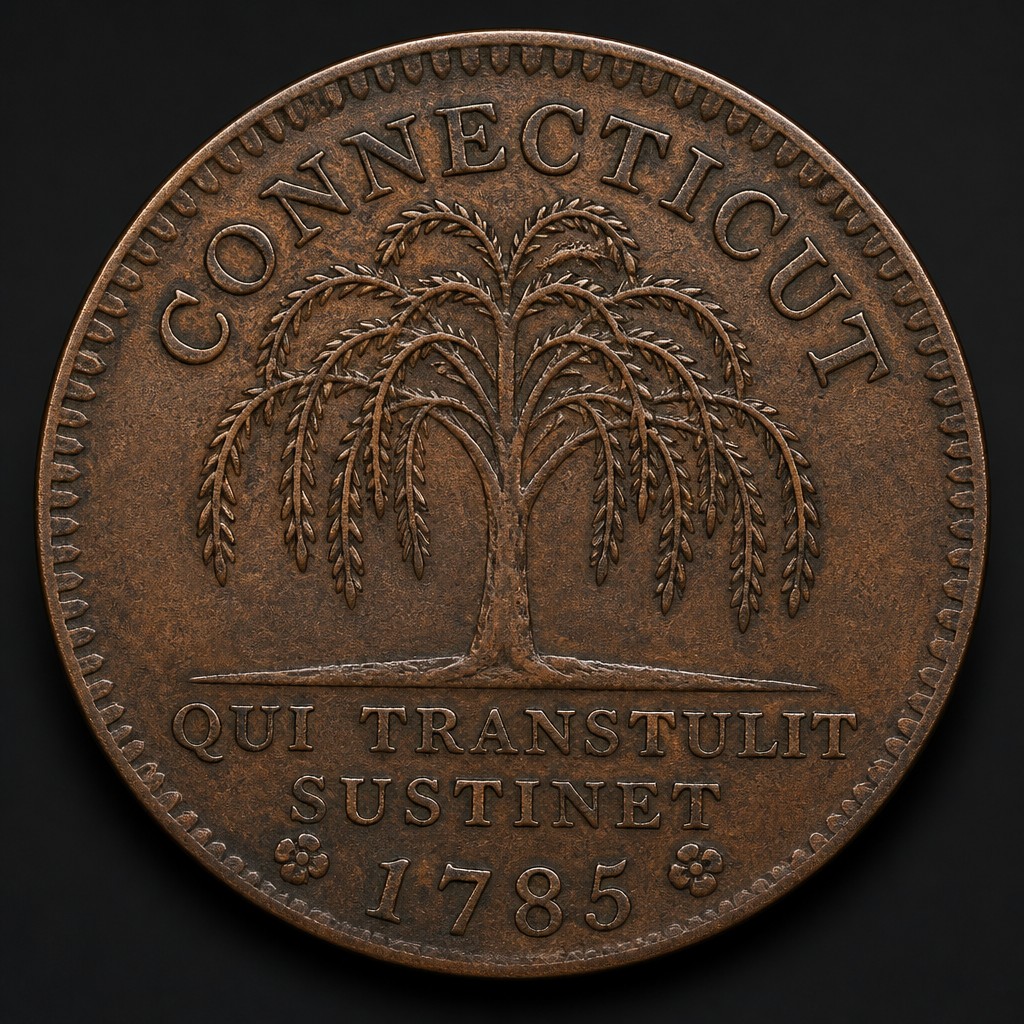
Connecticut Copper
State-authorized copper coinage struck for Connecticut in the mid-1780s, featuring a bust obverse and seated Liberty reverse across numerous die varieties.
United States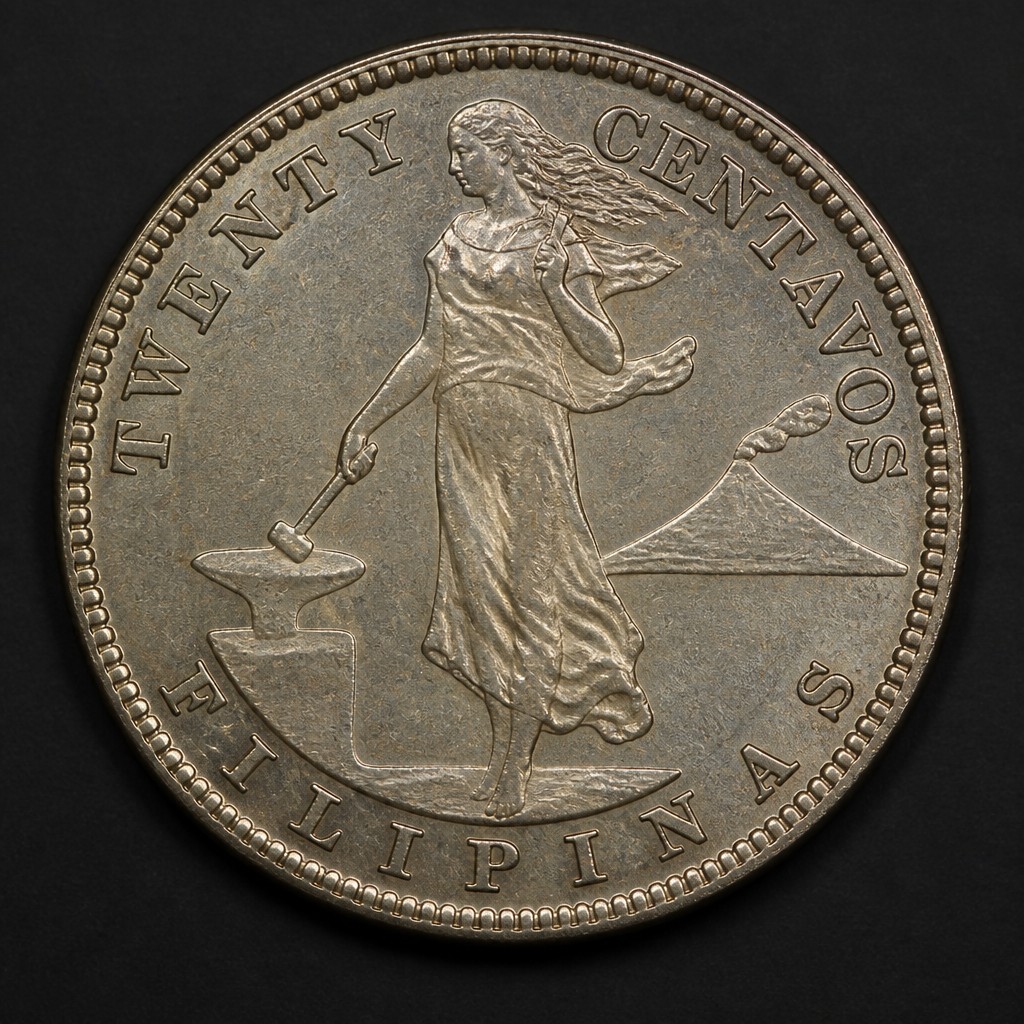
Philippine 20 Centavos (US-Philippines)
A small silver coin from the US administration of the Philippines, showing Liberty striking an anvil before Mount Mayon on the obverse and a heraldic eagle on the reverse.
Asian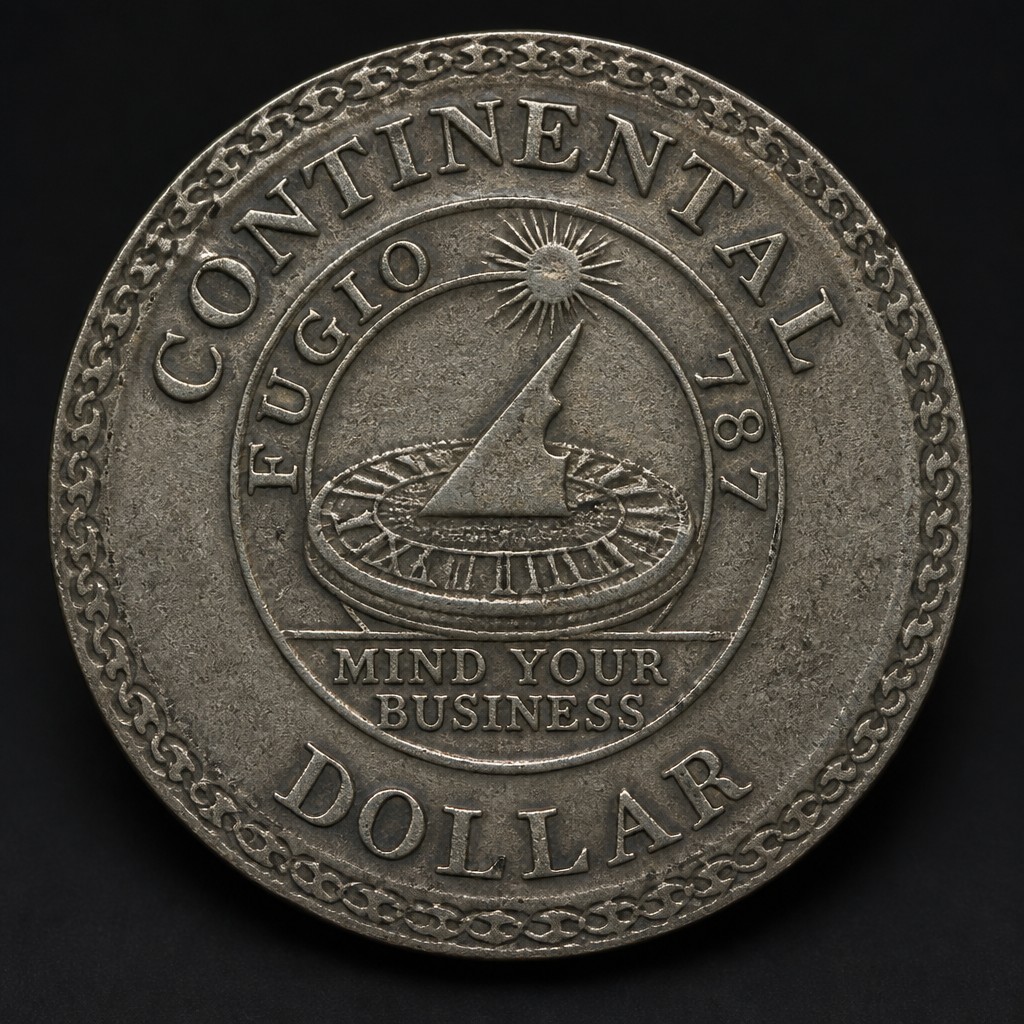
Continental Dollar
A large 1776-dated piece bearing a sundial, 'MIND YOUR BUSINESS,' and a thirteen-link chain, long debated as either an intended Continental Congress dollar or a contemporary satirical piece.
United States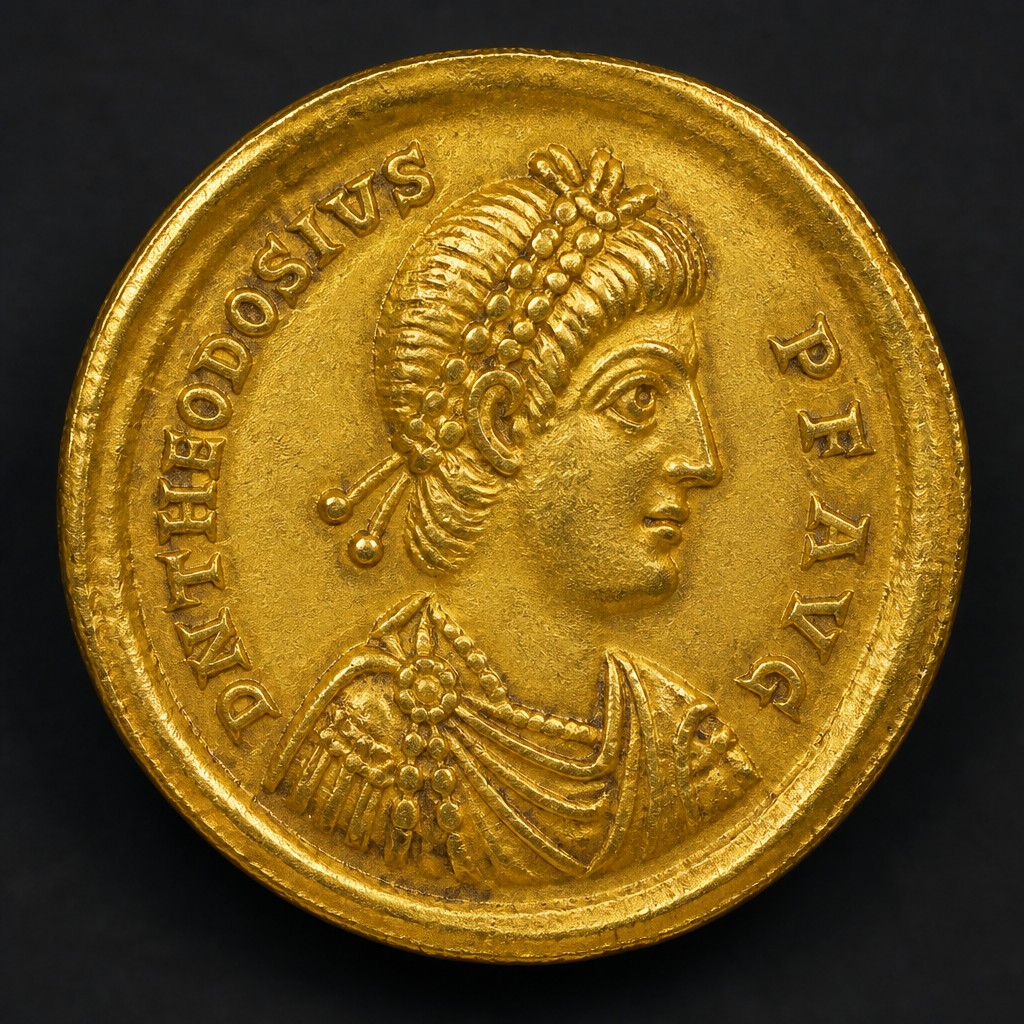
Theodosius I Solidus
A gold solidus of Theodosius I, the last emperor to rule a united Roman Empire and the ruler who made Nicene Christianity the state religion.
Ancient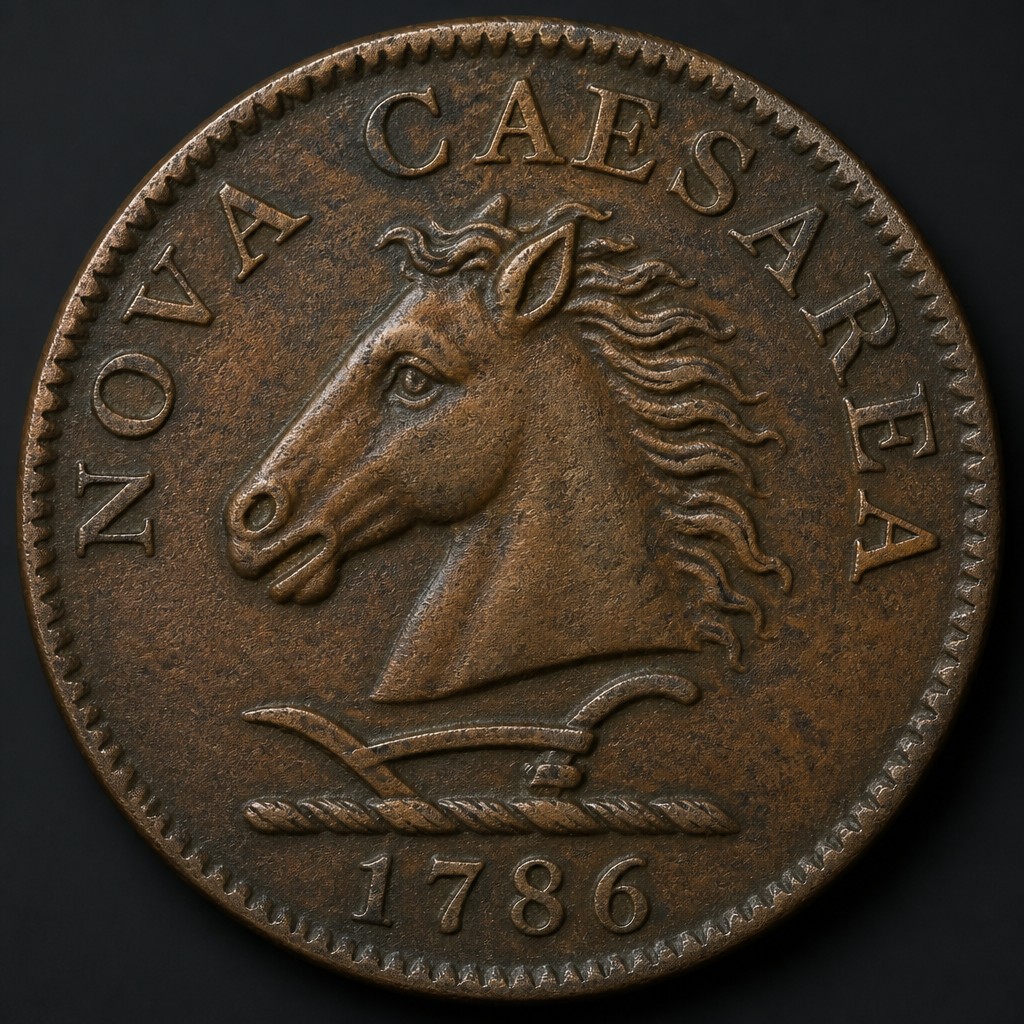
New Jersey Copper
State-authorized copper coinage struck for New Jersey in the late 1780s, famous for its horse-head-and-plow obverse and shield reverse design.
United States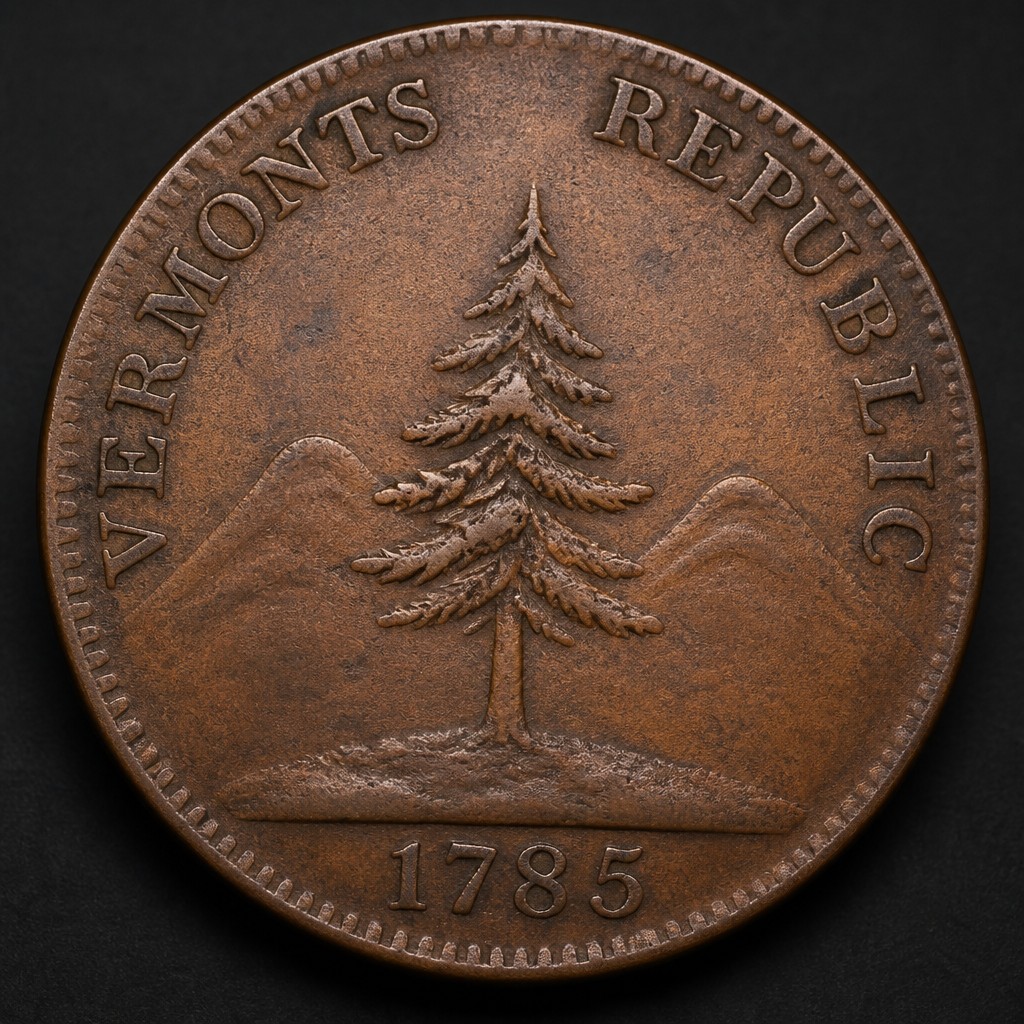
Vermont Copper
Copper coinage struck under authority of the independent Vermont Republic in the 1780s, featuring an early landscape design and later a Britannia-style type.
United States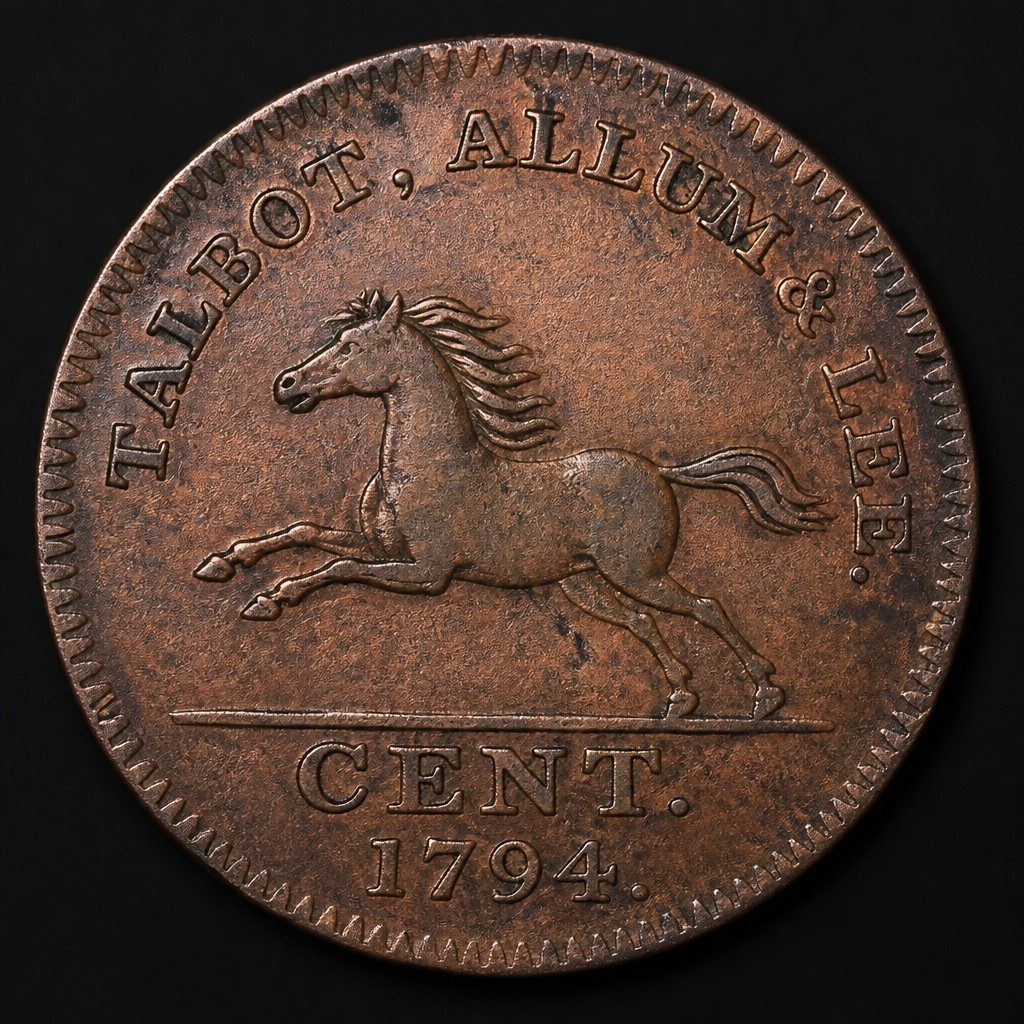
Talbot, Allum & Lee Cent
A merchant token issued by the New York trading firm Talbot, Allum & Lee to help ease the shortage of small change in the 1790s, featuring a sailing ship on the obverse.
United States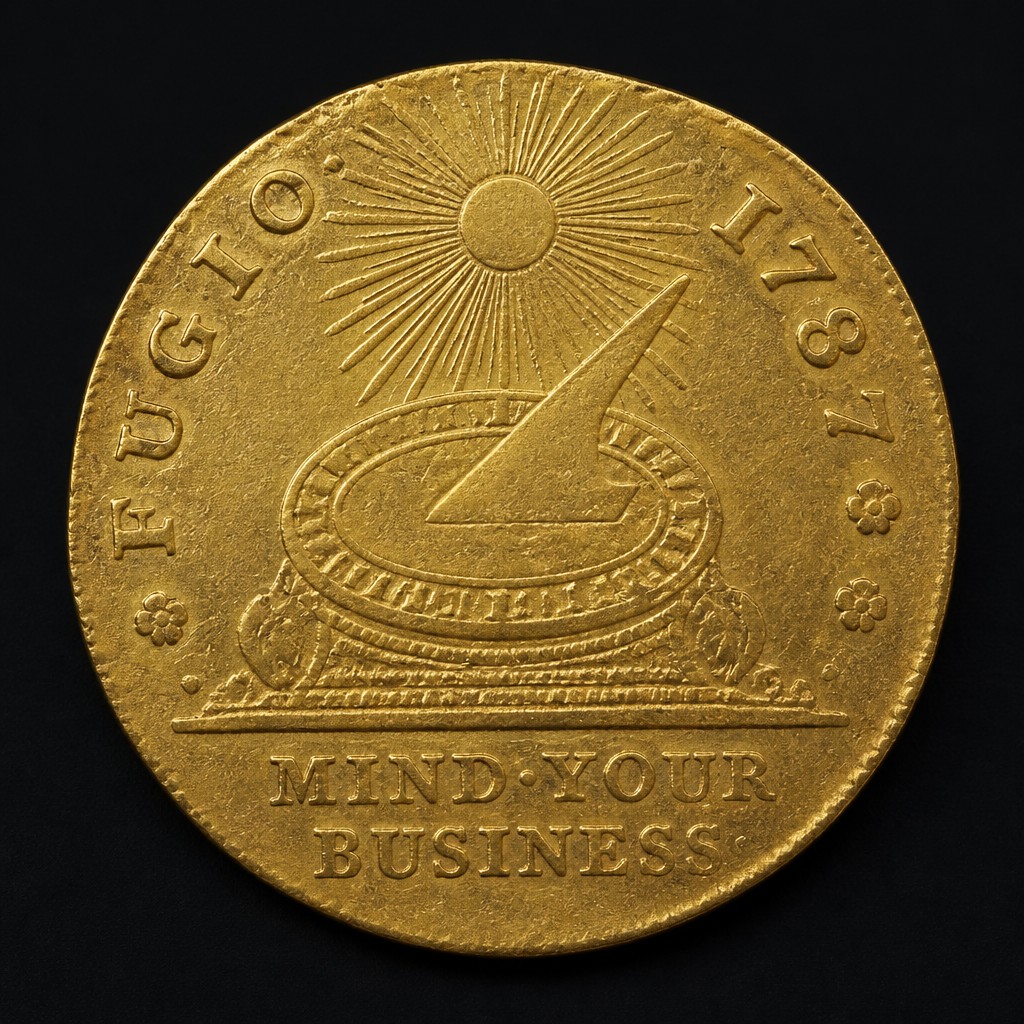
Brasher Doubloon
A famous privately struck gold coin made in 1787 by New York goldsmith Ephraim Brasher, a neighbor of George Washington, and one of the most valuable and celebrated coins in American numismatics.
United States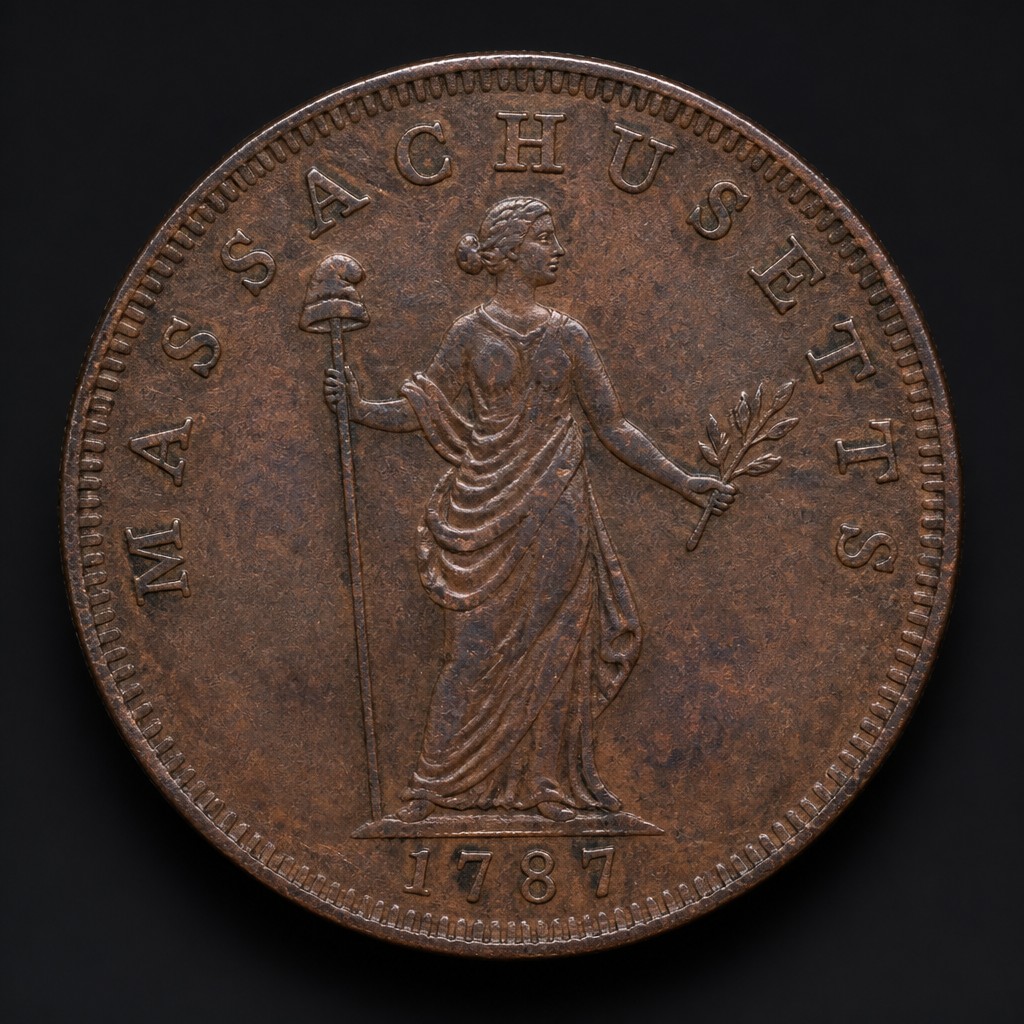
Massachusetts Cent (1787-1788)
State-issued copper coinage struck by the Commonwealth of Massachusetts in 1787 and 1788, notable as the first official U.S. coinage to use the denomination 'cent'.
United States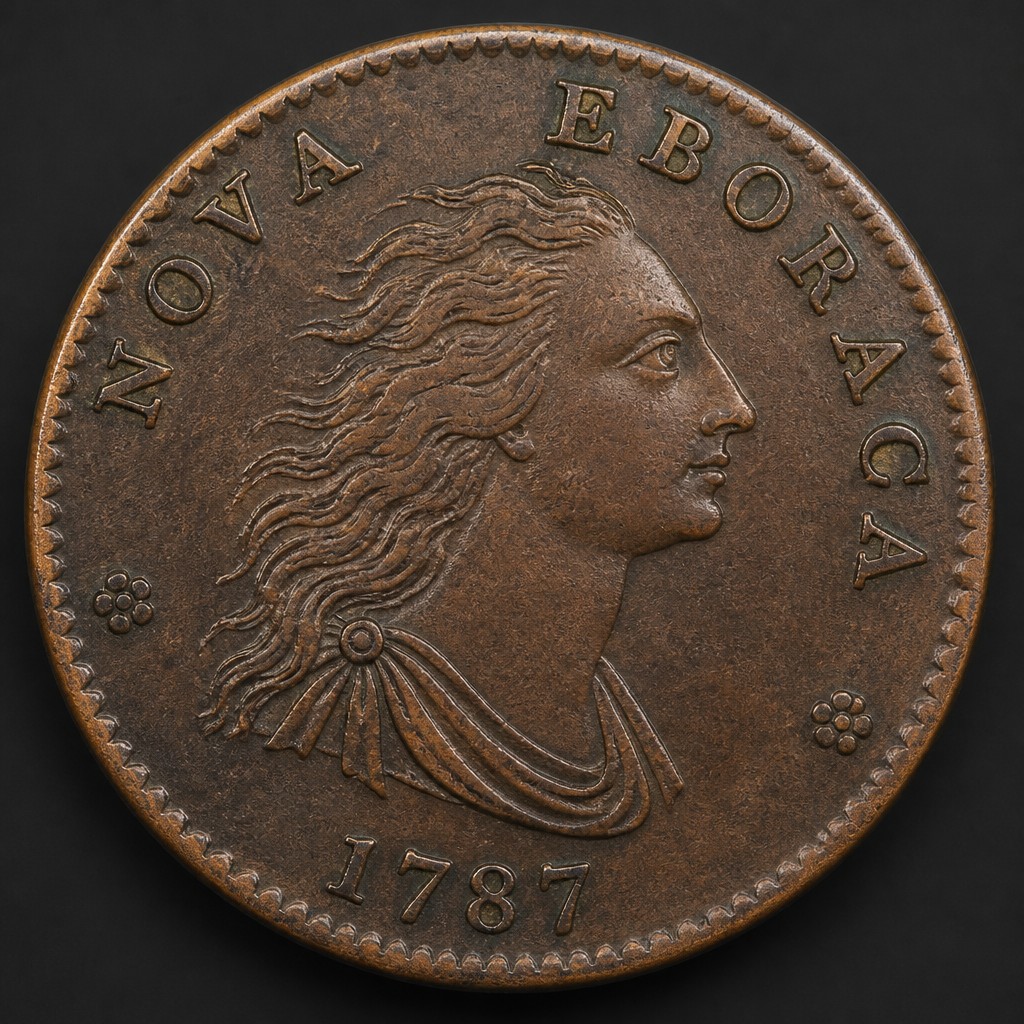
Nova Eborac Copper
A 1787-dated copper bearing the Latin name for New York, struck privately after the state failed to authorize its own copper coinage contract during the chaotic Confederation-era coin shortage.
United States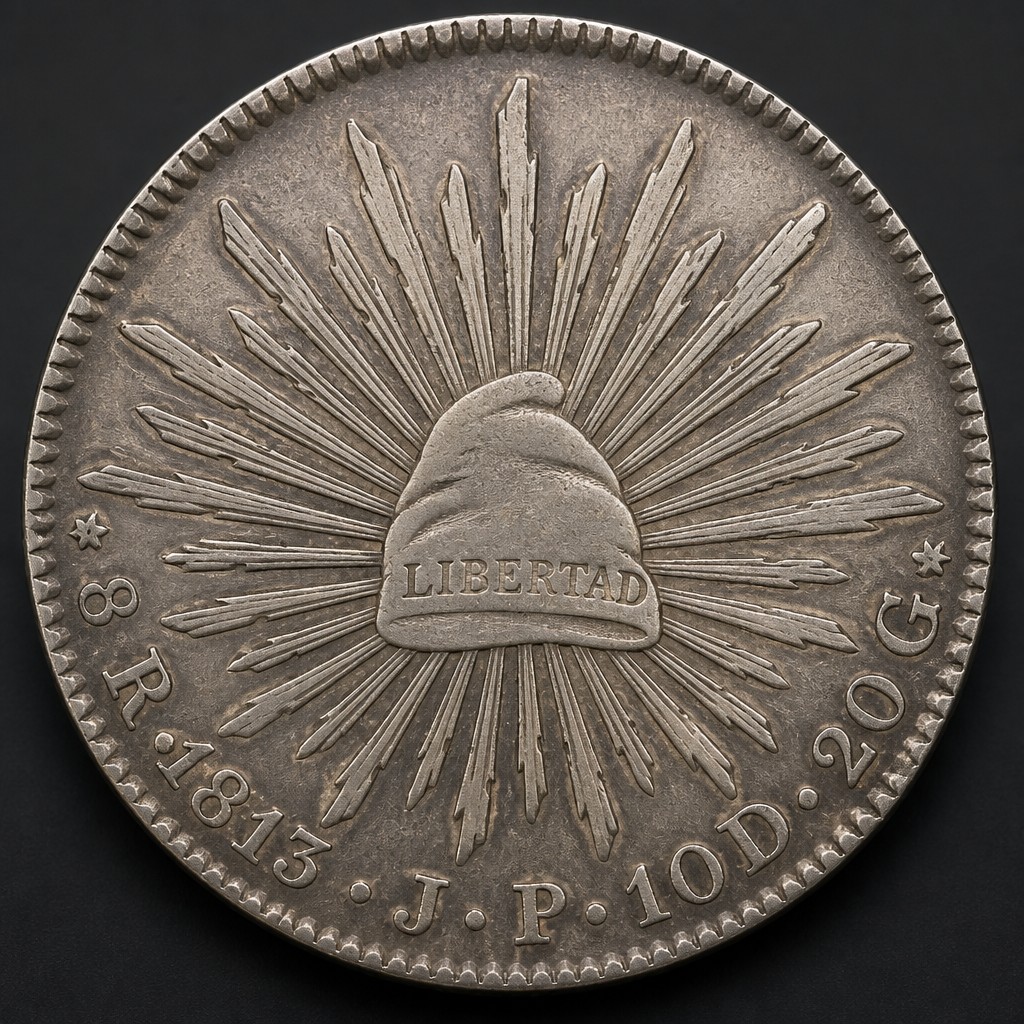
Argentina 8 Reales
Silver 8 reales struck after Argentina's 1810 independence movement, replacing the Spanish king's portrait with the revolutionary Sun of May and clasped hands design.
Latin American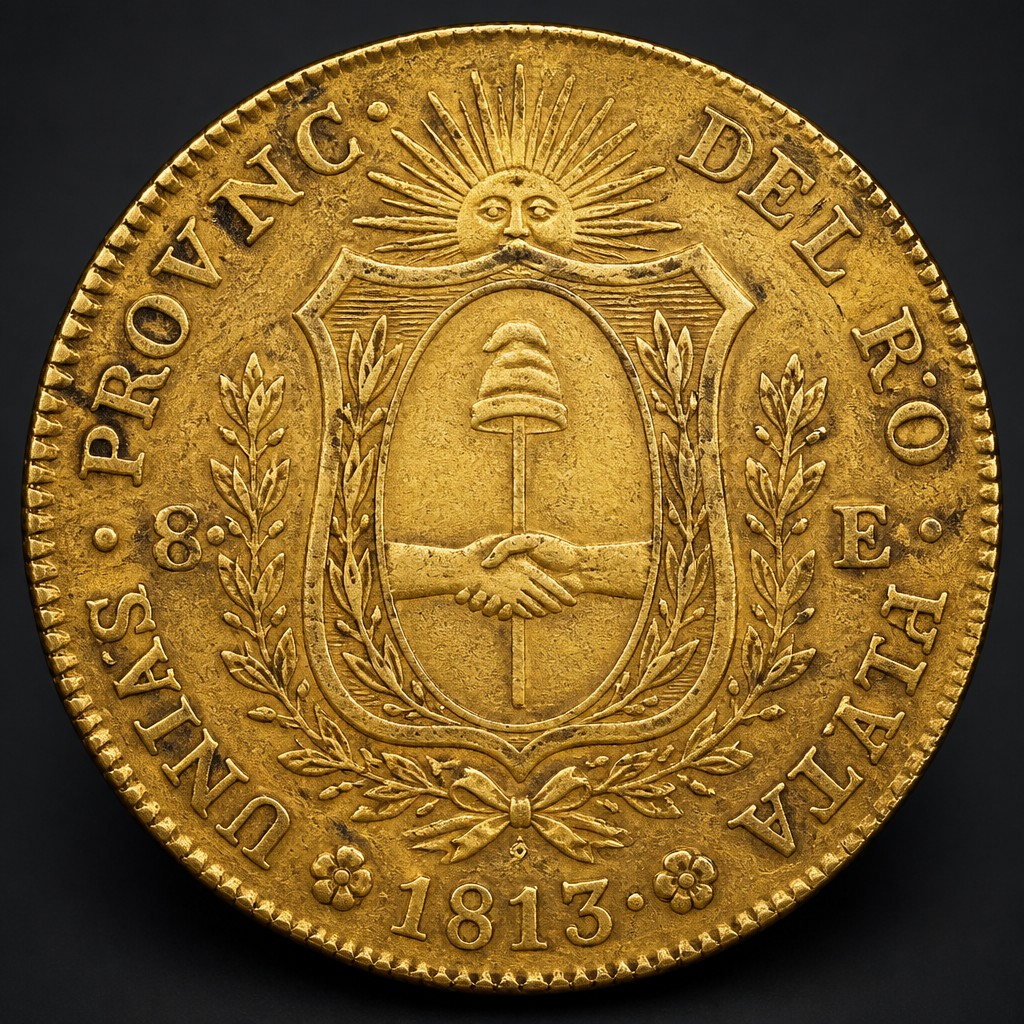
Argentine 8 Escudos Gold (1813)
An extremely rare gold coin from the earliest years of Argentine independence, struck briefly at Potosí under revolutionary authority and bearing the iconic Sun of May.
Latin American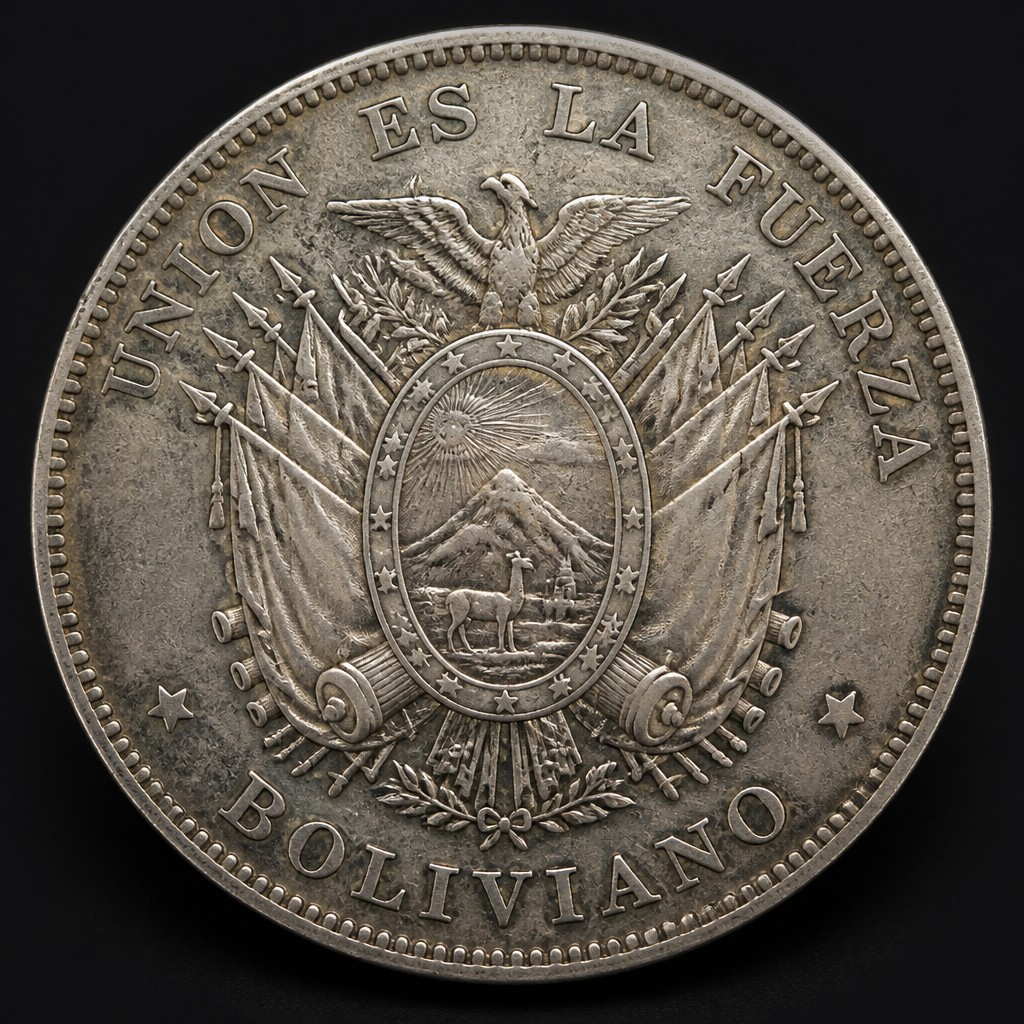
Bolivian Boliviano Silver
Bolivia's national currency unit, the boliviano, was introduced in the 1860s as a substantial silver coin and remains the country's monetary unit in modern, non-silver form.
Latin American