
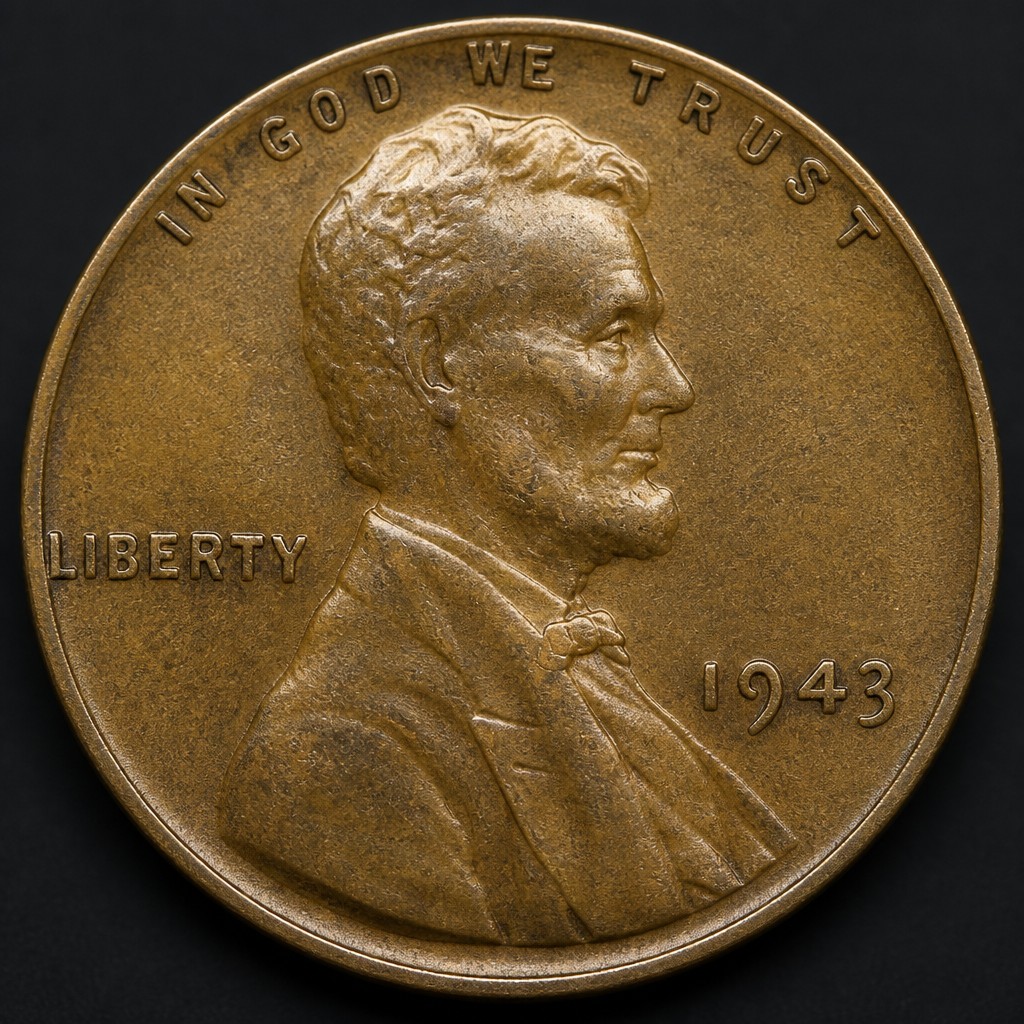
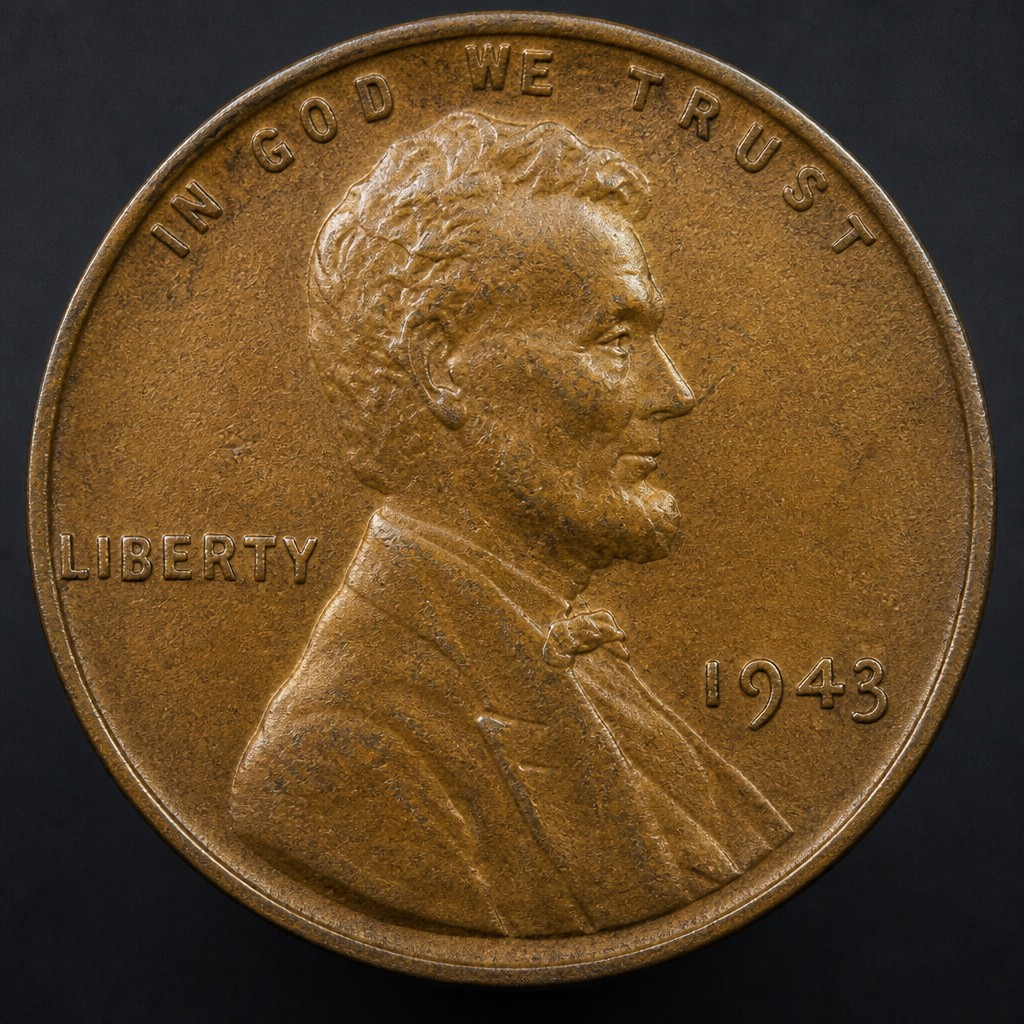
1943 Bronze Cent
An extremely rare Lincoln cent mistakenly struck in leftover bronze planchets in 1943, a year when cents were officially made of zinc-coated steel to save copper for World War II.
- Country
- United States
- Denomination
- One Cent
- Metal
- Bronze (95% Copper)
Got a coin like this?
Identify any coin from a photo, free.
Overview
The 1943 bronze (copper) cent is one of the most famous error coins in American numismatics: a small number of cents were accidentally struck on leftover bronze planchets from 1942 at a time when the U.S. Mint had switched cent production entirely to zinc-coated steel to conserve copper for the war effort. Only a tiny handful of genuine examples are known across the Philadelphia, Denver, and San Francisco mints.
Its rarity, dramatic backstory tied to World War II metal conservation, and the fact that it can, in theory, still turn up in old collections or pocket change has made it one of the most talked-about and counterfeited coins in U.S. collecting.
History & Background
To conserve copper for munitions and other wartime needs during World War II, the United States Mint produced cents in 1943 using zinc-coated steel planchets instead of the standard bronze alloy. However, a very small number of bronze planchets left over from 1942 production apparently remained in the presses' feeder mechanisms and were struck with 1943 dies, creating the extremely rare bronze 1943 cents.
Examples are known from all three mints that struck cents that year, though genuine specimens number only in the dozens across all mints combined, based on decades of research and certification records, making authentic examples true 20th-century rarities.
How to Identify
Obverse and reverse: Design is identical to the standard 1943 steel cent (Lincoln obverse, wheat-ears reverse), the only difference being the planchet material and resulting color and weight.
The most reliable way to distinguish a genuine bronze 1943 cent from an altered steel cent, often copper-plated to deceive buyers, is weight: genuine bronze cents weigh about 3.11 grams, while steel cents weigh about 2.7 grams. A simple magnet test also helps, since steel cents are attracted to a magnet while bronze cents are not.
Because so many counterfeits and altered coins exist, including plated steel cents or altered-date coins, any suspected 1943 bronze cent should be weighed, tested with a magnet, and ideally examined and certified by a major grading service before being considered genuine.
Value & Collectibility
Genuine 1943 bronze cents are extraordinarily valuable due to their rarity, with confirmed examples having sold at auction for well into six figures, and some specimens reportedly exceeding a million dollars depending on mint mark and condition (the Denver-struck example is considered the rarest).
Because of the enormous value gap between a genuine bronze cent and a common altered or plated fake, authentication by weight, magnet testing, and certification from a recognized grading service is essential before assuming any 1943 cent found in circulation or a collection is the real, valuable variety.
Frequently asked questions
How can I tell if my 1943 cent is the rare bronze version?
Weigh it (genuine bronze cents weigh about 3.11 grams versus 2.7 grams for steel) and test with a magnet, since steel cents stick to a magnet and bronze cents do not.
Why were 1943 cents supposed to be steel?
The Mint switched cents to zinc-coated steel that year to conserve copper needed for World War II war materials.
How many genuine 1943 bronze cents exist?
Only a small number are confirmed across all mints, generally estimated in the dozens, making it a major rarity.
What is a genuine 1943 bronze cent worth?
Authenticated examples have sold for well into six figures, with some exceptional pieces reportedly bringing over a million dollars.
Are most 1943 'copper' cents people find genuine?
No; the vast majority turn out to be copper-plated steel cents or altered-date coins, which is why weighing, magnet testing, and certification are essential.
Other coins you may enjoy
2000-P Sacagawea Cheerios Dollar
2000
1972 Eisenhower Dollar (Type 2)
1972
1974 Aluminum Cent
1974
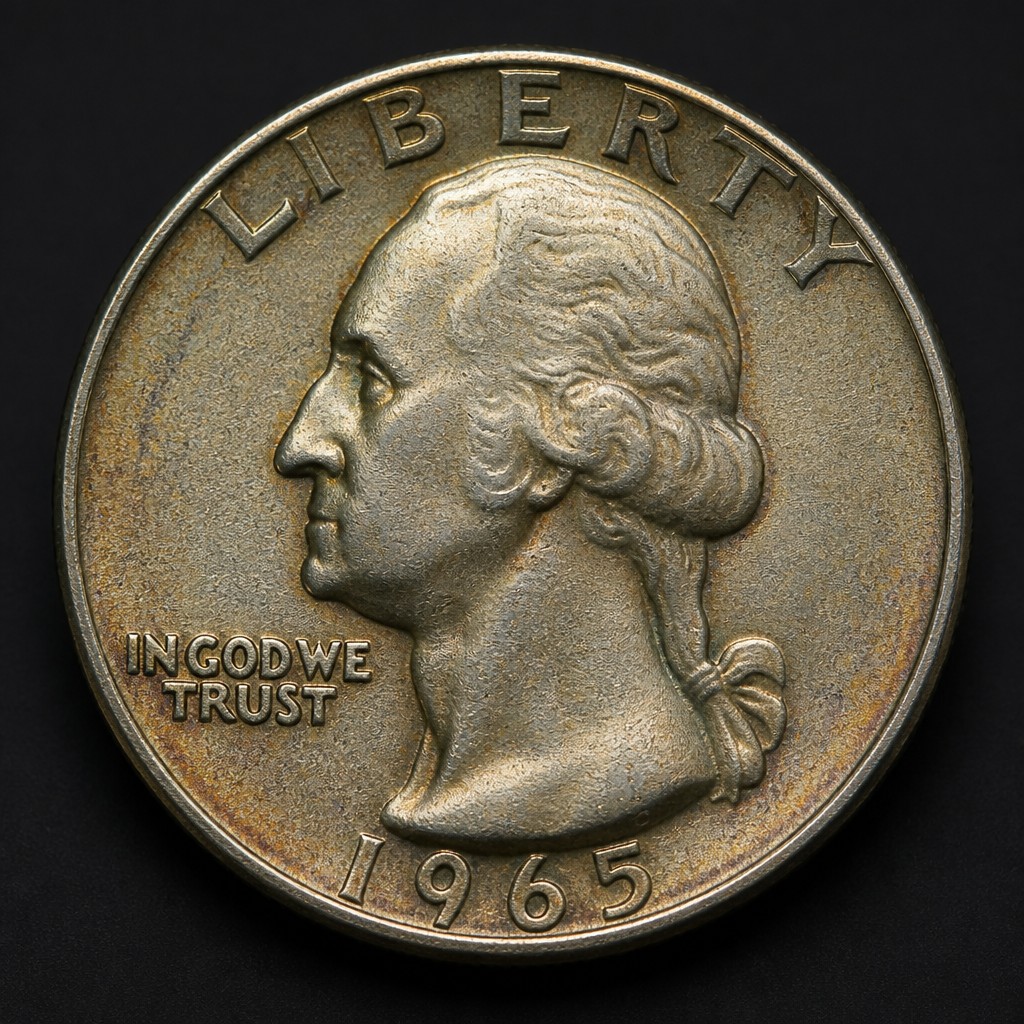
1965 Silver Washington Quarter (Transitional Error)
1965
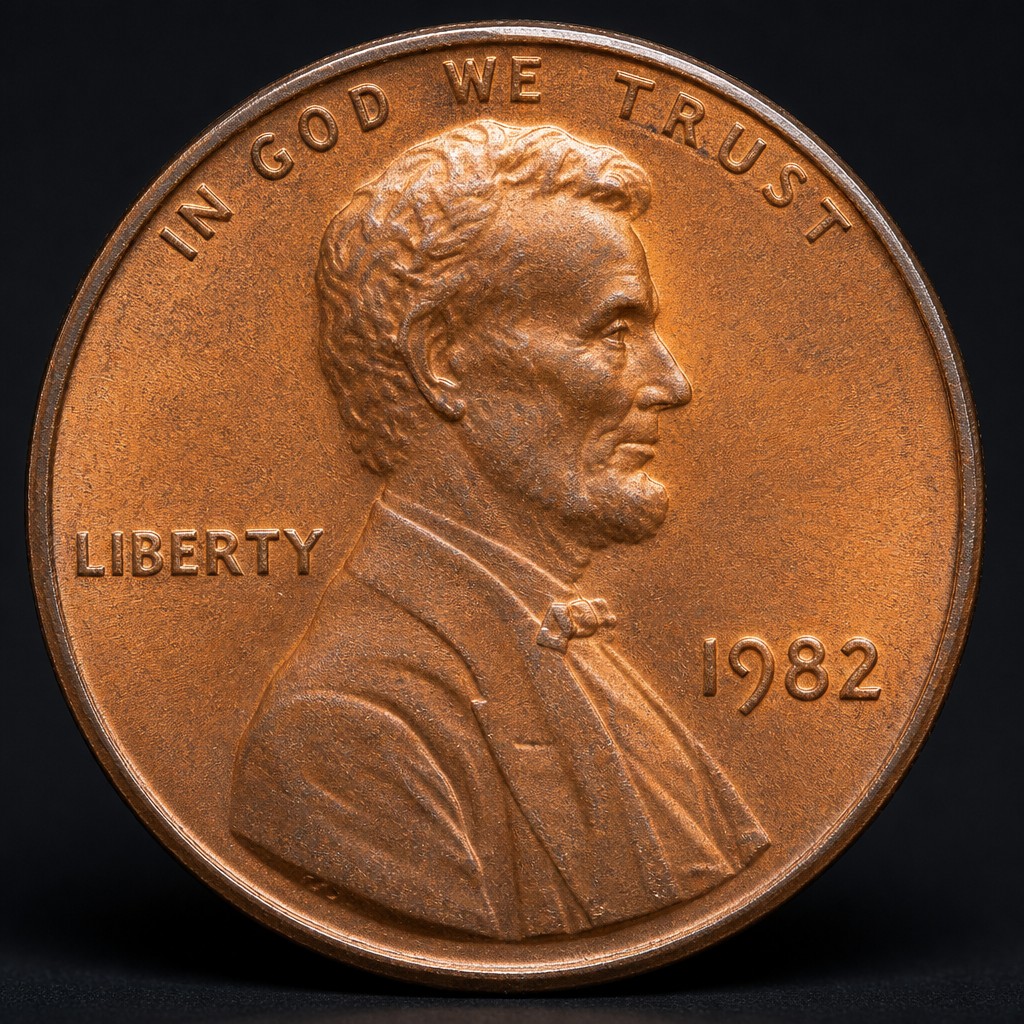
1982 Copper/Zinc Transition Lincoln Cent
1982
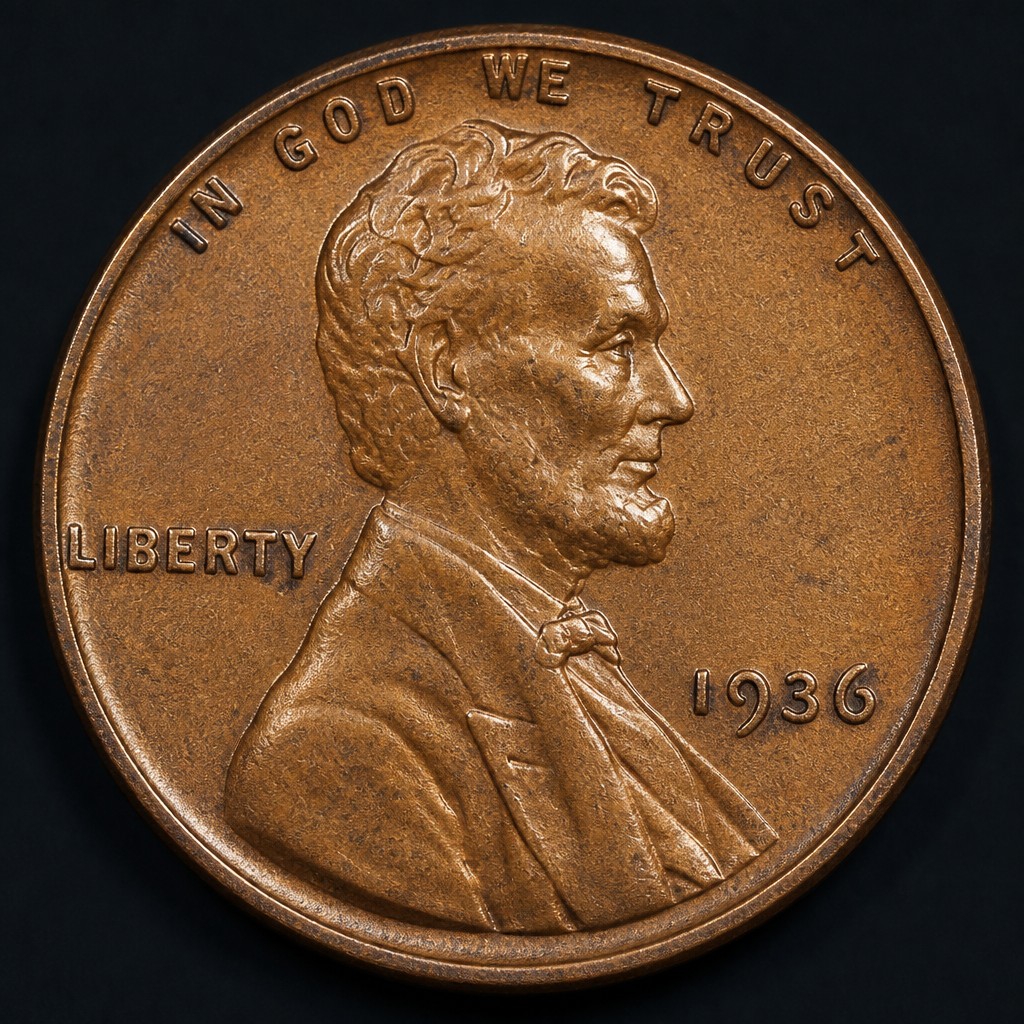
1936 Doubled Die Lincoln Cent
1936
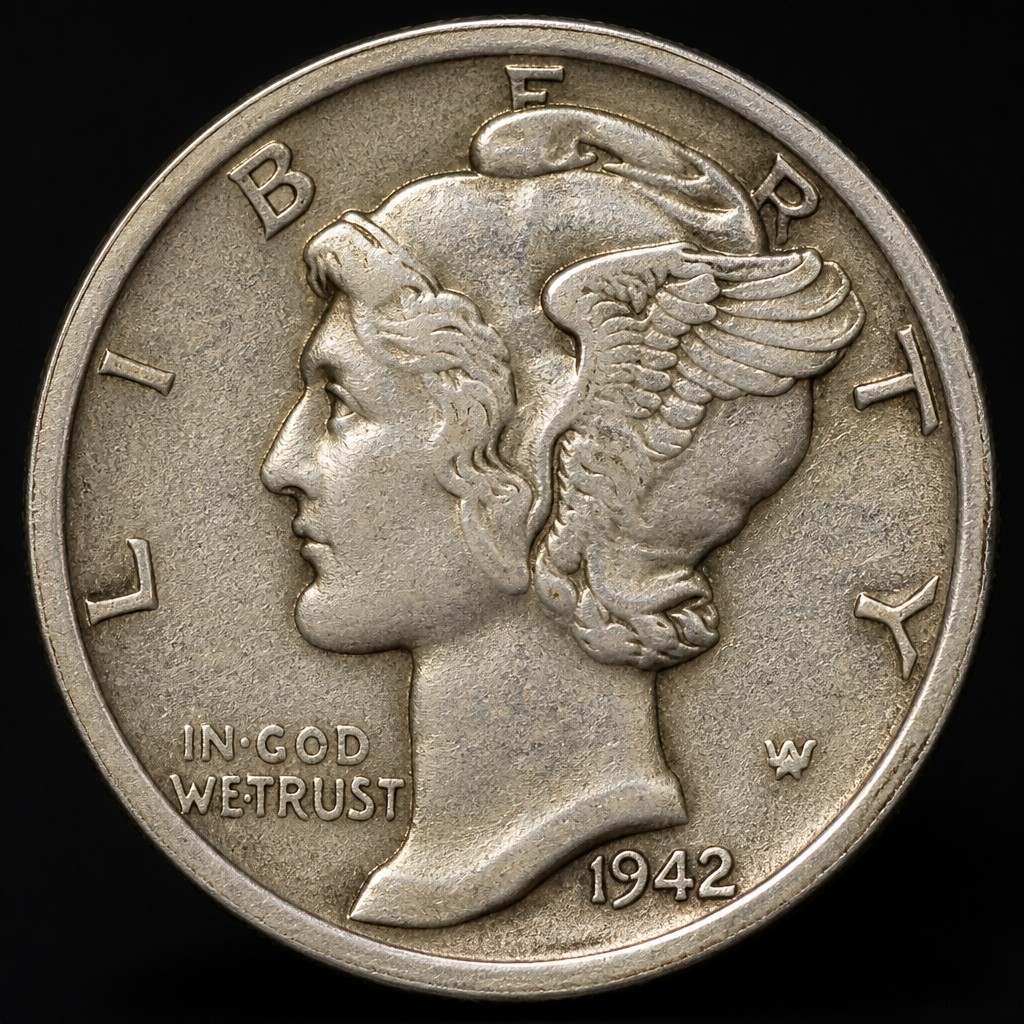
1942/1 Mercury Dime Overdate
1942
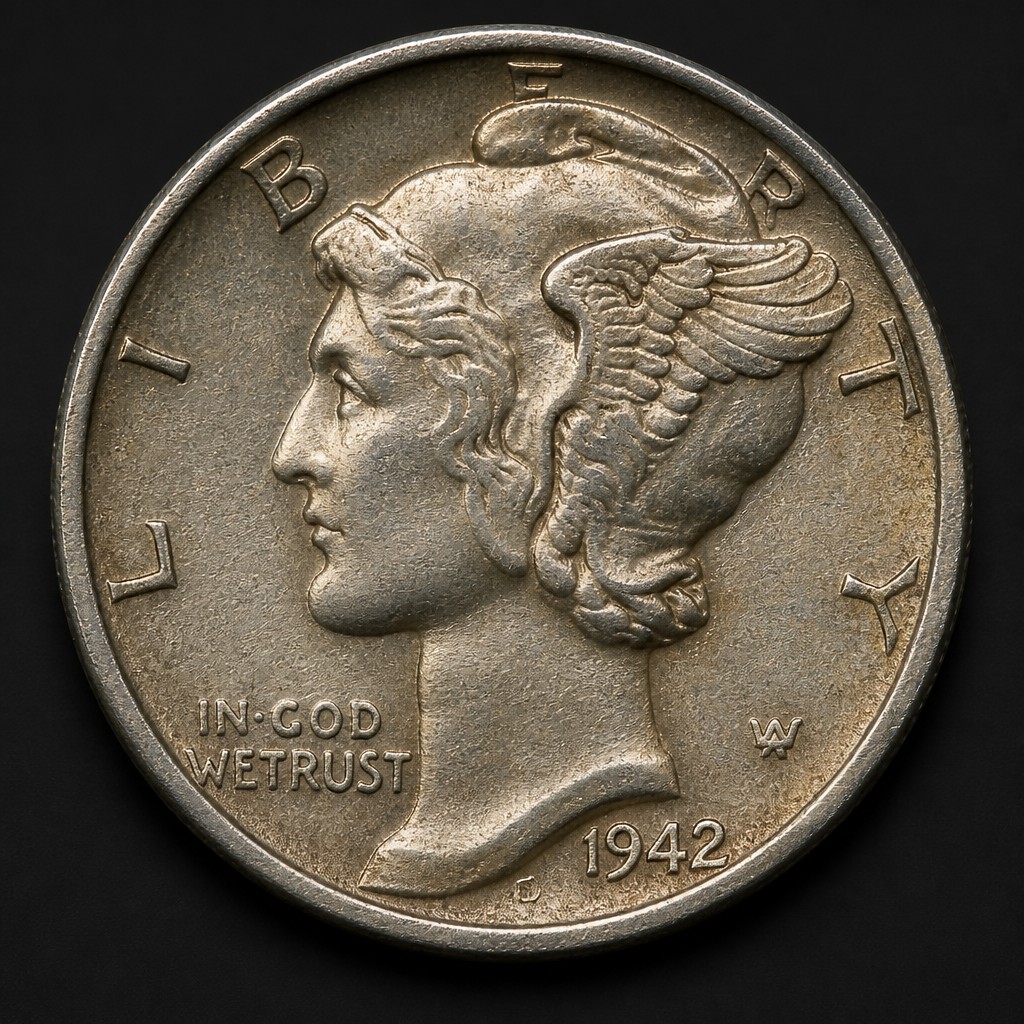
1942/1-D Mercury Dime Overdate
1942
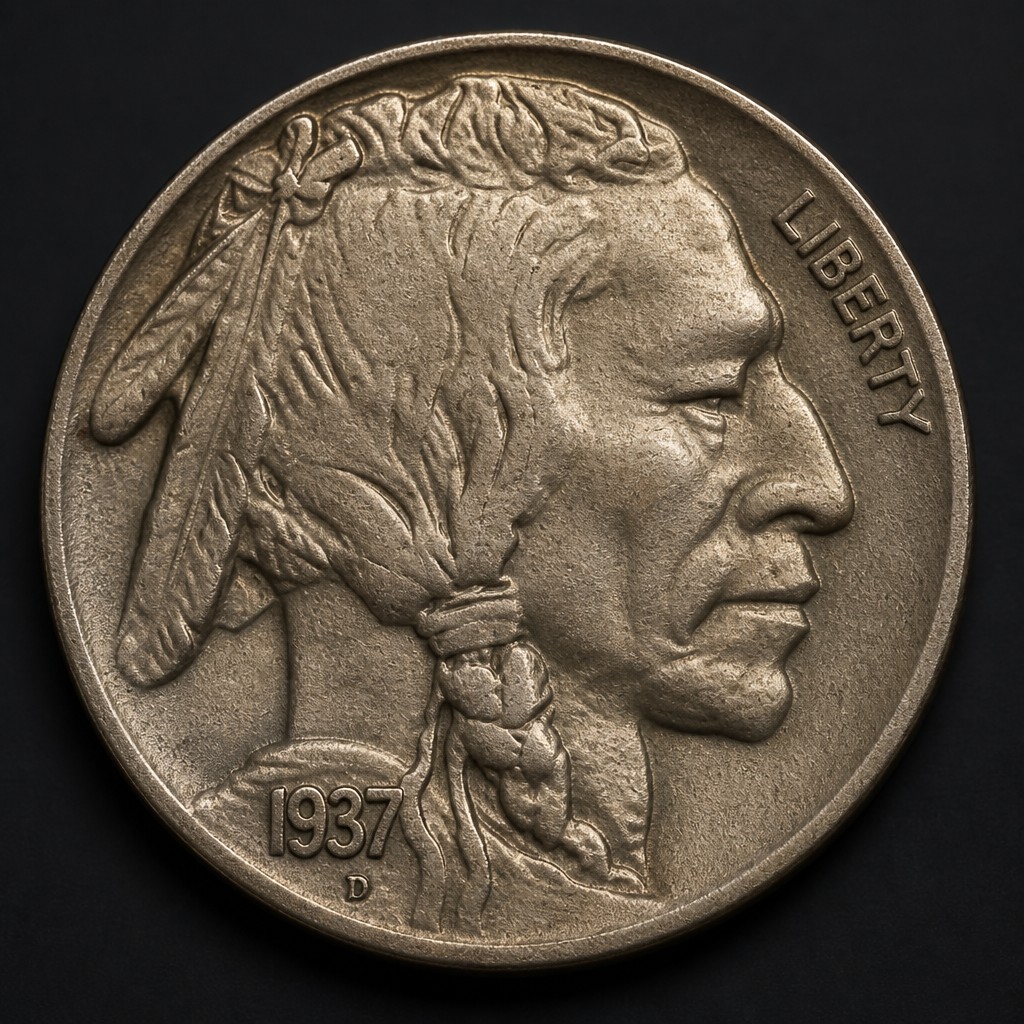
1937-D Three-Legged Buffalo Nickel
1937
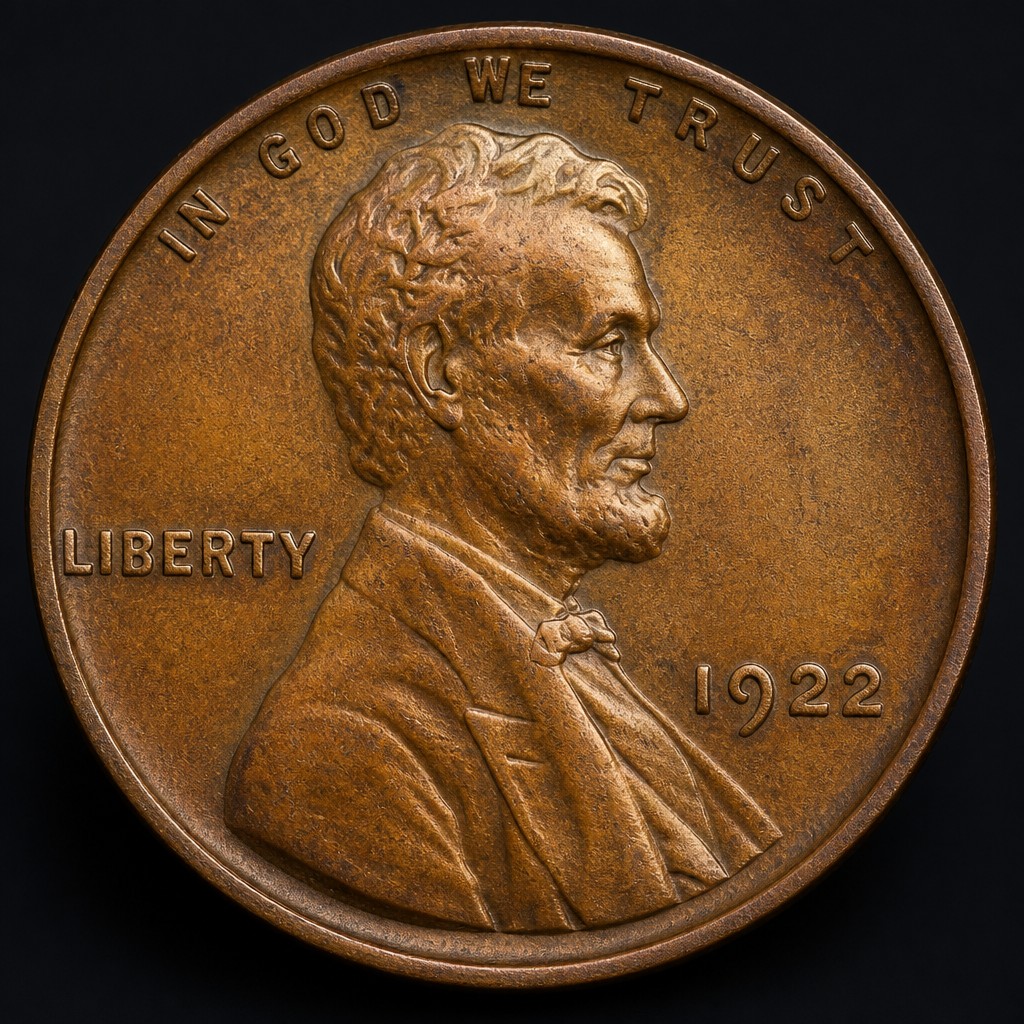
1922 No D Lincoln Cent
1922
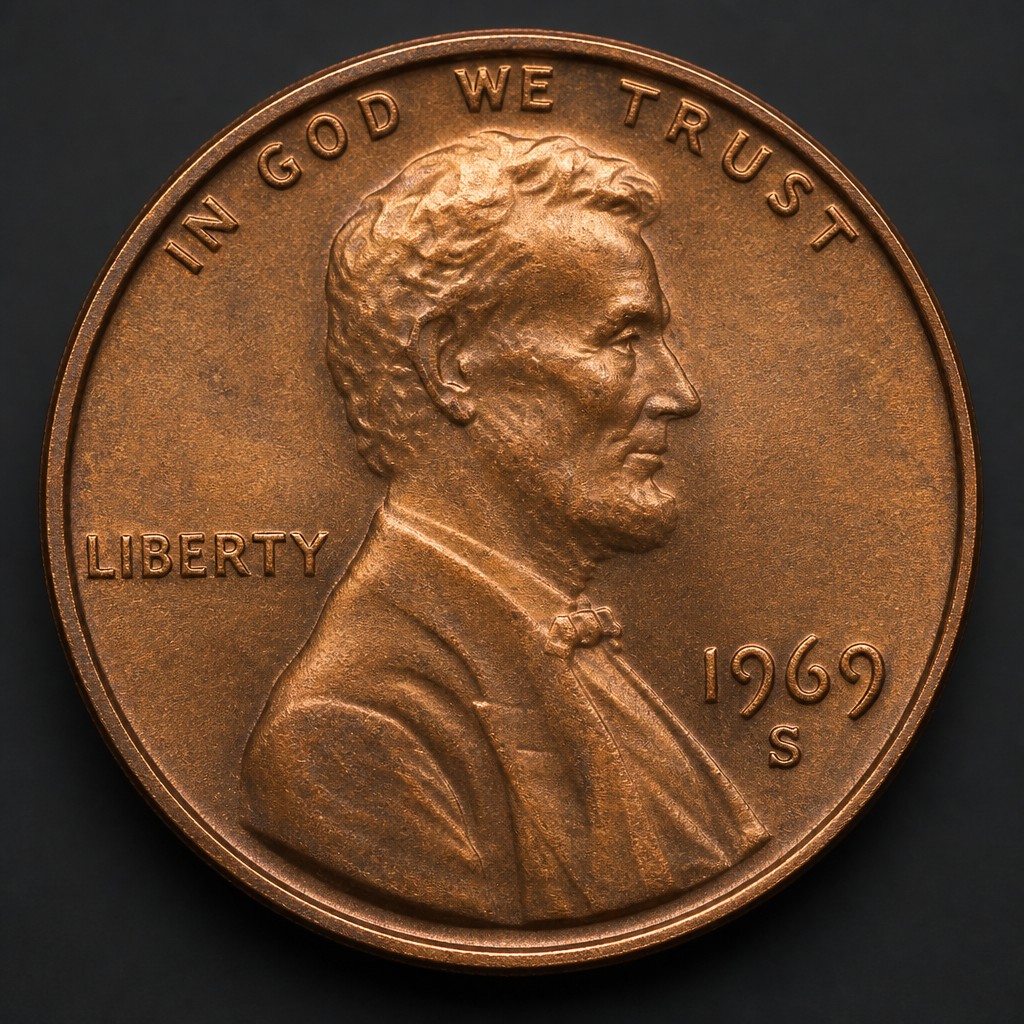
1969-S Doubled Die Lincoln Cent
1969
1943 Bronze Lincoln Cent
1943