
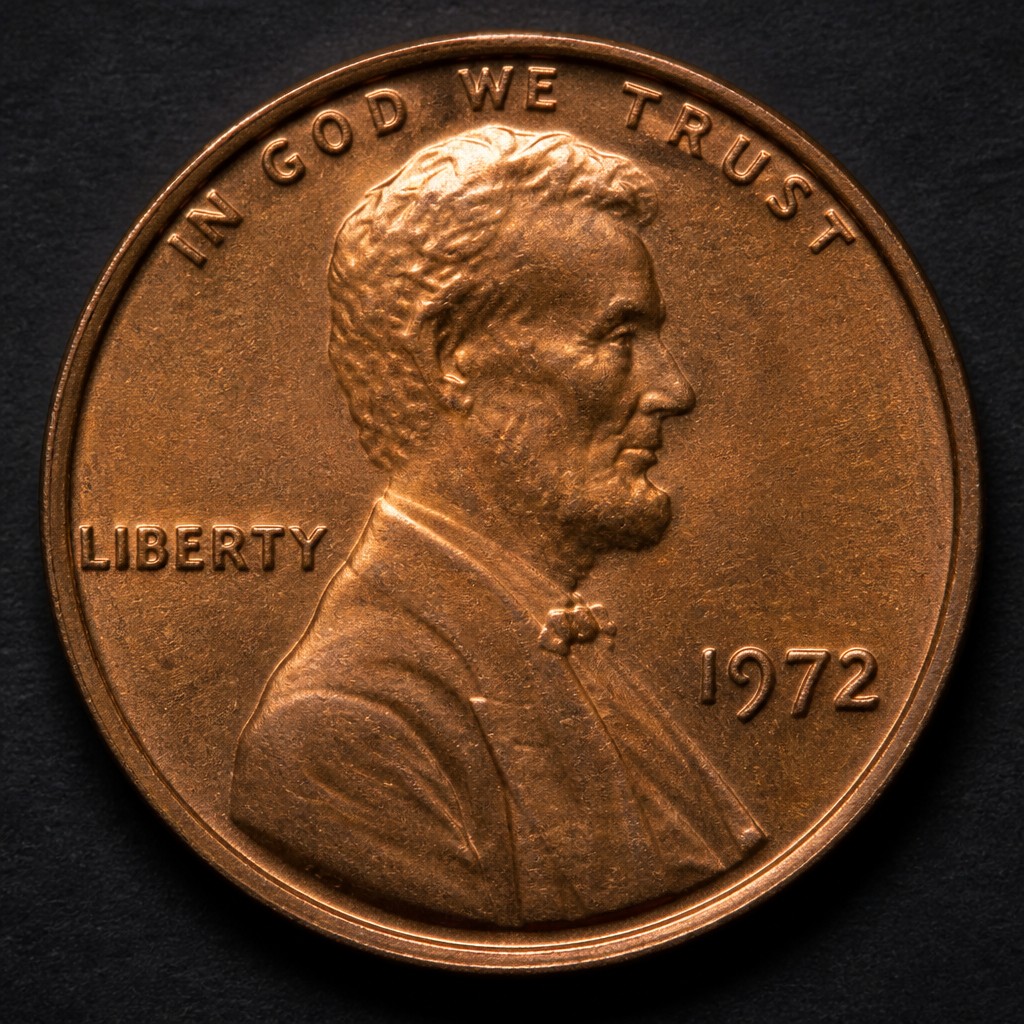
1972 Doubled Die Lincoln Cent
A famous Lincoln cent error showing strong doubling on the obverse date and lettering, caused by a misaligned die hub during production at the Philadelphia Mint.
- Country
- United States
- Denomination
- One Cent
- Metal
- Bronze (95% Copper)
Got a coin like this?
Identify any coin from a photo, free.
Overview
The 1972 Doubled Die Obverse (DDO) cent is one of the most recognizable and sought-after error varieties in the Lincoln cent series. Strong hub doubling created a dramatic, easily visible doubling of LIBERTY, IN GOD WE TRUST, and the date on the obverse, making it identifiable in many cases without magnification.
It follows in the tradition of the more famous 1955 doubled die cent, and along with the 1969-S DDO, is one of the classic 20th-century doubled dies that popularized error and variety collecting among mainstream coin collectors.
History & Background
Doubled dies occur when a coin's working die receives multiple misaligned impressions from a hub during die-making, permanently doubling design elements on every coin struck from that die. In 1972, at the Philadelphia Mint, at least one obverse die was hubbed with significant misalignment, producing a batch of cents with pronounced doubling.
The variety entered circulation and was discovered by collectors soon after, quickly becoming a popular find given the relatively high number of examples that escaped into circulation compared to rarer doubled dies. It remains a staple 'look in your change' variety frequently cited alongside the 1955 and 1995 doubled die cents.
How to Identify
Obverse: Strong, doubled outlines are visible on LIBERTY, IN GOD WE TRUST, and the numerals of the date 1972, appearing as a distinct second image slightly offset from the primary design, rather than a blurry shift.
Reverse: A normal Lincoln Memorial reverse for the era, without doubling.
To confirm an authentic 1972 doubled die, collectors compare the doubling pattern, especially on the date and LIBERTY, against reference photos, since coins can also show a lesser 'machine doubling' effect (a shelf-like, flat smear) that is not the same as a true doubled die and carries no real premium. A loupe or macro photograph helps distinguish genuine hub doubling from strike doubling or environmental damage.
Value & Collectibility
Genuine 1972 doubled die cents in worn, circulated condition can sell for meaningful sums relative to a common cent, generally ranging from roughly $150 to $500 in typical circulated grades, with well-preserved or certified mint-state examples bringing considerably more, sometimes well into four figures for top-grade pieces.
Because machine doubling and weaker die varieties are often mistaken for the true doubled die, third-party grading service certification significantly affects marketability and price confidence. Strength of doubling and overall coin condition are the primary value drivers.
Frequently asked questions
How do I tell a real 1972 doubled die cent from ordinary machine doubling?
True doubled dies show a crisp, separated second image on letters and numerals, while machine doubling looks like a flat, shelf-like smear; comparing to reference photos or having it certified helps confirm.
What mint produced the 1972 doubled die cent?
Philadelphia (no mint mark), the only mint associated with this well-known variety.
Roughly what is a circulated 1972 doubled die cent worth?
Genuine examples in typical circulated grades often sell in the low hundreds of dollars, more for higher grades.
Is the 1972 doubled die the same as the 1955 doubled die cent?
No, they are separate, distinct doubled die events from different years, though both show strong, easily visible doubling.
Should I get my 1972 doubled die cent certified?
Certification by a major grading service is commonly recommended for error coins since it confirms authenticity and can increase buyer confidence and value.
Other coins you may enjoy
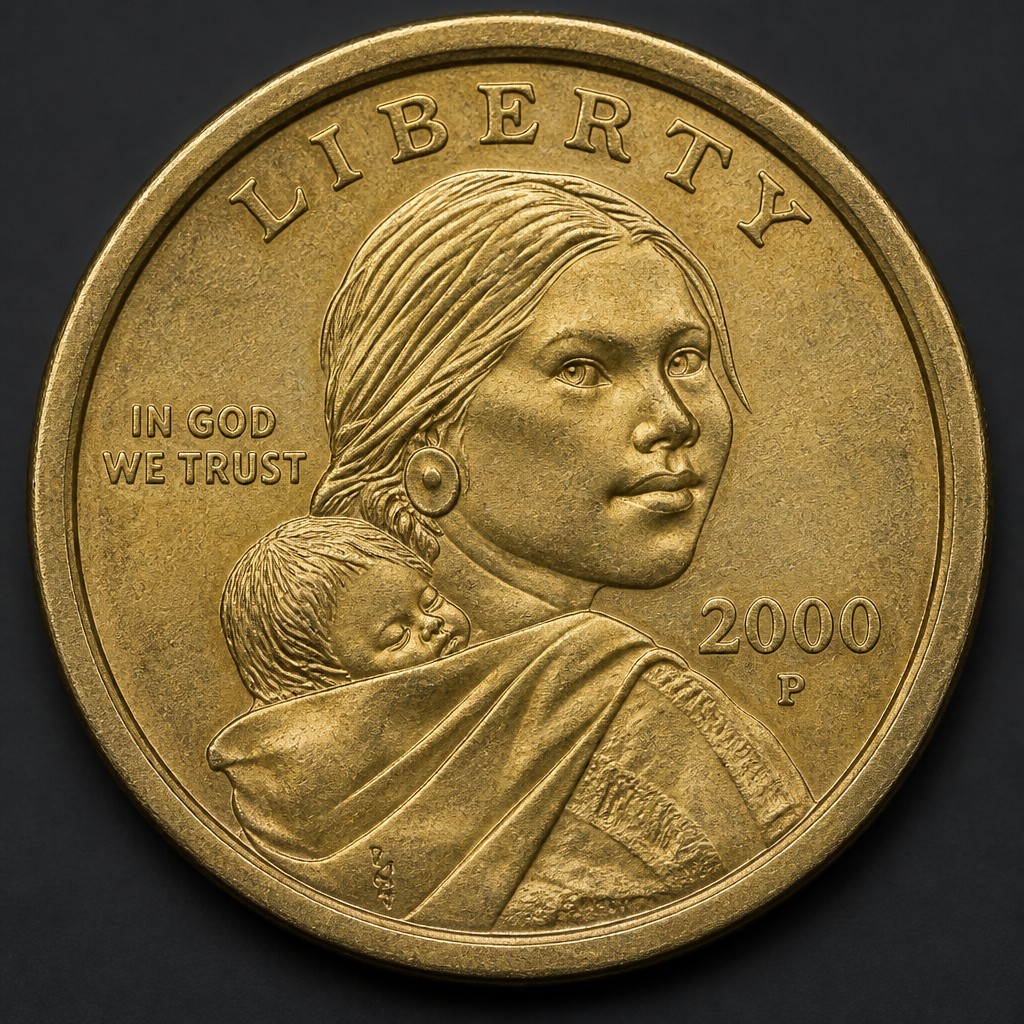
2000-P Sacagawea Cheerios Dollar
2000
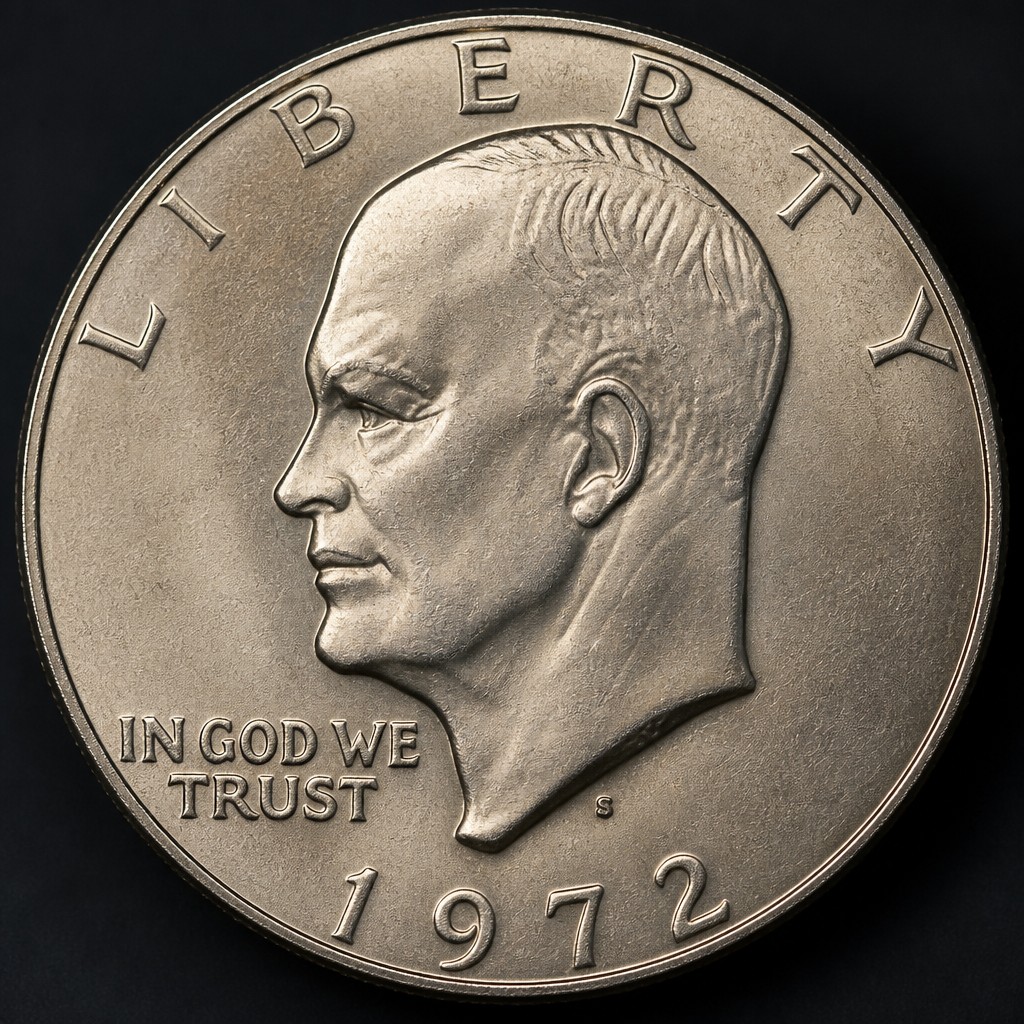
1972 Eisenhower Dollar (Type 2)
1972
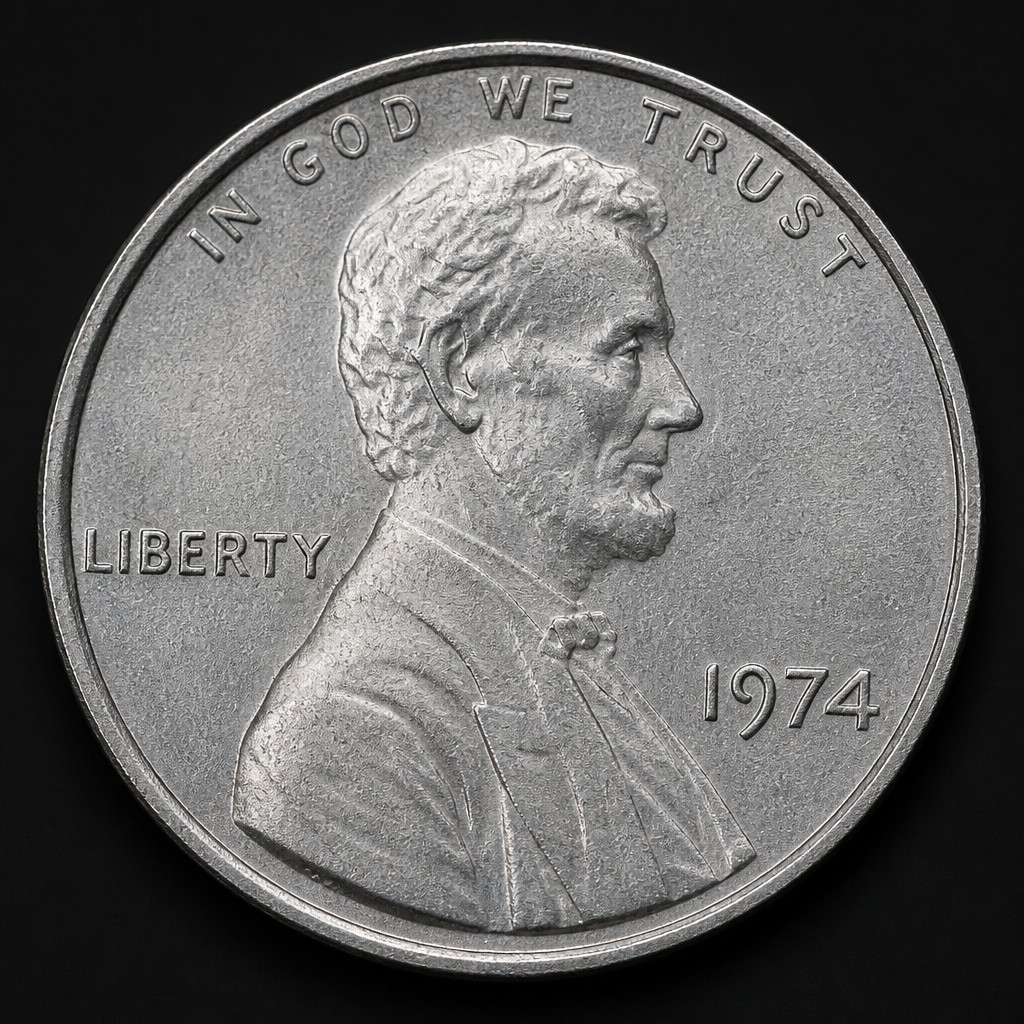
1974 Aluminum Cent
1974
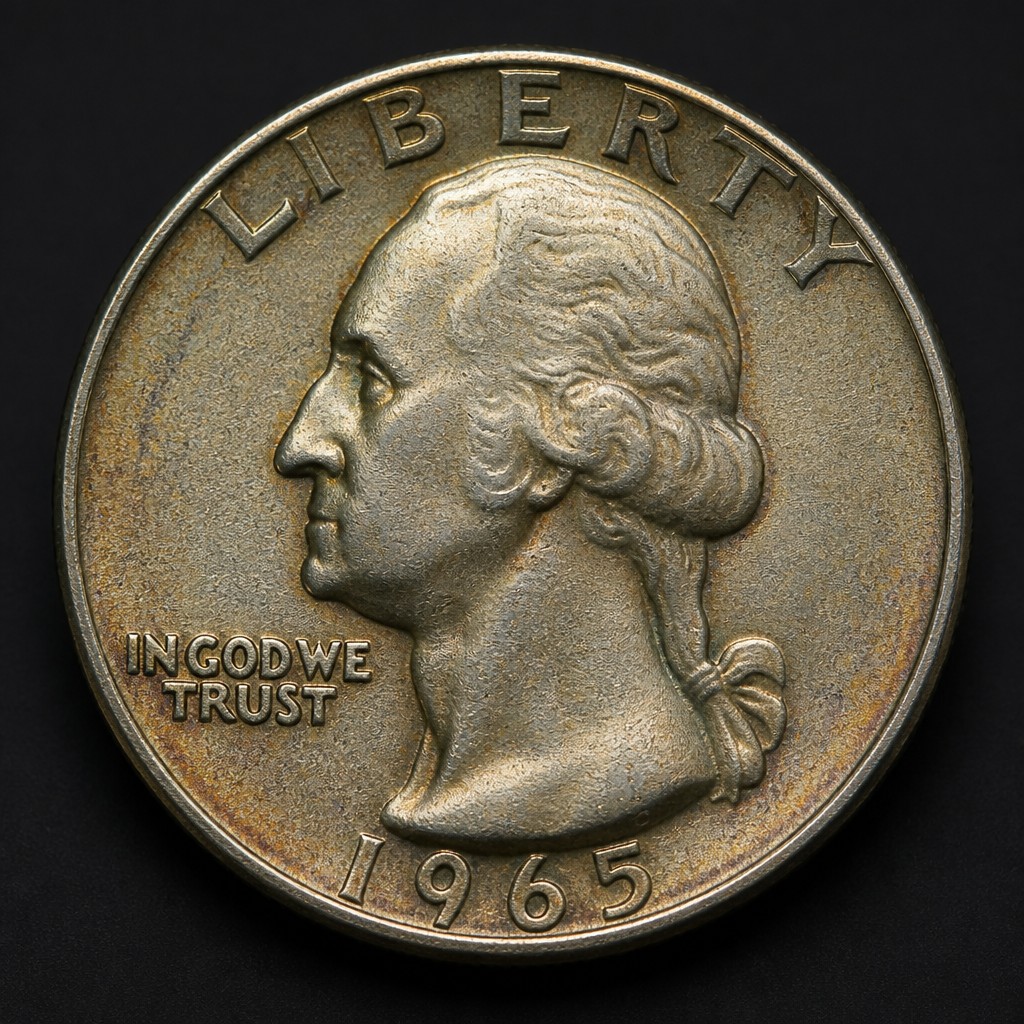
1965 Silver Washington Quarter (Transitional Error)
1965
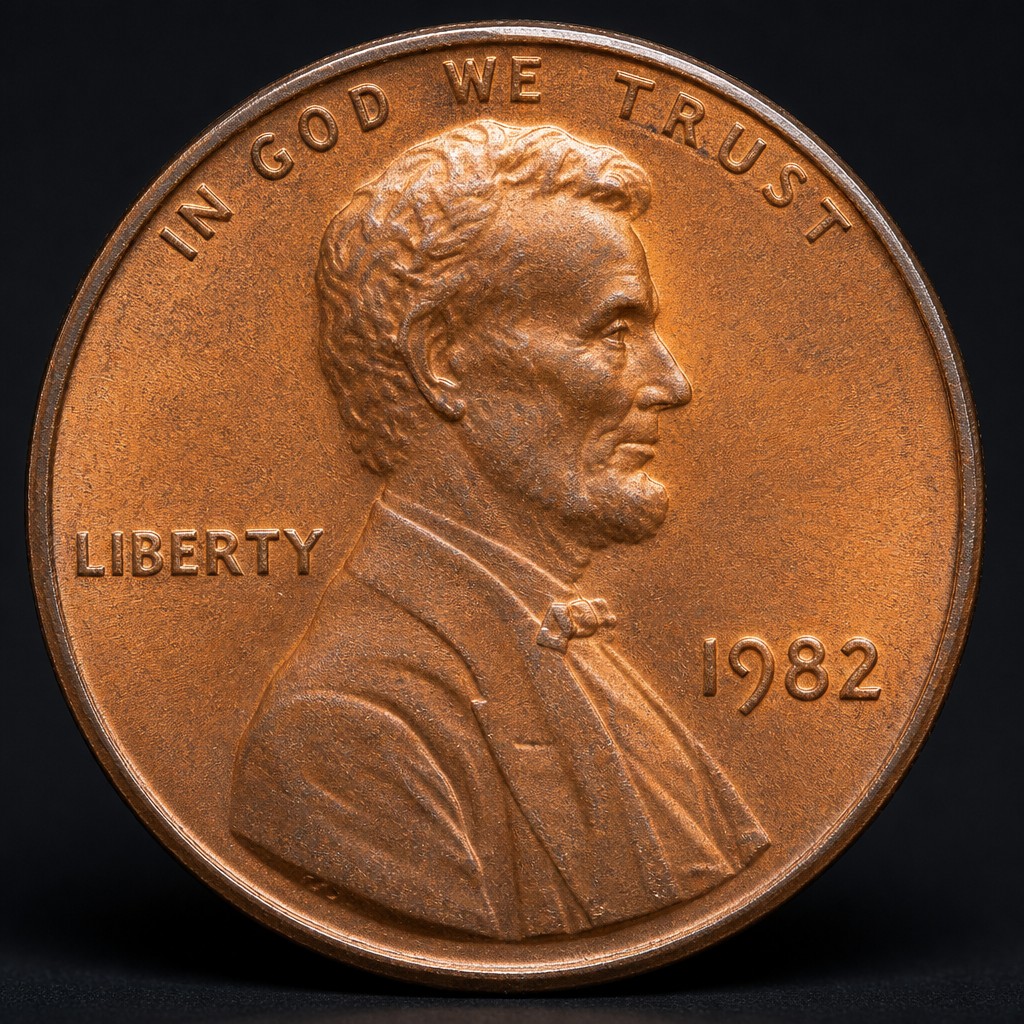
1982 Copper/Zinc Transition Lincoln Cent
1982
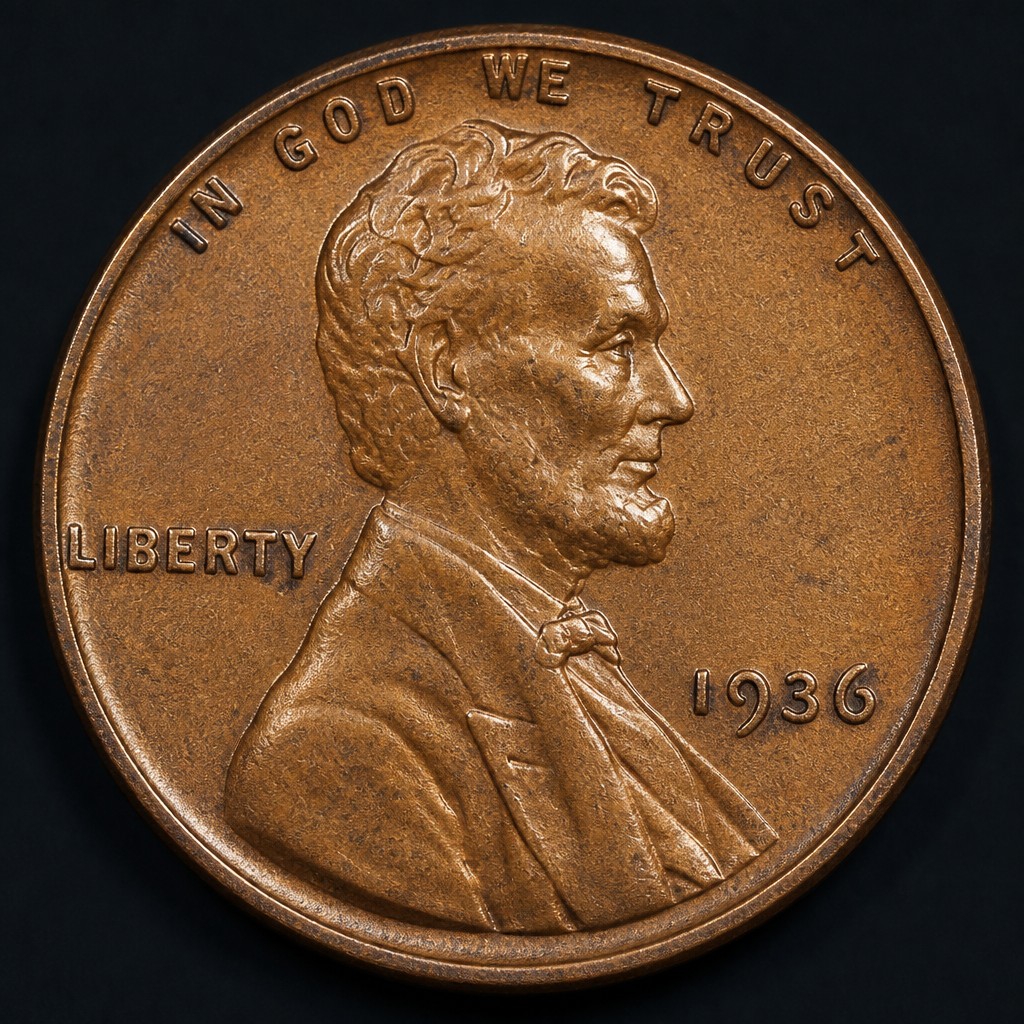
1936 Doubled Die Lincoln Cent
1936
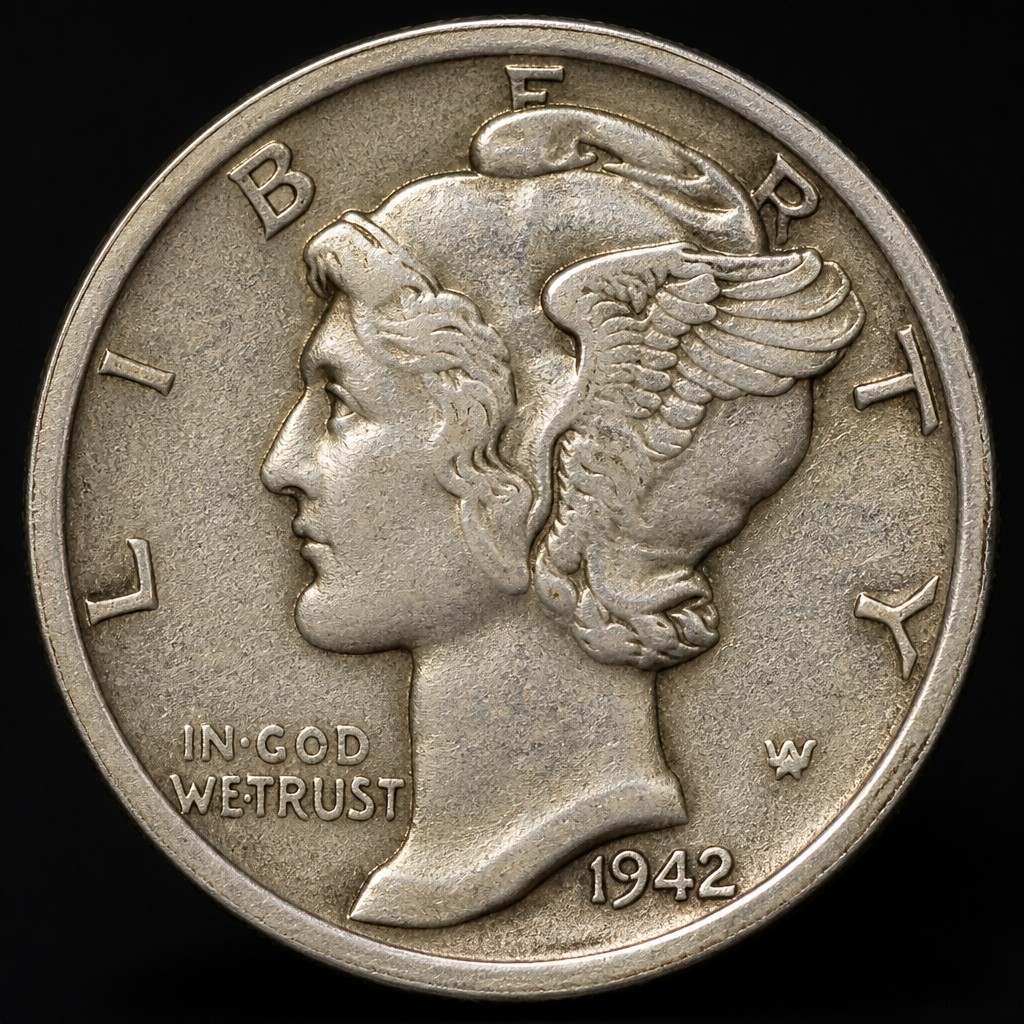
1942/1 Mercury Dime Overdate
1942
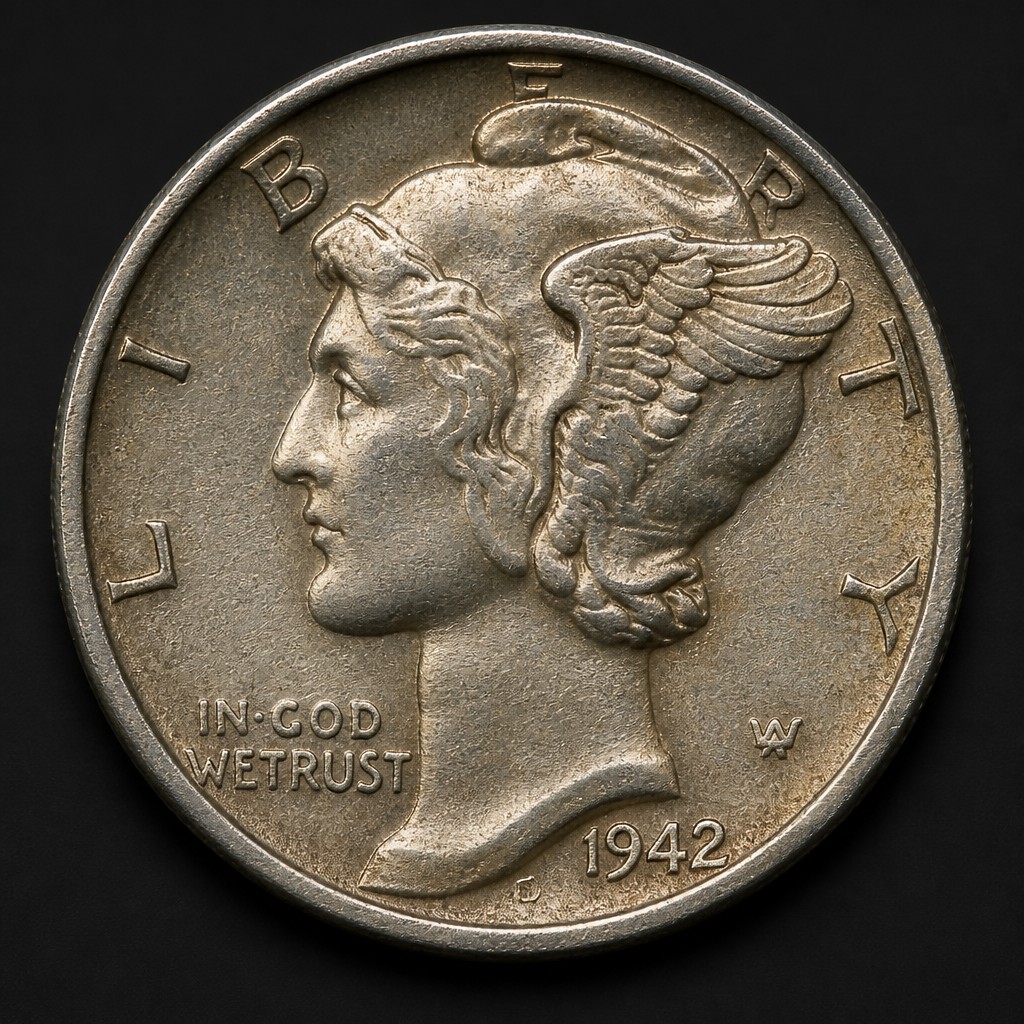
1942/1-D Mercury Dime Overdate
1942
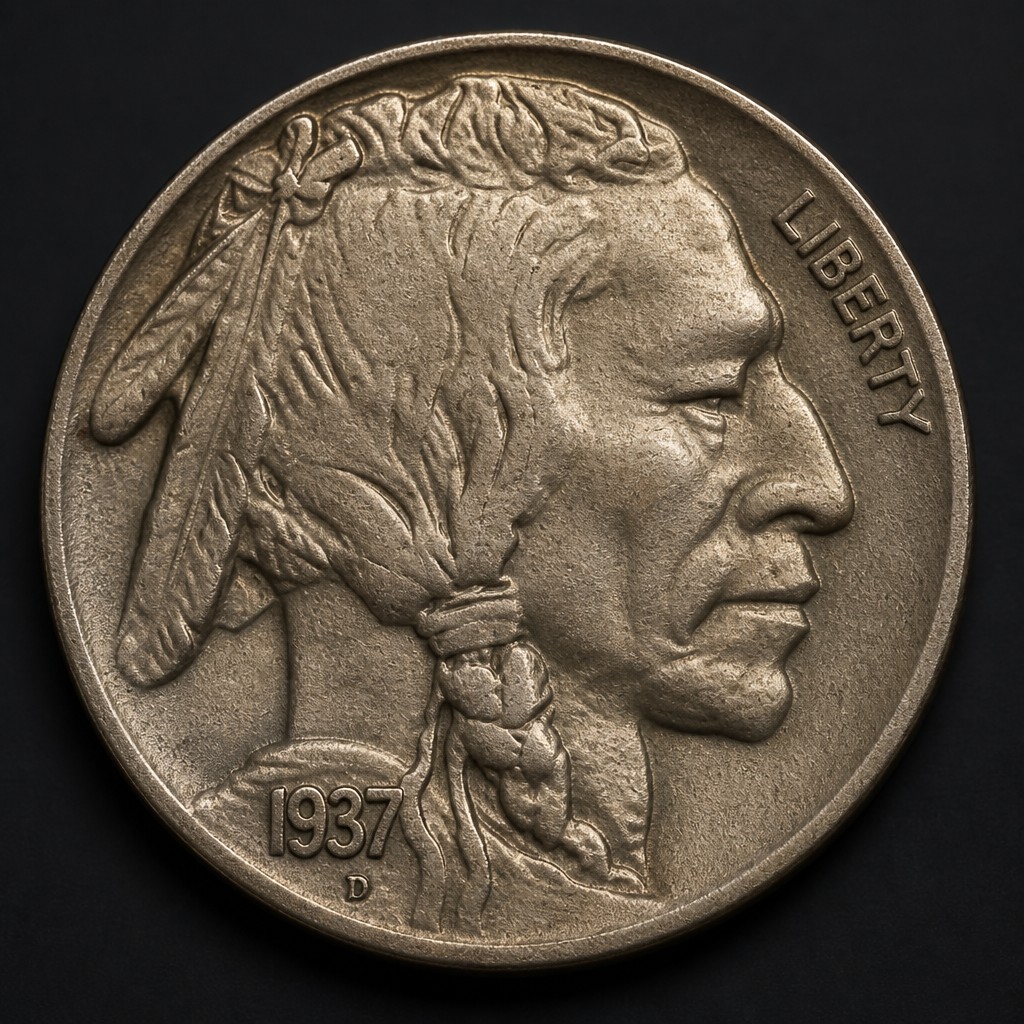
1937-D Three-Legged Buffalo Nickel
1937
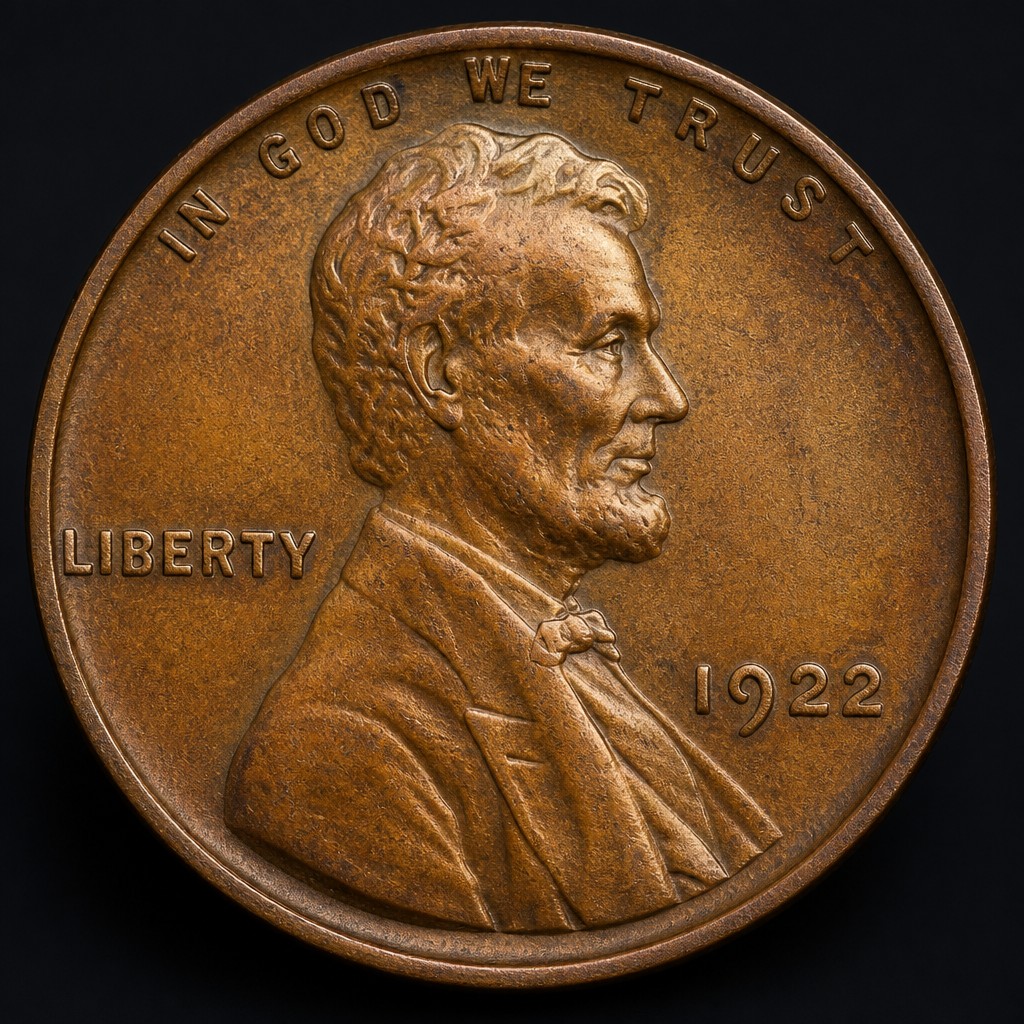
1922 No D Lincoln Cent
1922
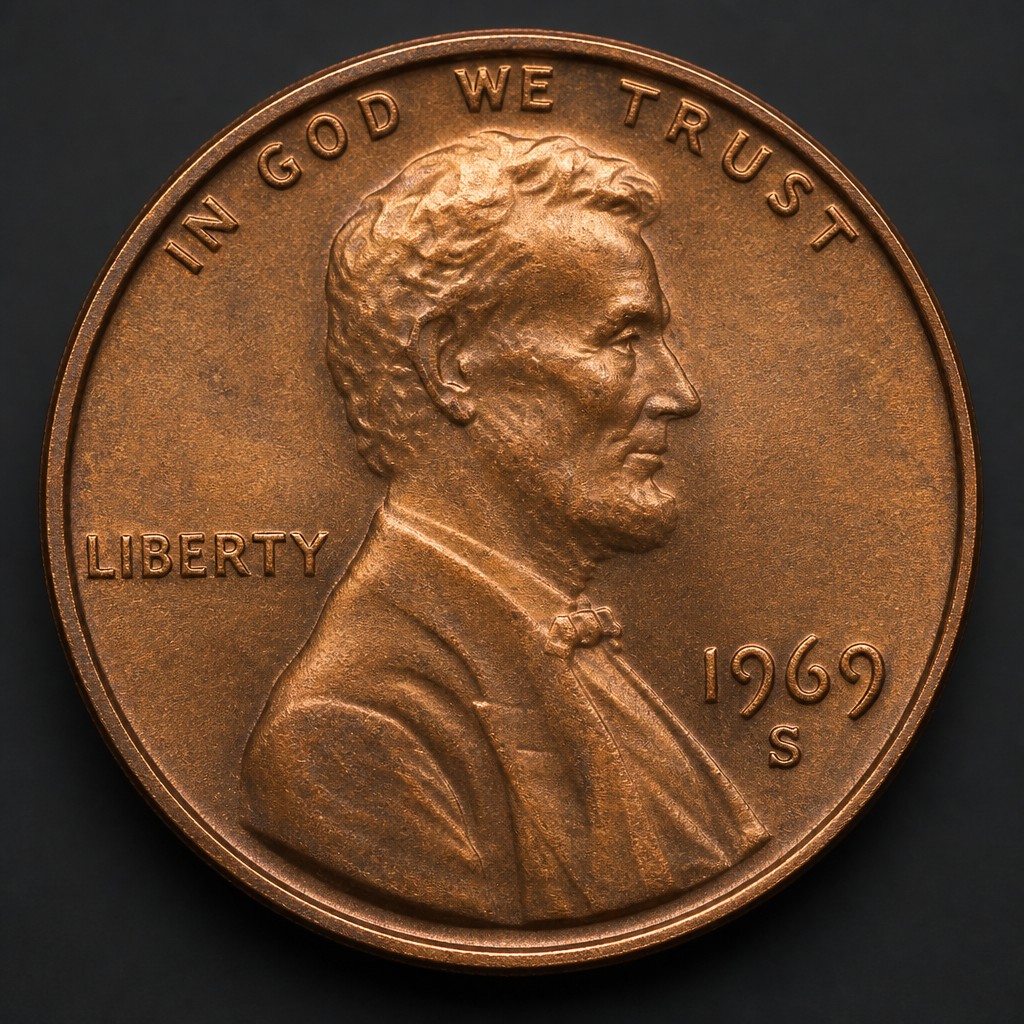
1969-S Doubled Die Lincoln Cent
1969
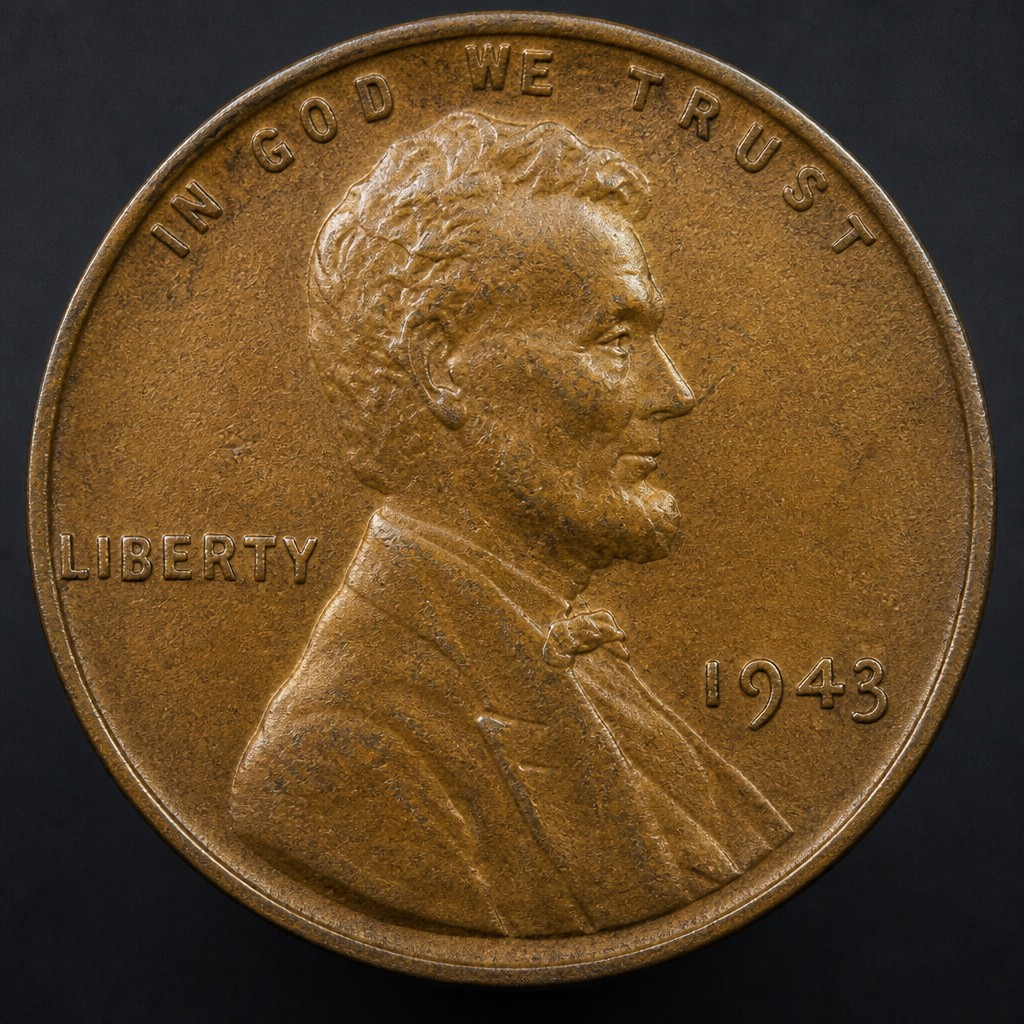
1943 Bronze Lincoln Cent
1943