
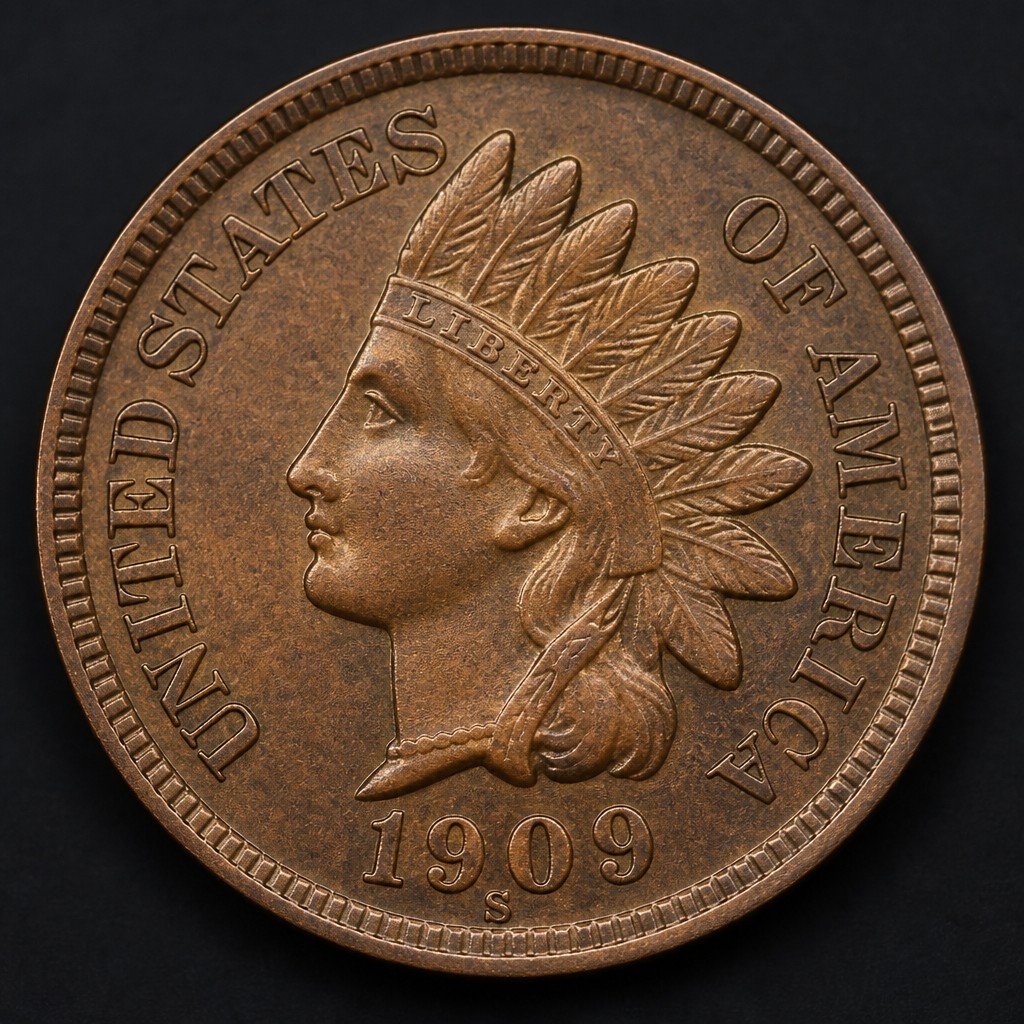
1909-S Indian Head Cent
The final and lowest-mintage Indian Head cent, struck at the San Francisco Mint in the series' last year before the Lincoln cent debuted.
- Country
- United States
- Denomination
- One Cent
- Metal
- 95% Copper, 5% Tin and Zinc (Bronze)
Got a coin like this?
Identify any coin from a photo, free.
Overview
The 1909-S Indian Head cent is the last date in the long-running Indian Head cent series and one of its scarcest issues, produced in a very limited quantity at the San Francisco Mint just before the design was retired in favor of the new Lincoln cent later that same year.
Its combination of being both a final-year issue and a low-mintage branch-mint coin makes it one of the most desirable dates for collectors assembling a complete Indian Head cent set.
History & Background
By 1909, the Indian Head cent, designed decades earlier by James B. Longacre, was approaching the end of its run. The Mint began transitioning to the new Lincoln cent that same year to mark the 100th anniversary of Abraham Lincoln's birth, meaning only a small final batch of Indian Head cents was struck at the San Francisco branch mint before the changeover.
This low, final-year production at a branch mint that struck relatively few cents in general made the 1909-S one of the scarcest coins in the series from the outset, and it has remained a benchmark key date for the series ever since.
How to Identify
The obverse shows Liberty wearing a feathered headdress with LIBERTY on the band and the date below. The reverse displays a wreath encircling ONE CENT with a small shield at the top, typical of the series' later years.
The key identifying feature is the small "S" mint mark located on the reverse, below the wreath, indicating production at the San Francisco Mint; coins without this mint mark are the far more common Philadelphia issue. Because the mint mark is small and can be mimicked by adding a fake "S" to a common Philadelphia coin, careful examination of the mint mark's size, shape, and placement, ideally with magnification or professional grading, is important.
The coin is bronze in composition and shares its overall size and design elements with other Indian Head cents from the 1860s onward.
Value & Collectibility
The 1909-S is broadly recognized as the key date of the entire Indian Head cent series, and it commands strong premiums even in heavily worn condition due to its low original production and status as the series' final date. Higher circulated grades and mint state examples bring considerably more, reflecting sustained collector demand.
Because of its fame and value, the coin is a frequent target for counterfeit or added mint marks, so buyers are strongly encouraged to purchase examples certified by a reputable third-party grading service.
Frequently asked questions
Why is the 1909-S so valuable?
It combines a very low original mintage with being the final date of the Indian Head cent series, driving strong long-term collector demand.
Where is the mint mark located?
The small "S" mint mark appears on the reverse, below the wreath.
How is this different from the 1909-S VDB Lincoln cent?
They are different coins from different series struck the same year; the 1909-S VDB is a Lincoln cent with designer initials, while the 1909-S Indian Head cent uses the older feathered-headdress design.
Should I worry about fake mint marks?
Yes, because of its value, added or altered "S" mint marks are a known concern, so professional authentication is recommended.
What replaced the Indian Head cent?
The Lincoln cent, introduced later in 1909 to honor Abraham Lincoln's 100th birthday.
Other coins you may enjoy
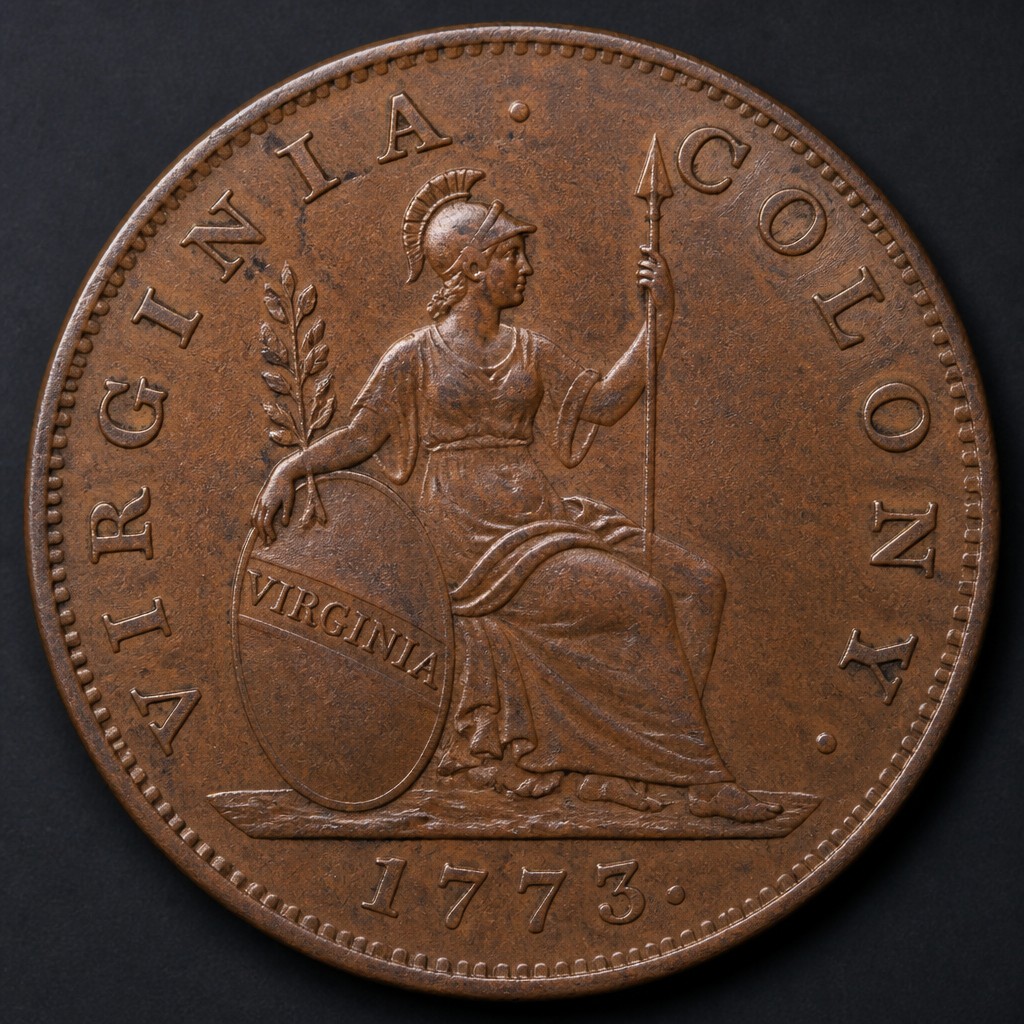
Virginia Halfpenny
1773
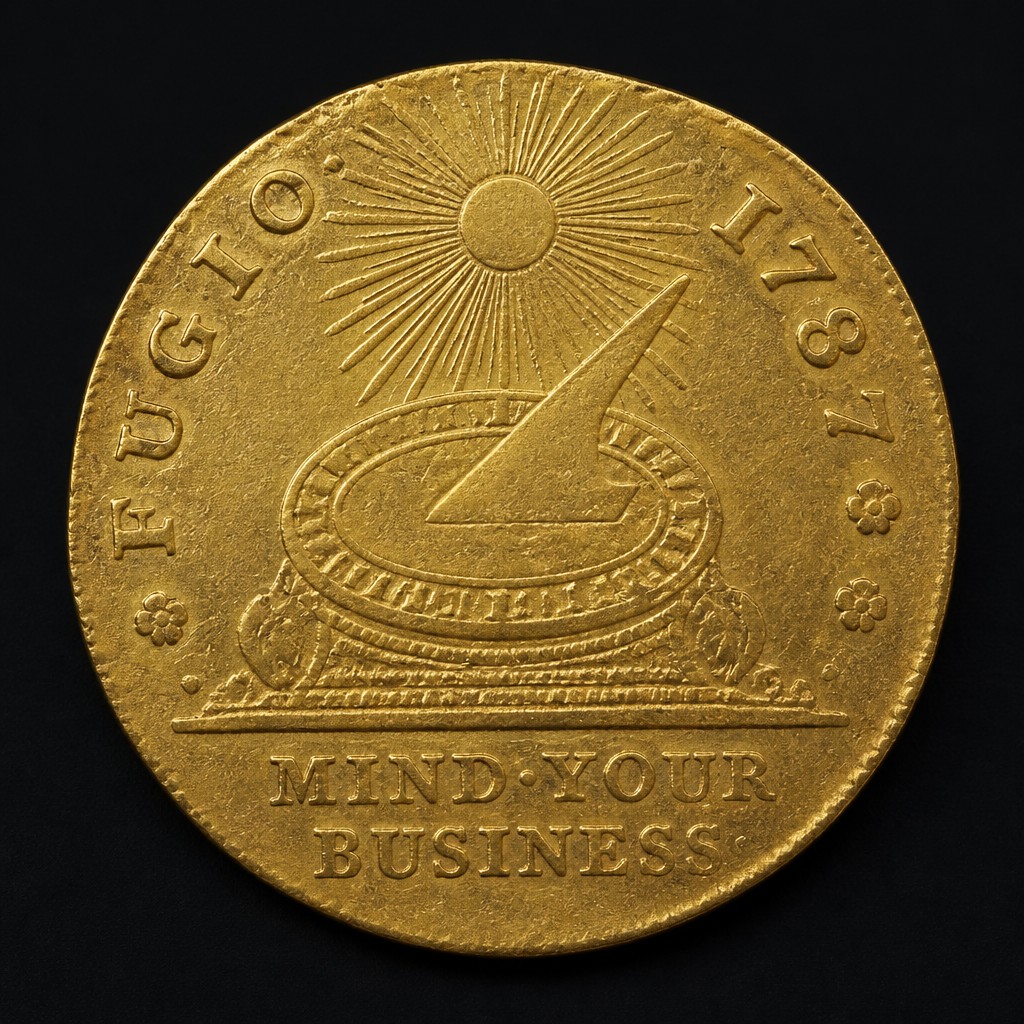
Brasher Doubloon
1787
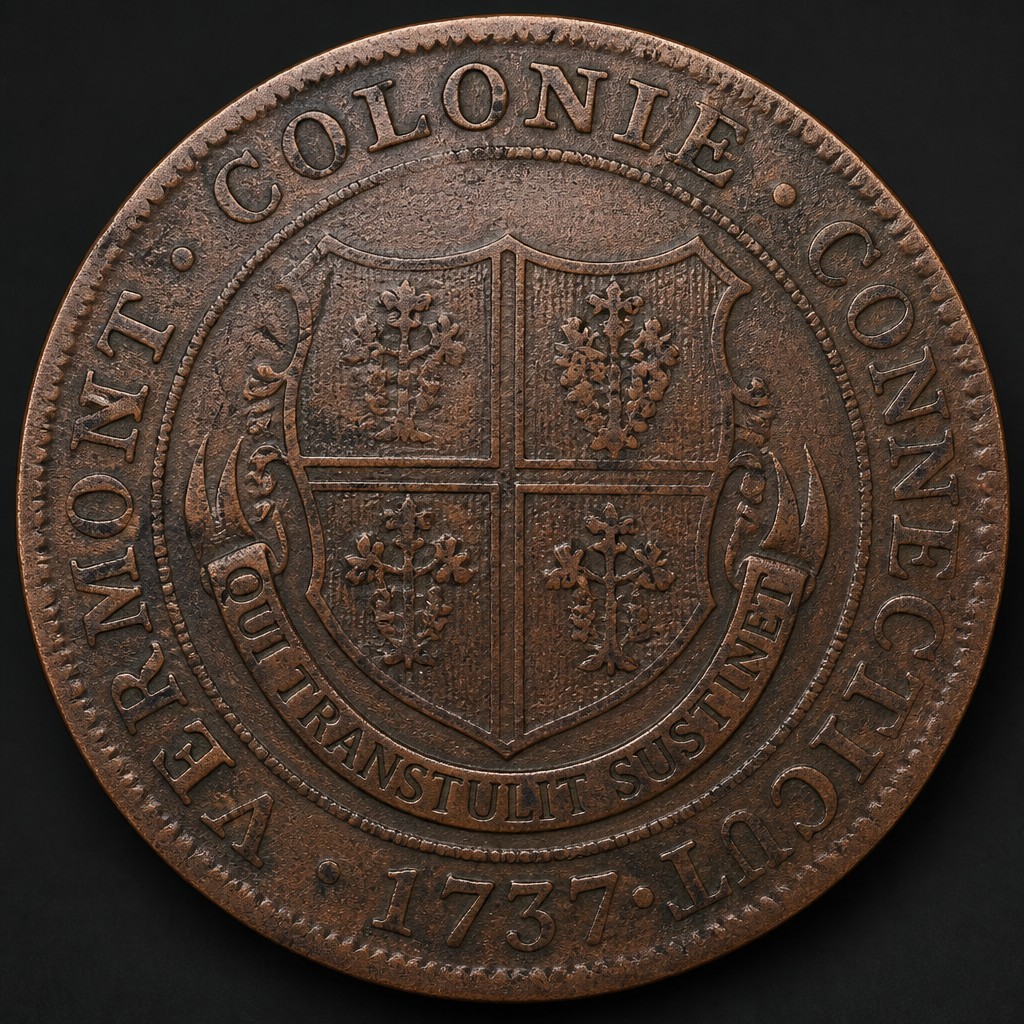
Higley Copper
1737–1739
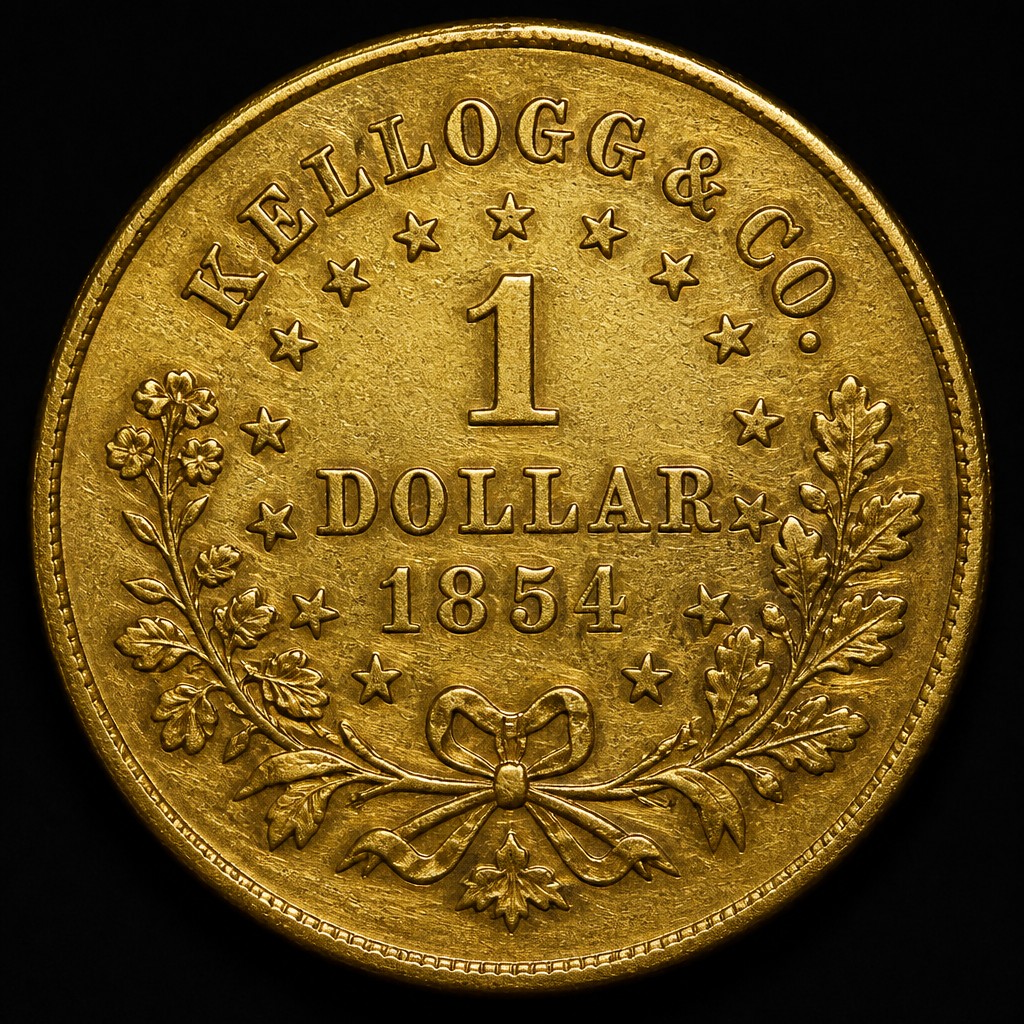
Kellogg & Co. Gold Piece
1854–1855
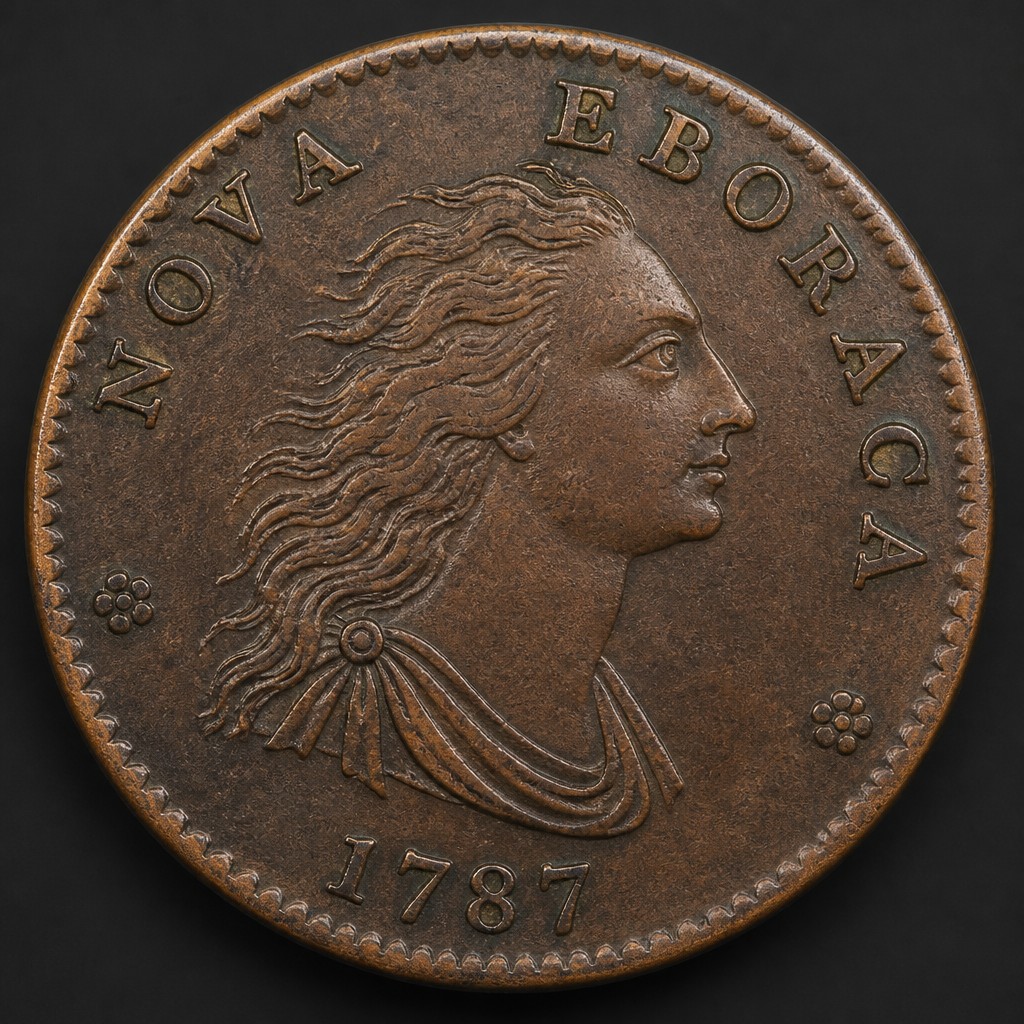
Nova Eborac Copper
1787
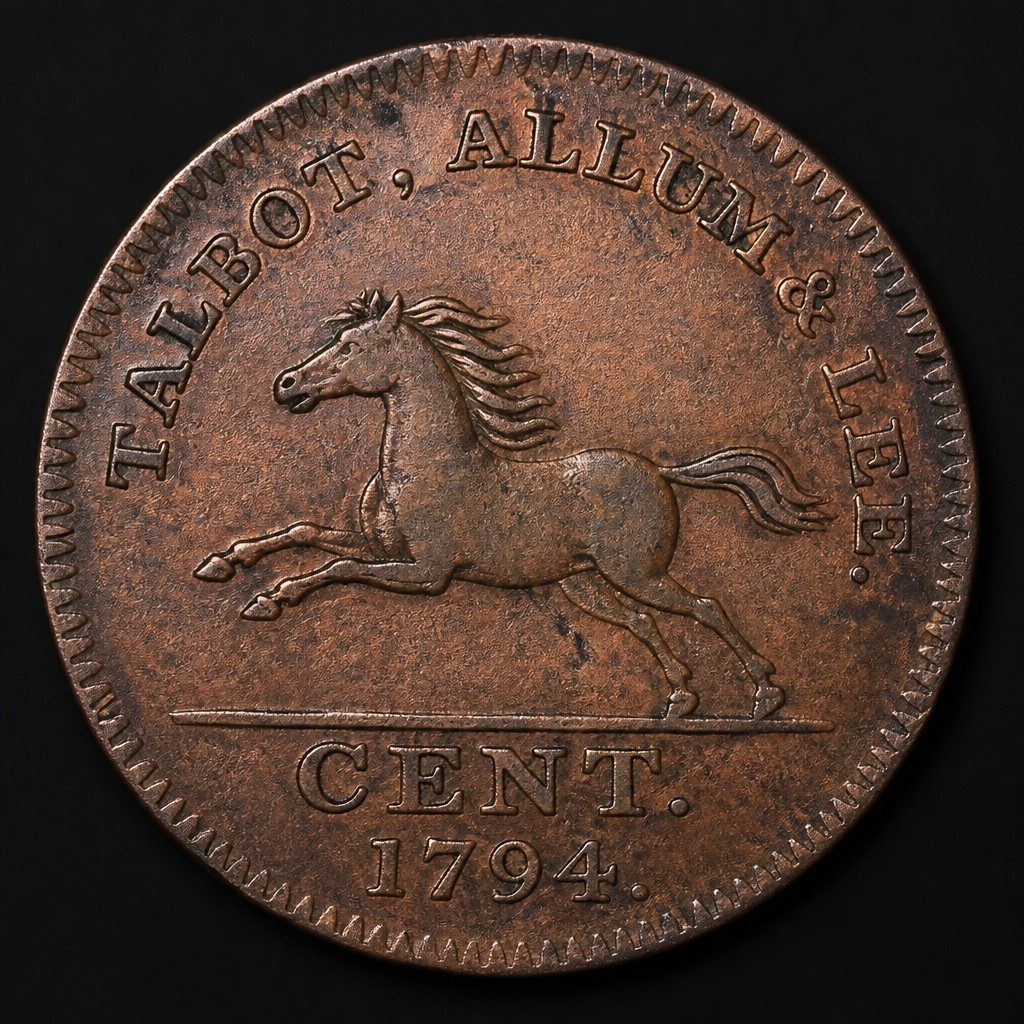
Talbot, Allum & Lee Cent
1794–1795
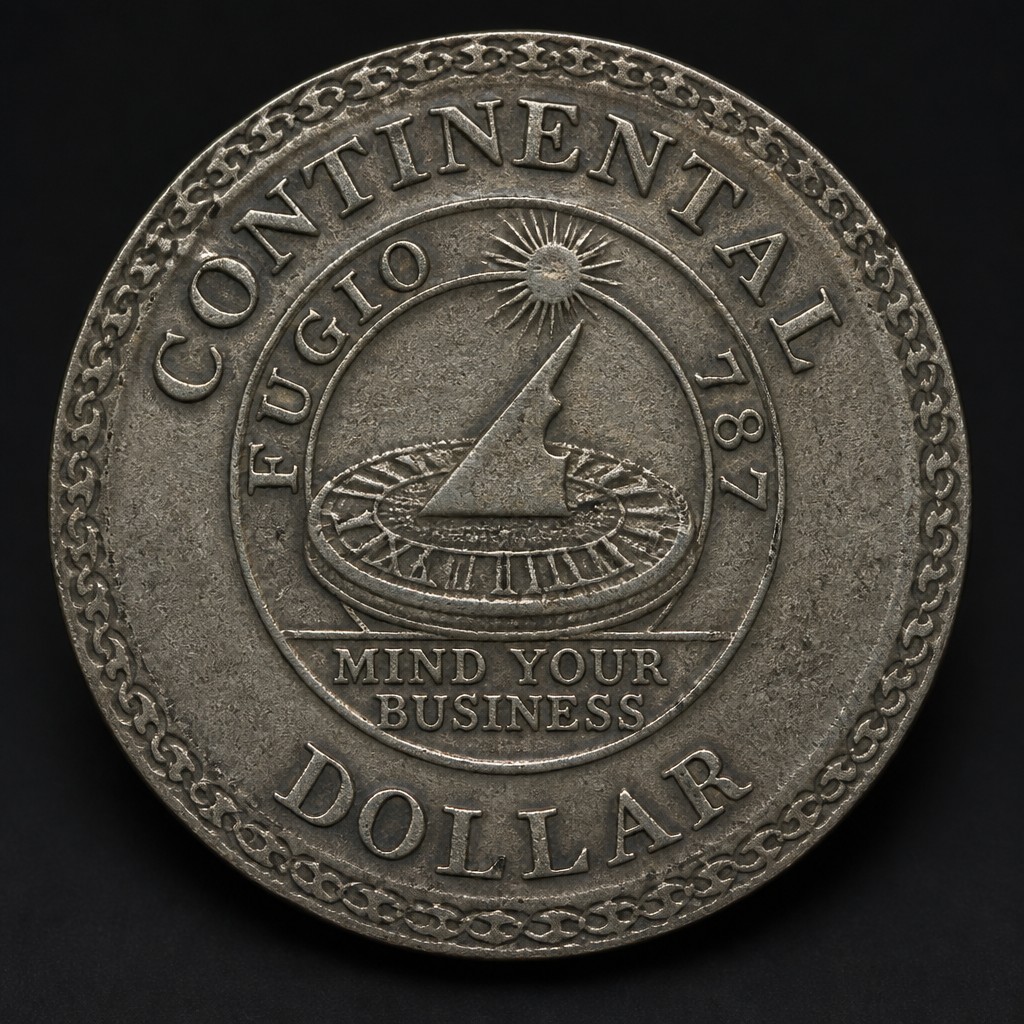
Continental Dollar
1776
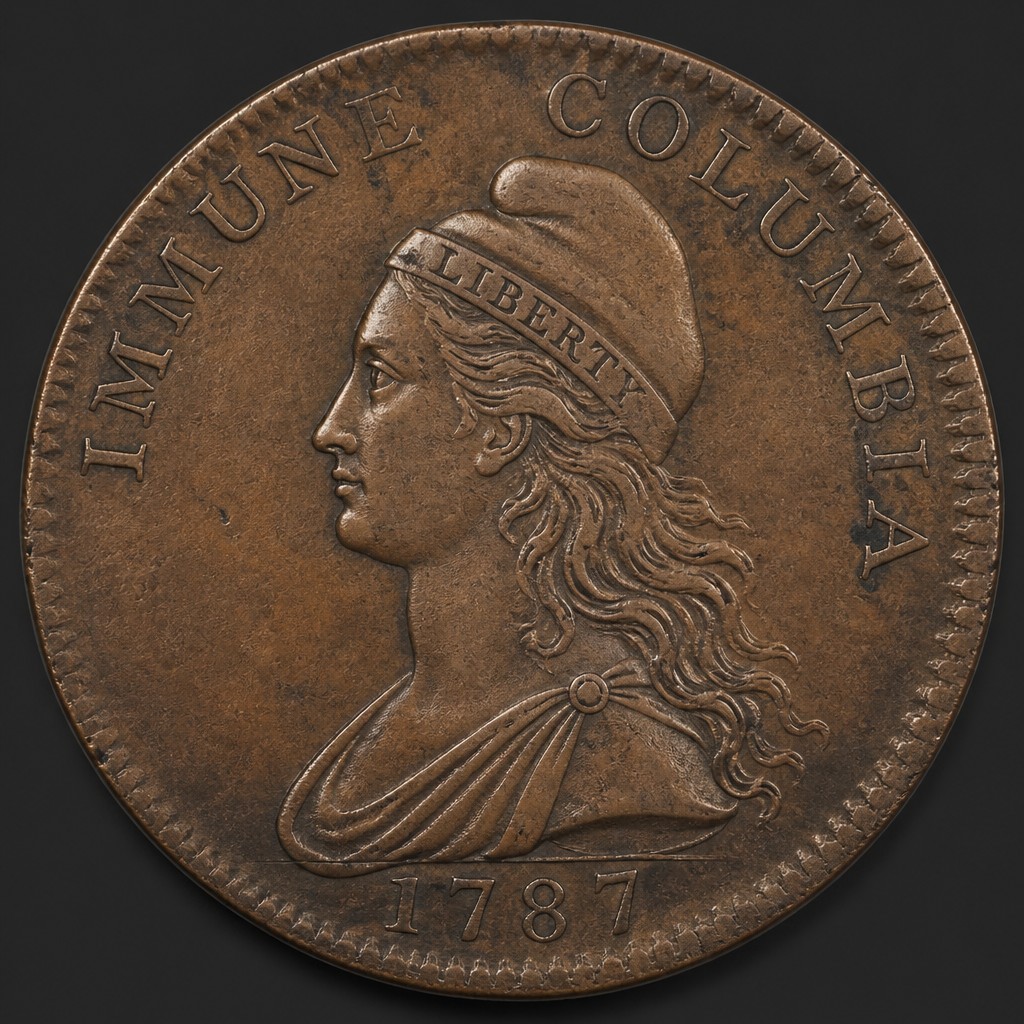
Immune Columbia Copper
circa 1785–1787
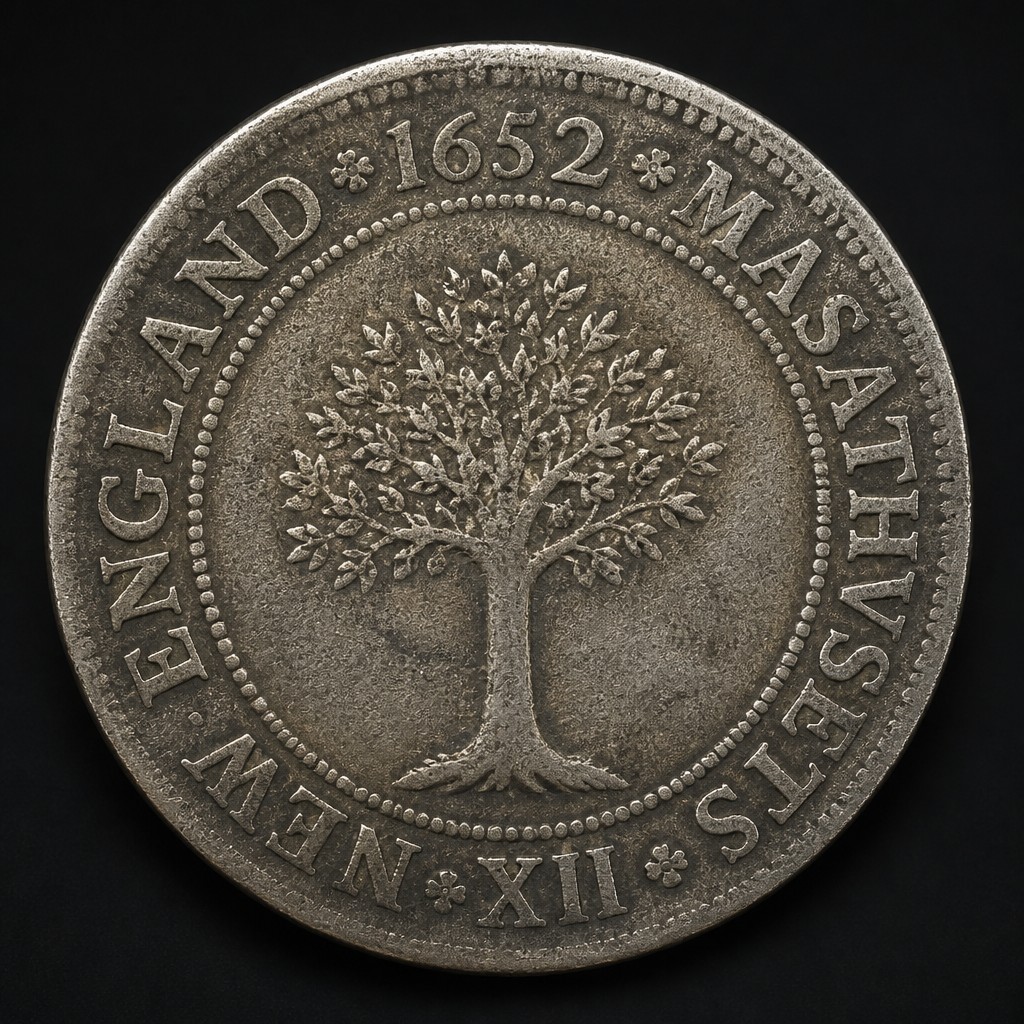
Massachusetts Oak Tree Shilling
Dated 1652, struck circa 1660–1667
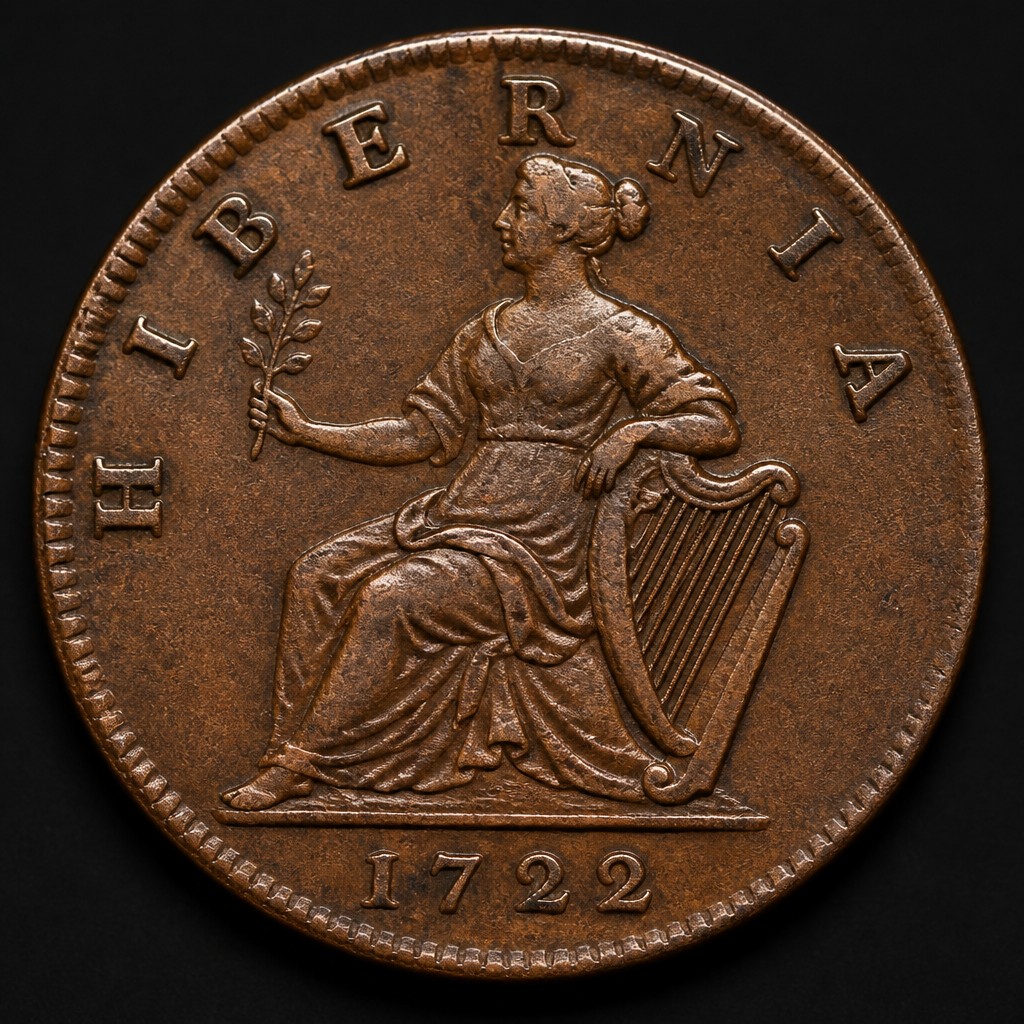
Wood's Hibernia Halfpenny
1722–1724
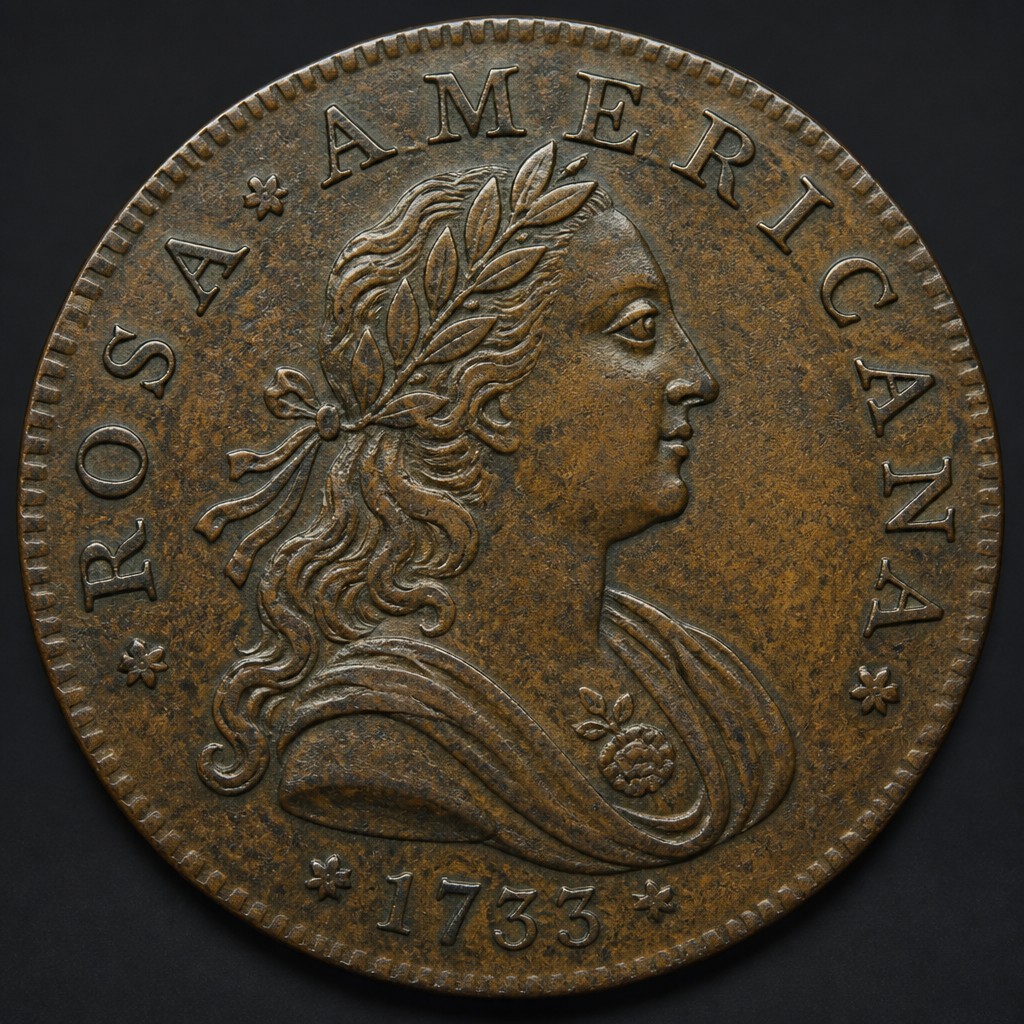
Rosa Americana Coinage
1722–1724 (with pattern issues dated 1733)
Massachusetts Willow Tree Shilling
Dated 1652, struck circa 1653–1660