
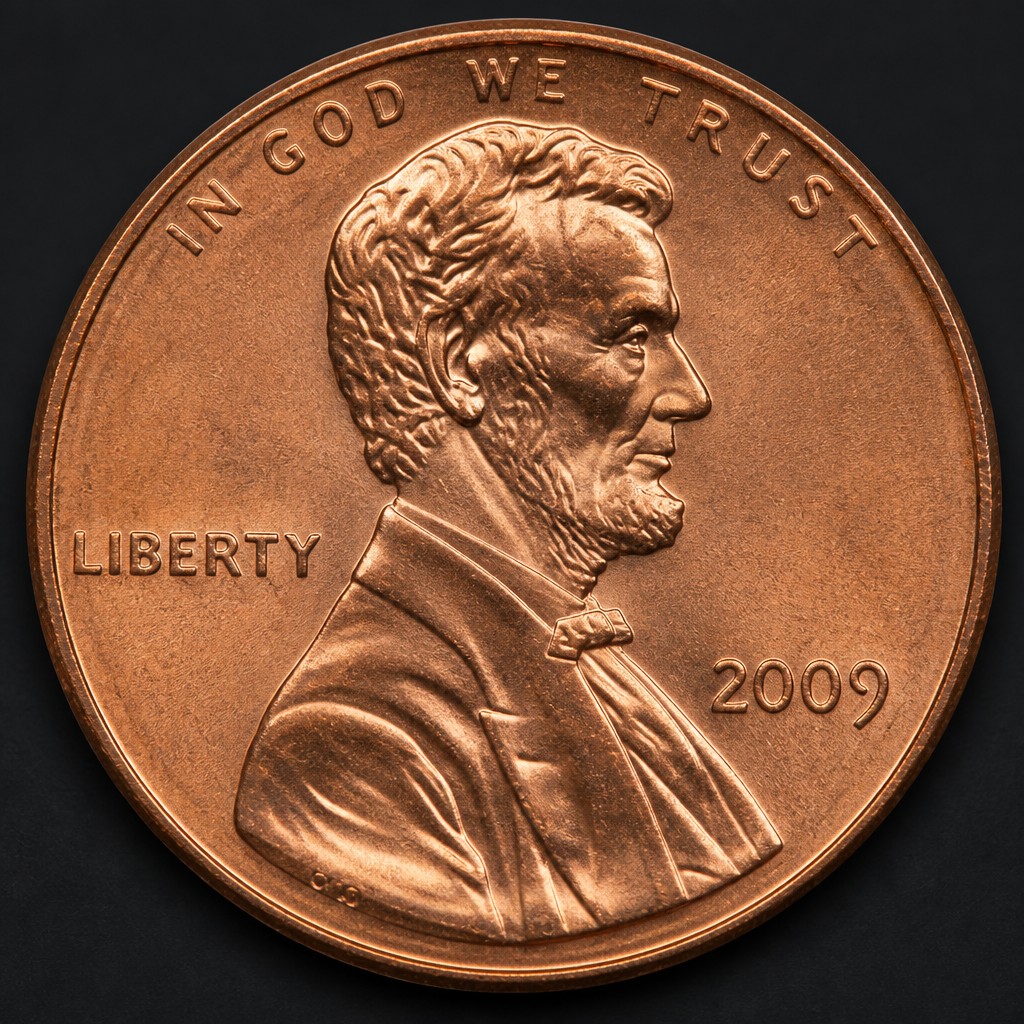
Lincoln Bicentennial Cent (2009)
A one-year series of four different reverse designs issued in 2009 to mark the 200th anniversary of Abraham Lincoln's birth and the centennial of the Lincoln cent.
- Country
- United States
- Denomination
- One Cent
- Metal
- Copper-Plated Zinc
Got a coin like this?
Identify any coin from a photo, free.
Overview
The Lincoln Bicentennial cent program replaced the familiar Lincoln Memorial reverse for one year in 2009, issuing four distinct designs that trace Lincoln's life from his humble Kentucky birthplace to his presidency in Washington, D.C. The program doubled as a celebration of both the 200th anniversary of Lincoln's birth and the 100th anniversary of the original 1909 Lincoln cent.
Collectors enjoy the series as an affordable, modern way to own a purposeful commemorative issue with real historical storytelling built into its design, and complete four-coin date-and-mint sets are a popular collecting goal.
History & Background
Congress authorized the four-design bicentennial cent program to honor Lincoln's birth in 1809 and the century since his portrait first appeared on the cent in 1909. The United States Mint solicited design concepts through a public and juried process, ultimately selecting four reverse scenes representing distinct phases of Lincoln's life: his birth and early childhood in Kentucky, his formative years in Indiana, his professional life in Illinois, and his presidency in Washington, D.C.
Each design was released in sequence over the course of 2009, struck at the Philadelphia and Denver mints for circulation, with proof versions produced at San Francisco. The traditional Lincoln portrait by Victor David Brenner, used on the cent since 1909, remained on the obverse throughout the program, providing continuity even as the reverse changed four times in a single year.
How to Identify
The obverse across all four 2009 cents retains the standard Lincoln portrait facing right, with IN GOD WE TRUST above, LIBERTY to the left, and the date and mint mark below. The four reverse designs are: a log cabin representing Lincoln's Kentucky birthplace; young Lincoln taking a break from rail-splitting to read a book in Indiana; Lincoln standing before the Illinois State Capitol as a young professional; and the unfinished dome of the U.S. Capitol in Washington, D.C., representing his presidency.
Mint marks, a "D" for Denver or no mark for Philadelphia, appear below the date on the obverse, while San Francisco proof issues carry an "S" mint mark and are found only in proof sets, not general circulation. The coins are struck in the standard modern cent composition of copper-plated zinc, differing from the bronze alloy used decades earlier.
Because four different reverse designs exist for the same year, correctly identifying which of the four "chapters" a given coin represents is the main identification task, distinguishing it from both earlier bronze cents and the Lincoln Shield cent design that followed in 2010.
Value & Collectibility
As a modern series struck in large quantities for circulation, most 2009 Bicentennial cents are worth face value or a small premium in circulated condition, making them widely accessible and popular with beginning collectors and Lincoln cent specialists alike. Uncirculated rolls, proof coins, and specially packaged Mint sets carry modest premiums over face value.
A few varieties, such as certain doubled-die examples or exceptionally well-struck specimens in top uncirculated grades, can command higher prices among specialists, but the series overall remains an affordable, easy entry point for building a themed collection.
Frequently asked questions
How many different 2009 cent designs are there?
Four different reverse designs, each representing a different period of Abraham Lincoln's life, were issued that year.
What are the four reverse themes?
Birth and early childhood in Kentucky, formative years in Indiana, professional life in Illinois, and presidency in Washington, D.C.
What metal are these cents made of?
Copper-plated zinc, the same composition used for regular Lincoln cents since 1982.
Are 2009 cents valuable?
Most circulated examples are worth close to face value, though uncirculated, proof, and certain variety coins can carry modest to notable premiums.
What replaced this design in 2010?
The Lincoln Shield cent, featuring a Union shield on the reverse, became the ongoing design starting in 2010.
Other coins you may enjoy
1967 Centennial Gold $20 Coin
1967
1976 Montreal Olympics Silver Coin Series
1973–1976
1951 Nickel Commemorative Five Cents
1951
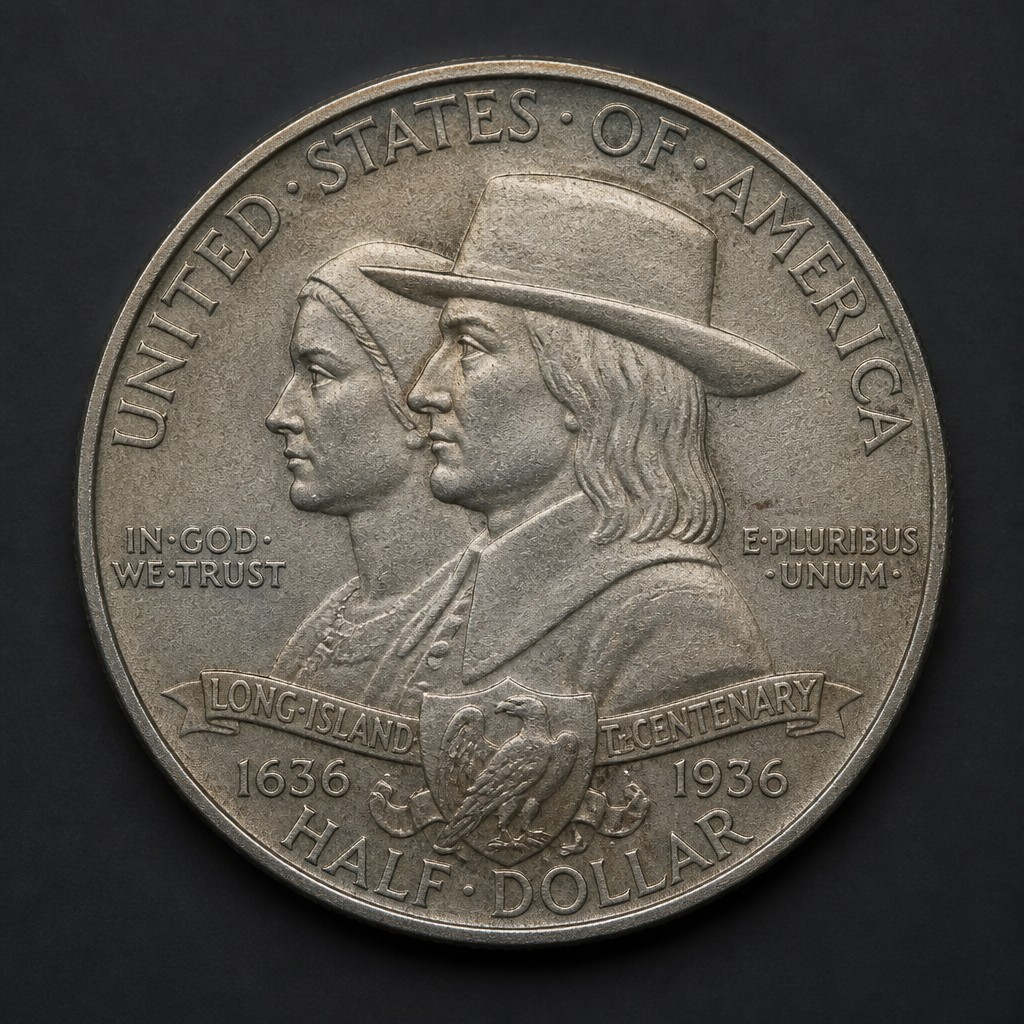
Long Island Tercentenary Half Dollar
1936
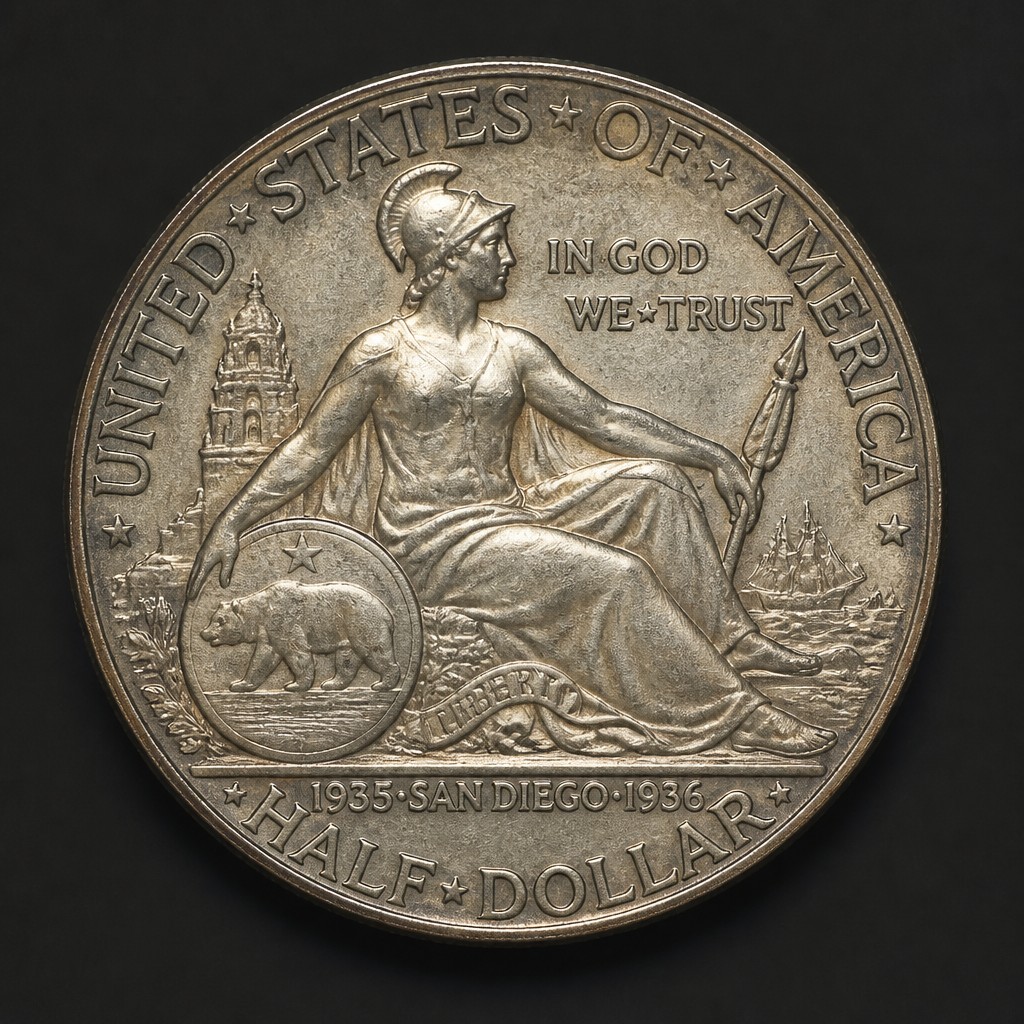
San Diego Pacific Exposition Half Dollar
1935–1936
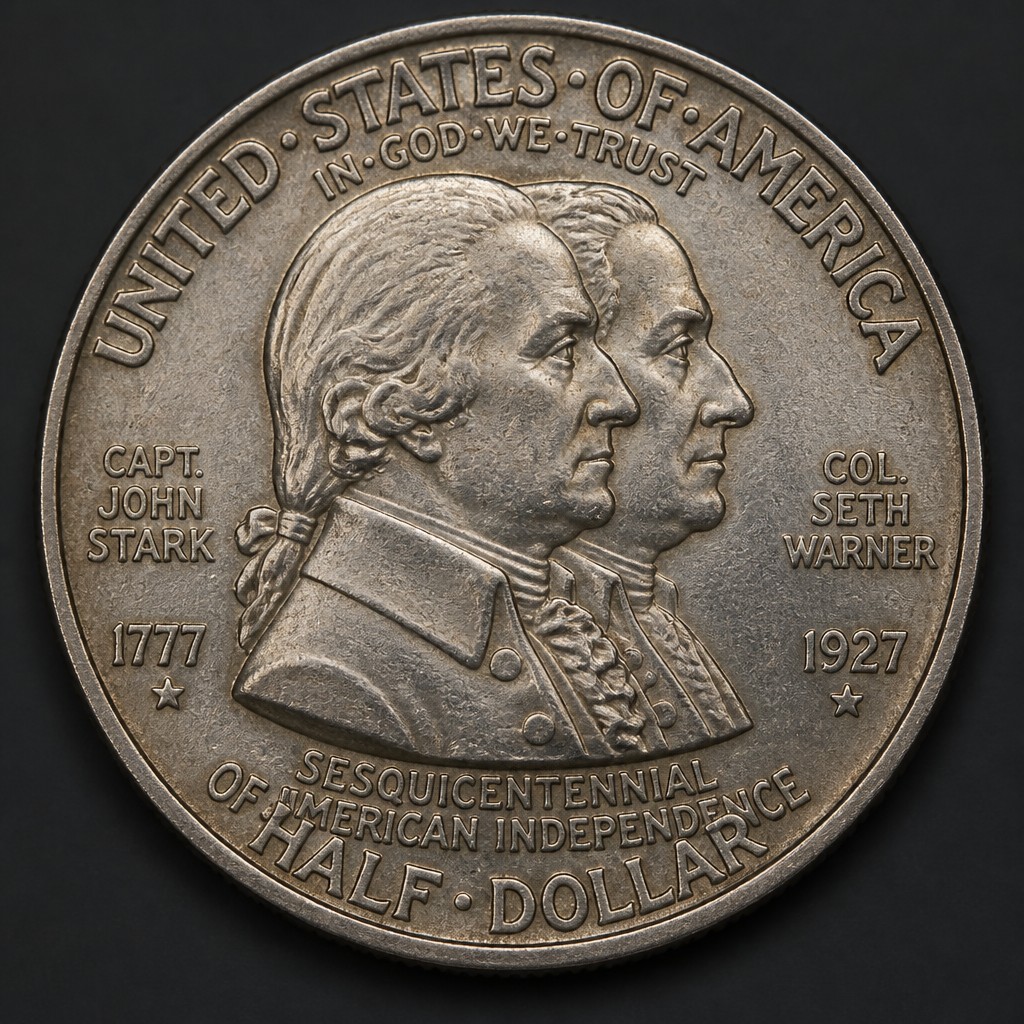
Vermont Sesquicentennial Half Dollar
1927
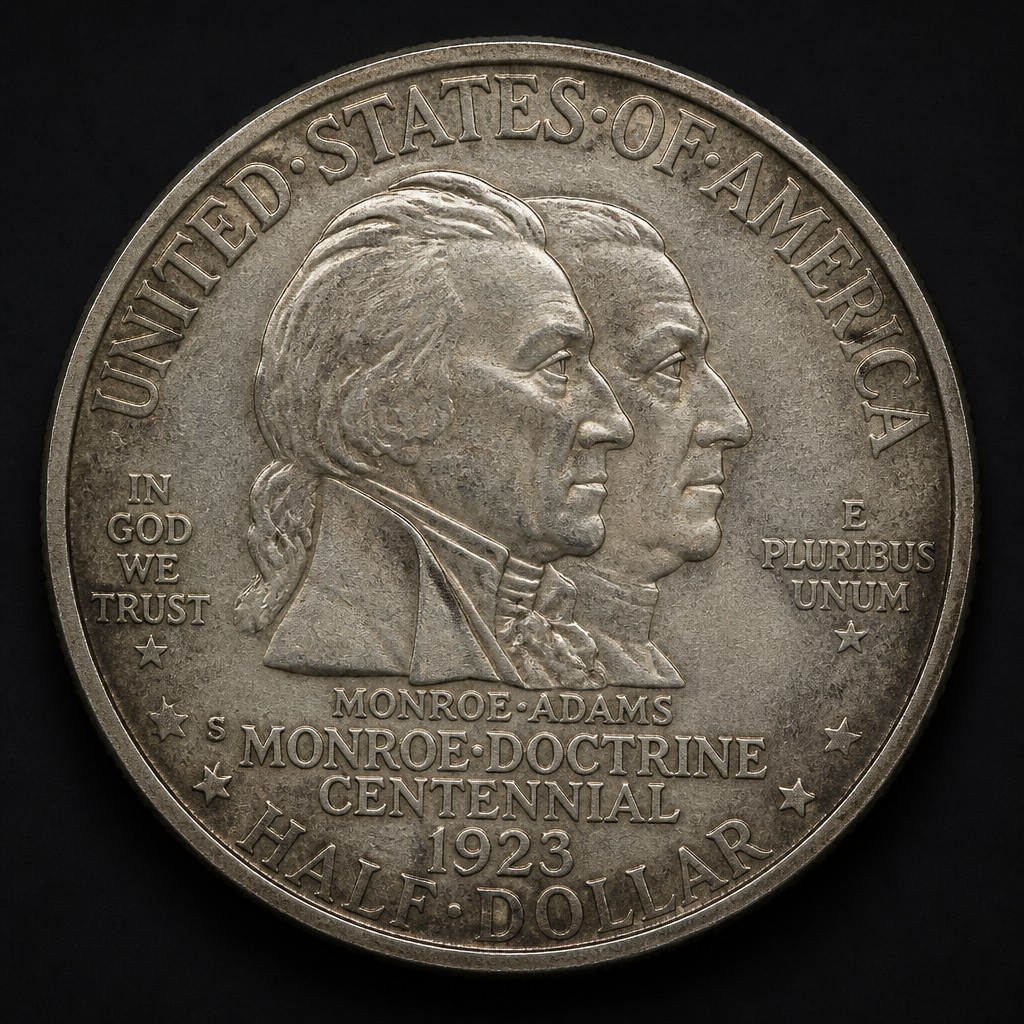
Monroe Doctrine Centennial Half Dollar
1923
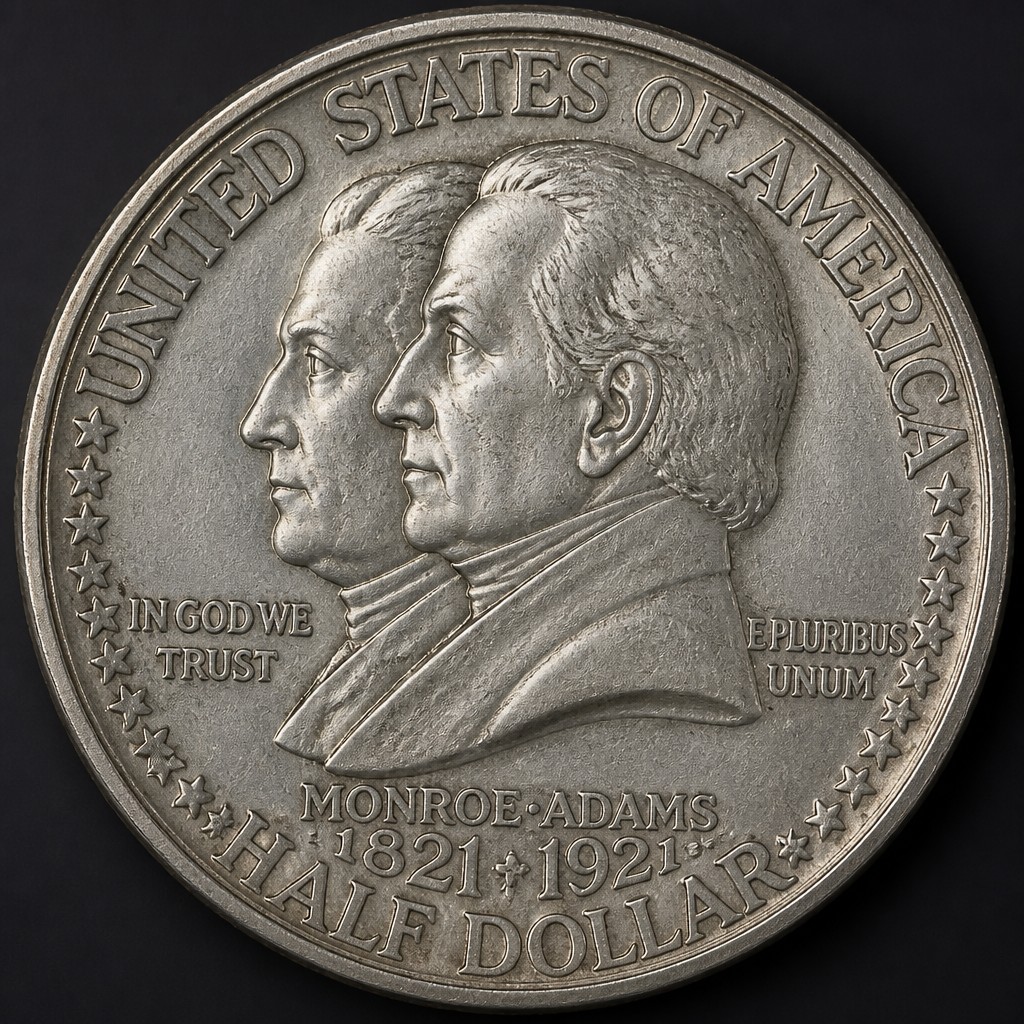
Alabama Centennial Half Dollar
1921
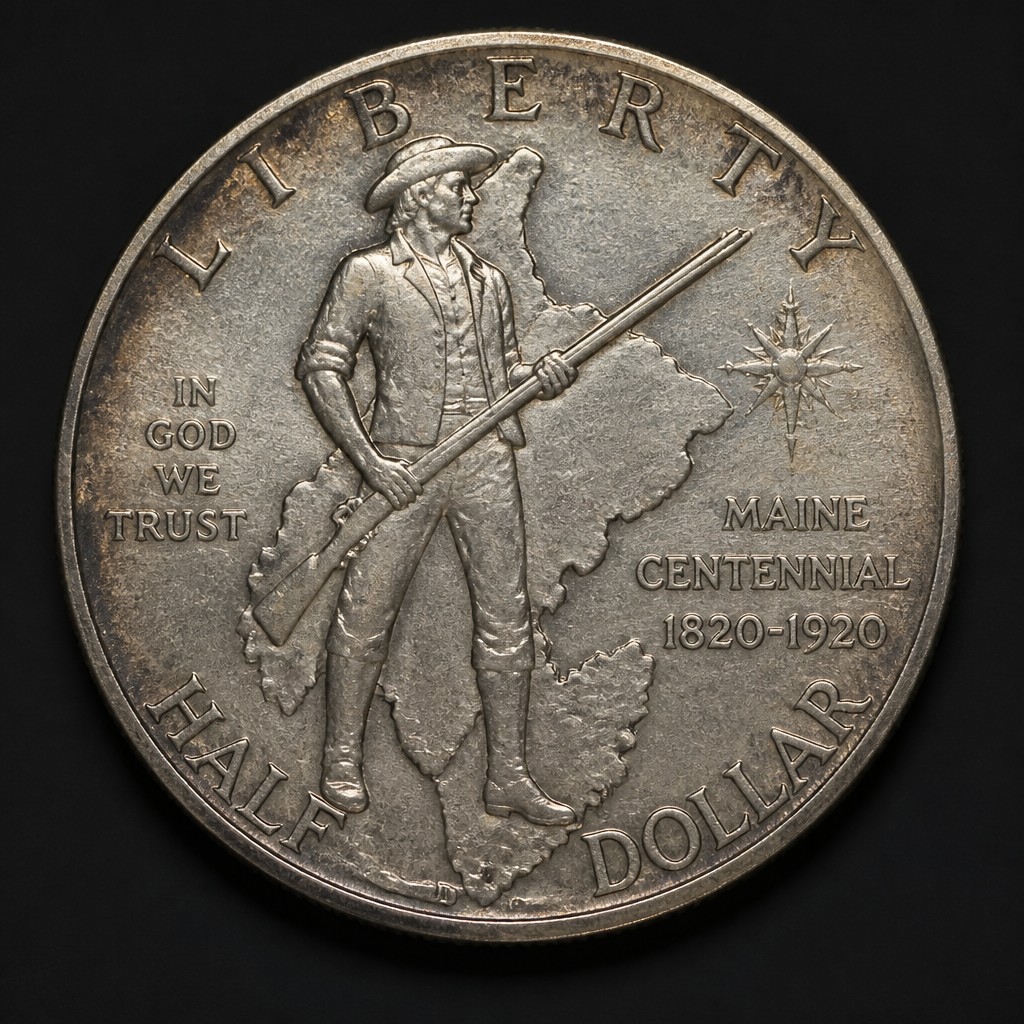
Maine Centennial Half Dollar
1920
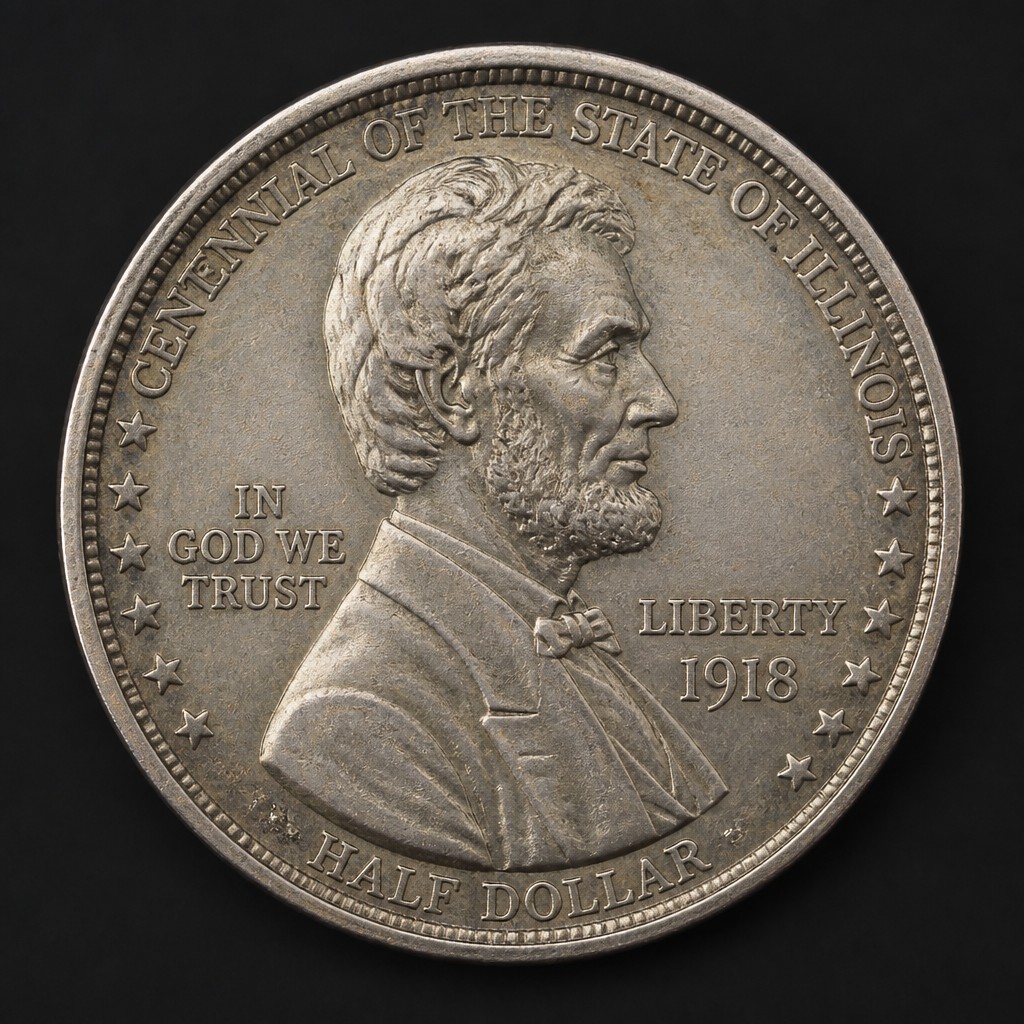
Lincoln-Illinois Centennial Half Dollar
1918
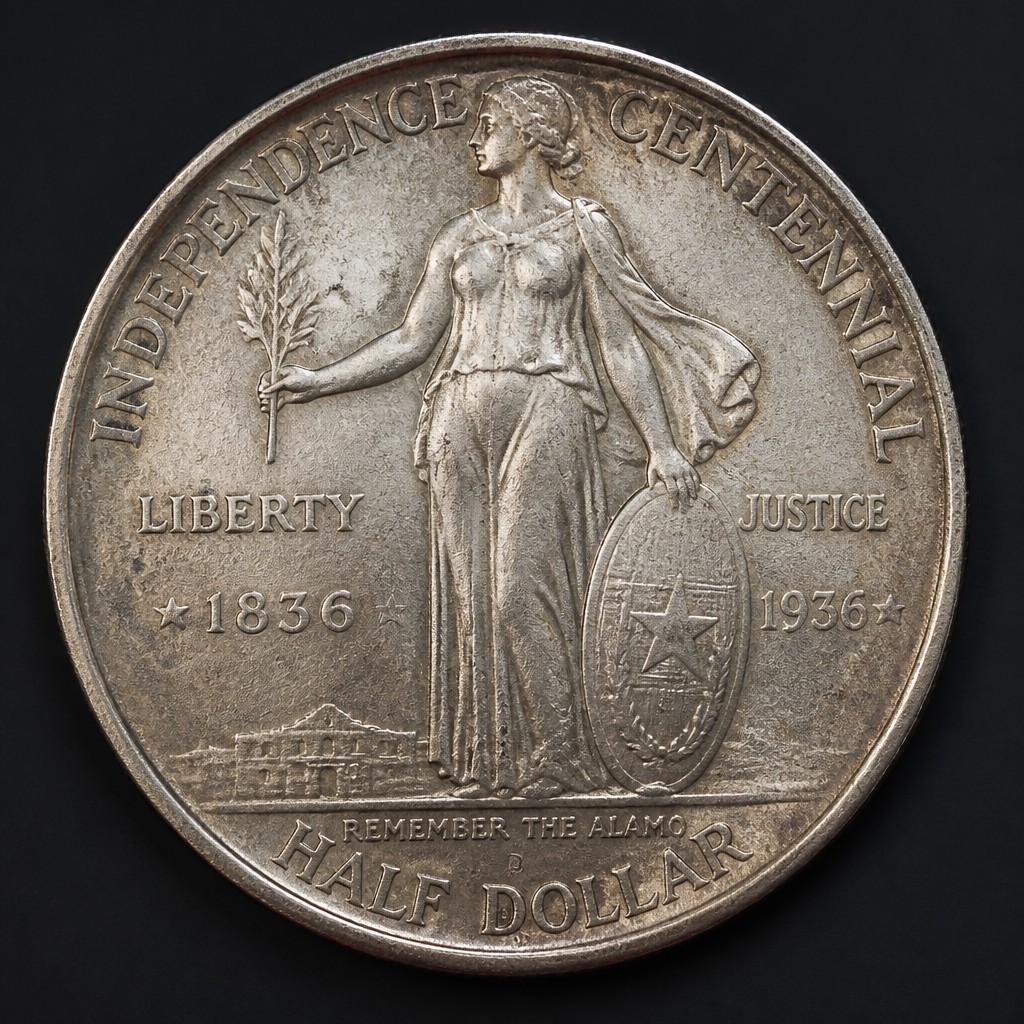
Texas Independence Centennial Half Dollar
1934–1938
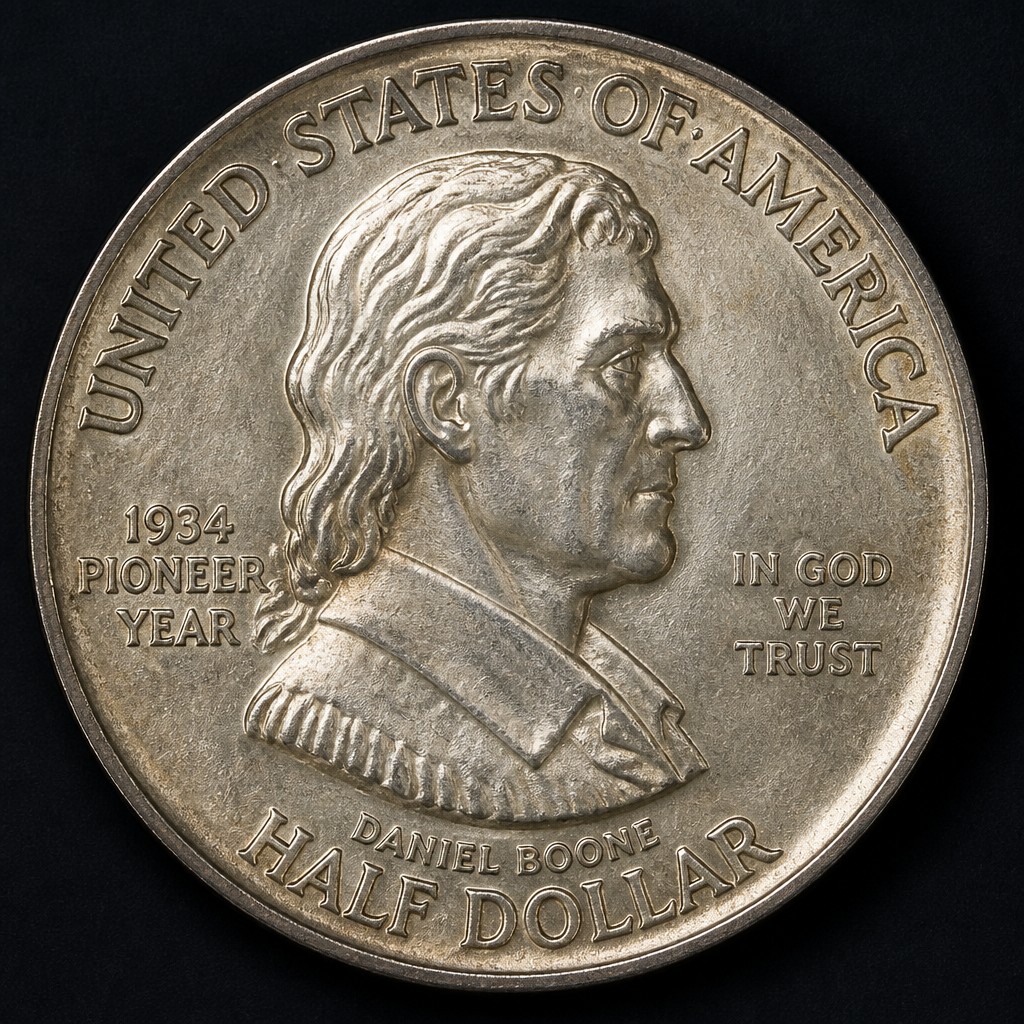
Daniel Boone Bicentennial Half Dollar
1934–1938