
Coin Encyclopedia
Search and identify coins from around the world — with country, denomination, metal, mint, history, and how to tell them apart.
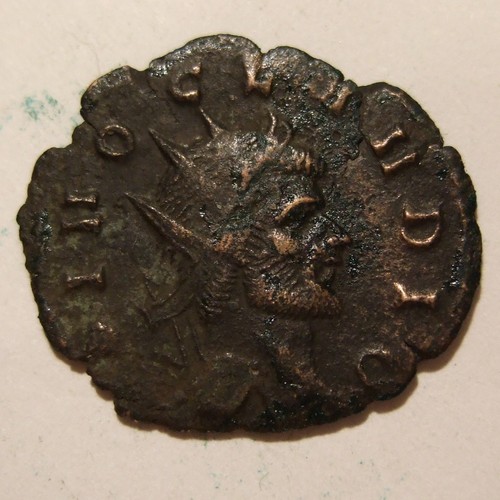
Roman Quadrans
A small Roman bronze quadrans, worth a quarter of an as, here a heavily corroded piece with a laureate head facing right.
Ancient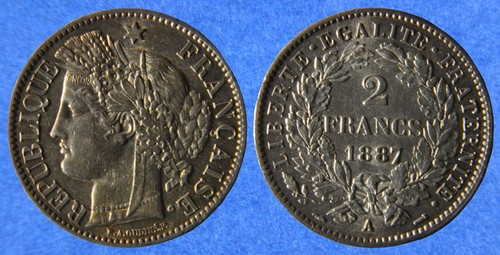
French Cérès 2 Francs
A French Third Republic silver 2 francs showing the goddess Cérès in a liberty cap, with the value 2 FRANCS in a wreath on the reverse.
Circulation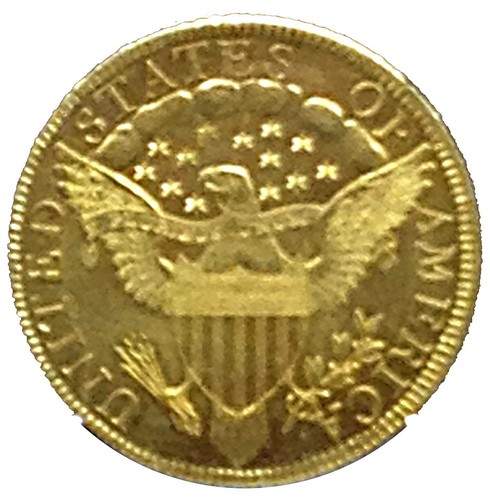
Draped Bust Dollar
Early U.S. silver dollar struck 1795–1804, with a draped bust of Liberty and, from 1798, a heraldic eagle reverse.
Dollar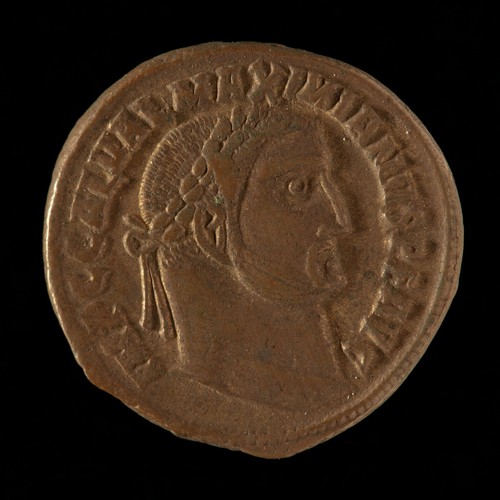
Follis of Galerius
A large silvered bronze follis of the emperor Galerius (Augustus AD 305-311), struck across the Tetrarchic mints with a laureate portrait and a standing deity reverse.
Ancient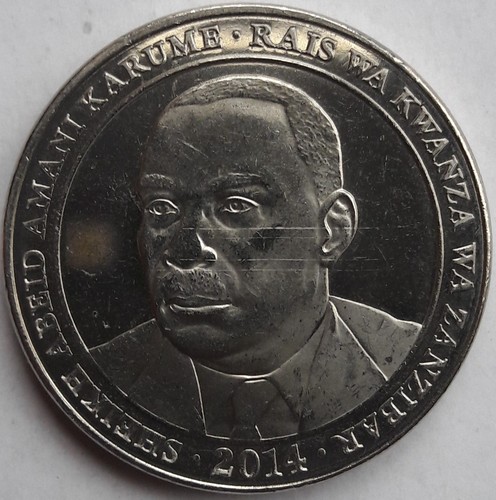
Tanzania 500 Shillings
A modern base-metal circulating coin of Tanzania carrying a right-facing portrait long associated with the nation's founding president and a Kiswahili legend.
World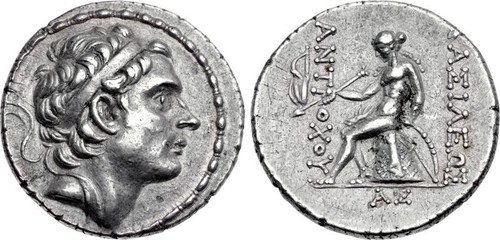
Antiochos III Tetradrachm
A large Seleucid silver coin of Antiochos III the Great, showing his diademed head and a seated deity holding shield and spear.
Ancient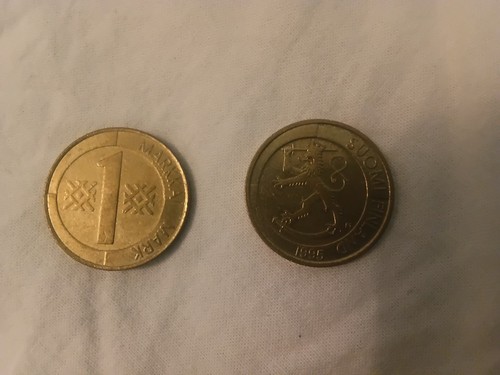
1 Markka
Finland's bimetallic one-markka coin (1993–2001), with a crowned heraldic lion on one face and a large numeral 1 on the other.
World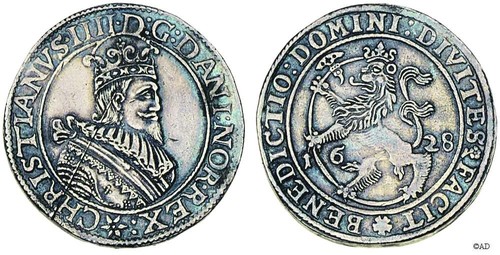
Speciedaler
Large early-modern Norwegian silver crown of the Dano-Norwegian kingdom, showing a crowned royal bust and the Norwegian lion shield, dated 1628.
Early Modern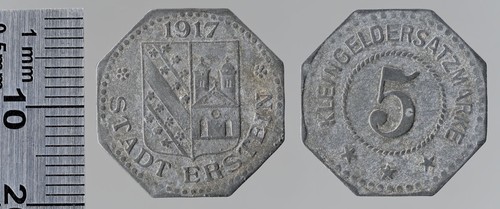
Erstein Notgeld 5 Pfennigs
A World War I emergency small-change coin issued by the town of Erstein in 1917, with the civic coat of arms on one side and a large 5 on the other.
Token/notgeld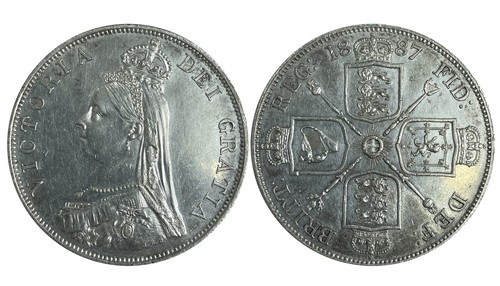
British Double Florin
Large Victorian silver four-shilling piece with the Jubilee Head of Queen Victoria and a cross of four crowned shields on the reverse.
World Coins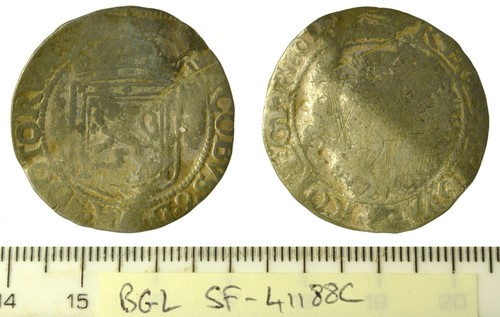
Thistle Merk
A hammered silver Scottish merk of James VI, showing a crowned heraldic shield of Scotland and a crowned thistle with a Latin legend.
Hammered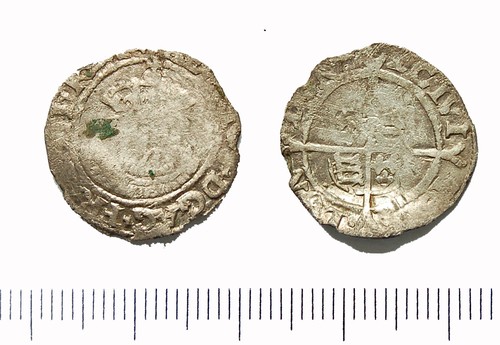
Edward VI Half Groat
Small hammered silver twopence of Edward VI (1547-1553), with a left-facing royal profile and a cross-and-shield reverse.
Hammered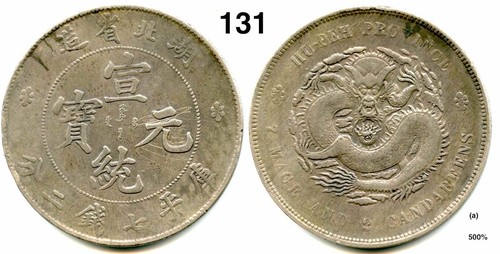
Xuantong Yuanbao 7 Mace 2 Candareens
A late Qing silver dollar-size coin of the Xuantong era (1909-1911), reading 宣統元寶 on the obverse with a Chinese dragon on the reverse.
Circulation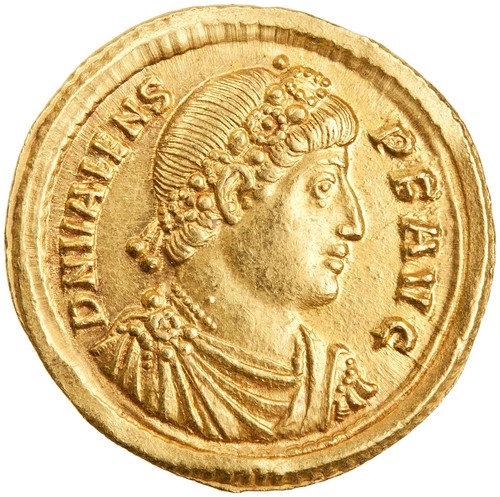
Solidus of Valens
A late Roman gold solidus struck for Valens, eastern emperor from AD 364 to 378, showing his diademed profile facing right.
Ancient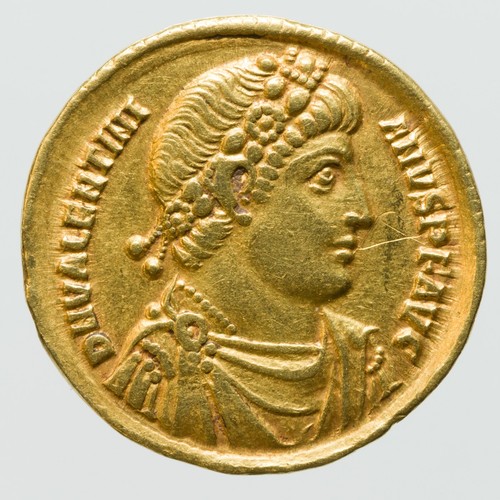
Solidus of Valentinian II
A late Roman gold solidus struck for Valentinian II, showing his diademed profile with the obverse legend D N VALENTINIANVS, from the 380s AD.
Ancient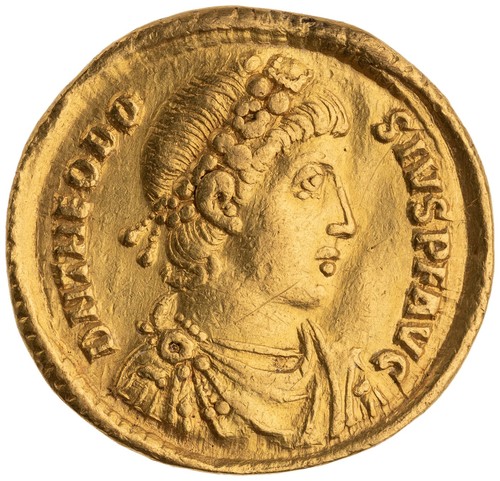
Solidus of Theodosius I
A late Roman gold solidus struck for the emperor Theodosius I (AD 379-395), showing his diademed portrait and the legend D N THEODOSIVS AVG.
Ancient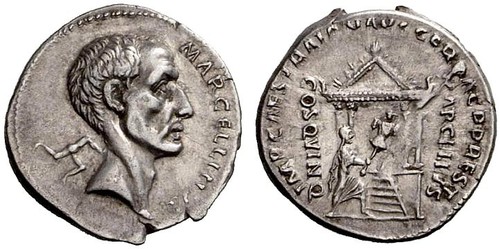
Denarius of Trajan
Silver denarius of the emperor Trajan (98–117 AD), showing his laureate bust and, on this piece, Libertas standing with patera and rod.
Ancient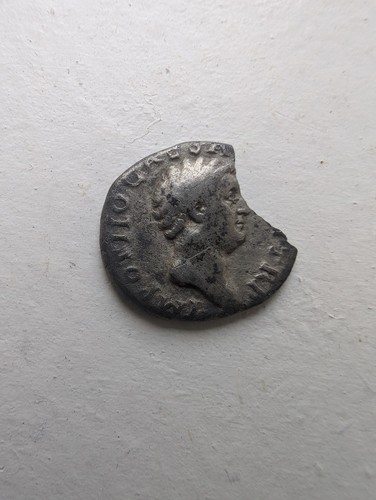
Denarius of Otho
Silver denarius of the emperor Otho, struck at Rome during his brief AD 69 reign, showing his bare head right with the legend IMP OTHO CAESAR.
Ancient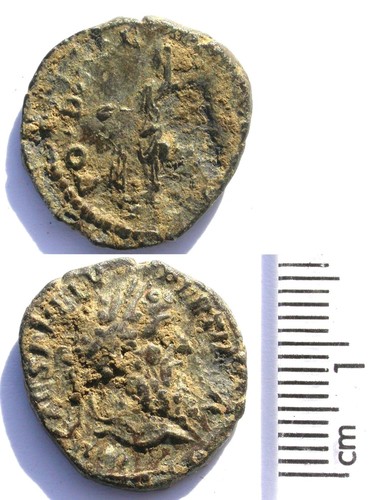
Denarius of Pertinax
A rare silver denarius of Pertinax, Roman emperor for 86 days in 193 AD, showing his laureate portrait and a personification reverse.
Ancient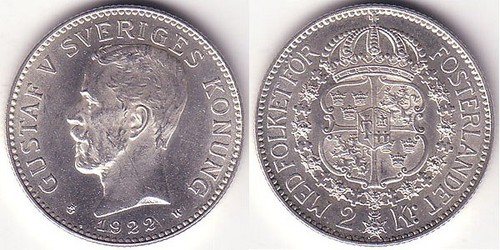
2 Kronor
Silver 2 kronor of Sweden showing King Gustaf V in left profile and the crowned national arms, this piece dated 1922.
World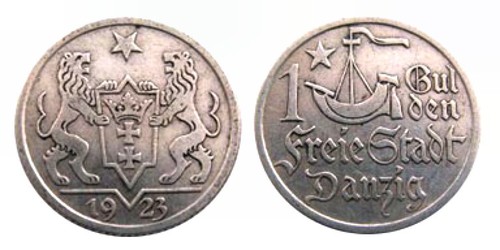
1 Gulden (Silver)
Silver 1 Gulden of the Free City of Danzig, dated 1923, carrying the city's coat of arms and its own short-lived currency between the World Wars.
Modern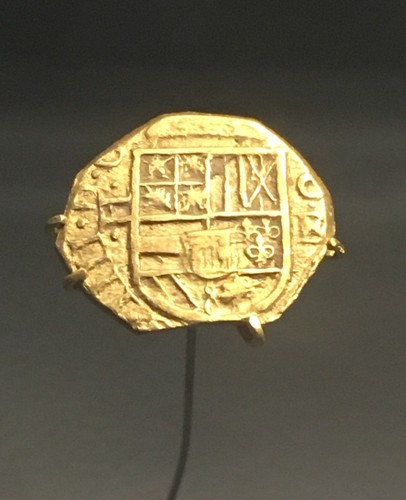
2 Escudos
A gold 2 Escudos of Habsburg Spain, the classic 'doubloon,' struck with a crowned coat of arms of castles and lions on both faces.
Early Modern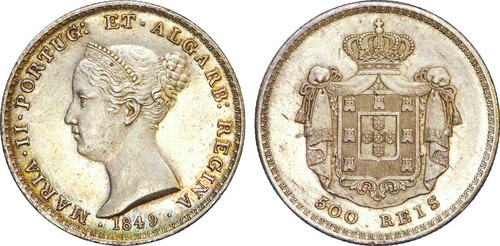
500 Reis
A Portuguese silver 500 Reis of Queen Maria II, with her left-facing draped bust on the obverse and a crowned coat of arms on the reverse.
Modern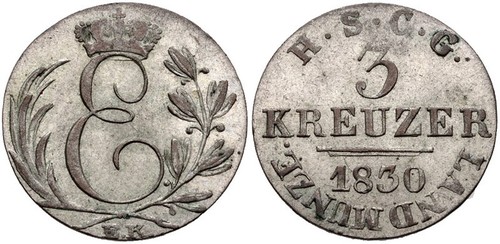
Gotha 3 Kreuzer
A small silver 3 Kreuzer of the German state of Gotha, dated 1830, with an ornate armorial obverse and a laurel-wreath value reverse.
German States