
Roman Quadrans
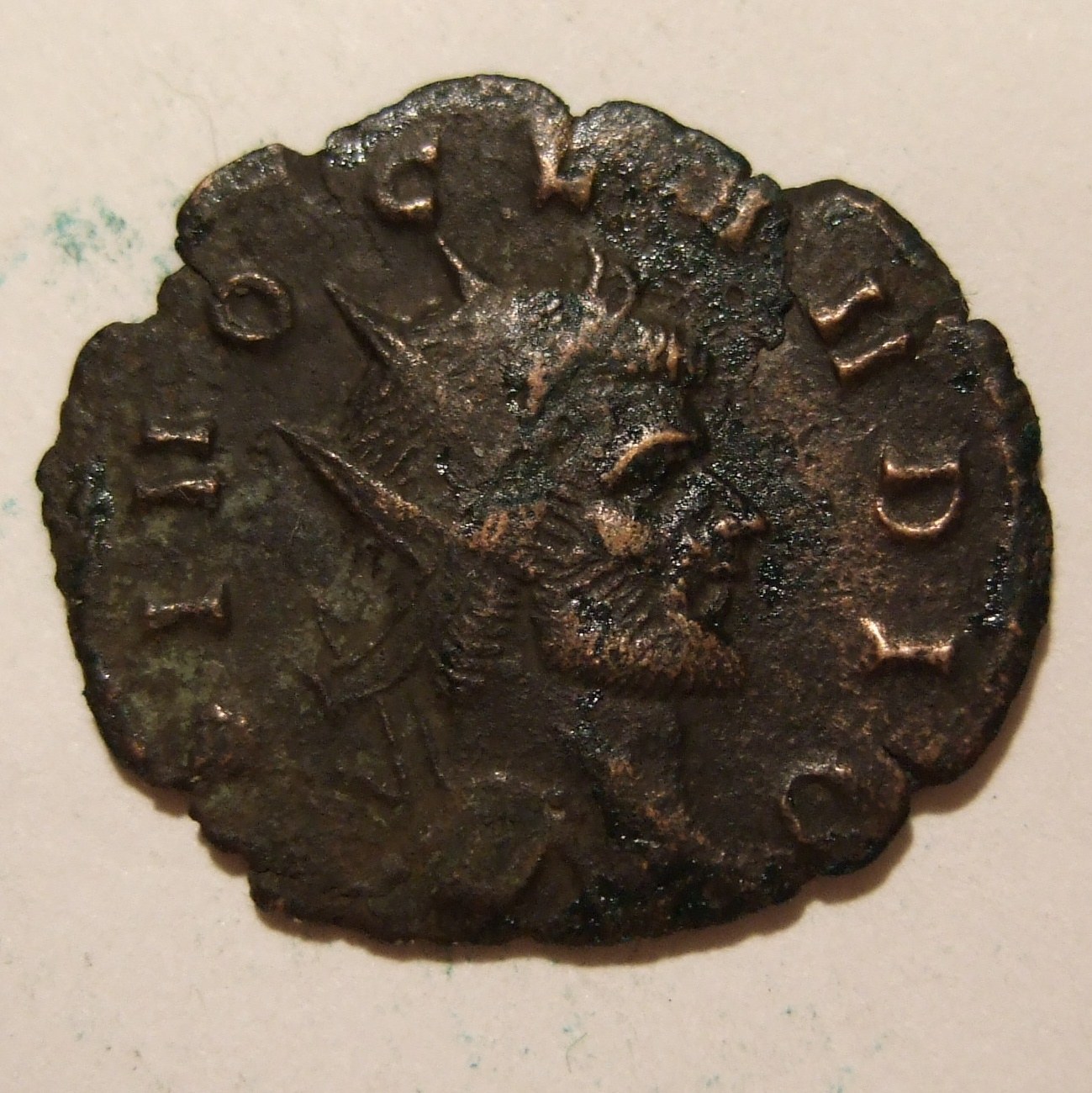
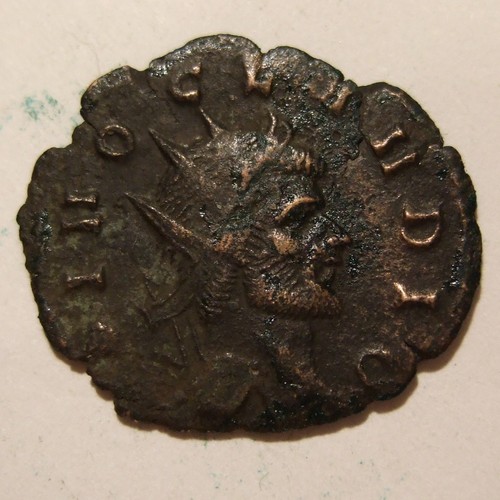
A small Roman bronze quadrans, worth a quarter of an as, here a heavily corroded piece with a laureate head facing right.
- Country
- Roman Empire
- Denomination
- Quadrans
- Metal
- Bronze
Got a coin like this?
Identify any coin from a photo, free.
Overview
The quadrans was one of the smallest bronze denominations of Roman coinage, valued at a quarter of an as. It was a low-value copper-alloy coin used for everyday small change, and surviving examples are typically small, thick, and often worn or corroded from long circulation and burial.
The specimen shown here is a bronze quadrans preserving a laureate head facing right on the obverse. The surface is heavily corroded, so fine detail and the surrounding legend are largely lost, and the reverse is not visible in the available image. Because so little detail survives, the piece is best described by what can be seen: a small bronze coin of the quadrans denomination bearing a laureate portrait.
History & Background
The quadrans has a long history in Roman coinage, appearing in the cast and struck bronze of the Republic and continuing into the imperial period. As a fraction of the as, it belonged to the base-metal coinage that ordinary Romans handled daily for small purchases, while larger transactions used silver and, later, gold.
Throughout its use the quadrans remained a humble denomination, and by the later imperial period small bronze fractions were increasingly irregular in production and quality. A heavily corroded small bronze like this one reflects that everyday, utilitarian role: struck cheaply, circulated hard, and preserved today mainly as a modest survivor of the Roman monetary system rather than as a showpiece coin.
How to Identify
Identify the quadrans first by size and metal: it is a small, low-value bronze (copper-alloy) coin, noticeably smaller and lighter than an as or a sestertius. On this example the obverse shows a laureate head facing right, the standard arrangement in which the portrait wears a laurel wreath and looks to the viewer's right.
Because the coin is heavily corroded, the legend and any reverse design cannot be read with confidence here. When surfaces are this degraded, attribution rests on the visible portrait style, the coin's small module, and its bronze fabric rather than on a legible inscription. Any finer identification, such as a specific ruler or mint, would require clearer detail than the corrosion allows.
Value & Collectibility
Small Roman bronze fractions such as the quadrans are generally among the more affordable ancient coins, and heavily corroded, low-detail examples sit at the modest end of that range. Value is driven mostly by legibility and eye appeal: a coin with a clear portrait, readable legend, and identifiable reverse is worth considerably more than a worn, corroded piece.
For a specimen this degraded, the interest is largely historical rather than monetary. Prices for well-preserved, clearly attributable quadrantes rise with grade and completeness of design, while corroded uncertain pieces typically trade for small sums. As always with ancient bronze, condition, surface quality, and secure attribution matter far more than the denomination alone.
Frequently asked questions
What is a quadrans worth in Roman money?
A quadrans was worth one quarter of an as, making it one of the smallest bronze denominations used for everyday small change.
What metal is this coin made of?
It is a bronze (copper-alloy) coin. The quadrans was always a base-metal denomination, not silver or gold.
Why is the coin so hard to read?
This example is heavily corroded from age and burial, which obscures the legend and fine detail. On such pieces the visible portrait, small size, and bronze fabric are the main clues.
Can the exact emperor be identified?
Not reliably from this coin. The corrosion hides the legend and the reverse, so it can be described as a bronze quadrans with a laureate head, but a specific ruler cannot be confirmed without clearer detail.
Roman Quadrans guides
In-depth guides for identifying, valuing, and collecting Roman Quadrans.
Other coins you may enjoy
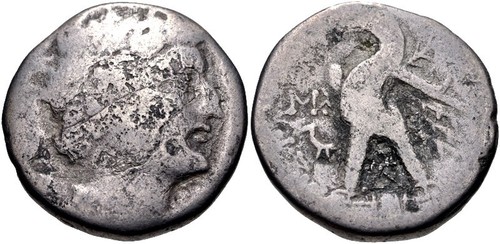
Tetradrachm of Ptolemy XII
80-51 BC
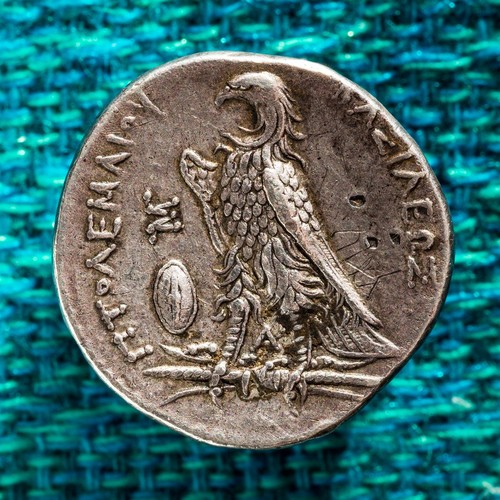
Tetradrachm of Ptolemy I
305-283 BC
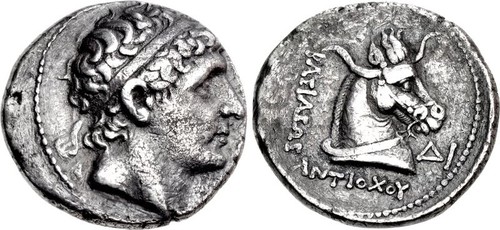
Tetradrachm of Antiochos I Soter
281-261 BC
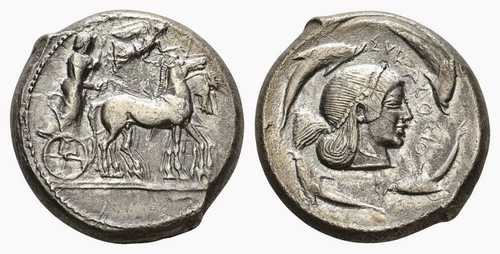
Syracuse Tetradrachm
c. 5th-4th century BC (Classical period)
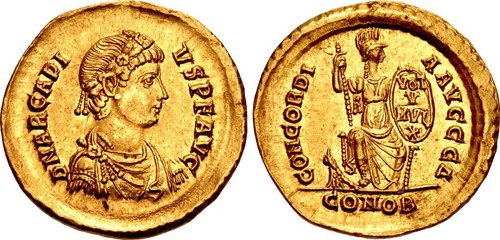
Solidus of Arcadius
AD 395-402
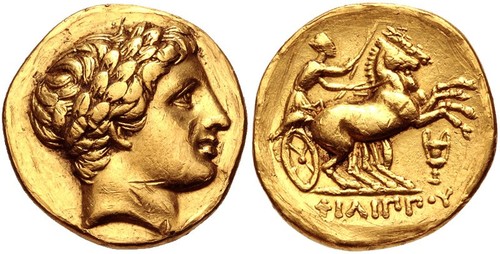
Philip III Gold Stater
323-317 BC
Siliqua of Gratian
AD 367-383
Sestertius of Maximinus Thrax
235-238 AD
Solidus of Valentinian III
AD 425-455
Seleucus I Nicator Tetradrachm
Late 4th-3rd century BC
Nummus of Magnentius
AD 350-353
Follis of Galerius
AD 308-310