
How to Identify the Roman Quadrans
A collector's guide to recognizing a small Roman bronze quadrans by its size, metal, and laureate portrait, even when heavily corroded.
Read the full Roman Quadrans encyclopedia entry →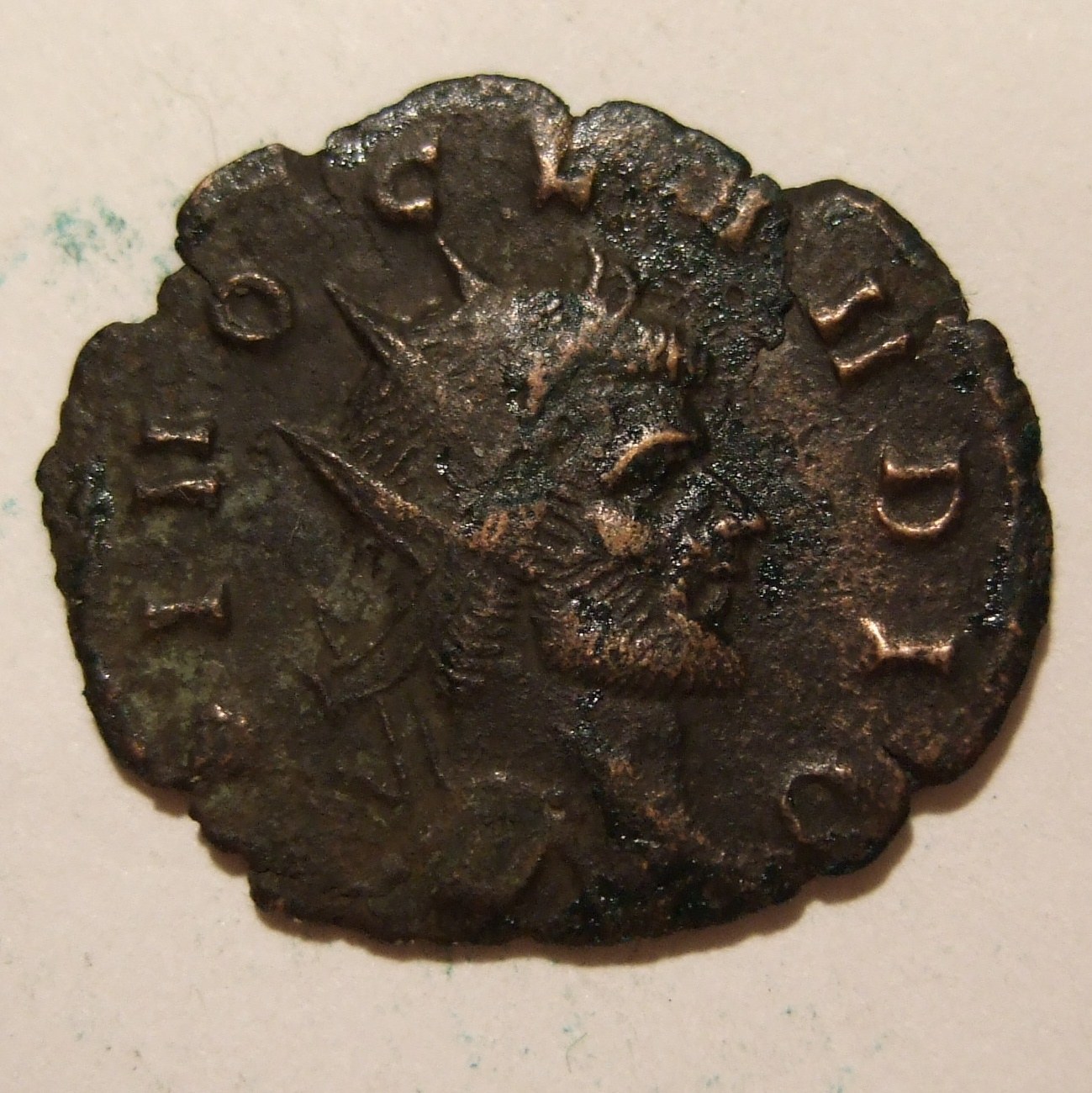
Begin with size and weight. The quadrans is a small, low-value bronze fraction, distinctly smaller and lighter than an as, dupondius, or sestertius. If you are holding a small copper-alloy coin that feels too little to be a full as, a fractional denomination such as the quadrans is a reasonable starting point.
Examine the obverse portrait. This example shows a laureate head facing right, meaning the figure wears a laurel wreath and looks to the right. Note the direction the head faces and the presence of the wreath, since these details, together with portrait style, are often the most legible features on a worn bronze and help place the coin within Roman imperial conventions.
Assess surface and legibility honestly. Heavy corrosion, as seen here, eats away the legend and can bury the reverse entirely; the reverse of this piece is not visible. On badly corroded coins, resist the urge to read letters that are not clearly there. Sound identification comes from what genuinely survives: the module, the fabric, and the visible portrait, not from guessed inscriptions.
Watch for look-alikes. Other small Roman bronzes, worn provincial issues, and later minimi can resemble a corroded quadrans, and small bronze fractions are easy to confuse when detail is gone. Because so many low-value bronzes share a similar size and a laureate obverse, treat any attribution of a corroded small bronze as provisional unless a legend or a diagnostic reverse can be read.
Finally, apply basic authentication caution. Compare fabric and wear against known genuine ancient bronzes: natural earthen patina and even corrosion differ from the smooth, artificial surfaces of cast copies, which may show seams or bubbles. When it matters, have a heavily corroded or uncertain coin reviewed by a specialist or checked against a standard reference rather than relying on the portrait alone.
Frequently asked questions
What is the quickest way to tell this is a quadrans?
Its small size and light weight relative to an as, combined with its bronze fabric, point to a low-value fraction such as the quadrans. A clearer legend would be needed to confirm it precisely.
The legend is unreadable. Can I still identify it?
Only partially. You can describe it as a small bronze quadrans with a laureate head facing right, but corrosion prevents a secure attribution to a specific ruler or mint.
How do I avoid confusing it with other small bronzes?
Compare its size and design to an as and to other fractions, and treat attribution as provisional. Many small Roman bronzes share a similar module and laureate portrait, so a legible legend or reverse is the deciding evidence.
How can I check it is genuine?
Look for natural, even patina and burial corrosion consistent with age, and be wary of seams or bubbles that suggest a cast copy. For anything uncertain or valuable, seek a specialist opinion.